
Athens with kids is fun and rewarding, with the Acropolis, the interactive Acropolis Museum, the marble Panathenaic Stadium, the colourful changing of the guard, leafy parks, sweet treats and kid-friendly food and mythology tours. Make it easy with skip-the-line tickets and family-friendly guided tours from My Greece Tours.
A family trip is very doable with planning, as set out in the Athens travel guide. The sections below cover the best family things to do and tips in full.
Is Athens good to visit with kids?
Yes, Athens is a strong family destination that blends ancient myths and monuments with child-friendly museums, parks, treats and tours. Children take to the Acropolis stories, the interactive Acropolis Museum, the marble Olympic stadium and the changing of the guard.
Athens rewards a family visit because its ancient history comes alive through the Greek myths that children often already know. Standing on the Acropolis, where the gods Athena and Poseidon contested for the city, seeing real treasures in the museums, and running around a marble Olympic stadium make the past tangible for young visitors. Beyond the headline sights, the city holds interactive museums built for children, leafy parks and playgrounds, kid-pleasing food and treats, and guided family tours that turn sightseeing into a game.
The compact, walkable centre and the cheap public transport keep travel with children simple. The two things to plan around are the summer heat and the uneven, crowded ancient sites, so sun protection, an early start and a relaxed pace matter most. Children old enough to enjoy the mythology and the food get the most from the city. Spring and autumn bring mild weather that suits walking the ancient sites with children, while July and August turn hot enough that a midday rest and an indoor museum become part of the plan. For a trip that mixes culture, play and good food, Athens delivers, set out alongside the guide to things to do in Athens. The top family sights come first.
What are the top things to do in Athens with kids?
The top things to do in Athens with kids are the Acropolis and Parthenon with their myths, the Acropolis Museum with its glass floors, the marble Panathenaic Stadium where kids run the track, and the changing of the guard at Syntagma.
The city offers a set of attractions that hold children’s attention and turn sightseeing into an adventure. The Acropolis tops the list: allow around an hour and a half to climb up, explore the Parthenon and descend, bring it alive with the myths of Athena and Poseidon, and use skip-the-line tickets to avoid tiring queues. The Acropolis Museum lands well with families, with a children’s Family Backpack full of games and glass floors that reveal a real ancient city underfoot. The Panathenaic Stadium, the only stadium built entirely of marble and home of the first modern Olympics, lets children run a lap of the track.
The colourful, free changing of the guard by the kilted Evzones at Syntagma holds children with its precise, dramatic movements. Kid-friendly mythology tours and treasure-hunt experiences, such as an Acropolis treasure hunt that works like an escape room in a backpack, turn the history into an interactive game.
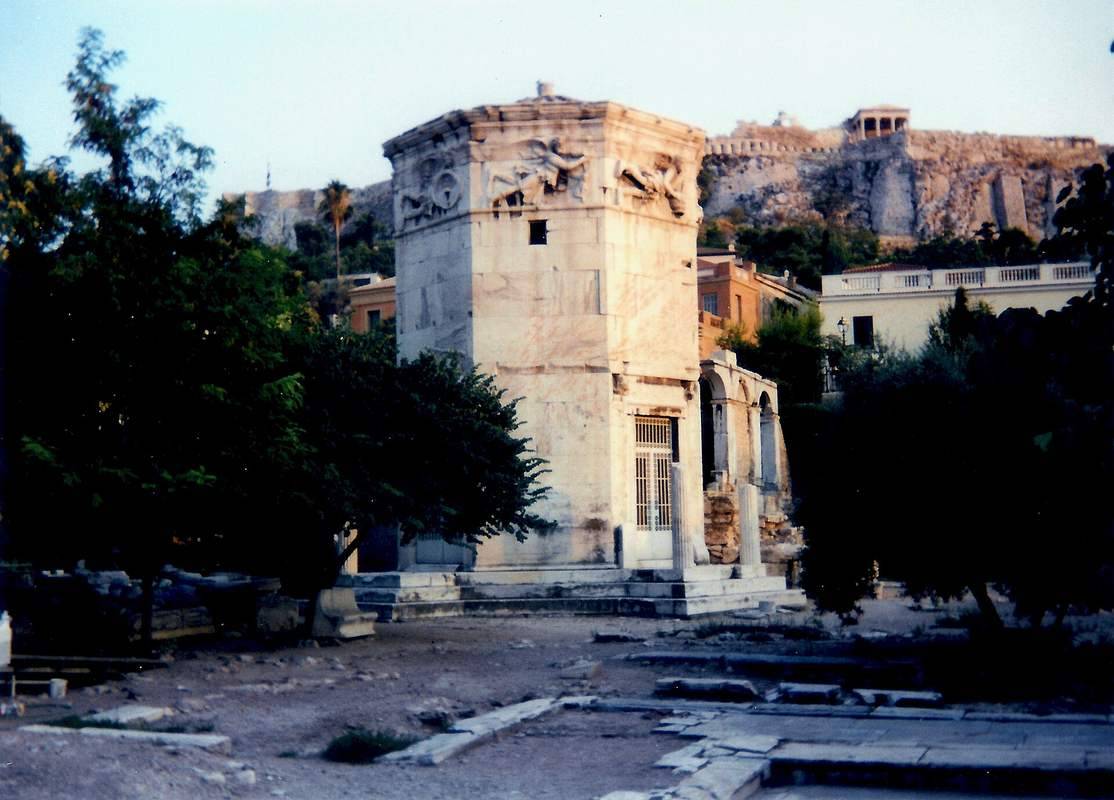
The Ancient Agora, once the marketplace where Socrates taught, gives children space to run among the ruins, and the reconstructed Stoa of Attalos houses a small museum of everyday objects. The Temple of Olympian Zeus and Hadrian’s Arch stand a short walk away, and a ride up the Lycabettus funicular ends at the highest point in the city for a wide view. These sights make the city fun for children, set out alongside the guides to the Acropolis with kids and the changing of the guard. There is more fun beyond the ruins.
What fun, non-ancient activities can families enjoy in Athens?
Beyond the ruins, families enjoy the National Garden with its playground and small zoo, the Stavros Niarchos park, fun parks and the beaches at Faliro, treats like honey-drenched loukoumades, and the themed Little Kook cafe.
Fun, modern, green and tasty experiences balance the ancient sites and keep children happy. In the centre, the National Garden behind Parliament is a leafy oasis with shaded paths, a playground, a duck and tortoise pond and a small animal area, so children run free. The modern Stavros Niarchos Foundation Cultural Centre adds parkland, fountains and family activities by the coast. At Flisvos Marina in Faliro, the Volta fun park offers trampolines, a giant toy ship to climb and mini karts, and the nearby beaches of the Athens Riviera give sand and sea on hot days.
Food is a treat in itself: children try loukoumades, the deep-fried honey dough balls, and visit the fairy-tale Little Kook cafe in Psiri, with its extravagant themed decor. The Athens Planetarium, the Playmobil Fun Park and the Attica Zoological Park on the city edge give a full day of play for younger children, and the Hellenic Motor Museum and the Museum of Illusions suit older kids. A family-friendly boat cruise from the coast, or even the metro with its displayed antiquities, turns travel into an adventure. These breaks from sightseeing keep the whole family content, set out alongside the guides to an Athens Riviera catamaran tour and Athens boat tours. Museums built for children add more.
What are the best museums in Athens for kids?
The best museums for kids in Athens are the Acropolis Museum, the Hellenic Children’s Museum, the Herakleidon Museum of ancient Greek technology, the Museum of Illusions and the Athens Planetarium, each hands-on or visual enough to hold young attention.
Athens holds a strong set of museums that suit children through interactive displays and short, visual visits. The Acropolis Museum leads with its glass floors over a real excavated city and its children’s Family Backpack. The Hellenic Children’s Museum, built for play and discovery, lets young children touch, build and role-play through its rooms, with activity stations sized for small hands. The National Archaeological Museum, the largest in the country, rewards a short, focused visit around its gold Mycenaean masks and bronze statues, so a treasure-hunt approach keeps children engaged. The Herakleidon Museum brings ancient Greek technology to life with working models of catapults, cranes and early machines, so older children see how the ancient engineers solved problems.
Two more stops round out the family museum list. The Museum of Greek Children’s Art displays work made by children, and runs drawing and craft workshops that give young visitors a hands-on break between the ancient sites.
Visual and science museums round out the choice for a hot or rainy day. The Museum of Illusions fills its rooms with optical tricks and photo spots that captivate children, and the Goulandris Natural History Museum shows fossils, animals and minerals. The Athens Planetarium, one of the largest digital planetariums, runs star shows on its giant dome, and the Stavros Niarchos Foundation Cultural Centre hosts family workshops. Air conditioning makes these stops a cool break from the summer heat, set out alongside the guide to things to do in Athens. Good food keeps everyone happy.
What should families eat in Athens?
Families in Athens do well on kid-friendly Greek food: souvlaki and gyros wraps, grilled meats, cheese pies, Greek salad, bread and chips, plus treats like loukoumades, baklava and Greek yoghurt with honey. Tavernas welcome children.
Greek food lands well with children, which makes mealtimes one of the easiest parts of a family trip. The cuisine offers a strong list of kid-friendly favourites: souvlaki and gyros, grilled meat wrapped in pita with chips, work as handheld meals, while grilled meats, meatballs, sausages and chicken suit most palates. Savoury pies such as tyropita, the cheese pie, and spanakopita, the spinach pie, make good snacks. Familiar dishes such as Greek salad, fresh bread, chips, rice and pasta appear on most menus, and fresh fruit is easy to find. For treats, children take to loukoumades, the warm honey-soaked doughnut balls, along with baklava, ice cream and thick Greek yoghurt drizzled with honey.
Greek tavernas run warm and welcoming to children, with a relaxed atmosphere, generous portions for sharing and no fuss about young diners, so family meals stay easy. A guided food tour through the central market and Plaka lets children sample street food, cheeses, olives and sweets while learning where each dish comes from. Ice cream and frozen yoghurt shops line the pedestrian streets for an afternoon treat, and most tavernas serve early enough to suit family mealtimes rather than the late Athenian dinner hour. Eating well is effortless in the city, set out alongside the guides to the Athens street food guide and Greek food to try. The right base makes a family trip smoother.
Where should you stay in Athens with kids?
Stay in a central, walkable area with kids, such as Plaka, Makrygianni, Koukaki or Monastiraki, all near the Acropolis and the metro. Family-sized apartments with a kitchen suit longer stays, and a base near a station eases transfers and rests.
A central base cuts travel time with children and puts the sights, food and parks within a short walk. Plaka, below the Acropolis, gives a car-free maze of lanes, tavernas and shops, though its cobbles and steps suit walking over prams. Makrygianni and Koukaki, by the Acropolis Museum, stay quieter and hold apartment rentals sized for a family, with cafes and bakeries for short breaks. Monastiraki adds a lively square and direct metro links, useful for reaching the airport and the port for island trips.
Two practical points shape the choice. A ground-floor or lift-served apartment with a kitchen eases travel with young children and lets a family cook simple meals and store snacks. A room within a short walk of a metro station shortens airport transfers and makes a midday return for rest easy, so children recharge before an evening out. Thissio and the pedestrian streets around it give another quiet, central option with Acropolis views, while the Athens Riviera suits families who want a resort with a pool and beach access, at the cost of a longer ride to the ancient sites. The guides to where to stay in Athens and Plaka set out the districts in full. Getting around is the next piece.
How do you get around Athens with kids?
Get around Athens with kids on foot in the walkable centre and by metro for longer hops. The network reaches the airport, the port and the coast, children travel at reduced or free fares, and the tram links to the Riviera beaches.
Walking covers most of a family visit because the central sights cluster within a short radius around the Acropolis. Pedestrian streets such as Dionysiou Areopagitou below the citadel give children a car-free route between the monuments. For longer hops, the metro is fast, cheap and air-conditioned, and its three lines link the centre to the airport, the port of Piraeus for island day trips, and the southern suburbs. Stations such as Syntagma and Monastiraki display antiquities found during construction, which turns a transfer into a small museum stop. The trains run frequently through the day, so a family rarely waits long on a platform with restless children.
Fares stay low for families, with reduced or free travel for young children on the metro, tram and bus. The tram runs from the centre down to the Athens Riviera, a simple way to reach the beaches on a hot afternoon. Taxis and ride apps fill gaps for tired children or late returns, and licensed cabs seat a family of four with a child seat on request. The hop-on hop-off bus gives a shaded, seated overview of the main sights for a day when small legs tire quickly. A base near a metro station ties the whole plan together. The guide to getting around Athens covers tickets and passes in full. A short checklist keeps a family day smooth.
What tips help for visiting Athens with kids?
Visit the ancient sites early to beat the heat, buy skip-the-line tickets, and bring water, hats and sunscreen. Wear sturdy shoes for the marble, keep a relaxed pace with breaks, prep kids with Greek myths, and base yourself centrally.
A short set of practical tips makes a family visit smoother. Tackle the open-air sites like the Acropolis right at opening or in the late afternoon, away from the fierce midday heat on the shadeless rock and the worst crowds, and buy skip-the-line tickets in advance so restless children avoid the queue. Pack for the heat and terrain: water, sun hats, sunglasses and high-factor sunscreen, plus sturdy closed shoes for the uneven, slippery marble, since flip-flops fail on the rocky paths.
A steady pace and small comforts keep the day pleasant. Keep a relaxed pace with regular breaks for shade, snacks, treats and play, and balance ancient sites with parks, food and fun. Carry a refillable water bottle, since public fountains and cafes make refills easy, and pack a light snack for the queue-free early slot before the cafes open.
Prepare children in advance with simple Greek myths, which makes the monuments meaningful and exciting. Use the cheap metro to get around, and base yourself in a central, walkable area like Plaka, Monastiraki or Koukaki so a family returns for a midday rest. With this planning, Athens works as a family destination, set out alongside the guides to getting around Athens and the best time to visit. The number of days shapes the plan.
How long do you need in Athens with kids?
Around two to three days suit Athens with kids: a day for the Acropolis and its museum, a day mixing other sights with parks, treats and fun, and extra time for a Riviera beach day or an easy day trip.
The right amount of time makes a family trip smoother, since children do best with a relaxed pace over a packed schedule. Two to three days cover the main highlights for most families without exhausting the children. A sensible plan gives one morning to the Acropolis and Parthenon, early to beat the heat, followed by the air-conditioned Acropolis Museum, then rest in the afternoon. A second day mixes child-pleasing sights, such as the marble Panathenaic Stadium and the changing of the guard at Syntagma, with downtime: the National Garden playground, loukoumades, a themed cafe or a relaxed taverna lunch.
A third day adds a beach day on the Athens Riviera, a boat trip or an easy day out. A longer stay opens a family-friendly day trip, such as Cape Sounion’s clifftop temple at sunset, the beaches and pine woods of the Saronic islands a short ferry from Piraeus, or the ancient theatre at Epidaurus. Each gives a change of scene from the city and a rest from the heat of the central sites.
The key with children is to avoid cramming, building in breaks, shade, snacks and rest, and balancing ancient sites with play, food and fun. Two to three well-paced days make the city a strong family destination, set out alongside the guide to a first-timer’s itinerary. The questions below cover the points families ask most.
What can families do in Athens on a rainy or very hot day?
On a rainy or very hot day, families head indoors to air-conditioned museums such as the Acropolis Museum, the Hellenic Children’s Museum and the Museum of Illusions, or catch a Planetarium star show, a workshop or a covered market visit.
The summer heat and the occasional winter shower both push a family day indoors, and the city holds enough covered attractions to fill it. The air-conditioned museums lead the list, from the glass floors of the Acropolis Museum to the hands-on rooms of the Hellenic Children’s Museum and the optical tricks of the Museum of Illusions. The Athens Planetarium runs immersive star shows on its giant dome, and the Stavros Niarchos Foundation Cultural Centre offers indoor spaces, a library and family workshops under one roof.
Covered markets and treats give a shorter indoor break. The Athens Central Market, the Varvakios, shelters rows of stalls that fascinate older children, and the cafes and bakeries of Plaka and Monastiraki serve loukoumades, ice cream and hot chocolate out of the weather. A mythology-themed indoor workshop or a cooking class rounds out a wet afternoon. These indoor options keep a family day going whatever the sky, set out alongside the guide to things to do in Athens. The questions below cover the points families ask most.
Is Athens safe and easy for families?
Athens is a safe, family-friendly city with low violent crime, warm locals and a walkable centre. The main cautions are the summer heat, the uneven ancient ground and normal pickpocket awareness in crowds.
Athens ranks as a comfortable city for families, with friendly locals who welcome children in tavernas and on the street, and a low level of serious crime. The everyday cautions match any large city: keep an eye on bags in crowded spots such as the metro and the flea market, and hold small children’s hands on busy roads and at the ancient sites, where the ground turns uneven and the marble grows slippery. Pharmacies are widespread and well stocked, and staff often speak English, so minor scrapes and sunburn are simple to treat.
The heat is the factor that shapes a family day most. Summer midday temperatures on the shadeless Acropolis rock climb high, so the early-morning or late-afternoon slot, ample water and a shaded rest keep young children comfortable. Tap water in Athens is safe to drink, and cafes refill bottles readily. A central base near a metro station lets a family retreat for a midday break and return refreshed. These habits keep a family trip smooth, set out alongside the guide to the best time to visit. The questions below cover the points families ask most.
Frequently Asked Questions
Is Athens good for families with kids?
Yes, it is a strong family destination that blends ancient myths and monuments with child-friendly museums, parks, treats and tours. Children take to the Acropolis stories, the interactive Acropolis Museum, the marble Olympic stadium and the changing of the guard. With sun protection, an early start and engaging tours, it suits families of all ages.
What are the top things to do in Athens with kids?
The headline family activities are the Acropolis and Parthenon with their myths, the Acropolis Museum with its glass floors and children’s backpacks, the marble Panathenaic Stadium where kids run the track, and the changing of the guard at Syntagma. Mythology and treasure-hunt tours bring the history alive for younger visitors.
How do you keep kids cool and comfortable in Athens?
Keep children cool by visiting the ancient sites early or late to avoid the midday heat, bringing water, hats and sunscreen, and taking breaks in shade, air-conditioned museums, parks or cafes. Sturdy shoes handle the marble, a relaxed pace prevents meltdowns, and a central base allows a midday rest out of the sun.
What is the best age to visit Athens with kids?
Children old enough to enjoy the Greek myths and the food get the most from Athens, roughly school age and up, though families visit happily with younger children too. Prams handle the pedestrian promenades but struggle on Plaka’s cobbles and the ancient sites, so a carrier helps with toddlers on the uneven ground.
Where can kids run and play in Athens?
The National Garden behind Parliament gives children shaded paths, a playground, a duck and tortoise pond and a small animal area in the centre. The Stavros Niarchos park, the Volta fun park at Faliro and the Athens Riviera beaches add more open space, and the Panathenaic Stadium lets kids run a lap of the marble track.
Is Athens walkable with a pushchair?
The central pedestrian promenades, such as Dionysiou Areopagitou below the Acropolis, take a pushchair easily, but Plaka’s cobbles, steps and the uneven ancient sites are harder going. A lightweight buggy or a carrier handles the mix best, and the metro lifts and ramps help move between neighbourhoods with a pram. Most hotels and apartments offer a cot on request, so it is worth confirming when booking a family stay.
Do you need to book tickets in advance for kids?
Skip-the-line tickets for the Acropolis and its museum are worth booking ahead in the busy season, since they cut the wait that tires young children. Children under a set age enter the state archaeological sites free, and reduced rates apply to students, so carry proof of age to claim the discount at the gate.
What Greek myths should you tell kids before visiting?
Simple retellings of Athena and Poseidon contesting Athens, the labours of Heracles, the tale of Theseus and the Minotaur, and the story of Icarus prepare children well. Knowing the myths turns the Acropolis, the Agora and the museum statues into a story they recognise, which holds their attention far longer on the ground.