
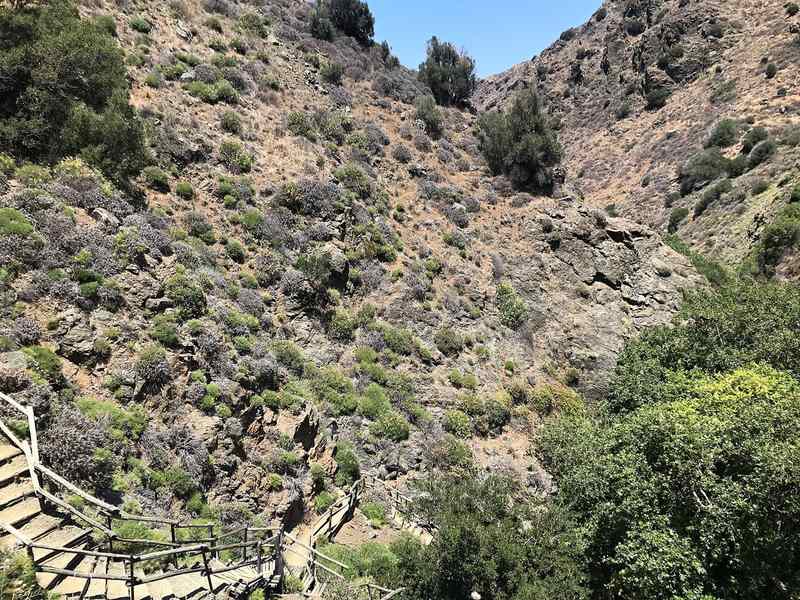
Richtis Gorge offers one of eastern Crete’s most rewarding nature walks, combining lush greenery, flowing water, and a dramatic waterfall finale. The trail winds through a shaded ravine near Exo Mouliana, passing beneath plane trees and over old stone bridges before reaching Richtis Waterfall, which tumbles into a clear pool. The path continues to Richtis beach on the north coast, completing a three to four kilometre journey that remains refreshingly uncrowded compared to the island’s western gorges. Explore this verdant corner of Lasithi with My Greece Tours.
The sections below cover everything you need to plan your visit to Richtis Gorge, from trail details and seasonal advice to what makes this hike special. Positioned between Sitia and Agios Nikolaos, the gorge rewards walkers with cool shade, running water, and natural beauty that feels worlds away from the busier tourist trails. Spring and early summer bring the strongest stream flow and the most comfortable temperatures. For broader island inspiration, consult our Crete travel guide.
Where is Richtis Gorge located in Crete?
Richtis Gorge lies in eastern Crete’s Lasithi region, near the village of Exo Mouliana. The trailhead sits between Sitia and Agios Nikolaos along the north coast, making it accessible from both towns.
The gorge occupies a green pocket of the island that sees far fewer visitors than the celebrated western ravines. Exo Mouliana serves as the nearest village, perched above the gorge entrance and offering a starting point for most hikers. The route descends through the ravine toward the sea, ending at Richtis beach where the stream meets the Mediterranean. Drivers coming from Agios Nikolaos follow the coastal road eastward, turning inland at signs for the gorge. The journey from town takes roughly thirty minutes, passing olive groves and small settlements that typify this quieter corner of the island.
Positioning the hike requires understanding eastern Crete’s geography. The gorge runs perpendicular to the coast, cutting through limestone and creating a microclimate of shade and moisture. Sitia lies to the east, Agios Nikolaos to the west, and both serve as logical bases for exploring the area. The trailhead itself sits just off the main coastal highway, marked by a small parking area and information board. Hikers descend into the ravine from the upper entrance, following the watercourse downhill through plane trees and ferns. The route emerges at sea level, where Richtis beach provides a natural conclusion to the walk and a chance to cool off in the waves.
What makes the Richtis Gorge hike special?
The hike combines lush vegetation, running water, old stone bridges, and a waterfall finale in a setting that stays far less crowded than western Crete’s famous gorges. Shade from plane trees keeps the trail cool even in summer.
Richtis Gorge stands out for its verdant character and intimate scale. The trail follows a stream bed lined with plane trees, oleanders, and ferns, creating a ribbon of green that contrasts sharply with the drier hillsides above. Stone bridges cross the water at intervals, remnants of older paths that once connected coastal villages to inland settlements. The sound of flowing water accompanies walkers throughout the descent, and the canopy overhead filters the sunlight into dappled patterns on the rocks. Richtis Waterfall marks the highlight, dropping several metres into a pool where swimmers brave the cold water. The falls flow strongest in spring and early summer, fed by winter rains and snowmelt from higher elevations.
The relative solitude adds to the appeal. Richtis Gorge attracts a fraction of the foot traffic that pours through Samaria Gorge or Imbros Gorge in the west, allowing hikers to enjoy the natural setting without jostling for space on narrow sections. The moderate difficulty suits walkers of average fitness, though sturdy footwear helps on the rocky, sometimes slippery path. The route ends at Richtis beach, a pebble cove where the stream meets the sea and hikers can rest before arranging return transport. This combination of forest, water, and coast in a single walk makes the gorge one of the hidden gems in Crete for nature lovers.
How long does the Richtis Gorge walk take?
The walk covers three to four kilometres and takes most hikers between one and two hours to complete. The descent to the waterfall and beach is moderate, with rocky sections requiring attention but no technical climbing.
Timing depends on pace, photography stops, and how long you linger at the waterfall. The trail descends steadily from the upper trailhead near Exo Mouliana, losing elevation as it follows the stream toward the coast. Walkers moving at a steady pace without extended breaks typically reach Richtis beach in sixty to ninety minutes. The path requires careful footing in places where water crosses the trail or where tree roots and rocks create uneven surfaces. Families with children or groups pausing frequently for photos should budget closer to two hours. The return journey reverses the route, climbing back uphill and adding another hour or more depending on fitness levels.
The moderate difficulty rating reflects the terrain rather than the distance. The trail never becomes technically challenging, but wet rocks near the stream and loose stones on steeper sections demand attention. Hikers should wear shoes with good grip and bring water, especially in warmer months. The shade from plane trees keeps temperatures comfortable, but the climb back out of the gorge can feel strenuous in midday heat. The waterfall itself invites a rest, and the pool below tempts swimmers willing to brave the cold mountain water. The beach at the trail’s end offers another natural pause point before tackling the return ascent or arranging a pickup by car.
When is the best time to visit Richtis Gorge in Crete?
Spring and early summer offer the best conditions, with strong stream flow, lush vegetation, and comfortable temperatures. The waterfall flows most impressively from April through June, while shade keeps the trail pleasant even as summer progresses.
Seasonal timing transforms the gorge experience. Winter rains fill the stream and prime the landscape for spring growth, when wildflowers bloom along the trail and the plane trees leaf out in fresh green. The waterfall reaches peak flow in late spring, fed by runoff from higher elevations and sustained by the water table beneath the gorge. Early summer extends the prime season, maintaining good water levels and comfortable walking temperatures before the heat of July and August arrives. Autumn brings cooler air and renewed rains, though the stream may run lower after the dry summer months. Winter hiking remains possible but requires caution on wet, slippery rocks and tolerance for cooler temperatures in the shaded ravine.
The gorge’s microclimate moderates temperature extremes throughout the year. The canopy of plane trees and the high walls of the ravine create shade that keeps the trail cooler than exposed coastal paths, making Richtis Gorge one of the more comfortable things to do in Crete even in summer. The stream adds humidity and a cooling effect, though the same moisture can make rocks slippery. Hikers visiting in peak summer should start early in the morning to avoid midday heat on the return climb. The beach at the trail’s end provides a welcome swimming opportunity regardless of season, though the water stays cold year-round thanks to the mountain stream feeding into the sea.
How do you reach the Richtis Gorge trailhead?
The trailhead lies just off the coastal highway between Sitia and Agios Nikolaos, near Exo Mouliana village. A small parking area marks the upper entrance, with signs directing hikers down into the gorge from the roadside.
Reaching the gorge requires a car or arranged transport, as public bus service to the trailhead remains limited. Drivers heading east from Agios Nikolaos follow the main coastal road toward Sitia, watching for signs indicating Richtis Gorge or Exo Mouliana. The turnoff appears on the inland side of the highway, leading to a small parking area that accommodates a dozen vehicles. The trailhead begins here, marked by an information board explaining the route and natural features. Hikers descend immediately into the ravine, leaving the road noise behind as the path drops into the shaded gorge.
The descent follows the stream bed, crossing the water on stone bridges and stepping stones as the route winds toward the waterfall and beach.
Return logistics require planning, as the trail ends at Richtis beach rather than looping back to the start. Hikers face three options: retrace the route uphill to the parking area, arrange a pickup at the beach access road, or leave a second vehicle at the lower trailhead near the coast. The climb back up takes longer than the descent and demands more effort, but it remains the simplest solution for solo walkers or small groups. The beach access road connects to the coastal highway, allowing drivers to collect hikers at sea level and return to the upper parking area.
This linear route design mirrors the gorge’s natural flow from mountain to sea, rewarding walkers with a changing landscape rather than retracing identical scenery.
Frequently Asked Questions
Can you swim at Richtis Waterfall?
The pool beneath Richtis Waterfall invites swimming, though the water stays cold year-round thanks to the mountain stream feeding it. The pool reaches sufficient depth for a refreshing dip, and the waterfall itself creates a dramatic backdrop for a quick swim. The cold temperature shocks most swimmers initially, but the experience proves invigorating after the warm descent through the gorge. The rocks surrounding the pool can be slippery, so caution helps when entering and exiting the water. The beach at the trail’s end offers a warmer swimming alternative where the stream meets the Mediterranean, combining fresh and salt water in the shallows.
Both spots provide natural swimming opportunities that enhance the hike, turning the walk into a full outdoor adventure rather than simply a nature observation. Bring a towel and swimwear if you plan to take advantage of either swimming spot, and be prepared for the chill of mountain-fed water even in summer heat.
Is Richtis Gorge suitable for children?
Richtis Gorge suits families with older children who have experience on uneven trails and can manage moderate distances. The three to four kilometre route stays within the abilities of fit children aged eight and above, though younger hikers may struggle with the rocky sections and the length of the walk. The trail requires attention on wet rocks and stream crossings, where adult supervision helps prevent slips. The waterfall and beach provide natural motivation for children, giving them clear goals beyond simply walking through the gorge. The shade from plane trees keeps temperatures comfortable, and the flowing water adds interest throughout the descent.
Parents should bring snacks, water, and sturdy footwear for children, and plan for a slower pace than adult-only groups would maintain. The return climb demands more effort, so families should assess whether children can manage the uphill portion or whether arranging a pickup at the beach makes more sense. The gorge offers a genuine nature experience without extreme difficulty, making it accessible to active families seeking outdoor adventure in eastern Crete.
What should you bring for the Richtis Gorge hike?
Sturdy footwear with good grip tops the essential list, as the trail includes wet rocks, stream crossings, and uneven surfaces where proper shoes prevent slips and twisted ankles. Bring at least one litre of water per person, as the descent and return climb generate thirst and the shade does not eliminate the need for hydration. A small backpack carries water, snacks, sunscreen, and a hat for the exposed sections near the beach. Swimwear and a towel add value if you plan to swim at the waterfall or beach, and a waterproof bag protects phones and cameras near the water.
The trail stays shaded for most of its length, but sunglasses and sun protection matter at the beach and on the return climb. A basic first aid kit, insect repellent, and a charged mobile phone round out the recommended gear. The gorge sees limited foot traffic, so self-sufficiency matters more than on busier trails where help stays closer at hand. Proper preparation transforms the hike into a comfortable adventure rather than a challenging ordeal.