
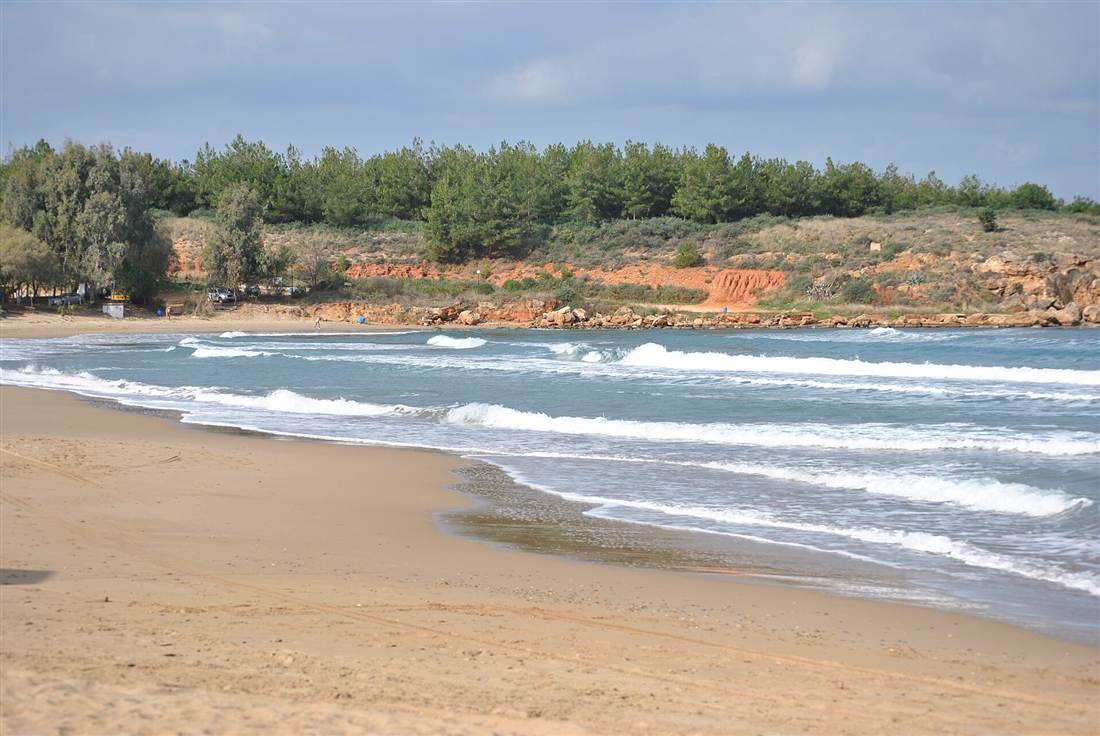
Nea Chora is the town beach and seafront neighbourhood of Chania, a ten-minute walk west of the Venetian old harbour, a sandy blue-flag beach lined with fish tavernas and washed by shallow, calm water. Plan the whole trip with Greece Tours.
This guide covers Nea Chora in full: what and where it is, the walk from the old town, the sandy blue-flag beach, whether it suits families, the seafront fish tavernas, the sunset, the Koum Kapi promenade, the beaches further west at Agioi Apostoloi and Chrysi Akti, where to stay, and whether Nea Chora is worth visiting.
What is Nea Chora in Chania?
Nea Chora is the town beach and seafront suburb of Chania, a 10-minute walk west of the Venetian old harbour. A sandy blue-flag beach lined with fish tavernas forms its heart, backed by a residential quarter of the city.
Nea Chora sits on the northern coast of Crete, directly on the edge of Chania city. The name translates as “New Town”, a district that grew west of the old fortified centre onto an open stretch of sand facing the Cretan Sea. It functions as the nearest true beach to the historic core, which puts a swim within reach of anyone staying inside the Venetian walls.
The suburb combines everyday city life with a working seafront. Fishing boats moor at a small harbour on its western end, and the daily catch travels a short distance from the water to the taverna kitchens along the shore. This mix of neighbourhood streets, a broad beach and a row of seafood restaurants defines the character of Nea Chora and sets it apart from the tourist-only resorts further along the coast. The wider destination guide for Chania places Nea Chora as the city’s own beach quarter.
Where is Nea Chora and how do you get there?
Nea Chora lies immediately west of the Venetian old harbour, a flat 10-minute walk from the heart of Chania old town. The route runs along Akti Papanikoli and the western seafront, with no hills and no transport change required.
From the lighthouse and the old port, the walk heads west past the Nautical Museum, the Firka Fortress and the small streets of the Topanas quarter, then opens onto the sand of Nea Chora. The distance measures under one kilometre on level ground, which makes walking the direct way to arrive. City buses stop nearby on Kissamou Street for arrivals from further out, and taxis reach the seafront in minutes from any point in the centre.
Drivers reach Nea Chora on the coastal road that skirts the western edge of the city, with roadside parking in the residential streets set back from the beach. Chania International Airport at Akrotiri sits 15 kilometres to the east, and the ferry port of Souda lies 7 kilometres from the seafront. The central position of Nea Chora, wedged between the old town and the open coast, turns it into the obvious first swim for visitors based in the historic quarter. The full picture of the Chania old town shows how close the two districts sit.
What is Nea Chora beach like?
Nea Chora beach is a sandy blue-flag town beach roughly 400 metres long, with shallow calm water and a soft grey-gold sand. An organised strip of sunbeds and umbrellas runs the length of the shore, backed by tavernas and a paved promenade.
The water deepens gradually from the shoreline, which keeps the shallows warm and steady. A line of rocks and a breakwater at the western end shelter the bay, so the surface stays flatter than the open beaches east and west of the city. The blue-flag award marks clean water and monitored safety, and lifeguard cover operates through the summer season. Showers, changing points and beachside caf\u00e9s sit within a few steps of the sand.
The beach carries a genuine city rhythm rather than a resort feel. Local families share the sand with visitors, swimmers cross to the small breakwater, and the promenade fills through the evening as the tavernas set their tables. The organised section rents sunbeds and umbrellas by the day, while the western stretch stays open for towels laid straight on the sand. For a wider survey of the coast, the guide to the Chania beaches ranks Nea Chora as the closest of them to the centre.
Is Nea Chora beach good for families?
Nea Chora beach suits families through its shallow calm water, soft sand and short flat walk from the old town. Lifeguard cover, showers and beachfront tavernas sit within reach of the sand, and the sheltered bay keeps waves low for young swimmers.
The gentle slope of the seabed gives small children a wide band of shallow water before the depth increases, and the breakwater at the western end cuts the swell that reaches the open coast. Parents settle on rented sunbeds with the water in full view, and the lifeguard station adds a layer of supervision through the summer. The soft sand extends the play area beyond the waterline.
Practical needs sit close at hand. Caf\u00e9s and tavernas along the promenade serve food and cold drinks a few metres from the sand, freshwater showers rinse off the salt, and the flat 10-minute path back to the old town returns tired children to the centre without a climb. This balance of safe water and everyday amenities turns Nea Chora into the practical family choice for anyone staying in the city rather than a distant resort.
Where do you eat at Nea Chora?
You eat at Nea Chora along the seafront row of fish tavernas that line the promenade above the sand. The kitchens serve the daily catch from the neighbourhood harbour, grilled whole fish, fried calamari and traditional Cretan dishes with a direct sea view.
The tavernas form a continuous strip facing the water, with tables set at the edge of the beach and menus built around seafood. Sea bream, red mullet, sardines, octopus and prawns arrive from the boats that moor at the small harbour on the western end, and the fish reaches the plate the same day it lands. Cretan staples fill out the menus: dakos rusks topped with tomato and mizithra cheese, wild greens dressed in olive oil, lamb and slow-cooked vegetable dishes.
Eating at Nea Chora carries the appeal of a working fishing quarter rather than a tourist parade. The proximity of the boats to the tables gives the seafood a freshness that the inland restaurants match with difficulty, and the open seafront turns dinner into a front-row seat over the Cretan Sea. Local olive oil, Cretan wine and raki accompany the meals, and the tavernas stay busy from lunchtime through the long summer evenings.
Where do you watch the sunset at Nea Chora?
Nea Chora faces west across the open Cretan Sea, which makes it a front-line sunset spot in Chania. The sun drops straight into the water beyond the beach, and the seafront tavernas and promenade give an uninterrupted view through the golden hour.
The westward orientation is the key. Unlike the old harbour, which looks north and loses the sun behind the headland, Nea Chora holds the horizon clear to the west, so the sun sets over open water in full view of the sand. The colour builds across the sky as the light fades, and the flat sea reflects the glow back toward the beach.
The seafront turns into the natural gathering point for the moment. Diners take tables at the taverna edge as the light shifts, swimmers stay in the shallows for the last of the warmth, and the promenade fills with people walking the shore at dusk. The combination of a clear western horizon, a sandy foreground and a row of restaurants set to the view establishes Nea Chora as the sunset seat of the city.
What is the Koum Kapi and the seafront promenade near Nea Chora?
Koum Kapi is a seafront caf\u00e9 and bar quarter east of the old harbour, at the opposite end of the coastal promenade from Nea Chora. A continuous paved seafront walk links the two through the old port, tracing the whole northern edge of the city.
Koum Kapi occupies a small stretch of beach and rock below the eastern city walls, lined with caf\u00e9s and bars that spill onto the sand. It draws an evening crowd for coffee, drinks and late meals rather than a full beach day, and its position east of the centre balances the western beach of Nea Chora at the far end of the shore.
The promenade that connects them runs the length of the waterfront, past the lighthouse, the Venetian harbour, the Nautical Museum and the fortress bastions. Walking the full route stitches the city’s coast into one line, from the sunset sands of Nea Chora in the west to the caf\u00e9 terraces of Koum Kapi in the east. The stretch stays flat and paved throughout, which turns the whole seafront into a single evening walk with the sea on one side and the historic quarter on the other.
What beaches are near Nea Chora?
West of Nea Chora the coast runs into a chain of beaches: Agioi Apostoloi, Chrysi Akti and Kalamaki. Each sits within a short drive or bus ride of the city and extends the sandy shoreline that begins at the town beach.
Agioi Apostoloi lies about 4 kilometres west, a group of small sandy coves sheltered by low headlands, with shallow water and pine-backed shade that draws families out of the city. Chrysi Akti, the “Golden Coast”, stretches further along the same road as a broad organised beach of fine sand and sunbeds. Kalamaki closes the western run with a long open strand and clearer, deeper water that meets the wind head-on.
The line of beaches turns Nea Chora into the eastern gateway of a coastal strip rather than an isolated bay. A short hop west trades the city seafront for quieter sand and wider water, while the town beach itself holds the advantage of the walk back into the old town. The bus route along the coast links the chain, so a day moves from one beach to the next without a car. The full comparison sits in the guide to the Chania beaches.
Where do you stay at Nea Chora?
You stay at Nea Chora in seafront hotels, studios and rented rooms set along the beach and the streets behind it. The lodgings put the sand at the doorstep and the old town within a 10-minute walk, which pairs a beach base with the historic centre.
Accommodation ranges from beachfront hotels facing the water to small family-run studios and apartments in the residential streets a block inland. The seafront rooms trade directly on the view and the morning swim, while the quieter back streets offer a calmer night at a shorter distance from the tavernas. The district works as a residential quarter year round, so the stays sit among everyday neighbourhood life rather than a resort enclave.
The position is the draw. Guests wake to the beach, walk into the Venetian old town in ten minutes for the harbour, the market and the narrow lanes, and return to the sand for the afternoon and the sunset. This double life as both a beach and a city base makes Nea Chora the practical place to stay for anyone who wants Chania’s sand and its history from a single doorstep.
What is there to do at Nea Chora beyond the beach?
Beyond the sand, Nea Chora offers swimming to the breakwater, a seafront promenade walk toward the old harbour, sunset dining at the fish tavernas and a working fishing quarter to explore. The old town, market and Venetian port sit ten minutes east on foot.
The beach itself supports swimming across the sheltered bay and a crossing to the rocks and breakwater at the western end. The promenade extends the day into a walk that traces the whole northern seafront, past the fishing harbour, the lighthouse and the fortress bastions into the heart of the old port. Watching the boats unload the catch at the small harbour turns the working quarter into an attraction in its own right.
The city puts the rest within reach. A ten-minute walk east delivers the covered market, the Venetian harbour, the Nautical Museum and the maze of Topanas and Splantzia lanes, so a beach morning rolls straight into an afternoon of history. West of the sand, the coastal road opens the chain of beaches at Agioi Apostoloi, Chrysi Akti and Kalamaki for a day that moves between shores.
What facilities does Nea Chora beach have?
Nea Chora beach carries a full organised strip: rented sunbeds and umbrellas, freshwater showers, changing points, lifeguard cover through summer and a paved promenade. Caf\u00e9s, tavernas and mini-markets line the shore, and roadside parking sits in the streets behind the sand.
The central section runs as an organised beach, with rows of sunbeds and umbrellas hired by the day and beach bars that serve drinks to the loungers. Freshwater showers rinse the salt at the back of the sand, and the lifeguard station keeps watch over the swimming zone. The blue-flag status ties these amenities to monitored water quality and safety checks through the season.
Everyday supplies stay close. Mini-markets and bakeries in the residential streets stock the beach basics, the tavernas cover lunch and dinner at the waterline, and the flat promenade doubles as an access route for wheels and prams. The western end near the fishing harbour keeps a freer, unorganised stretch for towels on open sand, so the beach serves both the sunbed crowd and those who prefer the bare shore.
When is the best time to visit Nea Chora?
Nea Chora swims from late spring through early autumn, when the Cretan Sea warms and the sun stays high. The hottest, busiest stretch runs across the peak summer months, while the shoulder weeks either side deliver warm water, thinner crowds and a calmer beach.
The water reaches swimming warmth from late spring and holds it into October, which stretches the beach season well beyond the summer peak. High summer brings the fullest sand, the busiest tavernas and the longest evenings on the promenade, with the sun setting late over the western horizon. The shoulder weeks in spring and autumn trade the heat for space, with the sea still warm and the sunbeds free.
The daily rhythm matters as much as the season. Mornings deliver the calmest water and the quietest sand, the afternoon fills the organised strip, and the evening turns the seafront over to diners and sunset watchers. A morning swim followed by a walk into the old town, then a return for dinner and the sunset, frames the day that Nea Chora sets up better than any other beach in the city.
Is Nea Chora worth visiting?
Nea Chora is worth visiting as the closest real beach to the Chania old town. A sandy blue-flag shore, shallow safe water, a row of seafront fish tavernas and a west-facing sunset sit a 10-minute walk from the Venetian harbour, which no other beach in the city matches.
The verdict rests on position and range. Visitors staying inside the old town reach a full beach on foot, swim in calm shallow water, eat fresh fish above the sand and watch the sun drop into the sea, all without leaving the city. The blue-flag award confirms the water quality, and the working fishing harbour keeps the seafood tied to the boats moored a few metres away.
Nea Chora rewards a half-day as readily as a full stay. A morning swim slots between mornings in the old town, an afternoon on the sand extends into a taverna dinner, and the promenade links the beach to the harbour and the caf\u00e9 quarter of Koum Kapi in one flat walk. For the combination of a genuine city beach, seafront dining and a sunset seat within reach of the historic core, Nea Chora stands as the essential shore of Chania.
Frequently Asked Questions
What is Nea Chora in Chania?
Nea Chora is the town beach and seafront suburb of Chania, a ten-minute walk west of the Venetian old harbour. Its sandy blue-flag beach, shallow calm water and row of fish tavernas make it the closest real beach to the old town.
Is Nea Chora beach good for families?
Nea Chora suits families well. The beach shelves gently into shallow, calm water, sits a short flat walk from the old town, and backs onto tavernas and cafes, so a beach afternoon fits easily around a day in Chania.
Is Nea Chora worth visiting?
Nea Chora rewards visitors as the nearest sandy beach to the Chania old town, reached on foot, with fish tavernas on the sand and a fine west-facing sunset. It turns a town stay into a beach one without a car or a bus.