
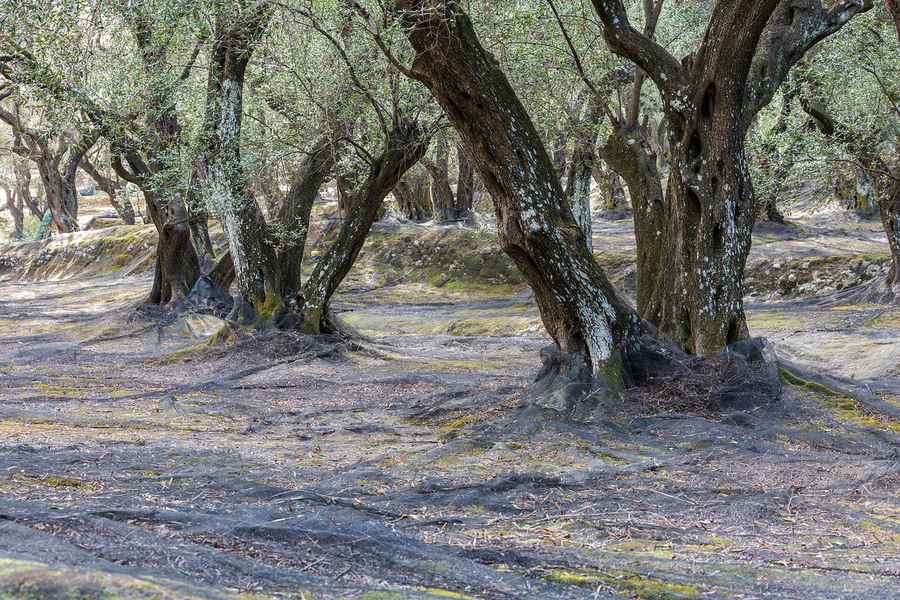
Naxos changes character once the crowds leave. The largest Cycladic island trades its summer glare for green hillsides, storm-fed streams, and near-empty beaches that stretch for kilometres without a single umbrella. Winter and the shoulder months reveal a working island rather than a resort, where farmers, cheesemakers, and townspeople keep a full life going all year. This guide explains what the off-season really looks like, what stays open, which activities reward the traveller, and how the reduced ferry and flight schedule shapes your trip. Read on to plan a quieter, more authentic Cycladic escape with My Greece Tours.
Our full Naxos travel guide covers the island end to end, and this off-season companion focuses on the months most visitors skip. The sections below cover the winter climate and scenery, what stays open and what closes, the activities worth building a trip around, the practical logistics of getting there, and the kind of traveller who thrives outside high season. Expect honest detail on weather swings, ferry gaps, and the village rhythms that define Naxos when the beach clubs fall silent.
What is the winter climate and scenery like on Naxos?
Winter on Naxos stays mild by northern European standards, with daytime highs near fourteen degrees Celsius, frequent sun between fronts, and rain that turns the interior lush and green rather than the parched gold of summer.
The transformation surprises first-time off-season visitors. Autumn rains wake dormant streams, and by December the hills around the interior villages turn deep green with grass, wild greens, and citrus groves heavy with fruit. Mount Zas, the highest peak in the Cyclades, often wears a dusting of snow on its summit through January and February. Coastal weather remains changeable, so a bright calm morning can give way to a blustery afternoon as a front crosses the Aegean and pushes cloud over the ridges. Pack layers and a waterproof shell rather than beachwear, and expect the wind to bite on exposed headlands.
For a month-by-month breakdown of temperatures, rainfall, and sea conditions, the detailed Naxos weather overview helps you match expectations to the exact week you plan to travel across the island.
Scenery is the off-season reward. Empty golden beaches such as Plaka and Agios Prokopios run for kilometres with only walkers and the occasional fisherman for company. Sunsets over the marble Portara arch feel private rather than shared with hundreds of raised phones. The light turns soft and clear after rain, ideal for photography across the plains and terraced slopes that summer haze usually flattens. Storm swells crash against the western coast, drawing a small crowd of watchers to the harbour wall in Chora.
To judge whether winter, spring, or autumn best fits your priorities, compare the trade-offs in our guide to the best time to visit Naxos, which weighs weather, crowds, prices, and what is actually open around the island through each part of the calendar.
What stays open and what closes on Naxos off-season?
Naxos Town stays fully alive all year round. Tavernas, bakeries, kafeneia, shops, and the marble old town keep working, because the island’s farming economy sustains a real resident community rather than a summer-only tourist crowd.
Self-sufficiency sets Naxos apart from smaller Cycladic islands that shut almost entirely in winter. The island produces its own potatoes, cheese, citrus, olive oil, meat, and the famous Kitron liqueur, so the local economy never depends solely on visitors during the cold season. Naxos Town, known as Chora, keeps its restaurants, grocers, pharmacies, schools, and cafes open through the winter without interruption. Larger inland villages such as Halki, Filoti, and Apiranthos retain a working kafeneio and a taverna or two where locals gather daily.
Explore this living network through our guide to the villages of Naxos, which maps the mountain settlements, their frescoed churches, and the family workshops that stay busy long after the ferries thin out and the beach season formally ends for the year.
Closures are real and worth planning around before you commit. Beachfront resorts, seasonal seaside tavernas, water-sports outfits, and organised excursion boats largely shut from late October until Easter each year. Coastal hotels close entirely in places, so accommodation concentrates in Chora and a handful of year-round guesthouses that stay open. Museum and archaeological-site hours shrink to a winter timetable, and smaller attractions close outright for the season. Car and scooter rental continues but from fewer desks, so book ahead to avoid disappointment.
For a realistic picture of what remains bookable during the quiet months, browse the current things to do in Naxos, which flags year-round options against summer-only activities so you can build an itinerary that will not collapse against a row of shuttered doors on arrival.
What off-season activities does Naxos offer?
Off-season Naxos rewards active, curious travellers above all. Hiking the green interior, tracing Byzantine churches and marble villages, joining the olive and citrus harvest, tasting local food, and watching Aegean storms fill the days beautifully.
Walking is the standout winter activity on the island. The interior turns emerald, streams flow again, and mild temperatures make longer routes comfortable that would be punishing under the August sun. Marked trails link Halki, Filoti, and the Tragea valley through ancient olive groves and hundreds of tiny Byzantine chapels, while the ascent of Mount Zas rewards clear days with sweeping views over the Cyclades. Our guide to hiking in Naxos details the classic paths, their difficulty, and the seasonal conditions to expect on each. Waterproof boots matter after rain, as some tracks turn muddy and slippery.
The reward is solitude and birdsong where summer brings tour groups, plus the chance to meet farmers tending terraces along the way across the fertile central plateau of the island.
Culture and food fill the rest of the day. The olive and citrus harvest peaks from November through January, and family-run mills press fresh oil you can taste and buy straight from the source. Village churches, some frescoed and centuries old, stay open for quiet visits, and winter feast days bring genuine local celebration rather than staged folklore. Chora’s marble lanes, the Venetian Kastro, and the Portara headland invite unhurried wandering without the summer press of visitors. Storm-watching from the western coast draws its own admirers when heavy swells roll in off the Aegean.
Base yourself in lively Naxos Town, where evening tavernas serve slow-cooked winter dishes, local cheese, and Kitron, and the resident community keeps a warmth that resort islands simply cannot offer once their summer season closes down.
How do ferry and flight connections change in winter?
Ferry and flight connections thin out sharply through winter. Fast catamarans mostly pause, leaving conventional car ferries running fewer weekly sailings from Piraeus, while the small island airport keeps a limited domestic schedule to Athens.
Sea links contract to a slower winter rhythm. Large conventional ferries from Piraeus still serve Naxos through the cold months, but sailings drop to roughly one a day or fewer, and the high-speed catamarans that dominate summer largely stop running altogether. Crossings take longer, and rough Aegean weather can delay or cancel departures at short notice, so build slack into your plans and avoid tight onward connections. Inter-island hops become sparse, meaning multi-island winter trips need careful timing around the reduced timetable. Check schedules close to departure, because winter frequencies shift with demand and weather.
Reduced frequency stays manageable with planning, and the payoff is a ferry that feels like genuine local transport rather than a floating queue for the beach, carrying islanders and their supplies across the water.
Air access offers a faster alternative on clear days. Naxos airport keeps a limited winter schedule of short flights to and from Athens, though the small runway and prevailing winter winds mean cancellations happen more often than in summer, so keep buffer time. Book flexible fares wherever possible to protect against disruption. Accommodation stays easy to secure and noticeably cheaper, since year-round guesthouses in Chora rarely fill in the off-season, and rates fall well below their peak levels. Rental cars remain available but from fewer offices, so reserve ahead for the best vehicles and prices. Winter travel here rewards a patient, flexible schedule over a rigid itinerary that leaves no room at all for delay.
Plan your visit and tours through our Naxos travel guide.
Who does off-season travel to Naxos suit?
Off-season Naxos suits independent travellers who genuinely value authenticity over sunbathing. Hikers, photographers, food lovers, culture seekers, and anyone wanting an affordable, crowd-free, genuinely local island experience will find the winter months here deeply rewarding.
The winter island rewards a specific mindset above all else. Travellers who treat weather as scenery rather than a threat, who enjoy long walks, village kafeneia, and unhurried meals, get the most from a trip here. Photographers find dramatic skies, green hills, and empty beaches with clean, uncrowded compositions. Food enthusiasts arrive for the harvest, the working mills, and slow winter cooking in family tavernas. Culture-minded visitors have the churches, the Kastro, and the archaeology largely to themselves without queues. Budget travellers benefit from low accommodation rates and quiet, easy roads.
Explore Chora as your base through our guide to Naxos Town, which covers where to eat, stay, and wander through the marble old town during the quiet months when the resident community, not the tourist crowd, sets the daily pace of the place.
This trip does not suit everyone who dreams of a Greek island. Beach-holiday seekers, party crowds, and those needing guaranteed sun and a full roster of excursions should choose late spring through early autumn instead. Winter demands flexibility around ferry delays, shorter attraction hours, and closed seaside resorts and boat trips. Reward that flexibility, and Naxos gives back an island most summer visitors never meet: green, working, warm-hearted, and yours to explore in peace. Bring good boots, a rain jacket, and an open schedule, then let the slower pace reset how you travel through the Cyclades. The self-sufficient farming community means real life continues regardless of tourism, so you become a welcome guest in a living place.
Plan your visit and tours through our Naxos travel guide.
Frequently Asked Questions
Is Naxos worth visiting in winter?
Yes, Naxos is genuinely worth visiting in winter, though it offers a different experience from the summer beach island. The interior turns lush and green, the mild climate suits long hikes, and empty beaches stretch for kilometres without a single umbrella. Naxos Town stays fully alive, because the island’s farming economy sustains a real year-round community rather than a seasonal resort. Tavernas, bakeries, and kafeneia keep working, and the olive and citrus harvest brings the countryside to life from November onward. The trade-off comes as variable weather, reduced ferry and flight frequency, and closed seaside resorts and excursion boats. Travellers wanting sunbathing and organised water sports should choose late spring through early autumn instead.
Those drawn to authentic village life, hiking, food, culture, and solitude will find the off-season deeply rewarding and considerably cheaper. Bring layers, waterproofs, and a flexible schedule, and winter Naxos delivers a Cyclades few tourists ever see.
What is the weather like on Naxos in winter?
Winter weather on Naxos stays mild rather than cold, with daytime highs near fourteen degrees Celsius and nights that rarely dip toward freezing at sea level. Rain arrives in spells between bright, sunny days, and it feeds the streams and green hillsides that define the off-season landscape. The Aegean turns windy and the sea grows rough, which affects ferry reliability more than daily comfort ashore. Mount Zas, the highest peak in the Cyclades, occasionally sees snow on its summit, though the coast almost never does. Conditions swing quickly, so a calm morning can give way to a blustery, showery afternoon. Pack warm layers, a waterproof jacket, and sturdy footwear rather than beachwear.
Sea temperatures stay too cold for comfortable swimming for most visitors. The reward comes as clear, soft light after rain, dramatic storm swells along the west coast, and countryside greener than anything the summer visitor ever witnesses across the island.
How do you get to Naxos in winter?
Getting to Naxos in winter takes more planning than in summer, but the island stays well connected to Athens. Large conventional car ferries from the port of Piraeus continue year-round, though sailings drop to roughly one a day or fewer, and the high-speed catamarans that dominate summer largely stop running. Crossings take longer, and rough Aegean weather can delay or cancel departures, so leave slack in your schedule and avoid tight onward connections. Naxos airport also keeps a limited winter timetable of short flights to and from Athens, offering a faster route on clear days, though wind-related cancellations happen more often than in summer. Inter-island hops become sparse, so plan multi-island winter trips carefully around the thinner timetable.
Check schedules close to your travel date, because winter frequencies shift with demand and conditions. Book flexible fares and refundable accommodation where possible. Reduced frequency stays manageable, and the quieter ferries feel like genuine local transport rather than a summer queue.