
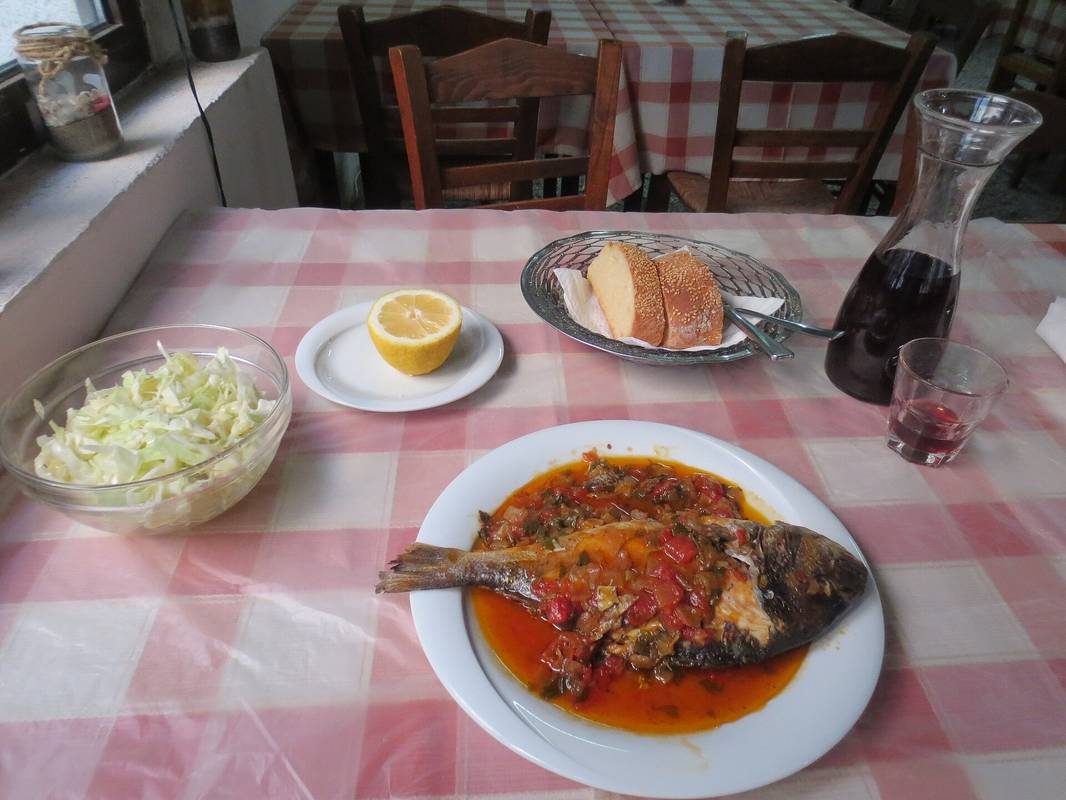
Milos seafood is fresh and local, landed daily and served at waterside tavernas, from grilled fish and octopus to local specialities. Plan tours and dining through My Greece Tours.
Seafood is a highlight of the Milos travel guide. The sections below cover whether Milos is good for seafood, the dishes to try, the best fish tavernas, how fresh the catch is and what seafood costs.
Is Milos good for seafood?
Yes, Milos is excellent for seafood, with a strong fishing tradition that lands fresh fish, octopus and shellfish daily and cooks it simply at waterside tavernas.
Milos rewards the seafood lover because fishing still shapes daily life across this Cyclades island. Small boats work the surrounding waters and land fresh fish, octopus, squid and shellfish, much of which travels straight to the island’s tavernas within hours of the catch. The carved syrmata boat houses that line coves like Klima and Mandrakia remain in use, a working reminder of how central the sea has always been to the local economy and table.
This short chain from boat to plate, combined with a relaxed and quietly confident food culture, puts seafood at the heart of any visit. The waterside fishing villages give the finest setting, where tavernas sit at the edge of the sea and serve the day’s catch as the light fades. Grilled fish dressed with oil and lemon, octopus off the coals and a chilled local white make the case on their own. Our Milos food guide covers the wider cuisine, and the next section covers the dishes to try.
What seafood dishes should you try on Milos?
On Milos try grilled fresh fish, grilled or marinated octopus, fried calamari, sea urchin salad and specialities like karpouzopita, plus Greek classics such as shrimp saganaki and seafood pasta.
The best seafood dishes on Milos keep the cooking simple to showcase the freshness of the catch. Fresh fish grilled whole and dressed with olive oil and lemon is the classic plate, while octopus, often hung to dry in the sun outside tavernas, arrives grilled until lightly charred or marinated in vinegar and oil. Fried calamari, shrimp and small fry make reliable table-fillers, and the briny roe of sea urchins, served as a salad, is the delicacy for the adventurous diner.
Greek seafood classics feature widely across island menus, from shrimp saganaki cooked with tomato and feta to seafood pastas and risottos rich with the day’s shellfish. Look for the island’s own specialities too, including the savoury and sweet pies, the karpouzopita made with watermelon, and the local capers and cheese that mark out Milos cooking from that of its neighbours. Pairing the catch with a crisp local white completes the experience. Our Milos wine guide covers the pairings, and the next section covers the best fish tavernas.
Where are the best seafood tavernas on Milos?
The best seafood tavernas on Milos sit in the waterside fishing villages of Mandrakia, Klima, Pollonia, Firopotamos and the port of Adamas, where the day’s catch is cooked simply beside the sea.
The most memorable seafood on Milos is eaten at the water’s edge in its fishing villages. Mandrakia, a tiny harbour of carved syrmata, is known for a waterside taverna serving the freshest catch straight onto rock-side tables. Klima, the picture-postcard fishing village of coloured boat houses, turns a fish dinner into an event as the sun drops over the sea. These two coves combine superb seafood with settings that reward the walk down.
The relaxed village of Pollonia has a seafront lined with tavernas and draws diners for a long, slow seafood dinner, while Firopotamos offers a quieter waterside option and the port town of Adamas concentrates the widest choice of restaurants in one place. Wherever you go, the formula holds steady: the day’s catch, simply cooked, eaten beside the water. Booking ahead in peak season is wise at the busiest spots. Our where to eat in Milos guide covers the options, and the next section covers how fresh the seafood is.
Is the seafood on Milos fresh and local?
Yes, the seafood on Milos is typically very fresh and locally caught, landed daily by the island’s small fishing boats and cooked the same day at family-run tavernas.
Seafood on Milos is generally very fresh and local, a direct reflection of the island’s living fishing tradition. Small boats land fish, octopus and shellfish daily, and family-run tavernas in the fishing villages serve the catch the same day it comes in. The sight of octopus hung to dry outside a kitchen or boats unloading crates at the quay is an everyday scene that tells you the chain from sea to plate stays short and honest across the island.
There are nuances worth knowing, as on any popular island. At the height of summer, demand can exceed what the local boats land, so the larger or busier restaurants supplement with imported or frozen fish for certain species. The sound approach is to choose the smaller waterside tavernas, ask what is fresh and local on the day, and favour whatever was caught that morning, usually sold by weight. That keeps you eating the genuine local catch at its best rather than a menu staple flown in. The next section covers what seafood costs.
How much does seafood cost on Milos?
Seafood on Milos ranges from affordable to pricey, with octopus, calamari and small fish reasonable, while fresh whole fish is sold by the kilo and can be expensive.
The cost of seafood on Milos varies widely with what you order. Grilled or marinated octopus, fried calamari, small fish and seafood pastas are generally affordable and good value, making a satisfying seafood meal accessible on most budgets. These are the everyday pleasures of the island’s tavernas and need not be expensive, especially when shared as a spread of meze between two or three diners rather than ordered as separate main courses.
Fresh whole fish is the bigger expense, typically sold by the kilo and chosen from the day’s catch, so the price depends on the species and the size of the fish and can climb for a large or prized one shared between diners. The waterside settings of the fishing villages can also add a little to the bill. Even so, by choosing simpler dishes or smaller fish and asking prices when ordering by weight, you eat excellent seafood without overspending. Our Milos budget guide covers costs, and the next section covers which fishing villages to eat in.
Which fishing villages on Milos should you eat seafood in?
Eat seafood in Mandrakia, Klima, Pollonia and Firopotamos on Milos, four fishing coves where tavernas sit at the water’s edge among the syrmata and serve the day’s catch.
Mandrakia is the classic choice, a small northern harbour where a waterside taverna cooks fish landed metres from the table among the carved syrmata boat houses. Klima ranks alongside it for atmosphere, its row of coloured boat houses catching the last of the light while you eat grilled fish and octopus. Both coves ask for a short drive or walk down, and both reward the effort with a setting that raises a simple plate of fish into the meal you remember from the trip.
Pollonia, on the north-east tip, keeps a livelier seafront with several tavernas and works well for a longer, later dinner within easy reach of the ferry to Kimolos. Firopotamos offers the quiet alternative, a sheltered bay where a single small taverna serves the catch beside a clear swimming cove. Choosing one village per evening lets you match the mood, from the buzz of Pollonia to the near-silence of Firopotamos, while eating the same short-chain local fish at each. Our where to eat in Milos guide sets out the full spread.
How do you tell if the fish on Milos is fresh and locally caught?
Fresh local fish on Milos has clear bright eyes, red gills, firm flesh and a clean sea smell, and it is usually shown to you whole and sold by weight from the day’s catch.
Fresh fish gives itself away to the eye and nose. Bright clear eyes rather than cloudy sunken ones, red or pink gills, firm flesh that springs back and a clean smell of the sea all mark a fish landed that day. Tavernas confident in their catch bring the whole fish to the table on ice before cooking, invite you to pick your own and weigh it in front of you. That short ceremony is the surest sign the kitchen deals in local fish rather than a frozen fillet from the freezer.
Local sourcing shows in other everyday signs around the taverna. Octopus hung to dry on a line outside, crates coming up from a boat at the quay and a short handwritten list of whatever came in that morning all point to a genuine day-boat supply. Ask the waiter plainly which fish is local and fresh on the day, then order that rather than a fixed menu species. The staff at a family taverna in a fishing village answer this straight, and the honest answer steers you to the best plate on the board.
How is fish priced by the kilo in a Milos taverna and how do you order it?
Fresh whole fish on Milos is priced per kilo, so you pick the fish, it is weighed in front of you, and the bill is the per-kilo rate times the weight, confirmed before cooking.
Pricing fish by weight is standard across Greek tavernas, and Milos is no exception. The menu or a chalkboard lists a price per kilo for each species of fresh fish, distinct from the fixed prices of cooked dishes like calamari or octopus. You choose your fish from the day’s catch, the waiter weighs it on a scale at the table or the pass, and the final price follows from that weight. A medium fish for two diners lands the bill in a fair and predictable place once you know the rate.
Ordering fish this way rewards a little clarity up front. Ask the per-kilo price before you commit, and ask the rough weight of the fish you have picked so you can estimate the cost rather than meet a surprise on the bill. Say plainly how many are sharing, and let the waiter suggest a fish sized to the table. Grilled whole with oil and lemon is the default preparation, though the kitchen will fillet, fry or bake on request. Confirming price and weight before the fish hits the grill keeps the meal relaxed and the bill honest.
What seafood meze and small plates should you order on Milos?
Order grilled octopus, marinated anchovies, sea urchin, fried calamari and taramosalata as seafood meze on Milos, sharing a spread of small plates rather than single large mains.
Seafood meze suit the Milos table because sharing a spread lets you taste the range of the catch in one sitting. Grilled octopus, charred at the edges and dressed with oil and vinegar, leads most orders and pairs with ouzo or a local white. Marinated anchovies cured in vinegar bring a sharp, clean bite, while fried calamari in a light batter stays a crowd-pleaser for every table. Taramosalata, the whipped fish-roe dip, rounds out the start of the meal with bread and works as an anchor for the whole spread.
The bolder plates repay a diner willing to try them. Sea urchin, scooped fresh and eaten with a squeeze of lemon or folded through pasta, delivers the concentrated briny flavour that regulars come back for. Grilled or fried small fish eaten whole, cured mackerel and shrimp saganaki in tomato and feta extend the range further. Ordering four or five meze to share, followed by one whole fish for the table, gives a fuller taste of Milos seafood than a plate each and keeps the meal sociable and easy on the budget.
What is the best time to eat seafood on Milos and should you book?
The best time to eat seafood on Milos is dinner from around eight in the evening at sunset, and booking ahead is wise in peak season at the popular waterside tavernas.
Dinner is the main event for seafood on Milos, and the Greek habit of eating late suits it well. Tables in the fishing villages fill from around eight in the evening onward, and arriving as the sun drops over the sea gives the best of both the light and the atmosphere. Lunch is quieter and works for a swim-and-eat stop at a cove like Firopotamos, though the full spread of fresh fish and the sunset setting belong to the evening meal at the waterside.
Booking matters more than the fleet-limited island first suggests. In peak summer the best-known tavernas at Mandrakia, Klima and Pollonia fill their limited waterside tables early, so a call ahead or a message through your accommodation secures a seat at the water’s edge rather than a table set back from it. Outside the peak, walking in is usually fine, though a sunset table still rewards a booking. For a special dinner or a group, reserving a day in advance removes the risk of a wasted drive down to a full cove. Our Milos food guide covers the wider dining scene.
How do you pair local wine with seafood on Milos?
Pair seafood on Milos with a crisp local white such as Assyrtiko, which cuts through grilled fish and octopus with bright acidity, and keep the wine chilled to match the fresh catch.
Local white wine is the natural partner for the island’s seafood. Assyrtiko and the crisp whites grown across the Cyclades bring a bright acidity and a mineral edge that cut through grilled fish, octopus and fried calamari without overpowering them. Served well chilled, a local white refreshes the palate between the oil, lemon and char of the meze spread. The volcanic soils of the wider island group lend these wines a saline quality that echoes the sea flavours on the plate, which is why the regional bottle so often beats an imported one at a fish table.
Beyond the white, a few island habits round out the pairing. Ouzo or tsipouro, served with ice and water, is the traditional match for a meze spread of octopus and small fish, sipped slowly across the meal rather than downed. A dry rosé bridges the gap for a mixed table of fish and grilled vegetables. Ask the taverna for its local house white by the carafe, which is usually the honest, well-priced choice that the kitchen drinks itself. Our Milos wine guide covers the island’s bottles and producers in full.
Are there vegetarian options at a Milos seafood taverna?
Yes, a Milos seafood taverna serves plenty for vegetarians, including Greek salad, fava, grilled vegetables, the island caper dishes, cheese pies and bread with dips alongside the fish.
A seafood taverna on Milos is far from a fish-only affair, and vegetarians eat well from the same menu. Greek salad with local tomatoes and feta, fava purée from split peas, grilled or stuffed vegetables, and the dips of taramosalata, tzatziki and melitzanosalata cover a full meal on their own. The island’s capers are a genuine local speciality, folded into salads or served as a dish in their own right, and they give a vegetarian order a distinctly Milos character that reaches beyond the standard taverna spread.
The island’s baking extends the range for a meatless table. Cheese pies, the savoury and sweet local pies, and horta of wild boiled greens dressed with oil and lemon all appear on village menus and pair well with a shared plate of grilled vegetables. A table mixing fish for some diners with these plant dishes for others works easily, since the meze format is built for sharing across a range of tastes. Telling the waiter your table includes vegetarians usually brings a few off-menu suggestions from a kitchen used to feeding mixed groups. Our Milos food guide covers the full local cuisine.
For all the talk of beaches and boat trips, a long, slow seafood dinner by the water is one of the experiences visitors remember most fondly from Milos. There is a particular pleasure in eating fish landed that morning, simply grilled and dressed with oil and lemon, at a taverna table almost in the sea as the sun sets behind the boat houses of Klima or Mandrakia. Pair it with a chilled local white, an octopus starter and good company, and the island’s food scene reveals its quiet genius: not elaborate cooking, but superb ingredients treated with respect in memorable settings. It is a side of Milos no visitor should miss.
Frequently Asked Questions
What seafood is Milos known for?
Milos is known for fresh, locally caught seafood served at its waterside tavernas, a highlight of its celebrated food scene. Signature items include fresh fish grilled simply with olive oil and lemon, octopus that is often seen drying in the sun before being grilled or marinated, fried calamari and shrimp, and the briny roe of sea urchins served as a salad. The island also has its own specialities, from the watermelon pie karpouzopita to dishes built around local capers and cheese. These are eaten in the fishing villages of Mandrakia, Klima and Pollonia, often right on the water at sunset. The combination of a daily catch, simple cooking and a beautiful setting makes seafood central to the Milos experience.
Where is the best place to eat fish on Milos?
The best places to eat fish on Milos are its waterside fishing villages, where tavernas sit right on the sea and serve the day’s catch. Mandrakia is known for fresh seafood at the water’s edge among its carved syrmata boat houses, Klima offers a sunset fish dinner among its coloured boat houses, and Pollonia has a seafront lined with seafood tavernas for a longer, later meal. Firopotamos provides a quieter option beside a clear swimming cove, while the port of Adamas concentrates the widest choice of restaurants in one place. Wherever you choose, the formula is fresh fish simply cooked beside the water. Booking ahead is wise at the busiest spots in peak season, when the limited waterside tables fill early.
Is seafood expensive on Milos?
Seafood on Milos ranges from affordable to expensive depending on what you order. Dishes such as grilled or marinated octopus, fried calamari, small fish and seafood pastas are generally good value and accessible on most budgets, especially shared as meze. Fresh whole fish is the pricier choice, usually sold by the kilo and chosen from the day’s catch, so the cost depends on the species and size and can be high for a large or prized fish. The waterside settings can add a little to the bill. By choosing simpler dishes or smaller fish, sharing a spread of meze, and checking the per-kilo price when ordering fish by weight, you can enjoy excellent seafood affordably without meeting a surprise on the bill.
How is fish priced in a Milos taverna?
Fresh whole fish in a Milos taverna is priced by the kilo, listed on the menu or a chalkboard as a per-kilo rate for each species. You choose your fish from the day’s catch, the waiter weighs it in front of you, and the final price follows from that weight. Cooked dishes like octopus, calamari and shrimp saganaki carry fixed menu prices instead. To order well, ask the per-kilo price and the rough weight of your chosen fish before it goes on the grill, and say how many are sharing so the waiter suggests a fish sized to the table. Confirming price and weight up front keeps the meal relaxed and the bill predictable.
What seafood meze should you order on Milos?
Order a shared spread of seafood meze on Milos rather than single large mains. Grilled octopus dressed with oil and vinegar leads most orders, alongside marinated anchovies, fried calamari in a light batter and taramosalata dip with bread. For the bolder diner, sea urchin eaten with lemon or folded through pasta delivers a concentrated briny flavour, while shrimp saganaki in tomato and feta and small whole fish extend the range. Four or five meze to share, followed by one whole fish for the table, gives a fuller taste of the island’s seafood than a plate each and keeps the meal sociable and easy on the budget. Pair the spread with a chilled local white or ouzo.
Do Milos seafood tavernas have vegetarian options?
Milos seafood tavernas serve plenty for vegetarians from the same menu as the fish. Greek salad with local tomatoes and feta, fava purée, grilled and stuffed vegetables, and the dips of tzatziki and melitzanosalata make a full meal on their own. The island’s capers are a genuine local speciality, folded into salads or served as a dish in their own right. Cheese pies, the local savoury and sweet pies, and horta of boiled wild greens dressed with oil and lemon extend the range further. The meze format is built for sharing, so a mixed table of fish and plant dishes works easily. Telling the waiter your table includes vegetarians usually brings a few off-menu suggestions from the kitchen.
What wine goes with seafood on Milos?
A crisp local white goes best with seafood on Milos, with Assyrtiko and the dry whites of the Cyclades bringing a bright acidity and mineral edge that cut through grilled fish, octopus and fried calamari. Served well chilled, a local white refreshes the palate between the oil, lemon and char of the meze spread, and its saline quality echoes the sea flavours on the plate. Ouzo or tsipouro with ice and water is the traditional match for a meze spread, sipped slowly across the meal, while a dry rosé bridges a mixed table of fish and grilled vegetables. Asking for the taverna’s house white by the carafe is usually the honest, well-priced choice.