
Milos mythology links the island to Aphrodite, goddess of love, and the famous Venus de Milo found here. Plan mythology-rich tours through My Greece Tours.
The myths add depth to the Milos travel guide. The sections below cover the island’s mythology, its link to Aphrodite, the Venus de Milo, the meaning of the name and how to explore the legends today.
What is the mythology of Milos?
The mythology of Milos centres on Aphrodite, the Greek goddess of love and beauty, to whom the island is closely linked. The famous Venus de Milo, a statue thought to portray Aphrodite, was found on the island, tying Milos to the goddess.
Milos is tied to Aphrodite. The goddess of love anchors its myths. The link runs deep on the island. The legends shape its identity.
The Venus de Milo seals the bond. The famous statue depicts Aphrodite. It surfaced on the island itself. The find made Milos famous.
The myths color the landscape. The island carries the goddess’s name in spirit. The legends echo through its history. The story enriches a visit.
Mythology adds a layer to Milos. It links the island to a famous goddess. Our guide to Milos history sets the scene. The next section covers Aphrodite.
The mythology of Milos binds the island to a famous goddess. Aphrodite, the deity of love, anchors its legends. The Venus de Milo deepened the ancient link. The famous statue surfaced on the island itself. The myths echo through its long history. The story enriches a visit beyond the beaches. The ancient sites give the legends a setting. The museums keep the connection alive today. The bond between island and goddess is the draw, and the mythology adds a layer of meaning to the volcanic landscapes and ancient ruins of Milos.
The mythology of Milos sets the island apart. Aphrodite, the goddess of love, anchors its legends. The Venus de Milo deepened the ancient link. The famous statue surfaced on the island itself. The myths echo through its long history. The ancient sites give the legends a setting. The museums keep the connection alive. The story enriches a visit beyond the beaches. The bond between island and goddess is the draw, and the mythology adds meaning to the volcanic landscapes and ancient ruins that fill a trip to Milos.
Is Milos linked to Aphrodite, goddess of love?
Yes, Milos is closely linked to Aphrodite, the goddess of love and beauty, whose Roman name is Venus. The Venus de Milo found here is thought to portray her, and the island’s apple shape ties it to the golden apple of myth.
Aphrodite anchors the island’s myth. The goddess of love and beauty leads. Her Roman name is Venus. The link defines the legend.
The statue carries her image. The Venus de Milo depicts Aphrodite. The find tied the island to her. The bond grew famous worldwide.
The golden apple joins the tale. Aphrodite won the apple of myth. The island’s apple shape echoes it. The two stories intertwine.
Milos and Aphrodite are bound. The goddess and the island share a fame. Our Venus de Milo guide tells the statue’s tale. The next section covers the statue’s story.
Aphrodite stands at the heart of the island’s myth. The goddess of love and beauty leads the legend. Her Roman name, Venus, names the famous statue. The Venus de Milo is thought to portray her. The island’s rounded shape echoes the apple of myth. The golden apple ties the goddess to the land. The two threads bind Milos to Aphrodite. The link runs deeper than on most islands. The bond between goddess and island is the draw, and it sets Milos apart as a place steeped in the mythology of love.
Aphrodite binds the island to the mythology of love. The goddess of beauty leads the legend. Her Roman name, Venus, names the statue. The Venus de Milo is thought to portray her. The island’s round shape echoes the apple. The golden apple ties the goddess to the land. The two threads bind Milos to Aphrodite. The link runs deeper than on most islands. The bond between goddess and island is the draw, and it sets Milos apart as a place steeped in the myth of love.
What is the story of the Venus de Milo?
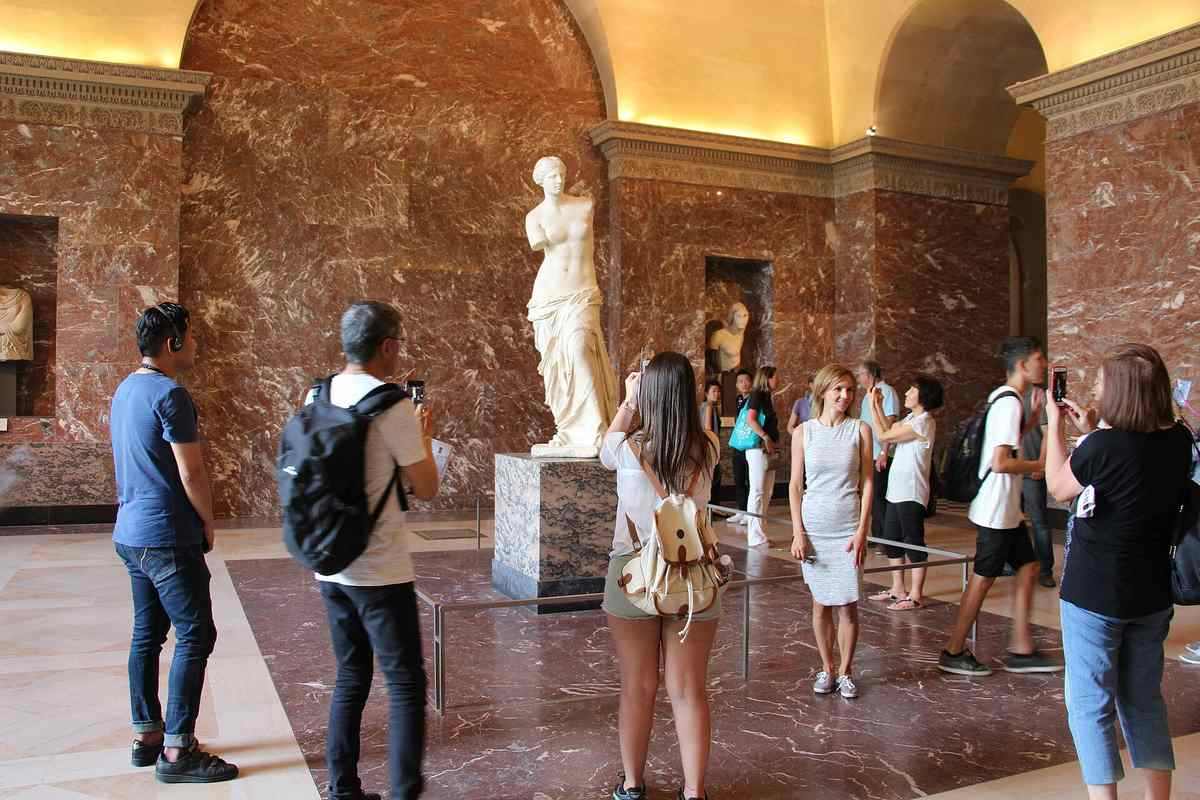
The Venus de Milo is a marble statue carved in the second century BC, thought to portray Aphrodite. A local farmer uncovered it on Milos, and it now stands in the Louvre in Paris.
The statue is ancient and famous. It dates to the Hellenistic period. Carvers shaped it in the second century BC. It depicts the goddess Aphrodite.
A farmer made the discovery. He uncovered it on the island. The find stunned the art world. The statue rose to fame fast.
It now stands in Paris. The Louvre displays the masterpiece. The missing arms add to its mystery. Visitors flock to see it.
The statue ties Milos to art. The island gave the world a treasure. Our guide to the Venus de Milo tells it in full. The next section covers the island’s name.
The Venus de Milo carries the island’s name to the world. The marble statue dates to the second century BC. It belongs to the celebrated Hellenistic period. A local farmer uncovered it on the island. The figure is thought to portray Aphrodite. The Louvre in Paris displays the masterpiece today. The missing arms add to its enduring mystery. The statue draws crowds from across the globe. The link from island to masterpiece is the draw, and the Venus de Milo ties Milos forever to one of the great works of ancient art.
What does the name Milos mean in mythology?
In mythology, the name Milos is linked to the Greek word for apple, and the island’s rounded, apple-like shape reflects this. The apple connects to Aphrodite through the golden apple of discord, deepening the island’s mythological bond with the goddess of love.
The name echoes the apple. Milos recalls the Greek word for it. The island’s round shape fits the image. The link feels fitting.
The apple carries myth. The golden apple of discord features. Aphrodite won it in the tale. The fruit ties to the goddess.
The shape and story align. The apple-like island suits the legend. The name and myth reinforce each other. The bond runs deep.
The name enriches the myth. It binds the island to Aphrodite’s tale. The legends pair with the things to do in Milos. The next section covers exploring the legends.
The island’s name deepens its mythological bond. Milos echoes the Greek word for apple. The rounded, apple-like shape fits the image. The golden apple of discord joins the tale. Aphrodite won that apple in the famous myth. The fruit and the goddess intertwine through the name. The shape and the story reinforce each other. The legend gains weight from the island’s form. The link between name, apple and goddess is the draw, and it ties the island’s very name to the mythology of Aphrodite and the golden apple.
The island’s name carries its myth within it. Milos echoes the Greek word for apple. The rounded, apple-like shape fits the image. The golden apple of discord joins the tale. Aphrodite won that apple in the famous myth. The fruit and the goddess intertwine through the name. The shape and the story reinforce each other. The legend gains weight from the island’s form. The link between name, apple and goddess is the draw, and it ties the very name of the island to the mythology of Aphrodite.
How can you explore Milos mythology today?
You can explore Milos mythology today at the Archaeological Museum in Plaka, which holds a cast of the Venus de Milo, and at the spot near the ancient city where the statue was found.
The museum holds the link. The Archaeological Museum sits in Plaka. A cast of the Venus stands there. The display tells the tale.
The find spot rewards a visit. The statue surfaced near the ancient city. The site lies close to Trypiti. History lingers in the ground.
The ancient sites add depth. The theatre and catacombs sit nearby. They frame the island’s past. The myths gain a setting.
The legends come alive on Milos. The museum and sites tell the story. Pair them with our Milos museums guide and the wider Milos history.
The legends come alive across the island today. The Archaeological Museum in Plaka holds a cast. The find spot lies near the ancient city by Trypiti. The ancient theatre and catacombs sit close by. The ruins frame the island’s deep past. The museum tells the story of the statue. The sites give the myths a physical setting. A cultural day ties the legends together. The blend of museum and ancient site is the draw, and it lets a visitor walk the ground where the Venus de Milo first emerged from the earth.
Exploring Milos mythology rewards a cultural day. The Archaeological Museum in Plaka holds a Venus cast. The find spot lies near the ancient city by Trypiti. The ancient theatre and catacombs sit close by. The sites frame the island’s deep, layered past. The myths of Aphrodite tie the island together. The apple-shaped form echoes the golden apple. A short drive links the museum and the ruins. With a cultural loop planned, a Milos trip uncovers the legends, walking the ground where the Venus de Milo first came to light.
Who discovered the Venus de Milo on Milos?
A local farmer discovered the Venus de Milo near the ancient city on Milos in the early nineteenth century. The marble statue was later acquired for France, and the figure dates to the Hellenistic period.
The farmer worked land near the ruins. He turned up the marble figure by chance. The find lay close to the ancient city. The site sits near present-day Trypiti.
The statue reached France after the find. It entered the Louvre collection in Paris. The missing arms were lost long ago. The loss deepens its enduring mystery.
The discovery ties the island to a global treasure. A farmer near the ancient city uncovered the marble figure in the early nineteenth century. The statue belongs to the Hellenistic period of Greek art. The lost arms have never been found, and their absence fuels debate about the original pose. The figure passed into French hands and reached the Louvre in Paris. Our guide to Venus de Milo traces the find in full. The story of the discovery binds Milos to one of the most studied works of ancient sculpture.
Why is Aphrodite associated with the island of Milos?
Aphrodite is the Greek goddess of love and beauty, known to the Romans as Venus. The Venus de Milo found on the island is widely interpreted as portraying Aphrodite, tying the goddess to Milos.
Aphrodite governs love and beauty in Greek myth. Her Roman name is Venus. The statue found here bears that name. The link ties the goddess to the island.
The island’s name echoes the Greek word for apple. Its rounded form fits the image. The golden apple of myth joins the tale. Aphrodite won that apple in the legend.
Aphrodite’s bond with the island rests on two threads. The Venus de Milo, uncovered on Milos, is widely interpreted as portraying the goddess of love. The statue carries her Roman name across the world. The island’s name echoes the Greek word for apple, and its rounded shape mirrors the fruit. The golden apple of the famous myth links the goddess to the land. These threads together bind Aphrodite to Milos. Our Milos history guide sets the wider scene. The statue and the apple symbolism make the island a place steeped in the mythology of love.
Frequently Asked Questions
What is Milos known for in mythology?
Milos is known in mythology above all for its link to Aphrodite, the Greek goddess of love and beauty, whose Roman name is Venus. The famous Venus de Milo statue, thought to portray the goddess, was discovered on the island, tying Milos firmly to her myths. The island’s rounded, apple-like shape connects to the Greek word for apple and, through it, to the golden apple of discord won by Aphrodite. Together these threads make Milos one of the Cyclades islands most closely associated with the goddess of love.
Was the Venus de Milo found on Milos?
Yes, the Venus de Milo was found on the island of Milos, which gives the statue its name. A local farmer uncovered the marble figure near the ancient city, close to present-day Trypiti. Carved in the second century BC during the Hellenistic period and thought to portray Aphrodite, it became one of the most celebrated works of ancient Greek art. The original now stands in the Louvre in Paris, while a cast is displayed in the Archaeological Museum of Milos in Plaka, keeping the connection alive on the island.
Why is Milos linked to Aphrodite?
Milos is linked to Aphrodite chiefly because the Venus de Milo, a statue widely thought to portray the goddess of love, was discovered on the island. Beyond the statue, the island’s rounded shape connects its name to the Greek word for apple, which ties to the golden apple of discord that Aphrodite won in myth. These threads, the famous statue and the apple symbolism, bind Milos to Aphrodite more closely than most islands. Today the link is celebrated in the island’s museums and at the site where the statue was found.
What period is the Venus de Milo from?
The Venus de Milo dates to the Hellenistic period of ancient Greek art, in the second century BC. Carvers shaped the figure from marble, and the style reflects the graceful, naturalistic forms of that era. The statue is widely interpreted as portraying Aphrodite, the goddess of love and beauty. Its spiral composition and flowing drapery mark it as a mature work of the period. The exact sculptor remains debated, though an inscription once linked to the base points to a workshop of the age. This Hellenistic origin places the statue among the celebrated works of the ancient Greek world.
Where is the Venus de Milo displayed today?
The Venus de Milo is displayed today in the Louvre in Paris, where it stands as one of the museum’s most visited works. The marble statue reached France after its discovery on Milos in the early nineteenth century. Crowds gather before the figure to study its pose and its missing arms. A cast of the statue remains on the island itself, in the Archaeological Museum of Milos in Plaka. This keeps the connection alive at the place of the find. Visitors to the island can view the cast near the ground where a farmer first uncovered the original.