
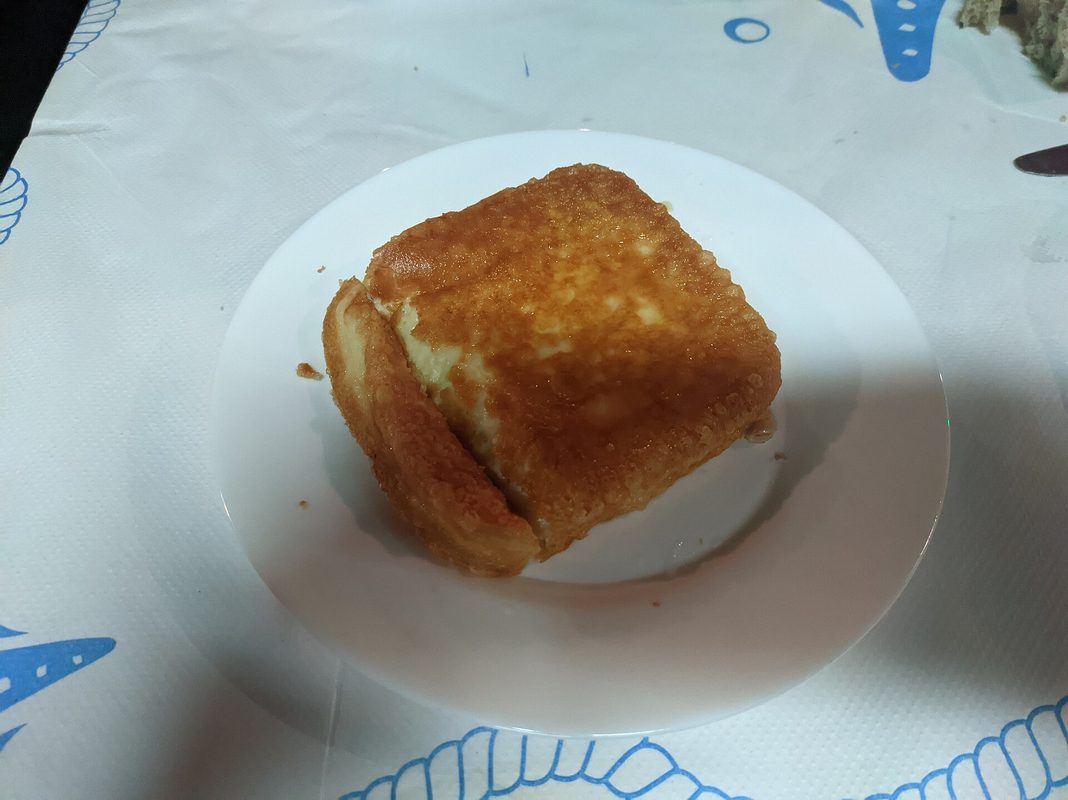
Milos cheese ranges from the matured, wine-washed manoura to the fresh, tangy xinomizithra, rooted in the island pastoral tradition. Plan food trips and tours through My Greece Tours.
Cheese is a quiet pleasure of the Milos travel guide. The sections below cover what cheeses Milos makes, the famous manoura, the fresh local kinds, the dishes that use them and where to buy and taste them.
What cheese is Milos known for?
Milos is known for manoura, a hard, matured sheep’s and goat’s milk cheese traditionally aged in wine lees, along with fresh kinds like xinomizithra and creamy myzithra. These local cheeses reflect the island’s long pastoral tradition of small flocks and home dairies.
Milos makes distinctive cheeses. Manoura leads the list. Xinomizithra adds freshness. Myzithra brings cream.
Sheep and goats supply the milk. Small flocks graze the hills. Home dairies turn it to cheese. The tradition runs deep.
Manoura is the signature. The hard cheese matures slowly. Wine lees flavour it. The taste turns sharp.
Fresh cheeses balance it. Xinomizithra runs tangy. Myzithra runs mild. The pair rounds the table.
Milos has a quiet but proud cheese tradition, rooted in the small flocks of sheep and goats that have long grazed its dry, herb-scented hills. The island’s most distinctive cheese is manoura, a hard, matured cheese made from sheep’s and goat’s milk and traditionally aged in wine lees, the residue left from winemaking, which gives it a characteristic colour and a sharp, complex flavour found nowhere else in quite the same form.
Alongside manoura, Milos makes the fresh cheeses common across the Cyclades, above all xinomizithra, a soft, tangy, slightly sour cheese, and the milder, creamy myzithra, both made from the whey and milk of the local flocks. These cheeses are everyday staples, eaten fresh or used in cooking and baking. Together they reflect a genuine island dairy heritage. Our Milos food guide covers the wider cuisine, and the next section covers the famous manoura in detail.
What is manoura cheese from Milos?
Manoura is the signature hard cheese of Milos, made from sheep’s and goat’s milk and matured in wine lees, which give it a reddish rind and a sharp, salty, complex taste.
Manoura is the island’s pride. The hard cheese ages long. Wine lees coat it. The flavour deepens.
Sheep and goat milk form it. The curds are pressed firm. The wheel dries slowly. The texture hardens.
Wine lees give the signature. The residue stains the rind. The taste turns winey and sharp. The colour reddens.
Months of ageing finish it. The flavour grows complex. The salt concentrates. The cheese matures.
Manoura is the cheese that sets Milos apart, a hard, matured variety with a story rooted in the island’s combined traditions of herding and winemaking. Made from a blend of sheep’s and goat’s milk, the cheese is pressed and then aged for months, during which it is traditionally coated in or matured with wine lees, the sediment left over from making wine. This unusual step gives manoura its distinctive reddish rind and a sharp, salty, slightly winey and complex flavour.
The result is a robust, full-flavoured cheese quite different from the fresh white cheeses of the islands. Mature manoura is firm enough to grate over pasta, pulses and baked dishes, much as you would a hard Italian cheese, while younger or sliced pieces are eaten as a strong table cheese with bread and wine. Its connection to the island’s vineyards makes it a true expression of Milos. Our Milos wine guide covers the wines it pairs with, and the next section covers the fresh local cheeses.
What fresh cheeses does Milos make?
Milos makes fresh cheeses including xinomizithra, a soft, tangy, sour cheese, and myzithra, a mild, creamy whey cheese. These are eaten fresh with bread, honey or vegetables, used in pies and salads, and are everyday staples of the island’s home cooking.
Fresh cheeses fill the island table. Xinomizithra leads with tang. Myzithra follows with cream. Both stay simple.
Xinomizithra runs sharp. The soft cheese sours pleasantly. It spreads on bread. It lifts a salad.
Myzithra runs mild. The whey cheese turns creamy. It pairs with honey. It fills the pies.
Home cooking uses them daily. Pies and salads call for them. Breakfast welcomes them. The kitchen relies on them.
Alongside the matured manoura, Milos makes the fresh, soft cheeses that are everyday staples across the Cyclades. The most characterful is xinomizithra, a soft, spreadable cheese with a distinctive tangy, slightly sour taste, made from the whey and milk of the local sheep and goats. It is delicious simply spread on bread or paired with tomato, and adds a sharp note to salads and rusk dishes.
The milder cousin is myzithra, a fresh, creamy whey cheese with a gentle, slightly sweet flavour, eaten fresh with honey or fruit for breakfast, used as a filling for the island’s cheese pies, or crumbled into cooking. Both cheeses are at their best fresh and local, reflecting the small-scale, traditional dairying still practised on the island. They provide a soft, fresh counterpoint to the bold manoura. The next section covers the dishes that use Milos cheese.
What dishes on Milos use local cheese?
Local Milos cheese features in cheese pies, in the island’s rusk and tomato salads, grated as manoura over pasta and pulses, served fresh with honey, and in baked dishes. The cheeses appear across everyday cooking, from breakfast and meze to main courses.
Cheese threads through Milos cooking. Pies enclose it. Salads scatter it. Pasta wears it.
Cheese pies star. Fresh myzithra fills the pastry. The bake turns golden. The pie satisfies.
Rusk salads use it. Xinomizithra crowns the tomato. The barley rusk softens. The flavours marry.
Manoura tops the mains. Grated over pasta it sharpens. Over pulses it deepens. The cheese finishes the plate.
The local cheeses of Milos appear throughout the island’s everyday cooking. Fresh myzithra and other soft cheeses are the classic filling for Greek cheese pies, baked in flaky pastry as a savoury or sometimes sweet treat, while xinomizithra crowns the traditional rusk salad of barley rusks, ripe tomato, oil and herbs, its tang balancing the sweetness of the tomato in one of the island’s signature simple dishes.
Mature manoura plays a different role, grated like a hard cheese over pasta, baked dishes and pulses such as the island’s fava, where its sharp, salty depth lifts the plate. Fresh cheeses are also eaten plainly with honey or fruit at breakfast, or as part of a meze spread with bread, olives and capers. This range, from soft and fresh to hard and matured, gives the island’s cooks a versatile local palette. Our Milos capers guide covers another island staple, and the next section covers where to buy and taste the cheese.
Where can you buy and taste Milos cheese?
You can buy Milos cheese in grocery shops, delis and markets in Adamas and the villages, often from small local dairies, and taste it at tavernas across the island.
Local shops stock the cheese. Delis cut the manoura. Markets sell the fresh kinds. The villages supply them.
Adamas leads the shopping. Grocery shops line the port. Cheeses fill the counters. The choice runs wide.
Tavernas serve it cooked. Cheese pies appear. Rusk salads arrive. Manoura tops the pasta.
Asking rewards the curious. Each kitchen has its cheese. The staff advise. The taste delights.
Buying local cheese on Milos is easy, with grocery shops, delicatessens and markets across the island stocking the island’s varieties, often sourced from small local dairies. The port town of Adamas has the widest selection, where you can find matured manoura sold by the piece and fresh xinomizithra and myzithra, while village stores also carry them. A vacuum-packed piece of manoura travels well as a distinctive edible souvenir.
To taste the cheeses at their best, order them at the island’s tavernas, where local cheese appears in cheese pies, in the classic rusk and tomato salad topped with xinomizithra, and as grated manoura over pasta and pulses. The family-run tavernas of the villages are the most likely to use genuinely local, traditional cheeses, so it is worth asking what is island-made. Pairing the cheeses with local wine and capers makes for a true taste of Milos. Our where to eat in Milos guide covers the tavernas, and rounds out a food-led visit to the island.
The cheeses of Milos reward the curious traveller with a genuine taste of the island’s pastoral past. In the sharp, wine-tinged depth of a mature manoura you can taste the meeting of two old island crafts, herding and winemaking, while the fresh tang of xinomizithra speaks of small flocks on herb-scented hills. These are not famous export cheeses but living, local foods, best enjoyed where they are made, grated over a plate of fava, baked into a pie or sliced with bread and a glass of island wine. Seeking them out adds a quiet, delicious dimension to a Milos holiday that goes well beyond its beaches.
How is Milos cheese aged in the island’s caves?
Cheesemakers on Milos age their hard cheeses in the volcanic caves that riddle the island, whose steady coolness and humidity ripen manoura and dry cheeses slowly over months, giving them a firm texture and a deep, sharp, savoury flavour.
The soft volcanic rock of Milos is easy to hollow out, and generations of dairies have used the resulting caves as natural maturing rooms. The caves hold a cool, damp, even climate year-round without power, so wheels of cheese rest undisturbed while their flavour concentrates and their rind hardens. This cave-ageing is a defining feature of Milos cheesemaking and ties the island’s food directly to its volcanic landscape.
Ageing time shapes the result. A fresh island cheese is ready in a few weeks, while a hard, dry cheese destined for grating can mature for up to six months in the caves. The longest-kept pieces develop a robust, spicy sharpness that stands up to grating over pasta and pulses, whereas younger wheels stay milder and are sliced as a table cheese. Our Milos food guide places these cheeses within the island’s wider kitchen.
What is the difference between manoura and xinomizithra?
Manoura is a hard, aged cheese matured for months into a firm, sharp, robust cheese for grating and slicing, while xinomizithra is a soft, fresh, spreadable whey cheese with a creamy texture and a bright, mildly acidic tang used in pies, salads and cooking.
The two sit at opposite ends of the island’s cheese board. Manoura is pressed, salted and matured for months until firm enough to grate over pasta and pulses or slice alongside bread and wine, carrying a strong, savoury, slightly winey depth. Xinomizithra, by contrast, is a whey cheese made from the leftovers of the cheesemaking process, set soft and creamy with a fresh, sour edge that gives it its name, from xino meaning sour.
Their uses follow their textures. Cooks crumble tangy xinomizithra into cheese pies, fold it through salads, spread it on bread or barley rusks, and cook with it in the everyday dishes of the island. Hard manoura is the finishing cheese, grated at the table or served in wedges as a robust speciality tied to the local vineyards. Tasting both side by side, the fresh and the aged, gives the fullest picture of the Milos dairy tradition, explored further in our Milos food guide.
Beyond these two headline cheeses, the island dairies also turn out touloumotyri, a soft cheese traditionally kept in a skin, and mild myzithra, the fresh whey cheese that doubles as a table cheese and a baking ingredient. Together the fresh and aged cheeses of Milos supply the local pites, salads and grilled dishes, and a plate that ranges from creamy xinomizithra to sharp, cave-aged manoura is one of the most rewarding ways to taste the island’s food heritage in a single sitting.
Frequently Asked Questions
What cheese is Milos famous for?
Milos is most famous for manoura, a hard, matured cheese made from sheep’s and goat’s milk and traditionally aged in wine lees, the residue from winemaking, which give it a reddish rind and a sharp, salty, slightly winey and complex flavour. Aged for months, it is grated over pasta and pulses or eaten in slices as a robust table cheese, and its link to the island’s vineyards makes it a true local speciality. Milos also makes fresh cheeses, above all the soft, tangy xinomizithra and the mild, creamy myzithra, which are everyday staples used in pies, salads and cooking across the island.
What is manoura cheese?
Manoura is the signature hard cheese of Milos, made from a blend of sheep’s and goat’s milk. After pressing, it is matured for months and traditionally coated in or aged with wine lees, the sediment left over from making wine, which gives it a distinctive reddish rind and a sharp, salty, slightly winey and complex taste. Mature manoura is firm enough to grate over pasta, pulses and baked dishes like a hard Italian cheese, while younger pieces are eaten sliced as a strong table cheese with bread and wine. Its connection to the island’s winemaking makes manoura one of the most distinctive cheeses in the Cyclades.
Where can you buy Milos cheese?
You can buy Milos cheese in grocery shops, delicatessens and markets across the island, with the port town of Adamas offering the widest choice. Look for matured manoura sold by the piece and fresh local cheeses like xinomizithra and myzithra, often sourced from small island dairies. A vacuum-packed piece of manoura travels well and makes a distinctive edible souvenir. To taste the cheeses, order them at the island’s tavernas, where they appear in cheese pies, rusk salads topped with xinomizithra and as grated manoura over pasta and pulses. The family-run village tavernas are the most likely to use genuinely local cheese.
What does manoura cheese taste like?
Manoura tastes sharp, salty and savoury, with a firm, dense texture and a complex depth that comes from months of ageing. The traditional link to the island’s winemaking gives it a slightly winey character and a reddish rind, and the flavour intensifies the longer the cheese matures. Younger pieces are milder and eaten in slices as a table cheese with bread and wine, while well-aged manoura turns robust and spicy enough to grate over pasta and pulses. It is one of the most distinctive hard cheeses in the Cyclades.
Is Milos cheese made from goat or sheep milk?
Milos cheeses are made from sheep’s milk, goat’s milk or a blend of the two, in the island tradition of the western Cyclades. Manoura commonly draws on both sheep’s and goat’s milk, while the fresh whey cheeses such as xinomizithra and myzithra also use one or a mixture. The exact blend varies between dairies and seasons, reflecting the milk available from the island’s flocks. This reliance on local goat and sheep milk is part of what gives Milos cheese its authentic island character.
Can you take Milos cheese home with you?
You can take hard Milos cheese home, as a vacuum-packed piece of aged manoura travels well and makes a distinctive edible souvenir. Buy it by the piece from grocery shops, delicatessens and markets, with Adamas offering the widest choice. Fresh cheeses like xinomizithra are more perishable and best enjoyed on the island or carried only for a short journey in a chilled bag. Checking your airline’s rules on food in luggage before you fly avoids any surprise at the airport, and a sealed hard cheese is the safest choice for the trip.