
A Marathon day trip from Athens reaches the famous plain where an outnumbered Athenian army defeated Persia in 490 BC, the burial mound of the fallen, a museum and the pine-backed Schinias beach, just 42 kilometres from the city. Make it simple with a guided tour or tickets from My Greece Tours for the full historical story. Plan the whole trip with Greece Tours.
This history-rich excursion is a rewarding escape in the Athens travel guide. The sections below cover whether it is worth it, the battle, the tomb, the museum, the beach, how to get there and the best way to visit.
Is Marathon worth a day trip from Athens?
Yes, Marathon rewards anyone interested in history. The coastal plain northeast of Athens is where, in 490 BC, an outnumbered Athenian army famously defeated the mighty Persian Empire, among the most decisive battles in Western history. The battlefield, the burial mound of the fallen, a good museum and the lovely Schinias beach make it an easy and meaningful day trip just 42 kilometres from the city.
For lovers of ancient history, few places near Athens carry the resonance of Marathon, the plain that gave its name to the modern race and changed the course of Western civilisation. It was here, on the coast northeast of the city, that in September 490 BC a heavily outnumbered Athenian army, with a small force of allies, won an astonishing victory over the invading Persian Empire, halting its advance and preserving the independence of Athens and the nascent ideas of Greek democracy. The battle is also the source of the legend of the runner who raced the roughly 42 kilometres back to Athens to announce the victory, inspiring the modern marathon.
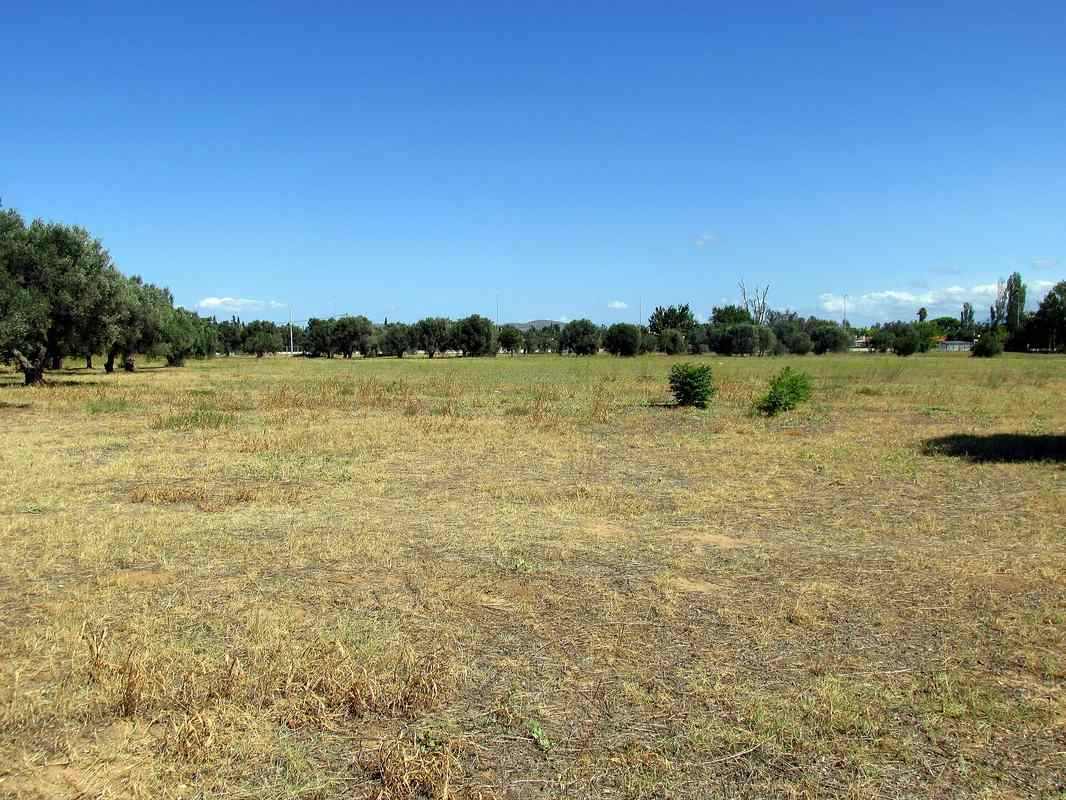
Remarkably, the battlefield itself survives largely unchanged, a quiet, open plain between the mountains and the sea, and on it stands the moving burial mound of the Athenian dead. A small but excellent museum, the original trophy site and the beautiful Schinias beach nearby complete the picture, making Marathon a rewarding blend of history, landscape and relaxation only a short drive from the capital. For a meaningful, uncrowded day out, it is well worth the trip. It complements other ancient excursions like the Eleusis day trip. The battle itself is the heart of the story.
What happened at the Battle of Marathon?
In 490 BC the Persian king Darius dispatched a large army to punish Athens, landing on the plain of Marathon. The Athenians, with their Plataean allies and led by the general Miltiades, attacked the much larger Persian force and won a decisive victory, losing 192 men against thousands of Persians. The triumph saved Athens and became a defining moment of Greek history.
Understanding the battle brings the quiet plain vividly to life. In 490 BC the Persian ruler Darius I, seeking to punish Athens for supporting a revolt against Persian rule, dispatched a great expedition across the Aegean, which landed on the broad coastal plain of Marathon, a natural spot for cavalry and a short march from the city. The Athenians, vastly outnumbered and supported only by a small contingent from the city of Plataea, marched out to meet the threat under the command of the bold general Miltiades. Rather than wait to be overwhelmed, the Athenians launched a daring charge across the plain, strengthening their wings and deliberately thinning their centre, a tactic that enveloped and routed the Persian army.
Ancient sources record that around 192 Athenians fell, against several thousand Persians, a stunning and lopsided victory. The triumph not only saved Athens from destruction but gave the young democracy enormous confidence and prestige, and it became one of the most celebrated battles in all of history, remembered as a moment when a free people defended their city against a mighty empire. Standing on the plain, you can picture the clash that unfolded here. The era is explored further in the Acropolis history guide. The fallen are honoured by a great mound.
What is the Tomb of Marathon (the Tumulus)?
The Tomb of Marathon, or Tumulus, is a 9-metre-high earthen burial mound on the battlefield, marking the shared grave of the 192 Athenians who died in 490 BC. Excavated in the 19th century, it yielded cremated remains and artefacts confirming the ancient accounts. It is free to visit, open at all times, and is the emotional heart of the battlefield.
The most moving monument at Marathon is the great burial mound known as the Tumulus, or Soros, which stands on the plain as a tangible link to the battle and its dead. Rising about nine metres high and covered in grass and wildflowers, this earthen mound marks the communal grave where the ashes of the 192 Athenian citizens who died in the battle were buried together, an exceptional honour reflecting the importance of their sacrifice; normally the Athenian war dead were brought home, but the heroes of Marathon were interred on the very field where they fell. In the nineteenth century the mound was excavated, and archaeologists found cremated human remains along with pottery and offerings, confirming the ancient written accounts of the burial and dating it precisely to the time of the battle.
Today the Tumulus is a quiet, dignified place, free to visit and open at all times, set amid the open plain with the mountains and sea beyond. Standing before it, knowing what it commemorates, is a genuinely affecting experience and the emotional centre of any visit to Marathon. A short distance away stands a reconstruction of the ancient victory trophy. The nearby museum deepens the story. The plain rewards quiet reflection.
What is in the Marathon Museum?
The Archaeological Museum of Marathon, about 2 kilometres from the Tumulus, displays finds from the battlefield and the wider surrounding region, including pottery, weapons, sculpture and grave goods, along with a model of the battle. It also covers the wider history of the Marathon area from prehistoric to Roman times, putting the famous battle in its broader context.
To complement the battlefield and the burial mound, the Archaeological Museum of Marathon, located on the main road about two kilometres from the Tumulus, provides valuable context and a fine collection of finds. The museum gathers objects discovered at the battle site and across the surrounding plain and hills, ranging from pottery, weapons and grave offerings connected to the battle itself to sculpture, inscriptions and everyday artefacts that illuminate the long history of the Marathon region. A particular highlight for many visitors is the model or display interpreting the battle, which helps you understand the tactics and the lie of the land before or after walking the plain.
The collection also reaches well beyond 490 BC, covering the area from prehistoric and Bronze Age times through the classical period to the Roman era, including finds from nearby ancient sites and the estate of the wealthy Roman benefactor Herodes Atticus, who came from Marathon. Compact and well presented, the museum turns a visit to the battlefield into a fuller historical experience, explaining who fought, how and why, and what became of the region afterwards. It is well worth pairing with the Tumulus. The grandeur of Roman Athens appears in the Panathenaic Stadium guide. The coast offers a relaxing finale.
What is Schinias beach near Marathon?
Schinias ranks among the finest beaches near Athens, a long, pine-fringed sweep of golden sand on the bay where the Persian fleet once anchored, a few kilometres from the Marathon battlefield. Part of a protected national park, it offers clean, shallow water, shade from the pines, and both organised and free sections, making it a perfect, relaxing extension to a Marathon day trip.
One of the great bonuses of a Marathon day trip is the chance to combine ancient history with a swim at one of the loveliest beaches near Athens. Just a few kilometres from the battlefield lies Schinias, a long and beautiful stretch of golden sand backed by a fragrant forest of umbrella pines that come almost to the water’s edge, providing welcome natural shade on hot days. Strikingly, this is the very bay where the Persian fleet anchored before the battle, so the beach carries its own historical resonance alongside its natural beauty. Schinias forms part of a protected national park, which has helped preserve its unspoilt character, and it offers clean, shallow, gently shelving water that is ideal for swimming and families, along with a mix of organised sections with sunbeds and tavernas and quieter free stretches where you can lay out a towel beneath the trees.
The area is also known for water sports, having hosted the rowing events of the Athens Olympics. Ending a day of battlefield history with a relaxing swim and a seaside lunch here makes for a perfectly balanced excursion. It rivals the strands in the Athens Riviera beaches guide. Getting there and planning the day is easy.
How do you get to Marathon, and what is the best way to visit?
Marathon is about 42 kilometres northeast of Athens, a 45-minute to 1-hour drive via Mesogeion Avenue toward Rafina, with free parking at the Tumulus and museum. Suburban buses also serve the area. An organised tour adds expert context, while driving gives flexibility to combine the battlefield, museum and Schinias beach. Bring water, sun protection and time for a swim.
Reaching Marathon is straightforward, and a little planning lets you enjoy the history and the beach in one relaxed day. By car, the battlefield lies around 42 kilometres northeast of central Athens, a drive of roughly forty-five minutes to an hour: you head out along Mesogeion Avenue toward Rafina and then follow the clear signs to Marathon, with free parking available at both the Tumulus and the museum, making driving the most flexible option for linking the scattered sights and the beach. Public transport is possible too, with intercity KTEL buses running from Athens to the Marathon area, though connections to the individual sites and the beach are less convenient without a car. For those who want historical depth without the logistics, organised day tours from Athens take in the battlefield, the Tumulus and the museum with a knowledgeable guide who explains the battle, sometimes combined with other sites in eastern Attica.
However you travel, the ideal plan is to spend the morning at the battlefield, Tumulus and museum, absorbing the history, then drive the short distance to Schinias beach for an afternoon swim and a seaside lunch. Bring water, a hat and sunscreen for the open plain and beach, and allow time to enjoy both halves of the day. With this approach, Marathon makes a rewarding and varied outing. The wider routes are explained in the getting around Athens guide. The questions below cover the points visitors ask most.
Frequently Asked Questions
How far is Marathon from Athens?
Marathon is about 42 kilometres northeast of Athens, roughly a 45-minute to one-hour drive via Mesogeion Avenue toward Rafina, with free parking at the Tumulus and museum. Intercity buses also serve the area, while many visitors join an organised day tour that includes the battlefield, the burial mound and the museum.
What can you see at Marathon?
At Marathon you can see the battlefield plain where Athens defeated Persia in 490 BC, the 9-metre Tomb of Marathon (Tumulus) where the 192 fallen Athenians are buried, the Archaeological Museum of Marathon with finds and a battle model, and the beautiful pine-backed Schinias beach a few kilometres away.
Why is the Battle of Marathon famous?
The Battle of Marathon is famous because in 490 BC an outnumbered Athenian army decisively defeated the much larger invading Persian force, saving Athens and its young democracy. The legend of a runner racing 42 kilometres to Athens to announce the victory also gave its name to the modern marathon race.