
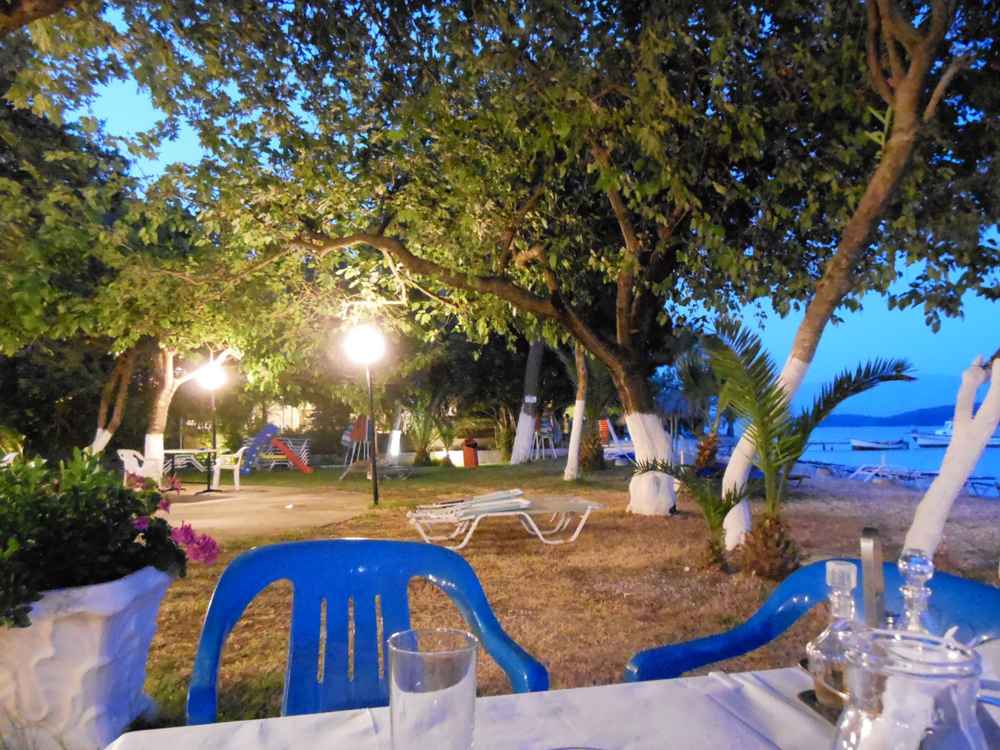
Lefkada keeps a relaxed evening scene rather than the club culture of the party islands. The island spreads its nightlife across three main areas, each with a distinct character, so visitors choose the mood rather than following a single strip. Nydri holds the largest concentration of bars and clubs, Vasiliki draws a sociable international crowd, and Lefkada Town keeps a Greek-oriented mix of cafes and tavernas. Evenings run late here, with dinner after nine and bars filling toward midnight. There are no vast superclubs, and most places close around two or three in the morning across the summer season. Plan the whole trip with Greece Tours.
Away from the resorts, the villages run on kafeneia and tavernas rather than bars, and the summer panigiria give the island its own night out. These saint’s-day feasts fill a square with music, food and dancing, and locals treat them as the real festival calendar. Anyone weighing the things to do in Lefkada after dark finds a scene built on conversation and long meals rather than pounding sound systems. The contrast with Zakynthos or Mykonos is clear, because Lefkada trades the superclub circuit for a slower rhythm. This guide sets out each area, the seasons, the age groups and the late hours.
What is Lefkada nightlife like overall?
Lefkada nightlife stays relaxed and spread across three areas rather than concentrated in one club district. Nydri, Vasiliki and Lefkada Town each set a different tone, and evenings run late without any superclubs.
Lefkada draws visitors who want a calm evening rather than a night of loud clubs, and the island answers that preference across its main resorts. The scene divides cleanly between three centres, so the mood shifts with the location instead of one strip dominating everything. Couples and families gravitate toward the harbours and squares, where tavernas and cocktail bars sit side by side. The pace stays unhurried, and groups move between dinner, a drink and a slow walk along the water. This structure keeps the island friendly to a wide range of ages, and it separates Lefkada from the single-purpose resorts elsewhere in Greece.
The evening rhythm follows a late Greek pattern that shapes the whole island. Dinner rarely starts before nine, bars fill toward midnight, and the busiest hours fall well after most northern-European visitors expect. Because the venues stay modest in scale, the noise stays contained, and neighbouring tables can still hold a conversation. Most places close around two or three in the morning, which marks the natural end of the night rather than a shift into after-hours clubbing. This measured close time defines the island as much as its beaches, and it explains why families and older travellers feel comfortable staying out.
Each of the three centres carries its own crowd, and the differences are practical rather than cosmetic. Nydri gathers the largest share of bars and clubs, so travellers who want later music head there first. Vasiliki attracts a sporty international set tied to its windsurfing bay, and the mood stays sociable and unpretentious. Lefkada Town keeps the local character, mixing cafes, cocktail bars and tavernas around the marina and the central square. Choosing a base therefore shapes the kind of evening on offer, and visitors sample more than one across a week. Short drives link the areas, which makes mixing them straightforward.
Beyond the resorts, the inland villages offer a different evening built on kafeneia and family tavernas. These places serve coffee, spirits and long meals rather than cocktails, and they keep their pace even at the height of summer. The panigiria, the saint’s-day feasts, provide the island’s own celebration, filling a village square with music, food and dancing. Locals treat these nights as the real social calendar, and visitors are welcome to join. Together the resort bars and the village feasts give the island two parallel night scenes. Anyone planning the things to do in Lefkada can move between the two without effort.
What is nightlife in Nydri like?
Nydri holds the island’s busiest nightlife, with a traffic-free main strip of cocktail bars, beach bars and a few late clubs. The action runs latest here, though it stays relaxed rather than a full club scene.
Nydri sits on the east coast and serves as the island’s main resort, which explains its concentration of evening venues. The central strip closes to traffic once the evening begins, and the road turns into a walking route lined with bars. Visitors stroll past cocktail bars, tavernas and shops, stopping where the music or the crowd suits them. Beach bars along the shore play lounge music and keep a softer tone earlier in the night. The layout encourages a slow circuit rather than a single destination, so groups drift from place to place. This concentration makes Nydri the obvious base for travellers who want choice.
The bars in Nydri open through the afternoon and build slowly toward the late hours. Early evening brings families and couples for food and a quiet drink, and the tone stays gentle. As midnight approaches, the younger crowd fills the cocktail bars, and a handful of late venues carry the night toward the small hours. Music ranges from lounge and pop to louder sets in the later clubs, though nothing reaches the scale of a superclub. The transition feels natural rather than abrupt, because the same strip serves both audiences at different times. This flexibility is a defining trait of the resort’s evening.
Nydri also works as a hub for daytime boat trips, and the harbour keeps a steady flow of people into the evening. Returning excursion boats add to the crowd around sunset, and the waterfront tavernas fill quickly. This mix of arrivals gives the strip a lively but manageable energy without tipping into chaos. Because the resort caters to a broad audience, prices and styles vary, so budget drinkers and cocktail seekers both find a spot. The compact layout keeps everything within a short walk, which suits groups who prefer not to plan transport. That walkability is part of the appeal for evening visitors.
Compared with the rest of the island, Nydri offers the closest thing to a late scene, yet it keeps its limits. The late clubs run into the small hours, but they close by two or three like everywhere else. Families staying in the resort can eat early and leave before the bars peak, while younger travellers stay for the later stretch. This range makes Nydri suitable for mixed groups who want options under one roof. Visitors comparing the areas often use Nydri as the benchmark, because it sets the upper end of the island’s nightlife. The resort remains the natural first stop after dark.
What can visitors expect from Vasiliki after dark?
Vasiliki runs an easygoing, international scene built around its windsurfing crowd, with sociable bars strung along the waterfront. The mood stays casual and conversational, and the night ends earlier than in the busier resorts.
Vasiliki lies on the south coast in a wide bay known across Europe for windsurfing and sailing. That sporting reputation shapes the evening, because the resort fills with an active, international crowd rather than club tourists. Waterfront bars line the harbour, and the tables spill toward the water as the light fades. Conversation, sport talk and shared drinks set the tone, and the atmosphere stays friendly and open. The scene favours mixing over dancing, so newcomers slot into groups easily. This social character makes Vasiliki distinct from the cocktail circuit of Nydri, and it draws return visitors who value the community feel.
The windsurfing schedule drives the daily rhythm, because the strong afternoon wind sends people to the water and then to the bars. Evenings begin with tired, sun-worn crowds gathering for food and a first drink around the harbour. The talk centres on wind, gear and the day’s runs, which gives the resort a shared subject and an easy sociability. Bars stay low-key, with music kept at a level that allows conversation rather than dancing. The night winds down earlier than in Nydri, since an early start on the water suits most guests. This practical rhythm defines the resort’s understated evenings throughout the summer.
Vasiliki attracts a younger, sporty demographic, but families and older sailors also share the waterfront. The mix stays balanced, because the resort centres on activity rather than a specific age group. Couples find quiet tavernas, while groups of windsurfers take the busier bars near the beach. Prices sit at a moderate level, and the informal style keeps the pressure low. Nobody dresses up, and the evening runs on flip-flops and salt-dried hair rather than club fashion. This relaxed uniformity is part of the draw, since it removes the sorting and posturing found in flashier resorts. Vasiliki rewards travellers who value ease over spectacle.
For visitors weighing where to stay, Vasiliki offers the calmest of the three resort scenes without feeling empty. The bars stay busy enough for company yet quiet enough for real conversation, which suits a particular kind of traveller. Its remoteness on the south coast keeps day-tripping crowds away, so the evening belongs mainly to those staying nearby. Reaching the later Nydri scene requires a drive, which reinforces the resort’s self-contained feel. Most guests accept this trade and settle into the local rhythm rather than chasing later hours. Vasiliki therefore stands as the island’s answer to sociable, low-pressure evenings by the sea.
Where do locals go out in Lefkada Town?
Lefkada Town keeps a Greek-oriented mix of cafes, cocktail bars and tavernas around the marina and the main square. Locals outnumber tourists here, and the square stays busy late into the night.
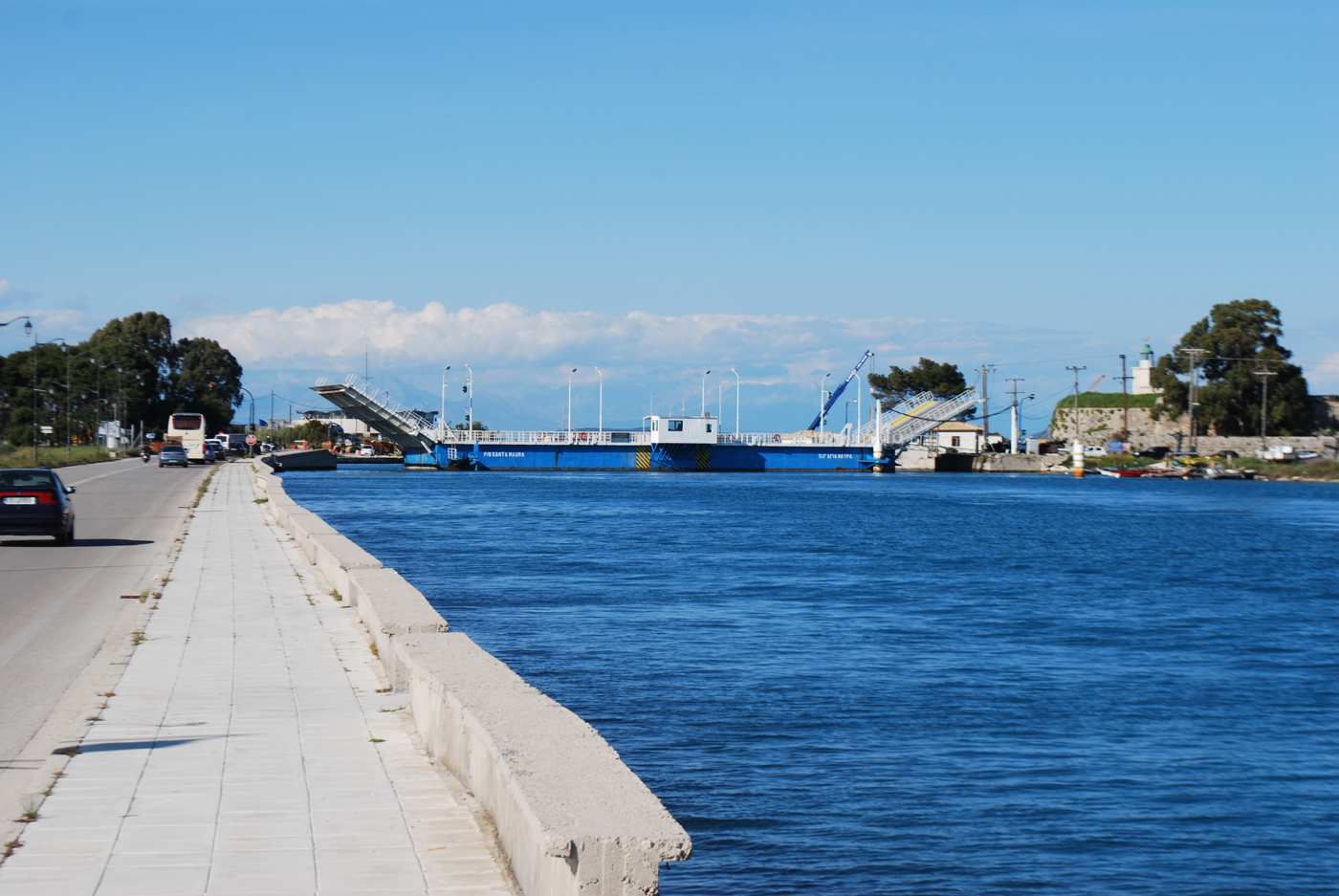
Lefkada Town sits at the northern tip of the island, linked to the mainland by a causeway and floating bridge. As the island’s capital, it keeps a working Greek character rather than a resort atmosphere. The evening centres on the marina and the main square, where cafes, cocktail bars and tavernas draw a mixed crowd. Locals fill the tables alongside visitors, which gives the town an authentic rhythm that the resorts lack. People move slowly between coffee, ouzo and dinner, and the pace stays social rather than driven. This blend of everyday life and visitor traffic defines evenings in Lefkada Town.
The marina waterfront holds a line of cafe-bars that shift from daytime coffee to evening cocktails without changing venue. Families walk the promenade after dinner, and children play in the square while adults settle at nearby tables. Cocktail bars stay busy toward midnight, though the tone remains conversational rather than club-driven. The old-town lanes behind the front hide smaller tavernas and mezedopolia, where music is often live and traditional. This layered layout lets visitors choose between the open waterfront and the quieter back streets. The town rewards wandering, since each lane offers a different pace and a different crowd after dark.
Lefkada Town stays busy across the whole season rather than only at peak weeks. Greek families eat late, and the square keeps its energy well past midnight on warm nights. The town also serves as a cultural centre, hosting the summer folklore festival that brings music and dance groups from abroad. During the festival the streets fill with performances, and the evenings run longer and louder than usual. This event gives the capital a distinct high point that the resort strips do not share. The mix of daily life and festival culture sets the town apart.
For visitors seeking a Greek evening rather than a resort night, the capital offers the fullest option. Dinner in an old-town taverna, a drink on the marina and a walk through the square form a natural sequence. The scene suits couples, families and older travellers, though younger visitors also find cocktail bars along the front. Nothing here reaches the late-club intensity of Nydri, and most places close around two or three. The reward is atmosphere and authenticity rather than volume, which matches the character of the island as a whole. Lefkada Town therefore anchors the cultural side of the island’s nightlife.
How do the villages and panigiria fit Lefkada nightlife?
Villages run on kafeneia and tavernas rather than bars, keeping a quiet, traditional pace. The panigiria, saint’s-day feasts with music and dancing, serve as the island’s own night out through the summer.
The mountain and inland villages keep a slower evening built on the kafeneio, the traditional coffee house. These places serve coffee, spirits, mezedes and long conversation rather than cocktails or loud music. Older men gather over cards and backgammon, while families take the tavernas for late dinners under the plane trees. The pace holds steady through the season, because the crowd is local and the routine familiar. Visitors are welcome, though the setting rewards patience and a willingness to sit rather than move. This unhurried village evening forms the quiet counterpart to the resort bars along the coast.
The panigiria are the villages’ true celebrations, held on the saint’s day of the local church through the summer. A square fills with tables, a band plays traditional music, and the whole community dances late into the night. Food and wine flow freely, and the event draws people from surrounding villages and returning families from abroad. These feasts follow the religious calendar rather than the tourist season, so their dates vary from village to village. Visitors who happen upon one find the island’s most genuine night out, open to anyone who joins in. The panigiria capture a communal spirit that no bar can reproduce.
Music at a panigiri centres on traditional Ionian and mainland styles, often with clarinet, violin and local song. Dancing runs in open circles, and newcomers are pulled in rather than left to watch. The atmosphere blends religious observance with pure festivity, since the feast marks a holy day and a social peak at once. Meals stretch for hours, and the celebration commonly runs well past the resort bars’ closing time. For islanders these nights outrank any club, because they carry family history and shared memory. Travellers who value culture over cocktails place the panigiria at the centre of the island’s evenings.
Finding a panigiri usually means asking locals, since the feasts follow church dates rather than a published tourist schedule. Village tavernas, hotel staff and shopkeepers know which celebration falls next and where. The larger feasts draw sizeable crowds, while smaller hamlets keep quieter, more intimate gatherings. Either way, the events run on hospitality, and outsiders are treated as guests rather than spectators. This openness makes the panigiria a rare chance to see island life on its own terms. Anyone building a list of things to do in Lefkada that reaches beyond the bars can keep an evening free for a feast.
When is the Lefkada folklore festival and how do seasons change the scene?
The Lefkada folklore festival runs during summer in the capital, filling the town with music and dance groups from abroad. The wider scene peaks in high summer and quietens sharply outside the warm months.
The folklore festival is the capital’s cultural centrepiece, held each summer over weeks. Dance and music groups travel from other countries to perform, and the town stages events in the streets and open venues. Evenings during the festival run longer and busier than usual, since performances draw both locals and visitors into the centre. The programme mixes international folk traditions with Greek music, giving the capital a broad cultural draw. This event marks the high point of the town’s calendar and pulls the whole island toward Lefkada Town for a stretch of nights. It defines the cultural face of the summer.
Seasons shape the nightlife sharply, because the island runs on a short, intense summer. High summer brings the fullest scene, when every resort strip, waterfront and square stays busy each night. The shoulder weeks on either side keep a lighter version, with fewer late venues and quieter squares. Outside the warm months many resort bars close entirely, and the island returns to its year-round village rhythm. Lefkada Town holds the most consistent scene, since its local crowd sustains cafes and tavernas beyond the tourist peak. Timing a visit therefore has a direct effect on the kind of evenings on offer.
Age groups sort naturally across the island rather than clashing in one place. Younger travellers gravitate to Nydri for the later bars and clubs, while windsurfers of all ages fill Vasiliki. Families and older visitors favour Lefkada Town and the village tavernas, where the pace suits earlier, quieter evenings. This spread means the island rarely feels dominated by a single demographic, and mixed groups find room for everyone. Nobody has to compete for the same strip, because each area sets its own tone. This balance is a practical strength, since it lets couples, families and young friends share one island without friction.
Planning around these patterns helps travellers match the island to their expectations. Those seeking the busiest nights aim for high summer and base themselves in Nydri, close to the late strip. Visitors wanting culture time a trip to overlap with the folklore festival in the capital. Anyone after quiet evenings picks the shoulder weeks, when the squares stay pleasant and the crowds thin. The village panigiria add a further layer for travellers willing to follow the local calendar. Reading the season and the location together gives a clear sense of the evenings ahead, which suits careful trip planning across the island.
How does Lefkada nightlife compare with Zakynthos or Mykonos?
Lefkada trades the superclub circuit of Zakynthos and Mykonos for a slower, spread-out scene of bars, tavernas and village feasts. Evenings start late and close around two or three, without vast clubs or organised party strips.
Zakynthos and Mykonos represent the party model that Lefkada deliberately avoids. Laganas on Zakynthos runs a dedicated club strip aimed at young holidaymakers, with large venues, foam parties and organised bar crawls. Mykonos operates at the luxury end, with international DJs, beach clubs and prices to match. Both islands build their nightlife around a concentrated, high-volume scene that pulls a specific crowd. Lefkada offers none of this, keeping its evenings low-key and spread across resorts and villages. The difference is structural rather than a matter of degree, since Lefkada never developed the superclub infrastructure at all. That absence shapes the whole experience.
The late hours mark another clear contrast between the islands. On Mykonos and the Zakynthos strip, clubs push well past dawn, and the night is the main event. Lefkada keeps a gentler clock, with dinner after nine, bars filling toward midnight and closing around two or three. Even the latest Nydri clubs respect this rhythm, so the island never shifts into all-night clubbing. This earlier close reflects the island’s audience, which leans toward families, couples and sporty travellers rather than dedicated clubbers. The measured timetable is not a limitation but a defining feature, matching the calm character that draws visitors to the island.
Choosing between these models depends on what a traveller wants from a holiday. Those set on big clubs, DJs and all-night dancing find Zakynthos or Mykonos a better match. Travellers who want a drink by the water, a long dinner and an early morning on the beach fit Lefkada. The island suits couples, families and active visitors more than party groups chasing the loudest scene. Its spread of bars, tavernas and village feasts rewards those who value variety over intensity. Understanding this trade before booking prevents disappointment, since Lefkada delivers a very different night from the party islands and makes no attempt to copy them.
Taken together, the island’s evenings form a coherent whole rather than a watered-down version of a party resort. Nydri covers those who want later bars, Vasiliki serves the sociable windsurf crowd, and Lefkada Town holds the Greek cultural core. The villages and their panigiria add an authentic layer that the party islands cannot offer. This range lets one island satisfy kinds of traveller without forcing a single style on everyone. Anyone comparing options across the Ionian and the Cyclades benefits from seeing Lefkada as a distinct choice, not a lesser Zakynthos. The island earns its place by doing something different well.
Frequently Asked Questions
Does Lefkada have clubs and late-night bars?
Lefkada has bars and a small number of late clubs, mainly in Nydri, but no large clubs or superclubs. The main strip in Nydri closes to traffic in the evening and fills with cocktail bars, beach bars and venues that run into the small hours. Vasiliki and Lefkada Town keep quieter scenes based on waterfront bars, cafes and tavernas rather than dance floors. Most places across the island close around two or three in the morning, so the night has a natural end rather than pushing toward dawn. Travellers looking for later bars base themselves in Nydri, while those after a calmer evening choose the town or the south coast.
The island suits people who want a relaxed drink rather than an all-night club experience.
Which area is best for nightlife in Lefkada?
Nydri offers the busiest nightlife on Lefkada, so travellers who want the widest choice of bars and the latest hours base themselves there. Its traffic-free strip lines up cocktail bars, beach bars and a few late clubs within a short walk. Vasiliki suits a sociable, sporty crowd tied to windsurfing, with relaxed waterfront bars and an international feel. Lefkada Town appeals to those who prefer a Greek atmosphere, mixing cafes, cocktail bars and tavernas around the marina and square. The best area therefore depends on the kind of evening wanted rather than a single ranking. Many visitors split their stay or drive between areas across a week, since the resorts sit close together.
Families and older travellers often prefer the town, while younger groups lean toward Nydri.
What time does nightlife start and end in Lefkada?
Evenings on Lefkada start late by northern-European standards and end in the small hours rather than at dawn. Dinner rarely begins before nine, and the bars fill toward midnight as diners move on to drinks. The busiest stretch falls between midnight and two, when the strips and squares reach their peak. Most venues close around two or three in the morning, including the later clubs in Nydri, so there is no all-night scene. This rhythm follows the Greek habit of eating and socialising late through the warm summer nights. Visitors used to earlier evenings adjust by resting in the afternoon and starting their night after sunset.
The pattern holds across the island, though village tavernas and the panigiria can run even later during a feast.
Is Lefkada suitable for families and older travellers at night?
Lefkada suits families and older travellers well, because its evenings centre on food, cafes and relaxed bars rather than loud clubs. Lefkada Town offers a Greek atmosphere around the marina and square, where families eat late and children play while adults relax. The village tavernas and kafeneia keep an even gentler pace, and the panigiria welcome all ages into their music and dancing. Vasiliki adds a calm, sociable waterfront tied to its windsurfing scene, comfortable for mixed groups. Even Nydri stays family-friendly in the early evening, before the younger crowd arrives later. The island’s spread of areas lets different ages find a fitting tone without competing for the same space.
This balance is one reason Lefkada draws returning couples and families year after year through the summer.
What are the panigiria and can visitors attend?
The panigiria are village feasts held on the saint’s day of the local church, and visitors are welcome to join. Each feast fills a village square with tables, traditional music and open-circle dancing that runs late into the night. Food and wine are shared, and the celebration blends a religious occasion with a community party. Because the feasts follow the church calendar rather than the tourist season, their dates vary from village to village through the summer. Finding one usually means asking locals, hotel staff or shopkeepers, since there is no single published schedule. Outsiders are treated as guests rather than spectators, and joining the dancing is encouraged.
For travellers the panigiria offer the most genuine night out on the island, well beyond the resort bars and worth seeking out.
How is Lefkada nightlife different from Zakynthos or Mykonos?
Lefkada offers a slower, spread-out scene, while Zakynthos and Mykonos build their nightlife around concentrated party districts. Laganas on Zakynthos runs a club strip with large venues and organised bar crawls, and Mykonos pairs international DJs with high-end beach clubs. Lefkada has neither, keeping its evenings across the bars of Nydri, the waterfront of Vasiliki, the cafes of Lefkada Town and the village feasts. Its venues stay modest, its music quieter, and its closing time falls around two or three rather than dawn. The island suits couples, families and active travellers rather than dedicated clubbers chasing all-night parties.
Choosing between them comes down to the holiday wanted: high-volume clubbing on the party islands, or a relaxed, varied evening on Lefkada. The two models serve very different visitors.