
A Lavrio day trip from Athens reaches an underrated port town at the southern tip of Attica, home to Europe’s oldest silver mines that funded ancient Athens, a fine museum and a renovated seafront, close to Cape Sounion. Pair this offbeat history-and-sea escape with tours and tickets from My Greece Tours.
This underrated escape is a rewarding option in the Athens travel guide. The sections below cover whether it is worth it, the ancient silver mines, the archaeological museum, the port and seafront, the link with Cape Sounion, how to get there, and tips for the visit.
Is Lavrio worth a day trip from Athens?
Yes, Lavrio rewards travellers who like history and authentic places, about 50 km southeast of Athens at the tip of Attica. This old silver-mining engine of Athens offers ancient mines, a fine museum and a seafront, close to Cape Sounion.
Lavrio suits travellers who appreciate history, authenticity and places off the usual tourist track. It makes a fascinating day trip from Athens, especially when combined with the nearby Temple of Poseidon. The town lies around fifty kilometres southeast of the city, at the very tip of the Attica peninsula. Lavrio is a working port with a remarkable past. It was here, in the silver mines of the surrounding hills, that ancient Athens found the wealth that powered its golden age. That silver funded the navy and the great monuments of the Acropolis.
The town rewards the curious visitor with four distinctive attractions. First come the extraordinary remains of the ancient silver mines and their ore-processing works, scattered through the landscape. A fine archaeological museum follows. The town also carries an unusual industrial-heritage character from its more recent mining and metallurgical past. Finally, a recently revitalised waterfront is lined with cafés and tavernas, far more affordable and authentic than those in central Athens.
Lavrio sits a short drive from Cape Sounion and its clifftop temple, which makes the two a natural pairing. For an offbeat blend of deep history and seaside ease, Lavrio is well worth discovering. Its ancient mines remain its greatest claim, and they shaped the course of history.
What are the ancient silver mines of Lavrio?
Lavrio holds the largest and oldest ancient silver mines in Europe, worked from prehistoric times and intensively in the 5th century BC. That silver funded the fleet that beat the Persians at Salamis and helped pay for the Parthenon.
The ancient silver mines are the defining feature of Lavrio and the reason it holds such an important place in history. Reckoned among the oldest and largest in all of Europe, they transformed the fortunes of classical Athens. Silver was extracted from these hills from prehistoric times. Mining reached its intensive peak in the fifth century BC. Workers exploited the rich seams of silver-bearing ore on a vast scale, using the labour of thousands of slaves in narrow underground galleries.
The wealth this silver generated was the financial engine of Athens’ golden age. The statesman Themistocles famously persuaded the Athenians to spend the silver of Lavrio on the great fleet. That fleet defeated the Persian navy at the Battle of Salamis in 480 BC. The same riches helped pay for the Parthenon and the other glories of the Acropolis. Few mining districts have shaped history so directly.
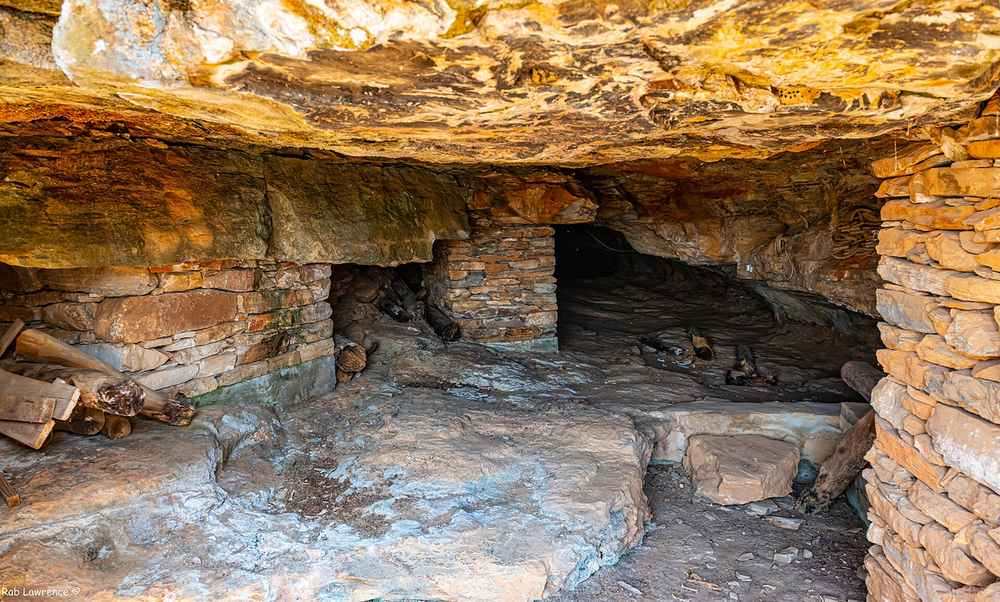
The legacy of this ancient industry survives across the landscape around Lavrio. You can trace mine shafts and galleries, and above all the remarkably preserved ore-washing tanks, cisterns and processing installations where the silver was extracted from the rock. These works are a striking testament to ancient engineering. The town’s museum brings the whole story vividly to life.
What is the archaeological museum like?
The Archaeological Museum of Lavrio, in a neoclassical building, displays finds from prehistoric to early Christian times. Highlights include mining artefacts, sculpture of Demeter and Persephone, part of the Sounion temple frieze, and a mosaic floor. It explains Lavrio’s mining past.
A visit to the town’s Archaeological Museum makes sense of Lavrio’s mining heritage and the long history of the surrounding region. The collection is compact but rewarding, and the setting is attractive. Housed in a fine neoclassical building, the museum displays artefacts unearthed across the Lavrio area. They span a huge sweep of time, from the Neolithic and prehistoric eras through the classical period and on to early Christian times. Together they tell the story of human activity in this mineral-rich corner of Attica. Much of the collection relates to the silver mining and metallurgy that defined the area, with tools, ore samples and finds that illuminate the ancient industrial processes.
The artistic highlights include notable pieces of sculpture. Among them are figures associated with Demeter and Persephone, the goddesses of the Eleusinian Mysteries. A portion of the sculpted frieze from the Temple of Poseidon at nearby Cape Sounion lets you admire details from that great monument up close. An impressive mosaic floor from an early Christian basilica in Lavrio is another draw. These exhibits give essential context and depth to a visit, and the museum repays an hour of exploration. The revitalised port waits just beyond its doors.
What are the port and seafront like?
Lavrio is a lively working port with a renovated waterfront, a pleasant place to stroll, eat and relax. The seafront holds cafés, bars and seafood tavernas at honest prices, far cheaper than central Athens. The port also serves ferries to the western Cyclades.
The town of Lavrio, and especially its waterfront, offers a relaxed conclusion to a day trip after the mines and the museum. Its character is genuine and unpretentious. Lavrio is a real, working port town rather than a manicured resort, and this authenticity is much of its charm. In recent years the waterfront has been attractively renovated, creating a pleasant harbour promenade that is perfect for a leisurely late-afternoon stroll.
The seafront and the streets behind it are lined with cafés and bars. Seafood tavernas and eateries serve fresh fish and traditional Greek dishes. Prices here are notably more affordable, and the atmosphere is more local than in the touristy heart of Athens. A long, good-value lunch or dinner by the water is a real pleasure.
The port is also a busy departure point. Ferries sail from here to the western Cyclades, such as Kea and Kythnos, and to other islands, giving the town a lively maritime bustle. Lavrio retains striking traces of its more recent industrial past. Nineteenth and twentieth-century mining and metallurgical companies reopened the area, leaving behind atmospheric old factory buildings and a technological and cultural park that some find as fascinating as the ancient remains. With its honest food, sea air and easygoing feel, the port is a fitting end to a day that the temple nearby completes.
How do you combine Lavrio with Cape Sounion, and how do you get there?
Lavrio lies around 10 km from Cape Sounion and its clifftop Temple of Poseidon, so the two combine into one day. Drive about an hour from Athens along the coast, or take a KTEL bus, around 1.5 hours. Spring and autumn are ideal.
Lavrio’s proximity to Cape Sounion is one of the best reasons to visit. It lets you combine the town’s industrial and mining history with one of the most spectacular ancient sights near Athens in a single, well-rounded day. Cape Sounion lies only about ten kilometres from Lavrio, a short drive along the coast. It is crowned by the Temple of Poseidon, whose gleaming white marble columns stand on a cliff high above the Aegean. The setting is breathtaking at sunset, when the sun sinks into the sea behind the ancient ruins. The surrounding park even contains hiking trails that wind past more ancient silver-mining remains.
The classic itinerary pairs Lavrio’s mines, museum and seafront with the temple at Sounion. Time the temple for the golden light of late afternoon or sunset. Getting to the area from Athens is straightforward. By car it is roughly an hour’s drive southeast along the scenic coastal road, the most flexible option for combining the sights. KTEL intercity buses also run from Athens to Lavrio and Sounion, taking around an hour and a half. The mild months of spring and autumn are ideal, and an early start lets you savour both Lavrio and the temple at leisure. The temple itself is detailed in the Cape Sounion guide.
What else is there to see and do in Lavrio?
Beyond the mines and museum, Lavrio offers the ancient theatre of Thorikos, the Lavrion Technological and Cultural Park, the strange Chaos crater, a palm-tree grove and sandy beaches. These sights turn a half-day visit into a full and varied day out.
The ancient theatre of Thorikos ranks among the oldest stone theatres in Greece, with an unusual elongated, near-oval shape rather than the familiar semicircle. It sits on a hillside above the sea, close to prehistoric mining works and a well-preserved fortified acropolis. The setting rewards a short walk and a good camera.
The Lavrion Technological and Cultural Park occupies the restored buildings of the old French mining company on the edge of town. Its stone workshops, furnaces and chimneys now house exhibitions, a university campus and cultural events. The site shows how nineteenth-century industry reshaped Lavrio long after the ancient mines fell silent.
Two natural curiosities round out the area. The Chaos is a vast circular sinkhole, a collapsed cavern that drops away dramatically at the roadside and draws the curious. Nearby, the palm grove at Kyprianos and the sandy beaches around the town give easy access to a swim, so an afternoon dip fits neatly between the ruins and dinner by the harbour.
The Mineralogical Museum adds another layer to a visit. Lavrio’s ore-rich geology produced hundreds of distinct mineral species, and the collection displays crystals and specimens found nowhere else in such variety. Rock hounds and families alike find the cabinets rewarding. Together with the Thorikos theatre, the Chaos and the industrial park, these smaller sights explain why Lavrio deserves more than a rushed stop on the way to Sounion.
When is the best time to visit, and where can you stay?
Spring and autumn are the best times to visit Lavrio, with mild weather for exploring the open-air mines and coast. Summer suits swimmers but brings heat and crowds at Sounion. The town has small hotels and guesthouses for travellers who want to stay overnight.
The mild months of spring and autumn give the most comfortable conditions for a Lavrio day trip. The mine remains, the Thorikos theatre and the Sounion headland all sit in the open air, so pleasant temperatures make a real difference. Wildflowers cover the hills in spring, while autumn brings soft light and calmer seas. Summer works well for beach time, though midday heat and sunset crowds at the Temple of Poseidon call for an early or late plan.
Most visitors treat Lavrio as a day trip, yet the town rewards an overnight stay for those who want a slower pace. Small hotels and guesthouses in and around the port offer a quiet base away from the bustle of central Athens. Staying the night lets you watch the fishing boats return, dine unhurried by the water and reach the Temple of Poseidon for both sunset and the quieter early morning.
Why choose Lavrio port over Piraeus for the islands?
Lavrio port is smaller, calmer and easier to navigate than Piraeus, and it sits closer to the western Cyclades such as Kea and Kythnos. Travellers who value a relaxed departure and a shorter crossing to those islands often prefer sailing from Lavrio.
Piraeus is the busy main gateway of Athens, handling huge crowds and dozens of routes across the Aegean. Lavrio offers a very different experience. The port is compact and unhurried, so boarding is simple and parking is easy near the quay. For islands in the western Cyclades and the Saronic edge of the Aegean, Lavrio also lies geographically closer, which trims the sailing time.
This combination makes Lavrio a smart choice for a certain kind of traveller. Anyone heading to Kea, Kythnos or the quieter Cycladic islands can start the journey with less stress and a shorter crossing. The same trip can begin with a morning among the ancient mines and a seafront lunch, turning a simple ferry connection into a richer day. Lavrio therefore works as both a destination and a practical stepping stone into the islands.
Frequently Asked Questions
What is Lavrio known for?
Lavrio is known as the site of the largest and oldest ancient silver mines in Europe, whose silver funded the navy and monuments of classical Athens, including the fleet that won the Battle of Salamis and the building of the Parthenon. Today the town offers the ancient mine remains, a fine archaeological museum, an industrial heritage and a revitalised seafront, close to Cape Sounion.
How do you get to Lavrio from Athens?
Lavrio lies about 50 km southeast of Athens at the tip of Attica. By car it is roughly an hour’s drive along the coastal road, the most flexible option, especially for combining it with Cape Sounion. KTEL intercity buses also run from Athens to Lavrio, taking around an hour and a half. An organised tour is another easy way to visit the area.
Can you combine Lavrio with Cape Sounion?
Yes, Lavrio combines perfectly with Cape Sounion, which lies just a short drive of about 10 km away. The classic day trip pairs Lavrio’s ancient silver mines, archaeological museum and seafront with the spectacular clifftop Temple of Poseidon at Sounion, ideally timed for the magical sunset. Together they make a rewarding full day of history, industry and sea near Athens.
How long do you need in Lavrio?
A half-day covers the highlights of Lavrio, and a full day lets you add Cape Sounion at leisure. Allow about an hour for the Archaeological Museum, an hour or two for the mine remains and the Thorikos theatre, and time for lunch on the seafront. Adding the Temple of Poseidon and the beaches easily fills a rewarding full-day trip from Athens.
Where do ferries from Lavrio go?
Ferries from the port of Lavrio serve the western Cyclades, including Kea and Kythnos, along with other Aegean islands. The port gives travellers a quieter, less crowded alternative to Piraeus and Rafina for reaching these islands. Sailing from Lavrio also shortens the crossing to several nearby destinations, which makes the town a practical gateway as well as a day-trip attraction.
Are the ancient mines of Lavrio open to visitors?
The mining remains around Lavrio lie mostly in the open landscape rather than in a single ticketed site, so you can see shafts, galleries and ore-washing installations across the hills. Some areas near Thorikos and the Technological and Cultural Park are easy to reach on foot. Guided tours and the Archaeological Museum help explain the ancient workings and their role in classical Athens, from the ore-washing tanks to the deep galleries cut by hand into the rock.