
Kos offers a unique blend of scenic beauty and historical charm, making it an ideal destination for weddings. The island’s diverse settings range from sandy beaches to picturesque mountain villages, providing a variety of options for couples. Plan the whole trip with Greece Tours.
With an international airport and a range of accommodations, Kos ensures easy logistics for wedding guests. Whether you choose a beach, garden, or historic backdrop, Kos provides a memorable setting for your special day.
Why choose Kos for a wedding?
Kos combines beach, mountain, and old-town wedding settings inside about 290 square kilometres. Kos International Airport near Antimachia shortens guest travel, and the flat, roughly 40-kilometre island keeps every venue within an easy drive.
Kos works as a wedding destination because it holds three distinct backdrops on one compact island. Couples reach sandy bays in the southwest, the mountain village of Zia on Mount Dikeos, and the harbour of Kos Town within a single day. The island covers about 290 square kilometres and stretches roughly 40 kilometres end to end, so no venue sits far from another. Kos International Airport near Antimachia lands guests close to the centre. This geography lets a couple pair a beach ceremony with a garden reception and a town dinner without long transfers. The third-largest Dodecanese island gives planners range from open coast to shaded courtyards, all reachable on flat, cycle-friendly roads.
That flat layout keeps arrivals, transfers, and departures simple for every guest and vendor.
The island’s spread of backdrops lets couples match a wedding to a clear mood. Kefalos bay in the southwest delivers wide sandy beaches and calm water for a barefoot ceremony. Kos Town on the northeast coast brings the harbour and the Castle of Nerantzia into the frame. Zia, high on Mount Dikeos, opens west toward the sea for evening light. This range means a beach couple and a mountain couple both find a fit on the same island. Planners work the geography rather than fight it, placing the ceremony where the light and the setting suit the day. The result is a wedding built around real places, not a single generic venue repeated across the calendar.
That flexibility also helps mixed guest lists, where older relatives and younger friends want different settings.
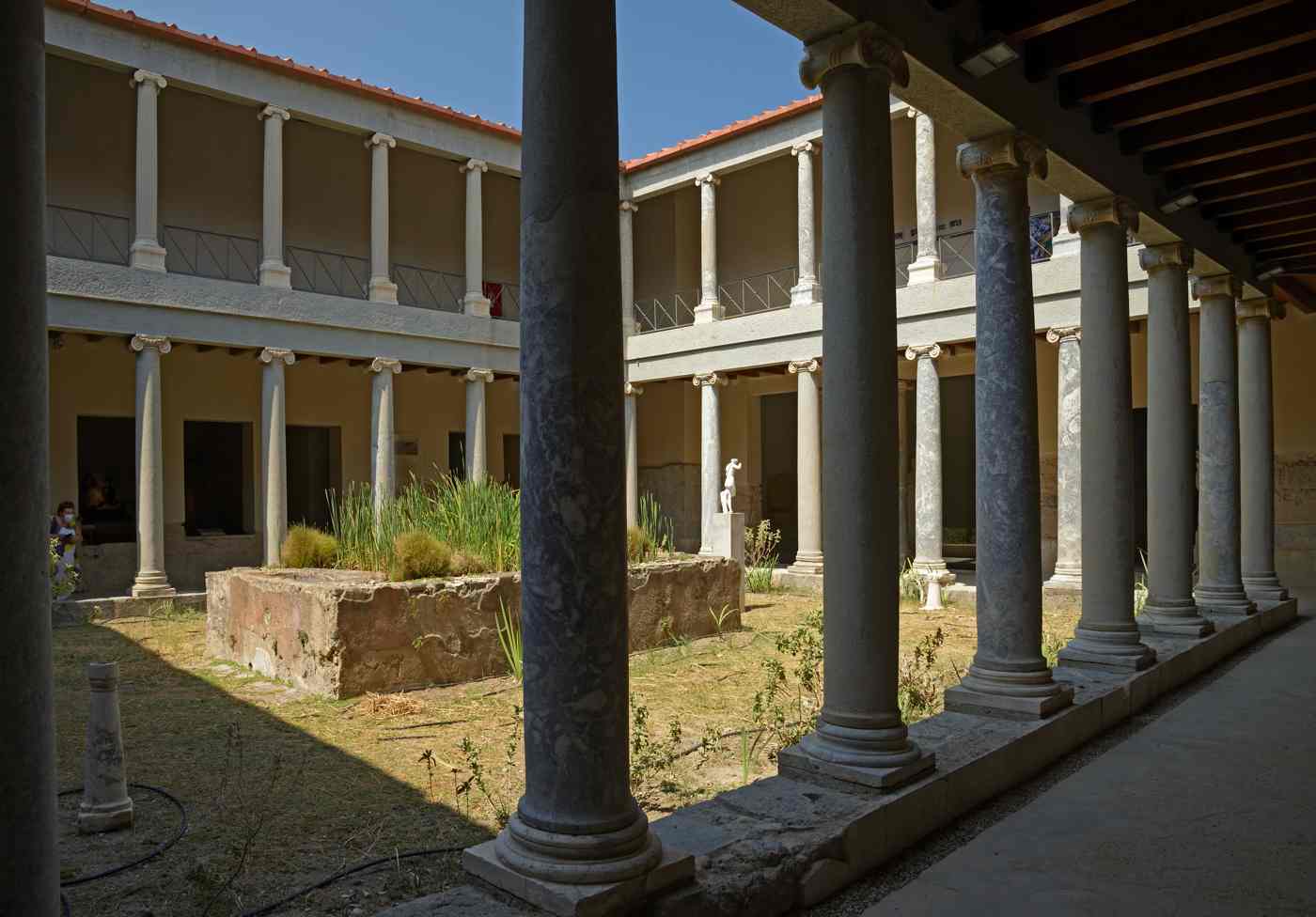
The Castle of Nerantzia, the ancient agora, and the harbour give Kos Town a historic weight that few island capitals match. Couples exchange vows in the shadow of the medieval fortress, with day boats moving across the water behind them. The flat terrain lets guests walk between the monuments, the waterfront, and their hotels without steep climbs. This accessibility suits large family groups and guests with limited mobility, who face level ground across the whole capital. The town blends 20th-century Italian-era arcades with Roman remains and Greek streets, layering the backdrop for photographs. A ceremony here trades the open beach for stone, history, and the constant life of a working port.
Kos Town therefore anchors the historic option while the coast and the mountain handle every other mood.
Guests turn a Kos wedding into a short holiday, which raises attendance and spreads the cost of travel. The Asklepion, the ancient healing sanctuary about 4 kilometres southwest of Kos Town, draws visitors between the ceremony and the reception days. Day boats run to the volcano of Nisyros and to Kalymnos, adding excursions that fill the calendar around the event. Beaches at Tigaki, Marmari, and Lambi hold the afternoons, while cyclists use the flat north-coast roads. This depth of activity gives guests a reason to arrive early and stay on after the wedding. The island rewards a three or four-day trip rather than a single day in and out.
That breadth, paired with easy flights, makes Kos an inviting base for couples inviting friends from different countries.
What are the options for civil and religious ceremonies on Kos?
Kos hosts both civil and religious ceremonies. Civil weddings take place at coastal, garden, and Kos Town venues, while Greek Orthodox churches and chapels across the island handle religious rites in a traditional setting.
Civil ceremonies on Kos take place at the town hall and at licensed outdoor venues along the coast and in gardens. The registrar handles the legal marriage, and couples then move to a beach or terrace for the celebration. Kos Town holds the main civil offices, which keeps paperwork close to the northeast harbour and the airport road. This route suits couples who want a short, clear legal step followed by a relaxed party. The civil path also fits international couples, since it does not rest on a shared religious background. Planners line up the registrar slot, the translator, and the venue so the day runs in order.
This structure gives couples a straightforward frame while still leaving the setting and the reception fully open to personal taste and budget.
Greek Orthodox ceremonies follow a fixed liturgy inside the island’s churches and hillside chapels. Priests conduct the crowning and the shared cup, rites that carry deep meaning in Greek tradition. Whitewashed chapels sit above the Kefalos bay and across the villages, each holding a small congregation in an intimate space. Couples who want this path confirm the church, the priest, and the required church documents well ahead of the date. The religious route asks for more preparation than a civil booking, since the parish sets its own conditions. Local planners who know the parishes help couples meet these terms without confusion.
The reward is a ceremony rooted in place and faith, held in a building that has framed island weddings for generations of Kos families and their guests.
The choice between civil and religious hinges on background, guest expectation, and the mood the couple wants. Civil weddings open every kind of venue, from a Kefalos beach to a Kos Town garden, with no faith requirement. Religious weddings anchor the day in an Orthodox church and its liturgy, which shapes both timing and dress. Mixed couples often pick the civil route for its flexibility, then add personal touches from their own traditions. Faith-led couples choose the church and build the reception around it. Each path carries its own paperwork and its own rhythm, and neither limits the quality of the celebration.
Planners lay out both options early, so couples decide with the full picture rather than discovering constraints late in the process of booking their date.
Kos supports both ceremony types with a working base of registrars, parishes, translators, and planners. This infrastructure matters because a destination wedding depends on documents clearing on time. Couples send certificates ahead, arrange official translations, and confirm the venue booking as one linked chain. The island’s compact scale keeps the registrar, the church, and the reception venue within a short drive of each other. A single coordinator can therefore track the legal step and the celebration together. This joined-up support narrows the gap that often opens between paperwork abroad and the event on the ground. The outcome is a smoother path from the first enquiry to the moment the couple signs.
Whichever ceremony route they follow across the island and whatever nationality mix the guest list brings.
What makes beach and garden settings on Kos special?
Beach and garden settings give Kos couples open-air backdrops. Sandy bays in the Kefalos area frame ceremonies beside the Aegean, while inland gardens near Kos Town offer shaded, wind-sheltered space for vows and receptions.
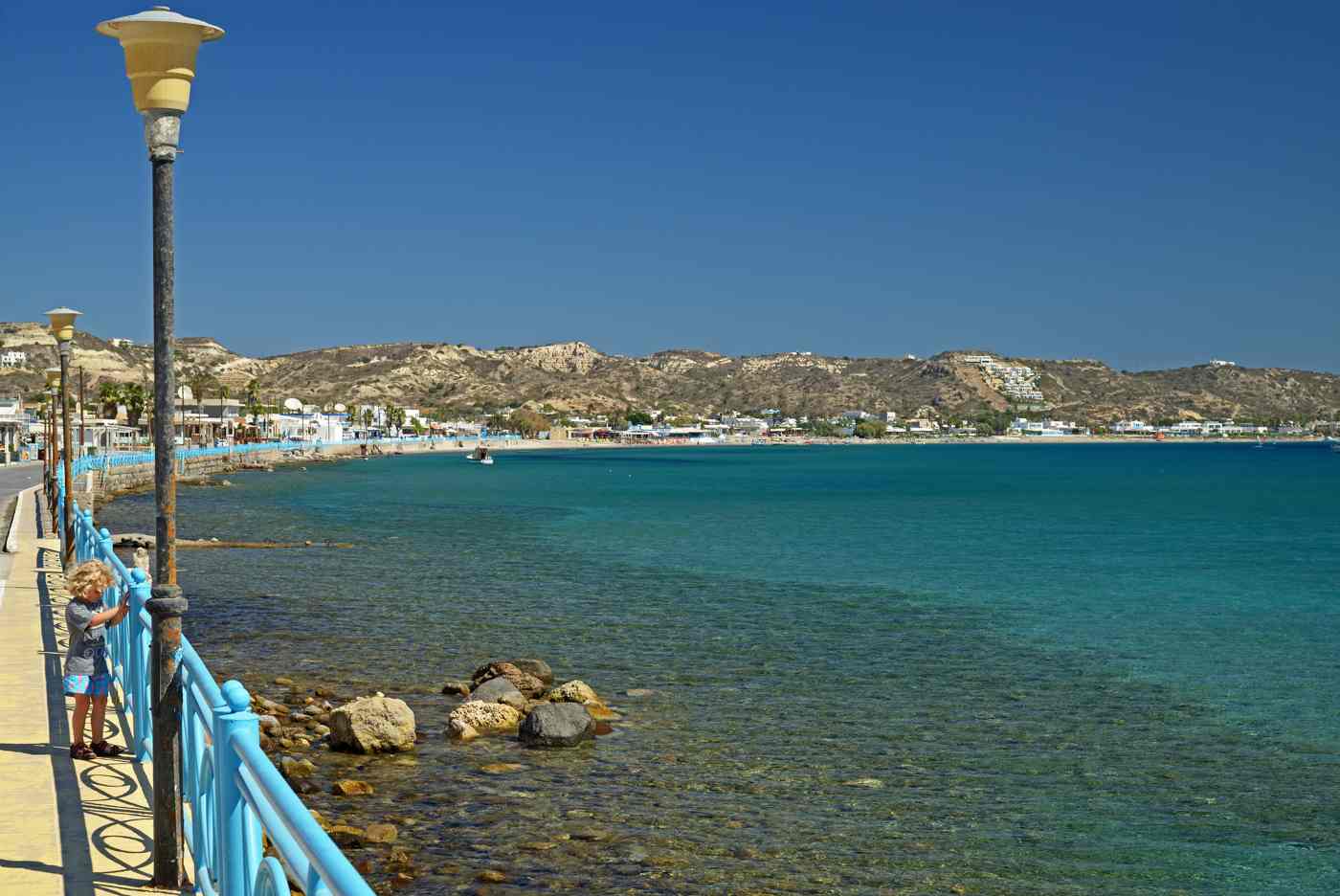
Beach settings on Kos put the ceremony directly on the sand with the Aegean behind the couple. Kefalos bay in the southwest holds wide, gently sloping beaches such as the stretch near Agios Stefanos, where the basilica ruins and the Kastri islet sit offshore. The calm water and firm sand suit an aisle, chairs, and an arch without heavy groundwork. Morning and late-afternoon slots avoid the strongest midday sun and give softer light for photos. North-coast beaches at Tigaki and Marmari offer flatter, shallow water backed by the salt-pan lagoon. This spread lets couples pick a bay by light, wind, and guest access rather than settling for one option.
The sea itself becomes the backdrop, so decoration stays light and the setting does the work.
Garden settings trade open sand for shade, walls, and planting that shelter guests from wind. Courtyards and hotel gardens near Kos Town and the resorts hold mature trees, bougainvillea, and lawns that frame a ceremony. These spaces suit couples who want fixed seating, stable ground for heels, and easy access to power and kitchens. The greenery cuts the midday heat and gives a calm, enclosed feel that a beach cannot match. Gardens also keep sound contained, which helps speeches and music carry clearly to every seated guest. Evening receptions work well here, with warm string lighting and hanging lanterns replacing the daytime sea view.
This controlled setting gives planners a dependable canvas, one that holds its shape regardless of the wind coming off the water that afternoon.
Beach and garden choices come down to a trade between openness and shelter. Beaches deliver the sea, the horizon, and bare feet, but they expose guests to sun, wind, and shifting sand. Gardens give shade, firm footing, and contained sound, yet they frame the couple with planting rather than open water. Kos lets couples combine both on one day, with vows on a Kefalos beach and dinner in a walled garden nearby. This pairing uses the coast for the ceremony and the garden for the long evening, when comfort matters more than the view. Planners match the setting to the hour and the guest list, seating older relatives in shade while the ceremony stays on the sand.
The island’s short distances make this two-part plan realistic rather than exhausting.
Practical support shapes how a beach or garden wedding actually runs. Coastal venues arrange chairs, an arch, a sound system, and a licensed bar, so the couple does not haul equipment onto the sand. Gardens attached to hotels bring kitchens, restrooms, and power within steps of the ceremony. Both settings need a wind and heat plan, since open bays catch the afternoon breeze and gardens trap warmth at midday. Planners book the slot, the catering, and the transfers as one package to keep the timeline tight. Access matters too, so venues confirm parking and a short walk for guests with limited mobility.
This groundwork turns a scenic spot into a working event space, where the sea or the garden sets the tone and the logistics stay invisible.
Why is Zia a popular choice for sunset weddings?
Zia sits high on Mount Dikeos and faces west over the Aegean, so evening ceremonies catch the sunset. The mountain village lies about 15 kilometres from Kos Town along a climbing road.
Zia sits on the western slopes of Mount Dikeos, about 15 kilometres from Kos Town along a climbing road. The village faces the open Aegean, so late-day ceremonies watch the sun drop toward the water and the neighbouring islands. Stone terraces and tavernas step down the hillside, giving natural viewpoints for vows and photos. The elevation cools the air after a hot coastal afternoon, which suits guests in formal dress. Couples time the ceremony for the hour before sunset, then move to a terrace for dinner as the light fades. The road up is paved but winding, so planners arrange coaches rather than a scatter of cars.
This setting trades the beach for altitude, giving the day a wide horizon and a clear west-facing view.
The climb to Zia rewards couples with a panorama that reaches across the sea toward the Turkish coast near Bodrum. The village keeps its traditional layout, with narrow lanes, stone houses, and small squares that hold intimate gatherings. Local tavernas serve island dishes, so a reception here leans on Kos produce and long-table dining rather than a formal ballroom. Guests reach Zia in about 30 minutes from the north-coast resorts, which keeps the transfer manageable. The mountain air stays cooler than the coast through summer evenings, an advantage for dancing after dinner. Sunset is the anchor of the whole plan, so the schedule bends around the light rather than a fixed clock.
Zia gives couples a village wedding with a horizon, distinct from every beach option on the island.
Zia’s west-facing position is the practical reason couples book it for evening ceremonies. The sun sets over the sea in clear view, giving photographers a long, warm window without harsh overhead glare. Terraces and courtyard restaurants line up along this aspect, so seating faces the light by default. The village sits high enough to clear the coastal haze that can soften a low sun near the shore. Planners still check the seasonal sunset time, since the hour shifts by weeks across the wedding season. Coaches drop guests at the village edge, because the central lanes are too narrow for large vehicles.
This combination of altitude, aspect, and timing makes Zia the island’s clearest choice when the sunset itself is meant to be the centrepiece of the day.
Zia works best as part of a two-site day rather than a full-service resort venue. The village supplies the view, the tavernas, and the atmosphere, while couples bring in a planner for the structure. Ceremonies here suit smaller guest counts, since the terraces and squares hold intimate rather than large crowds. Sound and lighting need a plan, because the open hillside carries music and the light fades fast after sunset. Transport back down the mountain is arranged in advance, so guests are not left on a dark, winding road. This model keeps Zia authentic while still delivering a run sheet the couple can trust.
The village gives the emotional high point at sunset, and the wider island handles the logistics that a mountain settlement cannot.
What historic backdrops does Kos Town offer for weddings?
Kos Town frames weddings with the Castle of Nerantzia at the harbour, the ancient agora, and Roman remains. The flat capital keeps ceremony, dinner, and hotels within short walking distance of each other.
Kos Town anchors weddings around the Castle of Nerantzia, the Knights’ fortress guarding the harbour entrance. The stone walls and the working port give ceremonies a backdrop of medieval and maritime history in one frame. The ancient agora, the Roman Casa Romana, and the odeon sit within the same flat grid, so photo locations cluster close together. The Plane Tree of Hippocrates stands by the harbour, linking the town to the island’s ancient teacher of medicine. This concentration of monuments lets a couple gather four historic settings on foot in one afternoon. The town’s level, cycle-friendly streets keep guests moving between the castle, the agora, and the waterfront without transport.
Kos Town therefore offers a dense, walkable stage where history frames the day and the harbour provides constant movement and light.
The capital blends its ancient layers with a full modern service base for events. Cafes, restaurants, and hotels line the waterfront, so a reception sits steps from the ceremony backdrop. Italian-era buildings from the island’s 20th-century administration add arcades and squares that widen the choice of settings. The harbour fills with day boats to Nisyros, Kalymnos, and Bodrum, giving the town a constant sense of movement behind the celebration. This working port energy suits couples who want a lively town wedding over a quiet retreat. Planners use the compact centre to stage arrivals, photos, and dinner along one short route.
The mix of ruins, arcades, and open water gives Kos Town a layered character that a single-purpose venue cannot reproduce for a wedding at any scale.
Kos Town’s flat grid is the quiet advantage behind its historic backdrops. Guests walk from the castle to the agora to a harbour restaurant on level ground, which suits formal shoes and older relatives. Bicycles define the town, and the same flat streets that carry cyclists make transfers short and simple. Hotels cluster within the centre, so most guests reach the ceremony on foot rather than by coach. This density cuts transport costs and keeps the schedule tight, since no leg of the day involves a long drive. Parking and coach access sit at the town edge, feeding guests into the pedestrian core.
The result is a wedding where the monuments carry the images and the walkable layout carries the logistics, both inside one compact capital by the harbour.
The town also gives couples control over the ceremony style within a historic frame. Civil weddings run at the town hall and licensed venues nearby, then move to a waterfront terrace for the party. Photography leans on the castle walls, the harbour, and the arcaded squares at different hours of the day. Evening light off the water softens the stone and gives a warm tone for portraits after dinner. The town’s restaurants handle catering directly, so couples avoid trucking food to a remote site. This built-in capacity makes Kos Town a low-friction base for a first destination wedding.
History supplies the backdrop, the port supplies the atmosphere, and the town’s own kitchens and hotels supply the working core of the celebration from morning to the final toast.
How do hotels and receptions enhance a Kos wedding?
Resorts and hotels across Kos supply ceremony space, catering, and reception rooms in one place. Coastal properties near Tigaki, Marmari, and Kefalos pair sea-view terraces with guest rooms, cutting transfers between events.
Resorts and hotels across Kos fold ceremony, catering, and reception into a single booking. Coastal properties near Tigaki, Marmari, Mastichari, and Kefalos hold sea-view terraces, lawns, and function rooms on one site. This all-in-one model cuts transfers, since guests sleep, celebrate, and wake up in the same place. Larger resorts run dedicated event teams that manage the timeline, the menu, and the setup. Smaller hotels suit intimate counts, trading scale for a personal, walk-everywhere feel. The choice depends on guest numbers and the mood the couple wants rather than a single standard. This concentration of services in one property removes the hardest logistics from the day.
Couples focus on the celebration while the venue handles food, seating, sound, and the flow from ceremony to dinner.
Guest lodging shapes the whole plan, so couples weigh where to stay in Kos before locking a venue. North-coast resorts near Tigaki and Marmari put guests on flat beaches close to Kos Town and the airport road. Kefalos in the southwest suits couples who want quieter bays, though it sits about 40 kilometres from the airport. Kos Town itself offers walkable hotels for guests who prefer harbour restaurants, monuments, and evening strolls over a beach base. Matching the reception venue to the main guest cluster keeps late-night transfers short and cheap. Planners often block rooms at one property, so the wedding party stays together across the weekend.
This lodging decision drives transport, budget, and overall timing more than any other single detail on the wedding day itself.
Reception settings inside these properties range from open terraces to enclosed dining rooms. Sea-view terraces suit warm evenings, with the sunset and the water carrying the mood into dinner. Enclosed rooms give a fallback against wind and a controlled space for sound and lighting. Lawns and pool decks handle standing receptions and dancing, keeping the party in one flowing area. Hotels supply the catering, bar, and staff directly, so the couple deals with one team rather than five suppliers. Menus lean on Kos produce, local cheese, and Aegean fish, tying the food to the island. This range lets couples scale from a 20-guest dinner to a large celebration inside the same property.
The venue flexes to the count, and the reception stays in one place through the night.
Booking a hotel wedding early secures both the date and the room block in a busy season. Coastal resorts fill through the peak summer months, so couples confirm the venue before releasing invitations. A single property handling ceremony, dinner, and lodging simplifies the contract and the payment schedule. Site visits, whether in person or by video, let couples check the terrace, the light, and the dining room ahead of time. Planners negotiate the run sheet, the menu tasting, and the room rates as one linked deal. This consolidation reduces the risk that a separate venue, caterer, and hotel fall out of sync.
The reward is a wedding where guests move on foot between events, and the couple manages one team from planning through to the final morning of the trip.
How do guests benefit from Kos’s airport and transport options?
Kos International Airport near Antimachia and the island’s compact road network keep guest travel short. Buses, taxis, and rental cars connect the airport, Kos Town, and the resorts across a flat, roughly 40-kilometre island.
Kos International Airport near Antimachia sits in the centre of the island, roughly 25 kilometres from Kos Town. The airport handles seasonal flights from across Europe, so international guests reach Kos directly through the summer season. Its central position keeps transfer times short to both the north-coast resorts and Kefalos in the southwest. Guests clear the terminal and reach most venues within about 30 to 45 minutes by road. This access is the practical reason couples pick Kos over harder-to-reach islands for a destination wedding. Direct flights cut the need for ferry connections that add hours and uncertainty to guest travel.
The airport therefore does heavy lifting for the whole event, turning a Greek island wedding into a manageable trip for guests flying in from different countries.
Ground transport on Kos covers buses, taxis, rental cars, and pre-booked coaches. Public buses link Kos Town with Tigaki, Kardamena, Kefalos, and Mastichari on regular routes through the day. Taxis wait at the airport and the main resorts, handling short hops and late returns after receptions. Rental cars suit guests who want to explore beyond the wedding, given the island’s flat, simple road network. For the wedding itself, couples book coaches to move the whole party between ceremony, reception, and hotels in one go. This grouped transfer avoids a scatter of cars on unfamiliar roads after dark.
The mix of options lets each guest choose independence or a managed ride, while the couple controls the core movements of the day through a single coach booking.
Guests usually build a short holiday around the wedding, so a list of things to do in Kos helps them fill the days. The Asklepion, about 4 kilometres southwest of Kos Town, draws history-minded visitors to the ancient healing sanctuary of Asclepius. Day boats run from Kardamena to the volcano island of Nisyros and from Mastichari to Kalymnos. Cycling suits the flat north coast, and the beaches at Tigaki, Marmari, and Lambi fill the long afternoons. Therma, east of Kos Town, offers a hot-spring beach where warm spring water meets the cool sea. This spread of activity turns a one-day event into a three or four-day trip.
Which raises attendance and spreads the cost of travel for guests coming a long way to the island.
Transfer planning ties the airport to the venues, so no guest is stranded on arrival. Couples share flight details in advance, then group guests onto coaches or arrange a fixed taxi rate for each landing time. The central airport position means a single transfer reaches either coast within about 45 minutes. Return trips after the reception are booked ahead, since late taxis grow scarce in peak season. Clear arrival instructions, a named contact, and a printed schedule remove confusion for guests who do not speak Greek. Planners often staff the airport for the main arrival waves to steer guests onto the right coach.
This attention to the first and last legs of the journey shapes the guest experience as much as the ceremony itself, and it stays simple on a compact island.
What is the best season for a wedding on Kos?
Kos suits weddings from spring to early autumn, when dry, warm weather favours outdoor ceremonies. Coastal venues stay reliable through this stretch, and the island’s long summer keeps beaches and gardens open for evening receptions.
Spring through early autumn gives Kos the dry, warm weather that outdoor weddings need. The season runs roughly from April to October, with the hottest, most reliable stretch across the summer months. Rain stays rare in this window, so beach and garden ceremonies proceed without a heavy indoor wet-weather backup. Daytime heat peaks in July and August, which pushes ceremonies toward the morning or the hour before sunset. Sea temperatures stay warm into October, keeping the coast comfortable for guests extending the trip. This long, stable season is why couples plan an open-air Kos wedding months ahead with confidence.
The weather rewards outdoor plans rather than forcing them indoors, and it sets the frame for every venue choice from a Kefalos beach to a Zia terrace.
Timing within the season shapes cost, crowds, and comfort. Late spring and early autumn bring softer heat, thinner crowds, and noticeably lower prices than the July and August peak. High summer delivers the warmest sea and the longest evenings, but it also fills flights and coastal hotels fast. Couples chasing sunset ceremonies check the shifting sunset time, which moves earlier through late summer into autumn. Shoulder-season weddings ease pressure on rooms, transfers, and vendors, since the island is not at full capacity. Peak-season weddings gain the classic long, warm night, at the cost of higher demand for every service.
This trade-off lets couples align the date with either a calmer, cheaper island or a busier, warmer one, both inside the same reliable weather window across the coast.
The season also governs which venues perform at their best. Beaches at Kefalos and along the north coast peak through summer, when calm seas and warm water frame a shoreline ceremony. Gardens and courtyards near Kos Town handle the midday heat with shade, holding up through the hottest weeks. Zia’s mountain terraces cool the evening, an advantage when the coast stays warm after dark. Shoulder months soften the sun for daytime ceremonies and photography, easing the strain on guests in formal dress. Each setting has a window where its conditions line up best with the weather. Planners match the venue to the month.
A beach date lands in high summer and a midday garden date leans toward the gentler edges of the season on either side.
Couples often extend the trip straight into a Kos honeymoon, which makes the season choice matter twice. The same warm months that suit the wedding also carry the days that follow, from quiet Kefalos bays to boat trips toward Nisyros. Staying on after the guests leave lets the couple swap the event schedule for slow beach days and quiet village dinners. The island’s compact size means a honeymoon base near Kefalos or the north coast still reaches Kos Town and the Asklepion easily. Early autumn suits this plan, with warm seas, thinner crowds, and clearly lower rates once peak summer demand fades.
This continuity turns one flight into a combined wedding and honeymoon, and the season that frames the ceremony frames the days after it.


How does Kos’s flat terrain benefit wedding logistics?
Kos runs flat and narrow, so guests move between venues without steep mountain roads. The roughly 40-kilometre island links Kos Town, the north-coast beaches, and Kefalos by direct, level routes that suit buses and coaches.
Kos runs long and narrow, about 40 kilometres end to end, with a flat spine and low hills. This level terrain means transfers between venues avoid steep mountain roads and long switchbacks. Guests move from a north-coast resort to Kos Town or Kefalos on direct, gently graded routes. Coaches and buses handle these roads easily, so large groups travel together without difficulty. The flat layout also suits guests with limited mobility, who face fewer steps and slopes across the island. Only the climb to Zia on Mount Dikeos breaks the pattern, and that trip is planned as a set excursion.
This general flatness is a quiet logistical asset, turning the geography into an ally for a wedding that spreads across sites in a single day.
The island’s compact scale compounds the benefit of its flat roads. No two wedding sites sit more than about an hour apart by road, and most are far closer. A ceremony in Kos Town, a reception near Tigaki, and hotels along the north coast form a tight triangle. This proximity keeps coach hire short and lets the day run without long gaps for travel. Guests spend the time celebrating rather than sitting in transfers between distant venues. The airport near Antimachia sits central to this network, feeding arrivals into the ring of resorts and the capital. Short distances also cut fuel costs and simplify the run sheet, since each leg takes minutes rather than hours.
The geography holds the whole event within easy reach across the island.
Flat terrain widens the practical venue options beyond what a mountainous island offers. Level ground supports marquees, dance floors, and staging without heavy site preparation. Beach venues at Kefalos and Tigaki sit at road level, so equipment and guests reach the sand without a climb. Gardens and hotel lawns near the coast lie flat, giving stable footing for seating and catering. This ease of setup lowers vendor costs and shortens the build time needed before the ceremony. Suppliers reach each site by direct road, delivering chairs, sound, and fresh flowers without a long mountain haul. The terrain therefore expands choice and cuts expense at the same time, letting couples place a large.
Fully serviced reception in settings that a steeper island rule out on logistics alone.
The road network turns the flat terrain into dependable timing for the schedule. Predictable transfer times let planners build a run sheet that holds through the day, from ceremony to dinner to late departures. Guests arrive together, the meal starts on time, and coaches return on a known route after dark. This reliability matters most at the end of the night, when tired guests need a simple, direct ride to their hotels. The absence of tight mountain passes reduces the risk of delays that ripple through the timeline. Drivers know the flat main roads, so the same route works for arrival and return.
The terrain does not just make the island easy to cross; it makes the wedding schedule realistic and keeps every leg inside its planned window.
How can couples plan a seamless wedding on Kos?
Couples plan a Kos wedding by matching venue, season, and guest travel to one clear timeline. Local planners coordinate paperwork, vendors, and transfers, while the compact island keeps ceremony, reception, and hotels close together.
Couples plan a Kos wedding by fixing the venue, the season, and the guest travel as one linked decision. The venue sets the mood, the season sets the weather and the cost, and the flight access sets the guest list. Kos supports all three through direct summer flights, a compact road network, and a range of coastal and town venues. Starting with the guest count clarifies whether an intimate Zia terrace or a full coastal resort fits. From there, the date follows the weather window, and the venue follows the date. This order keeps the plan coherent rather than a stack of separate bookings.
Working the big three decisions together, and early, is the core of a smooth destination wedding on the island for the couple and their guests.
Local planners carry the paperwork, the vendors, and the timeline that a couple cannot manage from abroad. They coordinate the registrar or the parish, the translations, and the venue booking as one chain. On the ground, they line up catering, flowers, photography, and transport around a single run sheet. This local knowledge matters because a destination couple does not know which venues, roads, and suppliers actually work together. A planner also handles the day itself, freeing the couple and their families to be guests at their own wedding. The compact island helps, since one coordinator can cover sites that sit minutes apart.
This professional layer turns a complex cross-border event into a schedule the couple simply follows on the day, from the first arrival to the final coach home.
Guest communication is the piece couples most often underrate. Clear travel notes, a room block, and a printed schedule keep guests oriented and calm on an unfamiliar island. Sharing flight options, transfer plans, and a rough itinerary well ahead lets guests book with confidence. A single point of contact for questions prevents a flood of last-minute questions and messages to the couple. Guests who understand the plan arrive relaxed and on time, which directly protects the day’s schedule. The island’s short distances make the logistics easy to explain, since most legs take under an hour. This upfront communication does as much for the day as any venue choice.
Turning a scattered group flying from different countries into one coordinated party that moves through the weekend together.
A realistic budget and a clear timeline hold the whole plan together. Couples map the major costs early: venue, catering, transport, accommodation, and the planner’s fee. Booking in the shoulder season trims prices on rooms, flights, and vendors without losing the warm weather. A written timeline, from the enquiry through the site visit to the final payments, keeps the process on track across months. Confirming the venue and the room block before invitations go out avoids a scramble in peak season. This discipline lets couples spread decisions over time rather than facing them in a rush near the date.
Planned this way, a Kos wedding stays manageable from start to finish, and the island’s access, weather, and compact scale carry the rest of the load.
Frequently Asked Questions
What are the legal requirements for getting married on Kos?
Legal requirements for a Kos wedding centre on proving identity and eligibility to marry, then registering the marriage with Greek authorities. Couples generally prepare identity documents, records of birth, and evidence of marital status, with official translations into Greek where needed. Exact documents, translation, and certification rules change by nationality and by ceremony type, so the reliable step is to confirm the current list with the local registrar, your own embassy, or a Kos wedding planner well ahead of the date. Civil marriages register through the local authority, while Greek Orthodox ceremonies add church conditions set by the parish.
A planner who works with the Kos registrar gathers, checks, and submits the paperwork in the right order and books the ceremony slot. Handling documents early, rather than on arrival, removes the main risk in a destination wedding. Clear preparation lets the couple treat the legal step as a formality and keep their attention on the celebration itself.
What types of wedding venues are available on Kos?
Kos offers beach, garden, historic, church, and hotel wedding venues across a compact island. Beach sites in the Kefalos bay and along the north coast at Tigaki and Marmari put the ceremony on open sand with the Aegean behind the couple. Historic settings cluster in Kos Town, where the Castle of Nerantzia, the ancient agora, and the harbour frame the day. Greek Orthodox churches and hillside chapels host religious ceremonies in a traditional space. Garden venues and hotel lawns give shaded, wind-sheltered ground for both ceremonies and receptions. Resorts near the coast bundle ceremony space, catering, and reception rooms into one booking, which suits couples who want everything on a single site.
This spread means a couple sets the tone through the setting, from a barefoot beach ceremony to a fortress backdrop or a mountain terrace at Zia. The short distances between these venues let couples pair two settings, such as a beach ceremony and a garden dinner, on one day.
What are the transportation options for wedding guests on Kos?
Transport on Kos runs on the central airport near Antimachia, plus buses, taxis, rental cars, and pre-booked coaches. Kos International Airport takes seasonal flights from across Europe, landing guests roughly 25 kilometres from Kos Town and within about 45 minutes of most venues. Public buses link the capital with Tigaki, Kardamena, Kefalos, and Mastichari on regular daily routes. Taxis cover short hops and late returns, while rental cars suit guests who want to explore the flat, easily driven island. For the wedding itself, couples book coaches to move the whole party between ceremony, reception, and hotels together, which avoids a scatter of unfamiliar cars after dark.
The island’s compact scale keeps every transfer short, so guests spend the day celebrating rather than travelling. Sharing flight times ahead lets a planner group arrivals onto the right coach and arrange return trips before late taxis grow scarce in peak season. Clear transfer notes remove most of the friction for guests flying in from different countries.
What activities can wedding guests enjoy on Kos?
Guests fill the days around a Kos wedding with ancient sites, boat trips, beaches, and cycling. The Asklepion, about 4 kilometres southwest of Kos Town, draws visitors to the terraced healing sanctuary of Asclepius, while the Plane Tree of Hippocrates stands by the harbour. Kos Town combines the Castle of Nerantzia, the Roman Casa Romana, and the ancient agora within one walkable centre. Day boats run from Kardamena to the volcano of Nisyros and from Mastichari to Kalymnos and Pserimos. Cyclists use the flat north coast, and beaches at Tigaki, Marmari, Lambi, and Agios Stefanos in the Kefalos bay hold the afternoons. Therma, east of Kos Town, offers a hot-spring beach where warm water meets the sea.
Zia on Mount Dikeos rewards a sunset visit with a wide western view. This range turns a single-day wedding into a trip of three or four days, which lifts attendance and helps guests justify the cost of travelling to the island.
What are the accommodation options for guests attending a wedding on Kos?
Accommodation on Kos spans large coastal resorts, smaller hotels, and guesthouses, spread mainly across the north coast, Kos Town, and the Kefalos area. Resorts near Tigaki, Marmari, and Kardamena package rooms with pools, restaurants, and event space, which suits weddings that keep guests on one site. Kos Town offers walkable hotels close to the harbour, the monuments, and the airport road, ideal for guests who prefer a lively base over a beach. Kefalos in the southwest gives quieter bays, though it sits about 40 kilometres from the airport, so transfers run longer. Blocking rooms at one property keeps the wedding party together and simplifies late-night transport after the reception.
Booking early matters through the peak summer months, when coastal rooms fill fast and rates climb. Matching the main guest cluster to the reception venue keeps transfers short and cheap. This range of lodging lets every guest, from families to couples, find a base that fits both budget and the wedding plan.
How can couples incorporate local culture into their Kos wedding?
Couples fold local culture into a Kos wedding through food, music, setting, and Greek Orthodox custom. Menus built on island produce, local cheese, Aegean fish, and Kos wine tie the reception to the place rather than a generic hotel buffet. A ceremony in a Greek Orthodox church brings the crowning and the shared cup, rites at the heart of a traditional Greek wedding. Live music and island dancing turn the reception into a shared celebration rather than a seated dinner alone. Holding the day in a setting with real character, such as a Zia terrace or the Kos Town harbour, roots the event in the island’s own landscape and history.
Working with local vendors who know these traditions lets couples add authentic touches without guesswork. This blend of Greek custom and personal style gives the wedding a sense of place that guests remember. It uses the island itself as part of the celebration rather than a neutral backdrop.
What couples consider when planning a destination wedding on Kos?
Couples planning a Kos destination wedding weigh five things: legal steps, season, venue, logistics, and guest communication. Confirming the current document and registration rules with the local registrar or a planner comes first, since these vary by nationality. The season sets the weather and the cost, with spring to early autumn giving dry, warm conditions and the shoulder months trimming prices. The venue follows the guest count and the mood, from a Kefalos beach to a Kos Town backdrop or a Zia terrace. Logistics lean on the central airport near Antimachia and the flat, compact road network, which keep transfers short. Clear guest communication, a room block, and a printed schedule keep an international group oriented.
A local planner ties these threads together, coordinating paperwork, vendors, and the run sheet on the ground. Deciding the big elements early, then leaving the day itself to a coordinator, is what turns a cross-border wedding into a smooth, well-paced celebration on the island.