
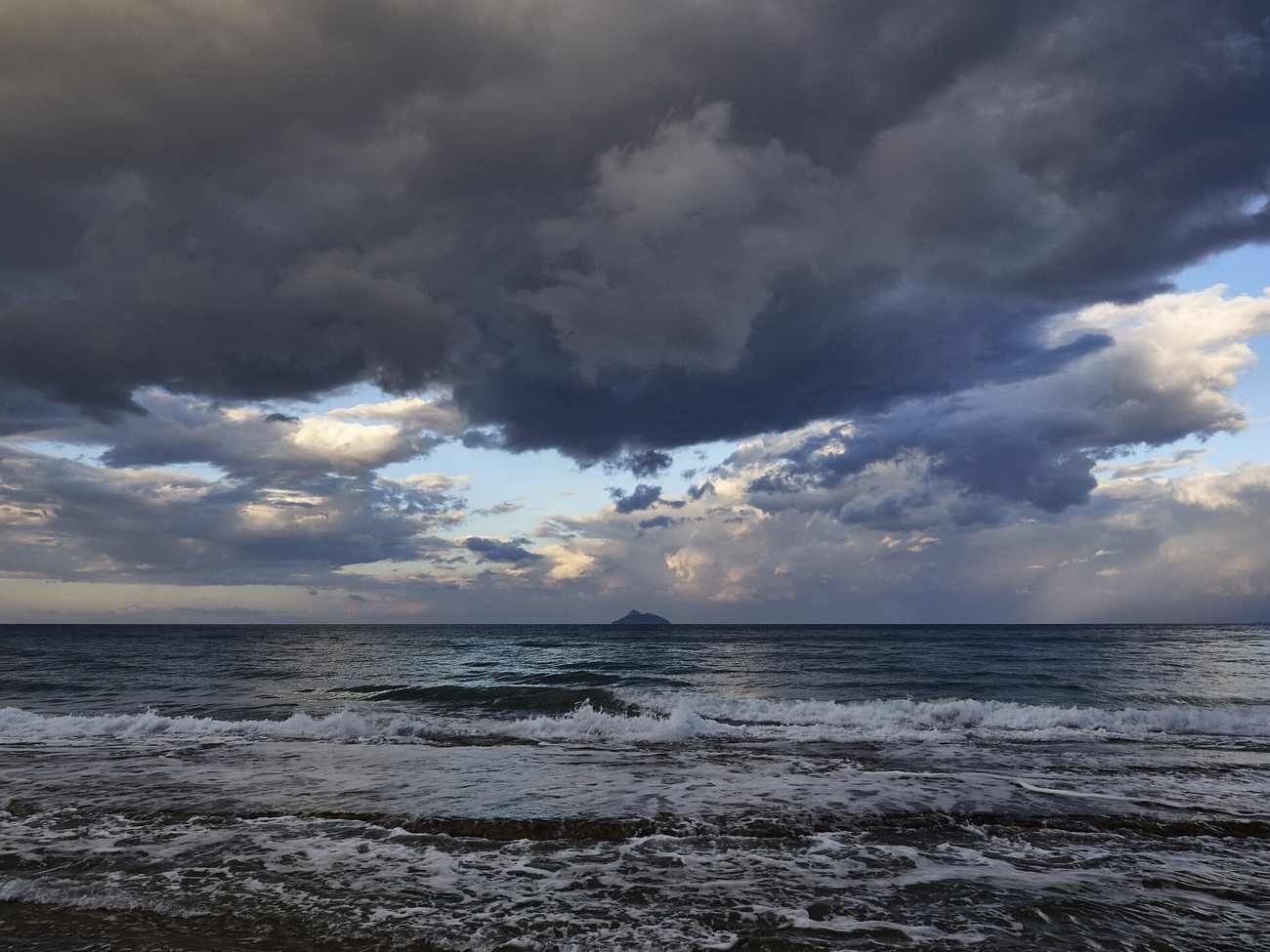
Kalamaki sits on the southern shore of Crete in the Heraklion region, a low-rise beach village stretched along the Gulf of Messara. Grey sand and shallow dunes frame the coastline, part of a protected zone where loggerhead sea turtles come ashore to nest. Tavernas, small hotels and family-run guesthouses line the waterfront rather than towering resort blocks. The beach extends west from Kommos and lies a short drive from the famous caves and cliffs of Matala. Families and independent travellers choose Kalamaki for its unhurried pace and easy access to Minoan sites, Roman ruins and the fertile Messara plain. Discover this peaceful corner of the island with My Greece Tours.
The village sits below Kamilari, with the long sweep of sand shelving gently into water that can pick up afternoon breezes and waves. Minoan Phaistos and the Roman city of Gortyn lie within easy reach inland, while the Kommos archaeological harbour site marks the eastern end of the bay. The sections below cover the beach itself, the protected turtle habitat, nearby attractions, practical visitor information and how Kalamaki compares to neighbouring Matala. For broader island planning, consult our full Crete travel guide.
What makes Kalamaki beach special on Crete’s south coast?
Kalamaki beach stretches along grey sand and low dunes on the Gulf of Messara, offering shallow water ideal for families. The protected turtle nesting zone, low-rise tavernas and absence of large resorts create a calm, natural atmosphere distinct from busier Cretan coastlines.
The beach runs west from Kommos, forming part of the same long bay that curves toward the cliffs of Matala. Grey sand rather than golden or white grains characterises the shore, with gentle dunes backing the waterline and tamarisk trees providing scattered shade. The water shelves gradually, making entry easy for children and less confident swimmers. Afternoon winds can stir up waves and carry a breeze that cools the warmth of the southern sun. Sunbeds and umbrellas cluster near the tavernas, but stretches of open sand remain for those who prefer to lay their own towels. The protected status of the beach as a turtle nesting site means development stays low and lighting remains subdued after dark.
Visitors seeking one of the quieter Crete beaches appreciate the unhurried rhythm and the absence of jet skis or loud beach bars that dominate resorts elsewhere on the island.
Tavernas line the road behind the beach, serving grilled fish, Greek salads and cold drinks within steps of the water. Small hotels and guesthouses offer simple rooms with balconies overlooking the bay, catering to families and couples rather than package-tour crowds. The village itself remains compact, with a minimarket, bakery and handful of shops supplying daily needs without the sprawl of larger resorts. Kamilari village sits on the hillside above, offering traditional kafeneions and a quieter inland atmosphere. The combination of accessible amenities, natural surroundings and protected status gives Kalamaki a character that appeals to travellers who value tranquillity over nightlife.
The beach suits long days of swimming, reading under an umbrella and watching the sun set over the Libyan Sea, with the option to explore nearby sites when the mood for adventure strikes.
How does the loggerhead turtle nesting area affect visitors?
The beach forms part of a protected nesting zone for endangered loggerhead sea turtles from late spring through summer. Visitors find roped-off nests, reduced lighting after dark and simple guidelines to avoid disturbing eggs and hatchlings.
Loggerhead turtles return to the same beaches where they hatched decades earlier, crawling ashore at night to dig nests and lay clutches of eggs in the warm sand. Kalamaki and neighbouring Kommos provide critical habitat for this threatened species, leading to protective measures that shape the visitor experience. Roped enclosures mark active nests during the summer months, and beachgoers receive guidance to stay clear of these zones. Tavernas and hotels dim exterior lights to prevent hatchlings from becoming disoriented when they emerge and instinctively head toward the brightest horizon, which should be the moonlit sea. Volunteers and conservation staff monitor nests, educate visitors and sometimes assist hatchlings on their scramble to the water.
The presence of this wildlife adds a layer of wonder to a beach holiday, reminding guests that they share the shore with ancient mariners whose survival depends on undisturbed sand and dark skies.
Visitors who time their stay for late summer may witness hatchlings emerging at dusk or dawn, a sight that leaves a lasting impression on children and adults alike. The protective regulations mean Kalamaki will never become a high-density resort with all-night beach parties and bright promenades. Instead, the turtle nesting program reinforces the village’s low-key character and attracts travellers who value wildlife and natural processes. Information boards along the beach explain the turtle life cycle, nesting behaviour and threats from pollution and development. Respecting the guidelines ensures future generations of both turtles and humans can enjoy this stretch of Cretan coast.
The nesting area serves as one of the hidden gems in Crete, where ecological significance and quiet tourism coexist in a balance that benefits all.
What attractions and sites lie near Kalamaki in Crete?
Kalamaki sits within easy reach of Matala’s caves, the Minoan palace of Phaistos, Roman Gortyn and the Kommos site. The fertile Messara plain stretches inland with olive groves, vineyards and traditional farming villages.
The cliffs and caves of Matala lie a short drive south, where ancient tombs carved into the rock face later sheltered hippies in the nineteen-sixties and now draw visitors for swimming, sunset views and a bohemian village atmosphere. Phaistos, one of the great Minoan palaces, crowns a hilltop to the northeast, its ruins commanding sweeping views over the Messara plain and the mountains beyond. The site reveals courtyards, storerooms and ceremonial spaces that flourished in the second millennium BC. Gortyn, the Roman capital of Crete and Cyrenaica, spreads across fields to the east, with the remains of a basilica, odeon, theatre and the famous law code inscribed on stone blocks.
Kommos beach and the adjacent Minoan harbour ruins mark the eastern end of the bay, where archaeologists uncovered ship sheds and warehouses that once served Phaistos and the wider Bronze Age trade network across the Mediterranean.
The Messara plain itself offers a landscape of farmland, greenhouses and villages where daily life follows rhythms unchanged for generations. Olive oil, wine and vegetables grow in the rich soil, and roadside stalls sell local produce during harvest season. Kamilari village above Kalamaki preserves traditional architecture and a slower pace, with a Minoan tholos tomb on the outskirts. Exploring these sites and villages provides context for the ancient and modern layers of Cretan culture. Day trips from Kalamaki can combine a morning at Phaistos with an afternoon swim, or a visit to Gortyn followed by a seafood dinner in Matala.
The concentration of history, archaeology and natural beauty within a compact area makes the southern coast an ideal base for travellers who want to balance relaxation with exploration, adding depth to a beach holiday.
What practical information helps visitors plan a stay in Kalamaki?
Kalamaki has tavernas, small hotels and guesthouses along the beachfront, with a minimarket and bakery for supplies. It lies about seventy kilometres south of Heraklion airport. Peak season runs June through September, calmer in May and October.
Rental cars provide the most flexible way to explore the south coast and inland sites, with the drive from Heraklion taking about an hour and a half via the main road through the Messara plain. Public buses connect Heraklion to Mires, the market town at the centre of the plain, with onward services to Kalamaki and Matala, though frequencies drop outside high season. Accommodation ranges from simple rooms above tavernas to small family-run hotels with pools and sea views. Booking ahead in July and August ensures availability, while shoulder months offer quieter beaches and lower prices.
The village lacks the nightlife and shopping of larger resorts, so visitors seeking entertainment beyond taverna dinners and beach walks may prefer a base in Matala or further afield. Deciding where to stay in Crete depends on balancing tranquillity, access to sites and the level of amenities desired.
The southern coast enjoys warmer, drier weather than the north, with the Libyan Sea remaining swimmable from May into October. Afternoon winds can pick up, especially in July and August, bringing waves that delight bodysurfers but may unsettle young children. Sunscreen, hats and plenty of water are essential, as shade on the beach comes mainly from rented umbrellas or the occasional tamarisk. Tavernas serve lunch and dinner, with fresh fish, grilled meats and traditional mezes forming the core of most menus. A minimarket stocks basics, but larger supermarkets in Mires or Tympaki offer wider selection for self-catering.
Understanding the best time to visit Crete helps align travel dates with weather, crowd levels and the turtle nesting season, ensuring the experience matches expectations and interests.
How does Kalamaki compare to Matala for Crete travellers?
Kalamaki offers a quieter, family-oriented beach with protected turtle nesting and low-rise rooms. Matala brings a livelier village, its famous caves, more dining and nightlife, and a bohemian legacy that draws a younger, more social crowd.
Matala’s fame rests on the caves carved into the sandstone cliffs, used as tombs in ancient times and later as shelter for travellers and hippies drawn to the counterculture scene of the late twentieth century. The village today mixes that bohemian heritage with tavernas, bars, shops and a compact beach tucked beneath the cliffs. Visitors come for sunset views, live music and a sense of place rooted in both ancient and recent history. Kalamaki, by contrast, spreads along a longer, flatter shoreline with fewer dramatic features but more space and a gentler, family-friendly vibe. The turtle nesting program and lower density of development create a different atmosphere, one that prioritises nature and quiet over nightlife and social buzz.
Travellers seeking variety often split their time, staying in one village and visiting the other for a change of scene and a taste of both personalities along the southern coast.
Families with young children often prefer Kalamaki for the shallow water, open sand and absence of late-night noise, while couples and solo travellers drawn to history and evening socialising lean toward Matala. Both villages serve as gateways to the same cluster of archaeological sites, beaches and inland attractions, so the choice hinges on preferred pace and setting rather than access to the broader list of things to do in Crete. Kalamaki suits those who want a base for day trips and beach relaxation without the distractions of a busier resort, while Matala appeals to visitors who enjoy a village with more energy, character and evening options.
Either choice delivers the warmth, clear water and rich history of the Messara coast, with the freedom to explore the other village just a short drive away.
Frequently Asked Questions
Can you swim safely at Kalamaki beach with children?
Kalamaki beach offers safe swimming for children thanks to the shallow, gently shelving water that extends well offshore before deepening. The sandy bottom and absence of rocks make entry and exit easy, and the protected bay provides calmer conditions than more exposed coastlines. Afternoon winds can bring waves that add excitement for older children but may require closer supervision of toddlers. Sunbeds and umbrellas cluster near tavernas, allowing parents to keep watch while relaxing in the shade. The turtle nesting areas are clearly marked with ropes, and children often find the conservation message engaging, learning to respect wildlife while enjoying the beach. Lifeguards do not patrol the beach, so parents remain responsible for supervision.
The low-key atmosphere, lack of jet skis and motorised water sports, and the presence of other families create a reassuring environment. Tavernas behind the beach provide easy access to food, drinks and restrooms, reducing the need to pack elaborate supplies for a day by the water.
What is the best way to reach Kalamaki from Heraklion?
Renting a car in Heraklion provides the most convenient and flexible way to reach Kalamaki, with the drive taking roughly ninety minutes via the main road south through the Messara plain. The route passes through Agia Varvara and Gortyn, with clear signage directing drivers toward Mires and then west to Kalamaki. Public buses run from Heraklion to Mires, the central market town of the plain, with connecting services to Kalamaki and Matala, though schedules are less frequent outside the summer months and require checking current timetables at the bus station. Taxis offer a direct but more expensive option, suitable for travellers arriving late or with heavy luggage.
The drive itself offers views of vineyards, olive groves and the mountains that frame the plain, with opportunities to stop at Phaistos or Gortyn en route. Visitors planning to explore the south coast, visit archaeological sites and travel between beaches will find a rental car indispensable, as public transport limits spontaneity and access to more remote locations along the shore and inland.
Are there restaurants and shops in Kalamaki village?
Kalamaki offers a handful of tavernas along the beachfront road, serving traditional Greek dishes with an emphasis on fresh fish, grilled meats, salads and mezes. Diners can choose tables with sea views, enjoying lunch or dinner within steps of the sand and water. The tavernas operate throughout the day during the summer season, with some closing or reducing hours in the quieter months of spring and autumn. A small minimarket provides essentials such as bottled water, snacks, sunscreen and basic groceries, while a bakery supplies fresh bread, pastries and pies for breakfast or picnics.
The village lacks the boutiques, souvenir shops and varied dining options found in larger resorts, so visitors seeking wider choice can drive to Matala or Mires. Kamilari village on the hillside above offers additional tavernas with a more traditional, local atmosphere and views over the plain. The limited commercial infrastructure reinforces Kalamaki’s identity as a quiet beach retreat rather than a bustling resort, appealing to travellers who value simplicity and proximity to nature over shopping and nightlife.