
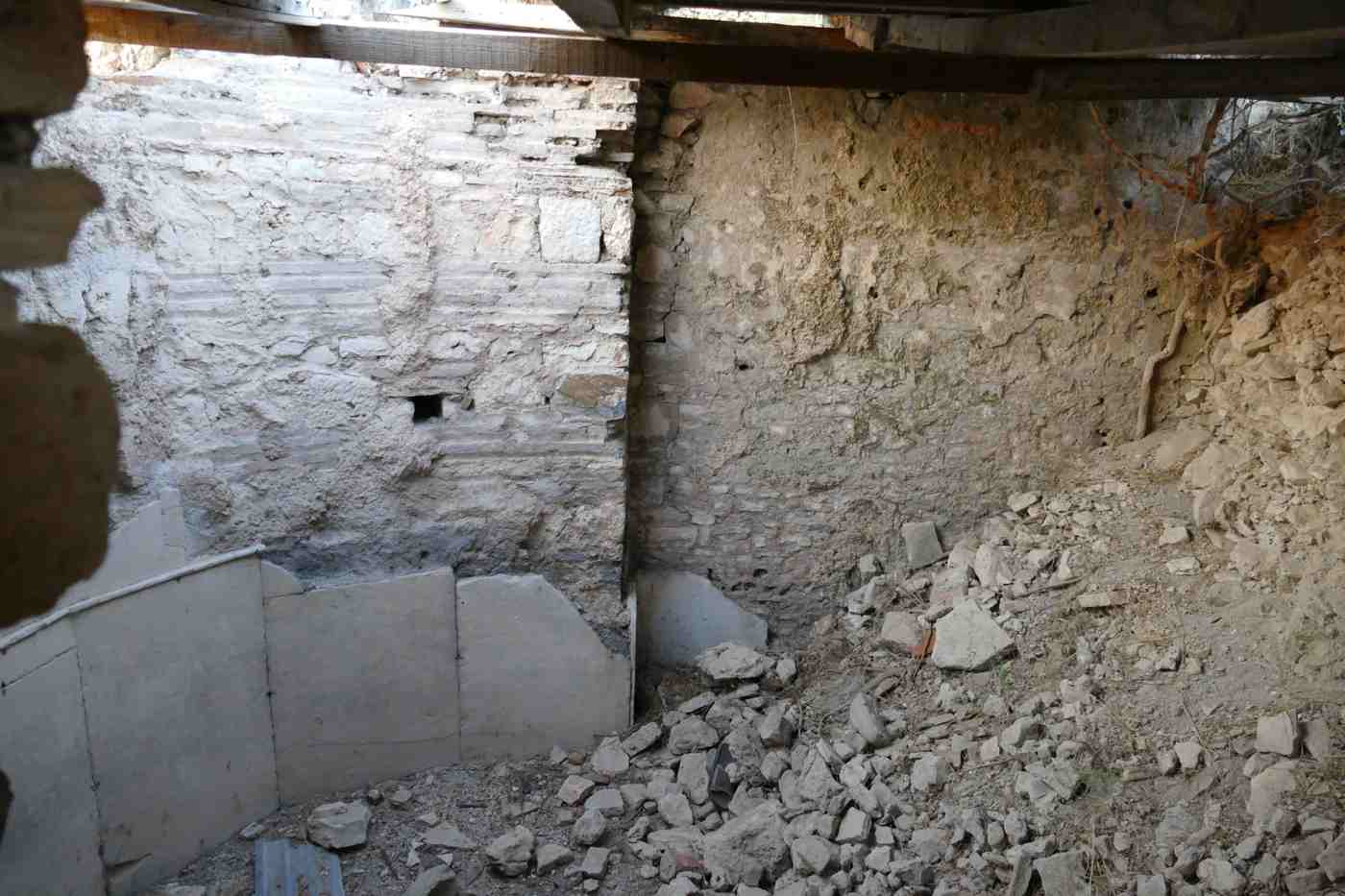
Ireo is a small seaside village on the flat south coast of Samos, about 8 km west of Pythagorio and named after the ancient sanctuary of Hera beside it. The village blends a long pebble-and-sand beach with the ruins of the Heraion, one of the largest temple sites of the Greek world, whose single standing column marks the plain. A quiet strip of tavernas, rooms and small hotels lines the shore, backed by fields, the Imbrasos river and Samos airport a short drive east toward Pythagorio. Plan the whole trip with Greece Tours.
Ireo suits travellers who want beach days paired with ancient history in a calm, low-key setting. The flat coastal plain makes walking and cycling easy. The sheltered south coast keeps the sea calmer than the northern beaches. The compact layout puts the beach, the tavernas and the Heraion within a short walk. This guide covers the village and its beach, the Heraion site at its edge, eating and staying in general terms, and the flat coastal setting that shapes a stay here.
What is Ireo, the south-coast Samos village named after the Heraion?
Ireo is a small seaside village on the south coast of Samos, about 8 km west of Pythagorio. Locals also spell it Iraio or Heraion, taking the name from Hera’s ancient sanctuary beside the shore.
Ireo sits on the flat southern coastline of Samos, facing the sea across a wide coastal plain. The village grew beside the old sanctuary of Hera, and it carries three written forms of one name. Maps show Ireo, Iraio and Heraion for the same place, which confuses first-time drivers. The settlement stretches along the shore rather than climbing a hillside, so streets stay level and short. Fields of olives and reeds separate the houses from the beach road. Samos International Airport lies a short drive east, near Pythagorio, which makes arrival quick.
The village works as a base for travellers who want the coast, the ruins and easy road access from the harbour town in one compact stretch beside the sea. Signs along the coast point drivers toward the Heraion and the beach.
The name Ireo points straight to Hera, the goddess whose sanctuary once dominated this shore. Ancient Samians built the Heraion here because springs and the Imbrasos river fed the marshy plain. The river still runs near the site, keeping the ground green through the dry season. Villagers farm the flat land behind the beach, growing vegetables, olives and grapes on small plots. The modern settlement stays small, a cluster of rooms, tavernas and homes near the water. Fishing boats tie up at a short jetty, and the sea stays shallow for metres out.
The place feels rural rather than built-up, with open views toward the Mycale strait and the Turkish coast across the water to the east beyond the fields. Small churches and old wells dot the farmland around the settlement.
Ireo lies about 8 km west of Pythagorio and roughly 20 km south of Vathy, the island capital. A single coastal road links the village to both towns, running flat past the airport runway. Buses connect Ireo with Pythagorio and Vathy on set schedules, though a rented car gives more freedom. Cyclists use the level plain, since the coast here avoids the steep climbs of northern Samos. The airport sits between Ireo and Pythagorio, so planes pass low over the fields on approach. Drivers reach Ireo from the port in about 20 minutes, following signs for the Heraion.
The compact layout means the tavernas, the rooms and the beach stand within a short walk of one another near the shore. Signposts for the Heraion guide drivers off the main coastal road.
Ireo suits travellers who pair beach time with ancient history in a quiet setting. Families choose it for the shallow water, the flat streets and the calm pace away from busy resorts. Couples use the village as a slow base, driving out to beaches, wineries and mountain villages by day. History-minded visitors stay within walking distance of one of the great sanctuaries of the Greek world. The south coast stays warm and sheltered, with less wind than the exposed northern beaches around Kokkari. Ireo offers few nightlife options, so people seeking bars and clubs head to Pythagorio instead.
The village trades crowds and noise for space, ruins and direct access to the sea along one flat plain. Most guests move around Ireo on foot rather than by car.
What is the long pebble-and-sand beach at Ireo on Samos like?
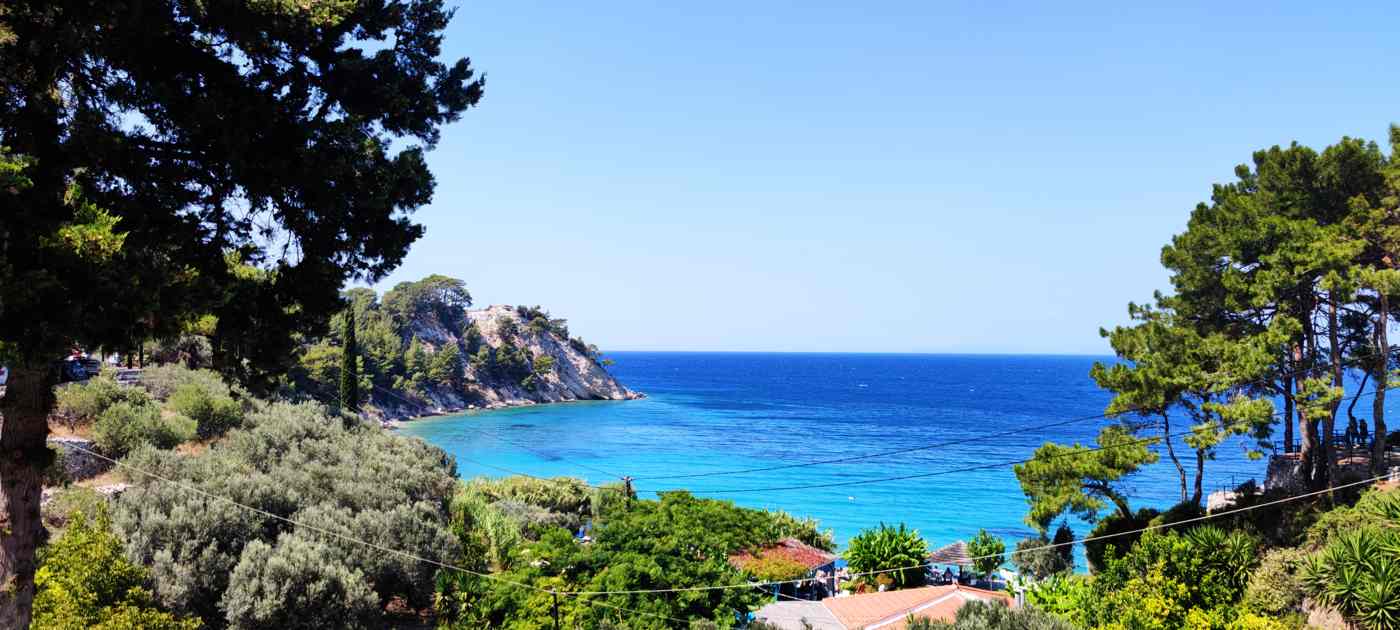
Ireo beach runs for a long, straight stretch along the village, mixing grey pebbles with coarse sand. The water deepens gently, and a coastal road with tavernas backs the shore for much of its length.
The beach at Ireo forms a long, straight line along the south-facing shore of the village. Grey and white pebbles cover the waterline, giving way to patches of coarse sand in places. The sea deepens slowly, staying shallow for steps out, which helps families with young children. Water clarity stays high here, since the pebble bed keeps the sand from clouding the shallows. A row of tamarisk trees edges parts of the beach, throwing shade over the front. The coastal road runs close behind, so cars, rooms and tavernas sit within metres of the water.
Sun loungers and umbrellas appear along the central stretch, while the ends stay open and free for towels laid out on the stones. Colourful fishing boats rest at the water’s edge near the jetty.
Swimming stays easy along most of Ireo beach, thanks to the calm, sheltered south coast. Winds hit the northern beaches near Kokkari harder, so Ireo often keeps flat water on breezy days. The pebbles mean water shoes help, especially for children and anyone entering the sea quickly. Depth increases gradually, letting weak swimmers wade far before losing the bottom underfoot. The beach faces the open Aegean toward the Mycale strait, with the Turkish hills visible across the water. Afternoon light falls along the length of the shore, since the beach runs roughly east to west. Fewer crowds gather here than on the organised bays farther north, keeping space between groups.
The long shoreline spreads visitors out, so even a full day rarely feels packed on the stones.
Facilities along Ireo beach stay simple, matching the village’s low-key character by the sea. Tavernas near the sand serve food and drinks through the day, and some rent loungers to their guests. A short jetty holds fishing boats, and the shallow water suits paddling, snorkelling and slow swims. Showers and basic amenities cluster near the busier central section beside the tavernas. The ends of the beach remain undeveloped, backed by reeds, fields and the flat coastal plain. Sunsets stretch along the water, since the shoreline opens west toward Mount Kerkis in the distance. Parking is informal, with cars pulling onto the roadside or gravel near the front.
The beach demands little planning, and most visitors simply walk down from their rooms and settle on the stones for the day.
Ireo beach rewards visitors who want a long, quiet shore over a packed resort strip. Walkers follow the waterline for a long distance, passing tavernas, boats and open stretches of pebble. The flat plain behind the beach carries footpaths and tracks toward the Heraion ruins nearby. Photographers catch the single standing column against the sea when they combine the beach with the site. Snorkellers explore the clear shallows, spotting small fish over the mixed pebble-and-sand bottom below. Families set up for full days, since the gentle depth and shade suit long stays with children. The beach connects directly to the road, so returning for lunch or supplies takes only minutes.
Ireo offers a shoreline built for slow days rather than watersports, matching the calm mood of the village.
What is the archaeological site of the Heraion at the edge of Ireo village?
The Heraion sits at the western edge of Ireo, on the plain by the Imbrasos river. This sanctuary of Hera, a UNESCO site with Pythagorio, holds a single standing column and the Sacred Way.
The Heraion of Samos stands on the flat plain beside Ireo, a short walk from the beach. The sanctuary honoured Hera, and it grew into one of the largest temple sites of the ancient Greek world. Builders raised a huge temple here, though earthquakes and quarrying left only foundations and one re-erected column. That single tall column now marks the site from a distance across the open fields. The Sacred Way once linked the sanctuary to Pythagorio, and traces of it survive on the ground. Archaeologists have uncovered altars, smaller temples and statue bases spread over the marshy plain.
The Imbrasos river runs beside the ruins, the same water that made the spot holy to the goddess in early times. A ticket booth and marked path stand at the site entrance.
The temple of Hera counted among the four largest in the Greek world, on the scale of Ephesus. Its architects planned rows of tall columns around a vast rectangular hall on the flat ground. Earthquakes toppled the structure over the centuries, and later builders carried off stone for other works. Foundations still mark the temple’s outline, letting visitors trace its enormous footprint on the plain. A great altar of Hera stood in front, rebuilt times across successive eras. Excavations recovered marble statues, bronze offerings and imported goods that show Samos traded widely by sea. The single standing column, a partial reconstruction, gives a sense of the original height.
Walking the site, visitors move between low walls, column bases and the quiet river at the sanctuary’s edge.
The Heraion earned UNESCO World Heritage listing together with the monuments of Pythagorio nearby. The sanctuary, the ancient harbour and the Eupalinos Tunnel form one protected group across the south coast. Entry to the archaeological site is straightforward, with a marked path leading among the low ruins. Visitors reach the Heraion on foot from Ireo village, since the site sits right at its edge. Information boards explain the temple, the altars and the Sacred Way that ran toward the harbour town. The flat, open ground makes the walk easy, with no climbing between the scattered remains. Reeds and the river frame the site, keeping the plain green even in high summer.
A short visit pairs naturally with a swim, given how close the ruins stand to the beach at Ireo.
The setting of the Heraion shapes how visitors experience the ruins beside Ireo. Open sky and sea surround the low remains, with Mount Kerkis rising to the west across the plain. Morning and late afternoon bring softer light and cooler air over the exposed ground. The single column catches the sun, standing above the reeds as a landmark for miles. Storks and other birds use the marshy ground and the river channels near the site. The absence of tall buildings around the sanctuary keeps its ancient scale legible on the flat land. Visitors combine the ruins with the beach, tavernas and the drive to Pythagorio in one relaxed outing.
The Heraion gives Ireo its name, its history and its main draw beyond the long pebble shore.
Where do you eat and stay in Ireo village on Samos?
Ireo holds a quiet strip of tavernas, rooms and small hotels along the beach road. Family-run kitchens serve fish and Greek dishes, while rooms and studios line the shore and the plain behind.
Eating in Ireo centres on family-run tavernas set close to the beach and the coastal road. Kitchens serve fresh fish, grilled meats and Greek dishes built around local vegetables and olive oil. Tables spread onto terraces and gravel yards near the water, catching the sea breeze at supper. Prices and menus stay modest, matching the village mood rather than the busier scene in Pythagorio. Cafés open through the day for coffee, breakfast and drinks between swims on the beach. Local Muscat wine appears on lists, poured sweet as a dessert or an aperitif. Meals here run slow, with diners lingering as the sun drops over Mount Kerkis in the west.
The compact strip means the tavernas stand within a short walk of the rooms and the shore.
Staying in Ireo means small hotels, studios and rented rooms rather than large resort complexes. Buildings stay low, spread along the beach road and back across the flat plain toward the fields. Many rooms come with kitchenettes and balconies facing the sea or the green farmland behind them. The scale stays intimate, with family owners running most of the properties near the water. Guests walk to the beach, the tavernas and the Heraion ruins within a few short minutes. Rooms suit families, couples and travellers who want quiet nights over resort entertainment and clubs. The village keeps a rural feel, with roosters, farmland and the river close to the lodgings.
Booking ahead helps in high summer, since the number of beds along this short strip stays limited.
The dining and lodging strip at Ireo runs in a compact line, easy to cover on foot. Everything sits near the shore, so guests reach food, drinks and the sand without driving anywhere. Evenings stay calm, centred on long dinners rather than bars, clubs or loud music. Travellers wanting nightlife drive the short distance to Pythagorio, then return to Ireo for a quiet night. Grocery needs bring people to small shops in the village or to the larger stores in Pythagorio. The plain behind the strip carries a few more rooms among the fields and the orchards. Parking sits beside the tavernas and rooms, given the informal, low-density layout of the village.
The whole set-up favours slow days, with the beach, the table and the bed a short walk apart.
Food and lodging in Ireo reflect the village’s role as a calm, low-key base by the sea. Tavernas rely on the day’s catch and garden produce, so menus shift with the season. Sweet Samos Muscat, a wine grown on the terraces of Mount Ampelos, ends meals here. Rooms trade resort facilities for quiet, space and a short walk to the sea and the ruins. Guests planning day trips find the flat plain and coastal road handy for early starts by car. The strip empties by night, leaving the sound of the sea and the river over the plain. Simple comfort defines the stay, aimed at travellers who value the beach and history over entertainment.
Ireo works best for people content to eat, swim and rest within one small coastal settlement.
What is the flat, low-key coastal setting of Ireo on Samos like?
Ireo occupies a flat coastal plain on the sheltered south coast of Samos, backed by fields and the Imbrasos river. The level ground, calm sea and low buildings make it quieter than the northern resorts.
The setting of Ireo rests on a wide, flat coastal plain along the southern shore of the island. Fields, reeds and orchards fill the ground between the beach road and the low hills inland. The Imbrasos river crosses the plain, keeping the land green and feeding the marsh near the Heraion. Mount Kerkis, the island’s highest peak at about 1,434 m, rises to the west beyond the fields. The level terrain sets Ireo apart from the steep, cliff-backed beaches of northern Samos. Walking and cycling stay easy here, since the coast avoids sharp climbs and tight bends. Open views run across the plain to the sea and the Turkish coast over the Mycale strait.
The flat land also carries the airport runway, a short distance east toward Pythagorio.
The south coast around Ireo stays sheltered, giving calmer seas than the exposed northern bays. Meltemi winds strike Kokkari and the north beaches hard, while Ireo often keeps flat water. Warm, still afternoons settle over the plain, cooled only by a light sea breeze at the shore. The low buildings and open fields keep sightlines long, with the single Heraion column visible across the ground. Farmland surrounds the village, so tractors and orchards sit close to the rooms and tavernas. The pace stays slow, shaped by fishing, farming and the steady flow of beach visitors. Night brings quiet, with little traffic and lights beyond the tavernas along the water.
The setting favours rest, offering space, warmth and a calm sea over the energy of larger resorts.
Ireo’s flat layout makes daily life and movement simple for visitors of every age. Level streets suit older travellers, families with strollers and cyclists riding across the coastal plain. The beach, the tavernas, the rooms and the ruins all stand within a short, easy walk. Drivers reach Pythagorio, Vathy and the airport quickly on the flat coastal road nearby. The plain carries farm tracks and paths that link the village, the fields and the Heraion site. Little separates one part of Ireo from another, so people rarely need a car within the village. The open ground gives long views of sunsets over Mount Kerkis and the western sea.
This easy geography, more than any single sight, defines the calm rhythm of a stay in Ireo.
The low-key character of Ireo comes from its scale, its quiet and its rural surroundings. No high-rise hotels or loud clubs break the flat line of the coast and the fields. The village keeps a farming and fishing rhythm, with the beach and the ruins layered on top. Travellers seeking crowds and nightlife find more of both in Pythagorio and in Vathy. Ireo instead offers a long shore, ancient ruins and calm nights within one compact plain. The Mycale strait, about 1.2 km wide at its narrowest, brings the Turkish coast into clear view. Green fields, the river and the peak of Kerkis frame the settlement on three sides.
Ireo suits visitors who want history, sea and space over the buzz of a busy resort.
How do you reach Ireo from Pythagorio and the nearby Samos airport?
Ireo sits about 8 km west of Pythagorio on the south coast, a drive of roughly fifteen minutes along the coastal road. Samos airport lies just east of Pythagorio, placing Ireo within a short transfer.
The coastal road links Pythagorio and Ireo across a flat plain, running past the airport and small settlements before it reaches the village edge. Drivers cover the 8 km in about fifteen minutes, and the route stays level, with no mountain passes or sharp bends to slow the trip. Taxis wait at Pythagorio harbour and outside the airport terminal, and the fare for the short hop stays modest. Island buses connect the main towns, though the timetable thins outside the summer season, so a rental car adds real flexibility. The flat terrain makes the drive simple for visitors new to Greek island roads.
Many arrivals rent a car at the airport, since Ireo sits close to the runway and reaching the village on the coast takes only minutes.
Samos International Airport, named Aristarchos of Samos, lies just east of Pythagorio and only a short drive from Ireo. Flights arrive from Athens and, in the warm months, from European cities, landing beside the coast on the flat southern plain. Because the terminal sits so near, transfers to Ireo run quick, and guests often reach their rooms within twenty minutes of landing. The runway edges the shoreline, so approaching planes pass over the sea before touching down. Car-hire desks operate inside the terminal, letting visitors drive straight to the village. The proximity suits travellers who want to trade the plane for the beach quickly, on the same afternoon, without a long cross-island transfer.
Ireo therefore ranks among the easiest Samos bases to reach directly from the airport.
Pythagorio serves as the gateway town for Ireo, holding the airport, a ferry harbour and bus links to Vathy, the island capital. Travellers landing at night find Pythagorio the nearest place for late meals, cash machines and pharmacies before continuing west. The 8 km road runs straight and well-surfaced, so even a first drive after dark stays manageable. From Pythagorio, the ferry connects Samos with Patmos and other Dodecanese ports, giving Ireo guests a springboard for island-hopping. Buses from Pythagorio reach Ireo in the high season, though services drop in spring and autumn. The short distance means a short taxi ride remains an easy fallback whenever the bus does not run.
Keeping the village well linked to the wider transport network of the south coast.
Self-drive visitors find Ireo simple to navigate, since the village strings along one shore road with parking beside the beach and tavernas. The flat plain west of the airport carries little traffic, so the approach stays calm even at peak arrival hours. Signposts from Pythagorio mark the turn for Ireo and the Heraion, guiding drivers without confusion. The road continues west toward Ormos Marathokampou and the beaches under Mt Kerkis, so Ireo works as a first stop on a wider south-coast route. Fuel stations sit near Pythagorio and along the main road, keeping a hire car topped up.
Drivers of all confidence levels handle the local roads, which makes Ireo an easy landing point on Samos.
Why does Ireo suit families with its flat, easy setting on Samos?
Ireo spreads across level ground beside a long beach, so families push strollers along the shore road and reach the sand without steps or steep hills. Shallow water and calm tavernas add to the easy pace.
The village sits on a coastal plain, so every walk between rooms, beach and tavernas stays flat and short. Parents with young children value the lack of stairs and climbs, since the whole strip runs at sea level along one road. The pebble-and-sand beach shelves gently in parts, letting toddlers paddle near the shore under close watch. Tavernas set their tables near the water, so a family meal sits steps from the beach mats. The calm south-coast water, sheltered from the strong north-coast wind, keeps waves low on most summer days. Pushchairs roll easily over the flat shore road.
This flat, compact layout means little ones tire less on the short walk to dinner, and the level ground lets families move at a relaxed pace from morning to evening.
Ireo keeps children close to the water without long transfers or hilly walks that tire small legs. The beach runs wide and long, so families spread out and children build pebble castles or wade in the shallows within sight of the sunbeds. Tavernas along the front cook plain grilled fish, chips and pasta that suit young eaters, and the flat access lets a pram roll right to the table. The gentle south-facing bay warms early in the day, so morning swims start without a cold shock. Shade comes from tamarisk trees and taverna awnings, giving a break from the midday sun.
Parents keep everything, from rooms to sand to supper, inside a small, walkable circle.
Safety and calm draw families to Ireo more than nightlife or crowds. The strip carries little through traffic, since the main road runs behind the beach rather than along the sand, so children move between mat and taverna with less risk. The water stays clear and shelves slowly across parts of the bay, letting beginners find their feet. Evenings turn quiet early, and the low-key tavernas suit an early family dinner rather than a late night. Space to park sits close to the beach, so families unload chairs, towels and coolers without a long carry.
This unhurried rhythm, set on flat coastal ground, gives parents a base where the day flows around swimming, eating and rest instead of steep climbs and constant driving.
The flat setting also helps grandparents, pushchairs and anyone who tires on hills or steps. Ireo asks for no long walks up slopes, since rooms, beach and tavernas share the same level ground beside the sea. A short, even path leads from the parking to the water, so carrying beach gear stays simple across the day. The long shoreline gives room to walk gently after a meal, with the flat promenade easy underfoot. Local shops near the front stock water, fruit and sun cream, so a family restocks without driving to Pythagorio. This ground-level design, paired with the calm bay and short distances.
Turns Ireo into a practical family base where every part of the day sits within a slow, level stroll of the beach.
How can visitors combine beach days at Ireo with the Heraion history next door?
Ireo places a long beach and the ancient Heraion sanctuary within one short walk, so visitors swim through the morning and tour the single standing column and Sacred Way in the cooler late afternoon.
The Heraion, the sanctuary of the goddess Hera, sits at the western edge of Ireo, so the ruins and the beach share the same flat ground. Visitors split the day naturally, swimming and eating on the sand before walking a short path to the archaeological site. The one re-erected column marks the spot where a vast temple once stood, and the Sacred Way once linked the sanctuary to ancient Pythagorio. Because the site lies at sea level beside the village, the walk from the beach takes only minutes on level ground. Guests time the visit for the late afternoon, when the low sun softens the heat over the open field of stones.
This pairing of swimming and ancient history within one stroll defines the appeal of basing a stay in Ireo.
Morning belongs to the water, and the long bay of Ireo forms part of the wider run of Samos beaches along the calmer south coast. Families and couples settle on the pebble-and-sand shore, swim in the sheltered water and eat lunch under the tamarisk trees. The flat beach warms early, so the first swim comes soon after breakfast, and the sea stays gentle through the middle hours. Sunbeds and tavernas line the front, so a full beach day needs no drive. When the heat peaks, guests move to shade or a long lunch rather than the exposed ruins.
This slow morning on the sand sets up an easy transfer to the Heraion once the afternoon light turns kinder over the coastal plain.
The Heraion counts among the UNESCO World Heritage treasures of Samos, listed together with the Pythagoreion nearby. The sanctuary once held one of the largest temples of the ancient Greek world, dedicated to Hera, whom local myth named as born on the island. Foundations, column drums and altars spread across the open site, and the single standing column rises as its landmark. A small stream, the ancient Imbrasos, runs beside the field, marking the sacred setting the Greeks chose. Because the ground stays flat, the walk among the ruins asks for no climbing, and level paths cross the site.
Guests who base themselves in Ireo reach this history on foot, turning a beach holiday into a close encounter with one of the oldest sanctuaries of the Aegean.
Planning the two halves of the day keeps both the sea and the stones enjoyable. Guests swim and rest through the hot morning and early afternoon, then walk to the Heraion as the sun drops and the field cools. Water, a hat and closed shoes help on the open site, since shade stays thin among the low ruins. The short distance means a forgotten item is a quick walk back to the rooms, not a drive. From the Heraion, the view stretches over the coastal plain to the sea and the airport beyond, tying the ancient sanctuary to the modern village.
This rhythm, beach first and ruins later, lets a stay in Ireo blend relaxation with the deep history that gave the village its name.
What is staying in Ireo like in general terms?
Ireo offers rooms, studios and small hotels strung along one flat shore road beside the beach, backed by tavernas and shops. The pace stays quiet and low-key, calmer than the busier north-coast resorts.
Accommodation in Ireo clusters along the beachfront and the short roads behind it, so most rooms sit within minutes of the sand. Family-run studios, guesthouses and small hotels make up the bulk of the beds, rather than large resort complexes. Many rooms come with a kitchenette and a balcony facing the sea or the coastal plain, suiting longer, self-catering stays. Because the village stays small, guests walk everywhere, from bed to beach to taverna, without a car. The flat ground keeps every address within easy reach of the shore.
Anyone weighing where to stay in Samos can read Ireo as the quiet, beach-and-history option on the south coast, set apart from the livelier towns and the mountain villages inland.
Daily life in Ireo revolves around the beach, the tavernas and a short strip of shops. Bakeries, mini-markets and a handful of cafés cover everyday needs, while Pythagorio, only 8 km east, supplies banks, pharmacies and a wider choice of restaurants. Tavernas along the front serve grilled fish, Samos Muscat wine and standard Greek dishes, with tables set close to the water. Evenings stay calm, built around a long dinner and a walk on the flat promenade rather than bars and clubs. The village keeps a residential feel, since local families live here year-round beside the seasonal rooms.
This steady, small-scale rhythm gives Ireo a settled character, where visitors slot into the daily flow of a working Samos coastal village.
The style of a stay in Ireo leans toward rest, swimming and slow days rather than resort entertainment. No large hotel chains, water parks or long bar strips crowd the front, so the noise stays low after dark. Guests wake to the sea, spend the day between sand and shade, and end it over dinner near the water. The setting suits couples, families and older travellers who value calm and space over a busy scene. Wine from the terraced slopes of Mt Ampelos features on most taverna lists, tying the meal to the island around it.
Visitors who want livelier evenings drive to Pythagorio, while those who chose Ireo for peace find the low-key pace matches the flat, unhurried village exactly.
Booking ahead helps in the peak summer weeks, since the stock of rooms in a village this small fills fast. Prices tend to sit below the smart harbourfront of Pythagorio, reflecting the simpler, self-catering style of most beds. Spring and autumn open up more space and calmer beaches, though a share of tavernas and rooms close outside the main season. A car widens the options, letting guests reach the Kokkari beaches, the wine villages and Vathy from a quiet base. Ireo works best for travellers who want the beach and the Heraion on their doorstep and accept a low-key village in return.
This trade, quiet and history over nightlife and choice, defines the general shape of a stay along the Ireo shore.
Who does Ireo suit as a base, and when are the best times to visit?
Ireo suits families, couples and history-minded travellers who want a flat, quiet beach beside ancient ruins and an easy airport transfer. Late spring and early autumn bring warm seas, thinner crowds and mild days.
Ireo works as a base for visitors who put swimming, calm and ancient history above nightlife and shopping. Families gain the flat ground, the shallow bay and short walks, while couples find quiet dinners by the water. History-minded travellers value the Heraion at the village edge and the UNESCO Pythagoreion a short drive east. The airport nearby suits short trips, cutting transfer time to minutes for anyone landing on Samos for a week by the sea. A car turns Ireo into a launchpad for the whole island, from Kokkari to the wine villages of Mt Ampelos.
This mix of beach, ruins and easy access makes Ireo a practical choice for a first Samos stay focused on the south coast rather than the busier north.
The season shapes the experience in Ireo as much as the setting does. High summer brings the warmest sea, the fullest tavernas and the liveliest beach, though the midday sun beats hard on the open Heraion field. Late spring greens the coastal plain, fills the air with herbs and opens the site under mild skies before the crowds arrive. Early autumn holds the sea warm from the long summer, thins the beach and softens the light for late-afternoon visits to the ruins. Winter quietens the village, with rooms and tavernas closed, so the shoulder months balance weather and openness best.
Travellers who choose late spring or early autumn pair comfortable heat with space on the sand and easy walks to the sanctuary.
Ireo not suit every visitor, and matching the base to the trip matters. Travellers who want busy nightlife, a wide choice of bars or big-resort facilities lean toward the north coast or the larger towns instead. Anyone touring the mountain villages of Mt Ampelos every day faces a longer drive from the south coast. Ireo rewards those who want to root a stay in one flat, walkable spot and take day trips out from it. The nearby airport, the beach and the Heraion form the core draw, so guests who value that trio settle in fast.
Setting expectations toward calm, swimming and history, rather than a packed resort scene, points the right travellers toward Ireo and steers others to a better-fitting base.
Timing a visit around the light, the sea and the crowds sharpens a stay in Ireo. Mornings favour the beach year-round in season, before the sun climbs over the open bay, while late afternoons favour the Heraion once the heat eases. Midsummer weeks demand early booking and an early start on the sand, since the strip fills and shade grows scarce by noon. The shoulder weeks of late spring and early autumn hand back quiet beaches, open tavernas and gentle temperatures for both swimming and sightseeing. A week here divides easily into beach days, a Heraion walk, a Pythagorio outing and a drive to the north coast.
Read this way, Ireo rewards planning, matching the flat, historic village to the calmer edges of the Samos summer.
Frequently Asked Questions
Is Ireo worth staying in on Samos?
Ireo rewards visitors who want a quiet beach, ancient history and an easy airport transfer in one flat, walkable village. The Heraion, the sanctuary of Hera and part of the UNESCO listing with the Pythagoreion. Sits at the western edge. Guests reach one of the oldest temples of the Aegean on foot from the sand. The long pebble-and-sand beach runs along a sheltered south-coast bay, calmer than the windier north, and tavernas line the front for meals beside the water. Pythagorio, with its harbour, shops and ferry links, lies only 8 km east, so the wider island stays within reach by car. Ireo trades nightlife and big resorts for peace, so travellers who want lively bars look elsewhere.
Those who value swimming, level ground and history on the doorstep find Ireo a rewarding, low-key base for a Samos stay.
Is Ireo good for families with children?
Ireo suits families through its flat ground, long beach and short, easy walks between rooms, sand and tavernas. The village runs at sea level along one shore road, so parents push strollers to the beach without steps or steep hills, and children move around a small, contained area. The south-facing bay stays calmer than the north coast, and the pebble-and-sand shore shelves gently in parts, letting toddlers wade near the edge under close watch. Tavernas set tables near the water and cook plain grilled fish, chips and pasta that suit young eaters. Parking sits close to the sand, so families unload chairs and coolers without a long carry.
The main road runs behind the beach rather than along it, keeping through traffic away from the mats. Quiet evenings and an early-dinner pace round out a base that fits the rhythm of a family holiday well.
Is Ireo affected by airport noise given how close the runway sits?
Ireo sits a short drive west of Samos airport, so aircraft pass within earshot rather than directly overhead in the village. The runway edges the coast near Pythagorio. Planes approach over the sea, so the heaviest noise falls on the bay east of Ireo rather than the beach and rooms themselves. Traffic at this airport stays light compared with big mainland hubs, with a modest number of daily flights that rises in the warm months and drops sharply in winter. Most movements cluster in the daytime, so nights stay quiet across the village. Guests notice the occasional plane during the day, though the sound passes quickly and the calm south-coast setting returns.
Rooms set back from the eastern edge feel the noise least. For travellers weighing the trade, the very short transfer from the terminal usually outweighs the brief, occasional passing of aircraft overhead.
Is the Heraion within walking distance of Ireo village?
The Heraion stands at the western edge of Ireo, so guests walk to the archaeological site from the beach and rooms in minutes on flat ground. The sanctuary of Hera, one of the largest temples of the ancient Greek world, shares the same coastal plain as the village, with no hills or climbs between them. A short, level path leads from the shore to the entrance, so the walk suits families, older visitors and anyone who tires on slopes. The single re-erected column marks the site, and the ancient Sacred Way once linked the sanctuary to Pythagorio to the east.
Guests time the visit for the cooler late afternoon and return to the village for dinner on foot. This rare pairing, a swimmable beach and a UNESCO sanctuary within one stroll, ranks among the strongest reasons to base a stay in Ireo.
What are the nearest beaches to Ireo?
Ireo has its own long beach running right along the village, a stretch of pebble and sand on the sheltered south coast. The shore forms the heart of the village, so guests reach the water within a minute of most rooms and tavernas. The bay faces south, away from the strong north-coast wind, so the sea stays calmer here than at the exposed Kokkari beaches. Following the coast road west leads toward Ormos Marathokampou and the beaches under Mt Kerkis, while Pythagorio and its town beaches sit 8 km east. For the famous north-coast coves, Tsamadou, Lemonakia and Tsabou near Kokkari lie across the island by car, on the greener, windier shore.
Ireo therefore combines an easy home beach on the doorstep with day-trip access to a wider run of Samos coastline. Most guests swim locally and drive out only for variety.
Is Ireo quiet or busy compared with other Samos resorts?
Ireo ranks among the quieter bases on Samos, calmer than Kokkari, Pythagorio and the north-coast resort strip. The village keeps a low-key, residential feel, with family-run rooms, small hotels and beachfront tavernas rather than large resort complexes or long bar streets. Evenings turn quiet early, built around a long dinner by the water and a walk on the flat front rather than nightlife. Peak summer weeks fill the beach and the tavernas, so the strip feels lively by day, yet the pace stays gentle next to the busier towns. The south-coast setting, away from the windier and more developed north, keeps crowds thinner outside the high season.
Spring and autumn quieten the village further, with fewer visitors and open beaches. Travellers who want a settled, unhurried holiday choose Ireo for that calm, while those seeking busy bars and clubs base themselves elsewhere on the island.
How do you get from Ireo to Pythagorio?
Ireo connects to Pythagorio by an 8 km coastal road running east across a flat plain, a drive of about fifteen minutes. The route stays level and well-surfaced, passing the airport and open farmland, so the trip suits nervous drivers and stays simple after dark. A rental car gives the easiest link, with parking available in Pythagorio near the harbour and the archaeological sites. Island buses run between the two in the high season, though services thin in spring and autumn, so checking the current timetable helps. A taxi covers the short distance quickly whenever the bus does not run, and fares for the hop stay modest.
Pythagorio adds banks, pharmacies, a ferry harbour and a wider choice of restaurants to the quieter offering of Ireo. Because the two sit so close on the same south coast, guests based in Ireo treat Pythagorio as an easy, regular day trip.