
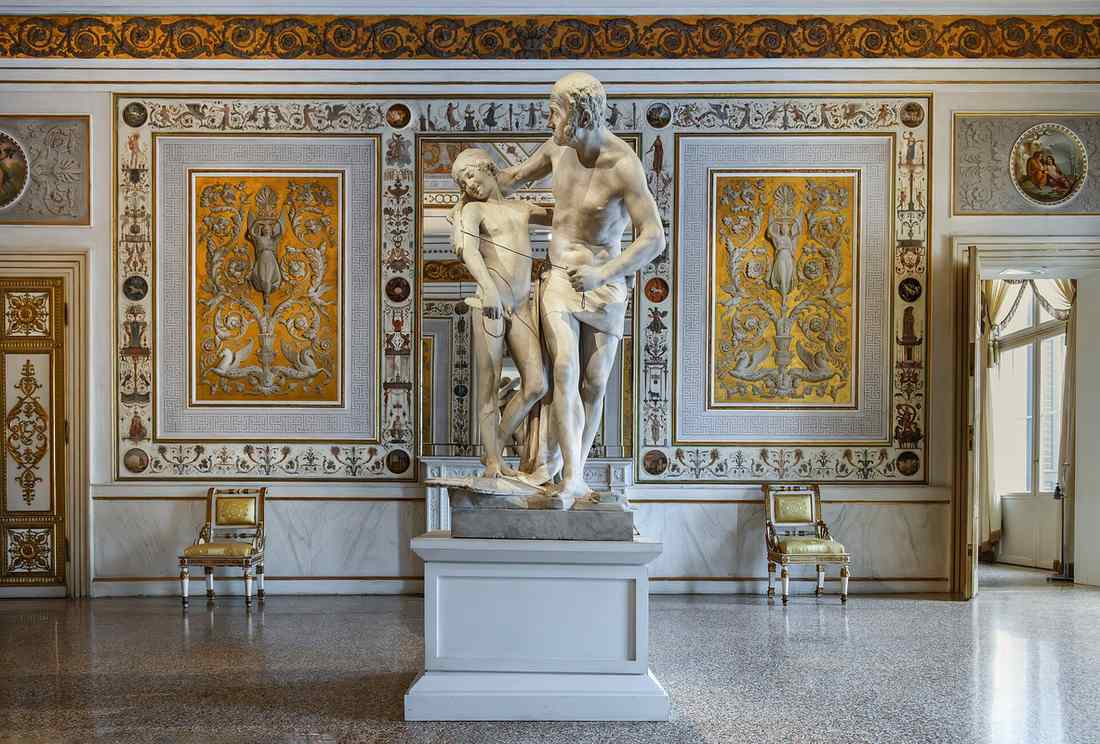
Ikaria carries its name straight from Greek myth, honoring Icarus, the boy who flew too close to the sun. The story anchors this north Aegean island in one of antiquity’s most enduring tales of ambition and loss. Daedalus and his son escaped Crete on wings of feathers and wax, and Icarus fell into the waters nearby. The surrounding sea took his name, and the island became his memorial. Ikaria layers a second mythic thread over this legacy, tying itself to Dionysus, god of wine, and to a viticulture tradition older than most written records. This guide walks you through those myths and the places that hold them with My Greece Tours.
The legends of Ikaria reach far beyond a single fall from the sky. Two divine narratives braid together here: the tragedy of Icarus and the gift of wine from Dionysus. Both shaped how the island saw itself for centuries. Our Ikaria travel guide maps the sites where these stories still feel present, from the eastern cape to the vineyard slopes. The sections below cover the myth of Icarus, the naming of the Icarian Sea, the Dionysus connection, the way these tales built an island identity, and the exact spots where you can stand today and feel the old stories breathe.
What is the myth of Icarus and how does it connect to Ikaria?
Icarus was the son of Daedalus, the master craftsman. The pair fled Crete on wings of feathers and wax. Icarus flew too near the sun, the wax melted, and he fell into the sea beside this island.
Daedalus built the wings to escape King Minos, who held father and son captive on Crete. He warned Icarus to fly a middle course, neither too low near the waves nor too high near the sun. The boy, thrilled by flight, climbed higher and higher. The heat softened the wax that bound his feathers. His wings came apart, and he plunged into the water below. The waters near this island received him. Greek tradition placed the fall precisely here, giving the island a direct claim to the tale. The story of that flight remains one of the clearest lessons in the whole body of Greek myth.
You can trace the deeper local threads through the history of Ikaria, which weaves myth into settlement.
The fall of Icarus reads as a warning against excess and pride. Ancient writers returned to it again and again. Ovid gave the fullest surviving account, describing the father’s grief as he searched the sea for his son. Tradition holds that Daedalus, or in some versions Heracles, recovered the body and buried Icarus on the island that would carry his name. The grave became a marker of the myth’s roots in real soil. Visitors drawn to the legend find plenty to explore among the many things to do in Ikaria, from coastal walks to ancient sites. The island turned a story of loss into a lasting point of pride and place.
How did the Icarian Sea and the island of Ikaria get their names?
Both names trace to Icarus. The waters where he drowned became the Icarian Sea, or Ikario Pelagos in Greek. The island rising from those waters took the name Ikaria in his memory, sealing the myth into geography.
The Icarian Sea spreads across the eastern Aegean, ringed by Ikaria, Samos, and the nearby islands. Ancient Greeks named this stretch of water after the boy who fell into it. Naming a whole sea after a single mythic death shows how deeply the story lodged in the regional imagination. Sailors crossing these waters knew the tale. Poets referenced the Icarian Sea as a byword for danger and sudden reversal. The name fixed the myth to a fixed place on the map, giving it a permanence that oral stories alone rarely achieve.
Standing on the eastern shore near Drakano Tower, you look out over the exact waters that carry the ancient name across the strait toward Fournoi and Samos.
The island’s own name reinforced the connection every single day. Ikaria means the place of Icarus. Residents lived on a landmass named for a myth, and the sea beyond bore the same source. This double naming made the legend inescapable in local life. Coins, inscriptions, and later writers all recorded the link. The naming also marked the island as a memorial rather than a mere settlement. Few places tie their identity so completely to one figure from myth. The pairing of island and sea created a kind of monument written into the coastline itself. That geography still frames every visit, and it shapes the way travelers first understand where they have arrived on Ikaria.
Why is Ikaria linked to Dionysus and ancient Greek wine?
Myth holds that Dionysus, god of wine, was born or raised on Ikaria and taught the islanders how to grow vines. This gift tied the island to viticulture and to its famous ancient Pramnian wine.
Dionysus stands among the most celebrated gods of the Greek world. Several traditions place his early life on Ikaria, making the island a cradle of the wine cult. The god taught the local people to cultivate the vine and to press the grape. This mythic gift explained a very real agricultural reality: the island produced wine of high reputation for centuries. The connection gave Ikaria a second layer of divine importance beyond the tragedy of Icarus. Wine festivals and rites honored the god across the ancient Aegean. The island’s fame for its produce fed the legend, and the legend fed the fame.
That long tradition still colors island life, visible in the customs studied within the Ikaria Blue Zone, where wine and community remain deeply linked.
Pramnian wine earned praise from the earliest Greek writers, including Homer. The name appears in the Iliad and the Odyssey, marking it as a prized and potent drink. Ancient sources associated Pramnian wine with the region around Ikaria and its slopes. The wine’s strength and reputation gave the Dionysus myth a concrete anchor in trade and taste. Growers on the island still tend vines on terraced hillsides, continuing a practice that reaches back to the god’s mythic lesson. The link between Dionysus and the island turned everyday farming into a sacred inheritance. Wine remained central to festivals, hospitality, and identity.
That inheritance forms one of the richest strands in the whole story of Ikaria, joining sky-fallen tragedy with the joy of the vine.
How did these myths shape the identity of Ikaria over time?
The Icarus and Dionysus myths gave the island a dual identity: a place of tragic memory and a home of divine wine. These stories bound geography, farming, and local pride into one lasting cultural whole.
The two great myths pulled Ikaria in complementary directions. Icarus supplied a story of loss, memory, and the danger of overreach. Dionysus supplied a story of gift, celebration, and abundance. Together they framed the island as both a memorial and a place of life. Residents drew on both threads across the centuries. The names of the sea and the land kept the tragedy present, while wine and festival kept the divine gift alive. This blend created a distinctive sense of place, unlike islands known for a single legend. The mythology functioned as more than decoration. It organized how people explained their own land, their harvests, and their history to visitors and to themselves through many generations of settlement.
Myth also shaped the island’s relationship with the wider Greek world. Writers and travelers arrived already knowing the story of Icarus and the reputation of the wine. Ikaria met those expectations with real sites and real vintages. The legends drew attention and lent prestige to a relatively remote island. Local customs absorbed the mythic frame, and the culture of slow living and long feasts fits comfortably beside the wine god’s inheritance. The stories never hardened into museum pieces. They stayed woven into place names, farming, and celebration. That living quality distinguishes the island’s mythology from purely academic legend.
The myths of Ikaria remain part of the daily texture of the place, guiding how it presents itself and how travelers come to understand its deep and layered past.
Where can you feel the mythology of Ikaria today?
You can feel the myths at Cape Drakano on the eastern tip, along the coast that faces the Icarian Sea, and among the vineyard slopes tied to Dionysus. Each spot connects a legend to a real place.
Cape Drakano marks the eastern edge of the island and offers the clearest link to the Icarus story. The cape looks out over the Icarian Sea, the very waters named for the fallen boy. The ancient Hellenistic tower there guards the strait between Ikaria and Fournoi. Standing on this headland, you face the sea that carries the myth in its name. The coastline nearby holds beaches and coves that frame those same waters. Travelers planning routes across the island can build a mythology-focused day from the many things to do in Ikaria, pairing the cape with a swim in the legendary sea and a walk along the dramatic eastern shore at sunrise.
The vineyard slopes carry the Dionysus thread into the present. Growers still produce wine on terraces that descend the hillsides, echoing the god’s mythic gift of the vine. A glass of local wine at a village festival connects you directly to the ancient Pramnian tradition. The island’s long-lived communities, celebrated in studies of the Ikaria Blue Zone, keep wine and shared feasting at the center of daily life. You feel the myth in the toast, the dance, and the late-night panigiri. The coast supplies the tragedy, and the vineyards supply the joy. Together they let you stand inside both great legends and sense why this island guards its stories so closely across the passing years.
Frequently Asked Questions
Why is Ikaria named after Icarus?
Ikaria takes its name from Icarus, the boy of Greek myth who fell from the sky near this island. Daedalus and his son escaped Crete on wings of feathers and wax. Icarus flew too close to the sun, the wax melted, and he plunged into the sea beside the island. Greek tradition placed the fall precisely in these waters, giving the island a direct claim to the legend. Tradition also holds that Daedalus, or in some versions Heracles, buried Icarus here. The island became a memorial to him, carrying his name as a permanent marker of the story. The naming tied a famous myth to a real place on the map.
Residents lived on land named for the fallen boy, and the sea beyond bore the same source. This double naming made the legend inescapable and fixed it firmly into the island’s identity for centuries.
What is the Icarian Sea?
The Icarian Sea, known in Greek as Ikario Pelagos, is the stretch of the eastern Aegean surrounding Ikaria and neighboring islands such as Samos and Fournoi. It takes its name from Icarus, the mythical boy who drowned in these waters after his waxen wings failed. Ancient Greeks named the whole sea after this single event, showing how deeply the story lodged in the regional imagination. Sailors crossing the strait knew the tale, and poets used the Icarian Sea as a byword for sudden danger and reversal. The name fixed the myth to a definite location, giving it a permanence that oral stories rarely achieve.
Cape Drakano on the island’s eastern tip offers the clearest viewpoint over these waters, facing the strait toward Fournoi and Samos. Standing there, you look out across the exact sea that has carried the ancient name for thousands of years and still frames every visit.
Is Ikaria really linked to Dionysus and wine?
Ikaria holds a strong mythic link to Dionysus, the Greek god of wine. Several traditions place his birth or upbringing on the island, making it a cradle of the wine cult. Myth holds that Dionysus taught the islanders how to cultivate the vine and press the grape. This divine gift explained a real agricultural fact: the island produced celebrated wine for centuries. The famous Pramnian wine drew praise from the earliest Greek writers, including Homer, who named it in the Iliad and the Odyssey. Ancient sources tied Pramnian wine to the region around Ikaria and its terraced slopes. The connection gave the island a second layer of divine importance beyond the tragedy of Icarus.
Growers still tend vines on hillside terraces today, continuing a practice rooted in the god’s mythic lesson. Wine remains central to island festivals, hospitality, and the long communal feasts that mark local life across the island.