
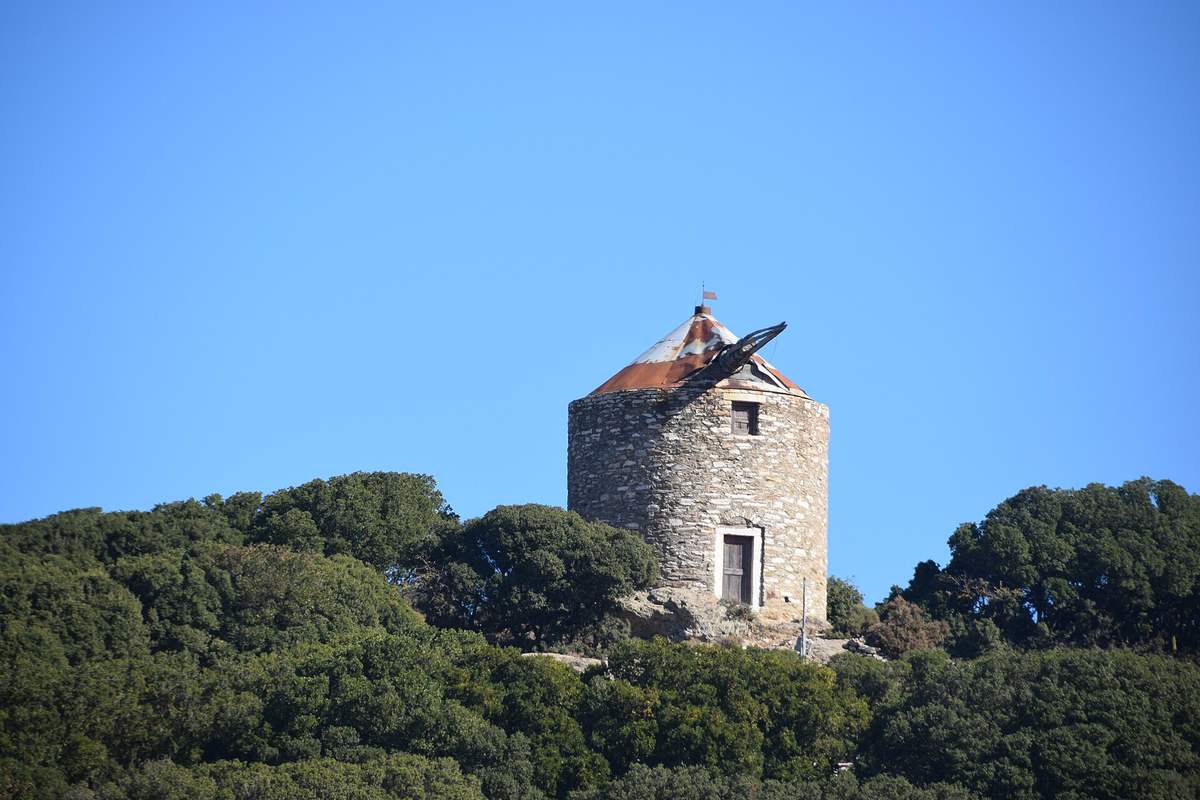
Glinado sits on a low hill on the southern edge of Naxos Town, looking out over the fertile Livadi plain toward the sea and Chora. This traditional farming village keeps an authentic agricultural character, with whitewashed lanes, a war memorial, old windmills and working fields of potatoes and vines. The setting is quiet and rural, yet the village lies minutes from the airport and the southern beaches. Glinado rewards travelers who want to see the everyday, productive side of Naxos rather than only its coast. Explore the hill, the plain and the wider island with My Greece Tours.
This guide places Glinado within the broader island through our Naxos travel guide, so the village reads as part of a full trip rather than an isolated stop. The sections below cover where Glinado is and how to reach it, its setting on the Livadi plain, the character and sights of the village, its farming life, and how the village fits a wider Naxos itinerary. Each section answers a practical question first, then adds the detail that helps you plan your visit.
Where is Glinado and how do you reach it?
Glinado stands on a low hill about five kilometers south of Naxos Town, on the western edge of the Livadi plain. The airport and southern beaches lie a short drive away.
The village occupies a rise above the plain, which gives it wide views yet keeps it close to the island’s main services. Naxos Town, the port and the ferry connections sit within a ten-minute drive to the north. The road down from the hill runs straight across the flat farmland toward the coast, making the airport and the southern beaches quick to reach. A rental car serves the village best, since it links Glinado to Naxos Town and the beaches without waiting on timetables. The main road through the Livadi plain passes close by, so drivers reach Glinado from the port road with a single turn.
Local buses toward the southern villages also stop within reach, giving a slower but workable alternative for travelers without a car.
The village’s position makes it a natural base for a rural stay near the coast. Glinado belongs to a cluster of inland settlements that ring the plain, and its neighbors sit within a few kilometers along the same network of farm roads. Vivlos rises on the ridge to the south, while Agios Arsenios lies out toward the sea. Galanado stands on the hills to the north, so a short loop links several villages in one drive. This tight geography means a visitor can base in Glinado and reach the port, the airport, the beaches and the neighboring hill villages, all within a compact and easily driven radius across the plain.
What is the setting of Glinado on the Livadi plain?
Glinado overlooks the Livadi plain, the most fertile lowland on Naxos. Fields of potatoes, vines and grazing land spread below the hill toward the sea, with Chora and the coast on the horizon.
The Livadi plain is the agricultural heart of Naxos, a broad stretch of level, watered land that supports the island’s best-known crops. Glinado’s hilltop position turns the plain into a living panorama, with green and gold fields shifting through the seasons below the village. The view runs west across the flat farmland to the sea, taking in the coast and the outline of Naxos Town against the water. This open aspect gives the village its light and its wide horizons, a contrast to the enclosed mountain settlements inland. Sunset over the plain is a quiet highlight, as the low sun catches the fields and the distant town.
The elevated setting also cools the village on summer evenings, drawing a breeze up from the plain and the coast.
The plain shapes daily life as much as the view. Water and good soil made the Livadi lowland the place where Naxos grew its staple crops, and the villages around its rim, Glinado among them, lived by working it. Terraces and field walls step down from the hill toward the flat land, marking generations of cultivation. The plain also connects Glinado outward, since the farm roads that cross it link the village to the coast and to the airport built on its southern edge. This is why the village feels both rural and reachable, rooted in farming yet open to the sea.
The wider geography sits within the Naxos travel guide, which places the plain in the island’s larger pattern of mountains, coast and lowland.
What is the character of Glinado and what can you see?
Glinado keeps a traditional, unpolished character, with whitewashed lanes, a war memorial, old windmills and small squares. The village stays authentic and lived-in rather than tourist-shaped.
The village core is a network of narrow whitewashed lanes that wind up the hill between low houses. Blue doors, potted plants and shaded corners give the streets a quiet, domestic feel, and the pace stays slow through the day. A war memorial marks one of the small squares, honoring villagers lost in the conflicts of the last century, a common and moving feature of inland Naxos settlements. Old windmills stand on the higher ground, their stone towers a reminder of the days when wind ground the plain’s grain. From the top of the village the views open in every direction, over the plain to the sea and back toward the mountains.
A church or two and a handful of cafes serve the villagers rather than crowds.
Glinado’s appeal lies precisely in what it lacks: the polish and pressure of the coastal resorts. This is a working village where daily life carries on, and visitors see it plainly, in the farm vehicles, the shaded talk outside a kafeneio and the fields worked at the edges of town. The atmosphere rewards a slow wander rather than a checklist of sights. Glinado belongs among the inland villages of Naxos, each with its own square, church and character, and a short drive links several in an afternoon.
The village suits travelers who want the everyday texture of the island: the memorial, the windmills, the whitewash and the long view over the plain, seen at an unhurried pace and without a crowd.
What is farming life like in Glinado?
Glinado lives by farming the Livadi plain, growing potatoes, tending vines and raising livestock. The famous Naxos potato and local wine come from this fertile lowland, and agriculture still shapes the village year.
The Naxos potato is the plain’s signature crop, prized across Greece and grown in the watered fields below Glinado. Its reputation rests on the deep, fertile soil of the Livadi lowland, and the potato harvest marks a key point in the village calendar. Vines climb the terraces and lower slopes, feeding a long local tradition of winemaking that runs across the island’s central villages. Livestock graze the plain and the hill pastures, supplying the milk that becomes Naxos cheese, another product the island is known for. This mix of crops and animals gives Glinado a genuine agricultural rhythm, one tied to the seasons rather than the tourist summer.
The fields are worked, not staged, and the produce reaches local markets and tables.
This farming character connects Glinado to its neighbors around the plain, which share the same soil and the same working life. The ridge village of Vivlos and the lowland settlement of Agios Arsenios grow the same crops and belong to the same agricultural belt. Tavernas in and around these villages serve the plain’s produce directly, from potatoes to cheese to local wine, so a meal here is also a taste of the land. This is the productive Naxos that coastal visitors often never see, and it is central to how the island actually lives. Glinado offers a clear window onto it, close enough to the beaches to reach easily, yet firmly rooted in the fields.
How does Glinado fit into a Naxos trip?
Glinado works as a quiet, central base or a short inland stop. It sits minutes from the airport, the port and the southern beaches, and links easily to the plain’s other villages.
The village suits travelers who want a rural, authentic base within quick reach of the coast and the island’s services. Its central position on the plain puts the airport, the port and Naxos Town within a short drive, along with the long sandy beaches of the west coast. A stay in Glinado trades the crowds and cost of the beach resorts for quiet lanes, wide views and easy access to everything. From here a visitor can spend mornings at the shore and evenings in the calm of the hill village. The nearby beaches include the celebrated Agios Prokopios beach, a short drive west across the plain, so the coast never feels far even from an inland base.
Glinado also fits a wider tour of the central villages, an easy half-day loop across the Livadi plain. A drive can link the hill of Glinado with the ridge of Vivlos, the churches of Galanado and the lowland fields toward the sea, taking in memorials, windmills and long views along the way. This inland circuit balances a Naxos itinerary otherwise weighted toward beaches and Chora, and it shows the island’s farming heart at close range. The village pairs naturally with a coastal day and a Naxos Town evening for a rounded few days. Plan your visit and tours through our Naxos travel guide.
Frequently Asked Questions
How far is Glinado from Naxos Town and the airport?
Glinado lies about five kilometers south of Naxos Town, a drive of roughly ten minutes across or around the Livadi plain. The port and ferry terminal sit in Naxos Town, so the same short drive reaches the island’s main arrival point. The airport stands on the southern edge of the plain, a few kilometers from the village, which makes Glinado one of the closer settlements to it. This central position is a large part of the village’s appeal, since it keeps a visitor near the port, the airport and the beaches while offering the quiet of an inland hill. A rental car makes these links effortless, turning short hops into a matter of minutes.
Local buses toward the southern villages also pass within reach for travelers without a car, though a car gives far more freedom to combine the beaches, the port and the neighboring plain villages in a single day.
What is Glinado known for?
Glinado is known as a traditional farming village on a low hill above the fertile Livadi plain, prized for its authentic agricultural character and its wide views over the fields to the sea and Naxos Town. The village grows the famous Naxos potato in the watered lowland below it, tends vines for local wine and raises livestock on the plain and hill pastures. Its whitewashed lanes, small squares, a war memorial and old stone windmills give it a genuine, lived-in feel rather than a resort polish. The elevated position is a defining feature, opening long views west across the plain to the coast and Chora, especially fine at sunset.
Glinado stands out among the inland villages for combining this quiet, working atmosphere with a central location, minutes from the airport, the port and the southern beaches. It draws travelers who want the everyday, productive side of Naxos at an unhurried pace.
Is Glinado worth visiting on a Naxos trip?
Glinado is worth visiting for travelers who want to see the authentic, farming side of Naxos rather than only its beaches and main town. The village offers quiet whitewashed lanes, a war memorial, old windmills and wide, open views over the Livadi plain to the sea, all at an unhurried pace and without crowds. Its central position makes it easy to include, since it sits minutes from the airport, the port, Naxos Town and the southern beaches, so a short detour or a longer stay both work well. The village also serves as a natural base for touring the central plain villages, an easy inland loop that balances a beach-heavy itinerary.
A visit rewards those who value real, working places over polished resorts, and it deepens the picture of how the island actually lives. For beach-focused travelers, even a brief stop here adds welcome contrast to a Naxos trip.