
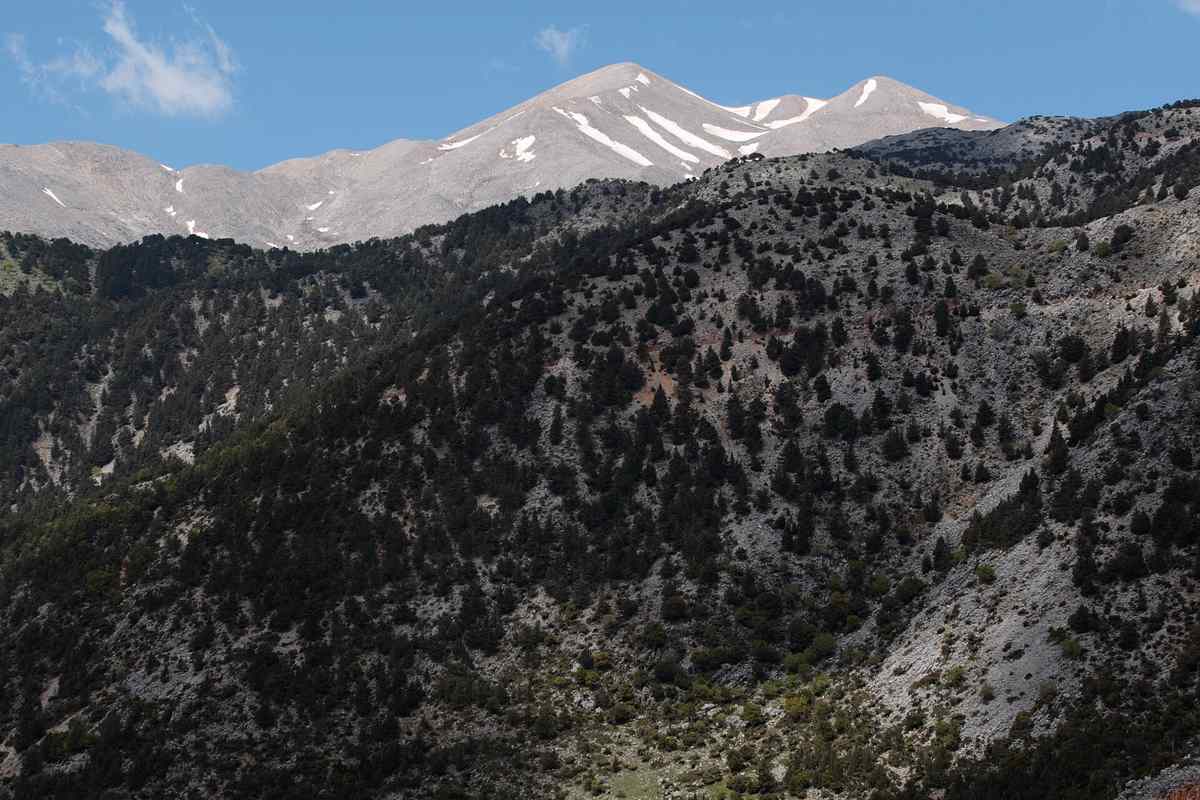
Crete transforms during the winter months, revealing a quieter, greener side far removed from the summer crowds. From November through March, the island’s coastal cities remain mild and welcoming, while snow blankets the high peaks of Psiloritis, the White Mountains, and Lasithi. Resort areas close down, but the authentic heart of Crete beats stronger in atmospheric urban centers, mountain villages, and archaeological sites. Lower prices, peaceful streets, and genuine local life make this season ideal for travelers seeking cultural immersion and natural beauty without the heat or hustle of peak season with My Greece Tours.
Winter on Crete offers unique opportunities unavailable during warmer months. Olive harvests bring agrotourism experiences to life, Christmas and Orthodox Epiphany customs unfold in villages, and coastal walks remain pleasant under mild temperatures. The cities of Chania, Rethymno, and Heraklion pulse with local energy, their museums, markets, and tavernas open year-round. The sections below cover weather patterns, outdoor activities, cultural attractions, practical considerations, and seasonal traditions to help you plan an unforgettable winter escape. Our comprehensive Crete travel guide provides additional resources for every season.
What is the weather like in Crete during winter?
Coastal areas of Crete stay mild from November to March, with temperatures comfortable for walking and sightseeing. Rain becomes frequent, greening the landscape dramatically. Snow covers the high mountains of Psiloritis, the White Mountains, and Lasithi, creating striking contrasts with the sea.
Winter weather on Crete divides sharply between coast and mountains. Coastal cities and lowlands experience mild temperatures that rarely require heavy winter clothing, though rain showers arrive regularly and transform the summer-brown hillsides into lush green carpets. The sea remains too cool for most swimmers, but beach walks stay pleasant on sunny days. Winds can pick up, particularly along the north coast, bringing dramatic wave displays and atmospheric cloud formations. Travelers find the climate ideal for urban exploration, museum visits, and gentle countryside rambles without the oppressive heat that defines summer months. The best time to visit Crete depends entirely on your preferences, but winter offers distinct advantages for culture-focused trips.
Mountain regions tell a different story entirely. The highest peaks of Psiloritis, the White Mountains, and the Lasithi range accumulate substantial snow from December through March, occasionally into April. These white-capped summits create postcard-perfect backdrops visible from coastal cities on clear days. Mountain villages experience genuine cold, with fireplaces burning and traditional stews simmering in tavernas. The contrast between mild coast and snowy peaks within short distances makes Crete unique among Mediterranean islands. Ski touring becomes possible on the highest slopes for experienced mountaineers with proper equipment. Lower mountain trails remain accessible for hiking, though conditions require checking locally and appropriate gear for mud and occasional ice.
What outdoor activities are available in Crete during winter?
Lower-level walks and coastal trails stay open through winter, with green landscapes and solitude. The Samaria Gorge and high routes close for safety, ski touring draws adventurers to the peaks, and olive-harvest agrotourism offers hands-on rural days.
Winter hiking on Crete requires adjusting expectations from summer trekking. The famous Samaria Gorge closes completely, along with most high-altitude and south-coast trails that become dangerous in wet conditions or snow. Lower-elevation paths through olive groves, between villages, and along coastal sections remain perfectly walkable and reward hikers with vibrant greenery, wildflowers beginning to bloom, and empty trails. The E4 European long-distance path has accessible winter sections in lowland areas. Birdwatching improves dramatically as migratory species arrive. Coastal walks near cities offer fresh air and exercise without technical challenges. The reduced tourist numbers mean genuine encounters with shepherds, farmers, and village residents going about daily life undisturbed by summer crowds.
Specialized winter activities attract niche enthusiasts. Ski touring on Psiloritis and the White Mountains draws experienced mountaineers during good snow years, though no developed ski resorts exist. Agrotourism experiences centered on olive harvesting run from November through January, letting visitors participate in this ancient agricultural tradition. Farms and estates offer hands-on pressing, tasting, and learning about olive oil production that defines Cretan culture and economy. Photography enthusiasts find dramatic light, stormy seas, and snow-mountain compositions impossible in other seasons. Cycling remains viable on coastal roads and lowland routes, with cooler temperatures actually improving comfort. The focus shifts from beach and adventure sports toward cultural immersion, gentle exploration, and authentic rural experiences.
Which attractions and sites stay open in Crete during winter?
The cities of Chania, Rethymno and Heraklion stay fully open, with museums, restaurants and shops running year-round. The archaeological museum and the palace of Knossos welcome visitors, and mountain villages carry on their daily life and hospitality.
Urban Crete thrives during winter months. Chania remains particularly atmospheric, its Venetian harbor and old town lanes filled with locals rather than tourists, tavernas serving hearty winter dishes, and shops catering to residents. Rethymno similarly maintains its cultural heartbeat, with the Fortezza fortress open for exploration and cafes buzzing with conversation. Heraklion functions as the island’s capital regardless of season, its archaeological museum displaying Minoan treasures in climate-controlled comfort, markets selling seasonal produce, and restaurants serving authentic Cretan food to appreciative locals. The palace of Knossos operates year-round, offering the advantage of exploring this major site without summer crowds or heat. Winter visitors experience these cities as living communities rather than tourist stages.
Mountain villages provide winter’s most authentic experiences. Traditional settlements in the Lasithi Plateau, the slopes of Psiloritis, and the White Mountains continue their centuries-old rhythms. Kafeneia fill with older men playing cards and discussing village affairs, bakeries produce bread in wood-fired ovens, and churches prepare for religious festivals. Visitors willing to venture into these communities discover genuine hospitality, home-cooked meals in family tavernas, and insights into rural Cretan life unchanged by tourism. Monasteries remain open for respectful visits, their icons and frescoes viewed in peaceful silence. Craft workshops producing weavings, ceramics, and woodwork welcome interested travelers. The lack of tour buses means interactions feel personal and unhurried, creating memorable cultural exchanges impossible during peak season.
What closes down during winter on Crete?
Resort-area hotels and tavernas in the beach zones shut from November through March. The Samaria Gorge and high trails close for flooding and snow, and south-coast villages cut services sharply, with limited rooms and dining.
The tourism infrastructure that dominates coastal resort strips vanishes almost completely during winter. Beach hotels, all-inclusive resorts, and tourist-oriented restaurants close their doors, their staff returning to home villages or taking seasonal work elsewhere. Entire resort towns like Malia, Stalis, and parts of Agios Nikolaos become ghost settlements, with shuttered storefronts and empty streets. This closure extends to tour operators, car rental offices in resort areas, and activity providers focused on summer visitors. Travelers must base themselves in year-round cities or specifically confirm that chosen accommodations and services operate during winter months. The transformation can shock visitors expecting the lively atmosphere of summer, but it also reveals the authentic island beneath the tourist overlay.
Planning becomes essential, as spontaneous beach-hopping loses viability.
Natural attractions face seasonal closures for legitimate safety reasons. The Samaria Gorge remains firmly closed, its riverbed prone to dangerous flash flooding and its cliffs shedding rocks loosened by rain. High-altitude hiking trails become impassable or extremely risky due to snow, ice, and reduced daylight hours. South-coast beaches accessible only by boat lose their ferry services, isolating communities like Loutro and Agia Roumeli. Mountain roads may close temporarily during snowstorms, requiring flexible itineraries. The reduced daylight hours of winter months limit exploration time compared to summer’s long evenings. These limitations require adjusting the list of things to do in Crete toward urban culture, accessible nature, and indoor attractions rather than adventure activities and remote beaches.
What cultural events and traditions happen in winter on Crete?
Christmas blends Orthodox tradition with local custom across villages and cities, and Orthodox Epiphany in January brings water-blessing ceremonies. The olive harvest gathers communities for pressing, a cornerstone of Cretan life through the winter.
Religious festivals anchor the Cretan winter calendar. Christmas preparations begin in early December, with villages decorating churches and homes, bakeries producing traditional sweets, and families preparing feast dishes. Christmas Eve and Christmas Day services fill churches with candlelight and Byzantine chanting, followed by family gatherings centered on food and tradition. The celebration differs from commercial Western Christmas, focusing on religious observance and family bonds. New Year follows with its own customs, including the cutting of vasilopita cake containing a hidden coin for luck. Orthodox Epiphany on the sixth of January brings dramatic water-blessing ceremonies, where priests throw crosses into harbors and young men dive to retrieve them despite cold waters.
These events welcome respectful observers and provide windows into living traditions maintained for centuries.
Agricultural rhythms shape winter life as profoundly as religious calendars. The olive harvest dominates November through January, with entire families and communities participating in gathering, sorting, and pressing. Traditional methods persist alongside modern machinery in smaller groves, and the first pressing of new oil becomes a celebration. Villages host olive festivals with tastings, music, and dancing. Wine production continues in cellars, with raki distillation happening in late autumn, often accompanied by communal gatherings called rakokazana. Carnival season begins in late winter, building toward pre-Lenten celebrations with costumes, parades, and feasting. These authentic cultural moments offer far richer experiences than summer’s tourist-oriented festivals, connecting travelers to the genuine soul of Cretan community life and its deep agricultural roots.
Frequently Asked Questions
Is Crete worth visiting in winter?
Crete absolutely rewards winter visitors seeking authentic cultural experiences, peaceful exploration, and dramatic natural beauty. The island’s cities remain vibrant and atmospheric, with museums, archaeological sites, and restaurants operating normally without summer crowds. Prices drop significantly for accommodation and services, stretching travel budgets further. The green winter landscape contrasts beautifully with summer’s brown hillsides, and snow-capped mountains create stunning backdrops for coastal walks. Travelers interested in local life, traditional festivals, olive harvest experiences, and genuine interactions with Cretans find winter ideal. The trade-offs involve closed beach resorts, limited high-mountain access, frequent rain, and reduced daylight hours.
Beach lovers and adventure hikers should choose other seasons, but culture enthusiasts, food travelers, photographers, and those seeking quiet contemplation discover winter Crete offers rewards unavailable during peak tourist months. The island reveals its authentic character when tourism infrastructure sleeps.
What should I pack for winter in Crete?
Layered clothing handles Crete’s variable winter conditions most effectively. Pack waterproof jackets and umbrellas for frequent rain showers, comfortable walking shoes with good grip for wet cobblestones and muddy trails, and warm layers for cool evenings and mountain villages. Coastal cities rarely require heavy winter coats, but a medium-weight jacket suffices for most situations. Mountain excursions demand warmer clothing, and proper hiking boots become essential for any trail walking. Sunglasses and sun protection remain necessary, as winter sun can still burn, particularly with reflection off wet surfaces. Bring adaptable outfits suitable for both casual taverna dining and museum visits. Electrical adapters for European sockets, any prescription medications, and a good camera for dramatic winter light complete essential items.
Leave beach gear behind unless staying in heated hotel pools. The key involves preparing for mild but wet coastal weather while keeping options for cooler mountain temperatures if venturing inland.
Can you swim in Crete during winter?
Swimming in Cretan seas during winter appeals only to hardy cold-water enthusiasts and locals maintaining year-round traditions. Sea temperatures drop to their coldest from January through March, feeling genuinely chilly even to accustomed swimmers. Most beaches stand empty, with no lifeguards, limited facilities, and rough seas common during winter storms. Resort pools close completely, though some upscale hotels maintain heated indoor pools for guests. The few locals who swim year-round do so quickly, often as part of health routines rather than leisure. Visitors from cold climates occasionally brave winter swims on calm, sunny days, finding the experience invigorating if brief.
The real appeal of winter coasts lies in dramatic wave-watching, peaceful beach walks, and seaside tavernas serving grilled fish to locals rather than actual swimming. Travelers seeking water activities should visit during warmer months, while winter visitors enjoy coastal beauty from the shore with warm clothing and hot coffee afterward.