
Chios has a Mediterranean climate of hot, dry summers and mild, wet winters, and the choice of when to go shapes the whole trip. Beach travellers want the warm sea of high summer, walkers and sightseers want the mild light of spring and autumn, and everyone wants to dodge the fierce August heat and the meltemi wind that cancels the small boats. The island rewards a visit in almost any month, but the best of it comes in the shoulder seasons, when the weather is kind and the crowds thin. Plan the whole trip with Greece Tours.
This guide sets out the best time to visit Chios in full: the ideal months, the beach season and the sea temperature, a month-by-month weather rundown, the four seasons in depth, the festivals and the mastic harvest, and the crowds and prices through the year. It weighs each season against what you want from the island. Read it beside the guide on how to get to Chios and the full Chios travel guide.
When is the best time to visit Chios?
The best time to visit Chios is from April to June and from September to October, when temperatures sit between about 19 and 27 degrees, the island is green or warm, and the crowds are thin. July and August are hottest and busiest, and winter is quiet and wet.
The shoulder seasons win for most travellers. Spring, from April to June, brings mild, comfortable weather, green hills and wildflowers, while autumn, in September and October, keeps the warm summer sea alongside softer heat and light. Both give the island at its most pleasant for walking the villages, touring by car and swimming without the peak-season crowds.
High summer suits beach holidays above all. July and August bring reliable heat, hot seas and long days, along with the island’s liveliest evenings, but also the strongest sun, the highest prices and the return of Greek holidaymakers and the diaspora, which fills accommodation and the beaches. The meltemi wind blows hardest in these months.
Winter is for a different kind of visit. From November to March the island is quiet, cool and often wet, many resort and village businesses close, and the sea is too cold for swimming, but Chios Town stays open as a working city and the landscape is green. The choice of month, then, depends entirely on what you have come to do.
What is the weather like in Chios through the year?
Chios has a Mediterranean climate: hot, dry summers from June to September with highs around 28 to 32 degrees, mild wet winters from December to February with highs near 13 to 15 degrees, and warm transitional spring and autumn seasons. Rain falls mainly between November and March.
The summer is hot and rainless. From June to September the island sees long days of strong sun, highs climbing to the low thirties in July and August, and virtually no rain, with the heat tempered on the coast by the meltemi breeze. Nights stay warm, and the dry, clear weather is reliable enough to plan around.
The winter is mild but wet. December, January and February bring the year’s rain, cool days with highs in the low to mid teens, and occasional storms, though hard frost and snow are rare at sea level. The landscape turns green, the springs and streams run, and the island looks utterly different from its summer brown.
Spring and autumn are the gentle transitions. April, May and June warm steadily from mild to hot as the rain fades, and September, October and November cool gradually while the sea holds its summer warmth into the autumn. These months carry the lowest risk of both extreme heat and heavy rain, which is what makes them the ideal time to visit.
When is the best time for beaches and swimming in Chios?
The best time for beaches and swimming in Chios is from mid-June to mid-September, when the sea is warm, the days are hot and dry, and the beach tavernas are open. The season stretches into early October in a warm year, while May sea temperatures are still cool for most swimmers.
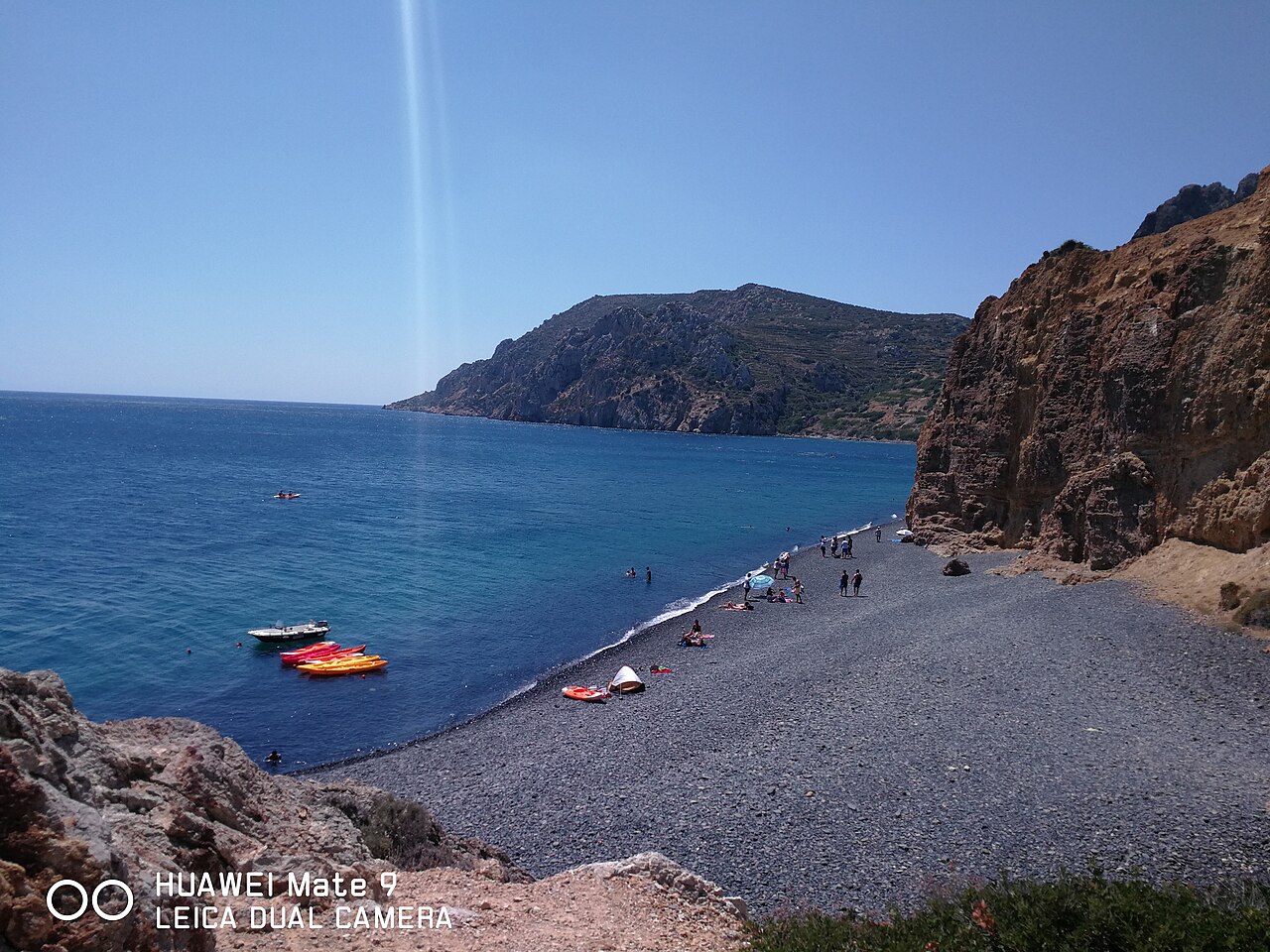
High summer is the core beach season. From mid-June the sea has warmed enough for easy swimming, the sun is reliable, and the beaches from Karfas to Mavra Volia and the northern coves are at their best, with tavernas and beach bars in full swing. This is the time for a sun-and-sea holiday on Chios.
The edges of the season reward the flexible. September is arguably the finest beach month of all, with the sea at its warmest after a summer of heating, hot but no longer scorching days, and thinning crowds. Early October often holds enough warmth for swimming, especially on the sheltered east-coast beaches.
Spring is greener than it is swimmable. May brings warm air but a sea still cool from winter, so sunbathing is pleasant while swimming suits only the hardy, and June warms quickly as the month goes on. For a beach-first trip, the run from late June to late September is the safe choice, as the guide to the best beaches in Chios sets out.
What is the sea temperature in Chios by month?
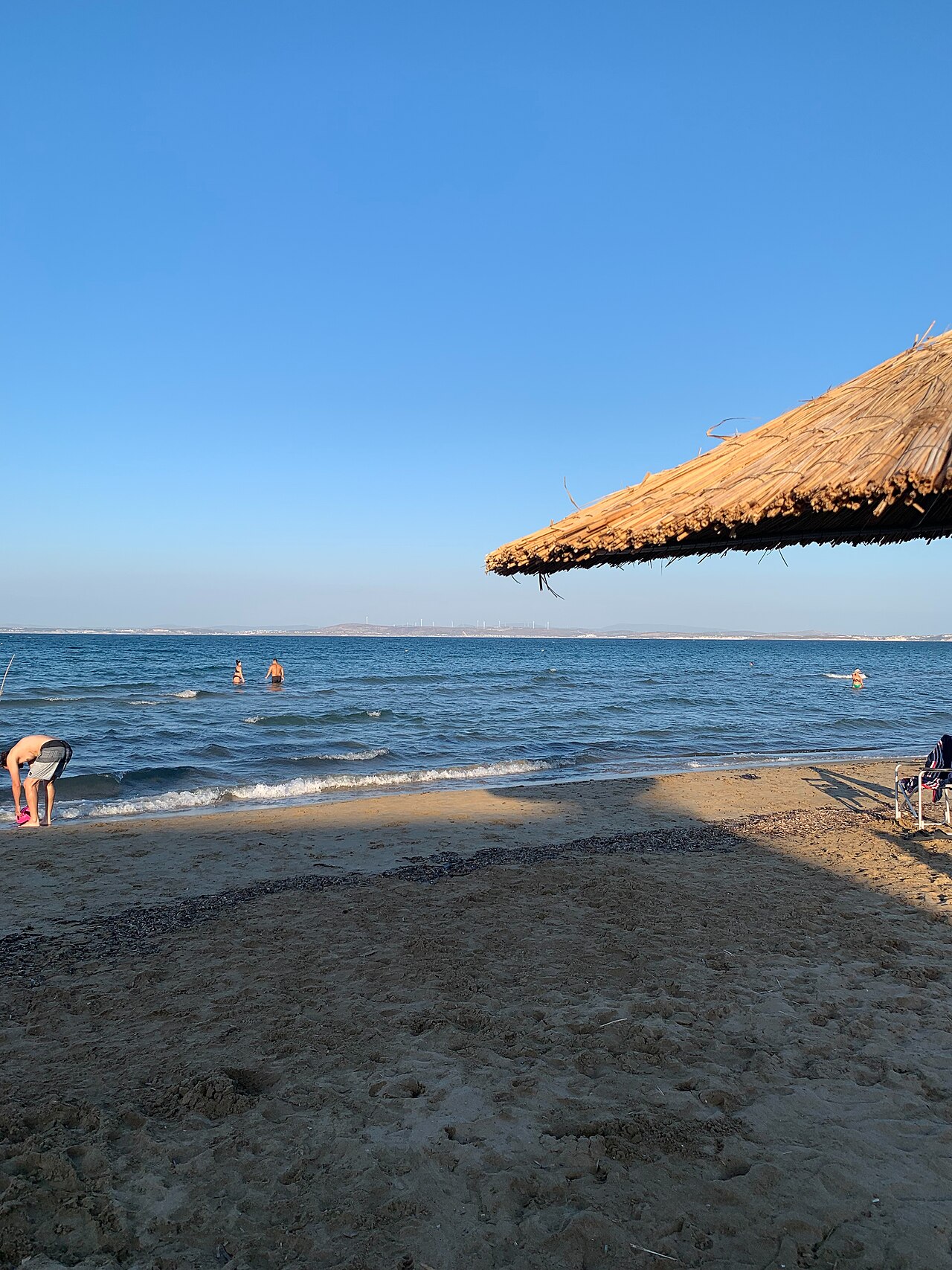
The sea around Chios is coldest in February and March at about 15 to 16 degrees, warms through spring to around 21 degrees in June, peaks near 25 to 26 degrees in August and September, and cools slowly through October and November back towards the mid-teens by winter.
The sea lags the air by a season. It is at its coldest in late winter, around 15 to 16 degrees in February and March, when even a brief swim is bracing, and it warms only slowly through April and May as the sun strengthens, reaching the low twenties by June when comfortable swimming begins in earnest.
The peak comes late in summer. August and September hold the warmest water of the year, around 25 to 26 degrees, because the sea has absorbed a full summer of heat, which is why September swimming is so rewarding even as the air begins to cool. Early October often keeps the sea above 22 degrees.
The cooling is gradual. Through October and November the water gives up its warmth slowly, staying swimmable for the hardy into late autumn before dropping back towards the mid-teens for winter. Anyone whose trip depends on warm water should aim for the July-to-early-October window, when the sea is dependably warm around the island.
When is the best time for sightseeing and the villages?
The best time for sightseeing and the villages of Chios is spring and autumn, April to June and September to October, when the mild weather suits walking the stone lanes, climbing to Anavatos and touring the mastic villages without the summer heat, and the sites are open but uncrowded.
Spring and autumn favour the historic core. Walking the medieval lanes of Mesta and Pyrgi, climbing through the ghost village of Anavatos, and touring Chios Town’s castle and museums are all far more comfortable in the mild months than under the July sun, and the softer light flatters the stone villages and the landscape.
The sites keep fuller hours in season. The museums, the castle and the village kitchens run their proper schedules from spring through autumn, while some close or shorten hours in deep winter. Spring adds the green hills and citrus blossom of Kampos, and autumn adds the warm sea for a swim to end a day of sightseeing.
Summer sightseeing means adapting to the heat. In July and August the villages and monuments are best seen early or late, with the middle of the day given to the beach or a shaded lunch, a rhythm the island itself follows. The full range of sights and how to see them sits in the guide to the best things to do in Chios.
When is the best time for hiking and walking in Chios?
The best time for hiking and walking in Chios is spring, from March to May, and autumn, from October to November, when the weather is cool enough for the mountain trails and the mastic-village paths, the hills are green in spring, and the summer heat has passed.
Spring is the walker’s season. The hills are green, wildflowers cover the terraces, the streams run, and temperatures suit long walks on the old stone paths between the mastic villages and the mountain routes near Avgonyma and Anavatos. It is the finest time to explore the island on foot.
Autumn offers the second window. From October the heat breaks, the light softens, and the trails reopen to comfortable walking, with the bonus of a still-warm sea for a swim at the end of a route down to the coast near Lithi. The landscape is browner than in spring but the walking is just as good.
Summer is too hot for the mountains. Midday hiking in July and August is hard and can be risky in the exposed hills, so summer walkers keep to early mornings and shaded valley routes. Stout shoes, water and an early start serve in any season, and the marked paths of the south are covered in the guide to the best things to do in Chios.
When can you see the mastic harvest in Chios?
The mastic harvest runs from July to October in the southern villages of Chios. Growers clean and level the ground beneath the trees in early summer, cut the bark from July, and collect the hardened resin tears through August and September, so late summer is the time to see the work in the groves.
The harvest is a summer and autumn affair. The preparation begins in early summer, when growers sweep and flatten the earth beneath the mastic trees to catch the falling tears, and the cutting of the bark starts in July, releasing the resin that hardens over the following weeks into the pale crystals the island is famous for.
Late summer is the moment to watch. Through August and September the growers collect, clean and sort the tears by hand, and visiting the mastic villages of the south in these months shows the whole operation among the trees, a working tradition on UNESCO’s list of intangible cultural heritage.
The new crop appears in autumn. Once cleaned and graded, the season’s mastic reaches the cooperative shops from autumn onward, so a visit then combines the tail of the harvest with the chance to buy the fresh crop at source. The full story of the resin and its uses sits in the guide to Chios food.
When are the festivals and events in Chios?
The main events in Chios are Easter, above all the rocket war at Vrontados on Easter Saturday night, carnival in the weeks before Lent, and the saints’-day panigyria held in the villages through the summer, along with cultural events in Chios Town in the warm months.
Easter is the island’s greatest festival. Holy Week fills the villages and churches, returning islanders crowd the tavernas, and the Rouketopolemos at Vrontados, where two parishes fire tens of thousands of rockets at each other’s bell towers on the Saturday night, is the most spectacular event in the Chios calendar. Timing a spring visit around it is richly rewarding.
Summer brings the village feasts. Each village celebrates its patron saint’s day with an open-air panigyri of food, local wine and music that visitors are welcome to join, and these festivals, scattered through the summer, are among the most genuine experiences on the island. Their dates vary, so asking locally is the way to catch one.
The shoulders hold their own events. Carnival in the weeks before Lent brings costume parades, the mastic harvest animates the southern villages in late summer, and Chios Town runs concerts and cultural events through the warm months. A festival can be reason enough to fix the timing of a trip, as the Chios travel guide notes.
When is Chios cheapest and least crowded?
Chios is cheapest and quietest outside high summer. The lowest prices and fewest visitors come from November to March, and the shoulder months of April to June and September to October combine low crowds with good weather. July and August are the most expensive and the busiest.
Deep winter is the cheapest but the quietest. From November to March accommodation is at its lowest and the island is at its most peaceful, but many resort and village businesses close, the weather is cool and wet, and the beaches are out of use, so the savings come with a much reduced island.
The shoulder seasons balance cost and experience. April to June and September to October bring markedly lower prices than the peak, easy availability and thin crowds while the weather stays fine and the sites and tavernas remain open, which is why they suit most travellers who are not tied to school holidays.
High summer is the premium. July and August draw Greek holidaymakers and the island’s diaspora home alongside foreign visitors, filling accommodation and the beaches and pushing prices, especially for car hire and the better village stays, to their annual peak. Booking months ahead is essential for these weeks, as the guide to car rental in Chios stresses.
What is Chios like in spring?
Chios in spring, from March to May, is green, mild and quiet. Wildflowers cover the hills, the Kampos citrus blossoms, temperatures climb from cool to warm, Easter animates the villages, and the sea is still too cool for most swimmers, making it ideal for walking and sightseeing.
Spring is the island at its greenest. March is still cool and can be wet, but April and May bring mild, comfortable days, hillsides of wildflowers, running streams and the scent of citrus blossom in the walled estates of Kampos. The landscape is at its most beautiful, a world away from the summer brown.
It is the prime season for the land. Walking the mastic-village paths and the mountain trails, touring the villages and monuments, and exploring Chios Town are all at their most pleasant in the mild spring air, and the sites are open with the summer crowds still absent. Easter falls in this window and brings the villages to life.
The one limit is the sea. The water stays cool from winter through May, so spring is a poor choice for a beach holiday even as it excels for everything else. Travellers who want green hills, festivals and comfortable sightseeing over swimming will find spring the finest season on Chios, and those who want both can pair a late-May or June trip with the sheltered east-coast beaches, where the sea warms earliest, to add some swimming to a spring holiday among the villages.
What is Chios like in summer?
Chios in summer, from June to August, is hot, dry and lively. The sea is warm, the days are long and sunny, the beaches and tavernas are in full swing, and the evenings are at their busiest, but the heat peaks, prices are highest, and the island fills with Greek holidaymakers.
Summer is the beach and evening season. From June the sea is warm and the weather reliable, and July and August bring long, hot, rainless days ideal for the beaches, along with the island’s liveliest nights as Chios Town and the resorts fill with visitors and returning islanders. The meltemi breeze tempers the coastal heat.
The heat shapes the day. Midday in July and August is strong, so the island follows the Mediterranean rhythm of beach or shade at noon and sightseeing in the cooler early morning and evening. Inland villages and the mountains bake, making them best visited early, while the coast stays comfortable in the breeze.
Summer is also the peak for cost and crowds. August in particular sees the island at its fullest and most expensive, with accommodation and car hire booked far ahead, so summer suits those tied to school holidays or set on a sun-and-sea trip more than those seeking quiet. Booking early is essential.
What is Chios like in autumn?
Chios in autumn, from September to November, keeps the warm summer sea into October while the heat softens and the crowds thin. September is one of the best months of the year, October stays mild and pleasant, and November turns cooler and wetter as winter approaches.
Early autumn is arguably the island’s best moment. September holds the warmest sea of the year after a summer of heating, along with hot but no longer scorching days and rapidly thinning crowds, so it combines the beaches of summer with the ease of the shoulder season. Many regard it as the ideal time to visit.
October carries the mildness on. The weather stays warm and settled through much of the month, the sea remains swimmable for a while, and the light softens beautifully over the villages and coast, making it excellent for touring, walking and late swimming. The mastic harvest and its new crop add a seasonal draw.
November marks the turn. The first real rains arrive, temperatures drop, the sea cools, and resort and village businesses begin to close for winter, though Chios Town stays open and the landscape starts to green. Early autumn, then, is prime time, while late autumn shades into the quiet of the off-season.
What is Chios like in winter?
Chios in winter, from December to February, is quiet, cool and green. Days are mild by northern standards with highs in the low to mid teens, rain is frequent, many resort and village businesses close, and the sea is too cold for swimming, but Chios Town stays open as a working city.
Winter is the island’s private season. The tourist trade largely shuts, the beaches empty, and the resorts and many village tavernas close, leaving Chios to its residents. The weather is mild compared with northern Europe, with highs in the low to mid teens, but it is the wettest time of year, with frequent rain and the occasional storm.
The reward is a green, authentic island. The hills turn lush, the streams run, and the working life of Chios Town, its market, cafés, restaurants and museums, carries on year-round, so a winter visit gives an unhurried, genuine picture of the island without a single coach party. Prices are at their lowest.
The limits are real, though. Swimming is out, many sights and villages are quiet or closed, ferry and flight schedules thin, and the weather can disrupt the smaller boats, so winter suits travellers drawn to a quiet, low-cost, off-season city break rather than the island’s beaches and villages at their summer best.
What should you pack for each season in Chios?
Pack light clothing, sun protection and swimwear for summer; layers, a light jacket and walking shoes for spring and autumn; and warm clothes, a raincoat and an umbrella for winter. Sturdy footwear for the stone village lanes and the trails is useful in every season.
Summer packing is simple. Light, breathable clothing, strong sun protection, a hat, swimwear and comfortable sandals cover the beach and the heat, with something a little smarter for the evenings in Chios Town. A light cover is worth having for the meltemi breeze on the water and for air-conditioned interiors, and reef-safe sun cream and water shoes help on the pebble beaches such as Mavra Volia.
The shoulder seasons call for layers. Spring and autumn days are mild but mornings and evenings cool, so layers, a light jacket or fleece and closed walking shoes handle the range, while swimwear still earns its place for the warm autumn sea. A light raincoat guards against the occasional shower.
Winter needs warmth and waterproofing. Warm clothing, a proper jacket, a raincoat and an umbrella deal with the cool, wet weather, and sturdy shoes cope with the rain-slicked lanes. In every season, good footwear for the stone alleys of the villages and the mountain paths is the single most useful thing to bring, along with a refillable water bottle for the trails and a small daypack for a day that mixes a village walk with a swim.
Which month is the best overall to visit Chios?
September is the best single month to visit Chios overall. It combines the warmest sea of the year with hot but comfortable days, thinning crowds, lower prices than August, open sites and tavernas, and the mastic harvest in the villages, giving the strengths of summer without its peak heat and cost.
September earns the top place. After a full summer of heating, the sea is at its warmest and swimming is superb, yet the fierce edge has gone from the sun, the August crowds have largely departed, and prices ease, so the beaches, villages and tavernas are all enjoyable and open without the peak-season pressure.
May and June are the close runners-up. They bring the green hills, wildflowers and citrus blossom of late spring, comfortable weather for walking and sightseeing, and thin crowds, with June warming the sea enough for swimming as the month goes on. They suit travellers who prize the landscape and the villages over guaranteed hot water.
The final choice comes down to purpose. Beach travellers should aim for July to September, walkers and sightseers for April to June or October, festival-goers for Easter, and those seeking quiet and low prices for the shoulder months or winter. For the best all-round balance, though, September is hard to beat, as the wider Chios travel guide confirms.
What is the weather in Chios month by month?
Chios warms from a cool, wet January through a green spring, into a hot, dry summer that peaks in August, then cools through a warm autumn back towards winter rain in December. Each month has its own balance of temperature, rain, sea warmth and crowds.
January in Chios
January is the coldest and one of the wettest months, with highs around 13 to 14 degrees, frequent rain and a sea near 16 degrees. The island is green and very quiet, most resort businesses are closed, and Chios Town carries on as a working city. It suits only a low-cost, off-season town break, with no swimming and short daylight hours.
February in Chios
February stays cool and wet, with highs in the low teens and the sea at its coldest, around 15 to 16 degrees. The hills are at their greenest, almond trees begin to blossom late in the month, and the island remains quiet and inexpensive. As in January, it is a season for the town rather than the beaches or the villages.
March in Chios
March is mild and changeable, with highs rising towards 15 to 17 degrees and rain easing as the month goes on. Spring arrives on the hills, wildflowers appear, and the light improves, though the sea is still cold for swimming. It is an early, quiet month for walking and sightseeing, sometimes touched by Easter when the date falls early.
April in Chios
April is one of the loveliest months for the land, mild and green with highs around 18 to 20 degrees, wildflowers on the terraces and citrus blossom in Kampos. Easter usually falls now, bringing the rocket war at Vrontados and lively villages. The sea remains cool for swimming, so April is for walking, sightseeing and festivals rather than beaches.
May in Chios
May is warm, settled and still quiet, with highs near 23 to 25 degrees, long sunny days and the last of the spring green. The sea is warming but still cool for most swimmers, in the high teens. It is an excellent month for touring the villages, walking the trails and enjoying the island before the summer crowds and heat arrive.
June in Chios
June opens the summer, hot and dry with highs around 27 to 29 degrees and a sea warming into the low twenties by month’s end. The beaches come into their own, crowds are still moderate, and the days are long. It is a strong all-round month, combining reliable heat and swimming with fewer visitors than July and August.
July in Chios
July is hot, dry and busy, with highs around 30 to 32 degrees, a warm sea near 24 degrees and the meltemi wind at its strongest. The beaches and evenings are in full swing, and the island fills with visitors. Sightseeing is best early or late to avoid the midday heat, and accommodation and car hire need booking well ahead.
August in Chios
August is the hottest and busiest month, with highs in the low thirties, the warmest sea of the year around 25 to 26 degrees, and the island at its fullest as Greek holidaymakers and the diaspora return. Prices peak, the beaches and tavernas buzz, and the meltemi blows. It is prime beach time but the least restful and most expensive month.
September in Chios
September is the finest all-round month, with hot but comfortable highs around 27 to 29 degrees, the warmest sea of the year, and crowds thinning after August. The mastic harvest animates the southern villages, prices ease, and the sites and tavernas stay open. It combines the beaches of summer with the ease of the shoulder season.
October in Chios
October is mild and pleasant, with highs around 22 to 24 degrees, a sea still swimmable in the low twenties early in the month, and soft autumn light. Crowds are light, prices low, and the villages and trails at their best for walking. Late in the month the first rains return and some resort businesses begin to close for winter.
November in Chios
November turns cooler and wetter, with highs around 18 degrees, the return of regular rain and a sea cooling out of the swimming range. The hills green again, the island grows quiet, and resort and village businesses close, though Chios Town stays open. It suits a quiet, green off-season visit rather than beaches or extensive village touring.
December in Chios
December is cool and wet, with highs around 14 to 15 degrees, frequent rain and the shortest days of the year. The island is quiet and green, prices are low, and Chios Town keeps its working life and festive season, but the beaches and most villages are out of season. Like the deep winter months, it is a town break rather than an island holiday.
What is the meltemi wind and when does it affect Chios?
The meltemi is a dry northerly wind that blows across the Aegean mainly from July to early September. On Chios it cools the summer heat and keeps the air clear, but at its strongest it whips up the sea and cancels the small boats to Oinousses, Psara and the coastal sailing trips.
The meltemi is a summer feature of the whole Aegean. It arrives on dry northerly airstreams, strongest through July and August, and on Chios it is a mixed blessing: it tempers the coastal heat and clears the haze, making the hot months more bearable by the sea, but it can blow hard for days at a time.
Its main effect is on the water. When the meltemi is up, the sea turns choppy, the exposed northern and western beaches become windy, and the small ferries to Oinousses and Psara and the coastal sailing trips are cancelled, so any boat plan in high summer needs a flexible spare day built around the forecast.
Beyond summer the wind fades. Spring and autumn see far less of the meltemi, which is another reason the shoulder seasons suit boat trips and sailing better than the peak, and winter brings different, wetter weather systems instead. Checking the forecast the evening before any crossing is the simple precaution, as the guide to day trips from Chios notes.
When is the best time for a family holiday in Chios?
The best time for a family beach holiday in Chios is late June to early September, when the sea is warm and the weather reliable, with September especially good for its warm water and thinner crowds. Families avoiding the peak heat and prices do best in June or September rather than August.
Summer suits families for the sea. From late June the water is warm enough for children, the weather is dependable, and the sandy, shallow beach at Karfas and the family bay at Komi are at their best, backed by tavernas and easy facilities. The long days leave plenty of time for beach, boat and taverna.
The season’s edges ease the strain. June and September give families the warm sea and open facilities of summer with lower prices, thinner crowds and less extreme heat than August, which is easier for young children and older travellers. September in particular pairs the warmest water of the year with a calmer island.
August is the peak to weigh carefully. It brings the fullest beaches, the liveliest atmosphere and the warmest sea, but also the highest prices, the strongest heat and the need to book far ahead, so families not tied to school holidays often find June or September the more comfortable choice, as the guide on where to stay in Chios helps plan.
When should couples and quiet-seekers visit Chios?
Couples and travellers seeking quiet do best in the shoulder seasons, April to June and September to October, when the villages are peaceful, the weather is mild, prices are lower and the crowds are absent. Spring adds green hills and festivals, autumn adds the warm sea.
The shoulder seasons are made for a slow, romantic trip. The medieval villages of the south and the stone houses of Volissos are at their most atmospheric without the coaches, the tavernas are open but unhurried, and the mild weather suits long walks and leisurely meals. Prices for the sought-after village stays are lower than in peak summer.
Spring and autumn each have their pull. Spring brings green hills, wildflowers, citrus blossom and Easter, ideal for couples drawn to landscape and tradition, while autumn keeps the warm sea for a swim alongside the quiet, making it perfect for a trip that mixes empty beaches with village evenings. Both avoid the summer crowds entirely.
Even high summer has its quiet corners. Couples set on the warm sea of July and August can still find peace by basing themselves in a northern or western village away from the busy east coast, trading the resort beaches for the empty coves of Volissos and the north, as the guide to the villages of Chios describes.
How does Chios compare with other Greek islands by season?
Chios stays quieter than the Cyclades in every season. It never fills like Santorini or Mykonos even in August, its shoulder seasons are calmer and cheaper still, and its winter keeps a real working-town life that resort islands lose, so its off-peak advantage over the famous islands is larger.
In high summer the difference is crowds and price. While Santorini and Mykonos are overwhelmed and expensive in July and August, Chios stays comparatively relaxed and affordable even at its peak, drawing mainly Greek holidaymakers and the diaspora rather than mass international tourism. The beaches and villages are busy but never crushed.
In the shoulder seasons the gap widens further. Chios in May, June, September and October is genuinely quiet, with low prices and open sites, whereas the famous islands remain relatively busy and pricey well into their shoulders. For travellers chasing the calm, authentic side of Greece, Chios delivers it more fully off-peak.
In winter the contrast is starkest. Many Cycladic islands largely shut down out of season, while Chios Town continues as a working city of nearly thirty thousand people, with its market, restaurants and museums open year-round. That makes Chios a rare Greek island that rewards an off-season visit, as the full Chios travel guide explains.
How long does the tourist season last in Chios?
The main tourist season in Chios runs from May to October, peaking in July and August. Ferry and flight schedules, beach tavernas and boat trips build up through spring, reach their fullest in high summer, and wind down in October, after which the island returns to its quiet winter rhythm.
The season builds gradually. Services and businesses reawaken through April and May as the weather warms, seasonal beach tavernas and boat operators open, and flight and ferry frequencies increase, so by June the island is fully geared for visitors while still comparatively quiet.
High summer is the fullest stretch. July and August bring the maximum of everything: the most sailings, the busiest beaches, the liveliest evenings and the highest prices, as the island absorbs both foreign visitors and the returning Greek diaspora. This is the only period when advance booking is genuinely essential.
The wind-down comes in autumn. Through October the beach businesses and boat trips close in stages, schedules thin, and by November the island has returned to its off-season quiet, with Chios Town carrying on year-round. Planning around this calendar, especially for the ferries and flights, is set out in the guide on how to get to Chios.
When is the busiest time in Chios, and how do you avoid the crowds?
The busiest time in Chios is August, followed by July, when Greek holidaymakers and the diaspora return alongside foreign visitors. To avoid the crowds, travel in June or September for the same warm sea, or in spring and autumn for the villages, and base yourself away from the east coast.
August is the clear peak. The middle two weeks in particular see the island at its fullest, as families from Athens and the Chian diaspora abroad come home for the holidays, filling the beaches, the tavernas and the accommodation, and pushing prices to their annual high. July runs a close second and shares the same pressure on rooms and hire cars.
The simplest way to avoid it is to shift a few weeks. June and September deliver almost the same warm sea and reliable weather as the peak, but with markedly thinner crowds and lower prices, which is why they are the smart choice for a summer-style trip without the August crush. Spring and autumn are quieter still.
Where you base yourself matters too. Even in high summer, the northern and western villages and their beaches stay far quieter than the east coast around Karfas, so a base in Volissos or the north trades the resort strip for empty coves and calm evenings. Matching the base to the season is set out in the guide on where to stay in Chios.
Frequently Asked Questions
What is the best month to visit Chios?
September is the best single month for most visitors. It holds the warmest sea of the year, because the water has absorbed a full summer of heat, alongside hot but comfortable days, thinning crowds after the August peak, lower prices, and open sites and tavernas, with the mastic harvest still under way in the southern villages. May and June are the best alternatives for travellers who care more about green landscapes, wildflowers and comfortable sightseeing than about guaranteed warm swimming, while July and August are the choice for a pure beach holiday at the cost of peak heat, crowds and prices. For walking, sightseeing and the villages, April to June and October are ideal. Easter, whose date moves each year between early April and early May, is the standout time for atmosphere, bringing the rocket war at Vrontados and the villages to life, though it also draws returning islanders, so accommodation books up around it.
Is Chios worth visiting in winter?
Chios is worth a winter visit for a particular kind of traveller. From December to February the island is quiet, green and mild by northern standards, with highs in the low to mid teens, and Chios Town carries on as a working city with its market, cafés, restaurants and museums open year-round, so a winter trip gives an authentic, low-cost city break without a single coach party. The trade-offs are real, though: it is the wettest time of year, swimming is out, many resort and village businesses close, and ferry and flight schedules thin. Winter suits those drawn to a quiet, off-season town break rather than the beaches and villages, which are at their best from spring through autumn. Flights from Athens and Thessaloniki continue year-round and the overnight ferry still runs, though at reduced frequency, so reaching the island in winter is straightforward even when the weather closes in. The town keeps a lively festive season around Christmas and New Year, with its cafés, restaurants and market busy with locals, so a winter city visit has its own quiet appeal even as the rest of the island rests.
When is the sea warm enough to swim in Chios?
The sea around Chios is warm enough for comfortable swimming from about mid-June to early October. It warms slowly through spring from a late-winter low near 15 to 16 degrees, reaching the low twenties by June when the beach season begins in earnest, and peaks at around 25 to 26 degrees in August and September, which are the best months for swimming. The water stays swimmable into October, especially on the sheltered east-coast beaches around Karfas, before cooling through November towards the mid-teens for winter. May is pleasant for sunbathing but the sea is still cool for most swimmers, so a beach-first trip is safest between late June and late September. Water temperatures vary a little by coast and shelter: the east-coast bays around Karfas and Agia Fotia warm first and hold their heat longest, while the exposed north and west feel cooler and choppier when the meltemi blows, so sheltered eastern beaches extend the swimming season at both ends. If a single week for swimming had to be chosen, the first half of September would be it, combining the warmest water of the year with calmer, less crowded beaches than August.
What are the worst months to visit Chios?
The least rewarding months depend on what you want, but December, January and February are the hardest for a general visit. They are the wettest and coolest of the year, the sea is too cold for swimming, many resort and village businesses are closed, and ferry and flight schedules are reduced, so much of the island’s beach and village life is out of reach. For beach travellers, the shoulder edges of March, April and November also disappoint, because the sea is cool and the weather unsettled even when the land is pleasant. That said, none of these months is bad for a quiet, low-cost city break based in Chios Town, which stays open all year. August is not a bad month for weather at all, but it is the one to avoid for anyone sensitive to crowds, high prices and strong heat, since it is the busiest and most expensive time on the island by a wide margin, with rooms and hire cars needing to be booked months ahead.