
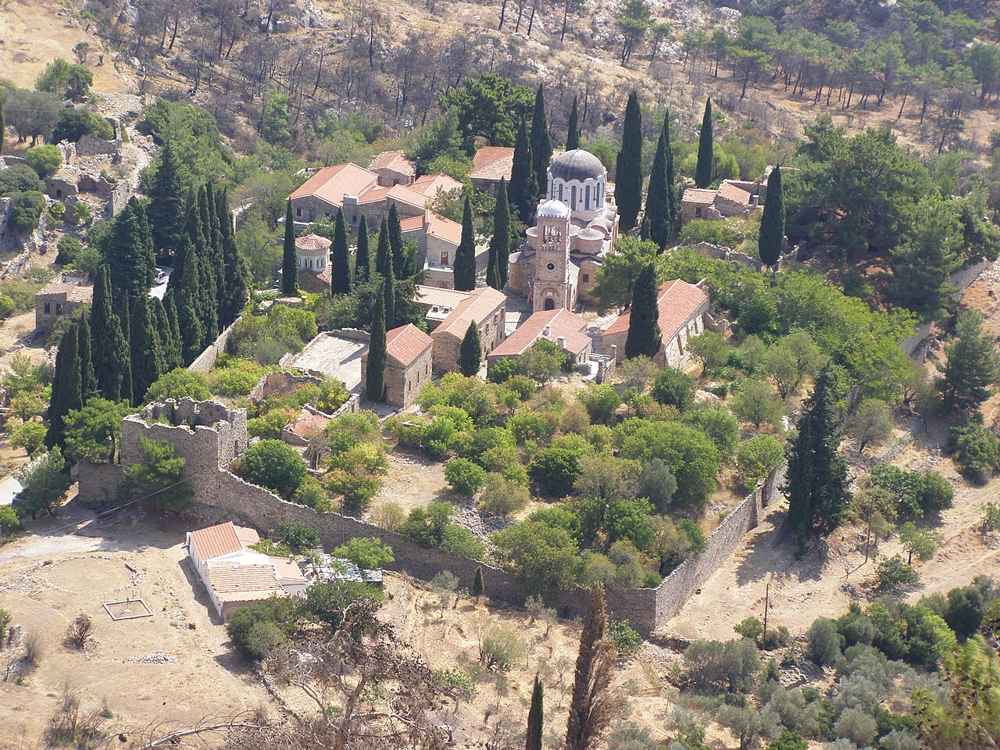
Chios is a large, uncrowded island in the northeastern Aegean, famous worldwide as the only place mastic is produced, and it offers a remarkable range of things to do. Medieval fortified villages, a UNESCO monastery, a castle-crowned old town, black-pebble beaches, mountain hikes and boat trips all sit on one island that mass tourism has never reached. Plan the whole trip with Greece Tours.
This guide covers the best things to do in Chios: the mastic villages, the monasteries and museums, the beaches, the mastic experience, hiking, boat trips and day trips. Read it beside the full Chios travel guide and the deeper guide to the mastic villages of Chios.
What are the best things to do in Chios?
The best things to do in Chios are exploring the medieval mastic villages of Pyrgi and Mesta, visiting the UNESCO Nea Moni monastery and Chios Castle, swimming at the black-pebble beach of Mavra Volia, learning about mastic at the museum.
Chios rewards a varied, unhurried visit, and its attractions blend the cultural and the natural in a way few Greek islands match. Its single most distinctive draw is the Mastichochoria, the medieval mastic villages of the south, above all Pyrgi with its patterned facades and fortified Mesta. Which feel like living open-air museums of a unique way of life built around the island’s famous resin.
Beyond the villages, the island holds the UNESCO-listed Nea Moni monastery with its exquisite Byzantine mosaics. The medieval Chios Castle and museums of the main town, the haunting ghost village of Anavatos. The grand mansions and citrus groves of the Kampos plain. Together they give Chios a cultural depth that repays days of exploring, far removed from the beaches-and-nightlife formula of the busier islands.
For nature and the sea, the dramatic black volcanic pebbles of Mavra Volia beach, the sandy bays of Komi and Karfas. Hikes in the mountainous north and boat trips to hidden coves are the highlights, while no visit is complete without tasting mastic in all its forms. The sections below take each of the island’s best things to do in turn, so you can build a day or a week around what appeals most.
Why you explore the mastic villages of Chios?
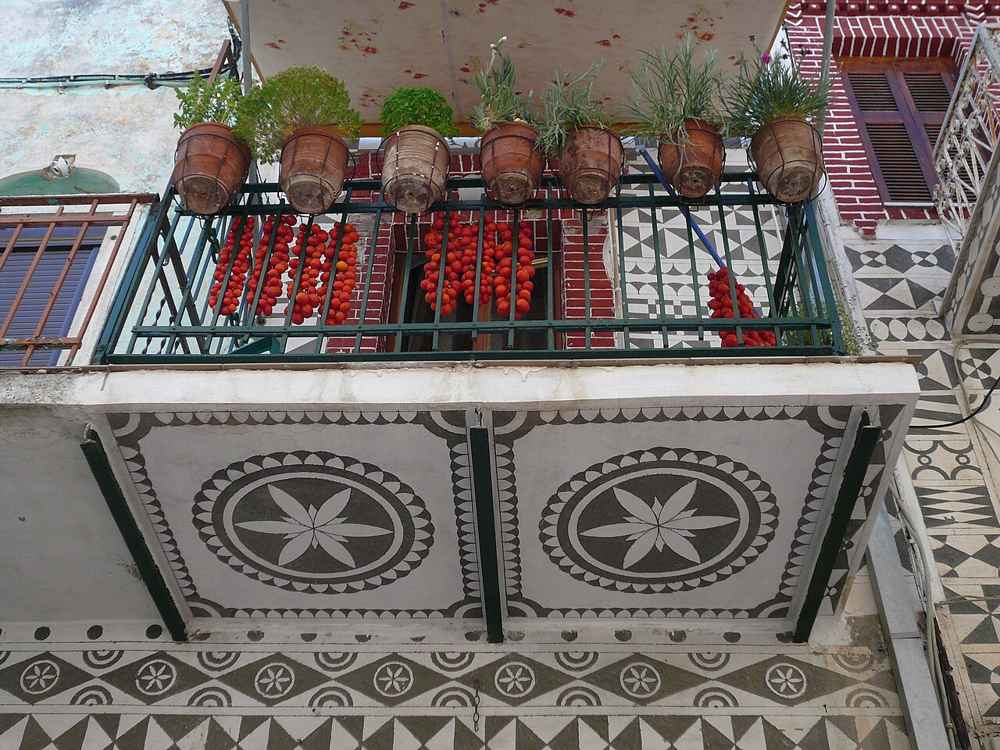
You explore the mastic villages because they are Chios’s greatest treasure: medieval fortified settlements built to guard the island’s unique mastic crop, with Pyrgi’s black-and-white xysta patterns and Mesta’s defensive maze of stone alleys making them among the most.
The Mastichochoria, or mastic villages, of southern Chios are the island’s cultural heart and the thing that sets it apart from anywhere else in Greece. Built mainly under Genoese rule between the 14th and 16th centuries as fortified, maze-like settlements, they were designed to protect the precious mastic crop and their inhabitants from pirates. With tightly packed houses, outer defensive walls, towers and confusing lanes that still survive today.
Pyrgi is the most famous, its houses covered in xysta, intricate black-and-white geometric patterns scratched into the plaster. That the whole village resembles a work of decorative art, while Mesta, some 35 kilometres southwest of Chios Town, is the best-preserved of all, a compact medieval maze of stone alleys, archways and hidden courtyards. Quieter Olympi and the other villages complete the picture of this remarkable region.
Wandering these living medieval villages, pausing at a kafeneio. Admiring the architecture and buying mastic from local workshops is one of the most memorable experiences on the island. the single best thing to do in Chios. They are covered in full in the dedicated guide to the mastic villages of Chios, which sets out each village and how to visit.
What is the Nea Moni monastery in Chios?
Nea Moni is an 11th-century monastery in the mountains of central Chios, inscribed on the UNESCO World Heritage list for its exceptional Byzantine mosaics, among the finest of their age in Greece.
Nea Moni, meaning the New Monastery, is the cultural jewel of Chios and one of the most important Byzantine monuments in Greece. Founded in the 11th century under the emperor Constantine IX Monomachos, it was built to house a miraculous icon and was richly endowed with imperial funds. Resulting in a katholikon decorated with gold-ground mosaics of extraordinary quality that earned the monastery its UNESCO World Heritage listing.
The mosaics, depicting scenes from the life of Christ against shimmering gold backgrounds, are the highlight of a visit. Considered among the masterpieces of middle Byzantine art. The atmospheric complex also includes a chapel, a cistern and a poignant ossuary recalling the massacre of 1822. The setting, high in the pine-clad mountains of the island’s centre, adds to the sense of peace and grandeur.
Nea Moni lies about twenty to thirty minutes’ drive inland from Chios Town. It deserves an unhurried visit of an hour or more to take in the mosaics and the setting. As a working religious site, modest dress is required. It pairs well with a trip to the nearby ghost village of Anavatos and the restored hilltop village of Avgonyma, making a rewarding half-day into the island’s beautiful mountainous interior, well away from the coast and the crowds.
What is there to see in Chios Town (Chora)?
In Chios Town you can see the medieval Castle (Kastro) with its old quarter, mosque and baths, the busy waterfront of cafes and tavernas, the maritime, archaeological and Byzantine museums, the old market, and, just to the south, the mansions.
Chios Town, known locally as Chora, is the island’s lively capital and port, an authentic working Greek town rather than a resort, and it holds plenty to explore on foot. Its centrepiece is the medieval Castle, or Kastro, a walled quarter layering Byzantine and Genoese history, within which narrow lanes. Old houses, small museums and a restored 19th-century mosque and Ottoman baths recall the town’s long and layered past.
Around the castle, the busy waterfront lined with cafes, ouzeries and tavernas is the heart of town life, while the well-regarded maritime museum celebrates the island’s proud shipping heritage and the archaeological and Byzantine collections deepen the picture of Chios through the ages. The atmospheric old market and the streets of the town centre reward a wander, with everyday island life going on all around.
Just south of the town spreads Kampos, a unique plain of walled estates where wealthy families built grand ochre-stone mansions among fragrant orange and lemon groves watered by old waterwheels. Cycling or strolling its quiet lanes, past high estate walls and elegant gateways, is one of the most atmospheric things to do near the capital, as the wider Chios travel guide describes.
What is Anavatos, the ghost village of Chios?
Anavatos is a dramatic, largely abandoned medieval village in central Chios, its grey stone houses stacked up a steep cliff like a natural fortress.
Perched on a sheer rocky outcrop in the mountainous centre of the island, Anavatos is one of the most striking and moving sights in Chios. Its grey stone houses rise in tight tiers up the cliff face, blending so completely with the rock that from a distance the village seems part of the mountain itself. A natural fortress that once sheltered its people and earned it the evocative nickname of the Mystras of the Aegean.
Anavatos was largely abandoned after the Chios massacre of 1822, during the Greek War of Independence, when the island suffered terribly. Its silent, roofless houses and empty lanes now stand as a poignant memorial to that history. Climbing through the deserted village to the top rewards the effort with a powerful sense of the past and with sweeping views over the surrounding hills and valleys.
The village lies close to the monastery of Nea Moni in the island’s interior. The two are naturally combined into one rewarding half-day trip from Chios Town. Ideally by hire car, with a stop for lunch at a taverna in scenic Avgonyma along the way. Sturdy shoes are useful for the steep, uneven climb, and the atmospheric ruins are especially evocative in the soft light of early morning or late afternoon.
Which beaches you visit in Chios?
The best beaches in Chios are the dramatic black volcanic pebbles of Mavra Volia near Emporios, the long sandy bay of Komi with its tavernas and watersports, family-friendly Karfas near the main town, and quieter coves such as Vroulidia and.
For a large island, Chios has a notable variety of beaches, most of them uncrowded even in high summer. The most striking is Mavra Volia, near the village of Emporios in the south, a beach of smooth black volcanic pebbles set against deep blue-green water and a rugged backdrop. A cinematic, otherworldly scene formed by ancient volcanic activity and quite unlike the golden sands of other Greek islands.
For sand, Komi on the southeast coast is a long, organised beach with tavernas and water sports, ideal for families and reliable sun, while Karfas. Close to Chios Town, offers convenience, shallow water and lively summer beach bars, making it the easiest beach to reach from the capital. Both are well served with sunbeds and facilities and popular with visitors and locals alike.
Beyond these, the island rewards exploration: quiet southern coves such as Vroulidia and Agia Fotia. The pebbly bays of the west coast. Greener northern beaches like Nagos and Giosonas offer clear water and solitude for those willing to drive a little. A hire car opens up the finest, most secluded shores. Touring the coast in search of a private cove is a fine thing to do on a Chios beach day.
What can you learn about mastic in Chios?
In Chios you can learn all about mastic, the island’s unique resin, at the excellent Chios Mastic Museum in the south, on tours of the mastic villages and groves, and by tasting mastiha in ice cream, sweets, liqueur and more.
Mastic, the fragrant resin drawn from the lentisk trees of southern Chios, is the island’s defining product and a fascinating thing to explore. Thanks to a unique combination of soil and microclimate it is cultivated commercially nowhere else in the world. A natural monopoly recognised on the UNESCO list of intangible cultural heritage. Understanding it is central to understanding Chios itself.
The best place to start is the modern and highly regarded Chios Mastic Museum in the south of the island, close to the mastic villages,. Which explains the cultivation, harvesting and history of mastic through excellent displays and often live demonstrations, set amid the mastic groves themselves. Many village workshops also offer demonstrations, and seeing how the resin is scored from the bark and gathered as translucent “tears” brings the tradition to life.
Best of all, you can taste mastic everywhere: as a chewable natural gum, in ice cream, cookies. Breads and the “submarine” spoon sweet. In the distinctive mastiha liqueur, as well as finding it in cosmetics and traditional medicines. Buying mastic products directly from the village producers makes the most authentic souvenir and supports the families who keep this unique tradition alive. Few experiences capture the character of the island as completely as tasting mastic where it grows, so make time for it on any visit to Chios.
What boat trips and sailing can you do in Chios?
In Chios you can take boat trips and sailing excursions to hidden coves and beaches reachable only by sea, snorkel in clear bays, and cross to the offshore islets of Oinousses and Psara.
With its long, indented coastline and clear water, Chios is a rewarding island to experience from the sea. A boat trip is one of the finest things to do here. Group day cruises and private charters set out from the harbours to reach hidden coves and beaches that no road serves. With stops for swimming and snorkelling in transparent bays and a chance to see the island’s rugged geology, including the striking volcanic coast near Mavra Volia, from the water, which is a very different perspective.
For a special occasion, a private sunset cruise offers a romantic turn along the coast as the light softens. With local skippers who know the best anchorages for a final swim and a sundown drink. Half-day sails and full-day trips cater to different tastes. The calm. Clear water makes any time on the sea a pleasure, especially in the warm months from late spring to early autumn.
Boat trips also reach the island’s own small satellites, tranquil Oinousses to the northeast and remote, historic Psara to the northwest, both offering quiet beaches and a real away-from-it-all feel. Whether a lazy cruise, an active snorkelling trip or an islet excursion, getting out on the water adds a memorable dimension to a Chios stay.
What are the best hikes and walks in Chios?
The best hikes in Chios follow old trails through the mountainous north around Anavatos and the northern capes, coastal paths with sea views, and walks between the mastic villages of the south.
Chios is a large, mountainous island, and its varied landscape makes it excellent for walking. The north, dominated by Mount Pelinaio, the island’s highest peak, offers the most dramatic hiking, with old trails winding through the mountains. Past the ruins of Anavatos and along the northern capes to reward walkers with sweeping panoramas, wildflowers in spring and genuine solitude far from any crowds.
The south and centre offer gentler walking, including paths between and around the mastic villages. Through the mastic groves and citrus estates. Along stretches of the coast, so there is something for every level of walker. Old cobbled paths and monopatia link villages, and following them on foot is a fine way to experience the island’s landscape and history at close range.
For the best conditions, walk in spring, from April to June, when the hills are green and flowery, or in autumn. Avoiding the summer heat. Always carry water, sun protection and sturdy shoes, as shade can be scarce and trails rough. Local guides can tailor routes to your fitness and interests, and combining a morning hike with an afternoon swim makes a perfect active day on Chios.
What villages you explore beyond the mastic villages?
Beyond the mastic villages, explore the ghost village of Anavatos, the mountain villages of Avgonyma and Vrontados near the centre, and the northern coastal villages of Kardamyla and Volissos, birthplace by legend of Homer, each offering traditional architecture, tavernas and.
The mastic villages of the south are the most famous, but Chios has many other rewarding settlements to discover. In the island’s centre, near Nea Moni, the beautifully restored stone village of Avgonyma sits on a hilltop with fine views and good tavernas, while the dramatic ghost village of Anavatos clings to its cliff nearby, together making a scenic inland circuit.
The north of the island holds a string of appealing villages, including Vrontados, just north of Chios Town and, by legend. Associated with the poet Homer through the rocky seat known as the Daskalopetra or Teacher’s Rock. The twin coastal villages of Kardamyla, a traditional shipping community set around a bay with beaches nearby. These give the north a relaxed, authentic character.
In the northwest, the hilltop village of Volissos, crowned by a Byzantine-Genoese castle and claimed by tradition as another birthplace of Homer. Presides over quiet beaches and a beautiful, remote stretch of coast. Touring these villages by hire car, pausing for a coffee or a meal, reveals a gentler. Less-visited side of Chios well worth the drive, as the wider Chios travel guide describes.
What museums and cultural sites can you visit in Chios?
In Chios you can visit the Maritime Museum celebrating the island’s shipping heritage, the Archaeological and Byzantine museums, the Korais Library and Argenti folklore museum, the Mastic Museum in the south, and cultural sites like Chios Castle, Nea Moni and.
For an island off the main tourist track, Chios has an impressive array of museums and cultural sites reflecting its rich and varied history. In the main town, the Maritime Museum tells the story of the island’s celebrated shipowning and seafaring tradition, while the Archaeological Museum displays finds from antiquity and the Byzantine Museum, housed in a former mosque, preserves religious art and relics from across the ages.
The Korais Library, one of the oldest and largest in Greece, together with the associated Argenti folklore museum, holds books. Manuscripts and traditional costumes that illuminate the island’s intellectual and everyday life, a reflection of the prosperity and learning of Chios in past centuries. In the south, the modern Chios Mastic Museum interprets the island’s unique resin and the craft of its cultivation.
Beyond the museums, the island’s cultural sites are things to do in themselves. From the medieval Chios Castle and the UNESCO mosaics of Nea Moni to the Daskalopetra near Vrontados, the rocky seat where tradition says Homer taught his pupils. Together they let visitors trace the long story of Chios, from Homer and antiquity through Byzantium and the Genoese to its modern maritime heyday.
What food and culinary experiences you try in Chios?
In Chios you try mastic in all its forms, the slow-cooked mastelo lamb of the south, Chios sausage and cured meats, fresh grilled seafood, and citrus and pies made with local produce.
Food is one of the great pleasures of a visit to Chios, and its cooking is distinctive and deeply local. The island’s defining flavour is mastic, which appears in ice cream, sweets, breads and the mastiha liqueur, while the signature savoury dish of the south is mastelo, a lamb or goat slow-cooked with wine and herbs, traditionally around Easter. Chios sausage and cured meats, spiced and aromatic, are prized across Greece.
The island’s terroir also gives fresh grilled fish, octopus and calamari from its waters. Traditional pies such as spanakopita and kreatopita made with local olive oil. The sweet oranges and lemons of the Kampos groves, along with local cheeses and honey. Eating seasonally at the small, family-run tavernas of Chora and the villages, where recipes are passed down through generations, is the best way to taste the real Chios.
For a deeper experience, join a food tour or a cooking session led by locals, usually with market stops and hands-on cooking. Or time a visit for one of the island’s food festivals and mastic-themed events. Wandering the markets of Chios Town for cheese, olives and mastic products, and visiting a local winery for a tasting, round out the island’s rich culinary offering.
Can you snorkel, dive and do watersports in Chios?
Yes.
The clear, clean water around Chios makes it a fine island for getting beneath the surface. Snorkelling is a pleasure straight off the rocky headlands and quiet coves that ring the coast. Where you can drift over rocks and fish with no more than a mask and fins. The clearest spots are often reached by boat, so combining a coastal boat trip with snorkelling stops opens up the best of the island’s underwater world.
For divers, a handful of local operators run guided dives in season to small reefs, walls and wreck sites. Suitable for certified divers and beginners alike, exploring the marine life of these deep, clear Aegean waters. It is worth checking seasonal availability in advance, as dive operations are smaller here than on the busier tourist islands, in keeping with the island’s low-key character.
At the organised beaches, especially Komi and Karfas, watersports such as kayaking, paddleboarding, pedalos and windsurfing are available in summer. Offering an active way to enjoy the sheltered bays, while the exposed coasts catch the wind for keener windsurfers. Together with swimming and boat trips, these add an outdoor, active dimension to a Chios holiday for those who want more than sightseeing.
When is the best time to visit Chios for things to do?
The best time to visit Chios is late spring and early autumn, from late April to June and September to October, when the weather is warm, the sea swimmable and crowds thin, ideal for sightseeing, the villages, hiking and beaches.
The timing of a visit shapes what you can do on Chios. The shoulder months of late spring and early autumn are the finest all-round time, combining warm. Pleasant weather with a swimmable sea and far fewer visitors than the peak. The mastic villages, the monastery, the beaches and the trails can all be enjoyed at an unhurried pace. Spring in particular brings wildflowers, flowering mastic trees and green hills, perfect for walking and photography.
High summer, in July and August, brings hot, dry weather ideal for beach days and boat trips. It is the busiest and most expensive season. Especially in August when Greeks holiday, so book accommodation and car hire well ahead. The heat can also make midday sightseeing in the exposed villages and on the trails tiring, so an early start and a long afternoon rest suit the season.
Autumn, from September into October, keeps warm seas and mellow light with quieter beaches and villages, excellent for both swimming and exploring, while winter, from November to March, is mild but rainy with services reduced, suiting only those seeking a quiet, authentic local experience. Whenever you come, the island’s festivals add a memorable dimension, as the section below describes.
What festivals and events can you experience in Chios?
In Chios you can experience the spectacular Rocket War (Rouketopolemos) at Vrontados on Orthodox Easter Saturday, when two parishes fire thousands of homemade rockets at each other’s churches, along with the summer mastic festivals, lively village panigiria, and moving Holy.
Chios has a rich calendar of festivals. Its most famous is like nothing else in Greece: the Rocket War. Or Rouketopolemos, held at Vrontados near Chios Town on the night of Orthodox Easter Saturday. Two rival parish churches, Agios Markos and Panagia Erithiani, fire tens of thousands of homemade rockets at each other’s bell towers across the valley as the midnight resurrection service unfolds. In a spectacular, thunderous tradition that draws visitors from around the world.
The whole of Holy Week and Easter is observed across Chios with great solemnity and beauty, from candlelit processions to midnight services. Making it one of the most atmospheric times to visit the island, especially in the mastic villages and Chios Town. Later in the year, mastic-themed festivals and events celebrate the island’s unique product with food, music and workshops, giving a lively introduction to local culture.
Through the summer, village saint’s-day festivals, or panigiria, take place at churches across the island, with live music. Dancing and communal tables of food that warmly welcome visitors, offering a genuine taste of island life. Timing a visit to coincide with the Rocket War, a panigiri or a mastic festival adds an unforgettable experience to the things to do on Chios, though accommodation books up fast around Easter.
What can families and children do in Chios?
Families in Chios can swim at the shallow, sandy beaches of Karfas and Komi, learn about mastic at the interactive Mastic Museum, explore the maze-like alleys and ghost village for a sense of adventure, take a gentle boat trip, and.
Chios is a safe, gentle and welcoming island for families, without the crowds, traffic or frenetic nightlife of the bigger resorts, and children take quickly to its relaxed rhythm. The sheltered, shallow, sandy beaches of Karfas and Komi are ideal for young swimmers. With tavernas and watersports close at hand. The calm, clear water makes for easy, safe days by the sea in the warm months.
The island’s sights also appeal to children in their own way: the modern Chios Mastic Museum is interactive and engaging for all ages. The maze of alleys in Mesta and the patterned houses of Pyrgi turn a village visit into a small adventure. The dramatic cliff-top ghost village of Anavatos captures young imaginations. A gentle boat trip to a hidden cove, with swimming stops, is usually a family highlight.
Greek tavernas are famously child-friendly, and mealtimes on Chios are relaxed and unhurried, with simple grilled dishes easy to find alongside the local specialities. Short distances between the main sights and beaches, a slow pace and the island’s safety all make Chios an easy. Low-stress destination for a family holiday, especially in the calmer, warm months of June and September.
What are the best viewpoints and photo spots in Chios?
The best viewpoints and photo spots in Chios are the cliff-top ghost village of Anavatos, the patterned facades of Pyrgi, the summit and castle of Volissos, the black pebbles of Mavra Volia, the Daskalopetra rock at sunset, and the heights.
Chios is a wonderfully photogenic island, and its varied landscape offers a wealth of viewpoints and photo spots. The most dramatic is Anavatos, whose grey stone houses stacked up a sheer cliff make an unforgettable image. Especially in the soft light of early morning or late afternoon, with sweeping views over the surrounding hills from the top of the deserted village.
In the mastic villages, Pyrgi is a photographer’s dream, its black-and-white xysta patterns massed across the facades creating striking images at every turn, while the fortified maze of Mesta rewards patient exploration for atmospheric shots of arches and stone alleys. The black volcanic pebbles and blue-green water of Mavra Volia beach, and the citrus estates and mansions of Kampos, offer further distinctive scenes.
For wide panoramas, the hilltop village and Byzantine-Genoese castle of Volissos in the northwest and the heights of Mount Pelinaio, the island’s highest peak. Command sweeping views over the coast and sea, while the Daskalopetra rock near Vrontados, linked by legend to Homer, makes a memorable spot to watch the sunset. Touring these viewpoints by hire car is a rewarding thing to do for anyone with a camera.
What can you buy and shop for in Chios?
In Chios you can buy mastic products above all, from the pure resin and mastiha liqueur to sweets, cosmetics and toothpaste, along with the traditional pottery of Armolia, local honey, cheese, citrus preserves and olive oil, mostly from village workshops.
Shopping in Chios centres on its unique local products, and the most characteristic of all is mastic. You can buy the pure resin as a natural gum, along with mastiha liqueur, sweets, ice cream, cosmetics, soaps and even toothpaste made with the resin. Best purchased directly from the workshops of the mastic villages or the dedicated mastic shops in Chios Town, where your money supports the island’s producers.
The village of Armolia, on the road to the mastic villages, is the island’s traditional pottery centre. Its roadside workshops selling handmade ceramics in bright colours and traditional designs, a lovely and practical souvenir. Elsewhere, look out for local honey, cheeses, citrus preserves and spoon sweets. The sweet products of the Kampos groves. Olive oil, all of which travel well and capture the flavours of the island.
The shops, markets and workshops of Chios Town and the villages are the places to find these products. Often with a friendly explanation of what you are buying. Browsing them is a pleasure in itself. Buying directly from the makers and family businesses, rather than mass-produced souvenirs, keeps the island’s traditions of mastic cultivation, pottery and food production alive.
What can you do in the Kampos plain of Chios?
In the Kampos plain, just south of Chios Town, you can wander or cycle the quiet lanes between high-walled citrus estates, admire the grand ochre-stone mansions and old waterwheels, visit gardens and house-museums, and stay in a restored estate, experiencing.
Kampos is a unique and atmospheric area just south of Chios Town, a fertile plain where, from the Genoese era onward. The island’s wealthy merchant and shipowning families built grand country estates among fragrant orange and lemon groves. Enclosed behind high walls of ochre-coloured stone, with elegant gateways, arcaded mansions. Gardens and old waterwheels that once irrigated the orchards, it feels like a world apart from the bustle of the nearby town.
The best way to experience Kampos is to wander or cycle its quiet, walled lanes, catching glimpses through gateways of the mansions and citrus gardens within. To visit those estates that open to the public as gardens. House-museums or guesthouses, which reveal the elegant, prosperous life of the island’s elite in past centuries. The scent of citrus blossom in spring makes a visit especially memorable.
Staying in a restored Kampos mansion, several of which are now atmospheric guesthouses. Lets you sleep within this historic landscape, waking among the orange groves a short drive from the town and the coast. Whether visited for an hour’s stroll or as a base for the stay. The citrus estates of Kampos are one of the most distinctive and rewarding things to do near the capital of Chios.
How do you get around Chios to see the attractions?
To see Chios’s scattered attractions, a hire car or scooter is by far the best way, giving freedom to reach the mastic villages, Nea Moni, Anavatos, the northern villages and remote beaches.
Chios is a large island, roughly 842 square kilometres. Its highlights are spread widely across the south. The mountainous centre and the north, so getting around is central to planning what you do. A hire car or scooter is close to essential for seeing the island properly, letting you reach the mastic villages of the south. The monastery of Nea Moni and the ghost village of Anavatos in the centre. The villages and beaches of the north at your own pace.
Public buses run from Chios Town to the major beaches, the main mastic villages and some other points. Reliably but with limited frequency. They suit visitors happy to plan around the timetable and focus on the busier destinations. Taxis are available for shorter trips and can be shared for day excursions, though they become costly over the island’s longer distances. They work best as a supplement to the bus or for reaching a specific sight.
For the coast and the offshore islets, boat trips and small ferries add another way to get around, reaching hidden beaches and the satellite islands of Oinousses and Psara. Renting wheels for even part of the stay transforms what you can see. Combining a car for the far-flung sights with buses. Taxis and boats the rest of the time is often the ideal approach, as the full Chios travel guide explains.
What is evening life and nightlife like in Chios?
Evening life in Chios is relaxed and authentic rather than a party scene: the waterfront of Chios Town comes alive with cafes, ouzeries, tavernas and low-key bars, the villages hold quiet tavernas and summer festivals, and the pleasures are long.
Chios is not an island for pulsing nightlife, and that is part of its appeal; its evenings are sociable, relaxed and genuinely local. The heart of the after-dark scene is the waterfront of Chios Town, where cafes, ouzeries, tavernas and a scattering of bars and cafe-bars fill with locals and visitors. Especially at weekends, for a drink, a meze and conversation as the harbour lights come on.
Away from the capital, the resort area of Karfas has some lively beach bars in high summer, while the villages offer quieter evenings of tavernas. Kafeneia and the occasional live traditional music, in keeping with the island’s low-key character. The real evening pleasures of Chios are a long, unhurried dinner of fresh fish or mastelo lamb. A stroll along the harbour or through a floodlit village. A nightcap in an atmospheric old-town bar.
In summer, the island’s calendar of village panigiria, with their music, dancing and food, provides the liveliest and most authentic nights out. Warmly welcoming visitors, while the great spectacle of the Rocket War at Easter is an evening event like no other. For a lively, genuine evening rather than clubs, the waterfront of Chora and a village festival are the places to be on Chios. Where the pleasure lies in good food, easy company and the warm, unhurried rhythm of island life after dark.
What day trips can you take from Chios?
From Chios you can day-trip by boat to its own islets of Oinousses and Psara, hop by seasonal ferry to the eastern Aegean islands of Lesvos, Samos or Ikaria, and cross in under an hour to Çeşme in Turkey, just.
Chios is well placed for rewarding day trips, starting with its own small satellite islands. Oinousses, a tiny, prosperous shipowning island to the northeast, offers quiet beaches, a maritime museum and a peaceful atmosphere, while Psara to the northwest is a remote. Wind-swept island famous for its heroic role in the Greek War of Independence, both reachable by small ferry for a real away-from-it-all day.
For wider island hopping, seasonal ferries link Chios with its larger northeastern Aegean neighbours, above all Lesvos to the north with its own rich culture and landscapes, and Samos and Ikaria to the south, so Chios fits naturally into an eastern Aegean route for those with time to explore beyond a single island.
Most unusually, Chios also offers an easy day trip abroad: the Turkish resort town of Çeşme lies just seven kilometres across the water. Reached by a seasonal boat crossing of only thirty to forty-five minutes, letting you add a taste of the Turkish coast, its bazaars and its cuisine to a Greek island holiday. Between its islets, its neighbours and Turkey, Chios is a genuinely versatile base for day trips. Whether you want the solitude of a tiny Greek islet, the culture of a larger neighbour or the novelty of stepping onto the Turkish coast for the day. The choice on offer from Chios is unusually rich for a single island.
A good reason to build a spare day or two into a longer stay.
Frequently Asked Questions
What are the top things to do in Chios?
The top things to do in Chios are exploring the medieval mastic villages of the south. Above all Pyrgi with its black-and-white xysta patterns and fortified Mesta. Visiting the UNESCO-listed Nea Moni monastery with its exceptional Byzantine mosaics. In and around the main town, see the medieval Chios Castle, the maritime and archaeological museums. The mansions and citrus groves of Kampos, while the haunting cliff-top ghost village of Anavatos is unforgettable. For nature, swim at the dramatic black-pebble beach of Mavra Volia, learn about mastic at the museum. Hike the mountainous north. Take a boat trip to hidden coves or the offshore islets of Oinousses and Psara.
How days do you need in Chios?
You need at least three to four days to see the best of Chios, as it is a large island with its highlights spread across the south, centre and north. A weekend of two days covers Chios Town, the castle and one or two highlights such as Pyrgi or a beach. Four days let you add a full day in the mastic villages, a beach day. A visit to Nea Moni and Anavatos. Time to taste mastic, giving a rounded sense of the island. A week allows hiking in the north, boat trips, museum visits and even a day trip to Oinousses, Psara or across to Turkey, at the slow pace the island deserves.
Given the long journey to reach Chios, a longer stay is well worth it, letting you balance the cultural sights with beach days. Village life and the island’s famous food without rushing from place to place.
Is Chios worth visiting?
Yes, Chios is well worth visiting, especially for travellers who want an authentic, uncrowded Greek island with a genuinely unique heritage rather than beaches and nightlife. Its medieval mastic villages, found nowhere else in Greece, the UNESCO mosaics of Nea Moni, the castle and museums of Chios Town. The ghost village of Anavatos and the dramatic black-pebble beach of Mavra Volia give it exceptional depth, while its status as the world’s only source of mastic makes it truly one of a kind. History lovers, foodies, photographers, hikers and slow travellers all find Chios richly rewarding, and its low-key, lived-in character is precisely its charm. Add the spectacle of the Easter Rocket War.
The world’s only mastic groves and an easy day trip across to Turkey. Chios offers experiences that simply cannot be had anywhere else in Greece.
What is the best beach in Chios?
The most famous and distinctive beach in Chios is Mavra Volia, near the village of Emporios in the south. A dramatic beach of smooth black volcanic pebbles set against deep blue-green water, formed by ancient volcanic activity and quite unlike any sandy beach. For sand and facilities, Komi on the southeast coast is a long, organised beach with tavernas and watersports. Ideal for families, while Karfas near the main town is the most convenient, with shallow water and beach bars. Quieter southern coves such as Vroulidia and Agia Fotia. Greener northern beaches like Nagos. Reward those with a hire car willing to seek out clear water and solitude, and many stay blissfully uncrowded even in August.
You can usually find a sheltered, calm shore whatever the wind. Touring the coast to find your own favourite is part of the pleasure of a Chios beach day.