
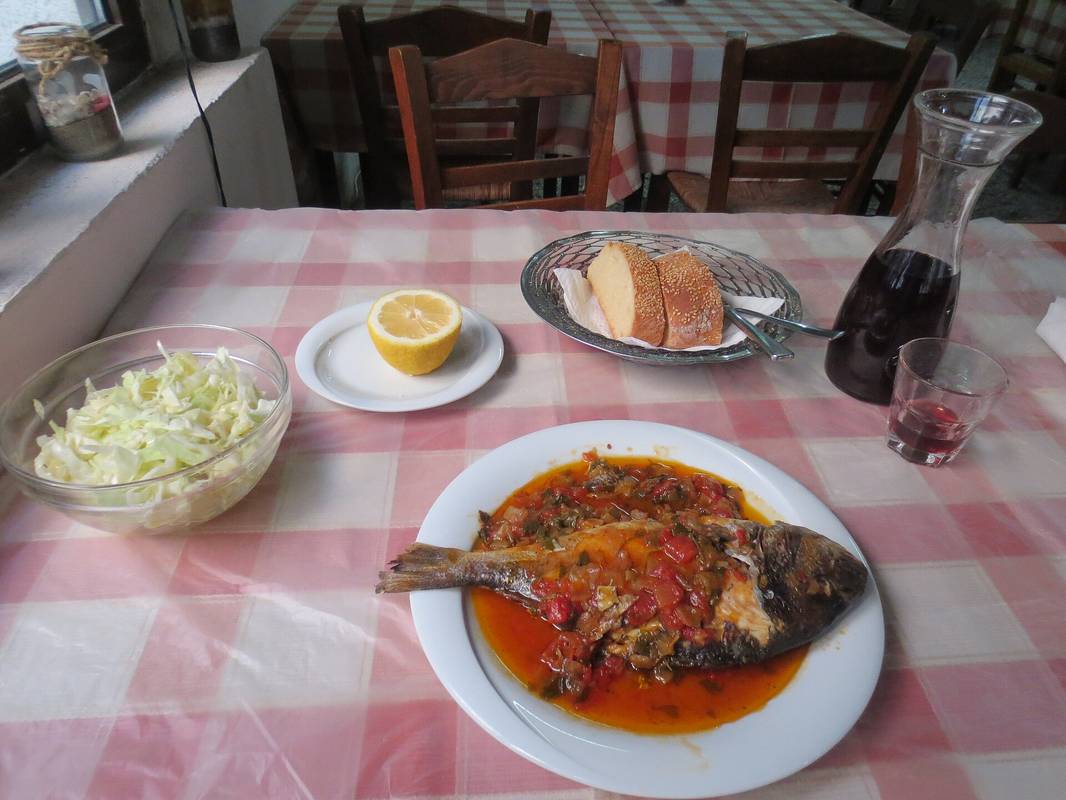
Naxos rewards hungry travellers with a dining scene grounded in its own farms, herds, and fishing boats. The island grows famous potatoes, ages sharp graviera cheese, and slow-cooks meat over wood fires in stone-walled village kitchens. Harbourfront tables in the main port sit a short walk from old-town courtyards draped in bougainvillea. Seafront tavernas near the southern beaches serve fish landed that morning. Mountain villages plate hearty dishes at prices that stay honest. This guide maps the best places to eat by area, the dishes worth ordering, and the booking habits that secure a good table. Plan the whole trip with My Greece Tours.
Naxos spreads its food across distinct zones, and each area carries its own character. Our Naxos travel guide frames the wider itinerary, while this article zooms into the tables themselves. The sections below cover the harbour and old-town tavernas, the seafront fish tavernas at Agia Anna and Agios Prokopios, the mountain kitchens of Halki, Filoti, and Apeiranthos, the choice between fine dining and traditional psistaria, and the practical tips on dishes, booking, prices, and family-friendly seating that make each meal land well.
Where do you find the best tavernas in Naxos Town?
Naxos Town splits its dining between the busy harbour promenade and the quiet lanes of the old town. Harbour tables suit sunset seafood, while Kastro courtyards reward those seeking traditional cooked dishes and calm.
The harbour promenade lines the waterfront with mezedopoleia and full tavernas facing the ferry channel. Tables here catch the sunset behind the Portara gateway, so early-evening seats fill fast. Menus lean toward grilled octopus, marinated small fish, and chilled local white wine. Prices sit slightly above the village average because the view carries a premium. Walk two streets inland and the tone changes. The old town, the historic Kastro quarter, hides courtyard tavernas under vine canopies and stone archways. These kitchens plate slow-cooked goat, stuffed vegetables, and the island’s prized potatoes. Reserve a courtyard table on summer nights, since locals and returning visitors book them early.
For orientation across the port’s lanes and squares, read our dedicated guide to Naxos Town before you set out to eat.
Order by intent rather than habit in the main town. Waterfront spots excel at fresh fish sold by the kilo, so ask the price before the kitchen weighs your choice. Old-town kitchens shine with oven dishes: lamb kleftiko, chickpea stews, and gratins built on Naxian potatoes. Pair the meal with a bottle from the island’s small producers, and consider a separate afternoon for structured wine tasting in Naxos to understand what fills your glass. Cheese boards headline graviera, the hard, nutty staple aged in mountain dairies. Mezze platters let a table sample widely without overordering. Service runs relaxed and late, with kitchens open well past nine.
Tip modestly and greet staff warmly, and the second visit earns a better table.
What makes the Agia Anna and Agios Prokopios fish tavernas special?
The southwest beach strip fronts long sandy bays with tavernas built for fresh fish and sunset dining. Boats land the catch nearby, so seafood arrives hours old and priced by weight at the table.
Agios Prokopios and Agia Anna sit side by side along the island’s most popular beaches. Tavernas here place tables on wooden decks and sand, meters from the water. The draw is uncomplicated: whole fish grilled over coals, sea urchin and shrimp in season, and salads dressed with local oil. Fishermen supply many of these kitchens directly, so the daily board changes with the weather and the boats. Ask to see the fish before it cooks, and confirm the per-kilo rate, since large fish add up quickly. The sunset here ranks among the island’s finest, painting the bay orange as plates arrive.
These seafront tables also make a natural lunch stop between swims and other things to do in Naxos.
Timing shapes the experience on this strip. Lunch runs casual, with beachgoers wandering in for grilled sardines, fried calamari, and cold beer. Dinner turns romantic as lamps glow and the crowd dresses up a notch. Book a front-row table for peak sunset weeks ahead in high season, because the best decks sell out. Portions favour sharing, so order a whole fish for two alongside a couple of mezze. Vegetarians find grilled vegetables, fava, and tomato fritters on most boards. Prices track the harbour rather than the villages, a fair trade for the setting and the freshness. Families settle in easily, since the open beachfront lets children roam within sight.
Round out the meal with island cheese and a glass of citrus-scented kitron, the local liqueur distilled from citron leaves.
Which mountain villages have the best traditional tavernas?
Halki, Filoti, and Apeiranthos anchor the mountain dining scene. Their tavernas cook slow, meat-forward menus using village produce, and prices stay lower than the coast while the cooking runs deeper in tradition.
The interior villages reward a drive with the island’s most rooted cooking. Halki pairs elegant squares and old mansions with cafes and tavernas that plate local cheese, cured meats, and the citron products distilled nearby. Filoti, the largest mountain village, spreads its tavernas around a plane-shaded square where locals linger over slow lunches. Menus here favour goat in tomato sauce, wild greens, and potatoes roasted in the oven. Apeiranthos, built of marble on the eastern slopes, serves hearty plates in stone tavernas with valley views. These kitchens cook what the surrounding farms and herds produce, so the flavour reflects the land directly. A village lunch turns a sightseeing loop into a full afternoon.
Order the dishes these villages do best. Slow-cooked meat leads: goat, lamb, and pork simmered for hours or roasted with herbs. Graviera appears fried as saganaki or shaved over pasta, and the potatoes earn their fame in every form. Wild greens, pulses, and garden tomatoes fill the vegetable side of the table. Prices run gentle, and portions run generous, so a shared spread feeds a group affordably. Service moves at a village pace, unhurried and personal, often from the family that runs the place. Pair the meal with a carafe of house red and finish with kitron over ice.
To understand the produce behind these plates, our overview of Naxos food and wine explains the cheeses, potatoes, and citron traditions in depth.
Should you choose fine dining or a traditional psistaria in Naxos?
Both belong on a Naxos itinerary. Fine-dining rooms refine local ingredients into modern plates, while a traditional psistaria grills meat over coals with rustic honesty. Alternate between them across a stay.
Naxos runs a small but growing fine-dining tier, mostly in and around the main town. These kitchens treat the island’s larder with a lighter, modern hand: graviera folded into refined starters, fish plated with clean sauces, and tasting menus that pace several courses. Rooms feel intimate, wine lists dig into Greek estates, and reservations matter. The psistaria sits at the other pole, and it defines everyday Naxian eating. This grill house cooks meat over charcoal, sending out chops, sausages, and gyros with bread, chips, and salad. The pricing rewards appetite, and the atmosphere runs loud and warm. Choose the fine-dining room for a special evening and the psistaria for a hungry, relaxed night.
Both draw on the same island produce, so quality holds across the spectrum.
Match the choice to the night rather than a fixed rule. A refined dinner suits an anniversary or a final-evening splurge, and it pairs naturally with a curated Greek wine flight. The psistaria answers a big appetite after a beach day, feeding a table generously for modest money. Mid-range tavernas bridge the two, offering cooked-to-order dishes at fair prices with genuine local character. Sample all three tiers across a week and the island’s range reveals itself. Booking habits differ: fine dining needs a table held in advance, while a psistaria usually seats walk-ins even on busy nights. Portion sizes climb as you move from tasting menu to grill house, so plan appetite accordingly.
Every tier leans on the same core larder, which keeps standards high. Plan your visit and tours through our Naxos travel guide.
What dishes should you order and how do you book and budget?
Order Naxian potatoes, graviera cheese, slow-cooked meat, and fresh fish, then finish with kitron. Book seafront and courtyard tables ahead in summer, and confirm per-kilo fish prices before the kitchen weighs your choice.
The island’s signature plates give any meal a clear direction. Naxian potatoes, grown in fertile inland fields, turn up roasted, fried, and layered under meat. Graviera, the hard cheese aged in mountain dairies, arrives fried, grated, or sliced with bread. Slow-cooked goat and lamb reward a longer lunch, while fresh fish defines the coast. Kitron, the citrus liqueur unique to Naxos, closes the meal in green, yellow, or clear grades. Order a spread and share, since Greek tavernas build menus around the table rather than the plate. Vegetarians eat well on fava, stuffed tomatoes, and horta greens. Ask the kitchen what came in fresh that day, and let the answer steer the order rather than the printed menu.
Booking and budgeting keep the experience smooth. Reserve sunset seafront decks and old-town courtyards ahead during July and August, because the best tables vanish first. Fish sold by the kilo needs a quick price check before it hits the scale, which prevents a surprise bill. Village tavernas cost less than the harbour and beach strips, so balance a splurge dinner with a value village lunch. Families find easy welcomes across the island, with high chairs, simple grilled options, and room for children to move. Carry cash for smaller village kitchens, since card machines run patchy in the interior. Tip a euro or two on a good meal, and greet staff in Greek where you can.
Pair the food with a structured tour of the island’s producers to deepen the trip beyond the table. Plan your visit and tours through our Naxos travel guide.
Frequently Asked Questions
When is the best time to eat dinner at Naxos tavernas?
Greek dining runs late, and Naxos follows the rhythm. Locals rarely sit for dinner before nine in summer, and kitchens stay open past midnight in the busy months. Arriving between eight and nine lands you a table before the peak rush and lets you watch the room fill. Seafront tavernas at Agia Anna and Agios Prokopios draw crowds for sunset, so book a front deck for the golden hour weeks ahead in high season. Old-town courtyards in the main port also fill early on warm nights. Lunch offers a quieter, cheaper window, with beach tavernas serving grilled fish and salads through the afternoon. Village kitchens in the mountains keep gentler hours and may pause between lunch and dinner.
Confirm opening times before a long drive inland. Off-season, hours shorten and coastal spots close, so the main town holds the most reliable evening options for a late table.
How much does a taverna meal cost in Naxos?
Prices vary by area rather than by a single island rate. Village tavernas in Halki, Filoti, and Apeiranthos deliver the best value, with a shared spread of cooked dishes, salad, and a carafe of house wine feeding a group affordably. Harbour and beach-strip tavernas run higher, since the sunset views and fresh-fish focus carry a premium. Fresh fish is the main budget variable, sold by the kilo rather than the plate, so ask the price and see the fish before the kitchen weighs it. A large fish for two can rival a fine-dining bill. Fine-dining rooms in the main town sit at the top of the range and reward a special evening.
Grill houses, the traditional psistaria, feed a big appetite for modest money. Carry cash for smaller village kitchens where card machines run patchy. Balancing one splurge against several village lunches keeps the week affordable and varied.
Are Naxos restaurants good for families with children?
Naxos ranks among the most family-friendly Greek islands for dining. Tavernas welcome children warmly, and the relaxed, late-running culture means nobody minds a lively table. Seafront tavernas at Agios Prokopios and Agia Anna suit families best, since the open beachfront lets children play within sight while parents linger over a meal. Menus carry simple, kid-pleasing options across the island: grilled chicken, chips, plain pasta, fried cheese, and mild grilled fish. High chairs appear at most established tavernas, though smaller village kitchens may lack them, so arrive early for the calmer service. Portions favour sharing, which lets a family sample widely without overordering.
Village tavernas in the mountains offer space, shade, and a slower pace that suits younger children after a morning of sightseeing. Staff often make a fuss over kids, bringing extra bread or a small treat. The main town’s harbour promenade also gives families room to stroll between courses at ease.