
Getting from Athens to Crete is easy by overnight ferry from Piraeus to Heraklion or Chania, or by a quick under-one-hour flight. Plan your trip to Greece’s largest island alongside skip-the-line tickets and tours from My Greece Tours for a smooth journey south across the Aegean.
This island-transfer guide is part of the Athens travel guide. The sections below cover the options at a glance, the overnight ferry, the Cretan ports, the cabins and comfort, the flight option, ferry versus flight, and tips.
What are the options from Athens to Crete?
There are two ways from Athens to Crete: by ferry or by plane. The classic option is the overnight ferry from Piraeus to the Cretan ports of Heraklion or Chania, taking around 9 hours, departing about 9pm and arriving around 6am, costing from around €50 in economy to €100 to €180 for a cabin. Flights take just 55 minutes and cost around €60 to €150. The overnight ferry saves a night’s hotel and is scenic, while flying is fastest.
Travelling from Athens to Crete, the largest and southernmost of the Greek islands, is straightforward, with two main options, the ferry and the flight, each with distinct advantages. The classic and most atmospheric way is by ferry, and the standout choice is the overnight ferry, which departs the port of Piraeus in the evening, typically around nine o’clock, and sails through the night to arrive at a Cretan port early the next morning, around six, covering the long crossing of roughly nine hours while you sleep. Ferry fares range from around fifty to sixty-five euros for a basic economy or deck ticket up to around a hundred to a hundred and eighty euros for a private cabin, depending on the category.
The alternative is to fly, with frequent flights from Athens International Airport reaching Crete in just fifty-five minutes for fares of around sixty to a hundred and fifty euros. Each suits different travellers: the overnight ferry cleverly saves the cost of a night’s accommodation and offers a romantic sea voyage, while flying is by far the fastest. Understanding both helps you choose. The overnight ferry is the iconic way to arrive.
What is the overnight ferry like?
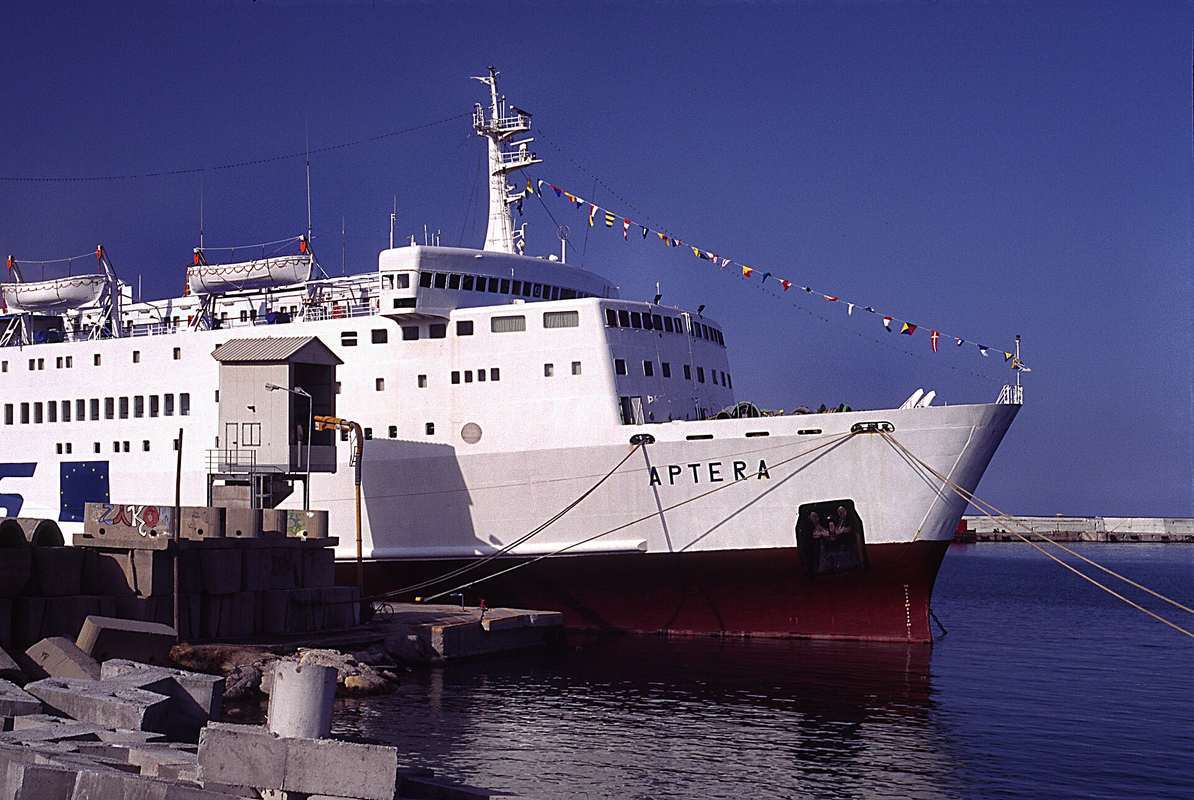
The overnight ferry from Piraeus to Crete is the most popular option, departing around 9pm and arriving around 6am, a crossing of about 9 hours. You sail through the night, ideally in a cabin with a bed, arriving rested and ready to explore, and saving a night’s hotel cost. Large, stable ferries run by lines such as Minoan and ANEK-Blue Star offer cabins, seats, restaurants, bars and shops. It is a comfortable, scenic and economical way to reach the island.
The overnight ferry is the standard and most popular way to travel from Athens to Crete, and for good reason, combining transport, a night’s rest and a memorable sea voyage in one. These large, modern and stable ferries, operated by lines such as Minoan Lines and the ANEK-Blue Star partnership, depart Piraeus in the evening, usually around nine o’clock, and sail steadily through the night across the Aegean to reach Crete in the early morning, around six, a crossing of roughly nine hours. The great appeal of sailing overnight is that you make the long journey while you sleep, arriving refreshed and ready to start your day on the island, and crucially you save the cost of a night’s hotel accommodation, since the ferry doubles as your bed for the night.
The ships are well equipped, offering a range of cabins, reclining seats and deck space, along with restaurants, cafés, bars, shops and lounges to pass the evening pleasantly before retiring. Watching the lights of Piraeus recede and the stars over the dark sea is part of the romance. For comfort, value and atmosphere, the overnight ferry is hard to beat. The ferries serve two main Cretan ports.
Which Cretan ports do the ferries reach?
Ferries from Piraeus arrive at the main Cretan ports of Heraklion, the island’s capital and gateway to Knossos and central Crete, and Chania, in the west, famous for its beautiful Venetian harbour and old town; the Chania ferry docks at nearby Souda port, a short drive from the town. Some ferries also serve Sitia in the east. Choose your port to match the part of Crete you want to explore, as the island is large and the ports are far apart.
An important decision when sailing to Crete is which port to head for, since the island is very large and its ferry ports are far apart, serving different regions. The two main destinations from Piraeus are Heraklion and Chania. Heraklion, on the north-central coast, is the capital and largest city of Crete and the natural gateway to the centre of the island, including the famous Minoan palace of Knossos, the excellent archaeological museum and the resorts and sights of central Crete. Chania, toward the west, is for many the most beautiful city on the island, celebrated for its picture-perfect Venetian harbour, atmospheric old town and proximity to the stunning beaches and gorges of western Crete; note that the Chania ferry actually docks at the port of Souda, a short fifteen-minute drive or bus journey from Chania town itself.
Some ferries also serve the smaller port of Sitia in the far east. The key is to choose the port closest to the part of Crete you intend to explore, as travelling between the regions of this big island takes time. Matching port to plan saves you a long onward drive. Comfort on the overnight crossing comes down to your cabin.
What about cabins and comfort?
For the overnight ferry, booking a cabin is strongly recommended for a good night’s sleep, as it gives you a private room with beds and usually a bathroom, making a big difference over a reclining seat or deck space. Cabins range from basic inside ones to comfortable outside cabins with windows. They cost more but save a hotel night and ensure you arrive rested. Book cabins well ahead in summer, as they sell out first on popular sailings.
If you take the overnight ferry, the single most important tip for comfort is to book a cabin, which transforms the experience and is well worth the extra cost. While it is possible to travel on a cheaper economy or deck ticket and sleep, or try to, in a reclining airline-style seat or in the public lounges and deck areas, this makes for a far less restful night, whereas a private cabin gives you an actual room with proper beds, usually an en-suite bathroom, and the quiet and privacy needed for a good night’s sleep, so you wake refreshed for your day in Crete.
Cabins come in various categories, from basic inside cabins without windows to more comfortable outside cabins with a porthole or window and sea views, and larger family cabins, with prices rising accordingly. Although a cabin adds to the fare, remember that it doubles as your accommodation for the night, offsetting a hotel cost, which makes the overnight ferry with a cabin genuinely economical overall. Because cabins are popular and limited, they sell out first on busy summer sailings, so book yours well in advance. A good cabin makes the voyage a pleasure. For sheer speed, however, flying wins.
What is the flight option like?
Flying from Athens to Crete takes just 55 minutes, with frequent daily flights to Heraklion and Chania by Aegean, Sky Express and others, costing around €60 to €150 one way. Flying is by far the fastest way and ideal if you are short on time. However, it does not save a hotel night like the overnight ferry, and once airport transfers, check-in and security are added, the door-to-door time is longer than the flight alone. It suits quick trips and those who dislike long sea crossings.
For travellers who want to reach Crete as quickly as possible, flying is the fastest option by far, with the flight from Athens International Airport to the island taking only about fifty-five minutes. The route is well served, with frequent daily flights to Heraklion, and also to Chania, operated by carriers such as Aegean Airlines and Sky Express, with multiple departures a day, especially in summer, and fares generally ranging from around sixty to a hundred and fifty euros one way depending on demand and how early you book. Flying is the obvious choice when your time is limited, when you have only a short stay planned, or when you simply prefer not to spend hours on a sea crossing.
There are trade-offs to weigh, however: unlike the overnight ferry, a flight does not save you the cost of a night’s accommodation, and the headline fifty-five-minute flight time does not reflect the full door-to-door journey once you add getting to and from the airports, checking in, clearing security and collecting luggage. Still, for speed and convenience on a short trip, flying is unbeatable. Choosing between ferry and flight depends on your trip.
Should you take the ferry or fly, and what tips help?
Take the overnight ferry to save a hotel night, enjoy the scenic voyage and travel economically; fly to save time on a short trip or if you dislike sea crossings. Book ferries, especially cabins, and flights well ahead for summer. Choose Heraklion for central Crete and Knossos, or Chania for the west and its Venetian old town. Bring snacks and a light layer for the ferry, and check the weather, as crossings can be rougher in windy conditions.
The choice between the overnight ferry and the flight to Crete depends on your priorities, budget and itinerary. The overnight ferry is the smart choice for those wanting to save the cost and time of a night’s hotel, enjoy a relaxed and scenic sea voyage, and travel economically, effectively rolling transport and accommodation into one; it is especially appealing for a longer trip where the romance of the crossing adds to the experience. Flying makes more sense when time is short, when you have only a few days, or when you would rather avoid a long sea journey, getting you to the island in under an hour. Whichever you pick, plan ahead: book ferry tickets, and cabins in particular, and flights well in advance for the busy summer season, as both fill up.
Choose your destination port or airport to match your plans, Heraklion for central Crete and Knossos, Chania for the beautiful west and its Venetian old town. For the ferry, bring some snacks, water and a light layer for the cooler night air or air conditioning, and keep an eye on the weather, as the long open crossing can be rougher in strong winds. With sensible planning, reaching Crete is comfortable and rewarding. The port itself is detailed in the Piraeus port guide. The questions below cover the points visitors ask most.
Frequently Asked Questions
How long is the ferry from Athens to Crete?
The overnight ferry from Piraeus in Athens to Crete takes around 9 hours, typically departing about 9pm and arriving at Heraklion or Chania around 6am, so you sail through the night. Fares range from around €50 in economy to €100 to €180 for a private cabin. Booking a cabin is recommended for a good night’s sleep, and it saves the cost of a hotel night.
Is it better to fly or ferry from Athens to Crete?
The overnight ferry is ideal for saving a hotel night, enjoying a scenic voyage and travelling economically, while flying, at just 55 minutes, is fastest and best for short trips or those who dislike long sea crossings. The ferry rolls transport and a night’s accommodation into one, whereas flying does not. Your budget, time and itinerary decide which suits you best.
Which port in Crete do ferries from Athens go to?
Ferries from Piraeus in Athens mainly serve Heraklion, the capital and gateway to central Crete and Knossos, and Chania in the west, famous for its Venetian harbour; the Chania ferry docks at nearby Souda port, a short drive from town. Some ferries also reach Sitia in the east. Choose the port closest to the region of Crete you plan to explore, as the island is large.