
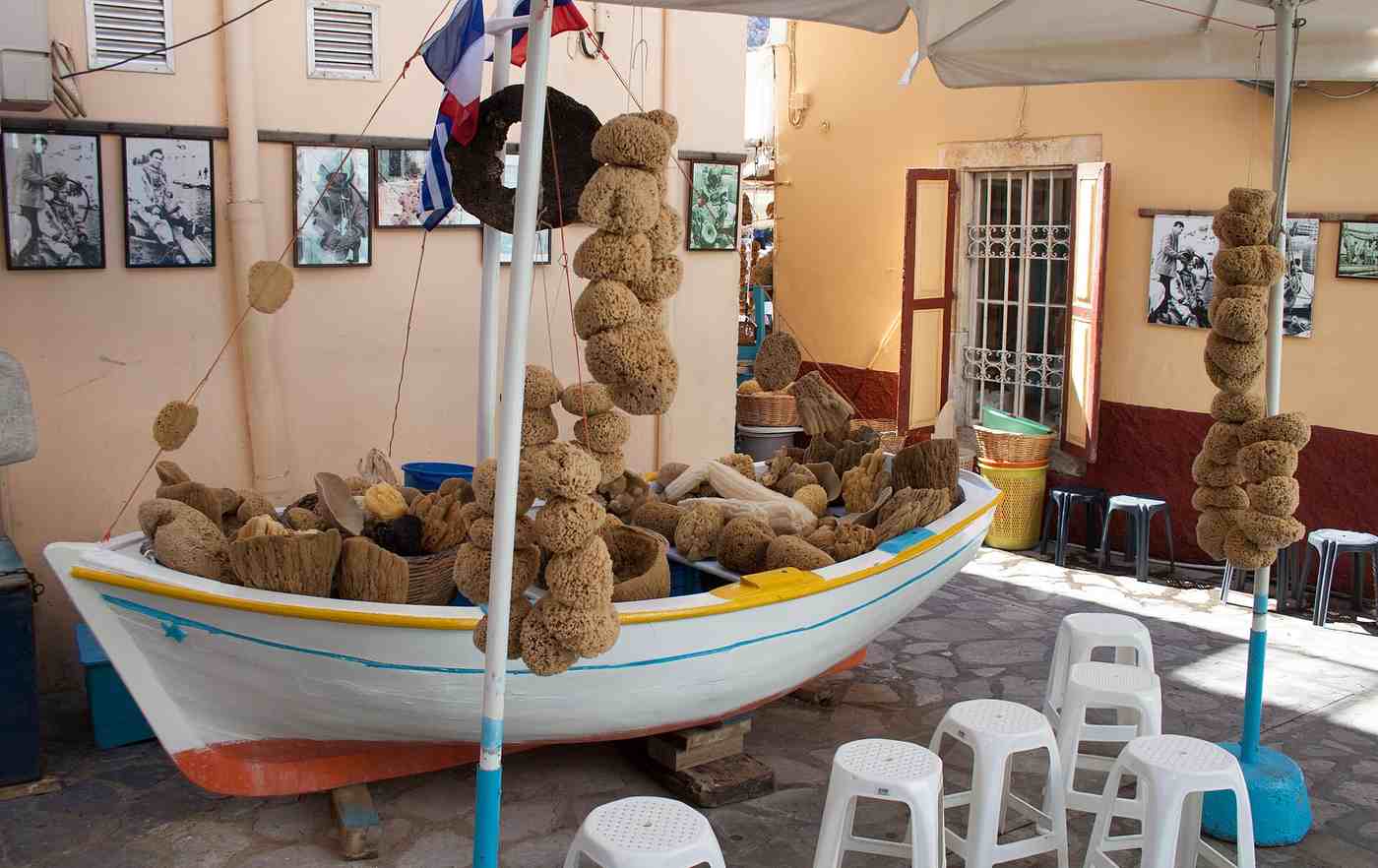
Symi keeps its museums in Chorio, the old upper town above the harbour of Gialos. The Archaeological Museum of Symi occupies an old mansion and shows finds from the island and nearby. Its collection runs from antiquity through the age of the Knights. A folklore section and a preserved captain’s mansion display the traditional life of the island. Costumes, furniture, tools and photographs record the town in the age of sponge diving. At Panormitis Monastery on the south coast an ecclesiastical and folklore museum holds icons, offerings and models of ships. The maritime and sponge-diving story runs through the collections. The museums are small, focused visits that explain the wealth behind the neoclassical town. This guide covers each museum, its building and its finds.
The museums sit within walking distance in Chorio, the upper town reached by the stone steps that climb from the harbour. A visit to the museum combines with a walk through the old town of neoclassical mansions. The Archaeological Museum gathers sculpture, inscriptions, pottery and coins under one roof. The folklore rooms and the captain’s mansion carry the domestic history of the island. The exhibits trace the wealth that sponge diving and shipbuilding brought to the port. Panormitis, on the south coast, adds the religious and maritime record of the island in its own collection. Each museum stays small and focused, built to explain rather than to overwhelm. This page anchors the museums inside the wider Symi vertical, linking the harbour, the upper town and the monastery.
Where do the museums of Symi stand and what do they cover?
The museums of Symi stand in Chorio, the upper town above the harbour of Gialos. The Archaeological Museum, a folklore section, a preserved captain’s mansion and the museum at Panormitis together trace the island from antiquity to the age of sponge diving.
The museums of Symi cluster in Chorio, the old upper town of the island. Chorio rises above the harbour of Gialos, reached by a long climb of worn stone steps. The Archaeological Museum holds the ancient and medieval record of the island under one roof. A folklore section and a preserved captain’s mansion carry the story of traditional life on the hill. The monastery of Panormitis, down on the south coast, keeps its own ecclesiastical and folklore museum. The collections stay small and focused, built for a short and clear visit. The rooms explain the wealth and the long history behind the neoclassical town. A tour of the museums reads the island from antiquity through the age of the Knights and the sponge trade.
Chorio forms the historic core of the town, stacked on the ridge above the port. The upper town holds the mansions, churches and squares that grew with the island’s wealth. The museums sit among these lanes, within walking distance of each other on the hill. The stone steps carry walkers from the harbour of Gialos up to the quarter. The climb sets the museums apart from the waterfront tables and the day-boat crowds. The upper town keeps the quieter, older face of the island above the busy port. The buildings that house the collections stand as exhibits in their own right. A walk between them threads the neoclassical streets that the museums explain. The setting binds the history in the cases to the town outside the doors.
The museums of Symi work as small, focused visits rather than long museum days. Each collection covers one clear part of the island’s past in a compact space. The Archaeological Museum handles the ancient and medieval record of the island. The folklore rooms and the captain’s mansion hold the domestic and working life of the town. Panormitis gathers the religious and maritime story out on the south coast. The scale suits a traveller who pairs the museums with beaches and boat trips. A visitor reads the wealth of the neoclassical town in an hour rather than a day. The focused format leaves time for the harbour, the upper town and the coast. The museums explain the island without demanding the whole of a visitor’s stay.
A tour of the museums traces the island from antiquity to the age of steam-driven trade. The Archaeological Museum opens the story with sculpture, inscriptions, pottery and coins. Byzantine and medieval pieces carry the record forward to the age of the Knights. The folklore section and the captain’s mansion bring the story into the age of sponge diving. Photographs, costumes, tools and furniture record the town at the height of the sponge trade. Panormitis adds icons, offerings and models of ships to the maritime thread. The collections together explain the money and the history behind the mansions of Gialos. A visitor leaves the museums with the shape of the island’s whole past. The rooms turn the neoclassical town outside into a record a walker can read.
What kind of building holds the Archaeological Museum of Symi?
The Archaeological Museum of Symi occupies an old mansion in Chorio, the upper town. The neoclassical house sets its collection of sculpture, inscriptions, pottery and coins within the same domestic architecture that the island’s sponge and shipping wealth built.
The Archaeological Museum of Symi occupies an old mansion in Chorio. The house belongs to the neoclassical style that the island’s wealth raised across the port. Stone walls, tall windows and worked doorways mark the building as a merchant’s home. The mansion itself stands as an exhibit of the architecture the museum explains. The rooms that once held a family now hold the finds of the island. The setting ties the collection to the domestic world of the sponge and shipping era. A visitor reads the building and the objects together as one record. The mansion shows the scale of the homes that trade built on the hill. The Archaeological Museum turns a private house into a public store of the island’s past.
The mansion stands among the lanes of Chorio, above the top of the stepped climb. Its position places the museum in the historic heart of the upper town. The house shares its street with churches, squares and the homes of former captains. The walk to the door threads the neoclassical quarter that the collection describes. The building’s height and worked stone match the wealth of the sponge and shipping years. The mansion form suits a small, focused museum rather than a sprawling gallery. Rooms open one into the next, guiding a visitor through the collection in order. The domestic scale keeps the visit short, clear and easy to follow. The Archaeological Museum fits the objects of the island into the frame of a merchant’s house.
The interior keeps the shape of a mansion, with rooms rather than long exhibition halls. Each room carries a part of the collection, from sculpture to pottery and coins. The domestic layout guides the visitor from one class of find to the next. Windows and doorways of the old house frame the cases and the stone pieces. The building’s own features stand beside the exhibits as part of the record. The scale of the rooms suits the compact, focused visit the museum offers. A walker moves through the finds without the fatigue of a large gallery. The mansion setting keeps the ancient and medieval objects close and readable. The Archaeological Museum uses the house to hold the island’s history at a human scale.
The choice of an old mansion roots the museum in the town it explains. The neoclassical houses of Symi rose on the profits of sponge diving and shipping. The museum building stands as one of those houses, now given over to the past. A visitor sees the wealth of the island in the walls as well as the cases. The mansion binds the finds to the streets of Chorio outside the door. The building explains how the town came to gather and keep such a collection. The house and the objects tell the same story of an island grown rich from the sea. The Archaeological Museum lets the architecture carry part of the message. The mansion turns the visit into a reading of both the finds and the town.
What ancient finds does the Archaeological Museum of Symi show?
The Archaeological Museum of Symi shows Hellenistic and Roman sculpture, inscriptions, pottery and coins from the island and the nearby coast. The finds trace the ancient life of Symi and its links across the sea, gathered under one roof in Chorio.
The Archaeological Museum of Symi gathers ancient finds from the island and the nearby coast. Hellenistic and Roman sculpture stands among the exhibits, carved from stone and marble. Inscriptions record the names, decrees and dedications of the ancient community. Pottery from the ancient town fills the cases, from plain vessels to finer wares. Coins mark the trade and the rulers that reached the island across the sea. The finds cover the long span of antiquity on Symi and its neighbours. The collection sets the objects in order, from the earliest pieces onward. A visitor reads the ancient economy and worship of the island in one room. The Archaeological Museum holds the deepest layer of the island’s recorded past in stone and clay.
The sculpture in the collection carries the art of the Hellenistic and Roman ages. Carved figures and fragments show the styles that reached the island from the wider Aegean. Marble and stone pieces record the gods, the dead and the leaders of the ancient town. The inscriptions cut into stone name the people and the decisions of the community. These carved texts fix dates, dedications and public acts in the record. The sculpture and the inscriptions together give voice to the ancient island. A visitor reads both the images and the words of the old community. The stone pieces stand as the core of the museum’s ancient holdings. The Archaeological Museum keeps the carved record of Symi at the heart of its rooms.
The pottery in the museum traces daily life and trade in the ancient town. Vessels for oil, wine and storage show the household economy of the island. Finer painted wares mark the reach of ancient craft across the sea. The shapes and styles date the pieces across the span of antiquity. Pottery arrived from the island’s own kilns and from workshops on distant coasts. The finds show Symi as a link in the ancient trade of the Aegean. A visitor reads the movement of goods in the clay on the shelves. The pottery grounds the collection in the ordinary life of the ancient town. The Archaeological Museum uses the vessels to show how the island lived and traded.
The coins in the collection record the money and the rulers of the ancient island. Struck pieces carry the marks of the states that governed and traded with Symi. The coins trace the reach of empires and cities across the ancient sea. Their designs date the finds and place the island within the wider region. The maritime setting of Symi drew coinage from distant harbours across the sea. The finds show the island as part of the trade routes of the Aegean and beyond. A visitor reads the economic life of the ancient town in the small metal pieces. The coins add the record of exchange to the sculpture, inscriptions and pottery. The Archaeological Museum rounds out its ancient rooms with the money of the old island.
What Byzantine and medieval pieces does the museum on Symi hold?
The Archaeological Museum of Symi holds Byzantine and medieval pieces alongside its ancient finds. These carry the island’s story forward from late antiquity through the Byzantine centuries to the age of the Knights, closing the record that the sculpture and coins begin.
The Archaeological Museum of Symi carries its record past antiquity into the Byzantine age. Byzantine pieces sit in the collection beside the Hellenistic and Roman finds. These objects trace the island through the long centuries of the eastern empire. Carved stone, pottery and church-related fragments mark the Christian era of the town. The pieces show the shift from the ancient world to the medieval island. The Byzantine finds fill the gap between the old sculpture and the age of the Knights. A visitor follows the island’s history without a break across the rooms. The collection binds the ancient and the medieval into one continuous record. The Archaeological Museum keeps the Byzantine chapter of Symi in the same house as its ancient past.
Medieval pieces in the museum carry the island into the age of the Knights. The finds mark the centuries when the order held this corner of the Aegean. Worked stone, everyday objects and church items record the medieval town. These pieces sit at the far end of the collection’s long timeline. The medieval finds link the museum to the Kastro that crowns the upper town. A visitor reads the age of the Knights in the cases and then in the walls outside. The objects show the island under the rule that shaped the fortress on the hill. The medieval record closes the museum’s story from antiquity onward. The Archaeological Museum ties the finds to the castle that still stands above Chorio.
The Byzantine and medieval pieces show how the island changed after antiquity. Church-related fragments record the Christian faith that took root on the island. Everyday objects mark the domestic life of the medieval town on the hill. The finds trace the shift from ancient temples to Byzantine and medieval churches. The pieces record the rulers and the faith that followed the ancient world. A visitor reads the long transition from the old town to the medieval island. The collection keeps the thread unbroken from the sculpture to the Knights. The medieval objects prepare the visitor for the fortress and the churches of Chorio. The Archaeological Museum shows the island turning from antiquity to the age of the castle.
The medieval finds place Symi within the wider story of the Aegean under the Knights. The order held a chain of islands and harbours across this stretch of sea. The pieces in the museum mark the island’s role within that medieval realm. Trade, faith and defence crossed the water that the island watched. The finds show Symi as one point in the network the Knights controlled. A visitor reads the island’s place in the region through the medieval objects. The collection ties the local record to the wider history of the sea. The medieval pieces round out the museum’s account of the island’s long past. The Archaeological Museum sets the age of the Knights in its proper place in the story.
What does the folklore section and captain’s mansion on Symi display?
The folklore section and a preserved captain’s mansion on Symi display the traditional life of the island. Costumes, furniture, tools and photographs of the sponge age fill the rooms, showing how the families of the neoclassical town lived and worked.
The folklore section of the museums shows the traditional life of the island of Symi. A preserved captain’s mansion sets that life in the rooms of a real home. Costumes worn by the islanders hang among the displays of the collection. Furniture from the neoclassical houses fills the rooms as it once stood. Tools of the household and the trades record the daily work of the town. Photographs of the sponge age line the walls beside the objects. The rooms recreate the home of a captain from the height of the island’s wealth. A visitor walks through the domestic world that the sponge trade paid for. The folklore section turns the history of the town into a home a walker can enter.
The captain’s mansion keeps the layout and fittings of a wealthy island home. Rooms open one into the next, furnished as a captain’s family would have kept them. Beds, chests, tables and chairs stand in the places they once held. The furniture records the taste and the money of the neoclassical town. Woven cloth, ceramics and household goods fill the shelves and the corners. The mansion shows the comfort that sponge diving and shipping brought to the port. A visitor reads the private life behind the tall facades of Chorio. The preserved rooms carry the domestic history that the Archaeological Museum leaves aside. The captain’s mansion completes the picture of the island’s life at its wealthiest.
Costumes in the folklore section record the dress of the island’s people. Everyday clothes and festival garments hang among the displays of the folklore rooms. The fabrics and the cut mark the traditions of the community on Symi. Embroidery and woven work show the craft of the island’s households. The costumes place real people inside the history the museum tells. A visitor reads the dress of the town alongside its furniture and its tools. The garments connect the grand mansions to the lives that filled them. The folklore section keeps the human face of the island in cloth and thread. The costumes turn the record of the town into the story of its people.
Tools and photographs in the folklore section record the work of the island. Household tools show the daily tasks of the families of the town. Trade tools record the crafts that supported life on the hill and the harbour. Photographs of the sponge age capture the divers, the boats and the port at work. The images fix real faces and scenes from the height of the trade. The tools and the photographs ground the mansion’s comfort in hard labour. A visitor reads both the wealth and the work behind the neoclassical town. The folklore section binds the home of the captain to the sea that paid for it. The rooms show the island living and working, not only its finest houses.
How do the museums of Symi show the age of sponge diving?
The museums of Symi show the age of sponge diving through the maritime story that runs across the collections. Photographs, tools, furniture and the captain’s mansion record the divers, the boats and the wealth that the sponge trade brought to the harbour.
The maritime and sponge-diving story runs through the collections of the museums of Symi. Sponge diving stood at the centre of the island’s economy for generations. The trade sent boats and divers out from the harbour of Gialos. The wealth it earned built the neoclassical mansions that crowd the port and the hill. Photographs in the folklore section record the divers, the boats and the docks at work. The captain’s mansion shows the comfort that the trade brought to the leading families. Tools and objects of the sea trade fill the displays beside the household goods. A visitor reads the whole cycle of the trade, from the dive to the mansion. The museums keep the sponge age at the heart of the island’s story.
Photographs of the sponge age line the folklore rooms of the museum on Symi. The images show the divers who worked the seabed for the island’s living. Boats crowd the harbour of Gialos in the pictures of the trade at its height. The docks, the sheds and the crews appear in the record on the walls. The photographs fix the human faces of the sponge era in the collection. A visitor reads the labour and the danger behind the island’s wealth. The images set the divers beside the mansions their work paid for. The pictures turn the abstract trade into real people and real boats. The museum keeps the sponge age visible in the photographs of the port.
The wealth of the sponge trade shaped the town that the museums explain. Money from sponge diving and shipping raised the neoclassical houses of Chorio and Gialos. The captain’s mansion shows the comfort that the leading families gained from the sea. Furniture, costumes and household goods record the height of the island’s fortune. The Archaeological Museum sits in a mansion that the same wealth built. A visitor reads the profit of the trade in the walls and the rooms. The museums bind the finery of the town to the work of the divers. The exhibits show how a small island grew rich from the sea. The sponge age explains the scale of the mansions that fill the port and the hill.
The museums set the sponge age within the island’s long maritime record. The sea shaped Symi from antiquity, through the age of the Knights, to the sponge era. The Archaeological Museum shows the ancient trade in pottery and coins. The folklore rooms carry the story into the age of diving and shipping. Panormitis adds the models of ships and the offerings of a sea-going people. The collections together trace the island’s bond with the water across the ages. A visitor reads the sponge age as one chapter in a longer maritime story. The museums show the sea as the constant force in the island’s past. The sponge era stands as the height of a history that the water shaped throughout.
What museum stands at Panormitis Monastery on Symi?
An ecclesiastical and folklore museum stands at Panormitis Monastery on the south coast of Symi. The rooms hold icons, offerings left by pilgrims and models of ships, keeping the religious and maritime record of the island beside the great church.
An ecclesiastical and folklore museum stands at Panormitis Monastery on the south coast of Symi. The monastery sits at the head of a deep bay, away from the harbour of Gialos. Its museum holds the religious and maritime record of the island in dedicated rooms. Icons from the church and the wider island fill the displays of the collection. Offerings left by pilgrims record the devotion of sailors and travellers. Models of ships hang among the exhibits as gifts of thanks to the saint. The museum ties the faith of the island to its life on the sea. A visitor reaches it by road or by boat around the coast. Panormitis keeps its own museum apart from the museums of Chorio.
The icons at Panormitis carry the religious art of the island of Symi. Painted panels of saints and the Virgin fill the rooms of the museum. The icons come from the great church and from across the island’s chapels. Silver and painted work marks the devotion of the community over the centuries. The collection keeps the sacred images that shaped the faith of the island. A visitor reads the religious art beside the maritime offerings of the sailors. The icons set the museum apart from the ancient rooms of Chorio. The panels tie the monastery to the wider Orthodox tradition of the sea. Panormitis holds the island’s faith in painted wood and precious metal.
Offerings left by pilgrims record the devotion of sailors and travellers to the saint. Gifts of thanks fill the museum, brought by those who prayed at Panormitis. Sailors dedicated offerings for safe passage across the sea. Models of ships hang among the exhibits as thanks for voyages survived. The offerings tie the monastery to the maritime life of the island and the sea. A visitor reads the bond between faith and the sea in the gifts. The collection shows Panormitis as a shrine for a sea-going people. The offerings turn the museum into a record of prayers and safe returns. The monastery keeps the maritime devotion of the island in its store of gifts.
Panormitis holds the southern anchor of the island’s museums, away from Chorio. The monastery stands on the south coast, at the head of a sheltered bay. Its museum adds the religious and maritime record to the island’s collections. Icons, offerings and ship models fill the rooms beside the great church. A visitor reaches Panormitis by the road across the island or by boat around the coast. The monastery pairs a full day on the water with the museums of the upper town. The collection completes the island’s record, from the ancient rooms to the sea shrine. Panormitis binds the faith, the sea and the history of the island in one place. The museum rounds out a tour that begins in the mansions of Chorio.
How do the collections tell the story of Symi?
The collections tell the story of Symi as one thread from antiquity to the sponge age. Ancient finds, Byzantine and medieval pieces, the folklore rooms and the museum at Panormitis together explain the wealth and the history behind the neoclassical town.
The collections read as one story of Symi rather than a set of separate displays. The Archaeological Museum opens the account with ancient sculpture, inscriptions, pottery and coins. Byzantine and medieval pieces carry the record to the age of the Knights and the Kastro of Chorio. The folklore section and the captain’s mansion bring the story into the sponge age. Panormitis adds the religious and maritime thread on the south coast. Each museum covers one stage in the island’s long past. A visitor moves through antiquity, the medieval age and the sponge era in order. The collections together explain the wealth behind the mansions of the port. The museums turn the whole history of the island into a single, readable arc.
The story the museums tell explains the neoclassical town that a visitor walks. The mansions of Gialos and Chorio rose on the wealth of sponge diving and shipping. The Archaeological Museum shows the ancient roots of a town long tied to the sea. The folklore rooms record the families and the trade that built the tall houses. Photographs of the sponge age fix the work that paid for the finery. Panormitis links the wealth to the faith of a sea-going people. A visitor reads the mansions outside as the product of the story in the cases. The collections connect the streets of the upper town to their history. The museums make the neoclassical town legible as a record of the sea.
The collections bind the phases of the island’s past into one continuous line. Antiquity opens the story in the sculpture, inscriptions, pottery and coins. The Byzantine and medieval pieces carry it through the eastern empire to the Knights. The folklore section moves the record into the age of sponge diving and shipping. Panormitis threads the faith and the sea through the whole span. A visitor follows the island from its ancient temples to its neoclassical mansions. The museums avoid gaps, keeping the story unbroken across the rooms. The collections show cause and effect, from the sea to the wealth of the town. The island’s history reads as one arc rather than a scatter of eras.
The museums use the collections to explain why the island grew rich from the sea. Ancient coins and pottery show trade reaching the island from distant coasts. Medieval pieces mark the island under the Knights who guarded the sea lanes. The folklore rooms record the sponge trade that raised the neoclassical town. Panormitis shows the faith that carried a sea-going people through danger. A visitor reads the constant bond between the island and the water. The collections trace the wealth of the town back to its source in the sea. The museums show the sea as the force behind every stage of the story. The island’s whole past comes down to its long life on the water.
How do you visit the museums of Symi and combine them with a walk?
Visiting the museums of Symi means climbing to Chorio, where the Archaeological Museum, the folklore section and the captain’s mansion stand within walking distance. Panormitis lies on the south coast. A museum visit combines with a walk through the neoclassical old town.
Visiting the museums of Symi starts with the climb to Chorio, the upper town. The stone steps of the Kali Strata carry walkers from the harbour of Gialos up to the quarter. The Archaeological Museum, the folklore section and the captain’s mansion stand within walking distance on the hill. A visitor reaches all three on foot through the lanes of the upper town. The climb passes the mansions, churches and squares that the museums explain. Cool morning and evening hours suit the exposed walk up the steps. Sturdy shoes grip the worn stone of the historic stairway. The museums reward the effort of the climb with the island’s whole story. A visit to Chorio joins the collections to the town around them.
A museum visit on Symi combines with a walk through the neoclassical old town. The Archaeological Museum sits in a mansion among the lanes of Chorio. The folklore rooms and the captain’s mansion stand within a short walk on the hill. A visitor threads the streets of tall houses between the collections. The buildings outside match the wealth and the history in the cases. The walk turns the visit into a tour of the town as well as the museums. Squares and churches break the route between the collections. The upper town reads as an open-air exhibit around the indoor rooms. A visitor sees the mansions and the museums as one connected story.
Panormitis lies apart from Chorio, on the south coast of the island of Symi. A visitor reaches its museum by the road across the island or by boat around the coast. The trip pairs the ecclesiastical and folklore collection with a full day on the water. Boats run from the harbour of Gialos to the deep bay of the monastery. The journey adds the sea itself to the record the museum holds. A visitor plans Panormitis as a half-day trip beyond the upper town. The monastery rounds out a tour that begins in the mansions of Chorio. The south-coast museum completes the island’s story away from the port. Panormitis rewards the extra journey with the faith and the sea of the island.
A visit to the museums of Symi fits into a wider day on the island. The upper-town museums suit a cool morning before the heat builds on the hill. A visitor combines the collections with the harbour, the mansions and the Kastro above Chorio. The afternoon leaves time for the beaches and the boats around the coast. Panormitis fits a separate half-day by road or by sea. The small, focused museums leave room for swimming and walking in one stay. A visitor reads the island’s history without giving up the coast. The museums slot into a plan that mixes culture, walking and the sea. A measured day carries a traveller through the collections and the town alike.
Frequently Asked Questions
Where are the museums of Symi?
The main museums of Symi stand in Chorio, the upper town above the harbour of Gialos. The stone steps of the Kali Strata climb from the port to the quarter, where the Archaeological Museum, the folklore section and the captain’s mansion sit within walking distance of each other. A separate ecclesiastical and folklore museum stands at Panormitis Monastery on the south coast, reached by road across the island or by boat around the coast. The upper-town museums pair with a walk through the neoclassical streets.
What is in the Archaeological Museum of Symi?
The Archaeological Museum of Symi holds finds from the island and the nearby coast, set in an old mansion in Chorio. The collection shows Hellenistic and Roman sculpture, inscriptions, pottery and coins from antiquity. Byzantine and medieval pieces carry the record forward to the age of the Knights. The museum gathers the ancient and medieval story of the island under one roof. The neoclassical house itself stands as part of the display, showing the architecture that the island’s sponge and shipping wealth built.
What does the folklore collection on Symi show?
The folklore collection on Symi shows the traditional life of the island in a preserved captain’s mansion. Costumes, furniture, tools and household goods fill the rooms as they once stood in a wealthy home. Photographs of the sponge age record the divers, the boats and the port at work. The displays recreate the domestic world that sponge diving and shipping paid for. The captain’s mansion carries the human and working history of the town, beside the ancient finds of the Archaeological Museum in the same upper quarter.
What museum is at Panormitis on Symi?
An ecclesiastical and folklore museum stands at Panormitis Monastery on the south coast of Symi. The rooms hold icons from the great church and the wider island, offerings left by pilgrims, and models of ships hung as gifts of thanks to the saint. The collection keeps the religious and maritime record of the island beside the monastery. A visitor reaches Panormitis by the road across the island or by boat from the harbour of Gialos, pairing the museum with a day on the water.
How do the museums of Symi tell the island’s history?
The museums of Symi tell the island’s history as one thread from antiquity to the sponge age. The Archaeological Museum opens with ancient sculpture, inscriptions, pottery and coins, then Byzantine and medieval pieces to the age of the Knights. The folklore section and the captain’s mansion carry the record into the era of sponge diving and shipping. Panormitis adds the faith and the sea of the island. The collections together explain the wealth behind the neoclassical mansions that fill the harbour and the hill.
How long does a visit to the museums of Symi take?
A visit to the upper-town museums of Symi fits into part of a day, since each collection stays small and focused. The Archaeological Museum, the folklore section and the captain’s mansion sit within walking distance in Chorio, so a walker reads them in order without a long museum day. Panormitis needs a separate trip by road or boat to the south coast. The compact format leaves time for the harbour, the neoclassical streets and the beaches around the island.
Can you combine the museums of Symi with a walk in Chorio?
A museum visit on Symi pairs naturally with a walk through Chorio, the neoclassical upper town. The Archaeological Museum sits in a mansion among the lanes, and the folklore rooms and the captain’s mansion stand a short walk away. The streets of tall houses, churches and squares match the wealth and the history in the cases. The stone steps of the Kali Strata and the paths to the Kastro extend the route, turning the visit into a tour of the town and its museums together.