
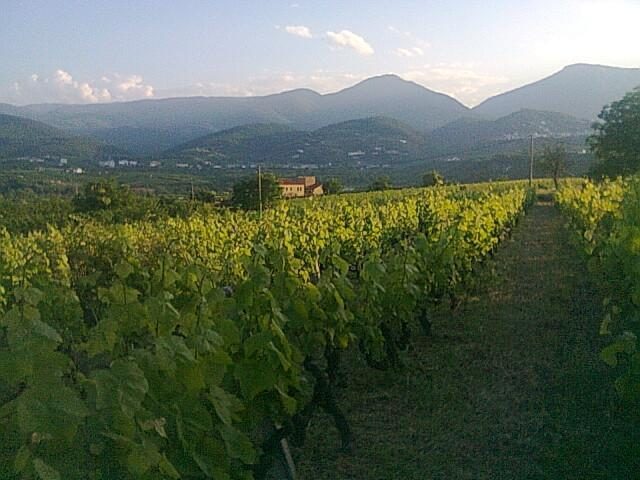
Zakynthos has a long tradition of winemaking, rooted in the vineyards that cover its central plain and rolling hills. The island’s most famous wine is Verdea, a crisp dry white made from a blend of local grapes and aged in the old way. Under Venetian rule it was shipped across Europe. Other island wines, both white and red, are served young in the tavernas. Small family wineries welcome visitors for tastings. Taste the island’s Venetian heritage in a glass with My Greece Tours.
Wine on the island joins the produce of the land to a heritage of Greece and Venice. The vineyards of the plain, the famous Verdea and the small family cellars all carry a tradition that runs back through the centuries. A tasting is a fine window onto the island’s rural life. The sections below cover the vineyards, the Verdea, the grapes and wineries, tastings and festivals, and the food that goes with the wine. Set the wine in its wider surroundings with our Zakynthos travel guide.
What is the wine tradition of Zakynthos?
Zakynthos has a long winemaking tradition, rooted in the vineyards of its fertile central plain and hills. The island is famous for its white wine Verdea, and it makes other white and red wines from local grapes, served young in the tavernas.
Winemaking on the island reaches back through the centuries, tied to the fertile land and the long history of trade. The broad central plain, sheltered between the mountains and the sea, and the rolling hills around it give good conditions for the vine, which grows here alongside the olive. Under the long rule of Venice, the island’s wine, above all the white Verdea, became famous and was shipped across Europe, a source of pride and wealth. The tradition has carried on through the generations, and the vineyards remain a familiar part of the island landscape. Wine is woven into the island’s rural life, its festivals and its table.
The tradition lives on today in both old and new forms. Small family wineries and cellars continue to make wine in the traditional way, while others produce in a more modern style. The famous Verdea is still made, along with everyday red and white table wines poured young in the tavernas. Village festivals celebrate the grape harvest in the autumn. For visitors, the wine offers a way into the rural heart of the island, beyond the beaches. A tasting at a family winery, or simply a carafe of the house wine with a meal, connects the traveller to a heritage that runs deep across the vineyards and villages of the Zakynthos beaches and the plain behind them.
The geography of the island shapes the wine as much as its history does. The central plain lies low and sheltered, guarded by the mountains and open to the sea, so the grapes ripen slowly. Vines climb the lower slopes of the hills, rarely above the middle heights. This keeps the vineyards easy to reach from the main town and the coastal resorts. The soil mixes clay and limestone with pockets of richer ground, and sea breezes temper the summer sun. These conditions favour the native grapes over imported ones. The island’s wines gain a taste that reflects the land, the light and the long rhythm of the countryside.
The vineyards share their ground with olive groves and vegetable plots, part of a mixed farming that has fed the island for ages.
What is Verdea, the famous wine of Zakynthos?
Verdea is the most famous wine of Zakynthos, a crisp dry white blended from local grape varieties and aged in a traditional way that can give it a deep golden colour. Under Venice it was shipped across Europe as a mark of the island.
Verdea is the signature wine of the island and the name most tied to its winemaking. It is a dry white, blended from several local grape varieties, chief among them a pale-skinned grape that gives the wine its character. In the traditional method it is aged in a distinctive way, which can leave it with a deep golden colour and a dry, sometimes slightly resinous taste. This old style sets it apart from ordinary modern whites. The wine has been made on the island for a very long time, passed down through the generations of island growers, and it remains a strong point of local identity and pride.
The fame of Verdea grew under the rule of Venice. In those centuries the wine was shipped from the island across much of Europe, prized abroad and bringing wealth to the island growers. This trade helped make winemaking a source of prosperity and pride, and it tied the island’s vineyards into the wider commerce of the Venetian sea. Today Verdea is still produced by island wineries, in both traditional and lighter modern styles, and it can be tasted in the tavernas and at family cellars. To drink a glass of Verdea is to taste a piece of the island’s history, a wine that carries the memory of the Venetian centuries and the long tradition of the island vine.
The name Verdea points to the wine’s roots in the Venetian tongue, tied to the word for green. Old accounts suggest the grapes were gathered while still barely ripe, lending the young wine a fresh, greenish cast that gave rise to the name. The blend rests on a pale native grape grown widely on the plain, joined by other local white varieties in smaller measure. Growers press the fruit and let the wine mature in the traditional way, which deepens its colour toward amber and gives it a dry, firm character. This method has been handed down through the island families, and it explains why Verdea tastes unlike the light, cold-fermented whites of the modern cellar.
The wine keeps a link to the old craft of the island.
What grapes and wineries does the island have?
Zakynthos grows local grape varieties on its central plain and hills, used for Verdea and for red and white table wines. Small family wineries and cellars across the island make and sell these wines, some welcoming visitors for tastings.
The island’s wines are made from grape varieties long grown on its soil. Local white grapes go into the Verdea and the everyday white wines, while local red grapes make the island’s red table wines. The vineyards spread across the fertile central plain and climb the surrounding hills, sharing the land with olive groves and orchards. The sheltered position of the plain, between the mountains and the sea, gives good conditions for ripening the grapes. This mix of native varieties and favourable land is the foundation of the island’s winemaking, giving its wines a character rooted in the place rather than in imported styles.
The wines are made largely by small family producers. Across the plain and the villages, family wineries and cellars press the grapes and make the wine, often in modest quantities and in the traditional way. Some have opened their doors to visitors, offering tastings of their range and a look at how the wine is made. Others simply supply the local tavernas with the carafe wine poured with a meal. A drive through the countryside near villages such as Argassi and across the plain passes vineyards and a winery sign. Seeking out a family cellar for a tasting is one of the most rewarding ways to explore the rural side of the island.
The grapes behind the island’s wines are chiefly native varieties suited to the local ground. A pale-skinned white grape leads the blend for Verdea and the everyday whites, supported by other traditional white grapes that add aroma and balance. The reds draw on local dark grapes that ripen well in the sheltered plain, giving wines poured young and fresh in the tavernas. Vineyard plots tend to be small, worked by families alongside their olive trees and orchards, and the harvest is often gathered by hand. This patchwork of little holdings, native grapes and mixed farming defines the island’s winemaking.
It keeps the wines rooted in the place and tied to the seasonal work of the countryside rather than to any large industrial estate.
Can you visit wineries and tastings on Zakynthos?
Yes, several family wineries and cellars on Zakynthos welcome visitors for tastings, where you can sample Verdea and other island wines. Autumn grape-harvest festivals in the villages also celebrate the wine with food, music and dancing.
Visitors can taste the island’s wines at family wineries and cellars, mostly on the central plain and in the villages. At these small producers you can sample the range, from the famous Verdea to everyday reds and whites, and often see something of how the wine is made and stored. The welcome is usually warm and informal, in keeping with the family scale of the winemaking. A tasting gives a fine sense of the island’s wines and the tradition behind them, and it is a pleasant way to spend part of a day exploring the countryside. Buying a bottle direct from the maker is a good way to take a taste of the island home.
The wine is also celebrated in the island’s festivals. In the autumn, when the grapes are gathered, village festivals mark the harvest with wine, food, music and dancing, in the sociable spirit of the Greek countryside. These celebrations tie the wine to the life and calendar of the villages. Beyond the festivals, the wine is present at every taverna table, poured young from the carafe with a meal. Whether at a family cellar, a harvest festival, or a village taverna near Keri, tasting the local wine is easy and rewarding. It offers a window onto the rural traditions of the island, a world away from the beaches and resorts of the coast.
Planning a tasting takes only a little thought, and it rewards the visitor well. Most of the open cellars sit close to the main town and the central plain, a short drive from the coastal resorts. A half-day trip covers a couple of them comfortably. Calling ahead helps, as the smaller family producers keep modest hours and may prefer to arrange a visit. A tasting usually pairs the wines with bread, cheese and olives, giving a sense of how the wine sits at the island table. The grape harvest falls in the late summer and early autumn, and a visit near that time can catch the pressing and the first stir of the new wine.
Buying a few bottles from the maker supports the family and carries the island’s tradition home.
What food goes with Zakynthos wine?
Zakynthos wine pairs with the island’s cuisine of olive oil, cheese, cured meat, wild greens and fresh seafood. The crisp white Verdea suits fish and cheese, while the local reds go well with the hearty meat stews of the villages.
The island’s wine is made to go with its food, and the two share the same rural roots. The crisp dry Verdea and the local white wines suit the fresh fish and seafood of the coast, the island’s cheeses such as the hard ladotyri matured in oil, and the wild greens dressed with olive oil and lemon. Their dryness cuts through the richness of fried cheese and oily dishes. The local red wines, poured young, go well with the hearty meat dishes of the hill villages, such as rabbit and rooster stifado slow-cooked in a rich sauce. Matching the island’s wine with its own dishes is the natural way to enjoy both, as generations of islanders have done.
A meal in a village taverna is the best setting to enjoy the pairing. Here the carafe of house wine, red or white, comes cheap and young, poured to go with plates of local food shared around the table. The wine, the olive oil, the cheese and the meat all come from the same land, and they belong together. The Venetian touches in the island’s cuisine, such as the sartsa sauce and the almond sweets, also find a place at the table.
A drive through the green Vasilikos peninsula or the plain, ending at a taverna with a carafe of local wine and a plate of island food, shows the rural pleasures of the island at their best, beyond the beach.
Each style of the island’s wine finds its match on the table. The dry Verdea, with its firm amber character, stands up to strong flavours, suiting matured cheese, cured meat and dishes cooked in olive oil. The lighter local whites, poured cool, refresh the palate beside grilled fish, fried small fry and salads dressed with lemon. The young reds carry enough body for baked lamb, rabbit stew and the tomato-rich sauces of the island kitchen. Sweeter local wines round off a meal with almond pastries and honeyed sweets in the Venetian manner.
Matching the wine to the dish is second nature to the islanders, who have grown the grapes and cooked the food from the same land for generations. The traveller who follows their lead tastes the countryside as a whole.
Frequently Asked Questions
What wine is Zakynthos famous for?
Zakynthos is famous above all for Verdea, its signature white wine, which has been made on the island for a very long time. Verdea is a crisp dry white, blended from several local grape varieties, chief among them a pale-skinned grape that gives the wine its distinctive character. In the traditional method it is aged in a distinctive way that can leave it with a deep golden colour and a dry, sometimes slightly resinous taste, setting it apart from ordinary modern whites. Under the long rule of Venice, Verdea became well known abroad and was shipped from the island across much of Europe, bringing wealth and pride to the island growers.
It is still produced by island wineries today, in both traditional and lighter modern styles, and it remains a strong point of local identity. Besides Verdea, the island makes everyday red and white table wines from local grapes, poured young and cheap in the tavernas. For visitors, trying a glass of Verdea is a fine way to connect with the island’s rural heritage and its deep and lasting ties to the vine.
Can you go wine tasting on Zakynthos?
You can go wine tasting on Zakynthos at small family wineries and cellars, mostly found on the fertile central plain and in the villages of the island. At these producers, visitors can sample the range of island wines, from the famous dry white Verdea to everyday reds and whites, and often learn something of how the wine is made and aged. Because the winemaking is largely on a family scale, the welcome tends to be warm and informal, and a tasting makes a pleasant way to spend part of a day exploring the countryside beyond the beaches.
It is worth asking locally or checking in advance which wineries are open to visitors and whether booking is needed, as the smaller cellars may keep limited hours. Buying a bottle or two directly from the maker is a good way to take a taste of the island home. Beyond the wineries, the autumn grape-harvest festivals in the villages celebrate the wine with food, music and dancing, and every taverna serves the local wine by the carafe, so there are many ways to enjoy the island’s wine during a visit.
Is wine part of the culture on Zakynthos?
Wine is deeply woven into the culture and rural life of Zakynthos, and has been for many centuries. The vineyards that cover the central plain and the surrounding hills are a familiar part of the island landscape, growing alongside the olive groves, and winemaking has long been a source of both livelihood and pride. Under the rule of Venice, the island’s white wine Verdea grew famous and was shipped across Europe, tying the island’s vineyards into the wider trade and prosperity of the Venetian sea. That heritage still shapes the island’s identity today.
Wine features in the daily life of the villages, poured young from the carafe at every taverna table, and it is celebrated each autumn in the grape-harvest festivals, where whole communities gather for food, music and dancing. The wine belongs with the island’s food, made from the same land, and drinking the local wine with local dishes is the natural way to enjoy both. For the visitor, the wine offers a genuine window onto the traditions and rural heart of the island, a culture that reaches far beyond the beaches and resorts of the coast.
When is the grape harvest on Zakynthos?
The grape harvest on Zakynthos falls in the late summer and early autumn, the natural rhythm of the vine across the Mediterranean. Growers watch the fruit ripen through the hot dry weeks and gather it when the sugars have built and the flavour is full. This falls across the closing weeks of summer and the start of autumn. On the island the picking is often done by hand, family by family, in the small vineyard plots that spread across the central plain and the lower hills. The gathered grapes are pressed soon after, and the new wine begins its slow work in the cellar.
The harvest is more than farm labour, as it marks a high point in the island’s country calendar. Village festivals celebrate the gathering with wine, food, music and dancing, drawing whole communities together in the sociable spirit of the Greek countryside. A visit around harvest time can catch this lively season. The cellars stir with the first pressing, and the villages turn out to mark the year’s most important work in the vineyard.