
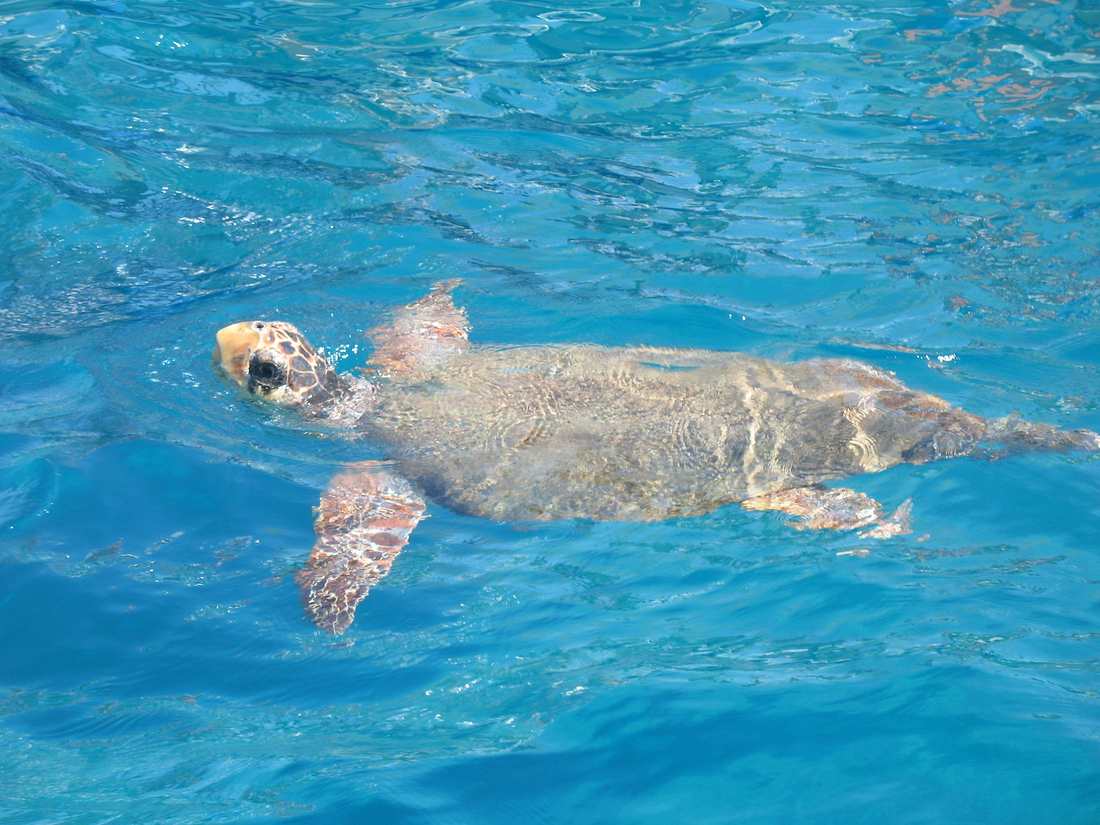
The National Marine Park of Zakynthos is a protected area covering the waters of Laganas Bay and the islets and coast of the southern Ionian island of Zakynthos. It was set up to guard the loggerhead sea turtles, known as Caretta caretta, that nest on the bay’s sandy beaches, along with monk seals and the wider sea life. The park takes in the beaches of Laganas, Kalamaki, Dafni, Gerakas and Sekania, the turtle island of Marathonisi, and the surrounding sea. Strict rules protect the nesting sands and the turtles. Wardens and volunteers watch over the nests. Plan every step of the trip with My Greece Tours.
This National Marine Park of Zakynthos stands as one of the most important sea-turtle nesting sites in the whole Mediterranean. The nesting season runs through the summer, when females come ashore to lay eggs and hatchlings later make for the sea. Parts of the beaches close at night in the nesting season, and boats must keep to speed limits and marked zones. The sections below cover the key beaches, the rules, the wildlife and the best ways to visit responsibly. Read the full Zakynthos travel guide before booking any trip.
What Is the National Marine Park of Zakynthos?
The National Marine Park of Zakynthos is a protected area covering the waters of Laganas Bay and the islets and coast of the southern Ionian island of Zakynthos. It guards loggerhead sea turtles, monk seals and wider sea life.
The National Marine Park of Zakynthos covers the waters of Laganas Bay and the islets and coast of the southern Ionian island of Zakynthos. It was set up to guard the loggerhead turtles, known as Caretta caretta, that nest on the bay’s sandy beaches, along with monk seals and the wider sea life. The park stands as one of the most important sea-turtle nesting sites in the whole Mediterranean. Strict rules protect the nesting sands and the turtles, and wardens and volunteers watch over the nests throughout the nesting season. The beaches within the park include Laganas, Kalamaki, Dafni, Gerakas and Sekania, the turtle island of Marathonisi, and the surrounding sea.
All of these areas fall under careful protection to ensure the survival of the species.
The National Marine Park of Zakynthos is one of the most important sea-turtle nesting sites in the whole Mediterranean. The nesting season runs through the summer, when females come ashore to lay eggs and hatchlings later make for the sea. Parts of the beaches close at night in the nesting season. Boats must keep to speed limits and marked zones, and particular areas are off limits. Wardens and volunteers watch over the nests to give the hatchlings the best chance of reaching the sea alive. The park takes in the beaches of Laganas, Kalamaki, Dafni, Gerakas and Sekania, the turtle island of Marathonisi, and the surrounding sea.
These measures keep disturbance to a minimum across every nesting beach within the wider protected area of the bay.
The park was the first protected sea area in Greece created to guard turtles. Its zones cover Laganas Bay, the coastal wetland of Keri, and the islets of Marathonisi and Pelouzo. Laganas Bay holds around 80 percent of all loggerhead nests recorded across the Mediterranean each year. Managers divide the sea into marine zones A, B and C, each with its own limits on boats and swimming. Land zones on the nesting beaches also carry their own rules on access and night use. Dedicated staff run the visitor centre at Gerakas and hand out advice to arriving guests. The clear layout helps every visitor grasp where they can walk, swim and sail without harming a nest.
Guided walks from the centre explain how the whole bay works as one habitat.
Where Do the Loggerhead Turtles Nest in Zakynthos?
Females lay their eggs on the sandy beaches of Laganas, Kalamaki, Dafni, Gerakas and Sekania, as well as the turtle island of Marathonisi. The park takes in all of these nesting sands and the surrounding sea.
The females come ashore to lay eggs on the sandy beaches of Laganas, Kalamaki, Dafni, Gerakas and Sekania. The turtle island of Marathonisi also forms part of the protected nesting grounds within the bay. The park takes in these nesting sands and the surrounding sea, making it one of the most important sea-turtle nesting sites in the whole Mediterranean. The nesting season runs through the summer, when females come ashore to lay eggs and hatchlings later make for the sea. Parts of the beaches close at night in the nesting season to keep the nesting sands undisturbed and safe. Boats must keep to speed limits and marked zones at all times.
Wardens and volunteers watch over the nests across each nesting beach within the park boundaries throughout the entire season.
The nesting beaches of the National Marine Park of Zakynthos include Laganas Beach, Kalamaki, Dafni, Gerakas and Sekania, along with the turtle island of Marathonisi. These sandy shores draw the loggerhead sea turtles, known as Caretta caretta, that nest on the bay’s beaches each summer. Strict rules protect the nesting sands and the turtles across every single beach. Parts of the beaches close at night in the nesting season, and boats must keep to speed limits and marked zones. The park is one of the most important sea-turtle nesting sites in the whole Mediterranean. Wardens and volunteers watch over the nests to guard the eggs and help the hatchlings reach the sea.
Their efforts keep the nesting grounds safe from disturbance throughout the entire summer.
Sekania holds the densest nesting of any beach in the bay and stays closed to all visitors. Marathonisi and Gerakas take a strong share of the yearly nests laid along the 5.5 kilometres of protected sand. A female digs a chamber in the dry sand above the waterline and lays around 100 eggs before returning to the sea. She may repeat this several times in one season, spacing each clutch about two weeks apart. The warmth of the sand decides how many hatchlings turn out female or male. Rangers mark and cage each confirmed nest to shield it from foxes, feet and beach furniture. This careful tracking gives managers a clear count of the nests laid every summer.
Managers report the nest tally to national and European bodies at each season’s end.
When Is the Nesting Season for Sea Turtles?
The nesting season runs through the whole summer. Females come ashore to lay eggs on the beaches, and the hatchlings later make their way to the sea. Wardens and volunteers watch over the nests throughout this period.
The nesting season runs through the summer months across the National Marine Park of Zakynthos. Females come ashore to lay eggs on the sandy beaches, and the hatchlings later make their way to the sea. The park is one of the most important sea-turtle nesting sites in the whole Mediterranean. Strict rules protect the nesting sands and the turtles during this critical period. Parts of the beaches close at night in the nesting season to avoid disturbing the nesting females and the nests. Boats must keep to speed limits and marked zones in the bay at all times.
Wardens and volunteers watch over the nests day and night to guard the eggs and give the hatchlings the best chance of reaching the sea alive and unharmed.
The females of the loggerhead sea turtles, known as Caretta caretta, come ashore to lay their eggs on the sandy beaches of Laganas Bay. The nesting season runs through the summer, and the hatchlings later make for the sea under the cover of darkness. The park is one of the most important sea-turtle nesting sites in the whole Mediterranean region. Strict rules protect the nesting sands and the turtles. Parts of the beaches close at night in the nesting season. Boats must keep to speed limits and marked zones, and designated areas are off limits to everyone. Wardens and volunteers watch over the nests across every beach.
Their presence helps ensure that the eggs remain undisturbed and that the hatchlings can reach the sea safely.
Females lay their eggs at night between late May and August across the bay’s darkest beaches. The eggs sit buried for roughly 55 days before the young turtles break out of their shells. Hatchlings emerge from late July through to November, with the peak falling in August and September. They dig upward as a group and wait for the cooler night before crossing the sand. Moonlight and the pale glow off the sea guide them toward the water. Bright lights from bars and hotels can pull them the wrong way, so beach lighting is limited near the nests. Guests staying near the shore are asked to dim their lights during these weeks.
Warm, dry weather across these weeks helps more eggs hatch and reach the water.
What Rules Protect the Turtles in the Marine Park?
Strict rules protect the nesting sands and the turtles. Parts of the beaches close at night in the nesting season. Boats must keep to speed limits and marked zones, and specific areas are off limits to visitors.
Strict rules protect the nesting sands and the loggerhead sea turtles across the National Marine Park of Zakynthos. Parts of the beaches close at night in the nesting season to shield the nesting females and their eggs. Dafni Beach is one of the protected nesting shores where access is limited during the summer months. Boats must keep to speed limits and marked zones in the bay, and designated areas are off limits to all visitors. The park is one of the most important sea-turtle nesting sites in the whole Mediterranean. Wardens and volunteers watch over the nests to guard the eggs and guide the hatchlings to the sea.
The rules give the loggerhead sea turtles the peace and quiet they need to nest and hatch successfully.
The National Marine Park of Zakynthos enforces strict rules to protect the nesting sands and the turtles. Gerakas Beach is among the nesting shores where parts of the beach close at night in the nesting season. Boats must keep to speed limits and marked zones, and designated areas are off limits to all swimmers and sunbathers. The park is one of the most important sea-turtle nesting sites in the whole Mediterranean. Females come ashore to lay eggs in the warm summer sand, and hatchlings later make for the sea. Wardens and volunteers watch over the nests to ensure the eggs stay safe from harm.
These measures protect the loggerhead sea turtles, known as Caretta caretta, and give them the best chance to thrive in the wild.
Marine zone A bans all boats and anchoring to keep the busiest turtle waters calm and quiet. Zone B lets boats pass at a capped speed, while zone C allows normal use with care. Vessels watching a turtle at sea must keep below two knots and stay a set distance apart. No more than two boats may watch one turtle at a time, and each watch lasts ten minutes at most. On land, vehicles, dogs and horses are barred from every nesting beach. Umbrellas and sunbeds sit only on marked strips, away from the dry nesting sand. These layered limits let people enjoy the bay while the turtles keep nesting in peace.
Signs at each entrance set out the day limits so guests know the rules on arrival.
How Do Wardens and Volunteers Guard the Nests?
Wardens and volunteers watch over the nests across the protected beaches. They monitor the nesting females, guard the eggs and help the hatchlings reach the sea safely. Their work makes the park one of the Mediterranean’s key nesting sites.
Wardens and volunteers watch over the nests across the National Marine Park of Zakynthos. They guard the eggs that the loggerhead sea turtles, known as Caretta caretta, lay on the sandy beaches each summer. Kalamaki Beach is one of the key nesting shores where their work is vital. The nesting season runs through the summer, and parts of the beaches close at night to protect the nesting females and the nests. Boats must keep to speed limits and marked zones in the bay. The park is one of the most important sea-turtle nesting sites in the whole Mediterranean. The wardens and volunteers ensure the hatchlings can later make their way to the sea without harm.
Their daily efforts give the turtles a real chance to survive and return.
The wardens and volunteers of the National Marine Park of Zakynthos guard the nests on the sandy beaches. These include Laganas, Kalamaki, Dafni, Gerakas and Sekania, plus the turtle island of Marathonisi. The park is one of the most important sea-turtle nesting sites in the whole Mediterranean. Strict rules protect the nesting sands and the turtles. Parts of the beaches close at night in the nesting season, and boats must keep to speed limits and marked zones. Females come ashore to lay eggs in the summer, and hatchlings later make for the sea. The wardens and volunteers watch over the nests to keep the eggs safe and help the hatchlings reach the water.
Their work helps the loggerhead sea turtles maintain a stable population in the Mediterranean for the long term.
ARCHELON, the Sea Turtle Protection Society of Greece, runs the field camps that support the park each summer. Trained volunteers walk the beaches at dawn to log fresh tracks and find new nests before the heat rises. They fence weak nests, move a few from risky spots, and count hatchlings as they scramble to the sea. Morning surveys also clear rubbish and stray furniture that could block a hatchling’s path. Staff at the Gerakas centre explain the rules and answer questions from arriving guests. Data gathered over the years feeds national and European reports on turtle numbers. This steady record helps guide the choices that keep the colony stable for the future.
Their long records let scientists track how the colony shifts from one year to the next.
Frequently Asked Questions
Why is the National Marine Park of Zakynthos so important for sea turtles?
The National Marine Park of Zakynthos is one of the most important sea-turtle nesting sites in the whole Mediterranean. The park covers the waters of Laganas Bay and the islets and coast of the southern Ionian island of Zakynthos. It was set up to guard the loggerhead sea turtles, known as Caretta caretta, that nest on the bay’s sandy beaches, along with monk seals and the wider sea life. The park takes in the beaches of Laganas, Kalamaki, Dafni, Gerakas and Sekania, the turtle island of Marathonisi, and the surrounding sea. Strict rules protect the nesting sands and the turtles.
Parts of the beaches close at night in the nesting season, boats must keep to speed limits and marked zones, and designated areas are off limits. The nesting season runs through the summer, when females come ashore to lay eggs and hatchlings later make for the sea. Wardens and volunteers watch over the nests.
What beaches are part of the marine park on Zakynthos?
The park takes in the beaches of Laganas, Kalamaki, Dafni, Gerakas and Sekania, the turtle island of Marathonisi, and the surrounding sea. These sandy shores form the heart of the National Marine Park of Zakynthos. The park is a protected area covering the waters of Laganas Bay and the islets and coast of the southern Ionian island of Zakynthos. The loggerhead sea turtles, known as Caretta caretta, nest on the bay’s sandy beaches each summer. The park is one of the most important sea-turtle nesting sites in the whole Mediterranean. Strict rules protect the nesting sands and the turtles across every beach.
Parts of the beaches close at night in the nesting season to shield the nesting females and their eggs. Boats must keep to speed limits and marked zones, and designated areas are off limits to all visitors. Wardens and volunteers watch over the nests throughout the nesting season to guard the eggs and guide the hatchlings to the sea.
Can visitors see the turtles at the National Marine Park of Zakynthos?
Visitors can see the loggerhead sea turtles, known as Caretta caretta, in the waters of Laganas Bay during the nesting season, which runs through the summer. The National Marine Park of Zakynthos is one of the most important sea-turtle nesting sites in the whole Mediterranean. Strict rules protect the nesting sands and the turtles, so visitors must follow them at all times. Parts of the beaches close at night in the nesting season to shield the nesting females and their eggs. Boats must keep to speed limits and marked zones, and designated areas are off limits to everyone. Wardens and volunteers watch over the nests to guard the eggs and help the hatchlings reach the sea.
Visitors should keep their distance from the turtles and avoid using bright lights on the beaches at night. Respecting the rules helps the park protect the loggerhead sea turtles and the wider sea life that depend on these protected waters.
How can visitors watch the turtles responsibly in Laganas Bay?
Visitors can watch loggerhead turtles from a licensed boat trip that follows the park’s viewing code. Only two boats may observe a single turtle, they must stay below two knots, and each watch lasts ten minutes at most. Guests walking the nesting beaches should arrive after 7am and leave before dark, since the beaches close at night in the nesting season. Vehicles, dogs and horses are barred from the sand, and umbrellas belong only on the marked strips. Snorkellers and swimmers should never touch a turtle or block its path to the surface. Guests staying near the shore should dim outdoor lights so hatchlings are not drawn away from the sea.
Choosing an operator that respects zones A, B and C keeps the trip legal and low in impact. These simple habits let people enjoy the bay while the colony keeps nesting and hatching in peace. A short briefing before the trip covers where to look and how to behave near a nesting beach.