
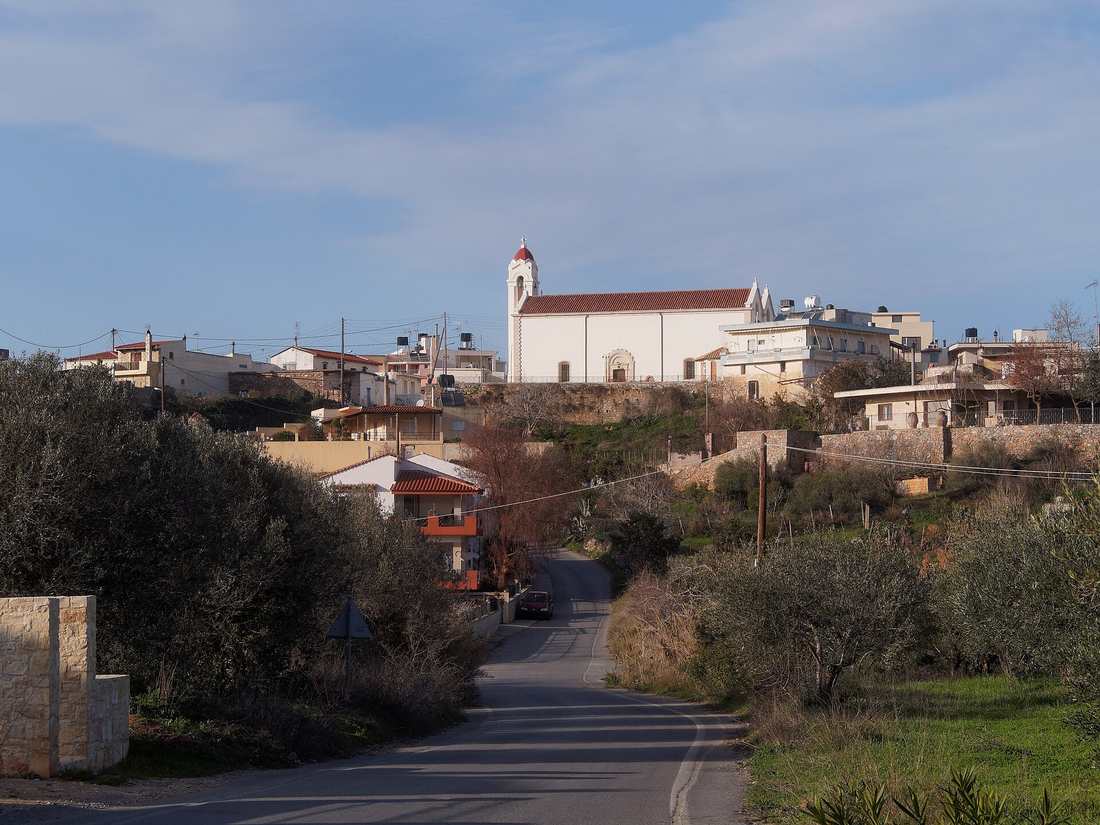
Thrapsano is a large inland village in the Pediada region of the Heraklion district, east of Heraklion town. The village earned its reputation across the island as a place of potters. Families throw giant storage jars called pithoi here alongside everyday earthenware, and the clay tradition reaches back through generations. It echoes the huge Minoan storage jars unearthed at the island’s palaces. Vineyards and olive groves surround the village, and the ruins of ancient Lyktos lie close by. Travellers reach Thrapsano on a short drive from Heraklion, Knossos and the road up to the Lasithi Plateau, so it fits easily into a day of touring the interior with My Greece Tours.
This page explains where Thrapsano sits, what its potters make, how the craft connects to the wider island, and how to plan a visit around the working kilns. The sections below cover the village geography, the pithoi jars and their history, the workshops open to visitors, the nearby sights, and the route from Heraklion. For the full regional picture, the Crete travel guide places Thrapsano within the districts, mountains and coasts of the island, so you can pair the pottery village with vineyards, monuments and the highland plateau above it.
Where is Thrapsano in Crete?
Thrapsano is a large inland village in the Pediada region of the Heraklion district, east of Heraklion town. It sits amid vineyards and olive groves near ancient Lyktos, within a short drive of Heraklion, Knossos and the Lasithi Plateau.
The village occupies the rolling agricultural country of the Pediada, the fertile inland zone that spreads east and south of Heraklion town. Vineyards, olive groves and grain fields cover the low hills around Thrapsano, and the ground yields the clay that made the village what it is. The ruins of ancient Lyktos, one of the old rival cities of the island, stand within reach, tying the modern potters to a landscape thousands of years deep. Thrapsano ranks among the larger inland villages of the district rather than a hamlet. A working population keeps the fields, the vineyards and the kilns going.
The setting is farmland and workshop, not coastline, and that shapes the kind of visit the village offers to a traveller who comes inland.
Distance is the practical appeal of Thrapsano for a traveller based on the north coast. Heraklion town lies a short drive to the west. The Minoan palace of Knossos sits between the two, so the village slots into a morning at the palace and an afternoon inland. The road up to the Lasithi Plateau climbs east of the village, which lets you pair the pottery workshops with the windmill plateau and the Dikti mountain country. Travellers who want things to do in Crete beyond the beaches find Thrapsano a natural inland stop on the itinerary.
It sits close enough to the city to reach without a long mountain haul, yet far enough from the coast to feel like the true working interior of the settled Cretan island.
What are the pithoi jars of Thrapsano?
Pithoi are the giant clay storage jars that made Thrapsano famous. Village families throw them by hand to hold oil, wine, grain and water. The tradition echoes the Minoan jars found at the palaces, a craft thousands of years old.
A pithos is a large earthenware vessel built to store the harvest of a Cretan farm: olive oil pressed in autumn, wine from the vineyards, grain, and water drawn against the dry summer. The Thrapsano potters shape these jars in stages. They coil and throw the clay upward over days, so the soft walls carry the weight of the growing form without collapsing. A finished pithos can stand taller than a person and hold hundreds of litres. Decoration stays restrained, with rope-like bands and finger-pressed ridges circling the belly and shoulder.
The scale of the work sets Thrapsano apart from ordinary potteries, since throwing a vessel this large demands technique passed down within families across generations of practised hands and long training in the yards.
The craft carries a long memory on this island. Excavators found rows of towering storage jars in the magazines of the Minoan palaces. The pithoi of Thrapsano stand as living descendants of those Bronze Age vessels, made for the same purpose by much the same method. Alongside the giant jars, the village workshops turn out everyday earthenware: bowls, pots, water jugs and garden planters that sell to households across the district. The clay tradition ties directly to how people ate and cooked, so a visit pairs well with an interest in Cretan food. The same jars once held the oil and wine at the centre of the island table.
The pottery is craft and pantry at once, rooted in the working rhythm of the Cretan farming year.
Can visitors watch the potters work in Thrapsano?
Yes. Thrapsano workshops still shape and fire clay in traditional wood kilns and welcome visitors to watch the throwing and buy finished pieces. The working kilns and the potters at their wheels draw travellers to the village.
The village keeps a working pottery scene rather than a museum display. Family workshops still throw jars and fire them in traditional wood-fuelled kilns, and they open their doors so travellers can watch a potter draw a vessel up from a mound of clay. The throwing of a large pithos is slow and deliberate, and a visit timed to the working season shows the coiling, shaping and smoothing that the finished jar hides. Firing in a wood kiln adds the smoke marks and warm tones that machine-fired pottery lacks. Buying straight from the maker means a garden pot, water jug or small pithos travels home with a clear story of who shaped it and where.
The purchase supports the craft and the potting family directly.
Timing rewards a little planning. The potters work hardest through the warmer months, when the clay dries and fires well. In the past, teams of Thrapsano potters travelled around the island each summer to make jars on the spot for farms and monasteries. Calling ahead or asking in the village square points you to the workshops firing on the actual day of your visit. Thrapsano suits travellers chasing living Cretan tradition rather than a resort, and it pairs naturally with other hidden gems in Crete in the inland districts, where working villages replace beach clubs.
The reward is a craft you can see, hold and carry away, made by hands that learned the work from the generation before them in the very same village yards.
What is near Thrapsano worth visiting in Crete?
Thrapsano sits within a short drive of Heraklion, the Minoan palace of Knossos, the ancient site of Lyktos, and the road climbing to the Lasithi Plateau. The surrounding vineyards and olive groves of the Pediada round out an inland day.
The village works best as one stop on a wider inland loop. To the west lies Heraklion, the island’s capital and the gateway airport for most arrivals, with its harbour fort, archaeological museum and old-town streets. Between the city and Thrapsano stands Knossos, the largest Minoan palace, whose deep magazines once held rows of storage jars that prefigure the pithoi still thrown in the village. The ruins of ancient Lyktos sit closer still, a hilltop city that rivalled Knossos in the old wars of the island and now offers ruined walls, views and quiet.
This cluster of the capital, the Minoan palace, the ancient city and the pottery village fills a day of touring without a long drive between any two points on the route.
The land itself repays slowing down. Vineyards of the Peza and Pediada wine country spread around the village, and olive groves cover the slopes between the farms, so the drive rewards a stop at a taverna or a roadside stand. East and south of Thrapsano the road climbs toward the Lasithi Plateau, the high windmill basin ringed by the Dikti mountains. That plateau makes a natural second half to a day that starts among the kilns. The contrast between the warm Pediada farmland and the cool mountain plateau gives an inland itinerary its shape. The pottery village anchors the lower, hotter end of that climb before the road turns up into the hills above.
Vineyard stops between the two break the drive with local wine and shade.
How do travellers reach Thrapsano from Heraklion?
Travellers reach Thrapsano on a short drive east from Heraklion town, passing Knossos on the way. The village lies on the inland roads of the Pediada, near the routes toward the Lasithi Plateau. A rental car makes the visit easiest.
A car gives the most freedom for a Thrapsano visit. The village lies inland off the main coastal highway, reached on the district roads that thread the Pediada east and south of Heraklion. Drivers pass close to Knossos on the way out of the city, which lets you fold the palace and the pottery village into a single outward run. The roads through the farmland are quiet and well surfaced, and the village square gives a clear point to park and ask directions to the workshops firing that day.
Public buses serve the larger Pediada villages from Heraklion, though schedules thin out for the smaller inland stops, so a self-driven trip keeps the timing loose enough to linger at a kiln or a taverna without watching the clock.
Choosing a base shapes how far the drive feels. Travellers staying in or near Heraklion reach Thrapsano in a short run. Those weighing up where to stay in Crete for an interior-focused trip often pick a village or a small hotel in the Peza wine country to cut the daily driving. From such a base the pottery village, the vineyards, Knossos and the Lasithi road all fall within easy reach, turning a scattered set of sights into a compact touring zone. The inland location that keeps Thrapsano quiet also keeps it close to the capital and its airport.
The village rewards travellers who want the working interior without giving up the convenience of the north-coast hub, and a night in the wine villages nearby lets the interior fill more than a single rushed afternoon.
Frequently Asked Questions
Is Thrapsano worth visiting for the pottery alone?
Thrapsano rewards travellers who value craft and tradition over beaches and resorts. The village stands as one of the last working pottery centres on the island, where families still throw giant pithoi jars and everyday earthenware in traditional wood kilns you can watch in action. The scale of the giant storage jars, taller than a person and holding hundreds of litres, sets the place apart from ordinary souvenir shops. Watching a potter draw a large vessel up from raw clay on the wheel shows a skill passed down through generations of the same families. The craft ties directly to the huge Minoan storage jars found at the island’s palaces, so the visit carries real historical depth.
The vineyards, olive groves and the ruins of ancient Lyktos surround the village and round out the stop. Thrapsano makes a satisfying inland base for anyone touring beyond the coast, close to Heraklion yet firmly rooted in the working countryside.
What can you buy from the Thrapsano potters?
The workshops sell the full range of what the village throws, from the giant pithoi storage jars down to pieces that travel home in a suitcase. Large jars suit gardens and terraces, where they hold plants or stand as sculptural pieces, while smaller pithoi, water jugs, bowls, planters and cooking pots fit a household kitchen or balcony. Buying straight from the maker means the price supports the craft directly, and the piece carries a clear story of who shaped it and in which kiln it fired. Wood-fired pottery shows warm tones and smoke marks that machine-made ceramics lack, so each piece varies.
The everyday earthenware connects to the island table and its dishes, since the same jars once stored the oil, wine and grain at the heart of Cretan cooking. Ask in the village square for the workshops open on the day of your visit, and the potters point you toward the kiln firing that afternoon so you can watch the work before you buy.
How does Thrapsano fit into a wider Crete itinerary?
Thrapsano works best as one stop on an inland day rather than a destination on its own. The village sits within a short drive of Heraklion town and the Minoan palace of Knossos. A morning at the palace flows into an afternoon among the kilns and the surrounding vineyards of the Peza and Pediada wine country. From the village the road climbs east and south toward the Lasithi Plateau, the high windmill basin ringed by the Dikti mountains. That climb makes a natural second half to the day and lifts the route from warm farmland into cool highland air. The ancient city of Lyktos adds a ruin close to the village for travellers who want more history.
A rental car ties these points together with short hops. The capital, the palace, the pottery village and the mountain plateau join into one compact touring loop, and the route shows the working interior alongside the famous monuments of the district in a single unhurried outing.