
Therisso sits at the head of a short but spectacular gorge in the White Mountains, just south of Chania in northwest Crete. The narrow ravine, with high rock walls shaded by plane trees, carries the road up from the coastal plain in a dramatic drive that takes only minutes but feels like a journey into another world. This mountain village holds deep significance in Cretan history as the base of the revolt led by Eleftherios Venizelos in the early twentieth century. Today, visitors come for the scenic approach, the cool mountain air, and the hearty meat dishes served in traditional tavernas. Explore this blend of nature, history, and authentic cuisine with My Greece Tours.
The village pairs natural beauty with cultural depth, offering an easy escape from the coast without requiring a full day’s commitment. Springs and ancient plane trees keep the setting refreshingly cool even in high summer, making it a popular lunch destination for locals and travelers alike. A small museum commemorates the revolutionary events that shaped modern Crete. The sections below cover the gorge drive, the historical significance, the culinary traditions, and practical visiting tips. For broader context on the island, consult our comprehensive Crete travel guide.
What makes the Therisso Gorge drive special in Crete?
The Therisso Gorge offers a short but intensely scenic drive through towering rock walls draped with plane trees. The narrow road winds upward from the Chania plain, climbing through the ravine in just a few kilometres of dramatic landscape.
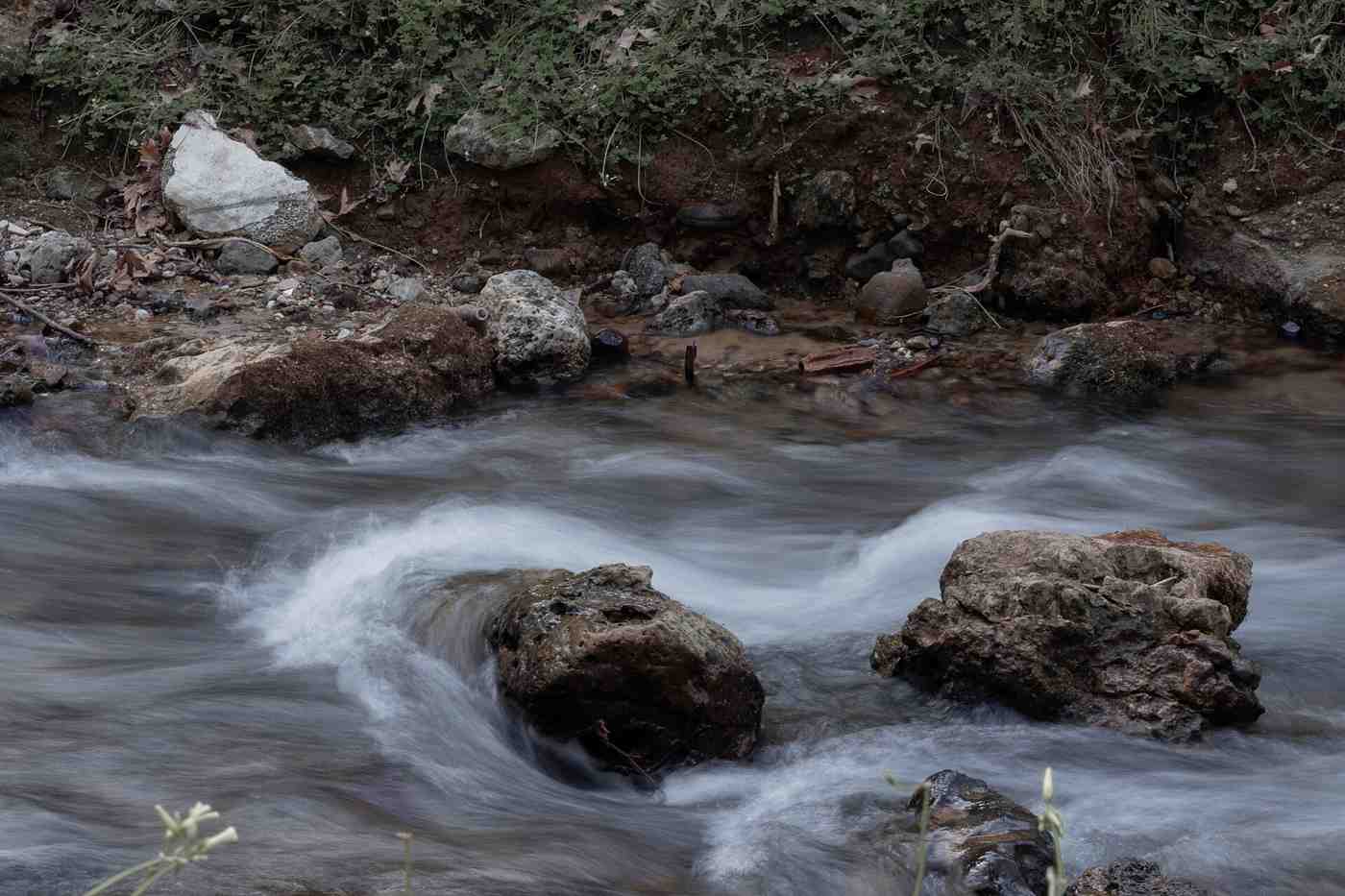
The gorge begins abruptly as you leave the flatlands south of the city, with limestone cliffs rising steeply on both sides of the road. Plane trees cling to the rock faces and arch over the asphalt, creating a green tunnel that filters the Mediterranean light into dappled patterns. The route twists through the narrowest sections where the walls seem to press in from both sides, then opens briefly before tightening again. Water trickles down the rock in cooler months, feeding the vegetation that softens the stark geology. The drive takes less than fifteen minutes, yet the landscape changes completely from agricultural lowlands to mountain wilderness.
This accessibility makes it one of the most rewarding short excursions from Chania, delivering alpine scenery without the commitment of a full-day mountain expedition.
The gorge road was carved to connect the village with the coast, following the natural watercourse that shaped the ravine over millennia. Modern improvements have made the drive safe and straightforward, though the narrow width and sharp turns still demand attention. Pullouts along the route allow you to stop and appreciate the geology, photograph the rock formations, or simply listen to the silence broken only by birdsong and the rustle of leaves. The plane trees provide shade and coolness even in midsummer, making the gorge a natural air-conditioned corridor. The White Mountains loom beyond the village, hinting at the wilder terrain that stretches southward toward the Libyan Sea.
The gorge serves as a gateway to this highland world, condensing mountain drama into a brief, accessible experience.
Why is Therisso important in Cretan history?
Therisso was the base of the revolt launched in the early twentieth century by Eleftherios Venizelos against Crete’s autonomous government. The uprising pushed for union with Greece and made Venizelos a major figure who later became Greek prime minister.
Venizelos chose the remote mountain village as the headquarters for his revolutionary movement, using its distance from administrative centers and its defensible position to organize resistance. The revolt began in the spring and quickly drew support from across the island, challenging the existing political order that had been established after Ottoman rule ended. The rebels declared a revolutionary assembly in Therisso, issuing demands for constitutional reform and eventual union with the Greek state. The movement forced international powers to intervene and ultimately led to significant political changes. A small museum in the village preserves documents, photographs, and artifacts from this period, explaining the events and their consequences for modern Greece.
The building itself occupies a historic structure connected to the revolutionary assembly, adding authenticity to the exhibits.
The revolt cemented Therisso’s place in national consciousness as a symbol of Cretan determination and political awakening. Venizelos went on to dominate Greek politics for decades, serving multiple terms as prime minister and shaping the country’s territorial expansion and modernization. His political career began in these mountains, where the combination of geographic isolation and popular support created space for radical action. The village celebrates this heritage with pride, maintaining the museum and marking key sites associated with the uprising. Visitors interested in the broader story of Cretan resistance and identity will find Therisso an essential stop, complementing the better-known narratives of earlier struggles against Ottoman and Venetian rule.
The revolutionary legacy adds depth to what might otherwise be simply a scenic mountain village. Down in the Keritis valley, the spring-fed village of Meskla shelters old Byzantine churches among plane trees.
What food traditions distinguish Therisso in Crete?
Therisso tavernas specialize in hearty Cretan meat dishes, particularly lamb and goat in traditional mountain styles. The village draws diners from Chania for long lunches, serving slow-cooked meats, fresh vegetables and local wine in a cool mountain setting.
The tavernas cluster around the village square and along the main road, their terraces shaded by enormous plane trees that have stood for generations. Menus focus on dishes that reflect the pastoral economy of the mountains: roasted lamb with herbs, goat stewed with wild greens, pork cooked in wine, and sausages flavored with orange peel and mountain oregano. Portions are substantial, designed for shepherds and farmers rather than delicate appetites. Side dishes include horta (boiled greens), fried potatoes, fresh tomato salad, and thick slices of village bread. The ingredients come largely from the surrounding region, with meat from local flocks and vegetables from mountain gardens.
Wine arrives in carafes, often produced by nearby vineyards or even the taverna owners themselves. The atmosphere is informal and family-oriented, with multi-generational groups gathering for meals that stretch across hours.
The tradition of driving up to Therisso for Sunday lunch has deep roots in Chania culture, offering city dwellers a taste of mountain life and authentic Cretan food without traveling far from home. The cool microclimate created by the springs and shade trees makes the village particularly appealing in summer, when coastal areas swelter. Taverna owners take pride in their cooking methods, using wood ovens and slow-roasting techniques that develop deep flavors impossible to achieve with modern equipment. The setting enhances the meal, with the sound of running water, the rustle of leaves, and views of the surrounding peaks creating a complete sensory experience.
This combination of excellent food, pleasant environment, and easy accessibility has made Therisso a culinary destination in its own right, recognized beyond the immediate region.
How does Therisso fit into things to do in Crete?
Therisso offers a compact experience combining scenic gorge driving, history and traditional dining within a half-day trip from Chania. It suits travellers seeking authentic mountain atmosphere without long hikes, giving cultural depth and natural beauty close to the coast.
The village works well as a morning or afternoon excursion, leaving time for other activities in the same day. You can drive up through the gorge, visit the museum, have lunch at a taverna, and return to Chania within four or five hours. This efficiency makes it ideal for travelers with limited time who still want to experience Cretan mountain culture. The gorge itself satisfies the desire for dramatic landscapes without requiring hiking boots or trail experience. The historical museum adds educational value, particularly for those interested in modern Greek political development. The food provides an authentic taste of regional cuisine in its proper context, surrounded by the environment that shaped these culinary traditions.
The combination creates a well-rounded experience that touches on nature, history, and gastronomy. Therisso appears on many lists of things to do in Crete precisely because it delivers multiple rewards in a single, manageable visit.
The village also serves as a starting point for more ambitious explorations into the White Mountains, with trails leading to higher elevations and more remote settlements. Hikers use Therisso as a base or waypoint for multi-day treks through the range. The accessibility by car means you can gauge your interest and energy before committing to longer mountain adventures. Photographers appreciate the gorge in different seasons and light conditions, returning multiple times to capture the changing moods of the landscape. The village maintains its authentic character precisely because it remains a living community rather than a tourist creation, with real residents, working tavernas, and genuine historical significance.
This authenticity makes it one of the hidden gems in Crete that rewards visitors with substance rather than spectacle.
When should you visit Therisso and what should you bring?
Spring and autumn offer ideal conditions, with moderate temperatures, flowing water in the gorge and comfortable dining weather. Summer stays pleasant thanks to the elevation and shade, though weekends bring crowds. Bring a camera, comfortable shoes and an appetite.
The gorge shows different faces across the seasons, with spring bringing wildflowers and rushing water from snowmelt, while autumn offers golden light and harvested landscapes. Winter can be cold and occasionally sees snow, though the road remains passable except in extreme weather. Summer heat is moderated by the altitude and the cooling effect of the springs and plane trees, making the village a refuge when coastal areas become uncomfortably warm. Weekends year-round attract locals from Chania, filling the tavernas with families and groups of friends. Weekday visits offer more tranquility and easier parking. The museum keeps limited hours, typically opening in the morning and early afternoon, so check locally or arrive early to ensure access.
Photography enthusiasts should consider the angle of light in the gorge, which changes dramatically depending on the time of day and season.
Practical preparation is minimal since the village is fully accessible by standard vehicles and offers all basic facilities. Comfortable walking shoes help if you want to explore the village lanes or venture onto nearby trails. The tavernas accept cash primarily, though larger establishments may take cards. Bringing a light jacket is wise even in summer, as the shade and elevation can create surprisingly cool pockets. The drive itself requires no special equipment, though a camera or phone for photos is essential given the scenic drama of the gorge. For those interested in extending the visit into hiking in Crete, proper boots and supplies would be necessary, but for a standard village visit, normal travel gear suffices.
The key is arriving with time to relax and absorb the atmosphere rather than rushing through the experience.
Frequently Asked Questions
How far is Therisso from Chania and how long does the drive take?
Therisso lies approximately sixteen kilometers south of Chania, a distance that takes roughly thirty minutes to drive under normal conditions. The first portion follows ordinary roads through the agricultural plain, passing through or near smaller settlements before reaching the mouth of the gorge. The gorge section itself adds only a few kilometers but requires slower speeds due to the narrow width, sharp curves, and dramatic scenery that naturally invites cautious driving. The road is paved and well-maintained, suitable for standard rental cars without requiring four-wheel drive or special clearance. Traffic is generally light except on weekend lunchtimes when locals head up for meals.
The short distance makes Therisso an easy addition to a day exploring the Chania region, requiring minimal fuel and time investment while delivering substantial scenic and cultural rewards. Return trips take the same route, offering different perspectives on the gorge as you descend back toward the coast.
Can you hike in the Therisso Gorge or is it only accessible by car?
The main gorge is primarily a road route rather than a hiking trail, with the paved road occupying most of the narrow canyon floor. Walking the road itself is possible but not particularly pleasant due to vehicle traffic and the lack of separate pedestrian paths. The real hiking opportunities begin from the village itself, with trails leading higher into the White Mountains toward more remote areas and traditional shepherd settlements. These paths range from easy walks to challenging mountain treks, depending on how far you want to venture. The village serves as a trailhead for multi-day routes that connect to the broader network of mountain paths crossing the range.
Day hikes from Therisso can reach viewpoints, springs, and upland plateaus within a few hours of walking. The gorge drive and the hiking options complement each other, allowing visitors to experience both the dramatic approach by car and the quieter exploration on foot from the village base.
What other attractions are near Therisso that could be combined in one trip?
The proximity to Chania means you can easily combine Therisso with exploration of the old Venetian harbor, the archaeological museum, the covered market, and the atmospheric lanes of the old town. The route to Therisso passes near the Allied War Cemetery, a beautifully maintained site commemorating soldiers who fell during the Battle of Crete in the Second World War. The Akrotiri Peninsula lies to the northeast, offering monasteries, beaches, and the Venizelos graves overlooking Souda Bay. The coastal road west from Chania leads to beaches and smaller villages along the northwest coast. The combination of mountain and coast within such a compact area gives you flexibility to design a day that balances different landscapes and experiences.
Most visitors use Chania as a base, making morning or afternoon trips to Therisso while spending other parts of the day exploring coastal or urban attractions. The variety within a small radius is characteristic of western Crete, where mountains meet the sea and historical layers accumulate in concentrated areas.