
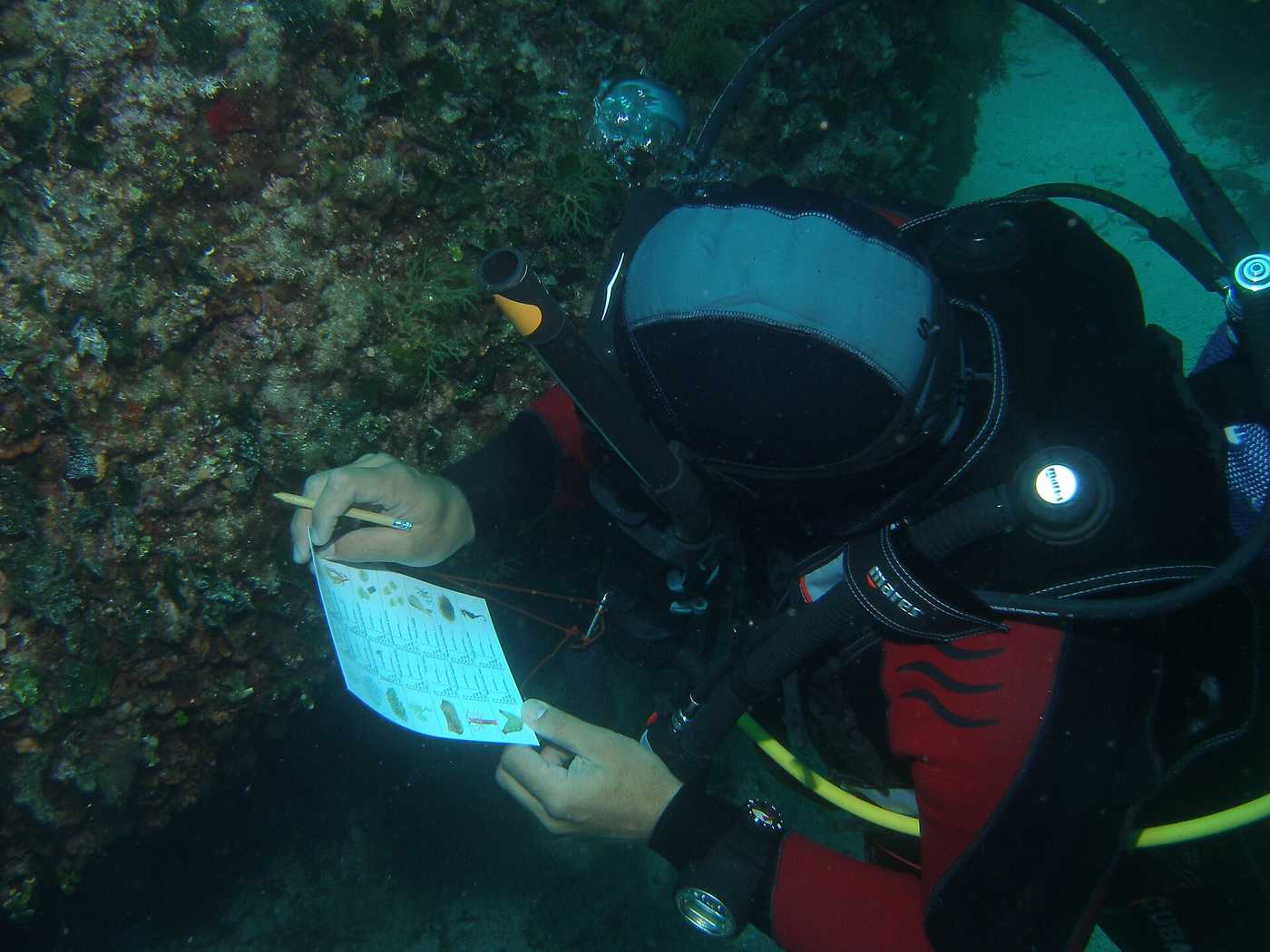
Crete’s long Mediterranean coastline and warm, transparent water create ideal conditions for underwater exploration year-round. Dive centres operate along the north shore, offering everything from first-time try-dives to advanced wreck expeditions. The seabed reveals caves, vertical walls, swim-throughs and canyons populated by groupers, moray eels, octopus and colourful sponges. Visibility regularly exceeds thirty metres during the summer months, and water temperatures stay comfortable from June through October. Beginners can complete certification courses, while experienced divers access deeper sites featuring sunken aircraft and historical wrecks. Plan your underwater adventure with My Greece Tours.
The island’s dive infrastructure concentrates around Chania, Rethymno, Heraklion, Hersonissos, Agios Nikolaos and Elounda, where professional operators supply all equipment and run guided boat trips to protected sites. Snorkellers enjoy shallow rocky coves without the need for heavy gear, and most facilities operate through the warmer half of the year. The sections below cover dive site highlights, practical information for beginners, seasonal conditions and equipment options. For broader island planning, consult our Crete travel guide.
What makes Crete a good destination for scuba diving?
Crete offers clear Mediterranean water with visibility often exceeding thirty metres, a long coastline with diverse underwater topography, and warm conditions from June to October. Caves, walls, reefs and wrecks provide varied dive experiences.
The island’s geographic position in the southern Aegean creates stable underwater conditions with minimal current in protected bays and headlands. Dive centres cluster along the north coast, giving access to caverns off the Akrotiri peninsula, reef systems in Mirabello Bay, and sunken wrecks near the eastern shore. The seabed topography includes vertical walls draped in sponges, narrow canyons cutting through rock formations, and swim-throughs that lead into sheltered chambers. Groupers patrol the reef edges, moray eels occupy crevices, and octopus camouflage themselves against the substrate. Water temperature peaks between June and October, staying comfortable enough for extended bottom time without thick exposure protection.
Visibility regularly reaches thirty metres or more, allowing divers to appreciate the full scale of underwater features. Operators run trips throughout the warmer months, and the concentration of facilities around Chania and other coastal towns ensures convenient access.
The variety of dive sites suits different experience levels and interests. Shallow rocky coves near shore accommodate snorkellers and newly certified divers, while deeper wrecks and offshore pinnacles challenge advanced practitioners. The island’s history adds interest to certain sites, with submerged wartime aircraft and sunken vessels resting on the seabed. Marine life includes resident species that occupy specific territories, making repeat dives rewarding as you learn the habits of individual groupers and eels. The warm season brings increased plankton that supports the food chain, though visibility remains strong. Most dive centres operate as family businesses with multilingual staff, and they follow international safety standards.
The combination of reliable conditions, accessible infrastructure and diverse underwater landscapes makes the island a practical choice for divers planning a Mediterranean trip that includes things to do in Crete both above and below the surface.
Where are the main dive centres and sites located in Crete?
Dive centres concentrate along the north coast in Chania, Rethymno, Heraklion, Hersonissos, Agios Nikolaos and Elounda. Notable sites include Akrotiri peninsula caverns, Elounda reefs, Mirabello Bay walls, and eastern wrecks including a submerged wartime aircraft.
The western region around Chania provides access to the Akrotiri peninsula, where underwater caverns and swim-throughs create dramatic dive profiles. The rocky coastline drops away into chambers lit by shafts of sunlight filtering through openings above. Dive operators in the town run daily boat trips to these sites, and the short travel time allows for two-tank morning excursions. Moving east, Rethymno and Heraklion serve as bases for reef dives and wall descents, with operators launching from harbours and beach access points. The central north coast around Hersonissos offers convenient facilities for resort-based divers, with centres located within walking distance of accommodation. The seabed here features rocky outcrops and sandy patches where flatfish and rays rest.
Water depth increases gradually, making the area suitable for training dives and skill development.
The eastern region around Agios Nikolaos and Elounda holds some of the island’s most celebrated dive sites. Mirabello Bay presents vertical walls covered in colourful sponges, and the reef systems off Elounda attract groupers, octopus and schools of smaller fish. Dive centres in Agios Nikolaos organise trips to deeper wrecks, including sunken vessels and a submerged wartime aircraft that rests on the seabed with its structure still recognisable. These sites require advanced certification and good buoyancy control. The concentration of facilities along the north shore means divers can base themselves in one town and explore multiple sites, or move between locations to sample different underwater environments. Most centres maintain websites with site descriptions, depth charts and booking systems.
What can beginners expect from scuba diving in Crete?
Beginners can take PADI or SSI open-water courses at dive centres, starting with pool sessions before progressing to shallow coastal dives. Try-dives let first-timers experience breathing underwater with an instructor, and all equipment is supplied.
Open-water certification courses typically span three to four days, beginning with theory sessions that cover dive physics, safety procedures and equipment function. Students then practice skills in a swimming pool or confined water area, learning to clear a flooded mask, control buoyancy and communicate with hand signals. The final stage involves four open-water dives in the sea, where instructors guide students through the same skills in a natural environment. Dive centres along the north coast run courses in multiple languages, and class sizes stay small to ensure individual attention. The calm conditions in protected bays create an ideal learning environment, with minimal current and good visibility.
Water temperature during summer months means students can wear thin wetsuits rather than bulky drysuits. Certification is internationally recognised, allowing graduates to dive anywhere in the world. The investment includes all equipment rental, instruction, certification fees and boat trips to training sites.
Try-dives offer a shorter introduction for those unsure about committing to a full course. An instructor provides a brief orientation on shore, explaining how to breathe through a regulator and equalise ear pressure. The dive itself takes place in shallow water, rarely exceeding six metres depth, and lasts around thirty minutes. The instructor stays within arm’s reach throughout, managing buoyancy and navigation while the participant focuses on breathing and observing the underwater environment. Try-dives work well as one of the Crete beaches activities, fitting into a morning or afternoon without disrupting other holiday plans. Participants must complete a medical questionnaire, and certain conditions require doctor clearance.
The experience provides enough exposure to decide whether to pursue certification, and some centres credit the try-dive fee toward a full course if you choose to continue.
When is the best time for diving and what are the water conditions?
Water stays warmest from June to October, with visibility often exceeding thirty metres. The warmer half of the year sees most dive centres operating, and summer months offer comfortable temperatures for extended dives without heavy exposure protection.
June marks the start of peak diving season, with water temperature climbing into the low twenties Celsius and staying there through September. Visibility improves as spring plankton blooms subside, and the stable weather patterns of summer bring calm surface conditions. July and August see the warmest water and longest daylight hours, allowing early morning and late afternoon dives with plenty of surface interval time between. September and October maintain good conditions with slightly cooler water, and these months often bring the clearest visibility as sea temperature begins its gradual decline. Most dive centres open in May and close in October or early November, following the tourist season.
Winter months see reduced operations, though a handful of year-round facilities serve dedicated divers willing to wear thicker wetsuits. The north coast experiences less wind than the south, and operators monitor forecasts to select protected sites when breezes pick up.
Visibility varies by location and recent weather, but thirty metres is common during summer, and some sites offer forty metres or more on exceptional days. Rain can temporarily reduce visibility near river mouths and drainage channels, though the island’s dry summer climate minimises this issue. Water temperature peaks around twenty-five to twenty-six degrees Celsius in August, comfortable enough for a three-millimetre wetsuit on dives up to an hour. Spring and autumn require five-millimetre suits for longer bottom time. The Mediterranean lacks strong tides, so dive planning focuses on wind direction and swell rather than tidal windows. Morning dives typically offer the calmest surface conditions and best light for photography.
The extended season means divers can combine underwater exploration with other island activities, visiting archaeological sites, hiking gorges and sampling local cuisine between dive days.
What marine life and underwater features can divers see in Crete?
Divers encounter groupers, moray eels, octopus and colourful sponges on reefs and walls. Underwater features include caves, canyons, swim-throughs and wrecks. The seabed topography varies from rocky reefs to vertical walls and sandy patches.
Groupers are the most charismatic residents, with individuals growing large enough to develop recognisable features that divers learn to identify on repeat visits. These fish patrol reef edges and hover near cave entrances, sometimes approaching divers with curiosity. Moray eels occupy crevices in the rock, extending their heads to breathe and occasionally venturing out to hunt. Octopus demonstrate remarkable camouflage ability, changing colour and texture to match their surroundings, and patient observers can watch them move across the seabed using jet propulsion. Sponges in yellow, orange and purple encrust vertical surfaces, and their varied forms add colour to underwater photographs.
Smaller fish including wrasse, damselfish and blennies dart among the rocks, while flatfish and rays rest on sandy patches between reef structures. Nudibranchs and other invertebrates reward macro photography enthusiasts who examine the substrate closely.
The geological features create the framework for marine life. Caves range from shallow overhangs to deeper chambers that require torch lights, and swim-throughs connect adjacent sections of reef through narrow passages. Vertical walls drop from shallow plateaus into deeper water, their surfaces covered in sessile organisms that filter nutrients from passing currents. Canyons cut through rocky formations, creating sheltered environments where fish congregate. Wrecks add artificial structure to sandy seabeds, and their metal frameworks become encrusted with marine growth over time. The submerged wartime aircraft in the east rests intact enough to identify its original form, and its presence attracts both marine life and divers interested in underwater history.
The variety of features means consecutive dives reveal different aspects of the underwater environment, maintaining interest across multiple days of diving.
Frequently Asked Questions
Do I need previous experience to dive in Crete?
No previous experience is necessary. Dive centres offer try-dives that let complete beginners experience breathing underwater in shallow water under direct instructor supervision, and these introductory sessions require no prior skills. For those wanting certification, PADI and SSI open-water courses start from scratch, teaching all necessary theory and practical skills over three to four days. The courses include pool or confined water training before progressing to open-water dives, and instructors work in small groups to ensure everyone masters each skill. Snorkelling requires even less preparation and lets you explore shallow rocky coves with just a mask, snorkel and fins. Most centres supply all equipment regardless of experience level, so you need only bring swimwear and sun protection.
Medical fitness is the main requirement, and dive centres provide questionnaires to identify any conditions that might need doctor clearance before participating.
What equipment do I need and what do dive centres provide?
Dive centres provide all essential equipment including wetsuits, buoyancy control devices, regulators, tanks, masks, fins and weight systems. The rental cost is typically included in course fees and guided dive prices, though some centres charge separately for equipment hire. You should bring your own swimwear to wear under the wetsuit, and a towel for after the dive. Sunscreen and a hat are essential for boat trips, as Mediterranean sun reflects strongly off the water. If you wear prescription glasses, mention this when booking so the centre can provide a mask with optical lenses or suggest alternatives.
Experienced divers who own equipment can bring their own gear, though airlines charge for sports equipment and you must ensure your regulator is compatible with local tank valves. Dive computers are useful for tracking depth and bottom time, and centres either include them in the rental package or offer them for a small additional fee.
Can I combine diving with other activities during my Crete holiday?
Diving integrates easily with other holiday activities. Most dive trips occupy a morning or afternoon, leaving the rest of the day free for beach time, sightseeing or exploring coastal towns. Dive physiology recommends avoiding flying for twelve to twenty-four hours after your last dive, so plan diving for the early part of your trip rather than the day before departure. The island offers archaeological sites, mountain villages, hiking trails and excellent tavernas, and the north coast dive centres sit within easy reach of these attractions. Snorkelling provides an alternative on days when you want underwater time without the commitment of scuba diving. Rest days between diving let you explore inland areas or simply relax by the pool.
The concentration of facilities around tourist areas means you can walk from your accommodation to dive centres, and operators often provide pickup service from nearby hotels. The combination of reliable diving infrastructure and diverse non-diving attractions makes the island suitable for mixed-interest groups where some members dive while others pursue different activities.