
Choosing between Milos and Alonissos pits a volcanic Cycladic island of dramatic coves against a green, eco-focused Sporades island ringed by a marine park. Plan island tours and tickets through My Greece Tours.
This comparison is a common question in the Milos travel guide. The sections below compare the landscapes, the beaches, the vibe, the access and which island suits you best.
Which is better, Milos or Alonissos?
Milos is better for dramatic volcanic beaches, sea caves and boat trips, while Alonissos is better for green nature, tranquillity and a renowned marine park. Choose Milos for spectacular coves and scenery, Alonissos for forests, wildlife and a peaceful, unspoilt escape.
Each island offers a different Greece. Milos leans volcanic and scenic. Alonissos leans green and wild. The choice turns on nature.
Pick Milos for the coast. Coloured coves and caves define it. The beaches headline the trip. The boat days dazzle.
Pick Alonissos for the wild. Pine forest cloaks it. A marine park rings it. The calm runs deep.
Both stay quiet and relaxed. Neither chases nightlife. Both reward the calm seeker. Character splits them.
Milos and Alonissos appeal to different instincts. Milos, in the western Cyclades, is a volcanic island built around its coast, where coloured cliffs, white moonscapes and dozens of dramatic coves make beaches and boat trips the heart of any visit. It is scenic, quietly stylish and sun-baked, an island for swimming, exploring and chasing the colour and clarity of the sea.
Alonissos, the greenest and most remote of the Sporades, is an island of pine forest, walking trails and protected nature, famous for the National Marine Park of Alonissos that surrounds it, the largest in Europe and a refuge for the Mediterranean monk seal. It is tranquil, unspoilt and eco-focused where Milos is dramatic and beach-led. Choose Milos for volcanic beaches and Cycladic scenery, and Alonissos for forests, wildlife and a peaceful, green escape. The next section compares the landscapes.
How do the landscapes of Milos and Alonissos compare?
Milos has a dry, volcanic landscape of coloured cliffs, white rock and bare hills, while Alonissos is green and forested, cloaked in pine and surrounded by a protected marine park.
The two landscapes contrast sharply. Milos runs bare and volcanic. Alonissos runs green and wild. Nature drives the gap.
Milos owes its look to fire. Volcanic rock paints the coast. Cliffs glow red and white. Hot springs warm the shore.
Alonissos owes its look to pine. Forest cloaks the hills. A marine park rings it. Wildlife fills the sea.
The contrast shapes the trip. Milos dazzles with rock. Alonissos soothes with green. Both face clear seas.
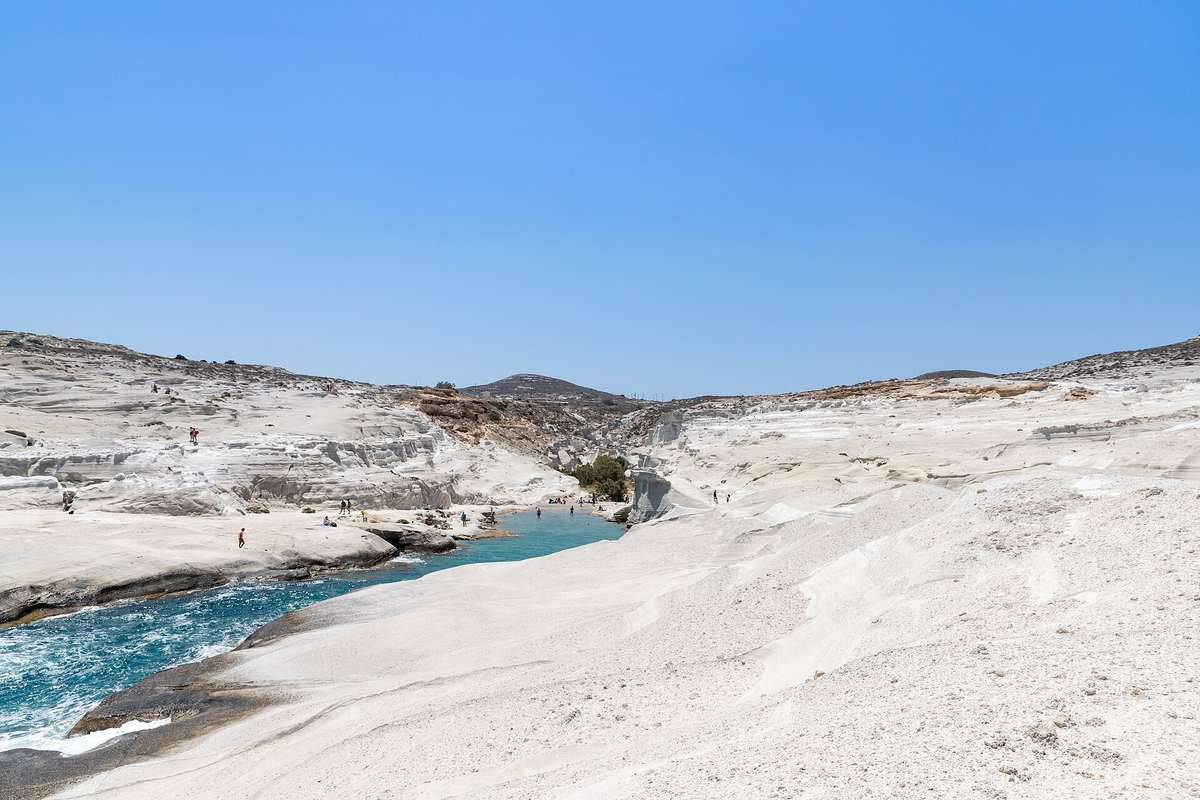
The landscapes of these islands could hardly differ more. Milos was born of fire, its cliffs tinted rust, grey and chalk white by long-cooled lava and bubbling hot springs, its shore hollowed into caves and arches. Treeless, sun-scorched hills roll down to the sea under a piercing Aegean light, a stark, almost lunar terrain whose beauty is pure geology.
Alonissos turns the scene green and wild. It is the most forested of the Sporades, cloaked in dense pine that runs down to the coast, threaded with walking trails, and surrounded by the protected waters of a vast marine park that shelters monk seals, dolphins and rich birdlife. Its beauty is natural, lush and untamed rather than sculpted and bare. A traveller drawn to coloured volcanic geology will warm to Milos, while one who loves forest, wildlife and unspoilt nature will lean toward Alonissos. The next section compares the beaches.
Which has better beaches, Milos or Alonissos?
Milos has more dramatic and varied beaches, with dozens of colourful volcanic coves and sea caves, while Alonissos has beautiful clear-water pebble beaches backed by pine. Milos wins for spectacle and boat trips, Alonissos for tranquil, green-fringed swimming in pristine waters.
The beaches split by character. Milos sells colour and caves. Alonissos sells clear pebbles. Both run pristine.
Milos wins on variety. The coloured coves astonish. Sarakiniko glows white. Kleftiko hides its caves.
Alonissos wins on purity. Pine frames the pebbles. The marine park guards the water. The clarity stuns.
The choice depends on taste. Milos craves the camera. Alonissos craves the calm. Both reward the swimmer.
On beaches, Milos offers spectacle and variety that few islands can match. Its indented coast shelters dozens of coves in an astonishing range of colours, from the chalk-white terraces of Sarakiniko to the rust-streaked southern cliffs and the cave-pierced white rock of Kleftiko, the last reachable only from the water. For anyone who builds a holiday around swimming, this is a coast of near-endless choice.
Alonissos counters with beautiful, pristine beaches set against green hills. Its coves, such as Chrisi Milia, Leftos Gialos and Agios Dimitrios, pair clear, clean pebbly shores with pine backdrops and water kept pure by the surrounding marine park, offering tranquil, scenic swimming. They are lovely and unspoilt but lack the colour and drama of the Milos coves. Choose Milos for spectacular, varied beaches and boat trips, and Alonissos for serene, green-fringed swimming in protected waters. The next section compares the vibe.
How do the vibe and atmosphere of Milos and Alonissos compare?
Milos has a quietly chic, scenery-led Cycladic vibe with a foodie scene and boat-trip energy, while Alonissos feels deeply tranquil, green and eco-conscious, drawing nature lovers and walkers.
Both islands keep a calm mood. Neither chases nightlife. Both reward the quiet traveller. The accents differ.
Milos carries a Cycladic buzz. Whitewashed villages charm. The food scene shines. The boat trips draw a crowd.
Alonissos breathes tranquillity. Nature lovers gather. Walkers roam the trails. The marine park defines it.
Eco-spirit marks Alonissos. The wildlife draws visitors. The calm runs deep. The pace slows right down.
In atmosphere, the two share a love of calm but express it differently. Milos has matured into an understated, design-conscious Cycladic favourite, where the hilltop lanes of Plaka glow white at dusk, the tavernas form part of a quietly admired food scene, and summer visitors lean relaxed rather than flashy. The rhythm here is led by the coast, a gentle blend of beach days and easy evenings.
Alonissos is one of the most tranquil and eco-conscious islands in Greece, shaped by its forests and its marine park. It draws nature lovers, walkers and those seeking genuine peace, with a low-key, unspoilt character, wildlife-watching trips to spot monk seals and dolphins, and a slow, gentle pace far from any party scene. Where Milos offers a stylish, scenic beach escape, Alonissos offers deep tranquillity and a connection to nature. The next section helps you choose between them.
Should you choose Milos or Alonissos?
Choose Milos for volcanic beaches, sea caves, boat trips and a stylish Cycladic escape, and Alonissos for green forests, a marine park, wildlife and a deeply peaceful, unspoilt island.
The verdict rests on nature and mood. Milos sells beaches and colour. Alonissos sells forest and calm. One island wins.
Choose Milos for the coast. Volcanic beaches headline it. Boat trips seal the deal. The food rewards the night.
Choose Alonissos for the wild. Pine forest defines it. The marine park amazes. The peace runs deep.
They sit far apart. Milos anchors the Cyclades. Alonissos anchors the Sporades. One trip rarely fits both.
The decision comes down to the kind of island you want. Choose Milos for a sun-baked volcanic island where coloured coves, sea caves, hot springs and daily boat trips fill the days, wrapped in whitewashed villages and a strong food culture. It rewards the traveller hungry for striking scenery, varied swimming and an active holiday with a constant sense of discovery.
Choose Alonissos for the greenest, most remote of the Sporades, an island of pine forest, walking trails, pristine beaches and a renowned marine park rich in wildlife, ideal for nature lovers seeking deep peace and unspoilt surroundings. The two lie far apart, Milos in the western Cyclades and Alonissos in the Sporades, so they do not pair on one trip, and most travellers choose one as a focus. Plan your island route through our things to do in Milos guide once you decide.
In the end, the two islands reward opposite instincts. Milos is for travellers who want their days filled with colour and variety, hopping between dramatic coves, sailing to sea caves and soaking up a stylish yet relaxed island scene. Alonissos is for those who want to slow right down among pine forests and pristine water, watching for wildlife in a protected sea and finding peace far from any crowd. Neither is better in the abstract, only better suited to the holiday you have in mind, so weigh your appetite for spectacle and activity against your craving for green tranquillity, and let that point you clearly toward one island.
Whichever you choose, both deliver an authentic, uncrowded side of Greece that rewards travellers who value scenery and calm over crowds and nightlife.
The contrast could hardly be sharper, which is exactly what makes the decision an easy and personal one.
How does dining compare on Milos and Alonissos?
Milos serves polished Cycladic tavernas and fresh Aegean fish in Adamas, Pollonia and Klima, while Alonissos offers traditional Sporades cooking built on local produce and quiet harbour dining in Patitiri and the hilltop Chora.
Milos has built a food culture that matches its scenic reputation. The waterfront tavernas of Adamas grill the day’s catch, the fishing hamlet of Pollonia plates octopus and sea urchin beside the water, and the sunken boat garages of Klima frame candlelit dinners at the shoreline. Cheese, capers and sun-ripened tomatoes anchor the Cycladic kitchen here, paired with a relaxed, design-conscious mood. The emphasis on fish and local produce gives Milos a foodie edge that travellers notice across a stay.
Alonissos keeps its dining rooted in tradition and local produce. The tavernas of Patitiri, the working port, cook simple Sporades dishes with garden vegetables, island cheese, honey and freshly landed fish, and the pace at the table stays unhurried. The old hilltop village of Chora, known as Palia Alonissos, holds small tavernas with views over the pine-clad hills and the sea, where the cooking leans homely rather than showy. Diners looking for calm harbour evenings and honest, produce-led plates find Alonissos a rewarding table.
The two islands split on style rather than quality. Milos delivers a broader, more polished restaurant scene with a clear pull toward fresh fish and a stylish setting, suited to travellers who treat dinner as part of the holiday’s appeal. Alonissos offers a smaller, gentler spread of family-run tavernas where the draw is authenticity, local ingredients and a peaceful seat by the harbour. Food lovers chasing variety lean toward Milos, and those content with traditional cooking settle into Alonissos.
Which island suits families and which suits couples?
Milos suits families with sandy beaches, boat trips and quad rentals for exploring the coast, while Alonissos suits couples and eco-minded travellers drawn to nature, marine-park boat trips and a calm island rhythm.
Milos works well for a family holiday built around the water. The island’s coast holds gentle, sandy beaches alongside its dramatic coves, giving children easy places to swim, and the daily boat trips to sea caves such as Kleftiko turn a beach day into an adventure. Families rent quads to reach different beaches at their own pace, stopping wherever the water looks inviting. The mix of safe swimming, boat outings and open-air exploring keeps younger travellers engaged between days on the sand.
Alonissos leans toward couples and travellers who value nature over activity. The island’s forests, walking trails and pristine coves create a quiet, romantic backdrop, and marine-park boat trips to watch for monk seals and dolphins offer a shared experience rooted in the natural world. The pace stays slow, the crowds stay thin, and the character remains unspoilt, which appeals to eco-minded visitors and to couples seeking peace together. Days here drift between forest walks, clear-water swims and harbour evenings.
The distinction reflects each island’s core appeal. Milos gives families the variety, sandy beaches and active outings that keep a mixed group happy, from swimming and boat trips to quad rides along the coast. Alonissos gives couples and nature lovers the calm, green setting and wildlife focus that reward slow, shared days. Groups with children find more to do on Milos, and couples and eco-conscious travellers seeking quiet find Alonissos better matched to the trip they picture.
How long should you spend on Milos versus Alonissos?
Milos rewards four to seven days to cover its beaches, boat trips and villages, while Alonissos suits a few slow days of nature and hiking, folded into a wider Sporades hop through Skiathos and Skopelos.
Milos asks for a longer stay to do it justice. The island holds dozens of beaches spread across a deeply indented coast, and reaching the coloured coves, the sea caves of Kleftiko and the white terraces of Sarakiniko takes time, often by both road and boat. A stay of four to seven days lets travellers rotate through different beaches, take a full-day boat trip around the island, explore villages such as Plaka, Pollonia and Klima, and leave room for slow evenings. The reliance on boat outings makes Milos an island that rewards patience.
Alonissos fits a shorter, gentler stay focused on nature. The island’s appeal rests on its forests, walking trails, pristine coves and marine park rather than a long checklist of sights, so a few slow days give travellers time to hike, swim in clear water and join a wildlife-watching trip. The quiet, unhurried rhythm suits a stay measured in calm mornings and unplanned afternoons rather than packed itineraries. Travellers who arrive expecting to slow right down find that a compact stay delivers the peace the island is known for.
The practical route shapes the length of each visit. Milos stands alone as a destination reached by ferry from Piraeus or a small domestic plane, so travellers commit a full stay to the island itself. Alonissos sits at the end of the Sporades chain, reached through Skiathos and Skopelos, which makes it a natural stop on a wider island hop. Pairing tranquil days on Alonissos with its Sporades neighbours builds a rounded holiday, while Milos earns a dedicated Cycladic stay.
Frequently Asked Questions
Is Milos or Alonissos better for beaches?
Milos is better for beach variety and drama, with dozens of colourful volcanic coves, sea caves and moonscapes, from Sarakiniko to Kleftiko reached by boat. Alonissos has beautiful, pristine pebble beaches such as Chrisi Milia and Leftos Gialos, backed by pine and kept exceptionally clear by the surrounding marine park, offering tranquil, scenic swimming. Choose Milos for spectacular, photogenic beaches and boat trips, and Alonissos for serene, green-fringed swimming in some of the cleanest, most protected waters in Greece.
What is the Alonissos marine park?
The National Marine Park of Alonissos and the Northern Sporades is the largest marine protected area in Europe, surrounding Alonissos and a cluster of nearby uninhabited islands. It was established to protect the endangered Mediterranean monk seal and is also home to dolphins, rare seabirds and rich marine life. Visitors can join licensed wildlife-watching and boat trips within the park to spot seals and dolphins and explore the protected islets. This eco-focus is central to the character of Alonissos and is one of the main things that sets it apart from a beach-and-boat island like Milos.
Are Milos and Alonissos far apart?
Yes, Milos and Alonissos are far apart and in different island groups, so combining them on one trip is difficult. Milos lies in the western Cyclades, reached by ferry from Piraeus near Athens or by a domestic flight. Alonissos sits in the Sporades off the northeast mainland, reached via the ports of Volos or Agios Konstantinos and the nearby Skiathos airport. There is no direct connection between the two, so most travellers choose one island as the focus of a holiday, picking Milos for Cycladic beaches or Alonissos for green nature and its marine park.
Is Milos or Alonissos better for nature and wildlife?
Alonissos is better for nature and wildlife, thanks to the National Marine Park of Alonissos and the Northern Sporades, the largest marine protected area in Europe and a refuge for the endangered Mediterranean monk seal, dolphins and rare seabirds. The island’s pine forests, walking trails and licensed wildlife-watching boat trips give travellers a genuine connection to protected land and sea. Milos rewards a different natural interest, built around volcanic geology, coloured cliffs, sea caves and hot springs. Travellers drawn to forests, hiking and marine life lean toward Alonissos, and those fascinated by volcanic landscapes lean toward Milos.
Which island is easier to reach?
Milos is generally easier to reach as a standalone destination, served by ferries from Piraeus near Athens and by a small domestic plane, which lets travellers arrive directly and commit a full stay to the island. Alonissos takes more effort, reached by ferry from Volos or Agios Konstantinos on the mainland and usually connecting through Skiathos or Skopelos, since it sits at the far end of the Sporades chain. That travel makes Alonissos a natural stop on a wider Sporades hop. Travellers seeking a direct route favour Milos, and those planning a slower Aegean journey reach Alonissos as part of it.