
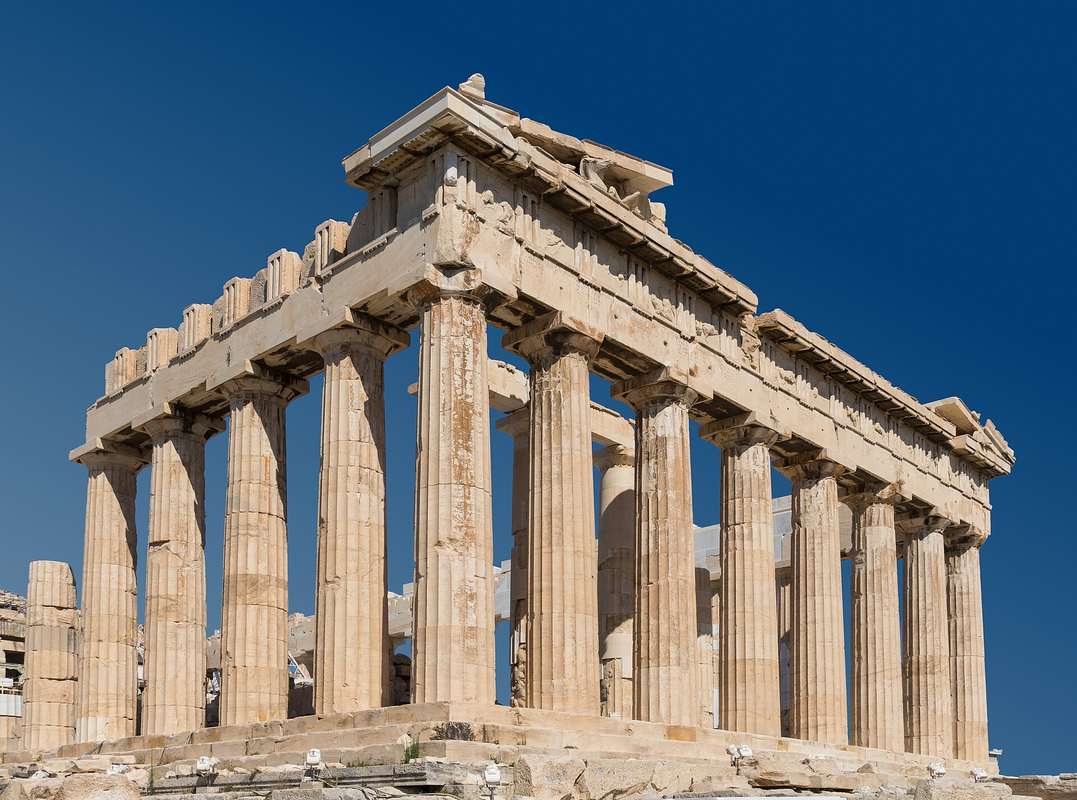
Is Athens worth visiting? Absolutely, for its ancient history and the Acropolis, superb food, affordability, lively neighbourhoods, world-class museums, rooftop views and its role as the gateway to the Greek islands. Make the most of it with skip-the-line tickets and guided tours from My Greece Tours. Plan the whole trip with Greece Tours.
This question is the starting point of any Athens travel guide. The sections below cover whether it is worth it, the history, the food, the value, the culture and neighbourhoods, who will love it and how long to stay.
Is Athens worth visiting?
Yes, Athens is well worth visiting. With around 3,000 years of history, it is essentially an open-air museum crowned by the Acropolis, while also offering superb food, affordable prices, warm locals, lively modern neighbourhoods, excellent museums and rooftop views. It rewards anyone who loves history, food and city energy, and is the perfect gateway to the Greek islands.
For anyone wondering whether to include the Greek capital in their travels, the answer is a resounding yes: Athens is absolutely worth visiting. This is a city with around three thousand years of continuous history and culture, essentially an open-air museum where, walking through the streets, you are constantly reminded that you stand in one of the most historically important places on earth, from the famed Acropolis and Parthenon to the Ancient Agora, the Temple of Olympian Zeus and countless other ruins. Yet Athens is far more than its antiquities; it is a vibrant, living modern city with a superb food scene, surprisingly affordable prices, warm and welcoming people, creative neighbourhoods full of street art, cafés and nightlife, world-class museums, and the magical experience of dining or drinking on a rooftop with the floodlit Acropolis in view.
It also serves as the natural gateway to the Greek islands, making it the ideal start to any trip to Greece. While no city is for everyone, Athens richly rewards travellers who appreciate history, good food and the energy of a real, lived-in capital. The following sections set out exactly why it is worth your time. It all begins with the city’s unrivalled history. The ancient sites are the headline reason.
Why visit Athens for its history?
Athens is the cradle of Western civilisation, democracy, philosophy and theatre, and visiting puts you face to face with that legacy. The Acropolis and Parthenon, the Ancient Agora where democracy was born, the Temple of Olympian Zeus, Hadrian’s Arch and superb museums let you walk through 3,000 years of history in one compact, extraordinary city unlike anywhere else.
The single greatest reason to visit Athens is its incomparable history, for this is the city where so much of Western civilisation began. Athens gave the world democracy, philosophy, drama and the foundations of science and political thought, and a visit brings you face to face with that astonishing legacy in the very places where it unfolded. Crowning the city is the Acropolis, the sacred rock topped by the Parthenon, one of the most recognisable and magnificent monuments on the planet, alongside the elegant Erechtheion and the Temple of Athena Nike. Below it spreads the Ancient Agora, the civic heart of classical Athens where citizens practised the world’s first democracy and where Socrates once taught, complete with the beautifully preserved Temple of Hephaestus.
Elsewhere stand the colossal Temple of Olympian Zeus, the Roman-era Arch of Hadrian and Hadrian’s Library, the ancient cemetery of Kerameikos and the marble Panathenaic Stadium. World-class museums, above all the Acropolis Museum and the National Archaeological Museum, display the treasures that bring this past to life. To stand among these monuments is a moving, once-in-a-lifetime experience. The Acropolis story is detailed in the Acropolis history guide. The food is another compelling reason.
Is Athens worth visiting for the food?
Yes, the food by itself is reason enough to visit Athens. The city’s cuisine goes far beyond gyros and souvlaki to traditional tavernas, modern Greek restaurants, bakeries with flaky pies, fresh seafood, meze culture and honey-soaked sweets. Delicious, affordable and rooted in superb ingredients, the food scene is one of the great pleasures of any trip to the Greek capital.
For many travellers, the food of Athens is reason enough to visit, and the city’s culinary scene is a genuine highlight that goes far beyond the famous gyros and souvlaki. Athenian cooking is built on superb, sun-drenched ingredients, ripe tomatoes, fragrant olive oil, herbs, fresh fish, tender lamb, tangy feta and creamy yoghurt, turned into dishes that are simple, generous and deeply satisfying. Traditional tavernas serve hearty classics such as moussaka, grilled meats, stuffed vegetables and an array of shareable meze dips, while corner bakeries tempt with flaky spanakopita and tiropita, and street stalls dish up the beloved souvlaki and honey-soaked loukoumades.
In recent years a wave of exciting modern Greek restaurants has reinvented these flavours with creativity and flair, particularly in neighbourhoods like Koukaki and Pangrati. Add the fresh seafood near the coast, the city’s superb coffee culture and the ritual of dining on a rooftop with the Acropolis in view, and eating becomes one of the defining joys of a visit. Best of all, it is remarkably affordable, so you can eat extremely well without spending a fortune. For food lovers, Athens delivers in abundance. The essential dishes appear in the Greek dishes to try guide. Its affordability adds to the appeal.
Is Athens affordable and welcoming?
Yes, Athens is one of the more affordable European capitals, with cheaper food, accommodation, transport and attractions than cities like London, Paris or Rome, and many free sights. Athenians are also famously warm and welcoming, happy to help visitors with recommendations and conversation, giving the city a friendly, authentic feel that adds greatly to the experience of visiting.
Two further qualities make Athens especially rewarding to visit: its affordability and the warmth of its people. Compared with most other European capitals, Athens is surprisingly easy on the wallet, with the costs of food, accommodation, public transport and attractions noticeably lower than in cities such as London, Paris, Rome or Barcelona, so your money stretches further here. Beyond the good value, a remarkable amount of the city can be enjoyed for free, from climbing the hills for spectacular Acropolis views to wandering the historic neighbourhoods, admiring street art and watching the changing of the guard, while a combined ticket and free museum days keep the cost of the monuments down.
Just as importantly, Athenians and Greeks in general are famously warm, hospitable and genuinely happy to help visitors, whether a shopkeeper sharing tips, a waiter explaining the menu or a stranger striking up a friendly conversation. This authentic, unforced friendliness gives the city a welcoming, human feel, reinforced by the fact that Athens is a place where real life happens rather than a destination existing solely for tourists. Together, affordability and warmth make a visit relaxed and enjoyable. The money-saving details appear in the Athens on a budget guide. Its modern culture surprises many visitors.
What modern culture and neighbourhoods make Athens worth visiting?
Beyond the ruins, Athens offers vibrant modern culture: creative neighbourhoods like Psiri, Exarcheia, Koukaki and Metaxourgeio full of street art, cafés and bars, a thriving nightlife and rooftop-bar scene, excellent museums and galleries, lively markets, and the seaside Athens Riviera. This energetic, contemporary side surprises many visitors and makes the city far more than an open-air museum.
One of the biggest surprises for first-time visitors is how vibrant and creative modern Athens is beyond its ancient monuments, giving the city a contemporary energy that more than matches its history. The neighbourhoods are a large part of the appeal: bohemian Exarcheia and gritty Metaxourgeio are covered in striking street art, lively Psiri and Gazi buzz with bars and nightlife, cool Koukaki and artsy Pangrati overflow with cafés and modern restaurants, and chic Kolonaki offers designer shopping and elegant museums. The city’s nightlife is famous, from the rooftop bars where you sip a cocktail beneath the floodlit Acropolis to the clubs and live-music venues that keep going until dawn.
Culture lovers are spoilt with world-class museums and galleries, the contemporary art of EMST and the Goulandris, atmospheric markets such as Monastiraki’s flea market, and a packed calendar of festivals and events. And when the city heat builds, the beaches and seaside suburbs of the Athens Riviera lie just a short tram ride away. This rich, energetic modern life means Athens rewards far more than a quick stop to see the Acropolis. The creative scene is captured in the Exarcheia guide. The right length of stay completes the picture.
Who will love Athens, and how long should you stay?
Athens is ideal for lovers of history, food, culture and lively city energy, and as a gateway to the islands; those who dislike crowds, traffic and noise may prefer less of it. Two to three days is enough to see the highlights and a day trip, balancing the ancient sites, museums, neighbourhoods and food before heading on to the islands or home.
Like any great city, Athens suits some travellers more than others, and being honest about this helps you plan. The city is perfect for those who love history and ancient sites, who enjoy good food and café culture, and who relish the energy, grit and authenticity of a real, lived-in capital, as well as for anyone using it as the natural gateway to the Greek islands. Travellers who are deeply put off by crowds, traffic, noise and a certain urban roughness around the edges may prefer to keep their time here shorter and spend longer on the islands, but most visitors who give Athens a chance come away pleasantly surprised by how much they enjoy it.
As for how long to stay, two to three days is the sweet spot for a first visit: one day for the Acropolis and the ancient core, a second for the major museums, the central neighbourhoods and the hills, and, if you have a third, a rewarding day trip to Cape Sounion, Delphi or a Saronic island. This gives a satisfying taste of the city’s history, culture and food without rushing, before you continue your Greek adventure. For the great majority of travellers, Athens is unquestionably worth the trip. The ideal plan appears in the Athens 2 day itinerary guide. The questions below cover the points visitors ask most.
Frequently Asked Questions
Is Athens worth visiting?
Yes, Athens is well worth visiting for its incomparable ancient history and the Acropolis, its superb and affordable food, its warm locals, its vibrant modern neighbourhoods, street art and nightlife, its world-class museums and rooftop views, and its role as the gateway to the Greek islands. It rewards lovers of history, food and city energy.
How many days do you need in Athens?
Two to three days is enough to enjoy the highlights of Athens. One day covers the Acropolis and ancient sites, a second the major museums, neighbourhoods and hills, and a third allows a day trip to Cape Sounion, Delphi or a Saronic island. This balances history, culture and food before heading to the islands.
Is Athens worth visiting more than the Greek islands?
Athens and the Greek islands offer different experiences and are best combined. Athens is unmatched for ancient history, museums, food and city culture, making it well worth a few days, while the islands offer beaches and relaxation. Most travellers spend two to three days in Athens before continuing to the islands.