
Metaxourgeio is a gritty, artistic and up-and-coming Athens neighbourhood near the centre, known for bold street art, theatres, galleries, acclaimed restaurants and lively Avdi Square. Explore it alongside the city’s headline sights with skip-the-line tickets and guided tours from My Greece Tours for a more local Athens.
This transitional, creative quarter is one of the most intriguing districts in the Athens travel guide. The sections below cover what it is, its history, what to do, the street art, food and nightlife, safety and how to visit.
What is Metaxourgeio in Athens?
Metaxourgeio, meaning “silk mill”, is a gritty, transitional neighbourhood just north-west of the historic centre, between Omonia and Kerameikos. Once a working-class district, it has become a fashionable, artistic quarter known for art galleries, theatres, trendy restaurants, vibrant street art and a diverse, multicultural character, all within easy walking distance of Monastiraki and the Acropolis.
For travellers curious about the edgier, creative side of Athens, Metaxourgeio is one of the city’s most fascinating neighbourhoods in transition. Its name, meaning “silk mill”, comes from a large nineteenth-century silk factory that once stood here, and the district sits just north-west of the historic centre, bordered by Omonia Square to the east and the ancient cemetery of Kerameikos to the south. For much of its history it was a working-class quarter of craftsmen and small businesses, and after decades of decline in the late twentieth century it has been steadily reinventing itself as an artistic and fashionable enclave. Today it is frequently described as a “transition neighbourhood”, a place where faded grandeur, immigrant communities and a wave of new galleries, theatres, design studios and acclaimed restaurants exist side by side, giving it a raw, authentic and creative energy quite unlike the polished tourist centre.
Crucially, it remains central and walkable, only a short stroll from Omonia, Monastiraki and the Acropolis, so visitors can dip into its alternative atmosphere without straying far from the main sights. For street art, theatre, food and a genuine slice of changing Athens, it rewards exploration. It sits beside the ancient site in the Kerameikos guide. Its history explains its character.
What is the history of Metaxourgeio?
Metaxourgeio takes its name from a 19th-century silk mill built in the area. It grew into a thriving working-class neighbourhood of craftsmen and tradesmen during Athens’s rapid expansion, then declined from the 1970s. Regeneration around the Olympics and an influx of artists and new residents have since transformed it into an up-and-coming, increasingly fashionable district.
The story of Metaxourgeio mirrors the broader rise, decline and reinvention of inner-city Athens. The neighbourhood took shape in the nineteenth century around a large silk factory, the metaxourgeio, whose construction helped draw the area into the growing city; the elegant building survives in part today. As Athens expanded dramatically through the late nineteenth and early twentieth centuries, Metaxourgeio became a thriving, densely populated working-class quarter, home to many craftsmen, tradesmen and small-business owners who gave it a lively, industrious character. From the 1970s onward, however, the district entered a long period of decline and partial abandonment, as residents moved to the suburbs and many buildings fell empty.
The turning point came in the lead-up to the Athens Olympics, when city-wide regeneration and infrastructure projects reached Metaxourgeio, improving the area and attracting higher-income residents, artists and entrepreneurs drawn by the high-ceilinged ex-industrial buildings and low rents. Since then it has been steadily transformed into an artistic, fashionable and multicultural neighbourhood, even as pockets of grittiness remain. This layered past, from silk mill to working-class hub to creative quarter, gives Metaxourgeio its distinctive, in-between feel. The era of the old city appears in the Monastiraki guide. Today there is plenty to discover.
What can you do in Metaxourgeio?
In Metaxourgeio you can explore Avdi Square with its theatres and the Municipal Gallery of Athens, admire striking street art and murals, browse art galleries and design studios, catch a play in one of the many theatres, dine at acclaimed restaurants, and soak up the multicultural, creative atmosphere of a neighbourhood in transition, all within walking distance of the centre.
Although it has few conventional monuments, Metaxourgeio offers a rich and unusual mix of culture, art and atmosphere for those willing to explore. The heart of the neighbourhood is Avdi Square, a lively open space ringed by theatres and home to the Municipal Gallery of Athens, a large gallery of modern Greek art housed in a handsome restored nineteenth-century building, where festivals and gatherings are also held. The district is one of the great centres of Athenian theatre, with a remarkable concentration of stages, performance spaces, and schools of dance and acrobatics that have colonised the old industrial buildings, drawn by their high ceilings and low rents.
Art lovers can wander between contemporary galleries, design studios and artists’ workshops scattered through the streets, while the whole neighbourhood doubles as an open-air canvas of bold street art. Even the Metaxourgeio metro station is worth a look for its celebrated wall mural “The Myth of My Neighbourhood” by the renowned Greek painter Yiannis Moralis. Add a diverse, multicultural street life, including a small Chinatown of shops, and a thriving dining scene, and you have a neighbourhood made for curious, unhurried wandering. Its creativity echoes the nearby Gazi guide. Its street art is a highlight in itself.
What is the street art in Metaxourgeio like?
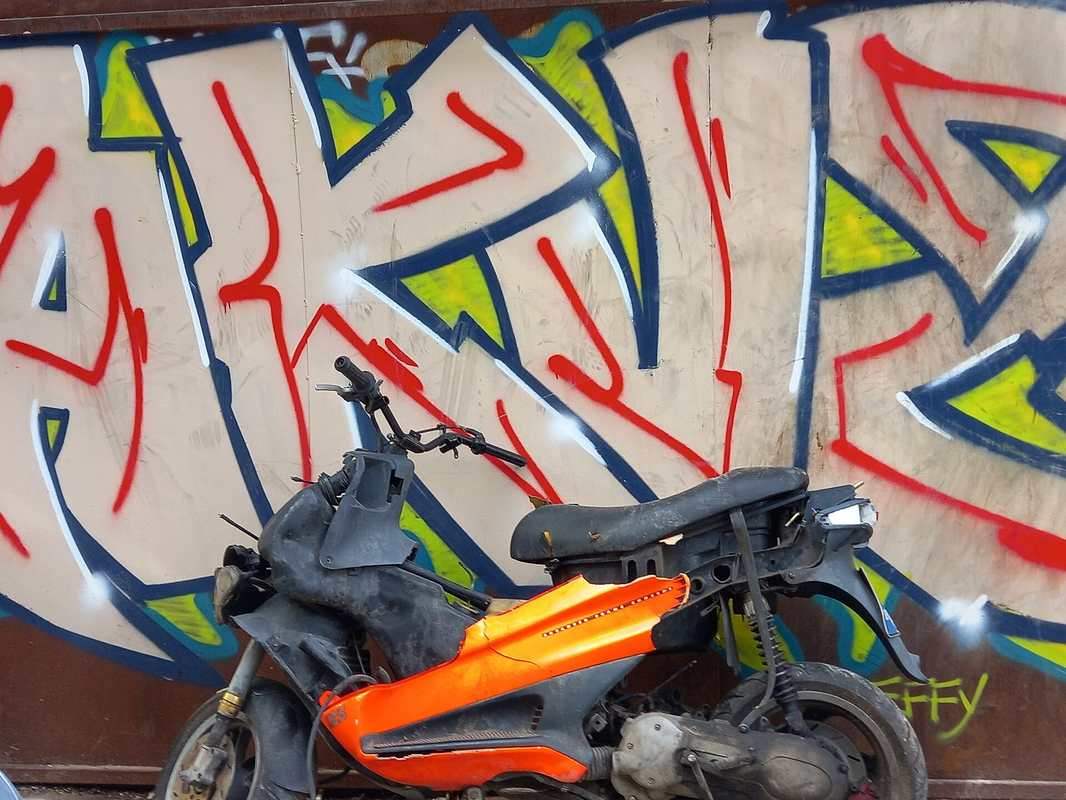
Metaxourgeio is one of the best neighbourhoods in Athens for street art, its walls covered in impressive murals by local and international artists. From large, colourful artistic pieces to politically charged graffiti, the open-air gallery reflects the area’s creative, transitional character. Wandering the streets to discover the constantly changing artworks is one of the main pleasures of a visit.
Like several of the city’s creative quarters, Metaxourgeio has become a magnet for street art, and its weathered walls form one of the most rewarding open-air galleries in Athens. The neighbourhood is celebrated for its impressive murals, created by both local Greek artists and visiting international names, which splash colour and meaning across the facades of its old buildings, empty plots and side streets. The range is wide, from huge, ambitious and beautifully executed artistic murals that transform entire walls into works of art, to smaller stencils, tags and politically charged graffiti that reflect the social currents and the transitional spirit of the area.
Because street art is by nature ephemeral, constantly painted over and renewed, no two visits are ever quite the same, and part of the fun lies in simply wandering the streets and stumbling upon new pieces around each corner. The contrast between the gritty, faded architecture and the vivid, contemporary art is part of what gives Metaxourgeio its photogenic, edgy appeal, and dedicated street-art walking tours of the area help visitors find the best works and understand their context. For lovers of urban art, the neighbourhood is unmissable. The art scene continues in nearby Exarcheia. The food and nightlife are just as compelling.
Where do you eat and drink in Metaxourgeio?
Metaxourgeio has a surprisingly strong food and nightlife scene, from acclaimed fine-dining and creative modern Greek restaurants to excellent traditional tavernas, famous late-night souvlaki, ethnic eateries reflecting its multicultural population, and lively bars and theatres around Avdi Square. It offers some of the most interesting and varied dining in central Athens, often at fairer prices than the tourist core.
One of the biggest surprises of Metaxourgeio is its excellent and eclectic food scene, which has played a leading role in the neighbourhood’s revival. The area first drew the city’s gourmets to its acclaimed high-end restaurants, including award-winning fine-dining destinations and creative modern Greek kitchens set in restored buildings and leafy gardens, and these sit alongside a wealth of more casual options. Traditional tavernas and mezedopoleia serve honest Greek cooking, while the neighbourhood’s renowned late-night souvlaki joints are an institution among Athenians ending a night out. Reflecting its diverse, multicultural population, Metaxourgeio also offers a genuine range of ethnic eateries, from Asian to Middle Eastern, adding to the cosmopolitan flavour.
After dark, the streets around Avdi Square and the theatres come alive, with bars, wine bars and late-night spots drawing a creative, mixed crowd, and a theatre performance followed by dinner and drinks makes for a quintessential Metaxourgeio evening. Prices here are often friendlier than in the busy tourist centre, and the atmosphere is authentic and lively. For adventurous eaters and those seeking a genuine local night out, the neighbourhood delivers in style. A wider survey appears in the best restaurants in Athens guide. A note on safety reassures first-time visitors.
Is Metaxourgeio safe, and how do you get there?
Metaxourgeio is a transitional neighbourhood that is generally safe for visitors, especially by day and in the busy areas around Avdi Square and the restaurants, though some streets feel rougher, so keep normal city awareness, particularly at night. To get there, use the Metaxourgeio metro station on line 2 or walk from Omonia, Monastiraki or Kerameikos, all close by.
First-time visitors sometimes wonder about Metaxourgeio’s reputation, but with sensible precautions the neighbourhood is generally safe and rewarding to explore. As a genuinely transitional district, it mixes lively, regenerated streets with rougher, more run-down pockets and is home to many recent immigrants, including a small Chinatown of grocery and clothing shops between Kolonou and Kolokynthous streets, so it pays to stay aware of your surroundings, much as in any inner-city area. The busy zones around Avdi Square, the theatres and the popular restaurants are well-frequented and comfortable, particularly during the day and on lively evenings, while some quieter back streets feel edgier, so keeping to the livelier routes and using normal caution at night is wise.
Getting to the neighbourhood is easy, as it lies right beside the centre: it has its own station, Metaxourgeio, on metro line 2, the red line, placing you in the heart of the district, and it is only a short walk from Omonia Square, from Monastiraki and from the Kerameikos archaeological site and metro. This central position makes it simple to combine with mainstream sightseeing. Approached with curiosity and care, Metaxourgeio is an absorbing place to visit. The wider network is explained in the getting around Athens guide. The questions below cover the points visitors ask most.
Frequently Asked Questions
What is Metaxourgeio known for in Athens?
Metaxourgeio is known as a gritty, up-and-coming artistic neighbourhood near central Athens, famous for its vibrant street art, its many theatres and dance schools, art galleries, acclaimed restaurants and late-night souvlaki, and its diverse, multicultural character, all centred on Avdi Square and within walking distance of the Acropolis.
Is Metaxourgeio safe to visit?
Metaxourgeio is generally safe for visitors, especially by day and around the busy Avdi Square, theatres and restaurants. As a transitional neighbourhood with some rougher streets, it pays to keep normal city awareness, particularly at night, sticking to the livelier, well-frequented areas and using licensed taxis or the metro late in the evening.
How do you get to Metaxourgeio?
Metaxourgeio has its own metro station on line 2, the red line, placing you right in the neighbourhood. It is also a short walk from Omonia Square, Monastiraki and the Kerameikos archaeological site and metro station, so it is easy to combine with central sightseeing in Athens.