
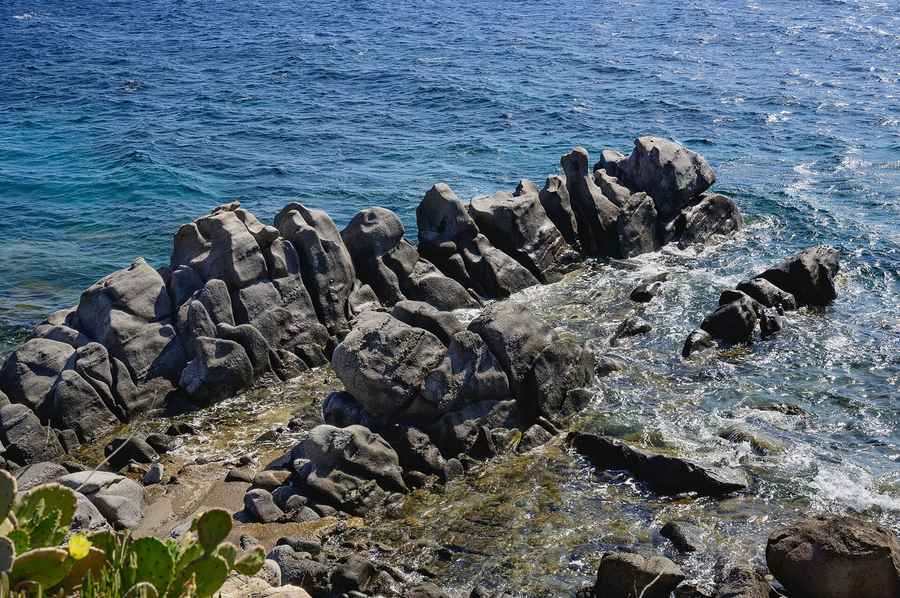
Kapari beach on Mykonos is a small, secluded cove on the west coast near Agios Ioannis, with fine sand, crystal-clear shallow water and some of the island’s most beautiful sunsets over Delos, reached by a short walk and prized for its peace. This guide covers the beach, how to get there, the facilities, the sunset and what to do.
Kapari is one of the loveliest hidden beaches in the Mykonos travel guide, a quiet escape with a famous sunset. The sections below cover it in full.
What is Kapari beach like?
Kapari is a small, secluded cove on the west coast of Mykonos, near Agios Ioannis, with fine sand, picturesque rocky formations and crystal-clear, shallow water that extends far from the shore. Quiet, nudist-friendly and undeveloped, it offers a peaceful, scenic swim away from the crowds, and is a favourite hideaway.
Kapari is a little paradise tucked into the west coast of Mykonos, right next to the more popular Agios Ioannis beach, yet feeling worlds away in its seclusion. It is a small cove of fine golden sand framed by picturesque rocky formations, fronted by crystal-clear, shallow turquoise water that extends gently far out from the shore, making it lovely for wading and swimming in calm, transparent sea. Its hidden, undeveloped character keeps it quiet and uncrowded, one of the island’s open secrets among those who know where to escape the busier beaches, and it is nudist-friendly and a favourite discreet hideaway, even of celebrities. There are no beach clubs or loud music here, just nature, clear water and calm. Above all, Kapari is famous for its sunsets, facing west towards the sacred island of Delos, which makes it a magical spot in the late afternoon and evening. For a peaceful, beautiful swim away from the crowds, Kapari is a gem, set out alongside the wider guide to the beaches. Reaching it takes a short walk.
How do you get to Kapari beach?
Kapari is about 6 km from Mykonos Town, near Agios Ioannis. There is no direct bus, so you head to Agios Ioannis, which has a bus link, then walk to the right facing the sea along a narrow dirt path past a white church and down to the cove. You can also drive or take a scooter.
Getting to Kapari involves a short walk that helps preserve its seclusion. The cove lies about 6 kilometres from Mykonos Town on the west coast, immediately next to Agios Ioannis beach. There is no direct bus service to Kapari itself, so the usual approach is to take the public bus or drive to Agios Ioannis, which is connected to Mykonos Town, and from there continue on foot: facing the sea, walk to the right and follow a narrow dirt path that leads past a small white church and then down towards the cove, which comes into view below. Alternatively you can drive or take a scooter towards Agios Ioannis and walk the final stretch. Because the access involves descending sloped paths and clambering over some rocks, it is worth wearing proper, sturdy shoes rather than flip-flops for safety. This modest effort to reach Kapari is exactly what keeps it quiet and unspoilt, rewarding those who make the walk with a peaceful, beautiful cove, set out alongside the guides to Agios Ioannis Beach and car rental. You will need to come prepared.
What facilities does Kapari beach have, and what should you bring?
Kapari has no restaurants, bars, sunbeds or facilities, so it is essential to bring your own water, food, sun protection and shade. Wear suitable shoes for the rocky path, and carry everything you need for the day, as the nearest services are at neighbouring Agios Ioannis a short walk away.
Kapari is an undeveloped, natural cove, so you must come fully self-sufficient to enjoy it in comfort. There are no restaurants, bars, kiosks, sunbeds or umbrellas on the beach, and little natural shade, so it is essential to bring plenty of water to stay hydrated, your own food or snacks if you plan to spend the day, and strong sun protection including high-factor sunscreen, sunglasses and a hat, along with a beach umbrella or shelter and a good towel or mat. Because reaching the cove involves a narrow dirt path and some rocks, wear suitable, sturdy footwear rather than flimsy sandals. If you find you need refreshments or facilities, the neighbouring Agios Ioannis beach a short walk away has tavernas, sunbeds and services, so you can combine the two. Packing everything you need in advance means you can fully relax and enjoy Kapari’s clear water and peace without having to leave, set out alongside the guide to Mykonos on a budget. The water here is a highlight.
Is Kapari good for swimming and snorkelling?
Yes, Kapari is excellent for swimming and snorkelling, with crystal-clear, shallow, calm water that extends far from the shore, ideal for relaxed bathing and exploring around the rocky formations. Its sheltered, west-coast setting keeps the sea gentle and transparent, making it one of the prettiest spots for a peaceful swim.
The water is one of Kapari’s greatest assets and a major reason to make the trip. The cove’s sea is crystal-clear, shallow and calm, sloping gently and extending far out from the shore, so you can wade and swim comfortably in transparent turquoise water, which is especially reassuring and pleasant for relaxed bathing. The clarity and the picturesque rocky formations that frame the cove also make it a lovely spot for snorkelling, letting you explore the rocks and spot fish in the clean, sheltered water close to shore. Because Kapari is tucked into the west coast and partly protected, it is generally calmer and gentler than the exposed northern beaches, keeping the sea inviting on most days, though as with anywhere it is best on calm days. The combination of clear, shallow, calm water in a quiet, scenic cove makes Kapari one of the most beautiful places on the island for a peaceful swim or snorkel away from the crowds, set out alongside the guide to Mykonos diving. Its sunset is the headline draw.
Why is Kapari famous for its sunset?
Kapari is famous for its sunset because it faces west across the water towards the sacred island of Delos, so the sun sets behind it in a blaze of colour. Quiet and undeveloped, it offers a peaceful, romantic spot to watch the sky and sea turn gold and pink, away from the crowds.
One of Kapari’s biggest highlights is its sunset, which ranks among the most beautiful on Mykonos. The cove faces west across the channel towards the sacred island of Delos, so as evening falls the sun sinks behind the silhouette of Delos and the open sea, setting the sky and water ablaze with shifting shades of gold, orange and pink. Because Kapari is quiet, secluded and free of beach clubs and crowds, the sunset here is experienced in calm and intimacy, a marked contrast to the busy, famous Little Venice sunset in town, making it a wonderfully peaceful and romantic spot for couples and photographers. Settling on the sand or rocks as the light softens, with the cove almost to yourself and Delos on the horizon, is a magical way to end a day. Many visitors time their trip to Kapari for the late afternoon precisely to catch this display, so it is well worth staying into the evening, set out alongside the guides to Little Venice and Delos. There is more to enjoy nearby.
What is there to do at and around Kapari?
At Kapari you can swim, snorkel, sunbathe in seclusion and watch the famous sunset over Delos. Nearby Agios Ioannis offers tavernas, the Shirley Valentine beach and bus access, while Ornos and the south-west coast are close, so you can combine quiet Kapari with the facilities and sights of the neighbouring beaches.
Although Kapari is small and undeveloped, there is plenty to enjoy here and easy variety close by. On the beach itself you can swim and snorkel in the crystal-clear, shallow water, sunbathe in peace on the sand or rocks, relax in rare seclusion and stay for the spectacular sunset over Delos, the cove’s signature experience. Just a short walk away, the neighbouring Agios Ioannis beach, famous as the Shirley Valentine beach, offers tavernas including the well-known Hippie Fish, sunbeds, lovely views and a bus connection to town, so you can easily combine quiet Kapari with the facilities, food and scenery there. The lively beach of Ornos with its restaurants and watersports, and the wider south-west coast, are also close by for more options, and the area is well placed for boat trips to Delos. This pairing of a secluded, scenic cove with the amenities of nearby beaches makes Kapari a rewarding choice, set out alongside the guides to Ornos Beach and things to do. Timing helps you enjoy it best.
When is the best time to visit Kapari beach?
The best time to visit Kapari is the shoulder season of May, June, September and October for warm, calm days and few people, and the late afternoon into sunset for the famous view over Delos. Even in peak summer it stays quiet, and the sheltered cove is comfortable on many days.
Kapari rewards good timing both across the season and within the day. The shoulder months of May, June, September and October are ideal, offering warm sunshine, sea comfortable for swimming and snorkelling, and the fewest visitors, so the cove’s peace and beauty are at their best. Thanks to its hidden, harder-to-reach nature, Kapari stays quiet even in the peak of July and August, when most of the island is busy, making it a refuge from the crowds, though arriving earlier in the day helps secure a good spot in the small cove. The truly special time is the late afternoon into sunset, when the westward view over Delos turns golden and the light is magical, so timing your visit to stay for the sunset is highly recommended and lets you experience the cove at its most memorable. Its sheltered, west-coast position keeps it comfortable on many days, though calm days are best for swimming. Whenever you go, Kapari offers a serene, scenic escape, set out alongside the guides to when to visit and a Mykonos itinerary. The questions below cover the points travellers ask most.
Is Kapari worth the walk?
Yes, Kapari is well worth the short walk for its crystal-clear, shallow water, peaceful seclusion and famous sunset over Delos, a beautiful, undeveloped cove far quieter than the nearby beaches. As long as you bring water and shade and wear suitable shoes, the modest effort is richly rewarded.
For the right traveller, Kapari is one of the most rewarding little beaches on Mykonos, and the short walk to reach it is a small price for what you find. In return for parking at or busing to Agios Ioannis and following the dirt path past the white church and down to the cove, you get a beautiful, secluded slice of coast with fine sand, picturesque rocks and exceptionally clear, shallow, calm water that is ideal for relaxed swimming and snorkelling, all in peaceful surroundings far quieter than the busy organised beaches nearby. The seclusion and the lack of development are exactly the point: there are no crowds, no loud music and no rows of clubs, just nature and the sea. Add the famous westward sunset over the sacred island of Delos, which turns the cove magical in the evening, and Kapari becomes a genuinely special spot, beloved of those in the know and even celebrities. The trade-off is that you must come prepared, bringing your own water, food, sun protection and shade and wearing sturdy shoes for the rocky path, since there are no facilities. For anyone happy to do that in exchange for a quiet, gorgeous swim and sunset, Kapari is absolutely worth it, set out alongside the guide to the beaches. Its clear water and sunset keep visitors returning.
Frequently Asked Questions
How do you get to Kapari beach?
Kapari is about 6 km from Mykonos Town, near Agios Ioannis. There is no direct bus, so you head to Agios Ioannis, which has a bus link, then walk to the right facing the sea along a narrow dirt path past a white church and down to the cove. You can also drive or take a scooter.
Does Kapari beach have facilities?
No, Kapari has no restaurants, bars, sunbeds or facilities, so bring your own water, food, sun protection and shade, and wear suitable shoes for the rocky path. The nearest services are at neighbouring Agios Ioannis a short walk away, which has tavernas, sunbeds and a bus connection.
Is Kapari good for sunset?
Yes, Kapari is famous for its sunset, facing west across the water towards the sacred island of Delos, so the sun sets behind it in a blaze of colour. Quiet and undeveloped, it offers a peaceful, romantic spot to watch the sky and sea turn gold and pink, away from the crowds.