
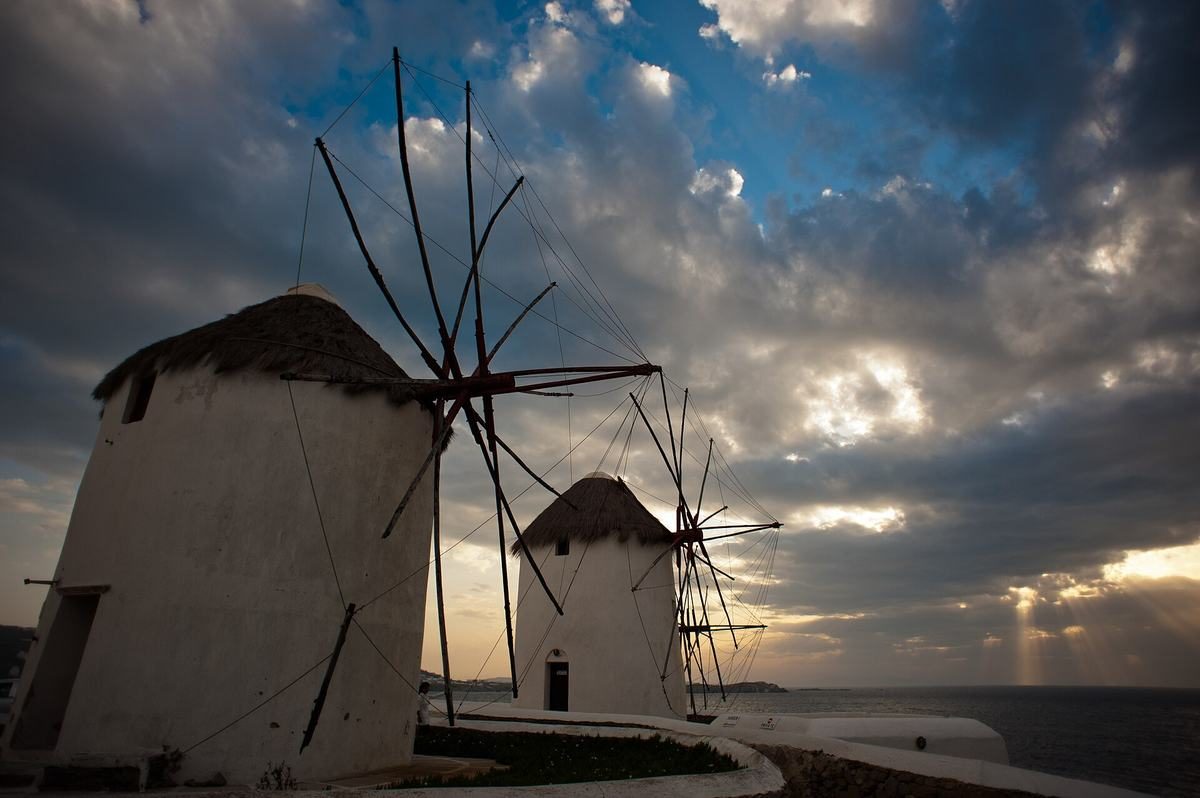
Mykonos is best visited in the shoulder season of May, June and September, with warm weather, swimmable seas and fewer crowds than the July and August peak. This guide covers when to go, peak season, the meltemi wind, the nightlife season, the weather and sea month by month, the cheapest time and tips. Plan the whole trip with Greece Tours.
Timing shapes your trip in the Mykonos travel guide, from weather to wind to crowds and cost. The sections below cover when to go in full.
What is the best time to visit Mykonos?
Mykonos is best in May, June and September, the shoulder season. These months bring warm, sunny weather, a swimmable sea, thinner crowds than the July and August peak, and lower prices. June and September give the fullest Mykonos experience.
For most travellers the shoulder months are the sweet spot. Late spring, from the last weeks before June, and early autumn, in September into early October, bring warm, sunny days and a swimmable sea. They also deliver a fine balance of energy and breathing space. You get everything Mykonos is famous for without the intensity of the peak.
June and September are the two finest windows. Both are warm and lively but carry smaller crowds and lower prices than the height of summer, with the beach clubs, restaurants and nightlife in full swing. Late spring is cooler and quieter, ideal for sightseeing and walking. April and October are quieter and cheaper still, though a number of venues are not yet fully open or are winding down. The choice within the season comes down to whether you want maximum buzz or a calmer trip, set within the wider things to do in Mykonos. Summer is the peak.
What is peak season like?
Peak season is July and August, the hottest, busiest and most expensive months, when European holidays fill the island. Beaches pack by mid-morning, clubs fill early, and prices hit their annual high. It is also the windiest period, with the meltemi at its strongest.
July and August are Mykonos at full throttle. This is the height of the season, when European school holidays bring the biggest crowds and the island’s energy peaks. Beaches are busy by mid-morning, the beach clubs and nightlife run at their most intense and glamorous, and prices for hotels, villas, restaurants, transfers and club tables hit their annual high.
It is also the hottest stretch, with daytime temperatures often touching 33 to 34 degrees, and the windiest, with the meltemi at its strongest. The atmosphere is electric, driven by the famous DJs, the celebrity crowd and the full party scene. For maximum buzz, glamour and a guaranteed party atmosphere, this is the time to come.
The trade-offs are real. You must book accommodation, transfers and club tables well in advance, accept the crowds and premium prices, and expect to share the island with tens of thousands of other visitors, set out alongside the guide to Mykonos nightlife. The wind is a key factor.
How does the meltemi wind affect the timing?
The meltemi, the strong northerly that earns Mykonos its nickname Island of the Winds, blows hardest from late June through August, cooling the heat but creating choppy seas. It calms after the first week of September, one reason September is a favourite month.
The meltemi wind is a genuine factor in choosing when to visit. This strong, dry northerly blows across the Cyclades through much of the summer, strongest from late June through August, when it reaches 25 to 35 knots on the windiest days. The effect is double-edged. It offers welcome relief from the fierce summer heat and keeps evenings comfortable.
The downside is that it whips up choppy seas, makes the north-coast beaches windy and blown with sand, and occasionally disrupts ferries and sailing trips. The simple response is to favour the sheltered south-coast beaches on windy days and save the north for calmer spells. Planning your beach day around the wind direction turns a blustery afternoon into a sheltered one.
The meltemi calms down after the first week of September, leaving warm, stable weather and gentler winds. That shift is a big reason experienced travellers rate September so highly, with the sea at its warmest and the wind at its kindest, set out alongside the guide to Mykonos beaches. The nightlife is seasonal too.
When is the nightlife season?
The Mykonos nightlife and beach-club season runs from late April or May to early October. It peaks in July and August, when the big clubs, beach clubs and DJ events run at full tilt. In winter most venues close, so come in summer.
Mykonos’s legendary party scene is firmly seasonal, which matters if nightlife is your reason for visiting. The beach clubs, the big open-air clubs like Cavo Paradiso and the famous DJ events run from around late April or May through to early October. They build to a peak in July and August, when the island’s nightlife is at its most intense and glamorous, with star DJs, packed venues and events like the XLSIOR festival.
The shoulder months of June and September still deliver a full nightlife programme with a slightly more relaxed feel and easier reservations. The edges of the season in spring and autumn are quieter, with a number of venues just opening or winding down. Timing your trip to the peak weeks guarantees the headline acts, while the shoulder gives you the scene without the queues.
In winter, from November to March, Mykonos is a tranquil, almost empty island with most hotels, restaurants and clubs closed. For the famous party atmosphere you must visit in the summer season, set out alongside the guides to where to stay and a Mykonos itinerary. The seasons each have a character.
What is the weather and sea like month by month?
Spring, April to May, is mild and quiet. Summer, June to August, is hot, dry and busy with the warmest air. Autumn, September to October, is warm, with the sea at its warmest and calmer winds. The sea is swimmable from June to October.
Mykonos has a dry Mediterranean climate, and each part of the season feels distinct. In April and May, spring brings mild, pleasant days, around the high teens to low twenties Celsius. The island is green and quiet, the sea still cool early on but warming through late spring, and venues gradually open for the year.
June through August is full summer: hot, dry and sunny, with daytime highs in the high twenties to mid thirties, balmy nights and virtually no rain. The meltemi tempers the heat, while the sea turns comfortably warm for swimming. September stays warm and summery, with the sea at its warmest after the long summer and the wind easing, which makes it a favourite. October then cools gradually and grows more changeable towards the end.
The realistic swimming season runs from June to October, peaking in late August and September. Winter is mild but windy and wet, with the island largely closed, set out alongside the guide to the things to do. Cost varies sharply with the season.
When is the cheapest time to visit?
The cheapest time within the season is the shoulder months of May, early June and late September into October, when hotels and flights cost noticeably less than the July and August peak. Winter is cheapest overall, but most of the island is closed.
Mykonos is one of the most expensive Greek islands, so timing has a large impact on cost. Prices for hotels, villas, flights and car hire peak sharply in July and August, when demand is highest, and booking far ahead is essential just to secure a place. The best value with the island fully open comes in the shoulder months of May, early June and late September into October.
In those weeks accommodation and flights are markedly cheaper, the weather is still warm and the crowds thinner, giving you the same beautiful island for less. April and late October are cheaper again but quieter, with a number of venues not yet open or already closing. Winter is the cheapest of all, but the great majority of hotels, restaurants and clubs are shut and the party scene is dormant.
For most visitors, the shoulder season is the smart, affordable choice, set out alongside the guides to where to stay and getting there. One more point is worth knowing.
When is the sea warm enough to swim?
The sea around Mykonos is comfortably warm for swimming from June to October, peaking in late August and September when it is at its warmest after the long summer. It is cool in spring, swimmable from late May for the hardy, and cools through autumn.
Sea temperature matters as much as the air when swimming and beach time are a priority. The water is at its coolest in winter and early spring, warming gradually so that by late spring it becomes swimmable for the hardier. From June through October it is comfortably warm for everyone, and family beach days become easy.
The peak comes in late August and September, when the sea has soaked up the whole summer’s heat and reaches its warmest. Combined with the calming of the meltemi wind, that warmth is a big reason early autumn is so prized. The water stays pleasantly mild into October before cooling through November.
The realistic swimming season therefore runs from June to October, with the warmest and calmest swimming in late summer and early autumn, set out alongside the guide to Mykonos beaches. Winter is a different island entirely.
What is winter like in Mykonos?
Winter in Mykonos, from November to March, is mild but windy and wetter, and the island is very quiet, with most hotels, restaurants, beach clubs and nightlife closed. It suits travellers seeking an off-season, almost empty glimpse of the island.
Winter shows a completely different, far quieter Mykonos. From November to March the weather is mild by northern European standards but cool, windy and noticeably wetter than the dry summer, with short days and rough seas. The island then all but closes down. The great majority of hotels, restaurants, bars, beach clubs and the entire nightlife scene shut for the season.
The crowds vanish and the island returns to its small year-round community. For most visitors, who come for the beaches, the sun, the glamour and the parties, winter is the wrong time, because the very things that define a Mykonos holiday are dormant. The choice comes down to what you want from the trip.
Winter can appeal to a niche traveller wanting to see the whitewashed lanes of Chora empty and peaceful, experience authentic island life and pay far less. With so much closed, though, it is a very different proposition from the summer island, set out alongside the guide to the things to do. Two more seasonal questions round out the picture.
Which are the best shoulder months to visit?
June and September are the best shoulder months. Both pair warm, sunny weather and a warm sea with thinner crowds, easier bookings and lower prices than midsummer. June opens the full season fresh, while September brings the warmest sea and the calmest winds.
The shoulder season splits into two prime windows, and each has a distinct character. June arrives at the start of the high season, when the island feels fresh and energetic, the beach clubs have just opened in full and the weather is reliably hot and dry. Crowds are building but have not yet reached the July and August crush, so beaches and restaurants stay comfortable and reservations are straightforward.
September is the connoisseur’s pick. The sea is at its warmest after the long summer, the meltemi wind eases after the first week, and the crowds thin steadily as August holidaymakers head home. Prices soften from their peak while the island stays lively, giving you warm swimming, stable weather and a relaxed pace at once.
May and early October frame these windows for travellers who want even fewer people and lower costs. Both are cooler, with the sea marginal in late spring and cooling in October, and a number of venues are opening or closing. For the best balance of weather, sea and atmosphere, June and September remain the two standout choices, set within the wider Mykonos itinerary planning. Honeymooners have their own ideal window.
When is the best time for a honeymoon or wedding?
Late May, June and September are the best months for a Mykonos honeymoon or wedding, with warm weather, a swimmable sea and thinner crowds than midsummer. These months balance romance, reliable sun and easier venue bookings, avoiding the peak-season crush and premium prices.
Couples planning a honeymoon or an island wedding do best in the shoulder months. Late May and June deliver warm, dry days and long light, with the beach clubs and restaurants open but not yet overrun, so a quiet sunset dinner or a private beach afternoon is easy to arrange. Venues and photographers have more availability than in the packed peak weeks.
September is equally strong for a wedding or a romantic escape. The sea is warm for swimming, the meltemi has calmed for smooth boat trips and photo shoots, and the softer autumn light flatters the whitewashed Cycladic backdrops. Prices ease from their July and August high, which helps stretch a wedding or honeymoon budget across accommodation, transfers and dining.
Midsummer still works for couples who want the buzz and glamour of full-swing Mykonos, but it demands early booking and higher spend. For most honeymooners the calmer, warm and more affordable shoulder season is the natural fit, planned alongside the guide to where to stay in Mykonos.
Practical timing helps a wedding run smoothly too. Booking a venue, a celebrant and photographers well ahead secures the best sunset slots, and the calmer shoulder winds keep outdoor ceremonies and boat trips reliable. The warm sea and long, golden light of these months frame the whitewashed churches and blue-domed chapels that draw couples to the island in the first place. The questions below cover the points travellers ask most.
When can you visit Mykonos with fewer crowds?
May, early June and late September into October bring the fewest crowds while the island stays open. These weeks pair warm weather and a swimmable sea with quieter beaches, easier restaurant tables and simpler bookings than the packed July and August peak.
Travellers who want the island’s beauty without the crush do best at the edges of the shoulder season. In late spring and early June the beach clubs and restaurants have opened but the peak arrivals have not yet landed, so the sands stay comfortable and reservations are easy. The whitewashed lanes of Chora feel relaxed rather than shoulder-to-shoulder, and prices sit well below their summer high.
Late September into October is the other quiet window. August holidaymakers have gone home, the sea is still warm, and the meltemi has eased, leaving calm beaches and unhurried evenings. A number of venues start winding down towards late October, so early October holds the sweet spot of open island and thin crowds, planned alongside the guide to Mykonos beaches.
Frequently Asked Questions
What month is the best time to visit Mykonos?
Mykonos is best visited in May, June and September, with warm, sunny weather, a swimmable sea and far fewer crowds than the July and August peak, plus lower prices. June and September in particular balance great weather, lively atmosphere and manageable crowds best.
What are the busiest months in Mykonos?
The busiest months in Mykonos are July and August, the peak of high season, when European holidays fill the island, beaches pack by mid-morning, clubs fill early and prices hit their highest. It is also the hottest and windiest period, so book accommodation and tables well ahead.
Which month suits a Mykonos trip best?
September is one of the best months for Mykonos, with the sea still warm from summer, crowds thinning as August ends, stable weather and the strong meltemi wind calming after the first week. June is the other top pick, pairing great conditions with a livelier scene and slightly lower prices.
When is the sea warmest for swimming in Mykonos?
The sea around Mykonos is warmest in late August and September, after the long summer has heated the water. It is comfortably swimmable from June to October, cool in spring and swimmable from late May only for the hardy, and it cools steadily through November.
Is Mykonos worth visiting in winter?
Mykonos in winter, from November to March, suits only travellers seeking a quiet, off-season island. Most hotels, restaurants, beach clubs and the nightlife scene close, the weather turns windy and wet, and the beaches and party life are dormant, so it is the wrong time for a classic Mykonos holiday.