
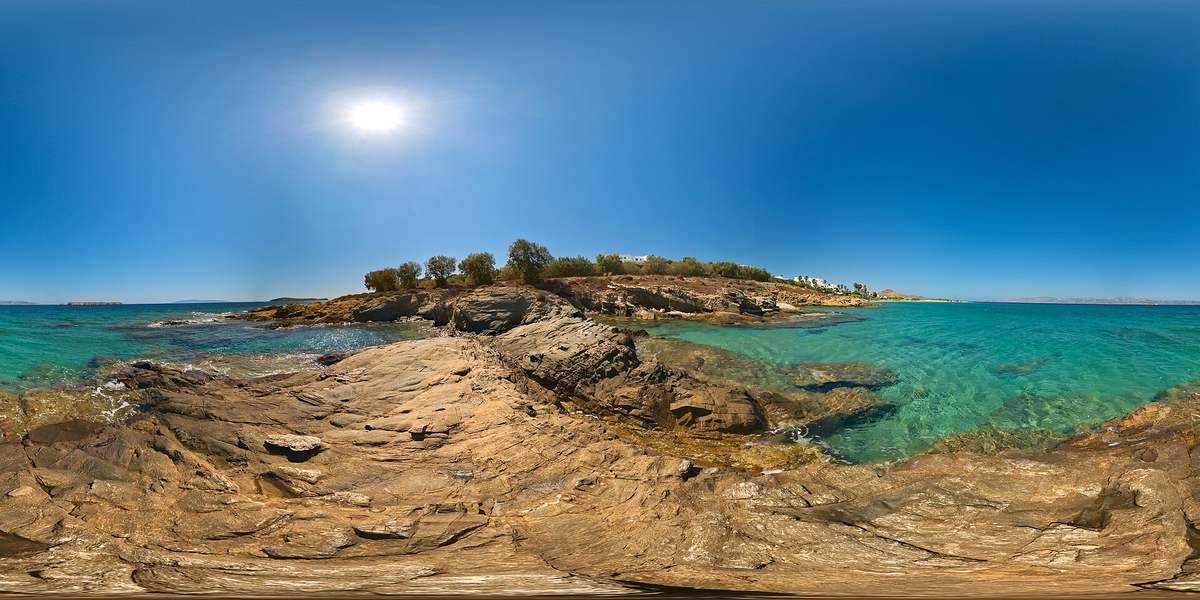
Pounda beach Paros is the island’s kitesurfing and windsurfing hub, set on the narrow channel facing Antiparos, where the meltemi funnels through to create world-class wind. It pairs flat-water conditions and kite schools with the small port for the Antiparos ferry. This guide covers what the beach is like, the wind, the schools, how to get there and who it suits. Plan the whole trip with Greece Tours.
The beach is the centre of the island’s wind sports, a key entry in the guide to Paros beaches. It sits on the south-west coast. The sections below cover the visit.
What is the beach like?
The beach is a long, exposed stretch of sand on the south-west coast, facing Antiparos across a narrow channel. Functional rather than pretty, it is dominated by kite and windsurf schools, flat water and a steady wind, with a small port at its western end.
The beach is built around the wind rather than sunbathing. A long, open sweep of sand on the south-west coast, it looks across the narrow channel to Antiparos, with kite and windsurf gear lining the shore and riders out on the water most summer days. The setting is more practical than scenic, with a dirt parking area behind and the small Pounda port at the western end for the Antiparos ferry. Swimmers and families tend to prefer the calmer northern beaches, while wind-sports fans come for the conditions. The wind is the whole point. Understanding it explains the beach.
Why is it a top kitesurfing spot?
It is a top kitesurfing spot because the narrow channel between Paros and Antiparos funnels the summer meltemi, concentrating the north wind over flat, shallow water. The reliable 18-to-24-knot conditions suit all levels and have made it a regular on the kite world tour.
The beach owes its fame to a quirk of geography. The narrow strait dividing Paros from Antiparos works like a funnel, squeezing and speeding up the summer meltemi to give strong, steady wind over flat, shallow water, ideal conditions for kitesurfing and windsurfing. Typical speeds of 18 to 24 knots from May to September suit beginners learning in the shallows and experts riding the channel, and the spot features on the kitesurfing world tour. This combination of wind and flat water is rare and prized, set out in the guide to Paros windsurfing. Schools make it easy to learn.
Are there schools and gear rental?
Yes, several professional kite and windsurf schools operate right on the beach, including Paros Kite and a pro centre, renting gear and teaching all levels. Lessons run from a first beginner session to advanced coaching, with equipment to hire by the hour or day.
The beach is well set up for learning and renting. Professional schools such as Paros Kite and the Paros Kite Pro Center sit on the sand, with qualified instructors teaching everything from a first kite lesson in the shallows to advanced freestyle, and full gear to rent for those who bring their own skills but not their kit. The flat, shallow water and the launch space behind the beach make it a forgiving place to learn. Booking lessons and gear ahead is wise in peak season, set out alongside the guide to things to do in Paros. Reaching the beach is easy.
How do you get there?
You get there by car or scooter in about 15 minutes from Parikia, around 8 kilometres south, with a large free dirt car park behind the beach, or by the summer bus to Pounda for the Antiparos ferry, then a short walk to the sand.
The beach is simple to reach on the south-west coast. By road it lies about 8 kilometres south of Parikia, a 15-minute drive, with a large free area of dirt parking just behind the sand, easy even in peak season. In summer, buses run from Parikia to Pounda, the stop for the Antiparos ferry, from where a short stroll reaches the sand and the schools. A car or scooter gives the most freedom to combine it with the southern beaches, set out in the guide to how to get to Paros. The port adds a handy link.
Is it the gateway to Antiparos?
Yes, the small Pounda port at the western end of the beach is the main car-ferry gateway to Antiparos. The ferry crosses the narrow channel in about ten minutes and runs roughly every 45 minutes, carrying cars, scooters and foot passengers.
The beach doubles as the jumping-off point for Antiparos. At its western end, the little Pounda port runs the frequent car ferry across the narrow strait to Antiparos, a crossing of about ten minutes that departs roughly every 45 minutes through the day and takes vehicles as well as foot passengers. This makes the beach a natural combination: a morning’s kitesurfing followed by a day trip to Antiparos, or simply the quickest way across, set out in the guide to the Antiparos day trip from Paros. Knowing who the beach suits helps you plan.
Who is the beach for?
The beach is for kitesurfers, windsurfers and those wanting to learn or watch the action, plus travellers heading to Antiparos. Swimmers and families seeking calm, pretty sands are usually better served by the north-coast beaches such as Kolymbithres and Monastiri.
The beach suits a specific kind of visitor. Kitesurfers and windsurfers of every level come for the wind and the schools, while onlookers enjoy watching the colourful kites fill the channel. Travellers crossing to Antiparos use the port at the western end. Those after a classic swim-and-sunbathe beach, or families wanting calm, shallow water and facilities, generally prefer the sheltered northern beaches, set out in the guides to Kolymbithres beach and Monastiri beach Paros. Timing a visit improves it.
When is the best time to visit?
The best time to visit is July and August for the strongest, most reliable kitesurfing wind, or June and September for lighter conditions suited to learning. The wind builds through the afternoon, so mornings are calmer and quieter on the water.
The season and the time of day shape a visit. Kitesurfers come for July and August, when the channelled meltemi is strongest and most reliable, while beginners often prefer the lighter winds of June and September for learning. On any day, the wind usually builds through the afternoon, so the mornings are calmer, suiting first lessons and those who find the peak gusts intimidating. Checking the forecast and the schools’ advice helps time a session, as the guide to the best time to visit Paros notes. The questions below cover the points travellers ask most.
Frequently Asked Questions
Why is Pounda beach famous for kitesurfing?
Pounda is famous because the narrow channel between Paros and Antiparos funnels the summer meltemi, giving strong, steady wind over flat, shallow water. The reliable 18-to-24-knot conditions suit all levels and feature on the kitesurfing world tour.
How do you get to Pounda beach?
You reach Pounda by car or scooter in about 15 minutes from Parikia, around 8 kilometres south, with free dirt parking behind the beach, or by the summer bus to Pounda for the Antiparos ferry, then a short walk to the sand.
Is Pounda beach good for swimming?
Pounda is more a wind-sports beach than a swimming one, exposed and busy with kites. Swimmers and families seeking calm, pretty water are usually better served by the sheltered north-coast beaches such as Kolymbithres and Monastiri.