
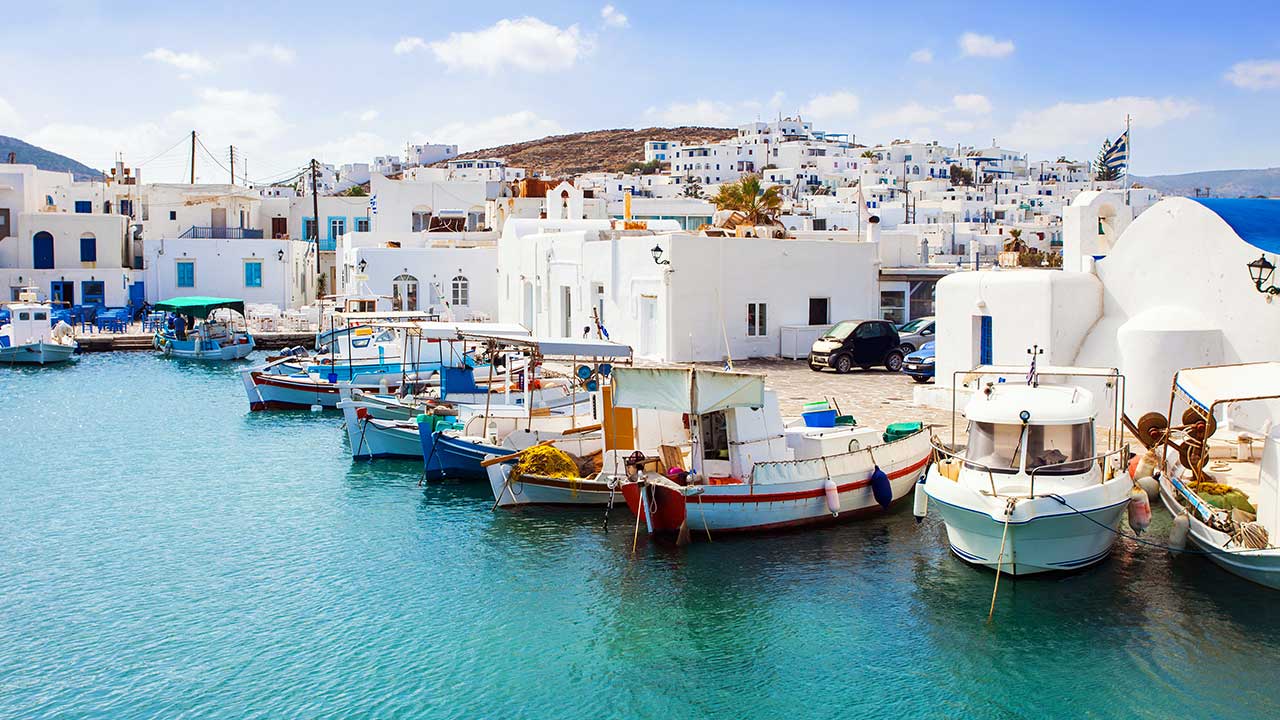
Welcome to Paros, a captivating island in the heart of the Cyclades boasting stunning beaches, charming villages, and vibrant local culture. Whether you’re indulging in Paros sailing trips, discovering hidden gems on Paros hiking trails, or soaking up the sun at idyllic Paros beaches, this enchanting destination has something for everyone. Dive into My Greece Tours’ comprehensive Paros Greece Travel Guide to uncover the best things to do, top Paros attractions, and insider tips for an unforgettable Paros vacation.
Discover the enchanting allure of Paros Island with My Greece Tours. Our in-depth Paros travel guide reveals must-see attractions, pristine beaches, and charming villages. Explore thrilling activities like boat tours, sailing trips, and hiking trails. Experience the vibrant culture and delectable Greek cuisine. Whether you seek relaxation or adventure, Paros Greece offers something for every traveler. Don’t miss the best times to visit and uncover hidden gems with our expert insights. Plan your unforgettable Paros vacation with the perfect hotels and flight options to complete your dream getaway.
Brief Overview
Paros Island, a captivating gem in the Cyclades, offers a harmonious blend of relaxation and adventure that beckons every traveler. From pristine beaches like Golden Beach, perfect for windsurfing, to the breathtaking hiking trails guiding explorers through picturesque landscapes, Paros is a haven of natural beauty. The charming towns of Naoussa and Parikia provide vibrant cultural experiences, characterized by captivating local cuisine and historical sites such as the Byzantine church, Panagia Ekatontapiliani. Whether sailing the azure waters or indulging in delicious Greek dishes, Paros promises an unforgettable journey that blends tradition with modern allure.
Key Highlights
- Paros, a Cycladic gem, offers travelers an unforgettable blend of historical sites, vibrant culture, and pristine beaches.-
- Visit Parikia and Naoussa for rich history, stunning views, and local culinary delights that define Paros’ charm.-
- Enjoy outdoor adventures like Paros hiking trails and sailing trips to explore hidden coves and scenic landscapes.-
- Best explored by renting a car or using the island’s public transport, Paros offers seamless travel experiences.-
- Paros’ cuisine, with its fresh seafood and local delicacies, provides delightful dining experiences throughout the island.
Exploring the Charm of Paros Island
Welcome to the enchanting island of Paros, where every moment captures the essence of Greek paradise. Paros Island is a must-visit destination for those wishing to escape into a realm where timeless beauty meets vibrant culture. As you travel to Paros, you’ll discover a harmonious blend of traditional and modern experiences that will resonate with every type of traveler. Known as the heart of the Cyclades, Paros Greece captivates with its picturesque landscapes and charming villages.
Whether you’re seeking relaxation or adventure, Paros Island offers a plethora of activities to explore, from golden beaches with crystal-clear waters to ancient historical sites and scenic hiking trails.
Our guide to exploring Paros will lead you to its most captivating locales. Immerse yourself in the vibrant maritime culture of Naoussa and the historical richness of Parikia. The warm hospitality of the island’s inhabitants will make you feel right at home, adding a personal touch to your Paros travel experience. Wander through the narrow cobblestone streets and enjoy local culinary delights in quaint tavernas dotting the island. To fully appreciate Paros, take to the sea with boat tours that showcase the stunning coastline. Each view reveals a new facet of this exquisite island, a true gem of the Greek islands.
So, pack your bags and prepare to explore the undeniable charm of Paros, Greece, where adventure and tranquility coalesce in perfect harmony.
A Brief Overview of Paros Greece
Welcome to the enchanting Paros Island, a gem nestled in the heart of the Cyclades archipelago.
This picturesque destination, also known as Paros Greece, seamlessly blends traditional charm with modern allure. Whether you’re a travel enthusiast ready to explore or a curious wanderer seeking a new adventure, Paros’s diverse landscape will captivate your senses.
The island of Paros is famed for its pristine beaches, vibrant villages, and the timeless appeal of its Greek islands setting. Guide Paros excursions through charming towns like Naoussa and Parikia to discover the island’s rich history and local culture. Picture yourself strolling through narrow alleys lined with whitewashed houses, where the island residents welcome you with warm smiles. As you explore, unforgettable views unfold at every turn, showcasing the island’s natural beauty and architectural elegance. It’s no wonder travel aficionados regard this island as one of Greece’s most beloved destinations.
Whether you’re lounging on sun-kissed shores or exploring hidden maritime treasures, you’ll find that Paros captures the essence of Greek island living. So, let the spirit of exploration guide you through this idyllic retreat, and immerse yourself in the myriad experiences Paros Greece offers. From dynamic cultural events to serene landscapes, there’s no shortage of excitement awaiting you on this resplendent island.
Continue the journey through the captivating island of Paros with these must-visit attractions and activities that showcase its unique charm:
- Discover the ancient wonders of the Paros Archaeological Museum.
- Relax at the famous Kolymbithres beach with its stunning rock formations.
- Explore the picturesque streets of Lefkes, the island’s former capital.
- Enjoy a fresh seafood meal at a traditional taverna in Naoussa.
- Take a boat trip to the nearby Antiparos island for a day of adventure.
- Visit the Byzantine-era Church of Panagia Ekatontapiliani.
These highlights enrich your Paros experience, offering glimpses into its vibrant culture and natural beauty.
Essential Guide Paros for Travelers
Welcome to the ultimate guide to Paros, a quintessential Greek island offering a treasure trove of experiences! When you travel Paros, you’ll discover the island’s charming mix of traditional towns, beautiful views, and vibrant culture. Start your journey at Parikia, the bustling capital of Paros Island, where you’ll marvel at historic sites like the Ekatontapyliani church. Paros is a must-explore destination for those seeking both relaxation and adventure.

Don’t miss the lively town of Naoussa, known for its picturesque harbor and energetic nightlife.
As you travel through Paros, explore the lesser-known gems such as the quaint villages of Lefkes or Marpissa, where time seems to stand still. This travel guide will lead you to serene beaches like Kolymbithres, with its unique rock formations, as well as the numerous hiking trails scattered across the island. For those eager to dive into the local culture, indulge in traditional Greek cuisine at local tavernas featuring fresh ingredients and authentic recipes.
Our guide to Paros itinerary ensures that you make the most of your visit without missing the island’s hidden treasures. Embrace the warm hospitality of Paros residents, who are sure to make your travel experience unforgettable. So, pack your bags and get ready to explore an island that beautifully combines the best of nature and Greek tradition!
| Attraction | Description | Experience Type | Location |
| Naoussa Village | Charming fishing harbor with picturesque views and vibrant nightlife. | Cultural & Nightlife | North Coast |
| Kolymbithres Beach | Unique rock formations and crystal-clear waters ideal for relaxation. | Natural Beauty | West Coast |
| Panagia Ekatontapiliani | Byzantine church complex renowned for its historical significance. | Historical & Religious | Parikia |
| Lefkes Village | Traditional mountain village offering stunning views and rich history. | Cultural & Scenic | Inland |
| Antiparos Cave | Famous sea cave featuring impressive stalactites and stalagmites. | Adventure & Exploration | Antiparos Island |
This table highlights Paros Island’s blend of natural beauty, cultural richness, and memorable experiences available to travelers.
Getting to and Around Paros
Paros Island is an enchanting destination in Greece, and getting there is part of the adventure. Traveling by ferry is the most popular way to reach this gem, offering scenic oceanic vistas that perfectly kick-start your Paros travel experience. Major ports like Piraeus and Rafina serve as gateways, with regular ferries ensuring seamless connections to this Cycladic paradise. Upon reaching Island Paros, you’ll discover a range of transport options that cater to diverse traveler preferences.
Car rentals are ideal for those seeking independence and spontaneity, allowing you to efficiently navigate both the bustling and tranquil parts of the island. For a more leisurely travel Paros experience, buses serve various routes, connecting picturesque towns like Naoussa and Parikia. Scooters and bicycles are available too, making it easy to explore hidden corners, while offering a bit of excitement. As your go-to travel guide, we recommend indulging in a guided tour or a sailing trip to unlock the island’s true charm. Paros’ topography invites hiking enthusiasts to engage in thrilling trails, adding a touch of adventure to your itinerary.
So whether you’re seeking the serenity of a secluded beach or the thrill of exploring local culture, our guide Paros ensures a comprehensive and memorable journey. Embrace the essence of Paros Greece while effortlessly exploring its diverse attractions!
Travel Tips for Entering Paros
If you’re planning to travel Paros, a jewel of the Greek islands, understanding how to enter this serene paradise is essential. Most visitors find that the quickest way to Paros is by a ferry from Athens, which offers a scenic introduction to the beauty of the Aegean Sea. When considering Paros travel, you’ll want to consult a reputable travel guide to maximize your experience on this captivating island. There are direct ferries from Piraeus, the main port of Athens, to Paros, as well as connections from other islands including nearby Antiparos. This makes it both convenient and exciting to explore Paros and its charming surroundings.
The delightful vibrations of Paros will greet you long before you set foot in Parikia, the picturesque capital of Paros Greece, renowned for its vibrant nightlife and historical allure. As you plan your Paros vacation, also consider flights to adjacent airports like Naxos or Mykonos, followed by another ferry trip. Keep in mind the local customs and pack accordingly for the mild Mediterranean climate. With its stunning landscapes and rich culture, Paros is a gateway to unforgettable experiences. Follow these travel tips for entering Paros and get ready to embrace the authentic Greek charm that My Greece Tours aims to offer every traveler keen to explore this enchanting island.
Transportation Options on the Island
Whether you’re embarking on a journey to Paros Island or already soaking up its serene beauty, understanding the transportation options is crucial for a seamless travel experience. Experiencing Paros Greece becomes even more enriching when you know how to get around effectively. There are a plethora of options, from car rentals to ferries, catering to different preferences and budgets. When you travel to Paros, renting a car is a popular choice for those wishing to explore the island’s hidden gems at their own pace. It offers the flexibility to discover breathtaking views without time constraints.
Ferry services form the backbone of island hopping, allowing you to explore other nearby islands and return to Paros Greece with ease. The primary transport hubs, Parikia and Naoussa, are well-connected, ensuring that exploring these vibrant areas is hassle-free. These charming towns form the heart of Paros cultural and social life, each offering unique experiences.
Public buses connect the various villages and beaches, providing a budget-friendly option for those who prefer public transport during their stay. No matter your mode of transport, the sunny landscapes and azure waters offer stunning views at every turn. In Paros, traveling isn’t just about getting from one point to another – it’s a chance to soak in the breathtaking beauty of Greek islands as you journey. As you explore Paros Island, you’ll find that every path leads to a new discovery, making your island adventure unforgettable.
Additional Suggestions for a Memorable Paros Island Journey
- Schedule visits to popular attractions during off-peak hours to avoid large crowds.
- Consider renting a bicycle for a leisurely way to explore the island’s picturesque landscapes.
- Explore lesser-known beaches and coves for a more private experience.
- Pack a light picnic to enjoy by the sea or on a scenic hike.
- Engage with local tour guides for unique insights and storytelling.
- Stay hydrated and carry a reusable water bottle to contribute to sustainable tourism.
- Try local cuisine at family-run tavernas to fully experience Paros’ culinary heritage.
- Learn a few Greek phrases to enhance interactions with locals.
Must-See Attractions in Paros
With its enchanting landscapes and rich history, Paros Island is a treasure trove of must-see attractions waiting to be explored. Start your journey in Parikia, the island’s capital, where the iconic Panagia Ekatontapiliani, a magnificent Byzantine church, stands proudly.
As you wander through its charming streets, you’ll find inviting shops and bistros perfect for a leisurely afternoon. Next, delve into the vibrant atmosphere of Naoussa, a picturesque fishing village that effortlessly combines traditional Greek charm with a sophisticated vibe reminiscent of Tribeca. As you explore Paros, be sure to visit the striking Venetian Castle, where you can enjoy a panoramic view of this stunning island. Those who appreciate ancient history will find the Archaeological Museum in Parikia a highlight, featuring fascinating artifacts from the island’s storied past.
Nature enthusiasts shouldn’t miss the Butterfly Valley, a serene oasis ideal for a peaceful retreat. No trip to Paros would be complete without a visit to its jaw-dropping beaches. From the golden sands of Kolymbithres to the crystal-clear waters of Santa Maria, Paros’ beaches offer sun-soaked relaxation and adventure. For those seeking an unforgettable experience, embark on Paros boat tours to explore the island’s hidden coves and crystal waters. With so much to see and experience, Paros is a travel destination that captivates and delights visitors at every turn.
Discovering Naoussa and Its Vibrant Culture
Nestled on Island Paros, the charming town of Naoussa is a Greek gem waiting to be explored. Those eager to delve into the rich tapestry of history and tradition will find Naoussa an inviting destination brimming with culture. Stroll along its picturesque harbor, where the whitewashed buildings create a striking view against the azure Aegean Sea. As you explore the winding alleyways, you’ll feel a warm embrace from the vibrant culture that characterizes this quaint village. Whether indulging in local cuisine or visiting one of the town’s traditional Greek shops, Naoussa’s spirit is undeniably captivating.
For any travel enthusiast, our Paros Island Travel Guide highlights Naoussa as a must-visit. It’s more than just a location; it’s an experience. Imagine sipping a chilled frappé at a cozy café, watching the lively interactions of the locals. Naoussa seamlessly merges the old-world charm with modern amenities, presenting a perfect fusion for both relaxation and cultural discovery. This town offers every traveler an opportunity to immerse themselves in authentic Greek culture while enjoying a stunning island setting.
Whether you’re a culture seeker or simply looking to admire breathtaking views, Naoussa invites you to explore its unique charm on your next travel adventure in Paros Greece. Discover why so many are drawn to this town’s alluring energy and vibrant island culture.
Highlights of Parikia and Classic Paros Sights
Parikia, the bustling capital of Paros Island, is a must-visit hub for anyone eager to explore the island. As you stroll through its charming streets, you’ll encounter classic Greek architecture, offering a glimpse into the island’s rich history. A key highlight is the stunning Panagia Ekatontapiliani, one of the most celebrated Byzantine churches in Greece, which draws residents and travelers alike to admire its grandeur. Parikia’s port area is lively with activity, blending modern conveniences with timeless appeal, making it an essential stop in any guide Paros adventure.
Discover travel highlights like the Venetian Castle, a classic remnant offering panoramic views, perfect for capturing breathtaking shots of Paros Island. As you traverse Parikia, indulge in local tavernas for a taste of authentic Greek cuisine, a delightful way to experience Paros’s vibrant culture.
Your journey to Parikia isn’t complete without exploring its quaint shops and bustling markets where artisans showcase unique crafts and souvenirs. For those dreaming of a quintessential Greek island experience, Parikia is a treasure trove of classic sights on Paros Island that promises to mesmerize.
As you plan your Paros travel, remember to include these highlights in your itinerary. With its blend of history, culture, and stunning views, Parikia stands out as a signature experience in any guide Paros journey. On Paros Greece trips, exploring Parikia elevates your travel narrative to an inspiring Greek odyssey.
Relaxation and Adventure on Paros Beaches
When you’re on Paros Island, relaxation and adventure await on its pristine beaches. Paros meticulously blends the essence of a serene Greek island with the thrill of outdoor activities. As you explore these beaches, each one with its unique charm, prepare to be captivated by their natural beauty and inviting views. Whether you’re lounging under the sun, snorkeling amidst vibrant marine life, or windsurfing across the azure waves, Paros beaches offer a diverse experience for every traveler’s taste. Adventure seekers can discover exhilarating water sports, while those seeking tranquility can bask in the stunning vistas of the coastline.
The travel guide to Paros reveals spots like Golden Beach and Santa Maria, where relaxation meets excitement seamlessly. Each beach on the island presents opportunities to unwind or engage in thrilling activities, making your Paros travels an unforgettable journey. As you plan your travel to this Greek paradise, remember that the beaches are not just a chance to relax but an invitation to explore the dynamic allure of Paros. Your adventure on this island promises picturesque views, endless relaxation, and unforgettable moments in the heart of Greece. Paros isn’t just an island; it’s a vibrant mosaic of leisure and excitement, awaiting your exploration with a warm and welcoming embrace.
| Beach | Description | Activities | Unique Features |
| Kolymbithres | Renowned for its unique rock formations and smooth granite boulders. | Swimming, Sunbathing, Exploring rock formations | Natural rock pools, Scenic backdrop |
| Santa Maria | Popular beach with clear waters and long stretches of sand. | Windsurfing, Snorkeling | Beach bars, Water sports facilities |
| Golden Beach | Famous for its golden sand and crystal-clear waters. | Kite surfing, Paddleboarding | International windsurfing competitions |
| Monastiri | Calm bay ideal for relaxation and peaceful enjoyment. | Kayaking, Hiking nearby trails | Adjacent to a historical monastery |
| Pounda Beach | Lively and filled with energy, perfect for young travelers. | Beach parties, Scuba diving | Entertainment events and DJ performances |
This table provides an at-a-glance view of the diverse experiences awaiting visitors on Paros Island, enhancing both relaxation and adventure.
Top Beaches to Explore on the Island
As you embark on your journey to explore the magnificent Greek island of Paros, your travel experience wouldn’t be complete without visiting its picturesque beaches. They are the crown jewels of the island, drawing visitors from all over the world to Paros Greece. Whether you’re in search of a tranquil retreat or a more energetic scene, the Island of Paros offers a variety of sandy escapes perfect for any traveler. The Paros beaches guide provides insight into the best spots, ensuring you capture breathtaking views while basking in the sun. Golden Beach, or Chrissi Akti, is a must-visit for those who love windsurfing, as the conditions here are ideal for the sport.
Meanwhile, Kolymbithres Beach impresses with its unique rock formations and inviting shallow waters making it a fascinating place to explore. For a more secluded experience, Lageri Beach provides a haven of peace and unspoiled natural beauty. As you continue your travel journey around the island, be sure not to miss out on the vibrant atmosphere of Santa Maria Beach, popular for its lively beach bars and exhilarating water sports. This guide to the island of Paros will undoubtedly help you uncover the hidden gems of these coastal paradises, offering a perfect blend of relaxation and adventure right at your fingertips.
Outdoor Activities and Hiking Trails
If you’re eager to explore Paros Island, you’ve come to the right place! This picturesque island is renowned for its outdoor activities, making it a top destination for travel enthusiasts. Immerse yourself in the island’s beauty and take advantage of its numerous hiking trails.
As you traverse these routes, you’ll be rewarded with panoramic views of Paros’ stunning landscapes. Whether you’re an experienced hiker or a casual walker, there’s a trail for everyone to explore on Paros. The island’s trails are specifically designed to showcase the natural beauty of Paros Greece, from rugged terrains to gentle coastal paths. Not only do these hiking trails offer an intimate view of the island, but they also give you a chance to mingle with local residents who are keen to share the island’s hidden gems. The outdoor activities on this island are as varied as the spectacular views, from trekking to rock climbing and more. Follow our detailed guide to Paros for the ultimate travel adventure, providing insights into the best routes and tips on when to visit for optimal weather conditions. Remember, Paros isn’t just about beaches; it’s also a haven for those who love nature and wish to see an authentic side of Greek island life. Unleash your adventurous spirit and let the trails guide you through this stunning island!
Culinary Delights and Dining in Paros
When it comes to savoring the culinary delights of Paros, you’ll find a delectable fusion of flavors waiting to be explored on this charming island in Greece. Our travel guide to Paros highlights the diverse array of local cuisine that will surely tantalize your taste buds. Begin your culinary adventure by exploring the quaint villages, where traditional Greek dishes are served with a modern twist. The island Paros boasts a vibrant restaurant scene, offering everything from fresh seafood to delicious vegetarian options. Whether you’re dining at a seaside taverna with a stunning view or a cozy eatery tucked away in narrow alleys, the atmosphere is sure to captivate you.
Residents of Paros take immense pride in their culinary heritage, using locally sourced ingredients to create mouthwatering meals. As you travel through Paros, don’t miss the chance to try homemade cheese, freshly baked bread, and traditional sweets that capture the essence of Greek cuisine. This guide to Paros promises not only a feast for your palate but also an immersive cultural experience. Remember, the island’s culinary offerings are best savored when accompanied by delightful local wines or refreshing ouzo. So, come and delve into the gastronomic treasures of Paros, where each meal tells a unique story of flavors and traditions in this enchanting island paradise.
Local Cuisine and Restaurant Recommendations
When you explore Paros Island, indulging in its exquisite local cuisine is an absolute must.
With a travel guide in hand, uncover culinary treasures that Paros Greece boasts, celebrated for its rich Mediterranean flavors. Begin your gastronomic journey with “Paros Tribeca,” known for its delightful fusion of modern and traditional Greek dishes, offering a scenic view of the shimmering Aegean Sea.
Let your palate enjoy the authentic taste of “Kakavia,” a delightful fish soup that encapsulates the island’s coastal essence. Continuing through this gastronomic adventure, “Zorba’s” in Naoussa offers a charming dining experience with its fresh seafood and romantic island ambiance. Another gem is “Margarita,” a small taverna nestled in the heart of Parikia, serving classic Greek cuisine that’s simply unforgettable. The warm hospitality of the locals enriches each meal, making every dining experience in Paros a memorable one.
For those wishing to savor the island’s gastronomic delights in a more interactive setting, there’s also the opportunity to join local cooking classes, immersing you in the culinary art and traditional cooking methods of Paros. This travel guide ensures that no matter where your culinary exploration leads, the experience of Paros cuisine captures the essence of Greece itself. With so many restaurant options, each visit offers a delectable adventure that invites you to explore even further into the island’s rich culinary culture.
As you conclude your Paros travel journey, remember that every alley and beach holds a story, every local smile enriches your experience, and every sailing trip opens a new horizon. Whether you’ve delved into the vibrant attractions or the serene hiking trails, Paros Island offers a treasure trove of moments waiting to be discovered. As you reflect on your Paros vacation, consider when you might return to explore even more.
With each visit, My Greece Tours ensures you uncover the heart and soul of Paros, leaving you invigorated and longing for your next adventure.
What wine tours run on Paros?
Paros wine tours visit two island wineries for tastings of local wines, served with Greek meze, cheese and garden produce. The standard tour lasts about four hours, with hotel pickup from Parikia or Naoussa and a scenic drive between the two estates.
Paros has produced wine since the Cycladic era. The best-known estate is Moraitis, a family winery near Naoussa. The fourth generation of the family runs it today. Its cellars show each step from the vine to the bottle.
Louridis and small organic estates add further tastings. Hotel pickup lets every guest taste without driving. Moraitis and the other Paros wineries grow the local Monemvasia and Mandilaria grapes.
What is the Byzantine trail hike from Lefkes?
The Byzantine trail is a stone-paved mule path from the hill village of Lefkes down to Prodromos, near the east coast. Guided hikes follow it past terraced fields, chapels and olive groves, with open views over the eastern shore of the island.
The path dates from the Byzantine period. It carried people and goods between the inland villages and the coast. Walkers start in Lefkes, in the hills at the centre of Paros. The route runs downhill, so the walk is easy on the legs.
The trail ends in Prodromos, a small village near Marpissa. The walk takes about an hour at a steady pace. Guided herb-and-wine walks also cross the countryside and finish with a tasting.
Which local foods do Paros food tours taste?
Paros food tours taste local graviera and mizithra cheeses, sun-dried gouna mackerel, capers, olives and almond sweets at small producers and village tavernas. Hands-on cooking classes teach traditional Cycladic dishes with island produce and end with a shared meal.
Gouna is mackerel split open, dried in the sun and then grilled. Graviera is a hard cheese. Mizithra is a soft fresh cheese. A guided Paros food tour stops at producers to sample each one and finishes at a taverna table.
A Paros cooking class takes place in a village kitchen. Guests cook with island vegetables, cheese and olive oil. The class ends when the group eats the dishes it prepared.
How far ahead do you book tours on Paros?
Book Paros wine, village and boat tours a few days ahead in July and August, and earlier for small-group and private trips, which fill first. June and September need less notice. Some tours run only from spring to autumn.
Check the pickup point before the day. Most tours collect guests in Parikia or Naoussa. Confirm the tour length, the group size and the inclusions, such as tastings, lunch or entry tickets.
A private tour pairs a licensed local guide with a driver. The guide sets the route around the group’s interests, such as wine, villages, beaches or photography. Families and small groups choose this format for its flexible pace.
Where did the ancient Parian marble come from?
Parian marble came from the ancient quarries at Marathi, in the hills east of Parikia. Its fine white stone supplied sculptors across the Greek world, including the carver of the Venus de Milo. Visitors walk up to the old quarry entrances.
Parian marble is known for its translucency. Light passes a short way into the stone and gives statues a soft glow. Ancient miners cut underground galleries deep into the hillside to reach the best seams. The Greeks called the stone lychnites, a name linked to the lamps the miners worked by.
The same marble shaped the old town of Parikia. The Venetian Kastro was built from blocks of ancient temples, and column drums still show in its walls. The Panagia Ekatontapyliani was founded in the fourth century. All three sites show the Parian marble of the island.
How do you reach Antiparos from Paros?
You reach Antiparos from Paros by the car ferry from Pounta, a crossing of under ten minutes, or on a boat tour from Parikia or Naoussa. Antiparos offers a small main town, sandy beaches and a cave full of ancient stalactites.
Pounta lies on the west coast of Paros, south of Parikia. The ferry shuttles across the strait through the day and carries cars. Passenger boats also cross from Parikia in summer.
The Antiparos cave sits in the hills above the south of the island. Boat tours continue past Antiparos to Despotiko, an uninhabited islet with an excavated sanctuary of Apollo. Swim stops include the turquoise shallows known as the Blue Lagoon.
How long do you need in Paros?
You need three full days in Paros to see Parikia, Naoussa, the best beaches and a wine or boat tour. A fourth day adds Antiparos. Base yourself in Naoussa or Parikia to keep driving times short across the compact island.
Naoussa suits travellers who want harbour tavernas and bars on the doorstep. Parikia suits travellers who want the main ferry port and the island bus hub.
Split the days between swimming, sightseeing and time on the water. The island is compact, so no drive between the main sights takes long.
What can families do on the island?
Families swim at the calm, shallow bays of Monastiri, Santa Maria and Kolymbithres, try paddleboarding or kayaking in sheltered water, and take the short ferry to the Antiparos cave. The traffic-free lanes of Lefkes suit an easy walk with children.
The granite rock pools at Kolymbithres suit young explorers. Monastiri sits inside the Bay of Naoussa, across the water from the town. Organised beaches rent stand-up paddleboards and kayaks.
Cycling and horse riding along the coast fill further easy days out on Paros with kids.
When is the best time to visit Paros?
The best time to visit Paros is June or September, with warm weather, a warm sea and thinner crowds. July and August bring the peak heat, the busiest beaches and the strongest meltemi wind. Late spring and October are calmer and quieter.
The meltemi is a dry north wind that blows across the Aegean in summer. It peaks in July and August. It cools the air but churns up the exposed beaches.
Late spring and October bring mild days for walking the village paths. The sea stays warm into October after the long summer. Monthly temperatures appear in Paros weather by month.
Paros Island Guide FAQs
What activities can I enjoy in Paros?
Paros offers an extensive range of activities including sailing trips, hiking trails through picturesque landscapes, and relaxation on its pristine beaches. Visitors can also explore vibrant cultural experiences in towns like Naoussa and Parikia.
How is the island of Paros best explored?
Paros can be best explored by renting a car or using the island’s public transport system. This allows travelers the flexibility to visit various sights at their own pace.
What culinary experiences can I expect in Paros?
The culinary scene in Paros features a vibrant mix of fresh seafood, local delicacies, and traditional Greek dishes. The island is renowned for delicious meals served in charming tavernas and eateries.
Are there any historical sites to see in Paros?
Yes, Paros is home to numerous historical sites. Notable attractions include the Byzantine church, Panagia Ekatontapiliani, and the Venetian Castle in Parikia, offering rich insights into the island’s past.
Which towns are must-visits in Paros?
Naoussa and Parikia are must-visit towns in Paros. Naoussa is known for its vibrant maritime culture and energetic nightlife, while Parikia offers historical richness with charming streets and cultural sites.
See other destinations in MyGreeceTours:
- Corfu Tours: Private Tours in Corfu, Walking Tours, Corfu Tour Guide & Guides
- Crete Travel Guide: Experience Crete, Greece – The Island Local Guide From a Local
- Delos
- Donousa
- Ephesus Tours: Explore Ancient Ephesus Adventures with Ephesus Tour Packages
- Epidaurus Day Tour – Self-Guided Epidaurus Tours to Ancient Epidaurus
- Explore Delphi, Greece: Ultimate Guide to the Archaeological Site of Delphi
- Folegandros
Explore Paros: tours, tickets & day trips
- Paros Itinerary
- Things to Do in Paros
- Paros ATV Quad Tour
- Paros Boat Tours
- Paros Tours
- Antiparos
- Amorgos to Paros Ferry
- Crete to Paros Ferry
- Folegandros to Paros Ferry
- Ios to Paros Ferry
- Milos to Paros Ferry
- Mykonos to Paros Ferry
- Naxos to Paros Ferry
- Piraeus to Paros Ferry
- Rafina to Paros Ferry
- Santorini to Paros Ferry
- Sifnos to Paros Ferry
- Best Time to Visit Paros
- How to Get to Paros
- Where to Stay in Paros
- Paros Boutique Hotels
- Paros Villages
- Paros Villas
- Paros Apartments