
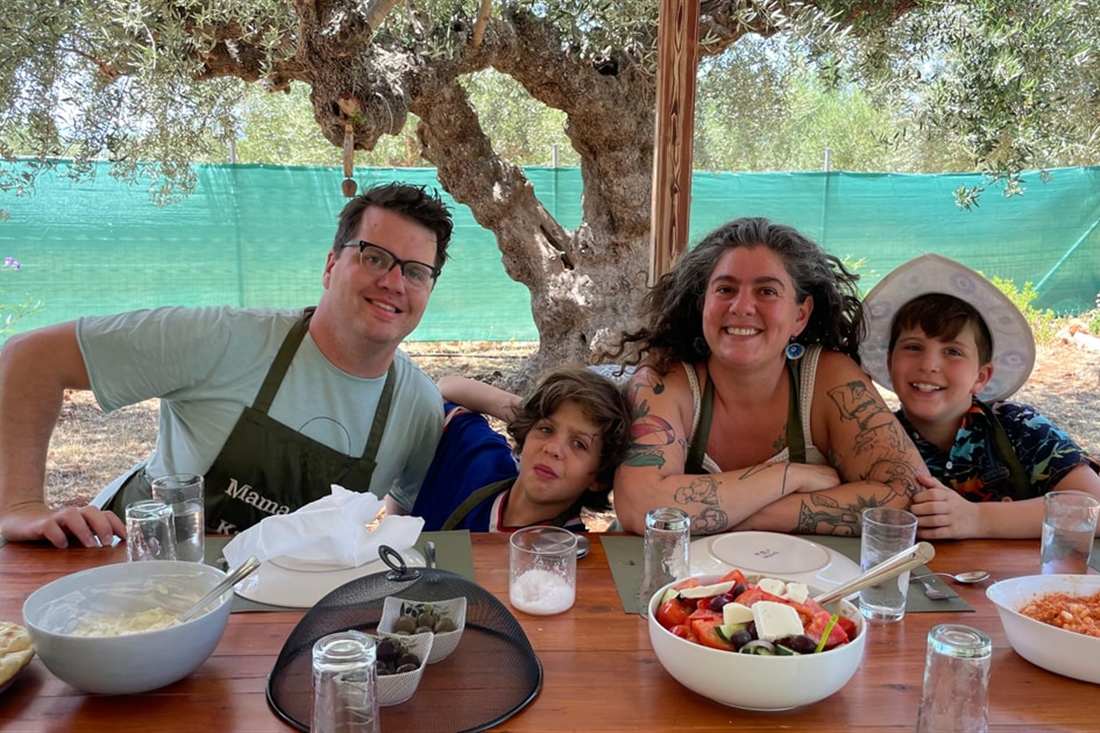
A Kalamata cooking class is a hands-on lesson in Greek home cooking near Kalamata. The city is the capital of Messinia in the Peloponnese. Guests cook with a local host and then share the meal. Tours across the rest of the country are listed on Greece Tours.
The sections below cover the hosts, the Mama Gaia farm class, the dishes, the skills and the ingredients. They also cover the olive grove and head chef classes, who it suits, timing and booking, with links into the Kalamata tours pages. Every class shown is checked on GetYourGuide and Viator.
What is a Kalamata cooking class?
A Kalamata cooking class is a practical lesson followed by a meal you help prepare. Hosts teach Greek recipes through farm activities, village cooking or chef guidance. The experience connects everyday kitchen skills with the food traditions of Messinia.
Greek cuisine uses olive oil, vegetables, grains, herbs and cheese. A Kalamata cooking class turns these familiar foods into a lesson, rather than a tasting alone. Recipes also reflect the host, season and setting, so each programme has its own cooking focus.
Mama’s Flavours works with local cooks and chefs, rather than offering one fixed workshop. Its village experience draws on family recipes passed between generations. Its restaurant experience also offers modern Greek cooking, with a menu shaped around guests’ food preferences.
Choose a Kalamata cooking class when preparing food matters more than moving between tasting stops. For a separate tasting outing, explore the Kalamata food tour. Keep other sightseeing plans under Kalamata tours, rather than treating them as included class activities.
- Separate cheese workshops from cooking workshops when selecting Mama Gaia activities. The farm advertises different programmes, including its shorter cheese-making experience. This shorter option focuses on sfela, a local cheese.
Where does a Kalamata cooking class take place?
A Kalamata cooking class takes place at Mama Gaia’s farm in Arfara, or through Mama’s Flavours. The latter arranges village cooking in western Messinia and restaurant cooking in central Kalamata. These are separate venues, not stops on one tour.
Mama Gaia identifies its village as Arfara, around 25 minutes from Kalamata. The setting includes a working farm, vegetable garden and olive trees. Its outdoor cooking space belongs to the farm experience, rather than a restaurant kitchen in the city centre.
Mama’s Flavours places its village Kalamata cooking class 50 kilometres from Kalamata, towards Pylos. The published venue description names western Messinia, without identifying the village. A separate meeting option near Korifasio serves guests staying around Pylos; confirm the grove’s exact address with the host.
For the restaurant Kalamata cooking class, Maria meets guests at Othonos Square in the historic centre. Cooking takes place in the head chef’s restaurant, not at that meeting point. If adding Kardamyli tours, keep that outing separate and request the restaurant address before planning travel.
What happens in the Mama Gaia Kalamata cooking class?
The Mama Gaia Kalamata cooking class follows ingredients from the farm into the kitchen. Guests collect eggs, gather garden produce and prepare kagianas, a Greek egg dish. The visit ends around a wooden farmhouse table with the food prepared.
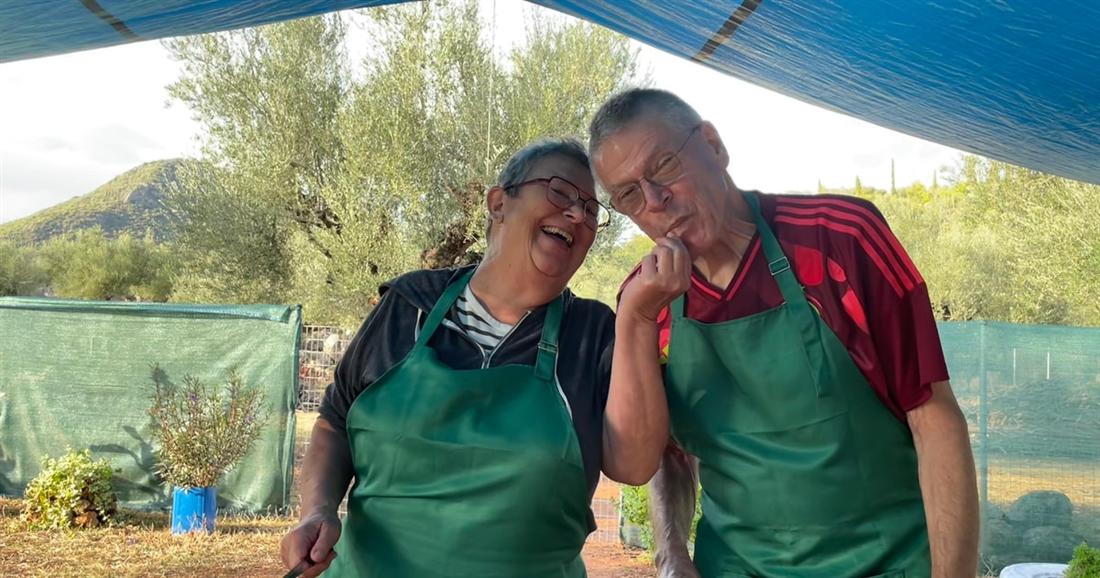
The listed route starts with a walk through the estate. Its central task is preparing kagianas with tomatoes and handmade feta, rather than watching a cooking display. Hosts explain the dish’s place in Greek food culture alongside the practical cooking steps.
- Visit the chicken coop and collect fresh eggs directly from the nests. This comes before the garden stop in the published workshop sequence.
- Pick ripe tomatoes, vegetables and herbs from the organic garden. Hear how the hosts grow their food while gathering ingredients for the pan.
- Carry the gathered ingredients into the outdoor kitchen with the hosts. Prepare the egg dish under their guidance using the produce just collected.
- Balance the tomatoes’ sweetness with the saltiness of handmade feta. The hosts explain this flavour pairing as part of preparing the scramble.
- Gather at the large wooden table for the finished meal. Eat the dish alongside farm cheese, olives and warm bread served by the hosts.
The farm’s own Kagianas programme also lists goat feeding and meeting the animals. Its published meal adds Greek salad, tzatziki, fried bread and dessert. These details belong to that programme description; match them against the option selected for your Kalamata cooking class.
Mama Gaia describes its garden produce as seasonal and dependent on weather. It also states that selected ingredients come from local suppliers, rather than its own land. Ask which farm tasks and dishes apply to your visit before choosing a particular menu.
Which Messinian dishes does a Kalamata cooking class teach?
A Kalamata cooking class teaches dishes drawn from each host’s published menu. Mama Gaia focuses on kagianas, scrambled eggs with tomatoes and feta. The olive grove programme adds stuffed vegetables, cheese pie and meat baked in a traditional oven.
- Gemista: tomatoes and peppers stuffed with rice and fresh herbs.
- Tyropita: cheese pie from the olive grove menu.
- Lamb or pork: meat cooked in the stone oven.
- Greek salad: another published option for the village lesson.
- Seasonal pies: the published alternative to bread making in the village programme.
The grove’s sample lunch also lists meatballs and vegetarian dishes. Its dessert choices include homemade sweets, rather than a fixed pudding. Ask which dishes your Kalamata cooking class teaches, since seasonal examples are not promises of every listed recipe.
The head chef’s sample menu broadens the choice further. It lists stewed meat, fish, vegetables and pasta made from scratch. Moussaka, a layered bake, also appears, but the final selection follows your agreed dietary preferences.
What kitchen skills does a Kalamata cooking class teach?
A Kalamata cooking class teaches practical food preparation through recipes chosen by each host. Mama’s Flavours describes bread making and preparing stuffed vegetables. Mama Gaia centres its hands-on cooking on farm ingredients and the Greek egg dish kagianas.
Mama Gaia’s own experience description identifies kagianas as scrambled eggs with tomato and feta. This connects egg cooking with using cheese in the same preparation. Guests prepare the dish themselves under the hosts’ guidance.
Vegetable preparation includes gemista, meaning tomatoes and peppers stuffed with rice and fresh herbs. The host confirms these ingredients but gives no detailed technique checklist.
- Garden picking: gathering tomatoes, vegetables and herbs before the cooking starts.
- Egg cookery: scrambling eggs with tomato and feta for kagianas.
- Bread making: mixing dough from scratch and baking it in a wood-fired oven.
- Pie making: shaping a seasonal pie as the alternative to bread.
- Stuffed vegetables: filling tomatoes and peppers with rice and herbs for gemista.
Which local ingredients does a Kalamata cooking class use?
A Kalamata cooking class uses ingredients tied to its particular setting. Mama Gaia names farm eggs, tomatoes, herbs and handmade feta. The village lunch lists local cheese and Kalamata olives, alongside vegetables used in the seasonal cooking menu.
Kalamata olives are dark purple, with an almond shape and meaty flesh. They appear as table olives in the grove’s starter selection. That means olives served for eating, not proof that every cooking oil uses this olive variety.
Its garden supplies organic vegetables and fresh herbs. The village programme also offers vegetables picked from the estate’s garden, linking the recipes directly to what is growing.
Olive oil is a central ingredient in Greek cooking. However, the class descriptions do not name every oil used. For a separate session focused on oil, explore Kalamata olive oil tasting rather than treating it as an automatic class inclusion.
What does the olive grove village Kalamata cooking class include?
The olive grove Kalamata cooking class combines practical cooking, bread making and a full lunch. The listed experience lasts around three hours. It includes local delicacies, wine, coffee or tea, with a local cooking team present throughout the session.
Bread making starts from scratch, with baking in a wood-fired oven. The host also publishes a seasonal pie alternative. Confirm the planned dough activity when arranging your Kalamata cooking class, rather than expecting both baking tasks.
- Prepare traditional dishes with guidance from a local cook.
- Eat the food prepared during the practical cooking session.
- Drink local white, rosé or red wine with lunch.
- Enjoy homemade dessert as part of the sample menu.
- Hear local food stories alongside practical instruction during your private grove experience.
The lesson includes stories about making pasta for winter. Hilopites, Greek egg pasta, features in these accounts of summer food preparation. Hearing about that household tradition does not mean a pasta-making workshop is included in the booking.
The grove experience runs towards Pylos; plan tours in the Mani for a separate day. An olive oil tasting is an extra, arranged upon request. The seasonal table olive workshop also requires separate arrangements and depends on availability.

What is the private dining Kalamata cooking class with a head chef?
The private dining Kalamata cooking class pairs guided food preparation with a restaurant lunch. A head chef creates a surprise Mediterranean menu for your group. The three-hour experience includes a starter, main course and dessert, served with wines from Messinia.
Participation in the kitchen is offered with the chef’s direct guidance. The format differs from following a fixed farm recipe. Choose between traditional Greek cooking, modern Greek cooking and Mediterranean dishes, then discuss which preparation tasks the chosen menu involves.
Your Kalamata cooking class remains private for the booked party. No other guests join once the day is reserved. Lunch includes Greek appetisers and the chef’s own desserts, while a local host and the head chef support the experience.
Despite the private dining title, this experience runs at lunchtime, not dinner. A meal at your villa requires a separate arrangement with the organiser. Keep any Kalamata walking tour as a separate booking, rather than assuming sightseeing accompanies the cooking lesson.

Who suits a Kalamata cooking class?
A Kalamata cooking class suits families, couples, small groups and friends travelling together. Children are welcome, with adult supervision required at the farm. Vegetarian and vegan requests are supported at the grove, with dietary needs discussed before arrival.
The farm booking lists English, Greek and Spanish, with a ten-person limit. The grove accepts two to twelve guests, with English, German and Greek available. The head chef accepts one to ten guests, with English and Greek listed as its standard languages.
Tell the organiser about food allergies before confirming your place. For the grove, report bee allergies alongside food restrictions, including any vegetarian or vegan requirements. Ask for clear answers about these practical details before committing to a date or making your payment.
- Confirm the language used throughout your chosen session, including any translation arrangements.
- Share each child’s age with the booking team before selecting adult and child tickets.
- Describe dietary restrictions separately from personal food preferences when completing the booking request.
- Request written confirmation of agreed changes before paying for your group.
How long does a Kalamata cooking class last, and what about meals and transport?
Each featured Kalamata cooking class lists three hours, with a meal included. Allow separate time for travel to the venue. Wine accompanies the grove and head chef lunches, while the farm arranges wine through advance requests.
The farm is around 25 minutes from Kalamata by car, with advertised starts at 17:00 or 18:00. The grove is 50 kilometres away, with an advertised one-hour drive and a 09:00 Kalamata meeting. The head chef’s restaurant requires ten minutes from central Kalamata, with a noon meeting.
The grove and head chef transfers are separate arrangements, not standard inclusions. Tell the organiser whether you have your own vehicle. For flight arrivals, arrange Kalamata airport transfers separately, and confirm your onward class transport with the organiser.
For your Kalamata cooking class, ask whether written recipes are supplied. Published inclusion lists do not promise take-home recipe sheets. Confirm this detail by email, rather than assuming recipes form part of the package you are booking.
How do you book and cancel a Kalamata cooking class?
Book a Kalamata cooking class after checking availability and cancellation terms. The grove and head chef hosts request payment two days ahead. Their direct bookings are confirmed by email after the reservation and payment are complete.
The farm’s marketplace booking offers cancellation until 24 hours beforehand for a full refund. Its direct page instead publishes a 48-hour refund deadline for bookings made with the farm. Ask about the unclear period between 24 and 48 hours before paying directly.
Published copies of both private-class listings state that bookings are non-refundable. The head chef listing also rules out changes. Direct host terms instead allow an agreed future date, without a cash refund.
For last-minute private bookings, email the organiser to check availability rather than relying on an open calendar. Online payment and bank transfer are accepted for these experiences. Cash is not accepted, so complete the booking before travelling to the meeting point.
- Save the confirmation email with your selected date and time.
- Keep a copy of the cancellation terms shown during checkout.
- Check whether amendments are allowed through your chosen booking channel.
- Request written confirmation before treating any date change as agreed.
Frequently Asked Questions
What clothing works for the outdoor session?
Wear comfortable clothing and shoes suited to uneven ground during the outdoor session. The farm’s published packing list also includes a hat, sunscreen, water and a camera. Pack these before leaving your accommodation, rather than relying on buying them at the venue.
Is wheelchair access the same at every venue?
No: the farm listing excludes wheelchair users and people with back problems or animal allergies. The private-class host describes access as partial, so request details about steps, toilets and seating. Discuss your exact access requirements rather than treating a broad accessibility label as a guarantee.
Are sessions available throughout the year?
The grove’s published season runs from April to October, with Greek public holidays excluded. The head chef offers lunch sessions throughout the year, subject to availability and holiday exclusions. Check your exact date directly, because the chef’s page gives conflicting information about Monday openings.
Can a class fit alongside other holiday activities?
Keep your Kalamata cooking class separate from tightly timed departures when arranging the rest of your holiday. Compare a Kalamata catamaran cruise or Kalamata hiking on another day, rather than promising a rushed connection. Confirm return arrangements before adding another booking.