
Milia is a restored off-grid stone eco-village and mountain retreat in the Kissamos hills near Vlatos, about 50 kilometres south-west of Chania in west Crete, a pioneer of sustainable agrotourism among chestnut groves and springs. Plan the whole trip with Greece Tours.
This guide covers Milia in full: what and where it is, the story of the abandoned medieval hamlet reborn as an eco-settlement, the off-grid solar living, the restored stone cottages, the farm-to-table taverna, the walks and nature, whether it suits families or couples, the nearby Topolia Gorge, Elafonisi and the chestnut villages, how to reach it from Chania, the best time, and whether Milia is worth visiting for a slow mountain stay.
What is Milia in Crete?
Milia is a restored off-grid stone eco-village and mountain retreat near Vlatos, about 50 km south-west of Chania in west Crete. It is a pioneer of sustainable agrotourism, rebuilt from an abandoned medieval hamlet into a working farm and guesthouse.
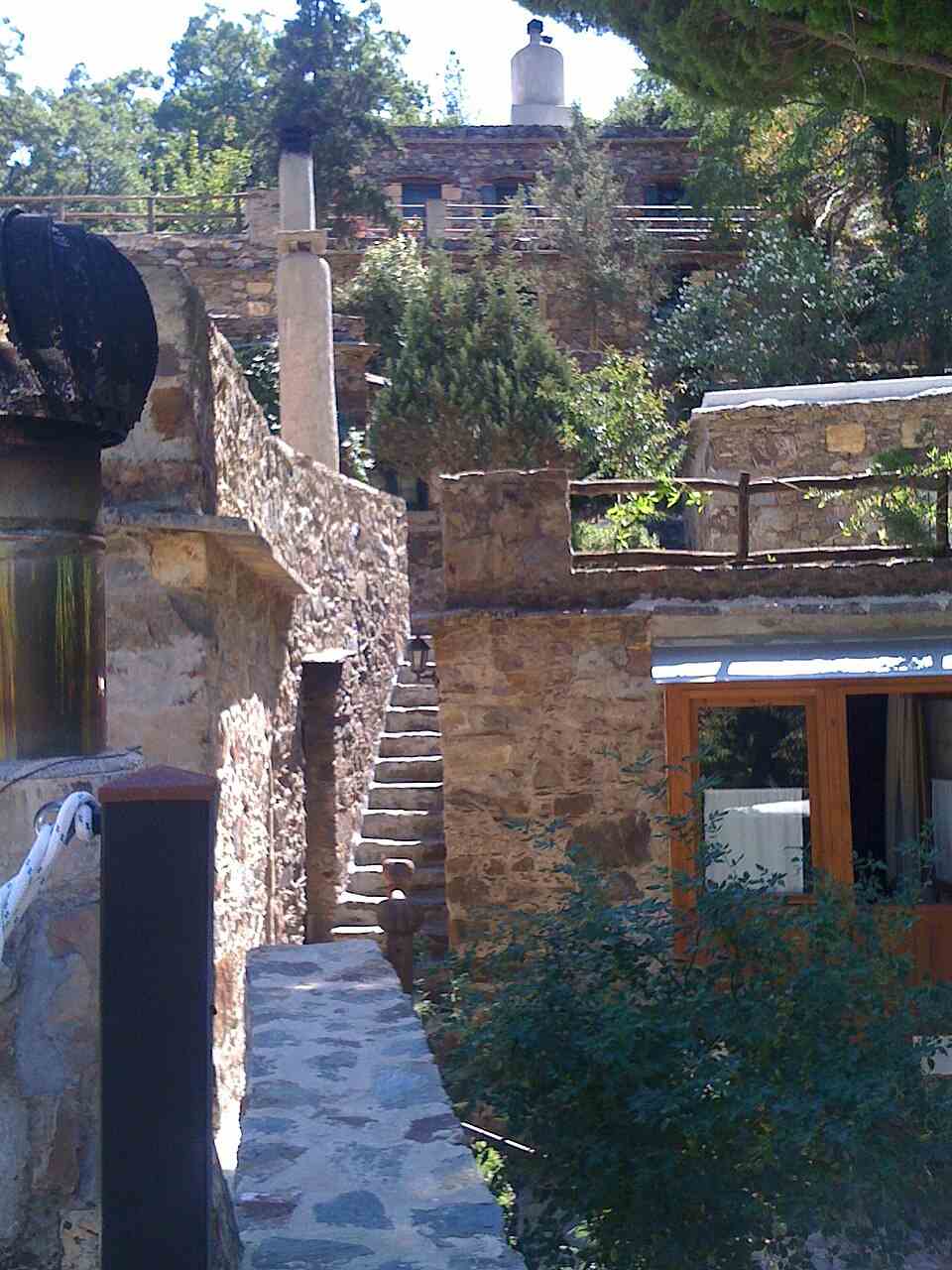
Milia Mountain Retreat occupies a fold of the Kissamos hinterland, a cluster of stone cottages set among chestnut and cherry groves at roughly 500 metres altitude. The settlement runs on solar power, spring water and its own harvest, and it welcomes travellers who want quiet, nature and honest Cretan food rather than pools, screens and traffic. The retreat is one of the earliest agrotourism projects in Greece, and it remains a working model of how a ruined mountain village returns to life.
The hamlet sits inside a landscape of terraced hillsides, old footpaths and dense woodland. Sixteen restored houses form the core of the settlement, each built from local stone with timber and clay, and each blended into the slope so the village reads as part of the mountain. Milia trades on stillness: birdsong, wind in the chestnuts, the smell of woodsmoke and thyme. For a wider picture of the region that surrounds it, the Chania hub maps the coast, the town and the mountains that frame this corner of the island.
The retreat defines itself against the mass tourism of the Cretan coast. Where the beach resorts stack sunbeds and pump music, Milia offers candle-lit stone, farm produce and empty trails. The village earns recognition across Europe for its ecological design, and travellers who value slow, low-impact holidays make the pilgrimage inland to find it. Milia is a place, a working farm and a philosophy of hospitality rolled into one restored hamlet.
Where is Milia and how far is it from Chania?
Milia lies in the Kissamos mountains near the village of Vlatos, about 50 km south-west of Chania town. The journey covers winding mountain roads through Topolia and the chestnut villages, and it ends on a short rough track that climbs to the hamlet.
The drive from Chania runs west along the national road towards Kissamos, then turns inland and south through the Topolia Gorge and the villages of Koutsomatados, Mili and Vlatos. The tarmac narrows as it climbs, threading between olive groves, plane trees and terraced slopes. From Vlatos a signposted turn leads onto the final unpaved track, a slow descent of a few hundred metres into the wooded hollow where the village hides.
The distance measures around 50 km, and the terrain makes the last stretch feel remote. Milia deliberately keeps cars at the edge of the settlement, so the last approach to the houses is on foot along stone paths. This seclusion is the point: the retreat trades easy access for silence and dark night skies, and the effort of the drive marks the boundary between the outside world and the hamlet.
The route repays the driver with scenery at every turn. The Topolia Gorge cuts a dramatic cleft through the limestone, the villages perch on chestnut-covered slopes, and the road climbs high enough to open long views back towards the Kissamos coast. Allow well over an hour for the drive, because the mountain roads demand a steady pace and the last kilometres slow to walking speed on the rough track.
What is the story of Milia Mountain Retreat?
Milia is a medieval hamlet that stood abandoned for decades until two local men, descendants of its original families, restored the ruins into an off-grid eco-settlement. Their work turned collapsed stone shells into a living village and a founding example of Cretan agrotourism.
The houses date to the medieval period, when families farmed the terraces, kept animals and pressed olives on these slopes. Depopulation emptied the mountain villages as people left for the coast and the cities, and Milia fell silent, its roofs caving in and its walls returning to rubble. The two founders traced their roots to the hamlet and chose to rebuild it stone by stone, reusing original walls, timber and clay rather than replacing them with concrete.
The restoration kept the medieval fabric intact while adding solar panels, spring-fed plumbing and a farm-to-table taverna. The project grew into a template that other mountain communities across Greece study and copy. Milia proves that heritage, ecology and hospitality reinforce one another: the village earns its keep by welcoming guests, and the income maintains the stone houses, the terraces and the woodland around them.
Is Milia off-grid, and what does that mean for a stay?
Milia runs off-grid on solar power and spring water, with candles and oil lanterns lighting the houses after dark. A stay means a genuine digital detox: limited electricity, no glare of screens, and a deliberate slowdown to the rhythm of the mountain.
Solar panels supply enough power for the taverna, the kitchen and basic needs, and the houses themselves rely on candlelight and lanterns once night falls. Spring water feeds the taps, cold and clear from the mountain. Mobile signal is thin and the village asks guests to set devices aside, so evenings pass by firelight, conversation and the sound of the wind rather than by phone or television.
This off-grid design shapes the whole experience. Guests eat by candle and lamp, read before sleep, and wake to daylight and birdsong instead of an alarm. The reduced electricity is not a hardship but the core of the retreat: it strips away the background hum of modern life and leaves stillness in its place. Families and couples alike arrive tense and leave unwound, having spent a night or two under the darkest skies in west Crete.
The self-sufficiency runs through every part of the operation. Rainwater and springs supply the taps, solar arrays charge the batteries, the garden and terraces grow the vegetables, and the surrounding woodland yields firewood and chestnuts. Waste is composted, olive oil is pressed on site, and the taverna cooks with what the estate produces. The result is a closed loop that leaves the mountain much as it found it, and a stay here doubles as a lesson in living lightly.
What are the stone houses and rooms at Milia like?
The rooms at Milia are restored medieval stone cottages with thick walls, wooden beams, open fireplaces and simple handmade furnishings. There are no televisions and no clutter, just stone, timber, clay and the warmth of a hearth against the mountain cool.
Each cottage carries the character of its original builders. The walls are bare stone or lime-washed, the floors are wood or worn slate, and the beds, tables and shutters are made by hand from local timber. Fireplaces heat the rooms through the cold months, and the deep windows frame the chestnut groves and the terraced hillside. The absence of screens and gadgets is intentional; the houses invite rest, not distraction.
The furnishings stay deliberately plain: woven textiles, iron latches, ceramic bowls and the soft light of candles. Comfort comes from craft and warmth rather than gloss, and every house differs in shape and layout because each grew from a distinct medieval ruin. For travellers weighing a night here against a base in town, the guide to where to stay in Chania sets Milia beside the region’s coastal and old-town options.
What is the food at the Milia taverna like?
The Milia taverna serves farm-to-table Cretan cooking built from the retreat’s own produce: vegetables from the garden, olive oil from the terraces, meat from the farm, and wine and raki made on site. The menu changes with the harvest and the season.
Meals lean on what the land gives that week. Wild greens, beans, tomatoes, pumpkin, cheese and slow-cooked meat arrive at the table dressed in the estate’s own olive oil. Bread bakes in a wood oven, and the kitchen presses its own oil and pours its own wine and raki. The cooking is the traditional food of the Cretan mountains, honest and unhurried, rooted in the diet that made the island’s older generations famously long-lived.
Dinner unfolds slowly by candlelight in the stone taverna, the fire crackling and the plates passing round. The seasonal rhythm means a spring visit tastes of fresh greens and lamb, while autumn brings chestnuts, grapes and hearty stews. Guests eat what the village grows, and the short journey from garden and grove to plate defines the flavour of every dish.
The taverna draws visitors from beyond the guesthouse, and day-trippers time the mountain drive to reach it for lunch. The kitchen champions the Cretan diet in its purest form: pulses, wild herbs, garden vegetables, cheese and just enough meat, all bound together by the estate’s green olive oil. Reservations matter, because the retreat cooks to order from a living larder rather than a fixed stock.
What is there to do at Milia?
Milia is a place to walk, rest and reconnect with nature. Marked trails climb through chestnut and cherry groves, the working farm invites a slow wander, and the days pass with birdsong, reading, firelight and the deep quiet of the mountain.
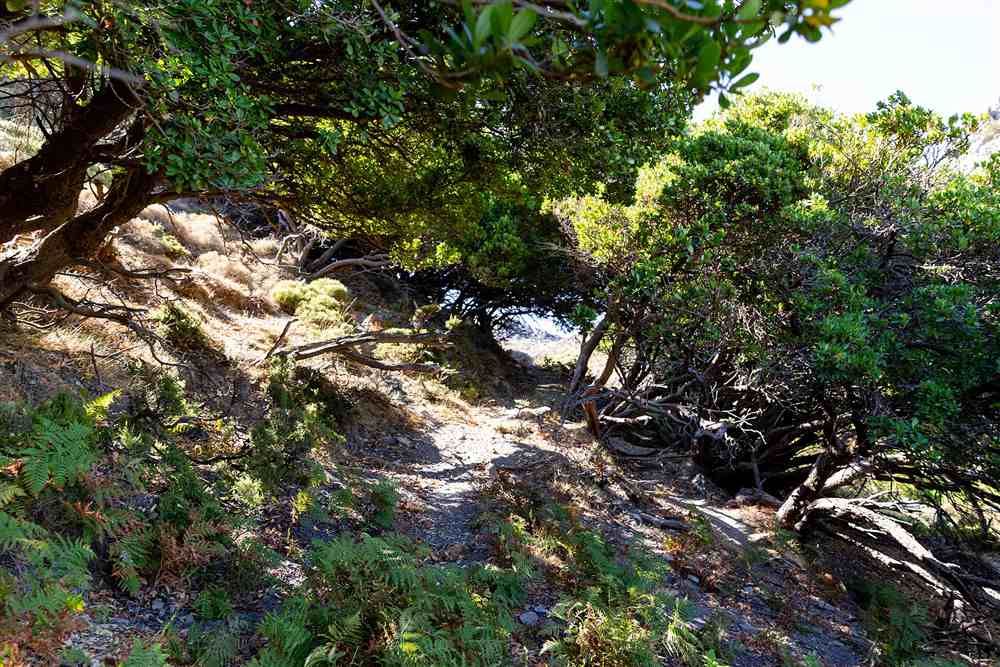
Footpaths radiate from the hamlet into the surrounding woodland and up to viewpoints over the Kissamos hills. Walkers follow old shepherds’ routes past springs, terraces and drystone walls, and the trails suit an easy morning ramble as much as a longer hike. Back in the village, the farm animals, the vegetable gardens and the groves reward an unhurried stroll, and children take to the open space with delight.
Much of the appeal is doing very little. Guests read on a shaded terrace, watch the light shift across the valley, listen to the birds and let the hours stretch. The chestnut and cherry groves turn gold in autumn and green in spring, and the changing seasons give each visit a distinct mood. Milia rewards presence rather than activity, and its stillness is the main event.
Is Milia good for families or couples?
Milia suits families and couples equally. The car-light, calm hamlet gives children room to roam among animals, trees and open ground, while the candlelit stone cottages and quiet evenings make it a romantic retreat for two.
For families, the safety of a traffic-free village is a gift. Children explore the farm, meet the animals, splash at the spring and run the stone paths without the hazards of a road. The natural setting teaches without a screen in sight, and the early nights and fresh mountain air settle even restless young travellers into deep sleep.
For couples, Milia is intimate and unplugged. Dinner by candlelight, a fire in the hearth, dark skies thick with stars and the silence of the hills strip away distraction and leave only each other and the mountain. The retreat works because it asks nothing of its guests but rest, and that spareness serves parents and partners alike. Honeymooners and long-married couples return to the same stone cottages to mark anniversaries in the quiet of the hills.
What is near Milia to visit?
Milia sits within reach of the Topolia Gorge, the chestnut villages of Elos and the Enneachora, and the west-coast beaches of Elafonisi, Falassarna and the town of Kissamos. The mountain setting places dramatic scenery and famous shores a short drive apart.
The drive to the hamlet passes through the Topolia Gorge, where the road tunnels through rock beside the chapel of Agia Sofia in its cave. Nearby, Elos and the villages of the Enneachora district cling to chestnut-clad slopes and host an autumn chestnut festival. Kissamos, on the coast, offers a harbour, a beach and the boats to Balos lagoon.
The pink-sand lagoon of Elafonisi beach lies to the south-west, and the long golden sweep of Falassarna faces the sunset to the north-west. Both rank among the finest shores in Crete, and both sit within an hour’s drive of the retreat. Milia therefore pairs a deep-mountain stay with easy access to the island’s celebrated west-coast beaches.
How do you get to Milia from Chania?
You reach Milia from Chania by car, a drive of about 50 km west and then south into the Kissamos mountains through Topolia and Vlatos. The route ends on a short unpaved track, and a car is essential; public transport does not reach the hamlet.
From Chania, the road heads west towards Kissamos, then turns inland at the coast and climbs south through the Topolia Gorge, Koutsomatados and Mili to Vlatos. The final stretch leaves the tarmac for a rough track that descends into the wooded hollow. The village keeps vehicles at its edge, so the last approach to the houses is on foot along stone paths.
A hire car gives the freedom the location demands, and the mountain roads reward unhurried driving. Buses serve the coastal towns but not the inland hamlet, so a private vehicle is the practical way in and out. Signposts mark the turn near Vlatos, and the retreat provides directions to guide the final descent to the settlement.
When is the best time to visit Milia?
Spring and autumn are the finest times to visit Milia. Spring brings green hillsides, blossom and birdsong, autumn brings the chestnut harvest and golden groves, and both seasons deliver the cool, clean air of the mountain at its best.
In spring the terraces turn green, wildflowers open across the slopes and the cherry and chestnut trees blossom. The walks are at their most rewarding, the springs run full, and the taverna fills its plates with fresh greens and lamb. The mountain air stays crisp and comfortable while the coast begins to warm.
Autumn brings the chestnut harvest to the Enneachora villages and turns the groves around Milia to gold and russet. The cooking shifts to chestnuts, grapes and hearty mountain fare, and the light softens over the valley. Summer stays cooler here than on the coast thanks to the altitude and the shade, and the dark, clear nights make stargazing a highlight in every warm-weather month.
Is Milia worth visiting?
Milia is worth visiting for anyone who wants an off-grid, back-to-nature escape in the mountains of west Crete. The restored stone village, the solar-lit nights, the farm-to-table food and the deep quiet reward travellers seeking rest over resort comforts.
The retreat delivers something rare: a genuine step out of modern life into a working medieval hamlet that runs on sun, spring water and its own harvest. Guests who value stillness, craft, honest food and dark night skies leave restored, and the memory of candlelit dinners and birdsong outlasts the trip. The seclusion that makes the drive long is the same seclusion that makes the stay profound.
Milia rewards the deliberate traveller. It asks for a car, a willingness to unplug and an appetite for simplicity, and it returns peace, beauty and a taste of the old mountain Crete. Paired with the beaches and towns of the Kissamos coast a short drive away, the hamlet makes an ideal contrast to the busier shore: a place to slow down, breathe the pine and thyme, and remember why the mountains of west Crete draw travellers back.
Frequently Asked Questions
What is Milia in Crete?
Milia is a restored off-grid stone eco-village and mountain retreat near Vlatos, about 50 kilometres south-west of Chania in west Crete. Two locals rebuilt the abandoned medieval hamlet into a solar-powered settlement with stone cottages and a farm-to-table taverna, a pioneer of Cretan agrotourism.
Is Milia off-grid?
Milia runs off-grid on solar power and spring water, with candles and lanterns lighting the stone cottages at night and no televisions. The deliberate simplicity makes it a true digital detox in the quiet of the west-Crete mountains.
How do you get to Milia from Chania?
Milia lies about 50 kilometres south-west of Chania, a winding mountain drive of over an hour ending on a rough unpaved track. A hire car is essential, and the retreat guides visitors on the final approach to the car park above the hamlet.