
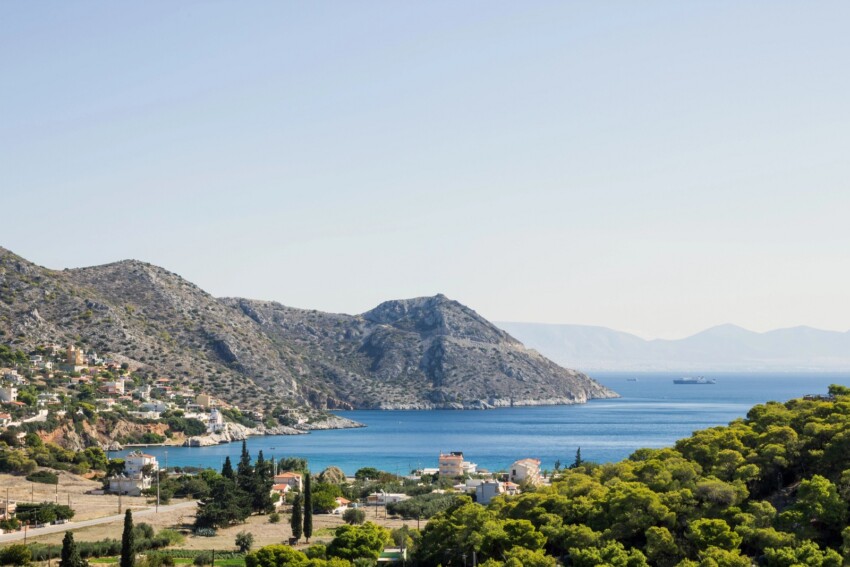
Explore Salamina Island, Greece, with our travel guide for easy Athens access, beautiful beaches, rich history, and authentic local culture.
Salamina is one of the islands near the capital covered by Greece Tours, alongside day trips and island guides across the country.
Salamina Travel Guide: Explore Greece’s Hidden Island Near Athens
We’ve visited dozens of Greek islands, but Salamina (Salamis) remains one of those pleasantly surprising destinations many travelers overlook. Less than an hour from central Athens, Salamina mixes easy access, long sandy beaches, layered history, from the Battle of Salamis to Byzantine monasteries, and a down-to-earth local culture that’s perfect for short escapes, day trips, or adding to an island-hopping itinerary.
In this guide, we’ll cover how to get there, the best beaches and cultural sites, where to eat and sleep, nightlife tips, and practical travel advice with sample 1–2 day itineraries. Whether you’re building a Greece tour package, planning a private guided day trip from Athens, or carving out time between Santorini and Mykonos, this guide will help you make the most of Salamina.
Quick Facts, Where Salamina Is And How To Get There
Salamina is the largest island in the Saronic Gulf and sits just off the western coast of Attica, opposite the port of Piraeus. It’s part of the Athens metropolitan area geographically, but once you step onto the island, you’ll feel you’ve left the city behind, flat plains dotted with olive groves, pine-backed beaches, and small working ports.
Quick facts at a glance
- Distance from Athens center: about 16–20 km (10–12 miles), but travel time depends on transport (see below).
- Ferry time from Piraeus: 20–40 minutes (conventional ferry), plus a short drive from some drop-off points.
- Best time to visit: late spring–early autumn (May–October) for warm seas and open services.
- Language: Greek: English is widely spoken in tourist-facing businesses.
- Currency: Euro (EUR).
How to get to Salamina
From Piraeus Port: The simplest route for most visitors is the frequent ferry from Piraeus to Salamina’s main ports (often Salamina Town or Aianteio). Ferries run multiple times daily; check schedules in advance as times shift seasonally. A standard car ferry takes longer; high-speed options are quicker if available.
From Athens by car: Driving from central Athens to the ferry at Piraeus takes roughly 20–40 minutes, depending on traffic. We recommend parking at secure lots near the ferry terminals if you’re leaving a car for the day.
Public transport option: You can combine the Athens metro/bus to Piraeus, then the ferry. For travelers on guided tours, many Athens day-trip packages include ferry transfers or private transfers to Piraeus: if you’re booking a private Greece tour or a small-group excursion, ask about bundled transfers; we’ve found it saves time and stress.
From Porto Rafti or other ports: Seasonal boats and private charters sometimes run from other nearby ports, useful if you’re island hopping from the Saronic islands.
Getting around Salamina
Salamina is larger than it looks: public buses connect the main towns, but schedules are limited outside peak season. Renting a car or scooter gives you the most flexibility to reach remote beaches and archaeological spots: taxis are available but less numerous. We often recommend renting a car for at least one day to explore the island’s interior and coastline at our own pace.
Practical entry tips
- Tickets: Buy ferry tickets in advance in high season; you can often purchase online or at the Piraeus terminal.
- ID and documents: EU citizens can travel with a national ID; non-EU visitors should carry passports.
- Seasonality: Some small tavernas and museums close in winter; plan accordingly.
Salamina pairs exceptionally well with Athens-based itineraries. If you only have a short window for island time while staying in Athens, Salamina gives you beaches and local life without a long overnight commitment.
Top Attractions And Things To Do On Salamina
Although Salamina doesn’t have the postcard whitewashed cliffs of Santorini, its charms are quieter and more local: shoreline beaches perfect for families, historical sites that span millennia, and a handful of hiking and coastal drives that reward explorers. Below, we break down the highlights so you can prioritize what fits your travel style.
Eat, Stay, And Nightlife: Local Eats, Accommodation Options, And Evening Plans
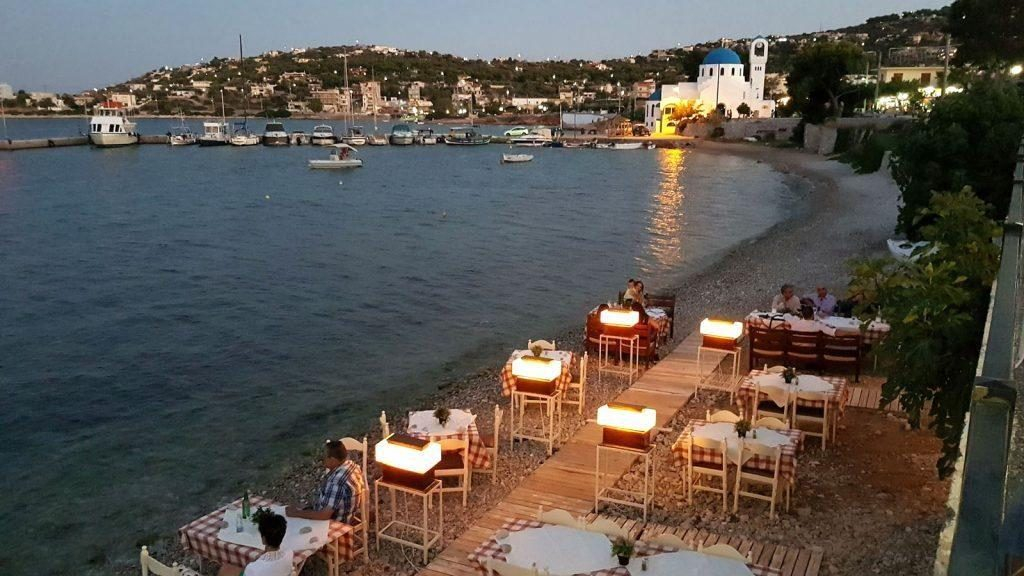
Salamina’s hospitality scene skews local and relaxed, think family-run tavernas, small pensions, and waterfront cafés rather than boutique luxury hotels. That’s part of the island’s appeal: authentic food and neighborly service.
Where to eat
- Seafood tavernas: Being an island, Salamina’s seafood is outstanding when you pick a busy local taverna. Order grilled octopus, fried calamari, or a whole fish (ask for the catch of the day). Pair with a Greek salad, horta (wild greens), and a glass of Assyrtiko or local white wine.
- Meze and plates: Look for tavernas offering meze spreads, tzatziki, taramosalata, dolmades, and fava, which make for leisurely shared meals.
- Casual options: Gyros, souvlaki, and fresh bread are widely available: perfect for a quick lunch between beaches.
- Pastry shops and cafés: We like starting mornings with strong Greek coffee and a bougatsa or spinach pie.
Dietary notes
Vegetarian and vegan options are common; Greek staples like gigantes (baked beans), stuffed peppers, and grilled vegetables showcase seasonal produce.
Accommodation choices
- Small hotels and guesthouses: Most visitors stay in family-run hotels or rooms to let near Salamina Town or Aianteio. These are typically simple but clean, and hosts often provide local tips for beaches and tavernas.
- Self-catering apartments: A good option for longer stays or families, kitchens let you shop at local markets and cook with fresh island ingredients.
- Luxury stays: High-end resorts are limited. If luxury is a priority, consider staying in Athens and taking a day trip, or combine Salamina with other islands that have upscale options.
Nightlife and evening plans
- Taverns at sunset: Evenings on Salamina are best spent at a seaside taverna with fresh fish and a chilled bottle of retsina or ouzo. The vibe is relaxed, locals and visitors mingle.
- Waterfront bars: You’ll find casual bars serving cocktails and beers in Salamina Town; nightlife is low-key compared to Mykonos or Santorini.
- Festivals and live music: On festival nights, expect live bouzouki music or traditional dance, an authentic cultural experience.
Booking tips
- Seasonal booking: In July–August, book accommodation and popular tavernas in advance: shoulder seasons (May, September) offer easier availability and milder weather.
- Communicate with hosts: Many small properties don’t have 24-hour desks, coordinate arrivals and depart times with owners to avoid waits at ferry terminals.
Practical Travel Tips, Suggested Day Trips, And Sample 1‑2 Day Itineraries
We’ve assembled practical tips and two sample itineraries, 1-day and 2-day, tailored for travelers who want to include Salamina in a broader Greece tour or enjoy an unhurried mini-break.
Practical travel tips
- Cash vs. cards: Carry small bills and coins; many tavernas and beach kiosks prefer cash.
- Communication: Mobile coverage is good around main towns: bring a portable charger for long beach days or hikes.
- Safety: Salamina is safe and low-crime. Standard precautions, watch belongings on crowded ferries, and swim within sightlines are enough.
- Weather: Summer is hot and dry: bring sun protection and water. Spring and autumn can be pleasantly warm, but bring a light jacket for evenings.
- Accessibility: Some beaches have gentle slopes suitable for less-mobile travelers, but many natural coves are reached by steps or uneven paths.
- Language and etiquette: Learning basic Greek greetings (kalimera, efharisto) goes a long way with locals. Tipping is appreciated but modest, 5–10% in tavernas if service is good.
Suggested day trips from Athens
- Historic alternative to crowded islands: If you’re staying in Athens and want an inexpensive, low-traffic island day trip, Salamina is ideal, with a significantly shorter travel time than many Cyclades islands.
- Combine with a Piraeus tour: Pair Salamina’s shore time with a morning walking tour of Piraeus’s maritime heritage.
- Private guided option: For themed tours (ancient naval history, culinary experiences), book a private or small-group tour from Athens; many operators customize based on interests.
Sample 1-day itinerary (best for day-trippers from Athens)
- 08:00, Depart Athens for Piraeus: catch an early ferry to Salamina.
- 09:00, Arrive Salamina Town: coffee and a stroll along the harbor.
- 10:00, Drive or take local transport to Kanakia or Psatha Beach for swimming and sun.
- 13:00, Lunch at a seaside taverna in Aianteio, fresh fish and salad.
- 15:00, Visit the Salamina Archaeological Museum and the Monastery of Faneromeni for historical context and views.
- 17:00, Sunset stroll by the waterfront: taste local pastries and espresso.
- 19:00, Ferry back to Piraeus and onward to Athens.
Why this works: The plan balances beach time with culture and minimizes transit. We recommend arranging return ferry times in advance so you don’t get stuck by seasonal schedules.
Sample 2-day itinerary (for a short overnight stay)
Day 1
- Morning, arrive by ferry: check into a guesthouse near Salamina Town.
- Midday, explore Kanakia or Megalo Psatha for extended beach time and water activities.
- Late afternoon, drive inland to visit local olive groves or a small olive oil producer (book ahead).
- Evening, Dinner at a family-run taverna: attend any local live music or panigiri if available.
Day 2
- Morning, Guided historical walk focusing on the Battle of Salamis sites and the Archaeological Museum.
- Late morning, Hike or coastal drive to secluded coves on the island’s western side: pack a picnic.
- Afternoon, return to the port area for a relaxed late lunch and final seaside walk.
- Evening, Ferry back to Piraeus.
Packing checklist for short trips
- Comfortable walking shoes for ruins and village lanes.
- Lightweight clothing, sun hat, reef-safe sunscreen.
- Swimwear, snorkel mask if you plan to explore underwater.
- Small daypack, reusable water bottle, quick-dry towel.
Customizing for tour groups
If we’re booking Salamina as part of a larger Greece tour itinerary, say, a multi-day island-hopping package or an Athens cultural tour, Salamina works well as a low-cost, high-authenticity stop. Private tours can include a local historian, culinary stops, or boat trips around the island’s bays. For small-group cultural tours, Salamina offers history and authentic local interaction without the crowds.
Where is Salamina, and how big is it?
Salamina, also called Salamis, is the largest island in the Saronic Gulf, about 2 kilometres off the port of Piraeus and 16 kilometres west of central Athens, with an area of 93 square kilometres, a highest point of 404 metres at Mavrovouni and around 31,000 permanent residents.
The island has a crescent shape, with the main town on the west-facing bay and the busy ferry port of Paloukia on the east side, facing Perama on the mainland. Much of the interior is rocky and hilly, and a pine forest covers part of the south, an unusual sight for western Attica. The climate is hot and dry, with mild winters and very hot summers.
In summer, the population swells to around 300,000 as Athenians move into their holiday homes, and cafes, tavernas and ouzeries fill every village. The island belongs to the Islands regional unit of Attica and forms a single municipality. Its closeness to the capital makes it the easiest island escape from Athens, without an overnight ferry or a flight.
How do you reach Salamina from Athens?
The main route to Salamina is the car ferry from Perama, on the western edge of Athens, to the port of Paloukia, a short crossing that runs around the clock at frequent intervals; Paloukia is the second-busiest passenger port in Greece after Piraeus.
Perama is reached from central Athens by bus or taxi, and drivers can take their car across on the ferry. The boats shuttle back and forth all day, so there is no need to book ahead. From Paloukia, local buses and taxis connect the port with Salamina town, Aianteio, Selinia and the beaches of the south.
A second ferry links the north-west of the island, near Faneromeni, with Nea Peramos near Megara. With a car, the whole island is within an hour’s drive, and the south coast beaches are the natural goal for a day trip. Our day trips from Athens page compares Salamina with other short escapes from the city.
What happened at the Battle of Salamis?
The Battle of Salamis in 480 BC was the decisive naval victory of the allied Greek fleet, led by the Athenian general Themistocles, over the fleet of the Persian king Xerxes, fought in the narrow strait between Salamis and the mainland.
After the Persians took and burned Athens, the Athenians moved their families to Salamis and the Peloponnese, and the Greek fleet gathered in the bay of Salamis. Themistocles lured the larger Persian fleet into the narrow strait, where its ships had no room to manoeuvre, and the lighter Greek triremes broke their lines. Xerxes watched the defeat from the slopes of the mainland opposite.
The victory saved Greece from Persian rule and opened the way for the golden age of Athens. The island remembers it every year with the Salaminia festival, and the reconstructed trireme Olympias, displayed at Palaio Faliro in Athens, shows the type of warship that fought here. Guided tours of the battle site and the trireme are listed on this page.
What is the Salamis Tumulus on the Kynosoura peninsula?
The Salamis Tumulus is an ancient burial mound on the Kynosoura peninsula, on the east side of the island, thought to be the grave of Greek warriors who fell in the Battle of Salamis, looking over the strait where the battle took place.
Kynosoura means “dog’s tail”, after the long, thin shape of the peninsula that points into the strait. Only a few houses stand at its southern end, while the north side holds shipyards that build and repair large vessels. The tumulus and its surroundings form one of the most evocative historic spots on the island.
From the tip of Kynosoura, visitors look across the narrow waters towards Perama and the mainland, and the scene of the battle becomes easy to picture. A monument to the battle stands in the area. Combine a visit to the peninsula with the nearby town of Ampelakia, close to the site of the classical city.
What was ancient Salamis like?
Ancient Salamis was first settled from Aegina, later held by Megara and became Athenian around 600 BC in the time of Solon or Peisistratos. Its capital moved over time, from the south of the island in early times to the east, on the Kamatero peninsula, in the classical period, and to the west in modern times.
In myth, Salamis was the kingdom of Telamon and his son Ajax, the great warrior of the Trojan War, who led twelve ships from the island to Troy, according to Homer’s Iliad. Teucer, Ajax’s half-brother, is said to have founded the city of Salamis in Cyprus, which is why the island today is twinned with Famagusta.
The name Salamis may come from the nymph Salamis, mother of the first king Cychreus, or from roots meaning a place amid salt water. The oldest known counting board, a marble slab with carved Greek symbols, was found on the island in 1899. Visitors see finds from ancient Salamis in the island’s archaeological collection and at sites around Ampelakia.
Why was the island once called Koulouri?
From at least the 13th century until the 19th century, the island, its main town and its bay were called Koulouri, a name linked to the round shape of the bay, and islanders still use the name informally for the town of Salamina today.
The ancient name Salamis was revived in the 19th century, after Greek independence, when the new state restored classical names across the country. The old name survives in local speech and in the Arvanitika language, once spoken widely on the island, where the town was called Kulluri.
Arvanites, a community of Albanian origin settled across Attica, formed the majority of the island’s people until the mid-20th century, and they lived mainly in Salamina town, Ampelakia and Aianteio. The arrival of Athenians in recent decades changed the balance, but family names, songs and customs keep that heritage alive.
What is the Faneromeni Monastery on Salamina?
The Faneromeni Monastery stands in the north-west of Salamina, near the village of Steno, among pine-covered hills above the sea. It is the island’s most important religious site, known for its large cycle of wall paintings, and the poet Angelos Sikelianos lived in a cottage nearby.
The monastery sits in a green setting separated from Steno by a hill of shrubs and pines, with views across the bay towards the mainland. Its church is covered inside with religious paintings that draw visitors interested in Byzantine and post-Byzantine art. The feast of the monastery brings pilgrims from Salamina and Athens.
Sikelianos, one of the great Greek poets of the 20th century and the founder of the Delphic Festivals, spent time in a cottage close to the monastery, which is associated today with his memory. A visit to Faneromeni pairs well with a swim at the beaches of the north-west and lunch in one of the tavernas by the sea.
What is the Cave of Euripides?
The Cave of Euripides is a cave near the village of Peristeria in the south-east of Salamina, associated with the tragic poet Euripides, who, according to tradition, was born on the island on the day of the Battle of Salamis in 480 BC.
Tradition holds that Euripides withdrew to a cave on Salamis to write his plays, looking out over the sea. The cave near Peristeria is linked to that story, and archaeologists have studied it as a place used from prehistoric times. A path leads up from the coast, and the view from the entrance takes in the southern shores of the island.
Peristeria itself is a small, quiet village with a marina for yachts and fishing boats, and its beaches are counted among the cleanest on the island. A visit to the cave, a swim at Peristeria and a fish lunch make one of the best half-days on Salamina. The island’s drama club carries the name Euripides in honour of the poet.
Which villages are worth visiting on Salamina?
Beyond Salamina town, the villages worth visiting include Aianteio, named after Ajax, with churches from the 10th to 12th centuries, the summer resort of Selinia, the marina village of Peristeria, the pine-shaded coast of Kaki Vigla, and Vasilika with its long sandy beach.
Aianteio, known as Moulki until 1915, is the second-largest town on the island and holds its oldest church, Saint John Kalyvitis, from the 10th century, with notable wall paintings. The monastery of Saint Nicholas, from the 18th century, sits in the forest nearby. The village makes a good base for the beaches of the south-west.
Selinia, south-east of Salamina town, is the weekend resort of Athenians, with restaurants and tavernas along the shore. Kaki Vigla, near Aianteio, has clean beaches with pines and olive trees close to the water. Psili Ammos in the north-west has fine sand and the old chapel of Saint Gregory. Each village has its own taverna scene, and a drive around the island links them in a day.
- Aianteio – oldest church on the island, forest monastery nearby.
- Selinia – weekend resort with seaside tavernas.
- Peristeria – marina, clean beaches, Cave of Euripides.
- Kaki Vigla – pines and olive trees by the sea.
- Vasilika – large sandy beach in the north-west.
Which are the best beaches on Salamina?
The best beaches on Salamina lie on the south of the island, away from the port and the shipyards: Aianteio, Maroudi, Perani, Peristeria, Kolones, Saterli, Selinia and Kanakia, together with Kaki Vigla, while Vasilika in the north-west has a long sandy beach.
The south coast has clearer water and less development than the north and east, where heavy industry and dense building have affected the sea. Kanakia and Peristeria are among the favourites for clean water, with pines and small tavernas behind the beaches. Kolones and Saterli are smaller, quieter beaches.
Most beaches are simple, with a few sunbeds at the busier spots and natural shade from pine trees at others. Weekends in July and August bring crowds from Athens, so weekdays are calmer. For more developed island beaches in the Saronic Gulf, the ferry from Piraeus reaches Aegina and Agkistri, known for their pine-fringed coves.
What is the Salamis Naval Base?
The Salamis Naval Base, near Paloukia on the east coast, is the main base and headquarters of the Hellenic Navy, and parts of the island around it are restricted areas closed to visitors and photography.
The base gives the island a strong naval identity, continuing a link with the sea that goes back to the battle of 480 BC. Warships and naval facilities line the shore near the port, and visitors arriving at Paloukia pass them on the way into the island. Signs mark the areas where photography and access are not permitted.
The harbour was bombed by the German air force on 23 April 1941, during the invasion of Greece, when the old battleships Kilkis and Lemnos were sunk. Their story is part of the island’s modern history, alongside the older tales of Ajax and Themistocles. Visitors respect the restricted zones and enjoy the rest of the island freely.
Which festivals and museums does Salamina have?
Salamina holds the Salaminia festival in memory of the naval battle, a Fisherman’s Festival, a lively Carnival and other seasonal events, and it has a Museum of Folklore Art and History, an archaeological collection, a public library, a drama club and a dance group.
The Salaminia is the island’s signature event, with cultural programmes and celebrations that recall the victory of 480 BC. The Fisherman’s Festival brings music, dancing and fresh fish to the waterfront in summer. Carnival season before Lent fills the streets with parades and costumes, a favourite with local families.
The folklore museum shows the everyday life, costumes and crafts of the islanders, including the Arvanite heritage of the older villages. The hero of the Greek War of Independence Georgios Karaiskakis is buried on Salamis, and his memory is honoured on the island. Check the municipality’s programme before a visit, since festival dates change from year to year.
How does Salamina compare with the other Saronic islands?
Salamina is the closest and most local of the Saronic islands, reached by a short car ferry and lived in year-round by a large community, while Aegina, Agkistri, Poros and Hydra offer more developed tourism, prettier harbour towns and clearer water, in exchange for a longer ferry ride.
For a quick escape from Athens, Salamina wins on convenience: no booking, a crossing of minutes and the freedom to take a car. Its history, from Ajax to the battle and the Hellenic Navy, is richer than its looks suggest. Visitors come for the beaches of the south, the monasteries and the tavernas rather than for picture-postcard villages.
For a classic island day, the ferries from Piraeus reach Aegina in about an hour, Poros in a little longer, and Hydra further south. Combining Salamina with one of these islands over a long weekend shows two sides of the Saronic Gulf: the everyday island of the Athenians and the polished resort islands of the summer season.
What is Salamina town like?
Salamina town, still called Koulouri by locals, is the island’s main town, with about 26,000 residents spread around the west-facing bay in districts such as Agios Nikolaos, Agios Minas, Alonia and Vourkari, and a waterfront of cafes, bars and shops.
The town is a working place rather than a resort, with schools, markets and a busy centre that stays lively all year. The Agios Nikolaos district, on the western edge, holds the main cafes and bars, named after its church, and its seafront fills in the evening. Fishing boats and small yachts moor along the bay.
For visitors, the town is a place to eat, shop and see everyday island life. The folklore museum, the public library and the town’s churches sit within walking distance of the centre. From here, roads lead south to Aianteio and the beaches, and east to Paloukia and the ferry, so the town works as a crossroads for any tour of the island.
What are Ampelakia and Selinia?
Ampelakia and Selinia form the second municipal unit of the island, on the east coast, with about 7,500 residents: Ampelakia is a harbour town close to the classical city and the battle site, and Selinia is a seaside resort popular with weekend visitors from Athens.
Ampelakia sits on the bay facing the strait, near the Kynosoura peninsula and the tumulus, and its shipyards continue the island’s long maritime history. The area around it holds the remains of ancient Salamis from the classical period, when the city looked east across the water towards Athens.
Selinia, a few kilometres south-east of Salamina town, grew as a summer resort for Athenian families, with holiday homes, a promenade and a string of restaurants and tavernas by the sea. Its beaches are busy on summer weekends, and its evening atmosphere is relaxed and family-friendly. A late lunch of fresh fish in Selinia rounds off a morning at the battle sites.
What nature and walks does Salamina offer?
Salamina has rocky hills that rise to 404 metres at Mavrovouni, a pine forest in the south of the island, olive groves and small coves, and quiet corners such as Batsi in the north, a village at the foot of a pine-covered mountain with a cave that archaeologists have not yet explored.
The southern pine forest is the island’s main natural area, with trails and dirt roads running between the trees and down to the beaches of Kanakia and Peristeria. In summer the forest is at high risk of fire, so visitors follow the rules on open flames and cigarettes, and walks are best in spring and autumn.
Batsi, in the north, is a small community of under 200 people, about 6 to 8 kilometres east of Megara across the water, and it stays quiet outside the summer holidays. Walkers who explore the island’s hills find wide views over the Saronic Gulf, from the mountains of the Peloponnese to the city of Athens.
Is Salamina worth visiting?
Salamina is worth visiting for travellers who want an easy, local island trip from Athens with a strong dose of history, from the battle site to Byzantine churches and monasteries, plus beaches in the south; visitors looking for a classic Cycladic postcard island choose Aegina, Hydra or the Cyclades instead.
The island’s strengths are access, history and authenticity. A short ferry ride leads to a place where Athenians live, eat and swim, with tavernas and ouzeries that serve local families rather than tour groups. The Battle of Salamis, the stories of Ajax and Euripides and the monasteries give depth to a day that takes little time.
Its weaknesses are the industrial north-east coast, the naval zones and the busy weekends in summer. Head south for the best beaches, visit on weekdays and combine the island with the battle site and a seafood lunch. With that plan, Salamina offers one of the most rewarding half-days or full days within reach of the capital.
Which tours and activities run on Salamina?
Tours on Salamina include guided visits to the battle sites of Salamis, some combined with Marathon or with the reconstructed trireme Olympias, scuba diving trips from Athens, a guided off-road buggy and ATV tour of the island, and a day trip with dinner and sunset.
The history tours suit visitors who want the story of 480 BC told on the spot, with the strait, the tumulus and the view of the mainland as the setting. Pairing Salamis with Marathon covers the two great victories over the Persians in one day, while the trireme visit shows how the warships were built and rowed.
Active visitors choose the dive trips, which explore the underwater world off the island’s coast with instructors from Athens, or the buggy and ATV tour, which follows dirt roads through the hills and pine forest to viewpoints and beaches. The day trip with dinner and sunset takes the easy route: ferry, beaches, a seaside meal and the evening light over the Saronic Gulf. Book them through the widgets on this page.
- Battle tours – Salamis alone, or with Marathon, or with the Olympias trireme.
- Scuba diving – guided dives off the island from Athens.
- Buggy and ATV – off-road tour of hills, forest and beaches.
- Day trip – beaches, dinner and sunset on the island.
What is Paloukia?
Paloukia is the main port of Salamina, in the north-east of the island, where the ferries from Perama land, fishing vessels and port police boats dock, and the port police of the island are based, next to the Salamis Naval Base.
Almost every visitor arrives at Paloukia, so it is the island’s front door. The quay is busy day and night with cars and foot passengers crossing to and from the mainland, and buses and taxis wait to take arrivals into Salamina town and around the island. Cafes and kiosks serve travellers waiting for the next boat.
Paloukia itself is a functional port rather than a place to linger, and the naval zone beside it limits walks along the shore. Travellers pass through quickly on the way to the town, the battle sites of the east coast or the beaches of the south, and return here in the evening for the short crossing back to Athens.
Conclusion
Salamina is a practical, rewarding addition to nearly any Greece travel plan, especially for visitors based in Athens who want nearby beaches, stories from classical history, and genuine local tavernas without long ferry rides. We’ve found it especially valuable for travelers seeking authentic experiences between major tourist hubs: you can swim in the morning, explore archaeological sites in the afternoon, and still be back in Athens by evening if needed.
Whether you’re designing a private Greece tour, adding a calmer island to an island-hopping route, or planning a short cultural escape, Salamina delivers approachable island life and meaningful history. Pack sunscreen, an appetite for fresh seafood, and a curious mind; Salamina rewards both relaxation and discovery.
Salamina Travel Guide FAQs
How do I get to Salamina Island from Athens?
You can reach Salamina by taking a frequent ferry from Piraeus Port, which takes 20–40 minutes. From Athens, drive or use public transport to Piraeus, then catch the ferry. Some seasonal boats and private charters also operate from nearby ports.
What are the best beaches to visit on Salamina Island?
Top beaches include Kanakia and Psatha for swimming and sunbathing. These sandy, pine-backed beaches offer a relaxed atmosphere perfect for families and day-trippers.
What historical sites can I explore on Salamina?
Salamina features key historical sites like the Battle of Salamis locations, the Salamina Archaeological Museum, and Byzantine monasteries such as the Monastery of Faneromeni, ideal for history enthusiasts.
Are there accommodation options on Salamina for different budgets?
Yes, Salamina offers family-run hotels, guesthouses, and self-catering apartments for various budgets. Luxury resorts are limited, so many travelers stay in simpler lodgings or use Athens for upscale needs.
What local foods should I try when visiting Salamina Island?
Enjoy fresh seafood like grilled octopus and fried calamari at local tavernas. Also, try meze dishes such as tzatziki, dolmades, and fava. Vegetarian options include baked beans, stuffed peppers, and grilled vegetables.
Can I visit Salamina Island as a day trip from Athens?
Absolutely. Salamina is an ideal day trip from Athens due to its proximity and short ferry time. A typical itinerary includes beaches, local dining, historical sites, and returning to Athens by evening.
Find more experiences in My Greece Tours: