
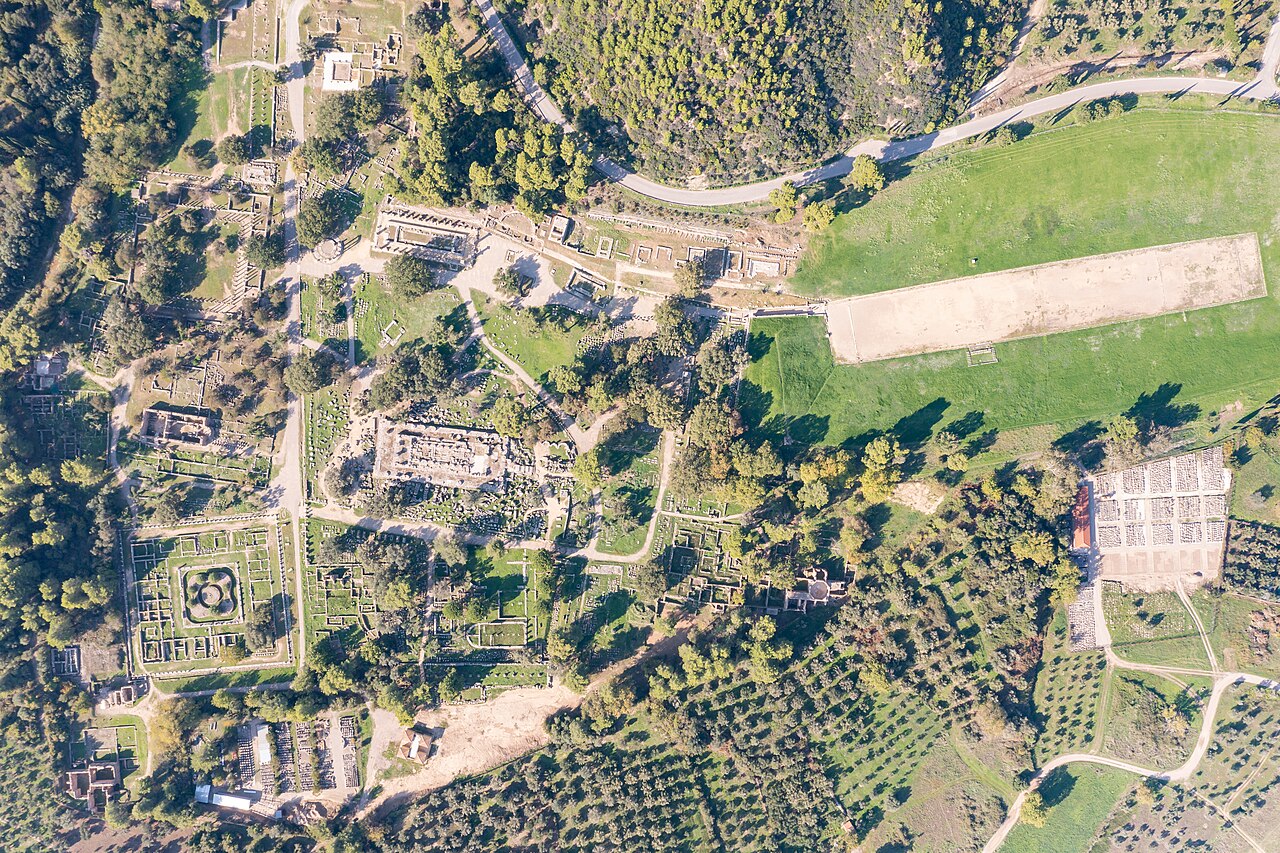
Yes, Ancient Olympia is well worth visiting, and for anyone with an interest in history it is one of the essential sites of Greece. As the birthplace of the Olympic Games, a UNESCO World Heritage Site and the home of the Temple of Zeus with its lost Wonder of the ancient world, it combines deep significance with a superb museum and a green, peaceful setting in the western Peloponnese. It rewards the effort of reaching it, whether on a day trip from Athens, a cruise excursion from Katakolo, or an overnight stay. This honest guide explains why Olympia is worth visiting, how long to spend, who it suits, and the few reasons it is not for everyone.
This guide answers whether Olympia is worth visiting in full: what makes it special, how long to spend, whether it suits day trips and cruises, the value of a guide, and the few downsides. Read it beside the full Ancient Olympia guide, the guide to Ancient Olympia tickets and opening hours and the guide to how to get to Olympia.
Is Olympia worth visiting?
Yes, Ancient Olympia is well worth visiting. As the birthplace of the Olympic Games, a UNESCO World Heritage Site and the home of the Temple of Zeus and a Wonder of the ancient world, it is one of the most significant sites in Greece, matched by a superb museum and a beautiful green setting. It rewards every visitor with history, art and atmosphere together.
It is deeply significant. Olympia is the birthplace of the Olympic Games and a supreme sanctuary of Zeus, so it ranks among the most important sites in the whole country.
Its museum is superb. The Archaeological Museum holds masterpieces of Greek art, so the visit rewards both the ruins and the collection.
Its setting is lovely. The green valley of two rivers gives Olympia a calm beauty, so the sanctuary is as pleasant as it is important.
Why is Olympia worth visiting?
Olympia is worth visiting for its history, its art and its setting. It is the birthplace of the Olympic Games, held here for nearly twelve centuries; the site of the Temple of Zeus and its gold-and-ivory statue, one of the Seven Wonders of the ancient world; and the home of a superb museum with the Hermes of Praxiteles. Few places bring together so much meaning, beauty and art.
It is the home of the Games. The Olympic Games began at Olympia, so the site is the origin of the world’s greatest sporting tradition.
It held a Wonder of the world. The statue of Zeus by Pheidias stood in its temple, so Olympia was famed for one of the Seven Wonders, as the guide to the Temple of Zeus describes.
It has a great museum. The Hermes of Praxiteles and the temple sculptures fill the museum, so the art alone rewards the visit, as the museum guide sets out.
What makes Olympia special?
What makes Olympia special is the combination of the Games, the sanctuary and the setting. It is the one place where the Olympic Games were born and held every four years, a sacred precinct of temples and treasuries, the site of a Wonder of the ancient world, and a green mountain valley far from the crowds of the islands. This blend of history, art and calm is rare in Greece.
It is the birthplace of the Games. No other site can claim the origin of the Olympics, so Olympia is unique in the story of sport.
It is a complete sanctuary. Temples, the stadium, training grounds and museums stand together, so the whole ancient world of the Games survives in one place.
It is green and calm. Unlike the busy islands, Olympia lies in a peaceful wooded valley, so it offers a quieter, more reflective visit.
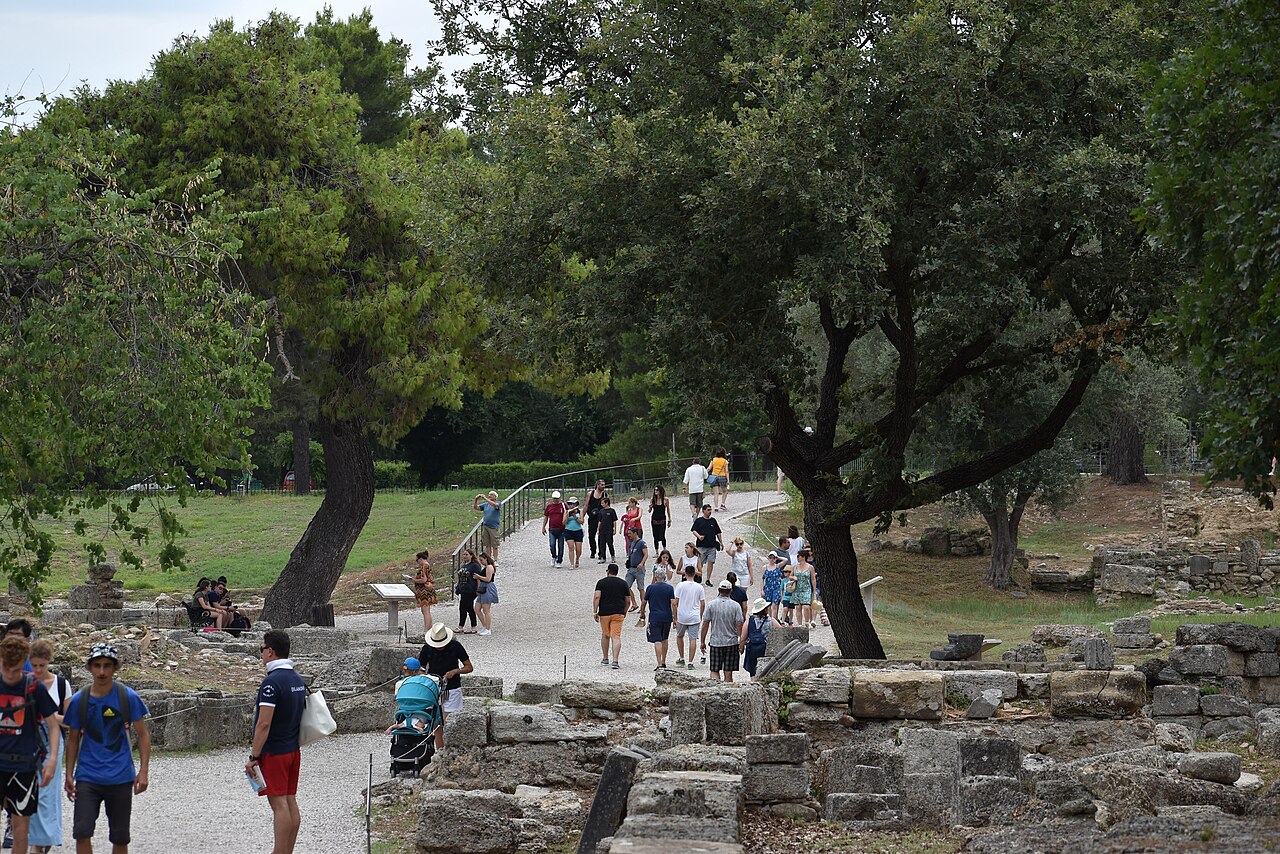
Is Olympia worth a day trip from Athens?
Yes, Olympia is worth a day trip from Athens, though it is a long one, about three and a half to four hours each way. Guided day trips make an early start and spend a few hours at the site and museum. For a more relaxed visit, an overnight stay in Olympia is better, allowing an early, quiet morning at the ruins before the crowds arrive.
A day trip works. At four hours from Athens, Olympia is reachable in a long day, so many visitors come on an organised day tour.
The drive is scenic. The route passes the Corinth Canal and the coast, so the journey itself has interest, as the guide to how to get to Olympia describes.
An overnight is better. Because the day trip is long, staying a night gives a calmer and fuller visit, so an overnight rewards those with time.
Is Olympia worth visiting from a cruise?
Yes, Olympia is well worth visiting from a cruise, and it is one of the best shore excursions in Greece. When a ship calls at the port of Katakolo, Olympia lies only about thirty-five kilometres inland, under an hour away, so passengers reach a UNESCO World Heritage Site and return to the ship within a normal port day. Few cruise calls offer so great a site so close to the pier.
It is close to the port. Olympia is under an hour from Katakolo, so cruise passengers reach it easily.
It is world-class. The site is among the most important in Greece, so the excursion reaches a truly major destination.
It fits a port day. The short transfer leaves time for the site and museum, so it suits a cruise stop, as the guide to Katakolo to Olympia sets out.
How long do you need at Olympia?
You need about three to four hours at Olympia: roughly two hours for the archaeological site and one to two hours for the Archaeological Museum, with a shorter stop at the Museum of the History of the Olympic Games. A half day suits most visitors, while those with a deep interest in the Games or in archaeology take a full day.
The site takes two hours. Walking the temples, the stadium and the training grounds fills about two hours at a steady pace.
The museum adds one to two hours. The Archaeological Museum rewards an hour or more among its masterpieces, so the combined ticket fills a half to full day.
A full day suits enthusiasts. Those keen on the Games or archaeology add the second museum and a slower pace, so Olympia can fill a whole day.
Who is Olympia worth visiting for?
Olympia is worth visiting for history lovers, families, sports enthusiasts and anyone touring the Peloponnese. History and art lovers find one of the great ancient sites and a superb museum; families enjoy running the ancient stadium; sports fans reach the very birthplace of the Olympics; and travellers exploring the mainland find a rewarding stop far from the island crowds.
It suits history and art lovers. The ruins and the museum reward those who care for the ancient world, so Olympia is a highlight for them.
It suits families. Children love running the stadium and the open, safe site, so families find it engaging, as the guide to Olympia with kids describes.
It suits sports fans. As the birthplace of the Olympics, Olympia is a pilgrimage for anyone who loves the Games.
Is Olympia worth visiting with a guide?
Yes, Olympia is far more rewarding with a guide, as much of the site survives as foundations and fallen columns. A knowledgeable guide brings the ruins to life, explaining the temples, the stadium, the Games and the statues that the stones alone cannot convey. An audio guide is a good alternative for independent visitors, but a live guide gives the richest understanding of the sanctuary.
A guide explains the ruins. The site is largely foundations, so a guide is needed to picture the temples and the Games.
It brings the Games alive. A guide tells the story of the athletes and the festival, so the empty stadium fills with meaning.
Audio guides are an option. Independent visitors do well with an audio guide, so a self-guided visit still rewards, as the guide to the Ancient Olympia guided tour sets out.
Are there any reasons Olympia is not worth visiting?
Olympia is worth visiting for most travellers, though a few hesitate. Much of the site survives as foundations rather than standing buildings, so those expecting a dramatic skyline like the Acropolis are sometimes surprised. It is also remote, a long drive from Athens, and hot and shadeless in high summer. For those short on time or expecting grand ruins without a guide, these points are worth weighing.
The ruins are low. Much of Olympia is foundations, so visitors wanting tall standing monuments do best to set their expectations and take a guide.
It is remote. The long drive from Athens makes Olympia a commitment, so those short on mainland time weigh it against nearer sites.
Summer is hot. The open site is hot and shadeless in high summer, so a summer visit needs an early start and sun protection.
How does Olympia compare to other Greek sites?
Olympia compares well to the other great ancient sites of Greece, each offering something different. The Acropolis of Athens has the most dramatic standing architecture, Delphi the most spectacular setting, and Mycenae the oldest and most rugged remains. Olympia offers the unique story of the Games, a superb museum and a green, calm valley, so it earns its place among the essential sites.
The Acropolis is grander in ruins. Athens has taller standing buildings, so those seeking dramatic architecture add it too.
Delphi rivals the setting. Delphi’s mountainside is more spectacular, so the two make a fine pair on a mainland tour.
Olympia owns the Games. No other site tells the story of the Olympics, so Olympia is unique among them, as the full Ancient Olympia guide describes.
Is the museum at Olympia worth visiting?
Yes, the Archaeological Museum of Olympia is well worth visiting and is essential to the site. It holds the sculptures that once adorned the Temple of Zeus, the celebrated Hermes of Praxiteles, the flying Nike of Paionios, and the finest collection of ancient bronzes in the world. Seeing the museum after walking the ruins completes the story that the stones begin, so the two belong together.
It holds masterpieces. The Hermes and the temple sculptures are among the finest of Greek art, so the museum rewards the visit on its own.
It completes the ruins. The museum shows the art the site has lost, so it fills out the picture of the sanctuary.
It is on the ticket. The combined ticket covers the museum, so it is seen at no extra cost, as the guide to the Archaeological Museum describes.
Is the ancient stadium worth seeing at Olympia?
Yes, the ancient stadium is one of the highlights of Olympia and well worth seeing. Entered through a stone-vaulted tunnel, its clay track still stretches its original length, and visitors are free to walk and run it as the ancient athletes did. Standing where the Olympic Games were first held is a moving and memorable experience, especially for families and sports lovers.
It is the birthplace of the Games. The stadium is where the Olympics were run, so it is the emotional heart of the site.
You can run the track. The arena is open to walk and run, so visitors race the ancient course themselves, as the guide to the Ancient Stadium of Olympia sets out.
The tunnel thrills. Walking the vaulted entrance onto the track is unforgettable, so the stadium is a favourite of every visit.
Is Olympia worth visiting in winter?
Yes, Olympia is worth visiting in winter for those who want quiet ruins and a green setting. The site and museums are far less crowded, and the valley is lush from the winter rain, though the weather is cooler and wetter and daylight is shorter. A flexible plan and a rain jacket make a winter visit rewarding and peaceful, with the great sanctuary almost to yourself.
It is the quietest season. Winter brings the fewest visitors, so the ruins can feel almost private.
The valley is green. Winter rain keeps Olympia lush, so the setting is at its most verdant.
Plan for the weather. Cooler, wetter days and shorter daylight call for flexibility, as the guide to the best time to visit Olympia describes.
Is Olympia worth staying overnight?
Yes, staying overnight in Olympia is well worth it and better than a rushed day trip. An overnight lets visitors reach the site at opening, before the cruise groups and coaches arrive, for the coolest and quietest visit. It also allows time for both the site and the museums without hurry, and the green, calm town of Archaia Olympia is a pleasant place to spend an evening.
It gives the quiet morning. Staying over means entering at opening, so the ruins are seen before the crowds.
It allows a full visit. An overnight leaves time for the site and both museums, so nothing is rushed.
The town is pleasant. Archaia Olympia is calm and green in the evening, so a stay is a pleasure, as the guide to where to stay in Olympia sets out.
What is the best way to make a visit to Olympia worthwhile?
The best way to make a visit to Olympia worthwhile is to arrive early, take a guide or audio guide, and see the museum as well as the site. An early start beats the heat and the crowds, a guide brings the ruins to life, and the museum completes the story. Allowing a comfortable half day, and staying overnight if possible, turns a good visit into a great one.
Arrive early. The morning is cool and quiet, so an early start gives the best of the site.
Take a guide. A guide or audio guide explains the ruins, so the visit is far richer.
See the museum too. The museum completes the story, so the combined ticket rewards a fuller visit.
Is Olympia worth combining with other sites?
Yes, Olympia combines well with other sites for a richer trip. On the way from Athens it pairs with the Corinth Canal and Ancient Corinth, and it joins Nafplio, Mycenae and Epidaurus on a wider Peloponnese tour. Nearby stand the medieval Chlemoutsi Castle and the mountain Temple of Apollo at Bassae, so Olympia anchors a rewarding circuit of the ancient and medieval Peloponnese.
It pairs with Corinth. The canal and the ancient city lie on the route from Athens, so they add to the journey.
It joins the Argolid. Nafplio, Mycenae and Epidaurus lie to the east, so a wider tour links them with Olympia, as the guide to Nafplio describes.
It has nearby gems. Chlemoutsi Castle and Bassae lie close by, so Olympia anchors a circuit of the western Peloponnese.
Is Olympia worth visiting for photographers?
Yes, Olympia rewards photographers, especially in the soft light of early morning and late afternoon. The fallen columns of the Temple of Zeus, the re-erected columns of the Temple of Hera, the tunnel and track of the stadium, and the green wooded valley all make fine subjects. Spring and autumn add wildflowers and gentle light, so the shoulder seasons give the most beautiful photographs.
The ruins photograph well. The fallen and standing columns make striking subjects, so the site rewards a camera.
The light matters. Early and late golden light flatters the stones, so those hours give the finest shots.
The setting adds beauty. The green valley and its trees frame the ruins, so Olympia is more photogenic than drier sites.
What do visitors say about Olympia?
Visitors generally praise Olympia for its history, its museum and its peaceful setting, and many say it exceeded their expectations. The most common advice is to take a guide, since the ruins are low, and to visit early to avoid the heat and the cruise crowds. Those who came expecting grand standing buildings sometimes note the site is more foundations than skyline.
Most visitors are impressed. The history, museum and setting win praise, so Olympia satisfies the great majority.
Guides are recommended. The common advice is to take a guide for the low ruins, so a guided visit is widely urged.
Expectations matter. Those expecting tall ruins adjust to a site of foundations, so a little preparation helps.
Is Olympia worth visiting in the summer heat?
Yes, Olympia is worth visiting in summer, but the heat needs planning. July and August are hot and shadeless at the open site, with temperatures often above thirty-five degrees, so an early start, a hat, sunscreen and plenty of water are essential. Visiting first thing in the morning avoids both the worst heat and the cruise crowds, making even a summer visit rewarding.
Summer is hot. The open site is demanding in July and August, so the heat is the main thing to plan around.
Early starts save the day. Arriving at opening beats the heat and crowds, so a summer visit works best in the morning.
Come prepared. A hat, sunscreen and water make the site comfortable, so summer visits are fine with care.
Is Olympia worth visiting more than once?
Yes, Olympia can be worth visiting more than once, especially for those with a deep interest in the ancient world. A first visit takes in the highlights, while a return allows a slower exploration of the lesser monuments, the two museums and the wider region. The changing light of different seasons also gives the green valley and its ruins a fresh character on a second visit.
A return rewards enthusiasts. Those keen on the ancient world find more to explore, so a second visit is worthwhile for them.
It allows a slower pace. A return covers the lesser monuments and both museums, so nothing is missed.
The seasons change it. Different light and weather give the valley a new feel, so a second visit still surprises.
Is Olympia worth it on a Peloponnese road trip?
Yes, Olympia is a highlight of any Peloponnese road trip. Set in the green western hills, it pairs the ancient sanctuary with nearby castles, beaches and mountain temples, and it links naturally with Nafplio, Mycenae and Ancient Corinth to the east. For those touring the peninsula by car, Olympia is one of the essential stops, rewarding the drive with one of the great sites of Greece.
It anchors the west. Olympia is the great site of the western Peloponnese, so it is a natural base or stop on a road trip.
It pairs with nearby gems. Chlemoutsi Castle, the coast and Bassae lie close, so the region rewards exploration by car.
It links to the east. Nafplio, Mycenae and Corinth join Olympia on a full circuit, so the peninsula makes a rich road trip.
Is the Museum of the History of the Olympic Games worth it?
Yes, the Museum of the History of the Olympic Games in Antiquity is worth a short visit, especially for those interested in the Games. Separate from the main Archaeological Museum, it tells the story of the contests, the athletes and the victors rather than showing the sanctuary’s art. Small and included in the ticket, it is an easy and rewarding addition to a day at Olympia.
It tells the story of the Games. The museum focuses on the contests and athletes, so it complements the art of the main museum.
It is small and included. Covered by the ticket and quickly seen, it adds to the visit at no extra cost.
It suits Games fans. Those keen on the Olympics find it especially rewarding, as the guide to the Museum of the History of the Olympic Games describes.
Is Olympia worth the entrance fee?
Yes, Olympia is excellent value for its entrance fee. A modest combined ticket covers the archaeological site, the Archaeological Museum and the Museum of the History of the Olympic Games, three world-class attractions for one low price. Several categories of visitor, including young Europeans, enter free, so a visit to one of the great sites of Greece costs remarkably little.
The ticket covers three attractions. One low fee admits visitors to the site and both museums, so the value is high.
Many enter free or reduced. Young Europeans and others enter free or at reduced rates, so entry costs even less for many.
It is great value. For a UNESCO site and a superb museum, the modest fee is excellent value, as the guide to Olympia tickets sets out.
Is Olympia worth visiting for families with children?
Yes, Olympia is one of the most rewarding ancient sites in Greece for families. Children love running the ancient stadium where the Olympic Games began, the open and level site is safe and easy to explore, and the museums are small enough to hold young attention. The story of the Games, the athletes and the cheats’ statues brings the history alive for children.
Children run the stadium. Racing the ancient track is a highlight for children, so the visit is active and fun.
The site is easy. The flat, open sanctuary suits families, so children explore freely and safely.
The story engages them. The tale of the Games holds young interest, so families find Olympia rewarding, as the guide to Olympia with kids describes.
Is Olympia accessible for all visitors?
Olympia is partly accessible. The Archaeological Museum is on one level with ramps and suits wheelchairs and strollers, and a marked accessible route covers part of the archaeological site. The wider site has gravel paths and gentle slopes, so a companion helps for the rougher stretches, but the museum and the main monuments are enjoyed by most visitors whatever their mobility.
The museum is accessible. The single-level museum with ramps welcomes wheelchairs and strollers.
The site has a marked route. Part of the site is covered on firmer ground, so the main monuments are reached.
The ground is uneven in places. Gravel and slopes cross the wider site, so a companion eases the rougher parts.
Frequently Asked Questions About Visiting Olympia
Is Olympia worth visiting if you have limited time?
Yes, Olympia is worth visiting even with limited time, as the highlights, the Temple of Zeus, the ancient stadium and the museum masterpieces, are seen in a few hours. Those short on time do best on a guided tour or cruise excursion, which covers the essentials efficiently. With very little mainland time, however, the long drive from Athens is worth weighing against nearer sites.
Because the highlights are seen quickly, even a short visit to Olympia is rewarding, so limited time need not rule it out.
Is Olympia or Delphi more worth visiting?
Both Olympia and Delphi are well worth visiting, and many travellers see both. Delphi has the more dramatic mountainside setting and is closer to Athens, while Olympia offers the unique story of the Olympic Games and a superb museum. For those who must choose, Delphi is easier as a day trip from Athens, while Olympia rewards those touring the Peloponnese.
Because each offers something the other cannot, seeing both is ideal, but Olympia’s Games and museum make it a strong choice in its own right.
Is Ancient Olympia worth it for non-history lovers?
Yes, Ancient Olympia can be worth it even for those less keen on history, thanks to its green setting, the fun of running the ancient stadium, and the story of the Olympic Games that everyone knows. A good guide makes the visit lively rather than dry, and the calm valley is pleasant in itself. For the wholly uninterested, however, a shorter stop or a guided tour works best.
Because the Games are famous and the stadium is fun to run, even casual visitors often enjoy Olympia more than they expect.
How does Olympia compare to Mycenae?
Olympia and Mycenae are both major ancient sites in the Peloponnese, but they are very different. Mycenae is older and more rugged, a Bronze Age citadel with its famous Lion Gate and beehive tombs, while Olympia is a classical sanctuary of temples, a stadium and a superb museum. Many travellers see both on a Peloponnese tour, as each tells a different chapter of Greek history.
Because Mycenae shows the Bronze Age and Olympia the classical world, the two complement each other, so a Peloponnese tour ideally includes both.
Is Olympia worth visiting on a rainy day?
Yes, Olympia is still worth visiting on a rainy day, though a wet visit needs planning. The archaeological site is open to the sky, so a rain jacket and sturdy shoes help, but the two museums offer shelter and hold many of the greatest treasures. A rainy day also brings thinner crowds and a lush green setting, so the visit remains rewarding despite the weather.
Because the museums shelter the finest works and the crowds thin in the rain, a wet day at Olympia is still a worthwhile and often quieter visit.
Is Olympia a good first ancient site to visit in Greece?
Yes, Olympia is a fine first ancient site to visit in Greece, as its famous story, its clear layout and its superb museum make it easy to enjoy and understand. The tale of the Olympic Games gives every visitor a way into the ancient world, and running the stadium makes history immediate. With a guide, Olympia is one of the most rewarding introductions to ancient Greece.
Because its story is familiar and its stadium is fun to run, Olympia gives newcomers an easy and memorable first taste of the ancient Greek world.
What is the single best reason to visit Olympia?
The single best reason to visit Olympia is that it is the birthplace of the Olympic Games, the origin of a tradition still alive across the world today. To stand in the stadium where the Games began, before the Temple of Zeus that held a Wonder of the ancient world, is to touch one of the great stories of human history, which few other places can offer.
Because Olympia gave the world the Olympic Games, a visit connects the traveller directly to a living tradition thousands of years old, the deepest reason the site is worth seeing and the one that stays with visitors long after they leave the green valley of the sanctuary.