
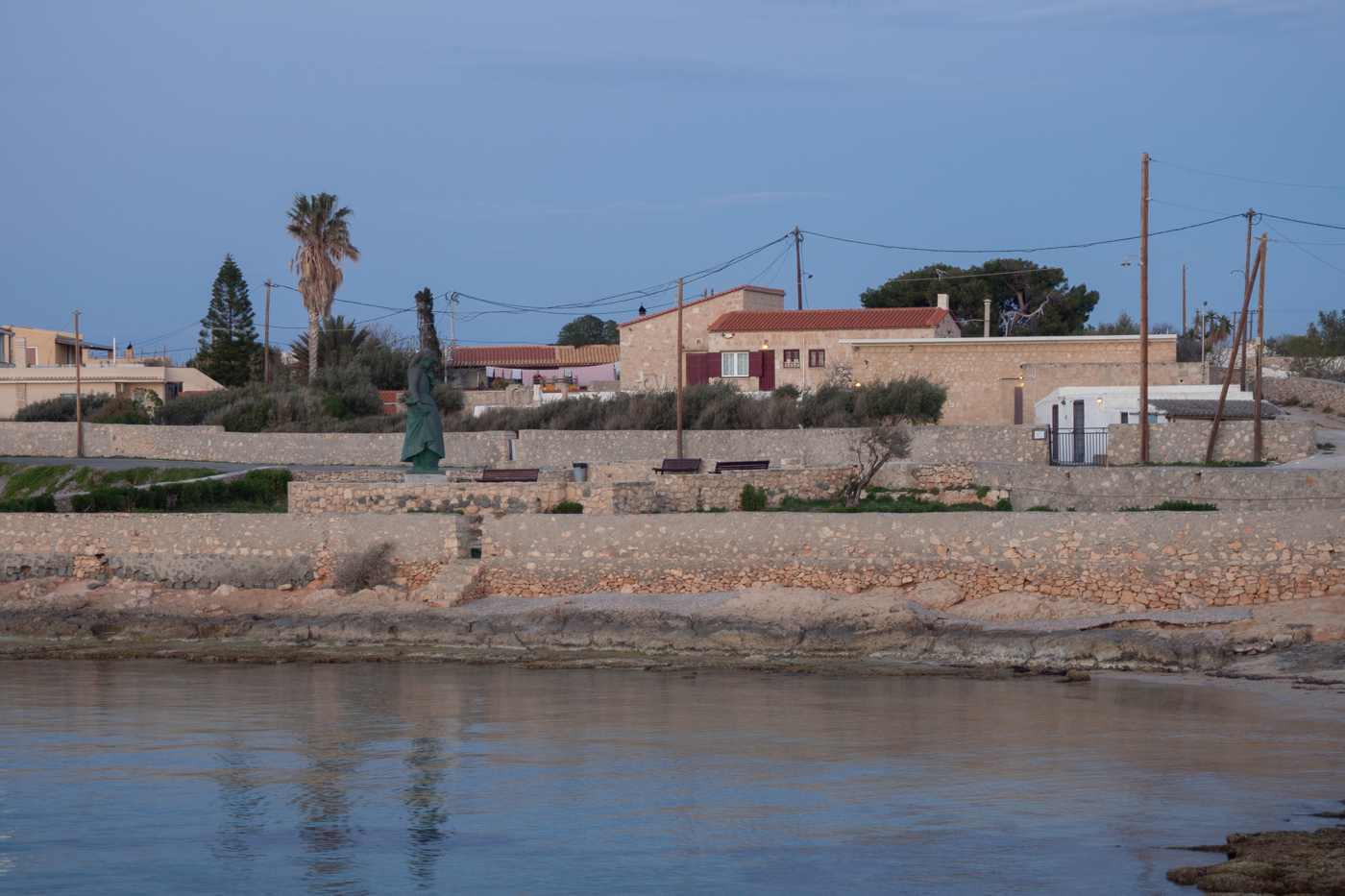
The Christos Kapralos Museum is one of the cultural highlights of Aegina. Occupying the seaside home and studio of Christos Kapralos, one of the greatest Greek sculptors of the modern era. Set on the coast a short way northwest of Aegina Town, the museum preserves the very workshop where the artist created the bulk of his work. Displays his sculptures in wood. Stone and marble, along with paintings and smaller figurines. Now an annex of the National Gallery, with free admission and a guide on hand, it offers a rare and moving chance to encounter a major artist in the place where he actually worked, amid the light and landscape of Aegina that so inspired him.
This guide covers the Christos Kapralos Museum on Aegina: what it is, who Christos Kapralos was, where the museum stands. What you can see inside, its most important works, why it is so special. How to visit this fascinating artist’s home and studio by the sea.
What is the Christos Kapralos Museum?
The Christos Kapralos Museum is the former home and studio of the Greek sculptor Christos Kapralos on Aegina, now a museum displaying his work.
The museum occupies the seaside house and workshop on Aegina where the sculptor Christos Kapralos lived and worked, opened to the public as a museum a couple of years after his death. Its halls and grounds, once his studio, now display the works he created here, giving visitors a direct connection to the artist and his creative world.
The museum later became an annex of the National Gallery of Greece, confirming its status as an important cultural institution. Free to enter, with a guide on hand to show visitors around. It is one of the most rewarding cultural attractions on the island. A place where art and the beauty of Aegina come together.
Who was Christos Kapralos?
Christos Kapralos was one of the greatest Greek sculptors of the modern era, also a painter and engraver, and a leading figure of Greek modernism.
Christos Kapralos was a major Greek artist. Celebrated above all as a sculptor but also active as a painter and engraver. Regarded as one of the leading representatives of modernism in Greek art. Born in a village near Agrinio in the early twentieth century, he trained at the Athens School of Fine Arts and continued his studies in Paris. Developing the powerful, expressive style for which he became known.
Aegina played a central role in his life and work, as it was here, in his seaside studio. That he created his most important pieces over the decades of his mature career. His deep connection to the island, its light, landscape and materials, makes the museum in his former home a particularly fitting place to encounter his art.
Where is the Christos Kapralos Museum on Aegina?
The Christos Kapralos Museum is about three kilometres northwest of Aegina Town, in the Plakakia area on the coastal road.
The museum stands on the coast a short distance northwest of Aegina Town, around three kilometres away in the Plakakia area, right beside the sea on the coastal road. This lovely seaside setting, with the light and views that inspired the artist, is an essential part of the experience of visiting.
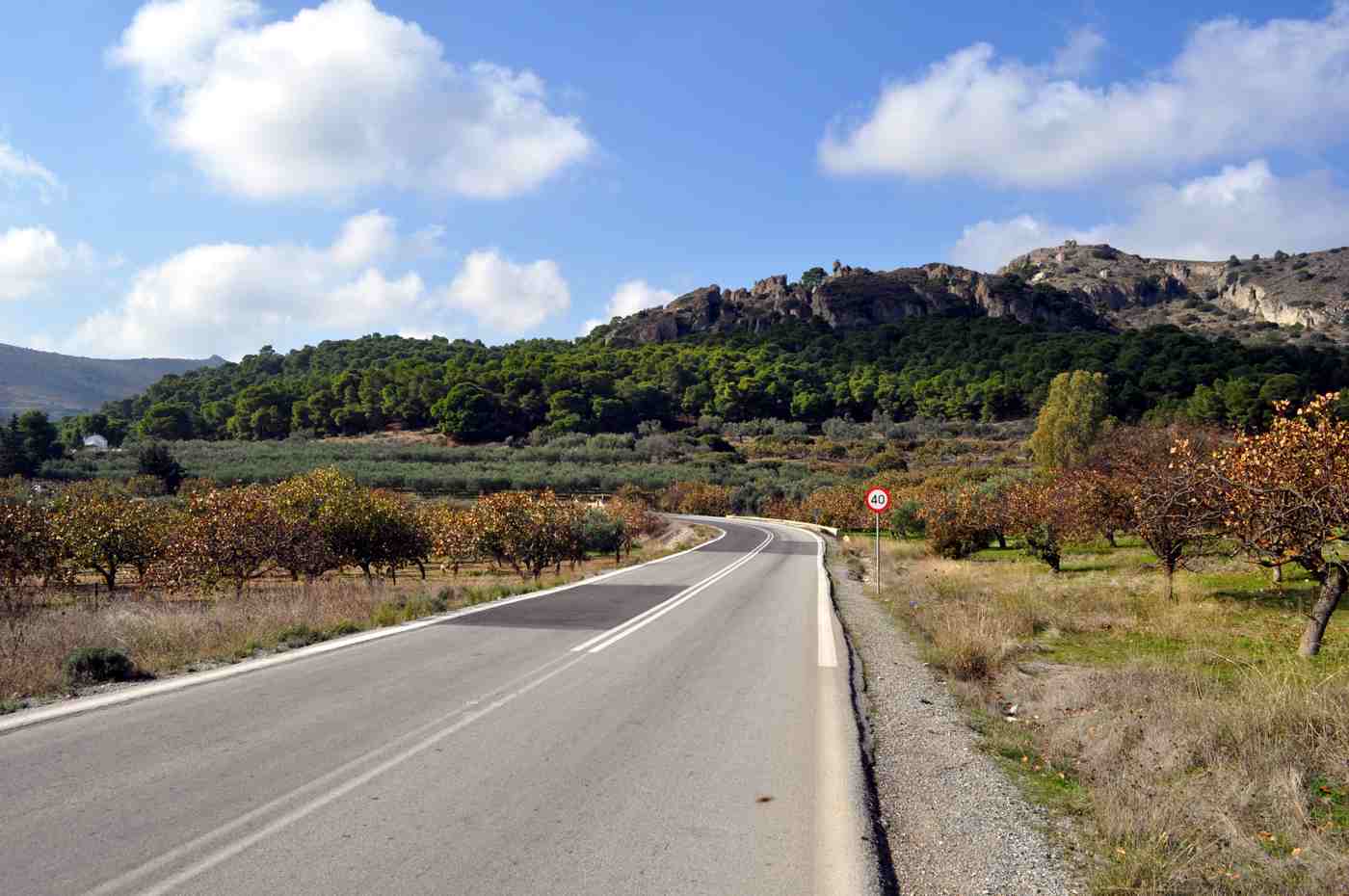
The museum is easy to reach on a visit to Aegina, whether by car, by local bus along the coast, or on foot as a pleasant walk by the shore. Its convenient location makes it simple to combine with time in the town or on the nearby beaches.
What can you see at the Christos Kapralos Museum?
At the museum you can see sculptures by Christos Kapralos in wood, stone and marble, along with his paintings and smaller terracotta and bronze figurines.
The heart of the museum is its collection of the sculptor’s own works, displayed in the halls of his former workshop and in the surrounding outdoor spaces. Here you can see his sculptures in a range of materials, wood, stone and marble. Revealing the power and expressiveness of his style, alongside his paintings and smaller terracotta and bronze figurines.
Seeing these works in the very studio where they were made, rather than in a conventional gallery, gives them a special immediacy and atmosphere. The combination of indoor halls and outdoor display areas, set by the sea. Allows visitors to appreciate the range of the artist’s output and the environment in which he created it, deepening the experience of his art.
What are the most important works in the museum?
The most important works include the great plaster cast of Kapralos’s monumental frieze, the Monument to the Battle of Pindos, around forty metres long, and the striking wooden complex known as Parody from the Pediment of Olympia.
Among the museum’s greatest treasures is the vast plaster cast of the Monument to the Battle of Pindos. A monumental frieze around forty metres in length that stands as one of Kapralos’s supreme achievements, a powerful commemoration rendered in his bold, expressive style. Its scale and drama make it the centrepiece of the collection.
Another outstanding work is the wooden complex known as Parody from the Pediment of Olympia. A striking reinterpretation inspired by ancient sculpture that shows the artist’s dialogue with the classical tradition. Together with his numerous other sculptures and works, these major pieces make the museum a rich showcase of one of modern Greece’s finest artists.
Why is the Christos Kapralos Museum special?
The museum is special because it is set in the artist’s actual home and studio by the sea, where he lived and worked, rather than a conventional gallery.
What sets the Christos Kapralos Museum apart is that it preserves the real home and workshop of the artist. Visitors experience his work in the very place it was created. Surrounded by the light, sea and landscape that shaped it. This gives the museum an intimacy and authenticity that conventional galleries rarely match, bringing the visitor close to the artist himself.
Add to this the free admission, the presence of a knowledgeable guide happy to explain the works. The lovely seaside location just outside the town. And the result is a memorable, personal encounter with great art. It is this blend of important sculpture and authentic, atmospheric setting that makes the museum one of the cultural highlights of Aegina.
How do you visit the Christos Kapralos Museum?
You visit the Christos Kapralos Museum by heading about three kilometres northwest of Aegina Town along the coast, by car, bus or on foot.
Visiting is straightforward. From Aegina Town, the museum is a short trip of around three kilometres northwest along the coastal road. Reached easily by car, by local bus, or on foot as a scenic seaside walk. It fits neatly into a day exploring the island. Its position near the town makes it simple to combine with other sights or with beach time.
Admission to the museum is free, and a guide on the premises is happy to show visitors around and answer questions, which greatly enriches the visit. It is open during daytime hours, though it is worth checking current opening times before setting off. For anyone interested in art and culture, a visit here is one of the more rewarding and distinctive things to do on Aegina.
Frequently Asked Questions
Who was Christos Kapralos?
Christos Kapralos was one of the greatest Greek sculptors of the modern era and a leading figure of Greek modernism, also active as a painter and engraver. He was born in a village near Agrinio in western Greece in the early twentieth century. Studied at the Athens School of Fine Arts before continuing his artistic training in Paris. Where he deepened his focus on sculpture. Over his long career he developed a powerful, expressive and often monumental style that drew on both modern art and the classical Greek tradition. Producing works in wood, stone, marble and bronze.
Aegina became central to his life and art, as he settled there and created his most important works in his seaside studio on the island. Inspired by its light, landscape and materials. Today he is remembered as one of the outstanding Greek artists of his generation. His former home and workshop on Aegina, now the Christos Kapralos Museum and an annex of the National Gallery, preserves his legacy in the very place where his finest work was made.
Is the Christos Kapralos Museum worth visiting?
Yes, the Christos Kapralos Museum is well worth visiting and is considered one of the cultural highlights of Aegina, especially for anyone interested in art. Its great appeal is that it occupies the actual seaside home and studio of the sculptor Christos Kapralos, one of the finest Greek artists of the modern era. You see his sculptures. Paintings and figurines in the very place where he created them, surrounded by the light and landscape of the island that inspired him. This gives the museum a rare intimacy and authenticity that a conventional gallery cannot match. Among its treasures are the monumental plaster cast of his forty-metre frieze. The Monument to the Battle of Pindos.
The striking wooden Parody from the Pediment of Olympia, alongside numerous other works in wood, stone, marble and bronze. Admission is free, a guide is on hand to explain the works, and the setting by the sea just outside Aegina Town is delightful. Easy to reach and deeply rewarding, it offers a memorable encounter with great art and makes an excellent cultural addition to any visit to the island.
How much does it cost to visit the Christos Kapralos Museum?
Admission to the Christos Kapralos Museum on Aegina is free, which makes it an especially rewarding cultural attraction to visit. Despite there being no entrance charge, the museum offers a rich experience. With a knowledgeable guide on the premises who is happy to lead visitors around and answer questions about the artist and his works, greatly enhancing the visit. The museum, which is an annex of the National Gallery, is located about three kilometres northwest of Aegina Town in the Plakakia area. Right by the sea. Can be reached easily by car, by local bus, or on foot along the coast.
It is open during daytime hours, so it is worth checking the current opening times and days before you go, as these can vary by season. Given that it is free to enter, set in the authentic home and studio of a major Greek sculptor. Located in a beautiful seaside spot close to the town. The Christos Kapralos Museum offers exceptional value and is a highly recommended stop for anyone exploring the culture of Aegina.