
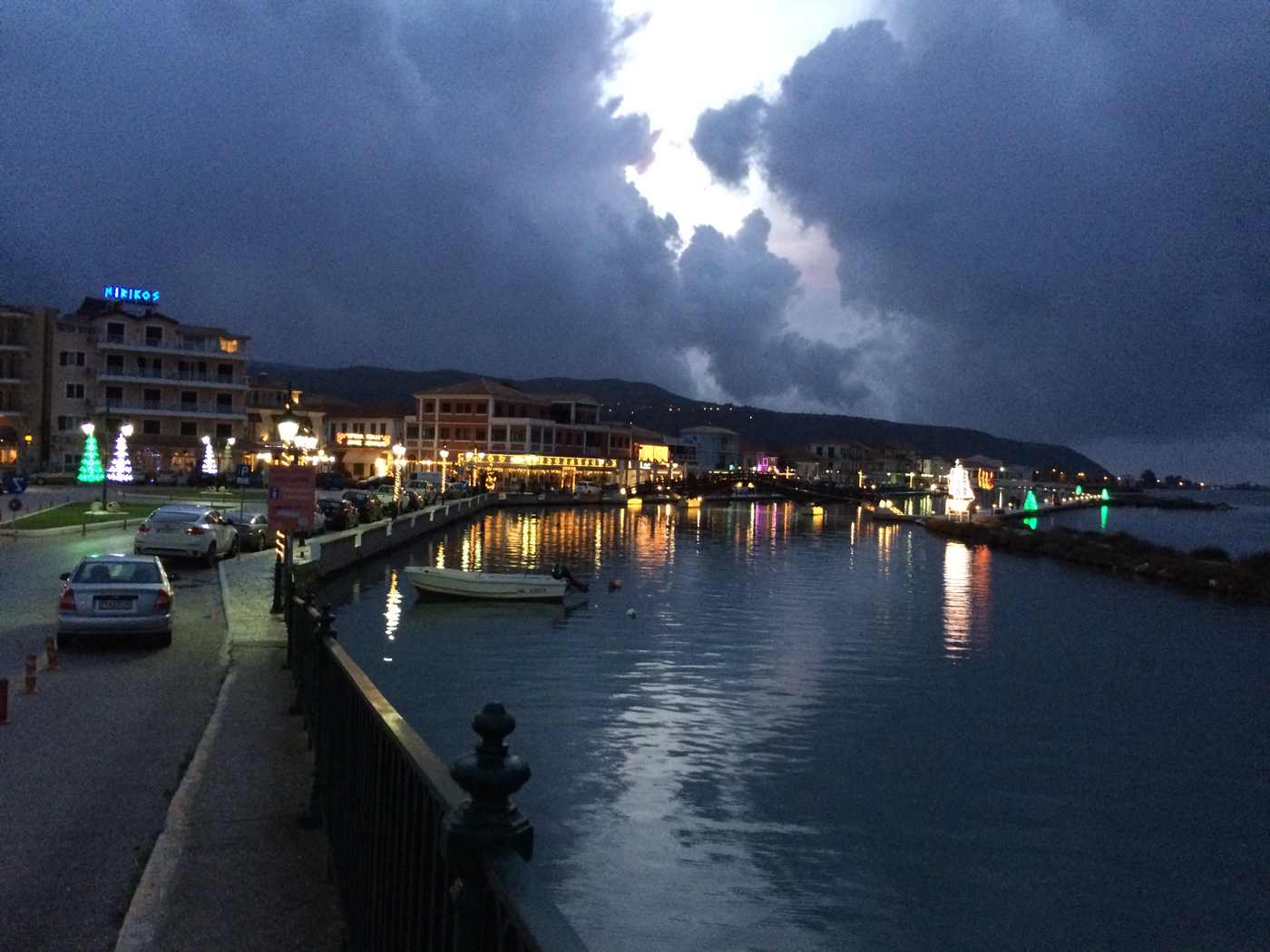
Lefkada in winter is a completely different island from the busy summer resort, quiet, authentic and far cheaper, with a slow local rhythm in place of the crowds. From about November to March the temperatures stay mild, usually between around 10 and 19 degrees, with occasional rain and wind but bright, sunny days too. Hotels and tourist businesses close, the beaches empty, and the island returns to its own life. For travellers who want to see the real Lefkada, walk deserted shores and enjoy nature and village life in peace, the off-season has a magic all its own. Lefkada in winter rewards the curious rather than the sun-seeker. Plan the whole trip with Greece Tours.
The pleasures of the off-season are gentle ones. The lagoon by the town becomes a birdwatchers’ paradise of pelicans and flamingos. The green interior invites hiking and cycling. The mountain villages, waterfalls and clifftops are beautiful in the soft winter light. Tavernas that stay open serve hearty local food to a mostly local crowd, and accommodation is a bargain. This guide covers what Lefkada in winter is like, the weather, the quiet beaches and lagoon birdlife, walking and cycling. The villages and sights, local life and food, the practicalities of an off-season visit. Who it suits best.
What is Lefkada in winter like?
Lefkada in winter is quiet, authentic and cheap, with a slow local rhythm from about November to March.
Lefkada in winter shows the island’s true, everyday face. With the summer visitors gone, from about November to March the whole rhythm slows down, hotels. Bars and tourist businesses close. Life centres on the towns and villages where islanders go about their year. The beaches lie empty, the roads are quiet, and prices fall sharply. For this feels shut down, but for travellers seeking authenticity it is a rare chance to experience Lefkada as a living Greek island rather than a holiday resort.
The mood of the off-season is peaceful and unhurried. Without the crowds, the natural beauty of the island stands out all the more, and there is space to enjoy it in solitude. Walks along deserted beaches with the sound of the waves, quiet coffees in the town, and the green, rain-freshened landscape define the season. It is a time for slow. Thoughtful travel rather than packed itineraries. Those who come understanding this find that Lefkada in winter offers a calm and genuine reward that the busy summer cannot.
What is the weather like in Lefkada in winter?
The weather in Lefkada in winter is generally mild, with temperatures usually between about 10 and 19 degrees, some rain and wind but also many bright, clear days.
Winter weather on Lefkada is mild by northern European standards. Temperatures usually sit between about 10 and 19 degrees. Cooler than the summer heat but far from harsh. While there is more rain and wind than in the dry summer, there are also plenty of bright, sunny days. The rain keeps the island green and the air fresh, and snow is confined to the highest mountain ground. Overall the climate is gentle enough for walking, sightseeing and outdoor days whenever the weather is fine.
The changeable conditions are worth planning around. A winter visit means packing for rain and cooler evenings as well as sun, and keeping plans flexible so that outdoor activities can follow the bright spells. The reward is a landscape at its greenest and most alive, with full streams, wildflowers later in the season and clear, washed views after the rain. For advice on choosing the right season for a trip, see the page on the best time to visit Lefkada, which sets the winter against the rest of the year.
What are the beaches and lagoon like in winter?
In winter Lefkada’s beaches lie deserted, perfect for peaceful walks by the sea, while the lagoon by the town becomes a birdwatchers’ paradise, home to pelicans, flamingos and rare migratory birds in their natural habitat.
The famous beaches of Lefkada take on a different beauty in winter. Empty of sunbathers, they become places for long, solitary walks along the sand and pebbles, with the fresh sea breeze and the sound of the waves for company. The dramatic west-coast cliffs and the sheltered eastern shores are impressive in the winter light, and there is a bracing pleasure in having such beautiful beaches entirely to yourself. Swimming is only for the hardy, but walking the deserted shore is one of the quiet joys of the off-season.
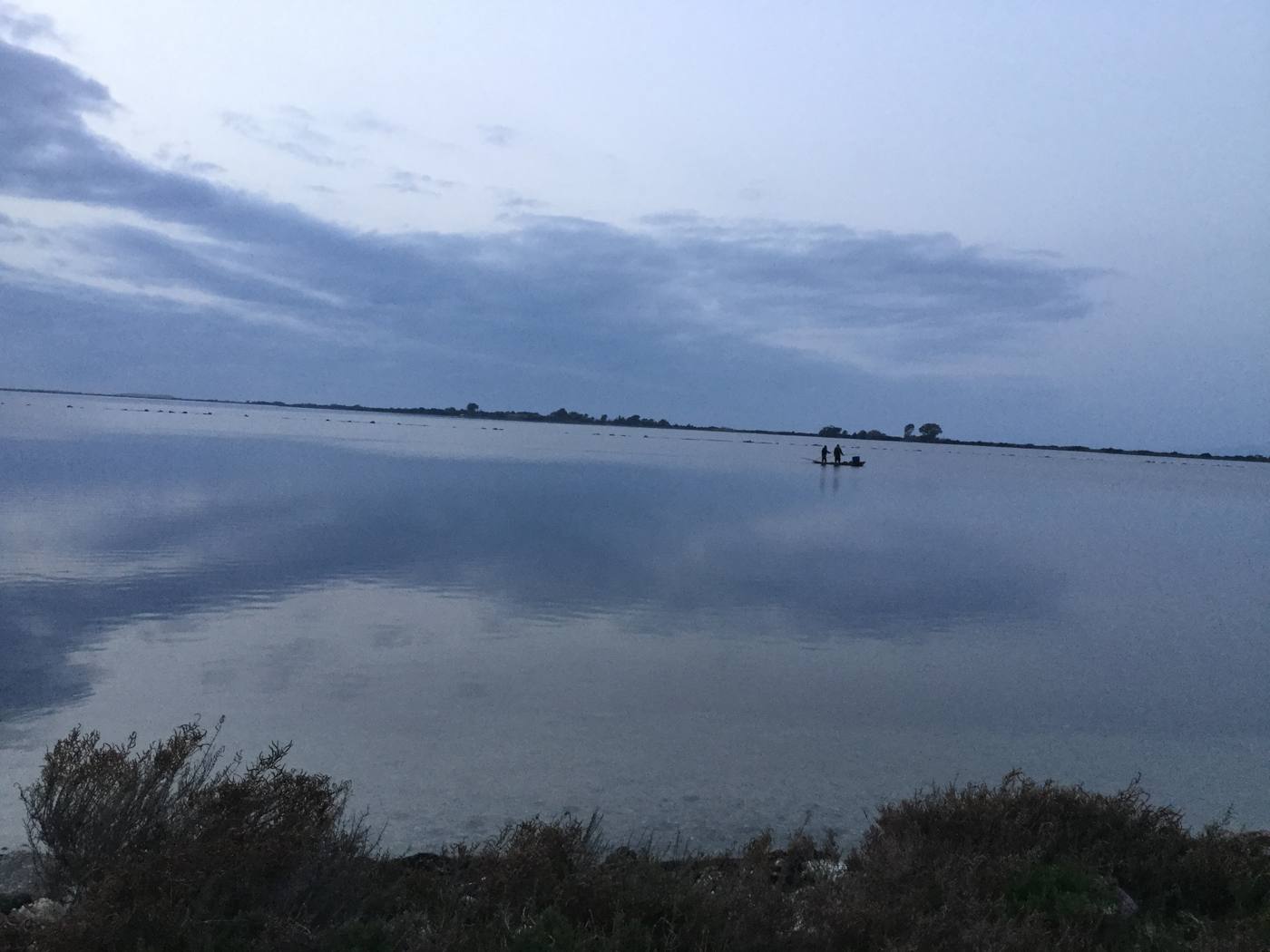
The greatest winter spectacle, though, is on the lagoon by Lefkada Town. In the cooler months the shallow waters become a haven for birdlife, a true birdwatchers’ paradise. Pelicans and flamingos gather here, along with rare, migratory species that use the lagoon as a natural habitat and resting place. A walk around its edge with binoculars is one of the finest things to do in winter. For nature lovers and photographers the lagoon alone can justify an off-season visit to the island.
What outdoor activities can you do in Lefkada in winter?
In winter Lefkada is excellent for walking, hiking and cycling in the green interior, birdwatching at the lagoon, and photography of the villages, waterfalls and cliffs.
The off-season is a fine time for country activities. The mild temperatures and the absence of summer heat and crowds make walking and hiking a pleasure, and the green, rain-freshened interior is at its best. There are excellent routes through the mountains and gorges, and cycling on the quiet winter roads is rewarding too. For walkers, the season opens up the landscape without the fierce sun, and details of the island’s trails appear on the page for hiking in Lefkada.
Beyond walking, winter suits slow sightseeing and photography. The iconic mountain villages, the Dimosari waterfalls above Nydri, full and rushing after the rains, and the wild clifftop of Cape Lefkatas are all beautiful in the soft winter light and free of crowds. Birdwatching at the lagoon, exploring the quiet town, and simply enjoying the green countryside fill the days. It is a season for the outdoors and the eye rather than the beach, and for those inclined that way, it is deeply rewarding.
What are local life and food like in the off-season?
In the off-season Lefkada returns to local life, with tavernas and cafes serving hearty traditional food to a mostly local crowd.
Winter is when the real, local Lefkada comes to the fore. The towns and villages run at their own pace, and the tavernas, cafes and shops that stay open serve the islanders as much as the visitors. This makes it an excellent time to experience genuine hospitality and to eat the island’s traditional food, hearty winter dishes, fresh fish, lentils and pies, in a warm, unhurried atmosphere. Sitting in a village taverna among locals, rather than in a crowded summer resort, gives a far truer taste of the island.
The season also brings the rhythms of island life into view. The olive harvest, local festivals and the ordinary business of a working community replace the tourist season, and travellers willing to ask around and join in find a warm welcome. Much of the summer entertainment is closed, so evenings are quiet, centred on food, conversation and live Greek music where it is on. For anyone who values authentic culture and cuisine over nightlife and sunbathing, this local, everyday side is among the best reasons to visit Lefkada in winter.
What are the practicalities of visiting Lefkada in winter?
Visiting Lefkada in winter means bargain accommodation but many closed hotels, restaurants and activities, so it pays to check what is open.
The practical trade-off of the off-season is clear: far lower prices but far less is open. Accommodation is a bargain compared with summer. The island is uncrowded, but hotels, restaurants, bars and organised activities close for the winter, so it is essential to check in advance what will be available and to book somewhere that stays open. Some bars and tavernas, especially in the town and larger villages, keep going year-round, but the resort areas can feel deserted. Planning around what is open is the key to a good winter trip.
Getting around and reaching the island are straightforward. Because Lefkada is joined to the mainland by a causeway and bridge, it is reached by road without a ferry at any time of year. A hire car is the most practical way to explore in winter, when bus services are limited. Packing for changeable weather and keeping plans flexible around the bright spells makes the most of the season. Asking locally for tips, events and open tavernas is invaluable, as a good deal of winter life is not advertised online. With a little planning, Lefkada in winter is easy and rewarding to visit.
Who visit Lefkada in winter?
Lefkada in winter suits travellers seeking peace, authenticity, nature and value rather than beach holidays and nightlife.
Lefkada in winter is for a particular kind of traveller. It rewards those who want peace, authenticity and a genuine sense of place over sunbathing and nightlife, and who enjoy nature, walking and quiet exploration. Birdwatchers drawn by the lagoon, walkers and cyclists, photographers after the green landscape and soft light, and anyone curious about real island life will find the season deeply rewarding. The low prices and the empty, beautiful landscape are a bonus for independent, slow travellers.
It is not, however, for everyone. Those set on swimming, beach days, busy resorts and lively nightlife will find the off-season disappointing, as the sea is cold and most of the tourist infrastructure is closed. Understanding this before coming is the key to enjoying it. For the right visitor, though, the combination of mild weather, deserted beaches, notable birdlife. Green countryside and warm local hospitality makes Lefkada in winter a quietly magical experience, a chance to know the island as summer visitors rarely do.
Frequently Asked Questions
Is it worth visiting Lefkada in winter?
Yes, visiting Lefkada in winter is worth it for the right traveller, though it is very different from a summer holiday. The island is quiet, authentic and far cheaper, with mild weather usually between about 10 and 19 degrees. The beaches lie deserted and perfect for walks, the lagoon by the town fills with pelicans, flamingos and rare birds, and the green interior is ideal for hiking and cycling. Tavernas serve hearty local food to a mostly local crowd. The catch is that hotels, restaurants and activities close, so it suits those seeking peace, nature and authenticity rather than swimming and nightlife. For them, Lefkada in winter is a rewarding, genuine experience.
What is the weather like in Lefkada in winter?
The weather in Lefkada in winter, from about November to March, is generally mild, with temperatures usually between around 10 and 19 degrees. Expect more rain and wind than in summer, but also bright, sunny days, and the rain keeps the island lush and green. Snow is limited to the highest mountains, and the coast rarely sees severe weather. It is cool enough that swimming is only for the hardy, but pleasant enough for walking, hiking, birdwatching and sightseeing whenever the weather is fine. Visitors pack for rain and cooler evenings as well as sun, and keep plans flexible to make the most of the bright spells.
Is anything open in Lefkada in winter?
Some things stay open in Lefkada in winter, but others do not, so it pays to check ahead. In Lefkada Town and the larger villages, tavernas, cafes, bars and shops keep going year-round, serving the local community, and everyday services continue as normal. However, most resort hotels, seasonal restaurants and organised tourist activities close for the winter, and the busy summer resorts can feel deserted. Accommodation that remains open is a bargain. The key to a good off-season visit is to base yourself in the town or a lively village. Confirm in advance what is open. Ask locally, as a good deal of winter life is not advertised online.