
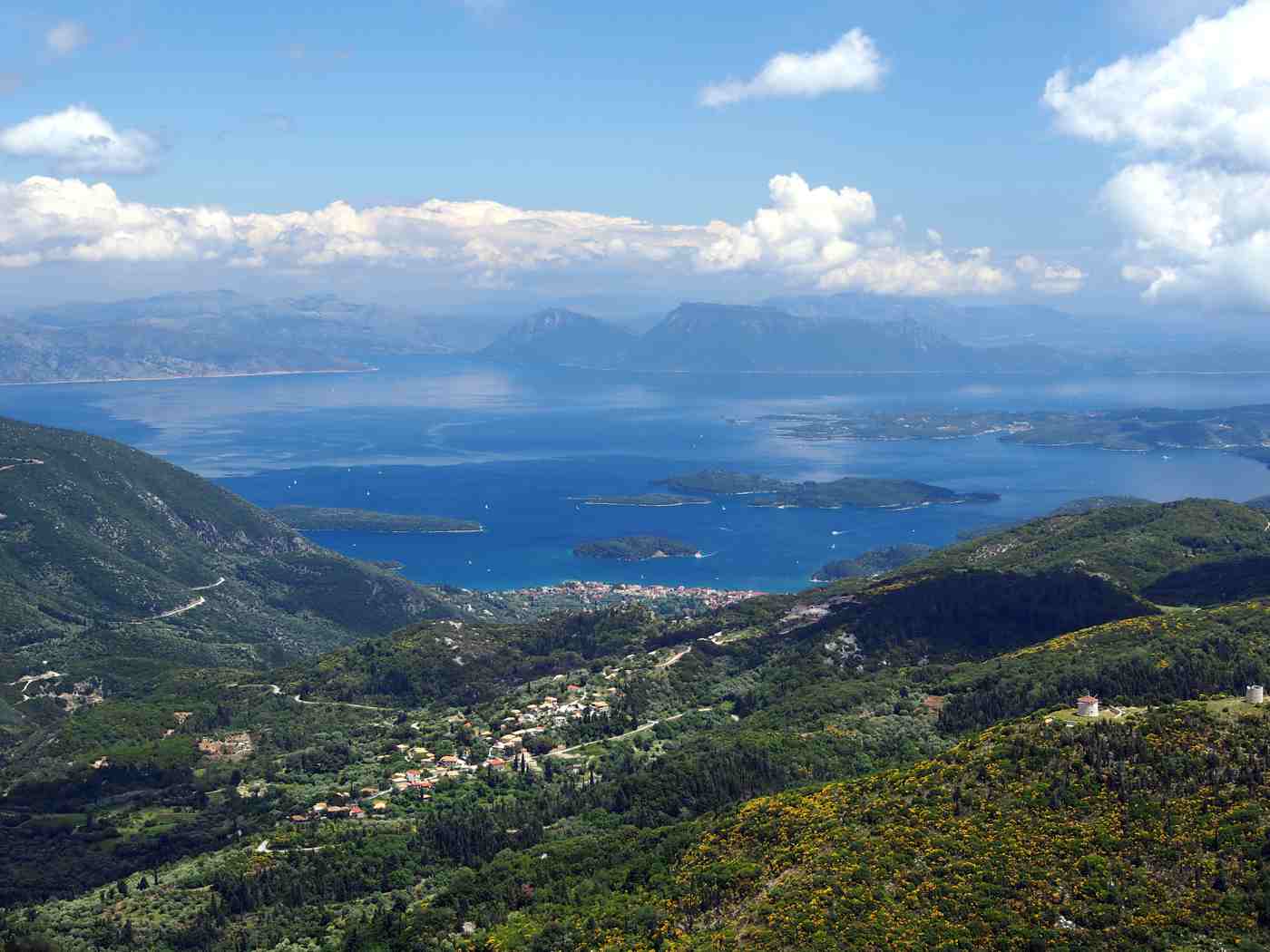
Lefkada rewards travellers who match their trip to the right month. The island’s main season runs from May to October, when warm weather, open beaches and calm seas draw the majority of visitors. July and August bring the hottest, busiest and most expensive conditions, while June and September deliver the same sunshine with fewer crowds. The shoulder weeks of May and early October stay cooler and cheaper, and the green landscape carries spring wild flowers. Winter turns wet and quiet. Understanding this rhythm helps each visitor decide when the beaches, the windsurfing and the festivals suit their plans. Plan the whole trip with Greece Tours.
Weather, sea temperature, prices and crowds all shift across the calendar, and each factor peaks at a different time. The heat and the party atmosphere top out in high summer, the sea stays warm from July to September, and the thermal wind at Vasiliki blows from spring to autumn. Prices climb steadily toward August and fall again through October. Walkers and sightseers favour the milder shoulder months, when the trails stay comfortable and the towns feel relaxed. This guide breaks down every month, weighs the trade-offs, and sets out how to pick the dates that fit each kind of holiday on the island.
When is the main tourist season on Lefkada?
The main tourist season on Lefkada runs from May to October. Warm, dry weather and open beaches concentrate almost all visitors into these six months.
The season builds gradually from spring into a summer peak. May opens the calendar with mild days and a green, flowering landscape, though the sea remains cool and the crowds stay thin. June warms the water and fills the resorts, and the momentum continues through July and August, the twin peak of the year. September holds the warmth while releasing the pressure, and October winds the season down as businesses begin to close. This arc means the same island offers a very different experience depending on the chosen month, from quiet spring walks to the height of the summer beach scene.
During these months the beaches of Lefkada reach their busiest and most rewarding state. The famous west-coast bays such as Egremni, Porto Katsiki and Kathisma draw sunseekers from across Europe, while the sheltered east coast offers calmer water for families. Beach bars, boat trips and watersports operate at full capacity from June to September, then scale back sharply once the season ends. Accommodation across the island opens in step with this pattern, so the range of villas, hotels and rooms is widest in high summer and narrowest at the fringes. Travellers who want the full resort experience aim squarely at the core months.
Access shapes the season as much as the weather does. Anyone researching how to get to Lefkada finds that the island connects to the mainland by a road causeway and floating bridge near Aktion, with the nearest airport at Preveza handling most summer charter traffic. Flight schedules thicken from late spring and thin out again in autumn, mirroring the tourist calendar. Ferries link the smaller southern harbours to neighbouring Ionian islands mainly during the warm months. The practical result is simple: reaching the island is easiest and cheapest to arrange in the peak weeks, and progressively harder once the off-season sets in.
The list of things to do in Lefkada also expands and contracts with the season. Summer delivers swimming, windsurfing, boat excursions to Meganisi and the caves, plus a busy calendar of village festivals. Spring and autumn shift the emphasis toward hiking the inland mountains, exploring waterfalls near Nydri, and touring traditional villages such as Karya and Englouvi without the heat. Winter strips the options back to the essentials, with quiet town walks and local tavernas that stay open year round. Matching interests to the calendar therefore matters, because the island rewards beach lovers and outdoor walkers in different parts of the year.
What is high summer like in July and August on Lefkada?
July and August are the hottest, busiest and most expensive months on Lefkada. Daytime temperatures sit in the high twenties Celsius, the sea is warm, and afternoon wind strengthens on the west coast.
High summer delivers the classic Mediterranean formula of long sunny days and warm nights. Daytime highs settle around the high twenties Celsius, the sky stays clear for weeks, and rainfall is almost absent. The sea reaches its warmest and most inviting temperature, making swimming effortless along both coasts. These conditions explain why families, couples and groups all converge on the island at once. The trade-off arrives in the form of full beaches, booked accommodation and premium prices. Anyone travelling in these weeks accepts the crowds as the cost of guaranteed sunshine and the liveliest atmosphere of the entire year.
The afternoon wind defines the west coast in high summer. A reliable thermal breeze builds through the day and funnels into the bay at Vasiliki, turning the south into one of the finest windsurfing spots in the Mediterranean. The same wind that thrills board riders can unsettle sunbathers who want flat, calm water. The choice of beach matters more in July and August than at any other time. The sheltered east coast and the northern bays near Agios Ioannis stay far calmer. Reading the daily wind pattern becomes part of planning a summer day, and it separates a relaxing afternoon from a blustery one.
Crowds and prices reach their annual ceiling in these two months. Accommodation rates climb to their highest, popular beaches fill by mid-morning, and car hire, restaurants and boat trips all demand early booking. The narrow west-coast approach roads see queues at the most photographed bays, and parking turns competitive. Nightlife peaks too, with Nydri and the town waterfront staying lively until the early hours. Visitors who thrive on energy and social buzz find high summer perfectly suited to their taste. Those seeking solitude and value look elsewhere on the calendar, because the island simply cannot feel quiet when the whole of Europe holidays together.
High summer also carries the richest cultural programme of the year. The folklore festival in Lefkada Town fills the streets with music, dance troupes and international performers, while the traditional-wedding reenactment at Karya recreates a mountain village celebration in full period costume. Smaller religious feasts and open-air concerts run through the warm evenings across villages. These events give summer visitors a window into local heritage that the beaches alone cannot provide. Combining a morning swim with an evening festival captures the fullest version of the island in season. The cultural calendar, like the weather, concentrates its highlights into the peak weeks.
Why are June and September the best months to visit Lefkada?
June and September offer the finest balance on Lefkada. Both bring warm, dry weather and a swimmable sea, alongside thinner crowds, calmer conditions and noticeably lower prices than the peak.
These two months capture the strengths of summer without its excesses. Temperatures stay warm and comfortable, rainfall remains rare, and the long days keep the beaches usable from morning to evening. The sea holds plenty of warmth, especially in September after a whole summer of heating, so swimming stays easy and pleasant. Crucially, the intensity of the peak eases: beaches feel spacious, roads flow freely, and tavernas serve without long waits. Travellers gain the full summer experience at a gentler pace. For many returning visitors, June and September represent the island at its most rewarding and best-value stretch of the entire calendar.
Value improves markedly on either side of the peak. Accommodation prices drop from their August ceiling, flights become easier to secure at reasonable fares, and car hire frees up across the island. The same villa that commands a premium in high summer costs noticeably less in these shoulder-of-peak weeks. Restaurants and beach bars remain fully open, so nothing essential closes, yet everything feels more relaxed. Families tied to school holidays lose this window, which is part of why it stays quieter. Independent travellers, couples and remote workers take full advantage, treating June and September as the sweet spot where comfort, cost and atmosphere align most favourably.
Conditions on the water turn friendlier in these months as well. The fierce afternoon wind of high summer softens, so the west-coast beaches sit calmer more often and the sea surface stays flatter for swimming and snorkelling. Windsurfers still find enough breeze at the southern bay, but casual bathers enjoy easier days. Boat trips to Meganisi, Skorpios and the sea caves run in smoother water, and the light stays golden for photography. The whole island feels balanced rather than stretched. This equilibrium between warmth, wind and quiet is the core reason experienced Ionian travellers plan around June and September whenever their schedule allows.
The range of activities stays wide across these balanced months. Swimming, sailing and windsurfing continue at full strength, while the slightly cooler air makes hiking, cycling and village touring far more comfortable than in the summer furnace. Sightseeing in the capital, the monastery of Faneromeni and the inland waterfalls becomes a pleasure rather than an endurance. Evenings stay warm enough for dining outdoors without the peak-season queues. This breadth, combined with the gentler climate, lets a single trip mix beach days with active exploration. Few destinations manage this equilibrium so well, and it forms the strongest argument for choosing early summer or early autumn over the peak.
What can visitors expect in the May and October shoulder season?
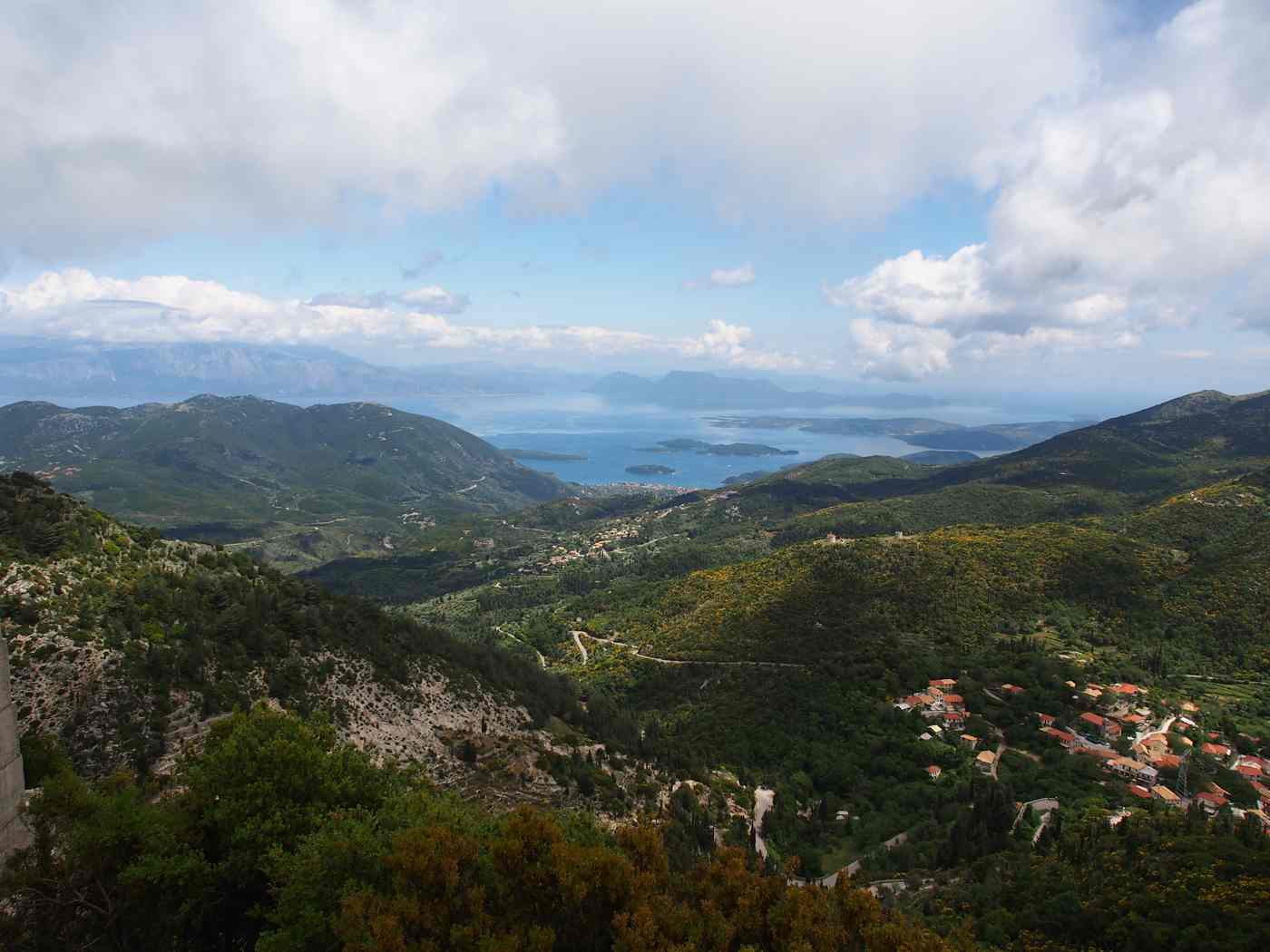
May and October form the true shoulder season. Both stay cooler and cheaper than the peak, with green landscapes and spring flowers in May, while an occasional rainy day appears and the early sea stays cool.
May arrives with the freshest face of the year. Winter rains leave the hills green, wild flowers colour the roadsides, and the countryside looks its most vivid before the summer sun bleaches it. Daytime temperatures turn pleasantly warm, ideal for walking and sightseeing, though the sea still carries a spring chill that deters all but the hardiest swimmers. Prices sit well below the summer scale, and the beaches feel almost private. An occasional shower passes through, a reminder that the settled summer pattern has not fully arrived. For nature lovers and photographers, this green, uncrowded month holds a special appeal all its own.
October mirrors May from the opposite direction. The landscape has dried through the long summer, but the sea retains much of its stored warmth, so early-autumn swimming stays comfortable well into the month. Days shorten and the air cools gradually, and the first Atlantic fronts bring the return of rain. Businesses begin to close in sequence, starting with the most seasonal beach operations, so the choice of open tavernas and rooms narrows as the weeks pass. Prices fall further still. Early October keeps much of September’s charm, while late October edges toward the quiet of the off-season, making the exact timing within the month important.
The shoulder months suit a particular kind of traveller. Walkers, cyclists and sightseers gain cool, comfortable conditions for exploring the mountainous interior, the traditional villages and the coastal paths. Prices reward the flexible, and the absence of crowds lets the authentic character of the island surface, with local life visible rather than hidden behind tourism. The trade-off is real: some beach bars stand shuttered, boat schedules thin out, and a wet day interrupts plans now and then. Packing a light layer and a rain jacket handles the variable weather. For those who value atmosphere and value over guaranteed heat, the shoulder season delivers well.
Sea and swimming define the sharpest contrast between the two shoulder months. May water stays cool because the winter has only just released its grip, so long swims feel bracing rather than relaxing. October water, warmed by months of sun, invites easy bathing for far longer into the day. This single difference often decides which shoulder month a beach-focused visitor prefers. Walkers and culture seekers weigh it less, since their plans depend more on comfortable air temperature than on sea warmth. Understanding this reversal, cool sea in spring and warm sea in autumn, helps travellers align the shoulder season with what they most want from the trip.
What is Lefkada like in winter and the off-season?
Winter on Lefkada is wet, cool and quiet. Rain peaks in November, temperatures drop toward single figures, and many tourist businesses close, leaving the island to its residents from November to February.
From November to February the island returns to local life. The summer machinery of beach bars, seasonal hotels and excursion boats shuts down, and the resorts empty almost completely. November stands out as the wettest month, when Atlantic systems sweep across the Ionian and heavy showers green the landscape once more. Temperatures fall steadily, with winter lows dropping toward single figures on the coldest nights, though frost and snow stay rare at sea level. The capital keeps functioning year round, with shops, tavernas and cafes serving residents. This is the island stripped of tourism, quiet and authentic, but with limited services for visitors.
Weather dominates the off-season experience. Rain falls frequently through the winter months, the sea turns grey and rough under strong winds, and daylight shortens considerably. Between the fronts, clear spells bring crisp, bright days ideal for walking the deserted coast, when the light is sharp and the air clean. The green hills and full waterfalls reward those who venture out. Swimming, however, ends entirely, as the sea grows too cold for anything but a brief plunge. Anyone visiting in winter comes for solitude, low prices and a genuine slice of island life, not for a beach holiday, and plans accordingly around the unsettled conditions.
Practical limitations shape any off-season trip. Many hotels and rooms close, so the choice of accommodation narrows to the capital and a handful of year-round properties. Restaurant options shrink, boat trips stop, and some smaller villages feel almost deserted. Public transport runs on a reduced timetable, which makes a hire car close to essential for reaching the quieter corners. Flights to the region also thin out, so reaching the island takes more planning than in summer. These constraints do not rule out a winter visit, but they demand realistic expectations and careful preparation from anyone drawn to the island in its dormant season.
The rewards of winter are subtle rather than obvious. Prices fall to their lowest, the few open tavernas serve local dishes to a mostly local clientele, and the pace of life slows completely. Photographers capture dramatic skies over an empty coast, and walkers enjoy the interior mountains in cool, clear conditions. The authentic rhythm of a working Greek island, hidden beneath the summer crowds, becomes fully visible. For a certain traveller, this quiet authenticity outweighs the loss of beaches and warm water. Understanding what the off-season offers, and what it withholds, allows a winter visitor to arrive with the right frame of mind and the right plans.
When is the sea warm enough for swimming?
The sea around the island is warm enough for easy swimming mainly from July to September. It peaks in high summer and retains useful warmth into early October, while spring water stays cool.
Sea temperature lags behind air temperature by weeks, which shapes the swimming calendar. Through spring the water warms slowly, so even a hot May day meets a cool sea that suits only brief dips. By late June the temperature climbs to a comfortable level, and July and August bring the warmest, most inviting conditions of the year. September holds this warmth well, because a whole summer of sun has heated the shallow bays. This lag explains why the reliable swimming window sits later than the first warm weather, running most comfortably from the height of summer into the start of autumn.
Coastline and exposure influence the water as much as the season. The sheltered east coast, facing the mainland and the smaller islands, warms faster and stays calmer, making it kinder for early-season and family swimming. The open west coast, exposed to deeper water and the afternoon wind, feels fresher and choppier, especially when the summer breeze whips up the surface. Shallow, enclosed bays reach the most agreeable temperatures, while deep, open beaches stay cooler. Choosing a sheltered spot extends the comfortable swimming season at both ends, so a well-picked east-coast cove offers easier bathing in June than an exposed western bay does.
October marks the gradual close of the swimming season. Early in the month the sea still holds much of its summer warmth, and calm days invite long, pleasant swims well after the crowds have gone. As the weeks pass and the first autumn fronts arrive, the water cools and roughens, and swimming becomes a shorter, brisker affair. By November the sea turns decidedly cold, ending the season for all but the most dedicated. This slow decline gives early-autumn visitors a valuable bonus: warm water without summer crowds. Timing a beach holiday for the first half of October captures the last of the comfortable sea.
The swimming window guides the timing of any beach-focused trip. Travellers whose priority is warm, effortless bathing target July, August and September, when the sea rewards them most reliably. Those willing to accept a cooler dip gain quieter beaches and lower prices in June and early October. Spring visitors treat swimming as a bracing extra rather than a daily pleasure, since the water has not yet caught up with the warming air. Matching expectations to this calendar prevents disappointment, because a beautiful beach in May delivers scenery and space. The sea itself stays too cool for the relaxed swimming that summer guarantees.
How do travellers choose the best time for beaches, windsurfing and festivals?
The right time depends on the priority. Beach and swimming holidays favour July to September, windsurfing runs spring to autumn at Vasiliki, festivals cluster in high summer, and walkers prefer the cooler shoulder months.
Beach lovers weigh warmth against crowds when picking their dates. July and August guarantee the hottest weather and the warmest sea, at the cost of packed sands and premium prices. June and September deliver almost the same beach conditions with far more space and better value, which makes them the smart choice for most sunseekers. The shoulder weeks of May and early October trade warm swimming for quiet, cheap and scenic beaches. Defining the ideal balance of heat, cost and crowd tolerance points each traveller toward the right month. For the majority that balance lands squarely in early summer or early autumn.
Windsurfers follow the wind rather than the crowds. The thermal breeze that powers the southern bay blows reliably from spring through to autumn, so the sport works across a long season that stretches well beyond the beach peak. High summer brings the strongest and most consistent afternoon wind, prized by experienced riders, while the shoulder months offer lighter, more forgiving conditions for learners. The dedicated windsurfing community gathers at the southern shore throughout these months, and schools operate from spring to autumn. Choosing between strong summer wind and gentler shoulder-season breeze depends entirely on skill and appetite, but the water stays rideable for months.
Festival seekers and walkers pull in opposite directions on the calendar. The cultural highlights, including the folklore festival in the capital and the traditional-wedding reenactment at Karya. Concentrate in the warm heart of summer. Anyone chasing the events aims at the peak weeks. Walkers, cyclists and sightseers instead favour the cooler shoulder months, when the interior mountains and coastal paths stay comfortable under a gentler sun. These two interests rarely align, so a traveller ranks them before booking. A summer trip captures the festivals and the liveliest atmosphere, while a spring or autumn trip rewards the active explorer with cooler air and empty trails.
Choosing the best time ultimately comes down to a clear personal priority. Those set on guaranteed heat, warm sea and full nightlife accept the crowds and prices of high summer. Travellers who want the same sunshine at a calmer pace target June or September, the standout balance for most visitors. Budget-minded and nature-focused guests embrace the green, quiet shoulder of May and October, and lovers of authentic solitude even consider the wet, empty winter. Ranking warmth, cost, crowds and activities in order of importance turns a vague question into a simple decision. The island rewards every season differently, so the best time is the one that fits the trip in mind.




Frequently Asked Questions
What is the cheapest time to visit Lefkada?
The cheapest time to visit falls in the shoulder and off-season months, away from the July and August peak. May, early October and the winter stretch from November to February carry the lowest prices for accommodation, car hire and flights, because demand drops sharply outside the summer core. May combines low cost with green, flowering scenery, though the sea stays cool and the odd shower passes through. October keeps warmer water in its early weeks while prices fall further as businesses close. Winter reaches the absolute lowest rates, but hotels and beach services shut, so the choice narrows to the capital. For the best mix of low cost and usable weather.
June’s early weeks and the first half of October reward budget travellers who still want warmth, open tavernas and swimmable seas.
When is the sea warmest for swimming on Lefkada?
The sea reaches its warmest during July and August, after the long summer sun has heated the coastal shallows. September holds most of that warmth, so early-autumn swimming stays comfortable and relaxed, and the first half of October still allows pleasant dips before the water cools. Spring tells the opposite story: even a hot May day meets a cool sea, because the winter chill lingers well into the warming months. The sheltered east coast warms faster and stays calmer than the exposed west coast, extending the comfortable season at both ends for anyone who picks the right cove.
Travellers whose main aim is warm, effortless bathing target the window from high summer into the start of autumn, when the sea is reliably inviting along both coasts of the island.
What is the weather like in Lefkada in winter?
Winter runs wet, cool and quiet from November to February. November stands out as the wettest month, when Atlantic fronts sweep across the Ionian and heavy showers refill the streams and green the hills. Temperatures fall steadily through the season, with the coldest nights dropping toward single figures, although frost and snow stay rare at sea level. Between the rain, clear spells bring bright, crisp days that suit walking the empty coast and touring the interior. The sea grows too cold for swimming, and strong winds churn the surface. Most tourist businesses close, so services concentrate in the capital, where shops, cafes and tavernas serve the resident population year round.
A winter visit rewards travellers who want solitude, authenticity and very low prices rather than beaches and reliable sunshine.
Is June or September better for visiting Lefkada?
Both June and September rank among the best months, and the choice comes down to fine detail. June offers fresh, green surroundings left over from spring, long daylight hours and a sea that has warmed to a comfortable level, though it feels slightly cooler than in autumn. September benefits from a whole summer of stored heat, so the sea reaches its most inviting and the evenings stay balmy, while the landscape looks drier after months of sun. Both months deliver warm, dry weather, thinner crowds than the peak and noticeably lower prices. Families tied to school terms find June the easier fit at one end of the holidays. Swimmers who prize the warmest possible water lean toward September.
Either way, these two months capture the island at its most balanced and rewarding.
When is the best time for windsurfing at Vasiliki?
Windsurfing at Vasiliki works from spring right through to autumn, driven by a dependable thermal wind that builds each afternoon and funnels into the southern bay. High summer, across July and August, brings the strongest and most consistent breeze, which experienced riders prize for fast, reliable sessions. The shoulder months of late spring and early autumn offer lighter, gentler conditions that suit beginners and those learning at the local schools. The bay ranks among the finest windsurfing spots in the Mediterranean precisely because this wind pattern repeats so predictably through the warm half of the year. Riders choose their dates by skill and appetite: strong summer wind for the confident, softer breeze for improvers.
Schools and rental centres operate from spring to autumn, so the sport stays accessible across a long season.
How days do you explore Lefkada?
A week gives most visitors enough time to enjoy the island properly, balancing beach days with exploration. Lefkada packs famous west-coast beaches, sheltered east-coast bays. Mountain villages and boat trips into a compact area. Five to seven days allows a mix of swimming, sightseeing and relaxed evenings without rushing. A shorter stay of three or four days covers the headline beaches and the capital. Leaves little room for the inland waterfalls. Traditional villages such as Karya and Englouvi, or day trips to neighbouring Meganisi and the sea caves. Travellers who want to combine windsurfing, hiking and island-hopping benefit from ten days or more.
The ideal length depends on the season and the chosen pace, since summer favours full beach days while the shoulder months reward slower, active touring.