
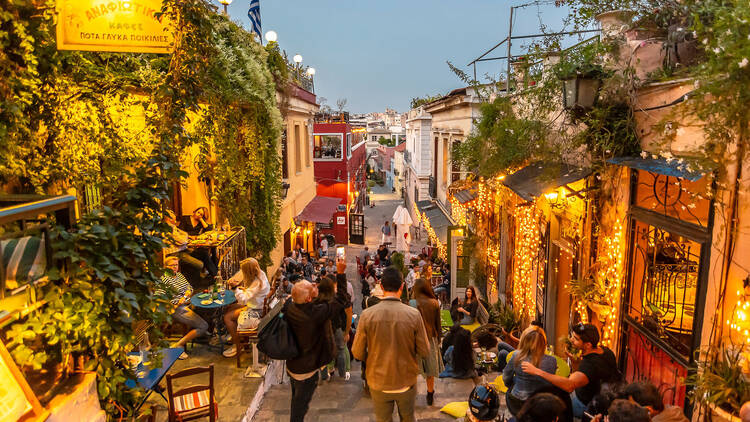
Planning Greece group tours is rewarding and complex in equal measure. Plan the whole trip with Greece Tours. We’ve built our experience guiding small groups across Athens‘ marble streets, negotiating ferry timetables in the Cyclades, and arranging family‑run tavernas for private dinners.
This guide pulls together practical planning tips, sample itineraries, supplier and safety advice, and pricing strategies so we, whether experienced operators or first‑time organizers, can deliver authentic, high‑value Greek experiences that travelers remember.
Why Greece Is Ideal For Group Travel
Why Greece Is Ideal For Group Travel
Greece combines concentrated cultural density with easy logistics, archeological sites, charismatic towns, and islands that feel like worlds apart, and are often only a short ferry or flight away. For Greece group tours organizers, this means we can craft compact itineraries that deliver high impact without long, exhausting transfers.
Cultural And Historical Appeal
The country’s layers of history, Mycenaean ruins, Classical temples, Byzantine churches, and Ottoman neighborhoods let us create themed narratives that resonate whether guests are history buffs or casual learners. Sites like the Acropolis and Delphi are internationally recognized drawcards: adding local museums, workshops, or a conversation with an archaeologist deepens the experience.
Varied Landscapes And Accessibility
From limestone mountains to volcanic islands and olive‑dotted plateaus, Greece offers diverse backdrops for groups with different interests. Mainland routes are well suited to coach travel, while the Cyclades and Dodecanese open up for small‑group ferry cruises or base‑and‑explore stays. Many islands are served by frequent ferries and short flights, keeping transfers manageable.
Seasonality And Best Times To Operate
High season (mid‑June to August) promises sunny weather and long event windows but brings higher prices and heavier crowds. Shoulder seasons (April–June, September–October) are ideal for us: milder weather, more flexible bookings, and better access to popular sites. Winter works well for cultural, culinary, and wellness‑focused tours on the mainland when crowds thin and rates drop.
Types Of Greece Group Tours To Offer
Types Of Greece Group Tours To Offer
We can diversify our offerings to match traveler preferences and maximize bookings across seasons.
Small Group And Private Tours Versus Larger Groups
Small groups (6–16) deliver intimacy, local access, and higher per‑person pricing. They’re easier to manage on ferries, in restaurants, and at archaeological sites. Larger groups (30+) suit incentive travel or study tours but require pre‑booked access, coach logistics, and often split dining arrangements.
Themed Tours: History, Food, Wellness, Photography, Family
Themed itineraries let us target niche markets. A food tour in Thessaloniki with market tours, a cooking class at a family taverna, and winery visits appeals to gastro‑travelers. Photography tours timed for golden hour in Santorini or Meteora attract hobbyists. Family tours should balance child‑friendly activities with downtime: wellness retreats can use quieter islands and rural estates.
Multi‑Isle Cruises, Base‑And‑Explore, And Day Trip Options
Multi-island small‑ship cruises remain popular for island hopping without daily packing. Base‑and‑explore models (stay in one island or Athens and run day trips) reduce transfers and are attractive for older travelers. Day trips from hubs like Athens or Crete, Delphi, Mycenae, and Spinalonga are easy add‑ons to packaged tours.
Essential Planning And Logistics
Essential Planning And Logistics
Meticulous logistics separate a good group tour from a great one. We prioritize clear timelines, contingency planning, and local partnerships.
Ideal Group Size And Demographic Considerations
Match the group size to the tour type. Culture and history groups may prefer 12–18; wellness and photography tours often perform best with under 12. Demographics influence pacing: older groups need slower days and more breaks, and families want flexible schedules with child‑friendly meals.
Accommodation Choices And Booking Tips
We prefer family‑run hotels and small boutique properties aligned with our brand promise of authentic experiences. For peak season, secure blocks at least 6–9 months ahead. Negotiate rooming lists, early‑check options for late arrivals, and contingency rooms for unexpected single‑room surcharges.
Transport Options: Ferries, Flights, Coaches, And Transfers
Use a mix of ferries and short domestic flights to optimize time. For islands, high‑speed ferries work for day hops: conventional ferries are better for overnight legs. Contract reliable coach operators for mainland legs and arrange private transfers for arrivals/departures to control guest experience.
Permits, Reservations, And Peak‑Season Challenges
Popular archaeological sites and museums often limit large‑group entries. Reserve guided visits and timed‑entry tickets early. During religious festivals or local holidays, routes and availability can shift; check municipal calendars and build flexibility into itineraries.
Sample Itineraries And Must‑See Highlights
Sample Itineraries And Must‑See Highlights
Providing ready‑made sample itineraries helps clients visualize the trip and simplifies sales.
Short Breaks (3–4 Days): Athens And A Nearby Island
Typical short break: two days exploring Athens (Acropolis, Plaka, a food walk) followed by a day on Aegina or Hydra. We schedule a sunset dinner with a local storyteller to make the brief stay memorable.
Classic Weeklong (7–9 Days): Athens, Delphi, Santorini, And Crete
A weeklong route gives a balance of antiquity and island romance. Day 1–2 Athens (Acropolis, museum), day 3 Delphi, fly to Santorini for cliffside sunsets and a winery visit, then ferry to Crete for Minoan palaces and rural olive‑oil tastings. We leave a free day for spontaneous discovery.
Extended Cultural Routes (10+ Days): Mainland And Cyclades Loop
Ten‑plus day itineraries allow deeper immersion: Thessaloniki’s Byzantine treasures, Meteora’s monasteries, the Peloponnese (Mycenae, Nafplio), and then a Cyclades loop, Naxos for agriculture and Paros for artisans. These routes reward slower pacing and local homestays.
Local Experiences And Hidden Gems To Include
We always sprinkle in off‑beat items: a private dinner in a family home, a visit to a producer of mastika or raki, a walking tour in a working fishing village, or an olive‑press demonstration. Those moments create emotional resonance and excellent reviews.
Working With Local Guides, Suppliers, And Partners
Working With Local Guides, Suppliers, And Partners
Our local roots at https://mygreecetours.org mean we place strong emphasis on trusted partnerships that respect community values and quality standards.
How To Vet And Contract Local Guides
Vet guides by sample tours, references, and language skills. Ask for a run‑through of their narrative for key sites: a good guide weathers crowds and adapts to group interests. Build contracts that cover cancellation terms, gratuity practices, and contingency cover if a guide falls ill.
Building Relationships With Family‑Run Hotels And Restaurants
We cultivate direct relationships with family‑run businesses to secure authentic meals, private dining spaces, and stable rates. Offer cross‑promotion and transparent feedback so partners improve service and feel invested in our long‑term collaboration.
Sustainable And Community‑Focused Sourcing Practices
Sourcing locally, produce, wines, and artisans benefits communities and enhances the guest experience. We prioritize providers who employ locals, minimize single‑use plastics, and contribute respectfully to cultural sites.
Pricing, Bookings, Insurance, And Safety Considerations
Pricing, Bookings, Insurance, And Safety Considerations
Clear, defensible pricing and robust safety protocols build client trust and reduce operational friction.
Pricing Models, Inclusions, And Optional Add‑Ons
We typically use per‑person pricing with tiered inclusions: basic (accommodation + some breakfasts), standard (transfers, guided visits), and premium (private experiences, most meals). Offer optional add‑ons like photography mentoring, private winery tastings, or pre/post extensions.
Deposit, Cancellation, And Payment Policies
Set deposits to balance commitment and flexibility; 20–30% is common. Create clear cancellation tiers tied to supplier deadlines: communicate these terms repeatedly in booking confirmations. Offer a payment schedule for large groups to ease cash flow.
Insurance, Health, And Emergency Protocols
Require comprehensive travel insurance and provide a short pre‑departure checklist (medical, medication, mobility notes). Have emergency contacts in each region, and ensure guides carry first‑aid kits and know the nearest hospitals. For medical evacuations, list local providers and insurer contacts in the group dossier.
Group Management Tips During The Tour
Assign a lead for logistics and an assistant for guest welfare. Use messaging apps for real‑time updates, keep daily briefs short and visual, and schedule quiet time. Small gestures, name tags, water bottles with reusable branding, and a local phrase card reduce friction and enhance connection.
Conclusion
Organizing Greece group tours blends logistical rigor with creative storytelling. When we pair thoughtful planning, right group size, vetted suppliers, season‑savvy itineraries, with authentic, locally sourced experiences, we create trips that feel personal and timeless. Our approach at Greece Tours (mygreecetours.org) is to design journeys where every logistical decision supports meaningful local encounters. Start small, test a couple of sample itineraries, and scale with partners you trust. Greece rewards patience and attention to detail.
Read more about Greece Tours: