
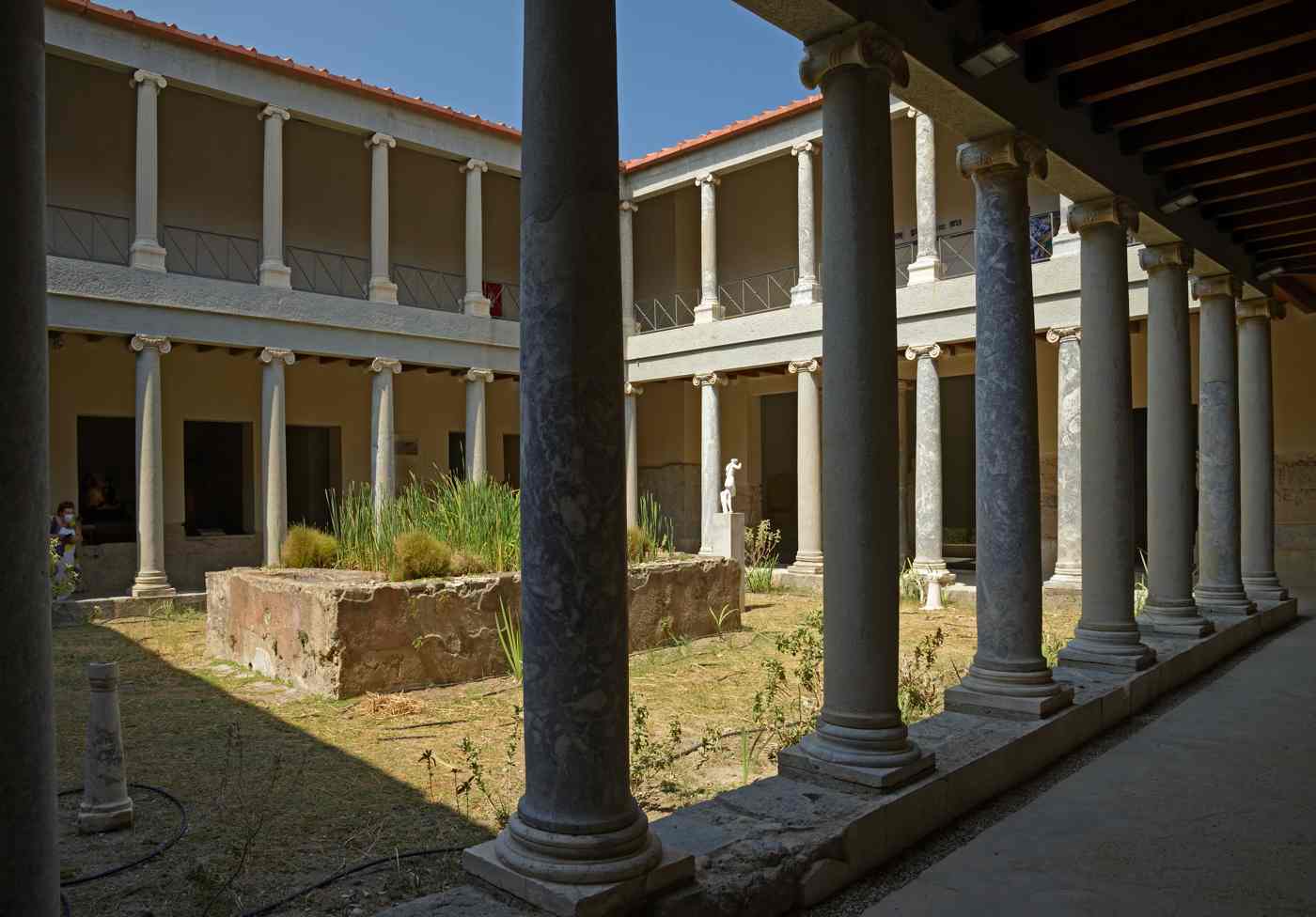
The Plane Tree of Hippocrates stands as a living symbol of ancient wisdom in the heart of Kos Town. Tradition holds that Hippocrates, the father of medicine, taught under its expansive canopy, making it a site of historical and cultural significance. Plan the whole trip with Greece Tours.
Located on Plateia Platanou, this venerable tree is not only a natural wonder but also a link to the island’s rich past. Its proximity to the Castle of Nerantzia and the harbour makes it a central point for visitors exploring Kos.
What is the significance of the Plane Tree of Hippocrates in Kos?
The Plane Tree of Hippocrates marks the traditional spot where Hippocrates taught medicine on Kos. This oriental plane on Plateia Platanou anchors Kos Town’s harbour front and its identity as the birthplace of Western medicine.
The Plane Tree of Hippocrates rises at the centre of Kos Town, a broad-crowned oriental plane on Plateia Platanou. Tradition records that Hippocrates, the father of medicine, taught his students in its shade beside the harbour. The living tree does not date to his lifetime in the fifth century before the common era, yet it descends from that tradition as a direct symbol. Platanus orientalis of this size and spread ranks among the largest in Greece. Visitors arrive to stand under a canopy tied to the origins of clinical teaching. The tree turns an ordinary square into a landmark that carries the island’s medical reputation.
Its branches reach far past the trunk, shading cafe tables and the stone paving that fills the plaza from edge to edge.
Plateia Platanou frames the tree with landmarks that stack Kos Town’s layered past. The Castle of Nerantzia guards the harbour mouth a short walk east, and Roman-era paving runs beneath the square. People reaching Kos Town by ferry pass the plaza within minutes of stepping off the quay. The square works as a meeting point, ringed by cafes, an Ottoman fountain, and the Loggia Mosque. The plane tree gives the plaza its name, since platanos is the Greek word for plane. Locals treat the shaded benches as a daily gathering spot rather than a museum piece. The setting joins medieval walls, Ottoman architecture. The ancient teaching tradition inside one open square beside the water.
And each of them stands within a dozen paved steps of the shaded central trunk.
The trunk of the plane tree measures about 12 metres in circumference, a girth that signals real age. Heavy horizontal limbs spread outward so far that iron poles and stone piers hold them clear of the ground. One low branch rests on an ancient marble sarcophagus reused as a prop, tying Roman spolia to living wood. The supports read as scaffolding, and they let the canopy keep spreading without splitting the trunk. Gardeners and the local authority inspect the frame to keep the old wood sound. The tree stands roughly 10 metres tall, wider than it is high because of that low, reaching habit.
The girth alone places it among the thickest oriental planes recorded across the Aegean and the Greek mainland, and no living specimen nearby matches its low, reaching spread.
An Ottoman-era fountain sits at the foot of the plane tree, fed by a channel that once served the mosque beside it. The Loggia Mosque, also called the Gazi Hassan Pasha Mosque, rises on the square’s edge with a slim minaret. A short stone bridge crosses a sunken moat and links the plaza to the Castle of Nerantzia. Walkers cross that bridge to reach the fortress gate without leaving the historic core. The fountain, the mosque, and the bridge frame the tree inside a compact circuit of monuments. This tight grouping lets a visitor take in Ottoman, medieval, and ancient Kos within a two-minute stroll around the base.
The square rewards a slow, unhurried loop rather than a single passing glance at the weathered old trunk.
Where is the Plane Tree of Hippocrates located in Kos Town?
The Plane Tree of Hippocrates stands on Plateia Platanou in Kos Town, beside the harbour and below the Castle of Nerantzia. The square sits at the northeast edge of the island, about 200 metres from the main ferry quay.
Plateia Platanou occupies the historic core of Kos Town on the island’s northeast coast. The square opens directly onto the harbour, where fishing boats and day cruisers tie up along the quay. The Castle of Nerantzia rises on the far side of a short bridge, closing the plaza’s seaward end. Kos Town spreads inland from here in a flat grid that dates to the Italian rebuilding after an earthquake. The plane tree sits at the plaza’s heart, its trunk ringed by a low stone kerb. Cafes and tavernas line the square’s inland edge, filling the tables under the canopy through the day.
The location puts the tree within a two-minute walk of the port, the castle, and the ancient agora ruins that spread just inland from the square.
The harbour beside Plateia Platanou serves as the island’s main gateway to the eastern Aegean. Boats leave the quay for Nisyros, Kalymnos, Pserimos, and Bodrum on the Turkish coast opposite. Ferries from Piraeus and Rhodes dock at the larger commercial pier a short distance north. Passengers stepping off the water reach the plane tree within minutes, since the plaza fronts the same waterfront. The castle’s bulk marks the harbour entrance and guides arriving vessels toward the moorings. Kos Town’s promenade runs from the plaza along the shore, passing the marina and the town beach at Lambi. This waterfront position made the square a crossroads for trade and travel across the centuries of the port’s continuous use.
From ancient galleys to the modern ferries and day boats tied along the quay.
The ancient agora of Kos opens just south of Plateia Platanou, its columns and foundations exposed in an open field. Roman remains, the Casa Romana villa, and the odeon lie a short walk inland from the tree. The town’s flat grid, laid out in straight avenues, makes the whole historic core walkable in an afternoon. Cyclists ride the same level streets, since Kos ranks among the most cycle-friendly islands in Greece. A rider can leave the plane tree and reach the Casa Romana or the marina in five minutes. The agora ruins connect the medieval square to the Hellenistic and Roman city that stood on the same ground.
This dense cluster of sites gives the plaza its role as the natural starting point for touring the capital.
The Loggia Mosque and the Ottoman fountain stand at the tree’s base, marking the square’s centuries under Ottoman rule. The stone bridge over the old moat carries walkers from the plaza to the Castle of Nerantzia gate. Palm trees and Italian-era public buildings line the approach roads, layering the town’s twentieth-century rebuilding onto older stone. The plaza stays open around the clock, with no gate or ticket needed to reach the tree itself. Benches under the canopy let travellers rest between the harbour, the castle, and the agora. The square’s compact scale keeps the plane tree, the mosque, the fountain, and the bridge within one field of view.
This concentration of monuments makes Plateia Platanou the most photographed spot in Kos Town, where cruise groups gather around the trunk each morning.
How is the Plane Tree of Hippocrates supported and preserved?
The Plane Tree of Hippocrates rests its heavy limbs on iron poles, stone piers, and an ancient marble sarcophagus. These props carry the weight of branches that spread far beyond the trunk, keeping the aging wood intact.
The plane tree’s limbs grow so long and heavy that they cannot bear their own weight unaided. Metal poles rise from the paving to cradle the largest horizontal branches at four points. Stone piers and low walls take the load where the wood dips closest to the ground. One thick limb rests on a Roman marble sarcophagus set into the square as a reused base. This mix of iron, masonry, and ancient stone forms a visible frame around the tree. The props keep the branches from cracking away from the trunk under strain. Engineers and gardeners adjust the supports as the wood shifts with growth and season.
The frame turns the tree into a worked monument, part living plant and part maintained structure of the plaza.
The trunk of the plane tree splits into a hollow, gnarled column about 12 metres around at the base. Age has opened cavities in the old wood, which crews pack and brace to slow decay. The bark peels in the mottled grey-green plates typical of Platanus orientalis across the Mediterranean. Roots push up the paving nearby, so the square’s stones bulge and crack around the base. The hollow trunk still pushes out fresh leaves each spring, proof that the living tissue holds. Girth of this scale marks the plane as one of the oldest specimens on Kos by tradition.
The column reads as a ruin and a living organism at once, weathered and hollow yet leafing green every spring across the dry Aegean summers and the cool, damp winters.
The local authority of Kos treats the plane tree as a protected monument rather than ordinary greenery. Crews prune deadwood, brace weak joints, and check the iron props on a regular cycle. Watering and root care during the dry Aegean summer keep the canopy from thinning under heat. The sarcophagus base and stone piers are cleaned and stabilised alongside the living wood. This upkeep reflects the tree’s role as the emblem of the island’s medical heritage. Conservation work aims to hold the existing tree, not replace it, since its value lies in continuity. Cuttings taken from the plane have been planted at medical sites abroad as living descendants.
The care extended to one tree shows how tightly Kos binds its identity to this single plane.
The heavy propping visible today grew from centuries of the tree spreading past its natural limits. Oriental planes push out long lateral limbs that reach for light and eventually sag toward the ground. Kos chose to hold those branches up rather than cut them back to a compact crown. The result is a canopy that shades the whole plaza, held aloft on a lattice of supports. Removal of the props force heavy pruning and shrink the tree’s famous spread. The stone and iron frame therefore preserves the shape that makes the plane a landmark. This choice keeps the tree looking close to how earlier travellers described it under the same harbour square.
The supports are the price of keeping the canopy wide and the tradition visible.
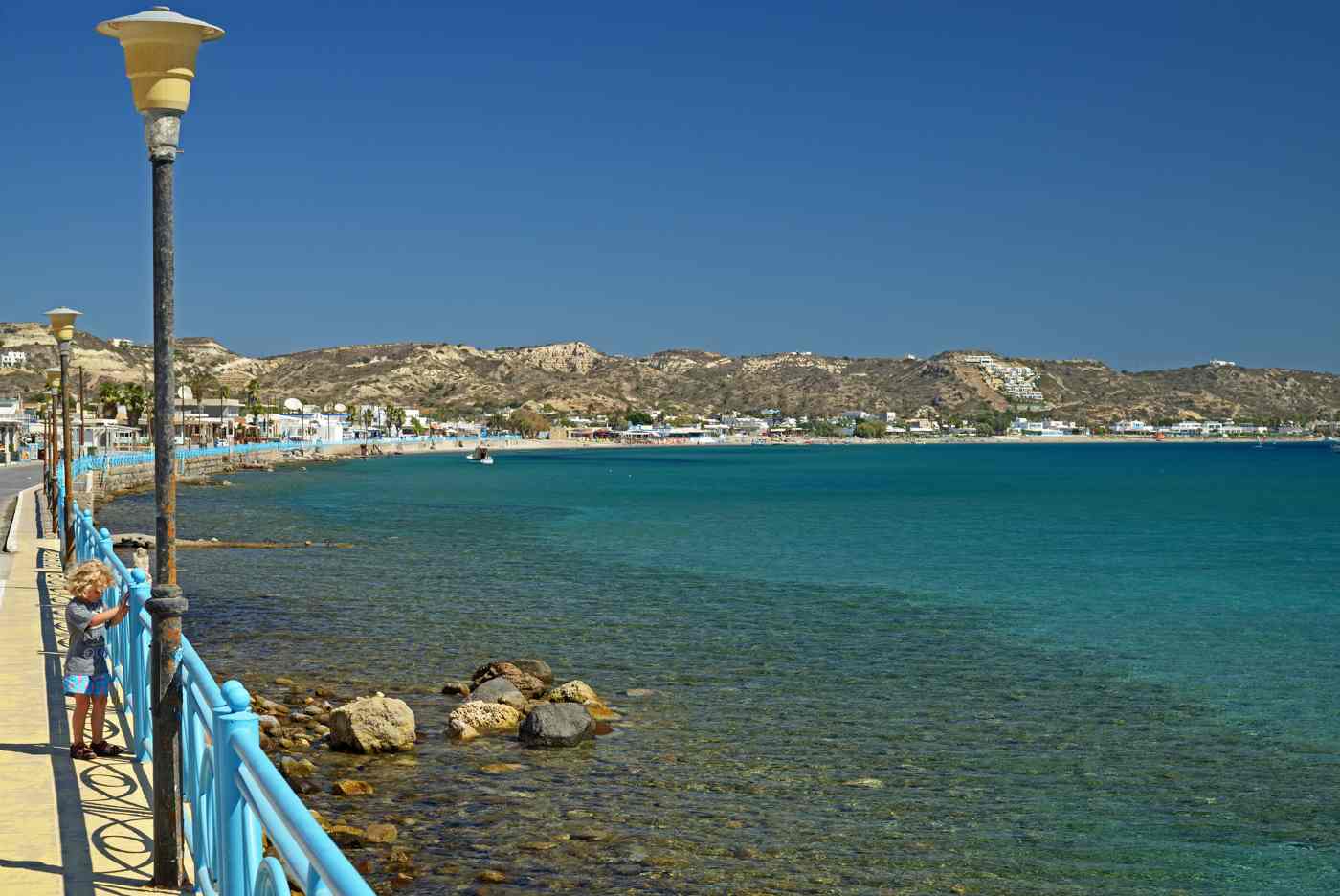
What historical landmarks surround the Plane Tree of Hippocrates?
The Plane Tree of Hippocrates stands ringed by the Castle of Nerantzia, the Loggia Mosque, and an Ottoman-era fountain. A stone bridge over the old moat links the plaza to the fortress on the harbour.
The Castle of Nerantzia guards the harbour mouth a short bridge-length from the plane tree. Knights of the Order of Saint John raised the double-walled fortress from local stone and ancient spolia. The name Nerantzia comes from the bitter-orange trees once grown around its walls. Its ramparts and corner bastions look out over the port and the strait toward the Turkish coast. Visitors climb the walls for a raised view across Kos Town’s rooftops and the marina. Blocks and columns from the ancient city sit built into the castle’s masonry, reused as ready-cut stone. The fortress and the plane tree together frame the plaza between medieval defence and ancient teaching.
The castle closes the seaward end of the historic core, standing directly beside the harbour water and the tree’s open plaza.
The Ottoman-era fountain at the tree’s base marks the plaza’s long centuries under Ottoman rule. Carved stone and an inscribed panel front the fountain, which drew water for ritual washing at the mosque. A shallow basin and spouts sit low against the wall, shaded directly by the plane canopy. The fountain paired with the mosque as a working religious complex on the square. Water once ran here for worshippers and for the townspeople drawing from the public spout. The structure survives as a fixed feature of the plaza rather than a working supply today. Its position beneath the tree ties the Ottoman layer of Kos to the ancient teaching tradition above.
The fountain gives the square a second focal point apart from the trunk itself.
The Loggia Mosque rises on the square’s edge, named for the arcaded loggia at its base. Locals also call it the Gazi Hassan Pasha Mosque after the Ottoman admiral who founded it. A slim minaret climbs above the plane canopy, visible across the harbour front. The prayer hall sits above an open ground-floor arcade that once sheltered market stalls. Reused ancient columns support parts of the structure, matching the spolia seen in the castle nearby. The mosque anchors the plaza’s Ottoman character alongside the fountain at the tree’s foot. Its architecture blends Ottoman form with the recycled classical stone common across Kos Town.
The building rounds out the square’s mix of ancient, medieval, and Ottoman monuments in one open view across the plaza, its minaret rising over the plane canopy.
A single stone bridge spans the sunken moat between Plateia Platanou and the Castle of Nerantzia. Walkers cross it directly from the plane tree to the fortress gate without touching a road. Palm trees line the bridge, a planting from the Italian era that reshaped the waterfront. The ancient agora opens just beyond the square, its columns and foundations lying in the open. Roman ruins, the Casa Romana, and the odeon sit within a short walk inland. This chain of monuments lets a visitor cross from Ottoman fountain to medieval castle to ancient market in minutes. The bridge stitches the plane tree into a walking circuit of the whole historic core.
Kos Town packs its layered past into the ground around this one harbour square.
How does the Plane Tree of Hippocrates symbolize Kos and its heritage?
The Plane Tree of Hippocrates stands as the living emblem of Kos, tying the island to the birth of Western medicine. It links the harbour square to Hippocrates, the Asklepion, and the reputation of Kos as a place of healing.
The plane tree carries the memory of Hippocrates more directly than any building on Kos. Tradition places the father of medicine under its canopy, teaching students the practice of observation and diagnosis. That story turns a single tree into a shorthand for the whole Hippocratic school. Medical visitors travel to Kos to stand where clinical teaching is said to have begun. Doctors have taken cuttings from the plane to plant at hospitals and universities abroad. The tree therefore functions as a shared ancestor for institutions far from the Aegean. Its image appears on local emblems, tourism material, and the branding of the island’s medical festivals.
Kos leans on this single plane to advertise a heritage that reaches back before the common era, long before the Knights or the Ottomans held the harbour.
The plane tree gathers into one spot the long arc of the history of Kos, from the ancient city to Ottoman rule. Ancient columns lie reused in the castle and mosque around the same square. The Hellenistic agora, Roman villas, and medieval walls all sit within a short walk of the trunk. Each layer left stone that later builders folded into the next structure on the site. The tree grew through those centuries as the human monuments rose and fell around it. Its survival gives Kos a continuous thread linking the classical port to the modern town. Locals point to the plane as proof that the island’s story runs unbroken across the ages.
The square works as a compressed timeline centred on one living organism beside the water.
The plane tree stands as a marker of endurance for an island shaped by earthquakes and empires. Kos sits on an active fault, and a major quake flattened much of the town within living memory. The plane survived while masonry fell, and the Italian rebuilding rose around its unchanged canopy. Its long life outlasts the Knights, the Ottomans, and every ruler who held the harbour. Residents read that persistence as a reflection of the island’s own capacity to recover. The tree’s continued leafing each spring reinforces the message of continuity across hard centuries. This symbolism gives the plane a weight beyond botany, closer to a civic monument.
Kos treats the survival of one tree as a statement about the survival of the place itself, rebuilt time and again on the same ground.
The plane tree defines the public image of Kos more than any beach or resort. Its canopy appears in guidebooks, ferry brochures, and the crest of local cultural events. Cruise passengers photograph the trunk within minutes of reaching the harbour front. The tree gives the island a single recognisable landmark tied to a globally known name. Kos markets itself as the birthplace of medicine, and the plane makes that claim visible on the ground. School groups and medical delegations gather under the canopy as a fixed ritual of any visit. This role as identity anchor keeps the plaza busy from the first ferry to the last.
The plane converts an abstract heritage claim into a physical place that travellers walk up to and touch beside the harbour front.
What can visitors expect at the Plane Tree of Hippocrates?
Visitors reach the Plane Tree of Hippocrates free of charge on Plateia Platanou, open at all hours. The square offers shade under the canopy, cafes along its edge, and the castle, mosque, and fountain within a short walk.
The plane tree stands in an open public square with no gate, ticket, or opening time. Travellers walk up to the trunk directly from the harbour quay in about three minutes. A low stone kerb rings the base, and signage explains the Hippocratic tradition in three languages for arriving visitors. The canopy throws deep shade over the paving, a relief during the Aegean midday heat. Cafes and tavernas line the plaza’s inland edge, so a coffee stop pairs naturally with the visit. Photographers work the trunk and the propped branches against the castle and minaret behind. The site suits a short focused stop rather than a long ticketed tour.
People combine the tree with the castle and the agora into a single morning in the old core.
The first thing a visitor notices is the width of the canopy against the height of the trunk. Long branches reach out on iron poles and stone piers, spreading the crown across the square. The hollow, fissured trunk shows its age up close, with cavities braced and packed. The Roman sarcophagus wedged beneath one limb rewards a slow look at the base. The Ottoman fountain sits directly under the leaves, its carved panel worn by weather. Sparrows and pigeons work the branches, and cats doze on the warm paving nearby. The scene mixes living wood, ancient marble, and Ottoman stone within one frame.
A careful visitor reads three eras of Kos within ten metres of the trunk, and the propped limbs frame the castle bridge behind them.
Most visitors fold the plane tree into a walking loop of Kos Town’s historic core. A loop from the plaza takes in the castle, the ancient agora, and the Roman ruins within an hour. The Castle of Nerantzia lies across the bridge, ticketed and open for climbing the ramparts. The ancient agora spreads free and open just south of the plaza. Roman sites, the Casa Romana and the odeon, sit within a ten-minute walk inland. Cyclists collect the same circuit on the town’s flat, cycle-friendly grid without a climb. The harbour promenade runs north from the square to the marina and Lambi beach.
Ferries to Nisyros and Kalymnos leave from the same harbour front, so a boat trip pairs naturally with the plane-tree stop beside the water.
The plane tree stays worth a stop across every season, since the site never closes. Spring and autumn bring mild air and thinner crowds to the shaded square. Summer draws the heaviest foot traffic, and the canopy’s shade earns its keep in the heat. Winter strips the leaves, exposing the propped branches and the frame that holds them. Morning light favours photographs of the trunk against the castle behind it. Cafes on the plaza edge stay open through the tourist season for a paired coffee. No fee, no queue, and no fixed hours keep the visit flexible around ferry times.
Guides often start island walking tours from this shaded point, gathering their groups under the canopy before setting off along the harbour water and into the old town lanes.
How does the Plane Tree of Hippocrates connect to the Castle of Nerantzia?
The Plane Tree of Hippocrates links to the Castle of Nerantzia by a single stone bridge across the old moat. The bridge carries walkers straight from Plateia Platanou to the fortress gate on the harbour.
The stone bridge over the sunken moat forms the physical link between the tree and the castle. Palm trees planted in the Italian era line both sides of the crossing. Walkers leave the plane tree, cross the bridge, and reach the fortress gate in under a minute. The moat below once separated the fortified islet of the castle from the town square. Reclaimed ground and the bridge now join the two, though the dip in the terrain remains. This short span makes the castle feel like an extension of the plaza rather than a separate site. The bridge frames a clear sightline from the trunk to the fortress walls.
Visitors treat the two monuments as a single stop because the crossing is so brief and level.
The Castle of Nerantzia rose from the harbour rock under the Knights of the Order of Saint John. Builders used cut blocks and columns quarried from the ancient city as ready material. Double walls, corner bastions, and a deep gate protected the port through the medieval centuries. The fortress commanded the strait between Kos and the Anatolian coast opposite. Its guns and lookouts controlled ships entering the harbour that the plane tree now overlooks. The Knights held Kos as part of their island chain centred on Rhodes to the south. Ottoman forces later took the castle and adapted it to their own defence.
The walls survived earthquakes and sieges to stand today above the same waterfront square, closing the seaward edge of the plaza where the plane tree grows.
Climbing the Castle of Nerantzia gives a raised view over the plane tree and the whole plaza. The ramparts look down on the canopy, the mosque’s minaret, and the harbour full of boats. Reused ancient inscriptions and carved blocks sit set into the walls for a close read. The inner court and towers open to walkers who pay the fortress entry. From the seaward wall the strait toward Bodrum on the Turkish coast fills the horizon. The castle and the tree share a single vista, each visible from the other. This pairing lets a visitor study the plane from ground level, then from the ramparts above.
The climb adds a vertical dimension to a plaza best known for its wide, low, spreading canopy and the propped branches below.
The bridge, the moat, and the shared harbour bind the tree and castle into one historic unit. Medieval defence and ancient teaching sit a stone’s throw apart around the same water. Guides route walking tours across the bridge to read both monuments in sequence. The plane tree marks the civic, teaching heart, while the castle marks the military edge. Together they show Kos Town as both a place of learning and a fortified port. The short crossing lets a visitor pass from Hippocratic legend to the Knights within a minute. This proximity is why brochures pair the tree and the castle in the same photograph.
Both stand within the compact plaza that fronts the busy ferry quay of Kos Town, joined by the short bridge across the moat.
What is the historical significance of the Ottoman-era fountain and Loggia Mosque?
The Ottoman-era fountain and the Loggia Mosque mark the centuries Kos spent under Ottoman rule. The paired structures stand at the plane tree’s foot, joining ritual washing and prayer to the ancient square.
The Ottoman fountain at the tree’s base once supplied water for washing before prayer at the mosque. A carved stone facade and an inscribed panel front the low basin against the wall. Spouts fed water drawn from a channel that served the religious complex on the square. Townspeople also used the public spout for daily water in the centuries of Ottoman rule. The fountain type, a street-side sebil, appears across former Ottoman towns in the eastern Aegean. Its position under the plane canopy ties the Ottoman water culture to the shaded plaza. The structure survives intact as a monument, though the flow no longer runs.
The fountain gives the square a second historic focus apart from the trunk, and its carving rewards a close look.
The Loggia Mosque rises beside the fountain, founded by the Ottoman admiral Gazi Hassan Pasha. Its name comes from the arcaded loggia at ground level, once used for market stalls. A slim minaret climbs above the plane canopy, marking the skyline of the harbour square. The raised prayer hall sits over the open arcade, reached by an external stair. Reused ancient columns support parts of the building, matching the spolia in the castle nearby. The mosque anchored the Muslim quarter of Kos Town during the Ottoman centuries. Its architecture blends Ottoman form with the recycled classical stone found across the island.
The building fixes the Ottoman layer of Kos into the same view as the ancient tree beside it, its minaret and the canopy sharing one skyline.
The fountain and mosque together record a chapter of Kos that followed the Knights and preceded the modern town. Ottoman rule reshaped the harbour square with religious buildings set among the ancient ruins. Builders drew on the same quarry of classical stone that earlier walls and later structures used. The result is a plaza where Greek, Roman, medieval, and Ottoman work stand within one frame. The mosque and fountain add a living faith tradition to the square’s layered stone. Their survival shows how each ruling culture built onto the site rather than clearing it. Kos preserves this Ottoman pair as part of the same monument group as the tree and castle.
The square reads as a physical record of every power that held the port across the centuries.
The fountain and mosque sit open to view in the public square without a ticket or gate. Walkers pass the carved fountain at the foot of the tree on any loop of the plaza. The mosque’s exterior and minaret read clearly from the paving, framed by the canopy above. Restoration work has stabilised the Ottoman stone alongside the care given to the plane. Interpretive signs explain the fountain’s role in ritual washing for arriving visitors. These structures round out the square’s account of Kos across the centuries. Their placement under the tree keeps the Ottoman era in the same glance as the Hippocratic legend.
The minaret stays visible across the harbour front as a marker of the plaza’s Ottoman past, framed above the plane canopy for arriving travellers.


How can visitors explore the Plane Tree and the rest of Kos Town?
Visitors explore the Plane Tree of Hippocrates on foot or by bicycle across Kos Town’s flat grid. The plaza connects the castle, agora, Roman ruins, harbour, and beaches within a short, level circuit.
Walking is the natural way to link the plane tree with the rest of the historic core. A loop from the plaza takes in the castle, the ancient agora, and the Roman ruins within an hour. Guides list the tree first among the classic things to do in Kos, then fan out to the beaches and villages. The flat streets mean no climbing between sites in the town centre. Signposts and the compact grid keep navigation simple even without a map. The harbour promenade extends the walk north toward the marina and Lambi beach. This on-foot circuit suits a half-day before catching an afternoon ferry or bus.
The plane tree works as the fixed starting point for exploring the capital of the island before the ferries and buses carry travellers onward.
Cycling ranks among the defining activities of Kos, and the town’s grid rewards two wheels. Rental shops near the harbour hand out bicycles within a short walk of the plane tree. Level avenues run from the plaza to the Casa Romana, the marina, and the beach at Lambi. A dedicated cycle path follows the coast north toward Tigaki’s beach and salt-pan lagoon. Riders cover ground that take far longer on foot, all without a climb. The flat terrain makes cycling practical for families and casual riders alike. A rider can chain the plane tree, the agora, and the shore into one easy morning.
The plaza serves as a convenient meeting point for group rides starting from the old town, since the flat streets suit riders of every level.
Buses and boats extend a plane-tree visit into a full tour of the island and its neighbours. Day boats leave the harbour beside the plaza for Nisyros, Kalymnos, Pserimos, and Bodrum. Island buses run from Kos Town to Zia on Mount Dikeos, Kefalos, and Tigaki. The Asklepion lies about 4 km southwest, a short bus or bicycle ride from the square. Kefalos bay in the southwest holds Camel, Magic, and Agios Stefanos beaches with the Kastri islet and its chapel. Therma’s hot-spring beach sits a short drive east of the town. A traveller can start at the tree and reach mountain, ruin, or beach the same day.
The harbour square works as the hub for radiating out across the whole of Kos, from mountain villages to the southern beaches.
Timing a plane-tree visit around the ferry schedule keeps the harbour square efficient. Morning light and cooler air favour the walk before the midday heat builds. Water, a hat, and flat shoes handle the level paving and the open, shadeless agora. Cafes on the plaza edge supply a break between the castle, the tree, and the ruins. The tree needs no ticket, so it slots into any gap between boats or buses. Combining it with the castle’s ramparts and the agora fills a productive half-day. Cyclists returning rentals near the harbour end their loop steps from where they began.
Signage in the plaza points the way to the nearby ancient sites and the promenade north, so first-time visitors navigate the compact centre without a map.
How does the Plane Tree of Hippocrates connect to the Asklepion of Kos?
The Plane Tree of Hippocrates and the Asklepion both anchor the medical heritage of Kos through Hippocrates. The tree marks the teaching legend in town, while the Asklepion preserves the ancient healing sanctuary 4 km away.
The plane tree and the Asklepion form the two poles of Kos’s medical story. Tradition puts Hippocrates teaching under the tree in town and practising at the sanctuary uphill. The Asklepion sits about 4 km southwest of Kos Town on a terraced hillside above the plain. Its three stepped levels held temples, altars, treatment rooms, and a Roman bath complex. Priests of Asclepius, the healing god, ran the sanctuary as a centre of cure and pilgrimage. The tree and the Asklepion connect through the same figure who gave the island its fame. Visitors pair the two sites to trace medicine from legend in town to ruins on the hill.
Together they carry the claim that scientific medicine began on Kos, one site in the town square and the other on the terraced hill.
The Asklepion rises in three terraces linked by a broad ceremonial stair on the hillside. The lowest level held porticoes and rooms where patients waited and recovered. Springs on the site fed the treatment rituals, since water played a central role in the cure. The middle terrace carried altars and a temple, while the top held the main sanctuary of Asclepius. Views from the upper level sweep across the plain to Kos Town and the sea beyond. Doctors trained in the Hippocratic method are believed to have worked among these buildings. The ruins survive as columns, foundations, and steps cleared by excavation.
The Asklepion gives physical scale to the healing tradition that the plane tree only symbolises down in the harbour town below the ridge, joining ruins to the living legend.
Hippocrates ties the tree and the sanctuary together as the founder of clinical medicine. Born on Kos, he taught the careful observation of symptoms over supernatural explanation. His name marks the Hippocratic Oath still sworn by doctors across the world. The plane tree stands for his teaching, and the Asklepion for the healing practice around him. The island’s airport, its medical festivals, and its emblems all carry the Hippocratic name. This shared figure makes the two sites read as chapters of one story. A visit to both traces the man from the shaded square to the working sanctuary uphill.
Medical delegations visit both places as a fixed pilgrimage tied to the birth of medicine, walking from the shaded square up to the terraced sanctuary on the hill.
Pairing the plane tree with the Asklepion makes a natural half-day of Hippocratic Kos. A short bus, taxi, or bicycle ride covers the 4 km between the square and the sanctuary. Most visitors start at the tree in town, then climb to the terraced ruins uphill. The Asklepion charges an entry fee and keeps set opening hours, unlike the open plaza. Morning visits beat the heat on the exposed hillside terraces. The two sites together explain why Kos claims the birth of medicine. A guide can link the legend, the ruins, and the Hippocratic Oath across one route.
The sanctuary rewards the short trip out from the harbour square where the plane tree stands, closing a half-day that runs from legend in town to ancient stone uphill.
Frequently Asked Questions
What is the Plane Tree of Hippocrates?
The Plane Tree of Hippocrates is an old oriental plane, Platanus orientalis, standing on Plateia Platanou in the heart of Kos Town. Tradition holds that Hippocrates, the father of medicine, taught his students in its shade beside the harbour. The living tree does not date to his lifetime before the common era, yet it descends from that tradition as the island’s medical emblem. Its trunk measures about 12 metres in circumference, and its heavy branches rest on iron poles, stone piers, and a reused Roman marble sarcophagus. The canopy spreads across the whole square, shading cafes, an Ottoman fountain, and the Loggia Mosque at its foot.
A short stone bridge links the plaza to the Castle of Nerantzia on the harbour. The tree ranks among the largest planes in Greece and works as the recognisable landmark of Kos Town. Visitors reach it free of charge, since the square stays open at all hours. Interpretive signs at the base explain the Hippocratic tradition for arriving visitors.
Why is the Plane Tree of Hippocrates significant?
The Plane Tree of Hippocrates holds significance as the traditional spot where Hippocrates taught medicine on Kos. That legend ties the tree to the birth of Western clinical practice and the Hippocratic Oath still sworn by doctors. The plane works as the island’s medical emblem, drawing physicians and students who travel to stand under its canopy. Cuttings from the tree have been planted at hospitals and universities abroad as living descendants of the original. Its setting deepens the meaning, since the Castle of Nerantzia, the Loggia Mosque, and an Ottoman-era fountain ring the same square. The trunk, about 12 metres around, and the propped branches make the tree a monument as much as a plant.
Kos markets itself as the birthplace of medicine, and the plane makes that claim visible on the ground. The tree connects to the Asklepion, the ancient healing sanctuary 4 km away, completing the island’s medical story across two sites. Kos Town’s harbour square keeps the plane tree at the visible heart of that heritage.
How old is the Plane Tree of Hippocrates?
The exact age of the Plane Tree of Hippocrates is not documented, and the living tree does not date to the lifetime of Hippocrates before the common era. Tradition ranks it among the oldest trees in Europe, though its true age is far younger than the legend suggests. Oriental planes reach great size across centuries, and this specimen’s trunk of about 12 metres around signals real antiquity. Age has hollowed the trunk and opened cavities that crews brace and pack to slow decay. The heavy branches rest on iron poles, stone piers, and a Roman marble sarcophagus that carry their weight.
Kos preserves the existing tree rather than replacing it, since its value lies in unbroken continuity with the teaching tradition. The plane still pushes out fresh leaves each spring, proof that the living tissue holds. The island treats the tree’s long survival as a symbol of its own endurance through earthquakes and empires. Cuttings from the plane grow at medical sites abroad as living descendants of the original.
Where is the Plane Tree of Hippocrates located?
The Plane Tree of Hippocrates stands on Plateia Platanou in the historic core of Kos Town, on the island’s northeast coast. The square opens onto the harbour, about 200 metres from the main ferry quay, so arriving passengers reach it within minutes. The Castle of Nerantzia rises across a short stone bridge at the plaza’s seaward end. An Ottoman-era fountain and the Loggia Mosque sit at the foot of the tree itself. The ancient agora opens just south of the square, with the Casa Romana and the odeon a short walk inland. Kos Town’s flat, cycle-friendly grid makes the whole historic core walkable in an afternoon.
The plaza stays open around the clock with no gate or ticket to reach the tree. Cafes and tavernas line the inland edge, filling the shaded tables under the canopy. The central position keeps the plane tree the most visited spot in the capital. A short stone bridge from the plaza leads on to the Castle of Nerantzia at the harbour.
What other landmarks are near the Plane Tree of Hippocrates?
The Plane Tree of Hippocrates stands ringed by the landmarks of Kos Town’s historic core. The Castle of Nerantzia, a double-walled fortress raised by the Knights of Saint John, guards the harbour across a short stone bridge. An Ottoman-era fountain sits at the tree’s base, once supplying water for ritual washing at the mosque beside it. The Loggia Mosque, founded by the admiral Gazi Hassan Pasha, rises on the square’s edge with a slim minaret above the canopy. The ancient agora opens just south of the plaza, its columns and foundations lying in the open. Roman remains, the Casa Romana villa and the odeon, sit within a ten-minute walk inland.
Reused ancient columns appear built into both the castle and the mosque, matching the spolia across the town. This tight cluster lets a visitor cross from Ottoman fountain to medieval castle to ancient market in minutes. The square packs four eras of Kos into one view. A short stone bridge carries walkers from the plaza straight to the fortress gate.
How can I visit the Plane Tree of Hippocrates?
Visitors reach the Plane Tree of Hippocrates on foot, since it stands in an open public square with no ticket or fixed hours. The plaza lies about 200 metres from the harbour quay, a walk of roughly three minutes from an arriving ferry. Kos Town’s flat, cycle-friendly grid also makes the tree easy to reach by rental bicycle from the port. A low stone kerb rings the trunk, and multilingual signs explain the Hippocratic tradition. The Castle of Nerantzia, reached across a short bridge, charges entry and rewards a climb of its ramparts. The ancient agora next door stays free and open to walkers.
Cafes and tavernas along the plaza edge supply a paired coffee stop under the canopy. Morning light and cooler air favour the visit before the midday heat builds. The tree slots into any gap between boats or buses, working as the anchor of a Kos Town circuit. Combining the tree with the castle ramparts and the ancient agora fills a productive half-day in the historic core.
What is the connection between the Plane Tree of Hippocrates and the Asklepion?
The Plane Tree of Hippocrates and the Asklepion connect through Hippocrates, the physician born on Kos who founded clinical medicine. Tradition places him teaching under the tree in town and practising at the sanctuary on the hillside above. The Asklepion lies about 4 km southwest of Kos Town, a terraced sanctuary of Asclepius, the healing god. Its three stepped levels held temples, altars, treatment rooms, springs, and a Roman bath complex. The tree marks the teaching legend in the harbour square, while the Asklepion preserves the working healing site in stone. Visitors pair the two to trace medicine from legend in town to ruins on the hill.
A short bus, taxi, or bicycle ride covers the distance between them. Together the sites carry the island’s claim as the birthplace of Western medicine. Kos built its whole heritage identity on this single ancient physician, from the shaded plaza to the terraced ruins uphill. The harbour square keeps the plane tree at the visible centre of that story.