
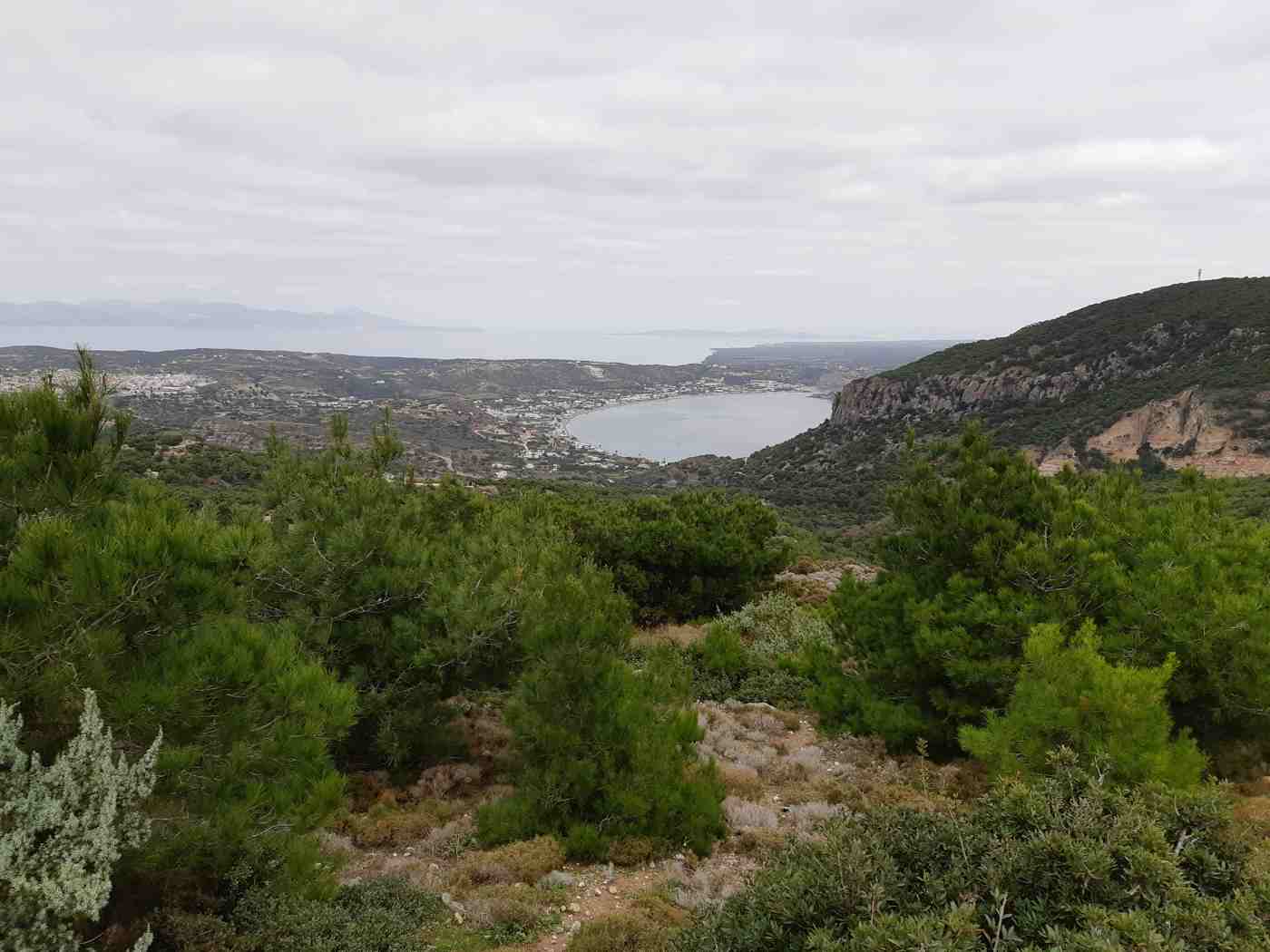
Kos ranks among the most family-friendly islands in Greece, and its flat, cycle-friendly land explains why. The third-largest island in the Dodecanese stretches about 40 kilometres along the eastern Aegean, off the Turkish coast near Bodrum. Its northern shore holds shallow sandy beaches at Tigaki and Marmari, where the sea shelves gently for young children. Short drives connect Kos Town, the Asklepion, mountain village Zia and the water parks, so a day out rarely means a long transfer. Families combine calm swimming, easy cycling and relaxed sightseeing without the steep hills or long distances that tire small children elsewhere. Plan the whole trip with Greece Tours.
This guide covers the parts of Kos that matter most to parents travelling with children. It opens with the reasons the island suits families, then maps the safest shallow beaches on the north coast. It explains cycling with children across the flat town and coast, and walks through Kos Town’s compact, traffic-calmed centre. It closes with boat trips and water parks, from glass-bottom cruises off the harbour to slides near Marmari and Mastichari. Every section keeps distances short and the water calm, matching the gentle rhythm that makes Kos an easy first-island choice for young families.
Why does Kos suit families with young children?
Kos suits families through flat terrain, short drives, shallow sandy beaches and a compact walkable capital. Children cycle safe town paths, paddle in calm north-coast water, and reach the Asklepion, water parks and day boats within about 15 kilometres.
Kos stretches about 40 kilometres long and stays flat along its northern coast, which keeps family travel short and predictable. The island covers around 290 square kilometres, yet most family beaches, sights and resorts sit within 20 kilometres of Kos Town. Parents drive from the capital to Tigaki in about 15 minutes and to Marmari in around 20 minutes. Kos International Airport near Antimachia lies about 25 kilometres from Kos Town, roughly a 30-minute transfer. Families based in Kos Town reach the Asklepion, about 4 kilometres southwest, in around 10 minutes. Short hops mean less time in the car and more time on the sand.
The gentle gradients also let younger children walk, scoot and cycle without steep climbs, so a day out rarely turns into a struggle for tired legs.
Families choose Kos because the island combines calm water with an easy, low-stress rhythm. Kos Town spreads across a flat grid with traffic-calmed streets, marked cycle paths and a small tourist road-train that toddlers enjoy. The harbour promenade runs level for about 2 kilometres, so strollers roll smoothly past the Castle of Nerantzia and the Plane Tree of Hippocrates. Cafes, playgrounds and shaded squares sit close together, which shortens the walk between a snack, a rest and a swim. Parents find pharmacies, supermarkets and clinics within the town centre, rarely more than 1 kilometre apart. Grandparents travelling with the family manage the flat pavements without difficulty.
This concentration of services keeps a family day simple, whether the plan is beach time, a slow cycle or a short cultural stop.
Short distances turn scattered attractions into an easy family circuit across northern Kos. Two water parks sit near Marmari and Mastichari, both within about 25 kilometres of Kos Town along flat coastal roads. The Asklepion, the ancient healing sanctuary of Asclepius, stands about 4 kilometres southwest of the capital, a 10-minute drive. Zia, the mountain village on Mount Dikeos, lies around 15 kilometres inland for a cooler afternoon and wide views. Kefalos bay, in the southwest, sits about 40 kilometres from Kos Town and rewards a longer day trip with organised sandy beaches. The coastal roads stay level, so buses, taxis and rental cars move quickly.
Older children handle these hops well, and younger ones nap through the short transfers. Families rarely spend more than 45 minutes reaching any headline sight on the island.
Calm, shallow water defines the family appeal of the north coast between Tigaki and Marmari. The sea shelves gently for 30 to 50 metres offshore, so young children stand and paddle far from any drop. Behind Tigaki, the Alyki salt lagoon holds shallow pools where flamingos gather in spring and autumn. The gentle entry reassures nervous first-time swimmers. Lifeguard-standard care varies by beach, yet the organised stretches offer sunbeds, umbrellas and nearby tavernas within a short walk. Parents pack less when a beach bar sells water, snacks and shade about 100 metres from the shoreline. The fine sand suits sandcastles and bare feet, and the seabed stays free of sharp rocks.
This mix of shallow water, soft sand and close facilities explains why families return to Kos year after year.
Which shallow beaches on Kos are safest for young children?
Tigaki and Marmari rank as the safest shallow beaches for young children on Kos. Both shelve gently into calm, warm water, back onto soft sand and the Alyki lagoon, and offer sunbeds, tavernas and shade within a short walk.
The north-coast Kos beaches at Tigaki and Marmari lead every family shortlist for shallow, safe swimming. Tigaki runs for about 10 kilometres of pale sand west of Kos Town, roughly 12 kilometres by road. The water there stays knee-deep for 30 to 40 metres, which lets toddlers wade with confidence. Marmari, about 15 kilometres from the capital, offers a similar gentle shelf plus low dunes that block afternoon wind. Both beaches carry organised sections with sunbeds, umbrellas and beach bars spaced about every 200 metres. Parking near both stretches sits within about 150 metres of the shore. Showers, toilets and shaded tavernas sit close to the sand, so a family day needs little planning.
Soft footing and slow-deepening water make these two beaches the reliable starting point for nervous young swimmers.
Families who want detail on the calm shelf can study Tigaki beach before they travel. The lagoon behind it, the Alyki salt pan, adds a second draw for curious children. Flamingos, avocets and other wading birds feed in its shallow water through spring and autumn. A flat track circles part of the lagoon, about 3 kilometres long, which suits a slow family walk or a gentle cycle. The salt pan sits only 200 metres inland from the beach, so a swim and a wildlife stroll pair easily. Early morning brings the calmest water and the best bird activity. Interpretation is informal, yet the open sightlines let children spot birds without binoculars.
This combination of shallow sea and a living lagoon gives Tigaki an edge over plainer sandy strips elsewhere on the coast.
Mastichari, about 25 kilometres west of Kos Town, gives families a third calm option on the north coast. Its main beach runs beside a small fishing harbour, where ferries leave for Kalymnos on a 30-minute crossing. The sand slopes gently, and a breakwater near the port keeps one corner especially still for toddlers. Tavernas line the seafront within 100 metres of the water, serving grilled fish and simple plates children accept. Afternoon breezes draw windsurfers to the open end, so families settle at the sheltered harbour side instead. Shade from tamarisk trees covers part of the upper beach. A children’s play area and level parking sit close to the beach entrance.
Mastichari pairs a working village with easy swimming, which makes it a practical lunch-and-swim stop between the water parks and Kos Town.
The southwest coast adds two more family-friendly options once children handle a longer drive. Kefalos bay, about 40 kilometres from Kos Town, holds organised sandy beaches such as Kamari with sunbeds, umbrellas and beach bars. The water stays shallow across a wide arc, and the islet of Kastri sits offshore near the Agios Stefanos basilica ruins. East of Kos Town, the Therma cove mixes warm spring water with the sea, so children paddle in a naturally heated pool of rocks. Therma lies about 12 kilometres from the capital along a coast road, then a short walk to the shore. The Lido stretch nearby offers calm, sheltered paddling for the youngest visitors.
These southern and eastern spots reward the extra distance with variety beyond the north-coast sand.
How easy is cycling with children on Kos?
Cycling with children on Kos ranks among the easiest in Greece thanks to flat terrain and marked paths. Kos Town alone carries about 15 kilometres of cycle lanes, and level coast roads link Tigaki, Lambi and the salt lagoon.
Bike rental shops cluster across Kos Town, most within 500 metres of the harbour and the main square. Rental fleets include child seats, tag-along trailers and small-frame bikes, so a whole family rides together. The flat grid means beginners practise on quiet, traffic-calmed streets before joining a marked lane. A separated cycle path runs east along the waterfront toward Lambi, about 3 kilometres of level, car-free riding. Helmets come with most rentals, and the gentle gradients keep speeds low and manageable for young riders. Families cover the town core, the harbour and the nearest beaches without touching a steep hill.
A first family ride on Kos rarely ends in tears, and children gain confidence within a single afternoon on the saddle.
A popular family route links Kos Town with Tigaki along quiet inland lanes and coast roads. The ride covers about 12 kilometres one way, flat almost the whole distance, with cafes for breaks. Cyclists pass fields, small chapels and the edge of the Alyki salt lagoon before reaching the beach. Families often split the trip, riding out in the cool morning and returning by mid-afternoon after a long swim. Water, sun hats and snacks matter, because shade thins on the open farmland sections between villages. The lagoon loop adds an easy 3-kilometre extension for children who still have energy. Riders who prefer shorter outings turn back at Lambi or the salt pan, keeping the total under 8 kilometres.
This flexibility lets each family match the ride to the youngest cyclist.
Families who prefer not to pedal every kilometre still explore Kos Town on wheels with ease. A small tourist road-train loops past the Castle of Nerantzia, the ancient agora and the Plane Tree of Hippocrates. The circuit runs about 30 minutes, which suits toddlers and grandparents who tire on longer rides. E-bikes rent alongside standard models, letting parents tow trailers without straining on the return leg. Marked crossings, low speed limits and wide pavements keep the town core calm for mixed cycling and walking. Traffic-calmed zones near the harbour restrict cars, so children ride with a clear line of sight. Bike lanes connect the port, the beach at Lambi and the main shopping streets.
This layered network means a family switches between the road-train, bikes and short walks throughout one relaxed day.
Older children who ride confidently can pedal to the Asklepion, about 4 kilometres southwest of Kos Town. The route climbs gently on a low approach road, an easy warm-up rather than a real hill. At the sanctuary, terraced ruins and wide views reward the effort and hold a child’s attention. Morning rides beat the midday heat, so families start by 9 a.m. and return before lunch. Sunscreen, refilled water bottles and a spare inner tube smooth any longer outing across the island. Bike shops mark family routes on free maps, flagging shade, fountains and safe crossings. The flat coast keeps the whole plan low-risk, and a wrong turn adds only minutes on level ground.
This gentle blend of sport and history turns cycling into a highlight rather than a chore for children.
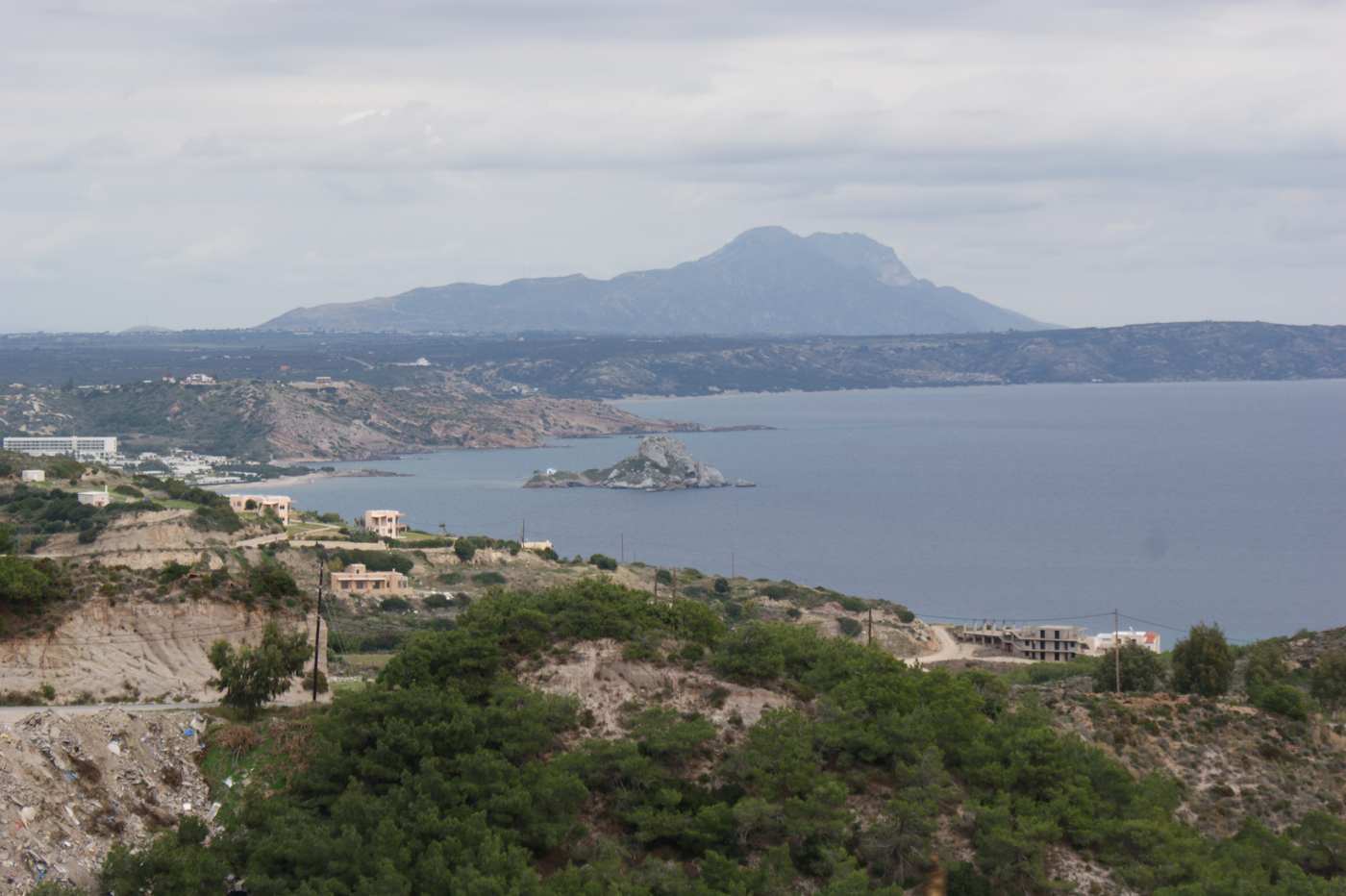
What makes Kos Town enjoyable for families with children?
Kos Town packs walkable sights, playgrounds and traffic-calmed streets into a compact, flat centre. Children reach the Castle of Nerantzia, the Plane Tree of Hippocrates and the ancient agora on foot, then rest at shaded squares and the harbour promenade.
The Castle of Nerantzia guards the harbour entrance and gives children a real castle to explore. Built by the Knights of Saint John, its walls, towers and gateways sit a 5-minute walk from the main square. From the ramparts, families look across the fishing boats and the strait toward the Turkish coast. Beside the causeway stands the Plane Tree of Hippocrates, where tradition says the physician taught in its shade. The tree’s broad canopy spreads over a small square with a fountain and benches for a rest. Entry costs stay modest and lines move quickly. Both sights sit within 300 metres of each other, so little legs manage the loop easily.
This tight cluster of harbour landmarks lets a family cover real history in under an hour before returning to the beach.
The ancient agora spreads across an open archaeological zone in the heart of Kos Town. Children walk among columns, mosaics and low walls on level gravel paths, free to roam without traffic. Nearby, the Casa Romana restores a Roman villa with courtyards and floor mosaics that hold young eyes. The Roman odeon, a small ancient theatre, sits about 1 kilometre south and once seated around 750 spectators. Between these sites, the town scatters playgrounds, ice-cream stalls and shaded benches for regular breaks. The pedestrian streets around the agora keep cars out, so families wander at a child’s pace. Mosaics, half-standing columns and open ground let children picture the ancient city without a guided tour.
This open-air layout turns a history walk into free play with landmarks along the way.
The harbour promenade forms the evening heart of family life in Kos Town. Level for about 2 kilometres, it carries strollers, scooters and slow bikes past moored yachts and fishing caiques. Tavernas and cafes line the waterfront, serving early child-friendly dinners from about 6 p.m. before the adult crowd arrives. Open squares nearby give children space to run while parents finish a meal in view. Day boats and glass-bottom trips tie up along this quay, so families book the next outing on the spot. A small train, souvenir kiosks and ice-cream carts keep the walk lively without feeling rushed. The flat, car-free seafront lets a tired family end the day with a gentle stroll.
This easy evening rhythm makes Kos Town a base rather than a place to rush through.
Kos Town works as a practical family base because services and beaches sit close together. The town beach at Lambi stretches north of the centre, about 2 kilometres of sand reachable by a flat cycle path. Pharmacies, supermarkets and a hospital lie within the grid, rarely more than 1 kilometre from the harbour. Bus stops in the centre link Tigaki, Marmari and the Asklepion, so a family manages without a car. Accommodation ranges from town apartments to nearby resorts, most within 3 kilometres of the port. Children find playgrounds, gelato and shaded squares between the sights, which spreads out the walking.
The compact layout means a lost hour costs little, since the next attraction stands about two streets away. This concentration of comfort keeps a family holiday on Kos calm and manageable.
What boat trips and water parks can families enjoy on Kos?
Glass-bottom and day boats leave Kos Town harbour for calm-water trips, while two water parks near Marmari and Mastichari cool children on hot afternoons. Day boats also reach Nisyros, Kalymnos and Pserimos within about an hour.
Glass-bottom boats leave the Kos Town quay through the day for short, calm cruises along the coast. A typical trip runs about 2 to 3 hours, with viewing windows that show fish and seagrass below. Larger day boats sail to Pserimos, a small island about an hour north, ringed by shallow sandy bays. Most cruises pause for swimming stops in sheltered coves, where children paddle straight off the boat’s ladder. Crews hand out life jackets sized for children, and the enclosed decks keep toddlers safely aboard. Departures cluster in the morning, so families board by 10 a.m. and return in the early afternoon.
This mix of glass-bottom viewing and island swimming turns a boat day into an adventure that keeps young passengers engaged from start to finish.
Two water parks operate on the north coast, one near Marmari and one near Mastichari. Both sit within about 25 kilometres of Kos Town, an easy 25-minute drive along flat roads. Slides, lazy rivers and shallow splash zones serve every age, from toddlers to confident older children. Shaded loungers, snack bars and lifeguards line the pools, so parents relax while children play. The gentle terrain around the parks means level parking and step-free access from the entrance. Families often pair a morning at the beach with an afternoon at the park, since both cluster on the same coast. Free maps from town mark the parks and their bus links for visitors without a car.
This combination of sea and slides fills a full day without a single long transfer.
Day boats from Kos reach three neighbouring islands, each a different kind of family outing. Nisyros, about an hour and a half south by boat from Kardamena, holds a live volcanic caldera children can walk into. Guided trips descend to the steaming Stefanos crater, where the ground hisses and smells of sulphur. Kalymnos, a 30-minute ferry from Mastichari, mixes sponge-diving heritage with sheltered swimming coves. Pserimos, the smallest, sits about an hour from Kos Town and offers one long shallow bay for easy paddling. Crossings stay short, so a full day trip rarely feels too long for younger travellers. Operators run these routes on set morning departures, returning by late afternoon.
This spread of volcano, sponges and quiet sand lets a family sample the Dodecanese without changing hotels.
Booking a family boat day on Kos stays simple, with kiosks lining the town harbour. Prices vary by route and season, so families compare a short glass-bottom cruise against a full island crossing. Morning departures suit young children, since calmer seas and cooler air ease the first hours afloat. Sun hats, water and motion-sickness care matter on the longer runs to Nisyros or Kalymnos. Most boats carry toilets, shaded decks and child-sized life jackets, which removes much of the packing stress. Families check return times before boarding, because the last boats leave the outer islands by late afternoon. Shorter Pserimos and glass-bottom trips fit a half day, leaving time for a beach or a nap.
This flexibility lets parents match each boat outing to the age and stamina of their children.
What can families do on Kos on a rainy day or during the hottest afternoon hours?
Families move indoors or under shade during Kos midday heat, visiting the Casa Romana, the Archaeological Museum in Kos Town, or the Castle of Nerantzia, then returning to Therma cove or a shaded taverna after four in the afternoon.
Kos Town holds three indoor stops within a 600-metre walk of the harbour. The Casa Romana, a restored Roman villa, keeps mosaics of dolphins and panthers under cover, and children follow the marked route through its three courtyards in about 30 minutes. The Archaeological Museum on Eleftherias Square sits two minutes away and shows the Hippocrates statue and mosaic floors. The Castle of Nerantzia, the Knights’ fortress at the harbour mouth, gives shaded ramparts and a steady sea breeze. Families combine two of these sites in one wet morning, then break for cold drinks under the awnings on Akti Koundourioti.
Each site charges a modest entry fee, and pushchairs cross the museum floors easily, though the castle steps suit toddlers carried in a sling rather than pushed.
The two water parks near Marmari and Mastichari give families a full afternoon out of the sun, with shaded loungers, wave pools and children’s splash zones. Both sit within 10 kilometres of Tigaki, so a taxi or bus run takes under 20 minutes from the north beaches. On the hottest afternoons, families reach the Therma warm-water cove, about 12 kilometres east of Kos Town. Where a heated spring meets the sea in a walled pool and toddlers paddle in ankle-deep water. Parents pack a beach umbrella, because natural shade at Therma is thin. The Lido stretch near Kos Town gives another sheltered paddling spot with calm, shallow water.
Cold-drink kiosks and shaded tavernas line both coves, so a two-hour visit works even in peak July heat.
Kos Town’s covered municipal market on Eleftherias Square gives families a dry stop, with stalls of honey, herbs and sponges under one roof. The Plane Tree of Hippocrates stands 200 metres away by the harbour, sheltering the small square where tradition says Hippocrates taught. Its wide canopy shades pushchairs during a light shower. Families then follow the arcaded Italian-era streets around the square, where balconies and colonnades keep prams dry between shops. A short board-game or card session back at the accommodation fills the wettest hour, since Kos rain rarely lasts a full day outside winter.
The harbourfront cafes near the castle serve hot chocolate and toasted sandwiches, giving children a warm break while parents watch the fishing boats return to the northeast quay.
Family days on Kos work best split around the midday heat, which peaks between 1 and 4 in the afternoon in July and August. Parents front-load the morning with a beach or a site visit before 11, then rest indoors or under a taverna awning through the hottest hours. The flat grid of Kos Town makes an early-evening stroll easy once temperatures drop after 6, when the harbour fills with families and the road-train starts its loops. Children swim again at the Lido or a town beach in the softer late-afternoon light, when the water still holds the day’s warmth.
This rhythm keeps toddlers rested and cuts the sunburn risk, and it matches how local families use the long summer evenings along the Kos seafront.
Where do families eat out with young children on Kos?
Families eat along the Kos Town harbour, the Tigaki seafront and the Kardamena promenade, where tavernas serve grilled fish, souvlaki, chips and pasta early in the evening, keep high chairs, and set tables beside open space for restless toddlers.
The harbour tavernas along Akti Koundourioti in Kos Town open from about 6 in the evening and suit families with early appetites. Most serve staples children accept, such as grilled chicken, chips, plain pasta, cheese pies and fresh bread, alongside seafood for adults. Tables spread across the wide pedestrian quay, so pushchairs park beside the family and toddlers watch the yachts without crossing traffic. Waiters bring high chairs and split large plates without fuss, and portions of souvlaki or gyros feed two small children. The 300-metre harbour front puts 20 tavernas within a short walk, so a fussy toddler need not settle the choice.
Families finishing by 8 beat the later local crowd and keep bedtimes close to normal even on a long travel day.
The Tigaki seafront, about 12 kilometres west of Kos Town, lines its shallow-beach promenade with family tavernas that serve from mid-afternoon. Children swim, then eat within 50 metres of the sand, which shortens the wait for tired legs. Kardamena, on the south coast about 27 kilometres from the capital. Runs a long promenade of grill houses and pizzerias where menus print in Greek, English and German and staff expect young diners. Both resorts keep prices moderate and portions large, and kitchens cook a plain pasta or omelette off-menu for toddlers on request. Marmari and Mastichari add quieter seafront tavernas near the north beaches, handy after a water-park afternoon.
Families staying outside Kos Town find that resort promenades cut the drive, since a five-minute walk from the beach reaches dinner before children lose patience.
Kos kitchens plate dishes that young children eat without coaxing. Keftedes, small fried meatballs, and soutzoukakia in tomato sauce pair with rice or chips, while tyropita and spanakopita give a familiar pastry option. Grilled fish comes deboned on request, and calamari rings suit children who like finger food. Yogurt with honey, watermelon and the island’s own tomatoes round out lighter meals. Every harbour and promenade holds ice-cream counters, and a scoop after dinner turns a long walk back into a reward. Bakeries in Kos Town open early and sell koulouri bread rings and cheese pies for about one euro, which cover breakfast or a beach snack.
Families self-catering find the town market and supermarkets near Ippokratous Street stock fruit, yogurt and bread within a 10-minute walk of the harbour.
Dinner on Kos starts later than families often expect, with local diners filling tavernas after 9 in the evening. Arriving between 6.30 and 7.30 gives families quieter rooms, faster service and the pick of tables near the water. Reservations rarely matter at that hour, even in Kardamena or Tigaki during August. Kitchens handle common allergies well, since grilled meat, fish, rice and salad avoid most triggers, though parents name a nut or gluten concern when ordering. The pedestrian harbour in Kos Town lets children move between the table and open space, which stretches the meal without stress. Live music and street performers appear along the seafront after dark, turning dinner into the evening’s main event.
Bringing a small toy or crayons covers the gap before food arrives on the busiest nights.
How do families get around Kos with young children and pushchairs?
Families cross Kos by public bus, the Kos Town road-train, a hired car or bicycle, and the island’s flat terrain and wide seafront paths let pushchairs roll easily between the harbour, Lambi and the salt-pan beaches at Tigaki and Marmari.
Kos runs two bus networks that cover most family destinations. The urban service links Kos Town with Lambi, Psalidi, the Asklepion and Tigaki on short, frequent routes, while the intercity line reaches Kardamena, Kefalos, Mastichari and Zia across the island. A ride from Kos Town to Tigaki covers about 12 kilometres in roughly 25 minutes, and the Asklepion stop sits 4 kilometres southwest of the centre. Fares stay low, and drivers accept folded pushchairs stowed by the doors. Buses fill fastest between 10 and noon as families head to the beach, so travelling before 10 secures seats. Timetables thin out on Sundays and after 8 in the evening.
Families planning a late dinner in a distant resort check return times before setting out from the Kos Town terminal.
The Kos Town road-train loops the harbour, the castle and the seafront on a circuit that lasts about 20 minutes and pleases younger children. It runs from the harbour square through Lambi and past the town beach, giving parents a rest and a low-effort orientation on the first day. A separate tourist train climbs to the Asklepion, 4 kilometres southwest, which spares families the bus and the walk up the terraced ruins. Tickets cost little, and pushchairs fold onto the open carriages. The flat, car-free harbour front makes the boarding point easy to reach with a pram. Families use the road-train as a heat-of-the-day activity, since the moving carriage stays breezy while children sit still.
The circuit also maps the town’s playgrounds and ice-cream stops for later visits.
A hired car gives families the most flexibility for reaching Kefalos bay, Zia and the water parks with a car seat and boot space for beach kit. The island road spine runs about 40 kilometres from Kos Town to Kefalos, a drive of around 50 minutes, with the airport near Antimachia at the midpoint. Car-hire desks cluster at the airport and along the Kos Town waterfront, and most supply child seats when booked ahead. Cycling suits older children on the flat coast, and dedicated lanes run from Kos Town toward Lambi and the Asklepion. A guide to cycling on Kos covers the safest family routes and rental points.
Wide, paved seafront paths in Kos Town, Tigaki and Marmari carry pushchairs without kerbs, so a pram handles the resort strips with ease.
Kos Town rewards families on foot, since the harbour, castle, agora ruins and Plane Tree sit within a 700-metre flat loop. Pushchairs roll over paved promenades and pedestrian streets, though the ancient agora’s uneven stone suits a carrier for the youngest walkers. Taxis wait at the harbour rank and outside the bus terminal, and a metered ride to the Asklepion or Lambi takes under 15 minutes. Distances between the north beaches stay short, so Tigaki, Marmari and Mastichari string along one flat coast road that buses, bikes and cars share without steep climbs. Parents planning a full island loop split the drive with a Zia lunch stop, 15 kilometres from Kos Town.
Which breaks the journey and rests young passengers before the return leg to the harbour.


Which day trips from Kos work well for families?
Families take short day boats from Kos to Nisyros, Kalymnos, Pserimos and Bodrum, since each crossing runs under 90 minutes and lands at a calm harbour, a sandy cove or a volcano crater that keeps children occupied through the day.
Pserimos, a small island between Kos and Kalymnos, gives families the shortest and calmest boat day of the four options. Day boats leave Kos Town and Mastichari and reach the village bay in under an hour, landing on a wide, shallow sandy beach that drops off slowly. The single village holds a row of tavernas along the sand, so lunch, shade and toilets sit within 100 metres of the water. Children paddle safely while parents watch from a beach table, and the island’s flat centre needs no climbing. Boats usually give three to four hours ashore before the return, which fits a toddler’s stamina.
The calm eastern-Aegean water and the short crossing make Pserimos the gentlest first boat trip for families new to island-hopping from Kos.
Nisyros, a round volcanic island south of Kos, runs day boats from Kardamena and Kos Town in about an hour. The trip’s highlight is the Stefanos crater in the Lakki caldera, where families walk onto the flat crater floor and feel the warm, hissing ground and yellow sulphur vents. A short coach links the port at Mandraki to the volcano, so young children skip a long hike. Mandraki town adds a compact waterfront, a monastery built into the cliff, and tavernas serving the island’s chickpea dishes. The crater walk covers gentle, level ground, though the sulphur smell surprises young children, so parents explain it in advance.
Nisyros suits families with children over five who enjoy the novelty of standing inside a live volcano only 18 nautical miles from Kos.
Kalymnos, the sponge-diving island north of Kos, sits 12 nautical miles away and draws families with its working harbour at Pothia. Boats from Mastichari cross in about 30 minutes, landing beside a waterfront of ship chandlers, sponge stalls and tavernas that show children a real Greek port at work. Families ride a local bus or taxi to the sandy coves at Myrties and Massouri, which face the islet of Telendos across a narrow strait. Bodrum, on the Turkish mainland opposite Kos, needs passports and a longer catamaran crossing of about an hour, so it suits families with school-age children rather than toddlers. Its castle and covered bazaar fill a half-day ashore.
Both trips return the same evening, and staff at the Kos Town port agencies confirm passport rules for the Turkey day before boarding.
Land-based day trips keep families on Kos when a boat day feels long. The Asklepion, 4 kilometres southwest of Kos Town. Spreads over three terraces linked by stone steps. Children climb between the levels while parents read the story of Hippocrates and ancient healing. Zia village, 15 kilometres from the capital on the slopes of Mount Dikeos, offers craft shops, a short nature trail and sunset views over the strait toward Kalymnos. Kefalos bay, 40 kilometres southwest, combines the organised sands of Kamari with the basilica ruins and the Kastri islet off Agios Stefanos beach. Each land trip runs on the intercity bus or a hired car, so families skip the harbour and ferry schedule.
A picnic of bakery pies and island fruit turns any of these into a full, low-cost family day.
How do families plan and pack for a trip to Kos with children?
Families plan a Kos trip around the flat north coast, book a base near Tigaki, Lambi or Kos Town, and pack high-factor sun cream, water shoes, a lightweight pushchair and shade, since the island’s beaches and sites give little natural.
Kos suits family travel from late spring through early autumn, when the sea warms and the meltemi wind eases the summer heat. July and August bring the hottest days, with beach mornings and shaded afternoons the workable pattern, while May, June and September give softer sun for toddlers. Choosing a base shapes the whole trip, and a guide to where to stay in Kos compares Kos Town, Tigaki, Lambi, Kardamena and Kefalos for beaches, tavernas and travel time. Families with young children favour the flat north coast, where Tigaki and Marmari pair shallow water with short walks to food.
Kos Town itself keeps sights, buses and the harbour within a pram-friendly grid, which suits families who split beach days with easy town mornings and a road-train ride.
Packing for Kos centres on sun protection, since the island averages long, clear summer days and thin natural shade on most beaches. Parents pack high-factor cream, wide-brim hats, UV swim tops and a beach umbrella or pop-up tent, because Tigaki, Marmari and Kefalos offer open sand rather than tree cover. Water shoes help on the pebblier stretches at Therma and parts of Kefalos bay, and they guard small feet against sea urchins on rocky edges. A refillable water bottle for each child matters in the midday heat, with fountains and kiosks spread along the resort seafronts.
A lightweight, folding pushchair handles the flat promenades and stows on buses and day boats, while a soft carrier covers the Asklepion terraces and the agora’s uneven stone in Kos Town.
Kos handles family health needs well for an island of its size, with pharmacies across Kos Town and the main resorts and a general hospital in the capital. Pharmacies stock children’s paracetamol, rehydration salts and after-sun, and staff often speak English. Parents carry a small kit of plasters, antihistamine and motion-sickness remedy for the day boats to Nisyros and Kalymnos. Tap water in Kos Town runs safe for washing and teeth, though families often drink bottled water, sold cheaply everywhere. Beaches at Tigaki, Marmari and Kamari post flags and keep shallow entries, and organised stretches in Kefalos bay add loungers and easier supervision.
The midday sun poses the main risk, so the front-loaded morning routine and steady shade cover keep young children comfortable through a Kos summer day.
Kos International Airport near Antimachia sits about 24 kilometres from Kos Town and 6 kilometres from Kardamena, so pre-booked transfers or a hired car shorten the arrival day. Families landing late reach a north-coast base within 30 minutes, which puts children into bed sooner. Self-catering apartments near Tigaki or Lambi cut restaurant costs, since the Kos Town market and supermarkets stock fruit, yogurt, bread and pasta within a short walk. A loose daily rhythm of a beach morning, a shaded lunch, a rest and an evening stroll fits the summer heat and young energy levels. Two beach days between each site or boat trip keeps the pace calm across a week.
Kos rewards families who stay flat, stay north and let the harbour, the beaches and the road-train set an easy tempo.
Frequently Asked Questions
Is Kos a good island for a family holiday?
Kos ranks among the easiest Greek islands for families, thanks to its flat terrain, shallow north-coast beaches and compact, walkable capital. The island stretches about 40 kilometres end to end, yet the main family beaches at Tigaki, Marmari and Mastichari line one level coast road served by frequent buses. Kos Town packs the castle, the harbour, the Plane Tree of Hippocrates and the ancient agora into a 700-metre grid that pushchairs cross without hills. Shallow, calm water at Tigaki and the Therma warm-water cove suits toddlers, while water parks near Marmari and Mastichari fill hotter afternoons.
Tavernas along the harbour and resort seafronts serve child-friendly food from early evening, and pharmacies plus a hospital in the capital cover health needs. Short day boats to Pserimos and Nisyros add gentle adventures without long crossings. The flat layout, the short distances and the mix of beaches, sites and easy food make Kos a low-stress base for children of every age.
Which Kos beaches are best for young children?
The north-coast beaches at Tigaki and Marmari rank first for young children, since both slope gently into shallow, calm water backed by a salt-pan lagoon. Tigaki, about 12 kilometres west of Kos Town, keeps a long sandy strip with sunbeds, tavernas and easy parking within 50 metres of the sea. Marmari adds low dunes and the same shallow entry, plus a water park close by. The Lido stretch near Kos Town gives a sheltered paddling spot minutes from the harbour. The Therma cove. 12 kilometres east, warms a walled seawater pool with a natural hot spring.
Kefalos bay in the southwest holds organised sands at Kamari and Agios Stefanos, though its open water runs a little livelier when the meltemi blows. Mastichari on the north coast pairs a shallow family beach with the Kalymnos ferry quay. Families judging beaches by calm water and short walks to shade and food start first with Tigaki and Marmari.
Are there water parks on Kos for children?
Kos runs water parks near Marmari and Mastichari on the north coast, giving families a full afternoon of slides, wave pools and children’s splash zones under shade. Both sit within about 10 kilometres of Tigaki, so a short bus or taxi ride reaches them from the main family beaches in under 20 minutes. The parks post separate toddler areas with shallow pools and gentle slides, alongside taller rides for older children and adults. Shaded loungers, snack bars and lifeguards make them a practical choice on the hottest July and August afternoons, when open beaches turn fierce at midday.
Families reach them by hired car or the intercity bus, and on-site parking eases the arrival with beach kit and pushchairs. A half-day visit, arriving after the late-morning heat builds, suits most children better than a full day in the sun. The water parks pair well with a north-coast base at Tigaki, Marmari or Mastichari, where the drive stays short.
How do families get from Kos airport to their resort?
Kos International Airport near Antimachia sits in the centre of the island, about 24 kilometres from Kos Town and 6 kilometres from Kardamena, so most transfers stay short. Families reach a north-coast base at Tigaki or Lambi within 30 to 40 minutes by pre-booked transfer, taxi or hired car, and Kardamena within 15 minutes. Car-hire desks operate at the airport, which suits families planning beach-hopping and day trips to Zia, Kefalos or the water parks. Taxis wait outside arrivals, though a booked transfer with a child seat removes the queue after a late flight. The public bus links the airport with Kos Town and Kardamena, but luggage and pushchairs make it awkward with tired children.
A hired car with a fitted child seat gives the smoothest arrival, since it carries beach kit straight to the door. Families landing after dark reach the north coast quickly, which puts children into bed within an hour of touchdown after a long travel day.
What do families pack for Kos?
Families packing for Kos prioritise sun protection, since the island averages long, clear summer days and most beaches offer thin natural shade. High-factor cream, wide-brim hats, UV swim tops and a beach umbrella or pop-up tent handle the open sand at Tigaki, Marmari and Kefalos. Water shoes protect small feet on the pebblier parts of Therma and Kefalos bay and guard against sea urchins on rocky edges. A lightweight, folding pushchair rolls along the flat promenades and stows on buses and day boats, while a soft carrier covers the Asklepion terraces and the agora’s uneven stone. Each child benefits from a refillable water bottle for the midday heat, topped up at seafront kiosks and fountains.
A small medical kit with plasters, antihistamine, children’s paracetamol and a motion-sickness remedy covers the boat trips to Nisyros and Kalymnos. Light layers for breezy evenings and swim nappies for toddlers finish a practical Kos packing list for a summer family trip.
Can you visit Kos with a pushchair?
Kos handles pushchairs better than most Greek islands, because Kos Town and the north-coast resorts run flat, paved promenades and low kerbs. The harbour front, the seafront at Lambi and the resort strips at Tigaki, Marmari and Kardamena all carry a pram on smooth ground. Kos Town’s grid keeps the castle, the harbour and the Plane Tree within a 700-metre level loop, so families cover the sights without hills. A folding pushchair stows easily on the urban buses, the road-train and the day boats to Pserimos and Nisyros. Two spots call for a carrier instead: the ancient agora’s uneven stone in Kos Town and the terraced steps of the Asklepion, 4 kilometres southwest.
Beaches at Tigaki and Marmari sit right beside parking and paved paths, which shortens the push across sand. Families relying on a pushchair find Kos one of the easier islands, provided they pack a light, folding model rather than a heavy travel system.
How long do families need on Kos?
Families need about seven days on Kos to combine beach time with the island’s sites and one or two day trips at a relaxed pace. A week allows three or four beach mornings at Tigaki, Marmari and Kefalos, a Kos Town day for the castle, harbour and Plane Tree, and a visit to the Asklepion. It also leaves room for a water-park afternoon and a gentle boat trip to Pserimos or Nisyros. Families with younger children slow the plan further, keeping two beach days between each outing to match toddler energy. A shorter stay of four or five days still covers the north-coast beaches, Kos Town and one day trip, though it trims the boat excursions.
Ten days suit families who add Zia, Kefalos bay and a second island crossing to Kalymnos or Bodrum. The flat layout and short distances let a Kos week stay calm, with beach mornings, shaded afternoons and easy evening strolls.