
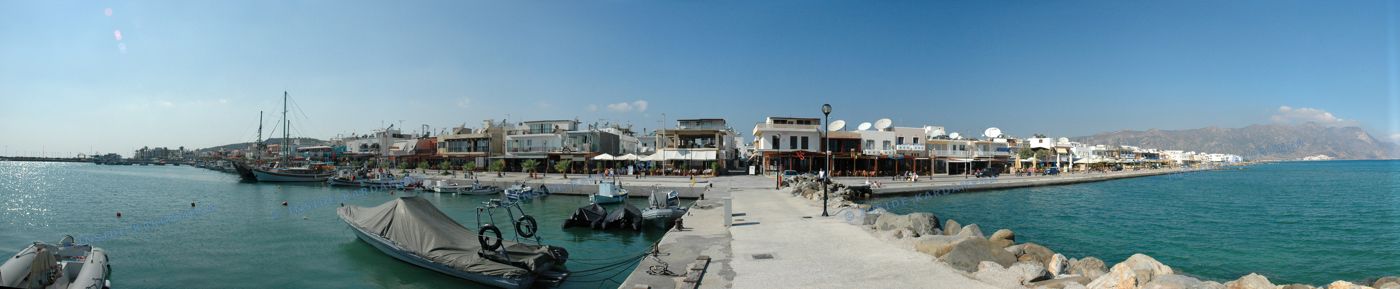
Kos delivers the most energetic nightlife in the Dodecanese, with Kos Town’s Bar Street district and Kardamena’s beachfront strip drawing thousands of revellers each summer. The lanes around Diakon and Nafklirou streets near the harbour transform into a maze of cocktail bars, music venues and dance clubs that operate until dawn throughout July and August. Kardamena on the south coast caters to a younger international crowd with its own concentration of late-night venues, while Tigaki, Marmari and Kefalos maintain a quieter rhythm of beach bars and waterfront tavernas. The island’s flat terrain and compact distances make bar-hopping straightforward, and the warm Aegean evenings encourage outdoor seating that spills across pedestrian zones and harbour promenades. Plan the whole trip with Greece Tours.
The nightlife calendar follows a clear seasonal pattern, building from May through peak intensity in midsummer and tapering in September as the charter flights thin out. Sunset drinks along the Kos Town marina and Lambi beach bars mark the transition from daytime to evening, with families and couples claiming tables before the later party crowd arrives. Beach clubs extend their daytime energy into twilight hours, offering DJ sets and cocktails against the backdrop of the eastern Aegean. Live music appears in forms across the island, from traditional Greek nights in village tavernas to rock and pop cover bands in resort bars.
The diversity of venues means every visitor finds a comfortable niche, whether that means dancing until sunrise or sipping wine while watching fishing boats return to harbour.
Where does the main nightlife action happen in Kos Town?
The Bar Street area around Diakon and Nafklirou streets forms the epicentre of Kos Town nightlife, with over thirty bars and clubs packed into a pedestrianised zone near the ancient agora and harbour.
The network of narrow lanes between the harbour and the central market district creates a natural funnel for evening crowds. With music spilling from doorways and outdoor terraces lining both sides of the streets. Cocktail bars dominate the early evening, serving classic mixes and local twists on international recipes to crowds that arrive fresh from beach showers and hotel changes. The concentration of venues within a two-hundred-metre radius means visitors sample atmospheres in a single night, moving from quiet conversation spots to high-energy dance floors without needing transport. Neon signs and chalkboard menus compete for attention, while promoters hand out flyers and offer welcome shots to passing groups.
Music policy varies widely across the district, with bars specialising in chart hits and dance remixes while others focus on rock, hip-hop or electronic genres. Sound systems range from modest setups to professional club-grade installations that shake the medieval stonework, and outdoor speakers broadcast playlists into the pedestrian zones. The mix of nationalities creates a cosmopolitan atmosphere, with British, German, Scandinavian and Italian visitors mingling alongside Greek locals and seasonal workers from across Europe. Dress codes remain casual, with beachwear acceptable in most venues though smarter outfits appear as the night progresses and clubbers move toward the dedicated dance spaces.
The proximity to ancient ruins adds an unusual dimension to the party geography, with Roman columns and Byzantine walls forming backdrops to modern revelry. Kos Town planners have preserved sightlines to historical monuments even as the bar district expanded, creating juxtapositions of floodlit archaeology and strobing club lights. The harbour castle of Nerantzia rises just two blocks from the loudest venues, its medieval stones indifferent to the bass frequencies that pulse through summer nights. This blend of ancient and contemporary defines the Kos nightlife experience, where revellers pause between bars to photograph moonlit temple fragments before rejoining the queue for the next cocktail.
Security presence increases during peak weeks, with both uniformed police and private venue staff maintaining order in the crowded lanes. The compact layout makes the area easy to navigate even after drinks, and the pedestrian-only zones eliminate traffic hazards. Taxi ranks and bus stops sit within five minutes’ walk of any Bar Street venue, ensuring safe transport back to hotels in outlying resorts. The district empties gradually after closing time. With late-night gyros stands and bakeries serving the final wave of clubbers before dawn breaks over the eastern Aegean and the street cleaners begin their rounds.
What kind of nightlife does Kardamena offer compared to Kos Town?
Kardamena operates as the island’s second nightlife hub, attracting a predominantly young international crowd to its beachfront strip of bars and clubs that rival Kos Town in volume and intensity.
The demographic skews younger in Kardamena than in the capital, with package holiday groups in their twenties forming the core clientele for most venues. British and Irish visitors dominate the summer crowds, and bars tailor their music, drinks menus and promotional events to these markets. Sports screenings occupy early evening hours, with football matches and rugby games drawing crowds before the dance music starts. The atmosphere leans toward high-energy party culture, with drinking games, karaoke competitions and themed nights common throughout July and August. Promotional offers proliferate, with happy hours, two-for-one deals and free shots used to pull customers from the beach into the bars.
Kardamena venues open directly onto the main coastal road, with terraces and beer gardens facing the harbour where ferries depart for Nisyros. The linear layout means bar-hopping involves a simple walk along the waterfront, passing dozens of options in quick succession. Music volume rises as evening progresses, with neighbouring venues competing for attention through sheer decibel output. Dance floors fill after midnight, when the beach bars close and the dedicated clubs take over. The scene peaks between one and three in the morning, when the entire strip pulses with overlapping soundtracks and crowds spill across the road between venues.
The resort’s party reputation attracts visitors specifically seeking intense nightlife, creating a self-reinforcing cycle where venues cater to expectations of excess and spectacle. Foam parties, UV paint nights and beach bonfires appear regularly on event calendars, promoted through social media and hotel rep networks. The smaller permanent population compared to Kos Town means the nightlife ecosystem exists almost entirely for tourists, with few local Greeks visible in the late-night crowds. This creates an enclave atmosphere, a temporary party city that assembles each summer and largely dismantles in autumn when the charter flights cease.
Transport back to hotels in Kardamena itself involves short walks, but visitors staying in Kos Town or northern resorts face a thirty-minute taxi ride. The distance from the capital means the two nightlife centres operate independently, with most visitors choosing one base for the evening rather than attempting to combine both. The ferry port location makes Kardamena convenient for day-trippers from Nisyros who time their return boats to sample hours of the bar scene. The beachfront setting provides a different aesthetic from Kos Town’s historic lanes, with palm trees and marina lights replacing ancient stones and castle ramparts.
Which beach bars in Kos stay active into the evening?
Beach bars along Tigaki, Marmari, Lambi and Paradise Beach extend their operating hours into twilight and early evening, transitioning from daytime sunbed service to cocktail-focused evening sessions with DJ sets and live music.
Tigaki’s northern beach hosts several established beach bars that serve drinks from mid-morning through sunset, with some continuing until ten or eleven at night during high season. The wide sandy shore provides space for venues to operate without crowding, each claiming a section of beachfront with sunbeds, umbrellas and bar pavilions. Music remains at conversation-friendly volumes during daylight hours, then increases as the sun drops toward the horizon and the daytime families depart. Cocktail menus expand in the evening, with bartenders preparing more elaborate mixes than the simple beer and wine that dominates lunchtime service. The atmosphere stays casual, with bare feet and swimwear acceptable even after dark.
Lambi beach immediately north of Kos Town attracts a mixed crowd to its string of beach bars. Which benefit from proximity to the capital’s hotel zone and easy walking access from the harbour. The pebble beach creates a different aesthetic from the sandy southern shores, and the bars compensate with extensive wooden decking and cushioned seating areas. Sunset views face northwest across the channel toward the Turkish coast, with the lights of Bodrum visible on clear evenings. Kos beaches along this northern stretch see steady traffic until late evening, as couples and small groups migrate from town restaurants to beachfront lounges for final drinks before heading to the clubs.
Paradise Beach and the neighbouring coves in Kefalos Bay on the southwest coast host beach bars that emphasise natural beauty and relative tranquillity over party intensity. The volcanic rock formations and clear water create dramatic settings, and the bars incorporate driftwood, stone and natural materials into their design. Music leans toward chill-out and lounge genres, with occasional live acoustic sets replacing the electronic dance tracks common in Kos Town. The distance from the main population centres means these venues draw primarily from nearby hotels and villa rentals, plus day-trippers who time their beach visits to catch sunset. The scene winds down earlier than in the resort centres, with most bars closing by midnight.
Marmari beach bars serve the package holiday hotels that line the northern coast, offering familiar international drinks and recognisable music to guests who prefer not to venture into Kos Town. The shallow water and gentle waves make this stretch popular with families, and the bars reflect that demographic with earlier closing times and less aggressive volume levels. Some venues host themed evenings with barbecues and traditional Greek music, providing cultural flavour within a comfortable resort framework. The salt-pan lagoon behind the beach adds ecological interest, with flamingos occasionally visible in the wetlands as bar patrons sip sundowners on the shore.
What live music options exist across Kos nightlife venues?
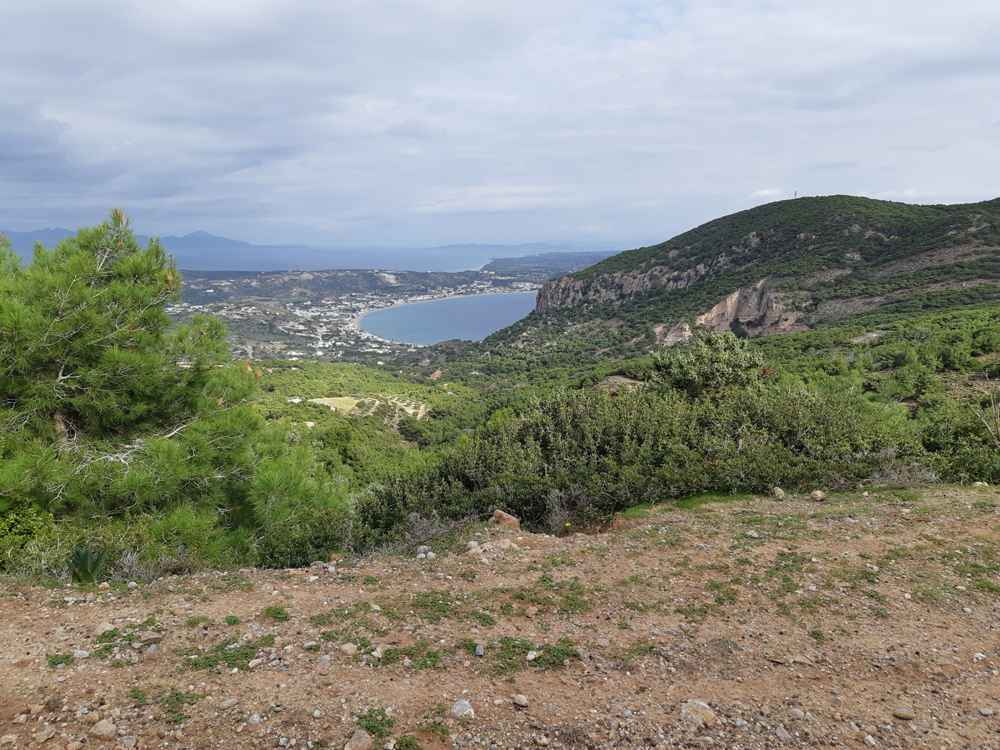
Live music appears in three main forms across Kos nightlife: traditional Greek evenings with bouzouki and folk instruments in tavernas, rock and pop cover bands in resort bars, and occasional DJ-plus-musician collaborations in beach clubs.
Traditional Greek music nights occur most frequently in village tavernas around Zia, Pyli and the inland settlements, where local musicians perform regional songs and dances for both tourists and residents. These events typically begin around nine in the evening, following dinner service, and continue for two or three hours. Instruments include bouzouki, clarinet, violin and percussion, with singers delivering both well-known standards and regional specialties. Audience participation increases as the evening progresses, with plate-smashing, circle dancing and improvised vocals encouraged. The atmosphere differs markedly from the electronic dance clubs, offering cultural immersion alongside entertainment.
Cover bands dominate the live music scene in Kos Town and Kardamena, with groups performing recognisable hits from British and American rock, pop and dance catalogues. These acts typically set up in larger bars and hotel entertainment venues, playing two or three sets between nine at night and one in the morning. The musicians often come from across Europe, working seasonal contracts that run from May through September. Repertoires focus on crowd-pleasers and singalong anthems, with minimal original material. Sound quality varies considerably, from professional multi-instrument setups to basic guitar-and-vocals duos, and venues advertise their live nights through posters, social media and hotel information boards.
Beach clubs occasionally blend live percussion, saxophone or guitar with DJ sets, creating hybrid performances that add organic elements to electronic tracks. These collaborations appear most often during special events and themed nights, when venues invest in enhanced production to differentiate themselves from standard club offerings. The live musicians improvise over backing tracks, adding solos and rhythmic variations that respond to crowd energy. Things to do in Kos after dark expand significantly when visitors seek out these hybrid performances, which offer novelty within the familiar framework of beach-bar clubbing.
Jazz and blues appear sporadically in quieter bars around the Kos Town marina, where small ensembles play to seated audiences in intimate settings. These venues attract an older demographic and couples seeking conversation-friendly environments, with music serving as sophisticated background rather than dancefloor fuel. The performers include both visiting musicians and expatriate residents who maintain regular slots throughout the season. Acoustic sets in wine bars and cocktail lounges provide another live option, with singer-songwriters delivering mellow originals and covers to early-evening crowds. The diversity of live offerings means visitors can find performances matching almost any taste, though the club and DJ scene remains the dominant force in Kos nightlife.
How does Kos nightlife cater to families and early-evening visitors?
Family-friendly evening entertainment concentrates in the hours between sunset and ten at night, when waterfront promenades, harbour-side restaurants and hotel entertainment programmes offer activities suitable for all ages.
The Kos Town marina becomes a natural gathering point for families as daylight fades, with the pedestrian walkway offering views of moored yachts, the harbour castle and the Turkish coastline. Ice cream parlours, creperies and gelato shops line the waterfront, drawing children with elaborate sundaes and novelty flavours. Street performers appear intermittently, offering magic shows, balloon animals and caricature drawings that entertain younger visitors. The harbour’s historic plane tree and surrounding cafes provide seating for parents while children explore the open spaces around the ancient agora ruins. This early-evening window allows families to experience the social energy of Kos nightlife without exposure to alcohol-focused venues and late-night intensity.
Tavernas across all resorts schedule their service to accommodate family dining, with most kitchens open from seven until eleven and outdoor seating arranged to welcome children. Traditional Greek restaurants often provide simple entertainment during dinner hours, with background music, occasional plate-smashing demonstrations and friendly staff who engage with young diners. The relaxed Mediterranean approach to children in restaurants means families occupy tables for extended periods, with courses and leisurely pacing. Playgrounds and small parks adjacent to tavernas give children space to burn energy between courses, while parents enjoy wine and conversation within sight of the play equipment.
Hotel animation teams run evening programmes specifically designed for family audiences, with talent shows, quiz nights, dance competitions and outdoor cinema screenings scheduled to finish before the adult-oriented entertainment begins. These events take place in hotel gardens, poolside amphitheatres and dedicated entertainment venues, creating self-contained evening options for guests who prefer not to venture into town. The programmes employ multilingual staff who deliver content in English, German and other languages to match the guest demographics. Children’s discos with age-appropriate music and supervised activities occupy the early evening slot, followed by adult shows and live music after younger guests head to bed.
Kefalos, Mastichari and the quieter northern villages maintain a naturally family-friendly evening atmosphere, with limited late-night venues and a focus on taverna dining and gentle seaside strolls. The absence of intense nightlife infrastructure in these settlements creates spaces where families dominate the evening scene rather than forming a minority among party-focused crowds. Village squares host occasional festivals and cultural events during summer, with traditional music, local food stalls and community celebrations that welcome all ages. These alternatives to the Bar Street experience demonstrate the range of evening options across the island, allowing families to engage with Kos nightlife on their own terms.
Where are the best sunset viewing spots for evening drinks in Kos?
Zia village on the slopes of Mount Dikeos claims the island’s most celebrated sunset views, with tavernas and cafes positioned to overlook the western coastline and the Aegean horizon.
Zia sits at about three hundred metres elevation on the northern flank of Mount Dikeos, the island’s highest peak at eight hundred forty-six metres. The village’s western orientation provides unobstructed views across the coastal plain to the sea, with the sun setting directly into the Aegean during summer months. Tavernas line the main pedestrian street, each claiming terrace space with sunset vistas, and visitors arrive in large numbers during the hour before dusk. The cooler mountain air provides relief from coastal heat, and the traditional stone architecture creates an atmospheric setting distinct from beachfront bars.
Tour buses and rental cars fill the village parking areas each evening, and the tavernas serve drinks and mezze platters timed to the solar schedule.
The commercial nature of Zia’s sunset industry means crowds can overwhelm the village’s narrow lanes during peak season, with every viewpoint table claimed well before the sun approaches the horizon. Prices reflect the captive audience, with drinks and food costing more than equivalent offerings in coastal resorts. The spectacle itself delivers on its reputation when weather cooperates, with the sun descending through layers of atmospheric colour and silhouetting the offshore islands. Photographers cluster at designated viewpoints, and the collective experience creates a shared moment among the assembled visitors. The village empties rapidly after sunset, as the tour groups depart and the tavernas shift focus to dinner service for the smaller number of guests who remain.
Kos Town’s marina offers a more relaxed sunset experience, with dozens of bars and cafes spread along the waterfront providing ample seating without the concentration and competition of Zia. The western views face across the harbour toward the open sea, with fishing boats and yachts adding foreground interest to the colour display. Kos residents join tourists for evening drinks along this stretch, creating a more authentic local atmosphere than the purely tourist-focused mountain village. The flat coastal perspective differs from Zia’s elevated vantage, offering intimacy with the water rather than panoramic sweep. Prices remain moderate, and the abundance of venues means finding a seat rarely requires advance planning.
Kefalos village and the clifftop areas around Agios Stefanos beach provide dramatic sunset settings on the island’s southwestern peninsula, where the coastline curves and the volcanic landscape creates varied topography. Beach bars at Paradise and Camel beaches face west, allowing patrons to watch the sun sink toward the horizon while seated on sand or wooden decking. The relative remoteness of this area compared to Kos Town means smaller crowds and a quieter ambiance, appealing to visitors who prioritise tranquillity over social energy. The ancient basilica ruins at Agios Stefanos add historical texture to the natural beauty. The small Kastri islet offshore provides a photogenic focal point as the light shifts through its evening spectrum.
How does the seasonal rhythm affect nightlife intensity in Kos?
Kos nightlife follows a pronounced seasonal curve, building from quiet May openings through explosive July and August peaks before tapering in September and largely closing in October.
May marks the beginning of the nightlife season, with bars and clubs reopening after winter closures and testing their operations with the first wave of early-season tourists. Staffing levels remain modest, with core teams handling the limited crowds, and opening hours often finish earlier than the all-night schedules that arrive in midsummer. Venues use these weeks to refine their concepts, train new employees and build momentum through social media promotion and word-of-mouth recommendations. The atmosphere feels exploratory, with both operators and visitors adjusting to the new season and the weather still variable enough to affect outdoor seating plans. Prices sometimes offer better value during this period, as venues compete for the smaller pool of customers.
June brings increasing intensity as school holidays begin across northern Europe and family bookings surge alongside the continuing flow of couples and independent travellers. Bar Street in Kos Town sees its lanes fill to capacity on weekend nights, and Kardamena’s waterfront strip activates fully. Venues extend their hours, with closing times pushing past three in the morning and clubs operating until dawn. Promotional activity increases, with flyer distribution, beach promoters and hotel partnerships driving traffic to specific venues. The warm weather stabilises, making outdoor terraces and beach bars reliably pleasant, and the sea temperature rises enough to make late-night beach visits comfortable. Live music bookings increase, and special events begin appearing on venue calendars.
July and August represent the absolute peak, when the island’s visitor population swells to its maximum and nightlife venues operate at full capacity seven nights each week. Every bar stool, terrace table and dancefloor space finds occupants, and queues form outside popular clubs. Staffing reaches seasonal highs, with bartenders, security personnel, DJs and promotional teams working intensive schedules to serve the crowds. The heat intensifies the party atmosphere, with high temperatures persisting well past midnight and encouraging extended outdoor socialising. Noise levels peak, both from venue sound systems and from the crowds themselves, creating an immersive wall of music and conversation that defines the summer experience.
Prices reach their seasonal maximum, reflecting the high demand and the venues’ maximise revenue during their brief operating window.
September initiates the wind-down, with British schools returning in early weeks and German and Scandinavian holidays ending mid-month. Crowds thin noticeably, and venues begin reducing their hours and cutting staff. The atmosphere shifts from frenetic to relaxed, with more space on dancefloors and shorter waits at bars. Prices sometimes drop as venues offer late-season promotions to maintain traffic. By early October, most nightlife operations close entirely. With only a handful of year-round establishments in Kos Town continuing to serve the small off-season population of residents and the trickle of autumn visitors. The seasonal shutdown transforms the nightlife districts, with shuttered venues and quiet lanes replacing the summer chaos until the cycle begins again the following spring.
What practical considerations affect enjoying Kos nightlife safely?
Safe enjoyment of Kos nightlife requires attention to hydration in the summer heat, awareness of drink security, reliable transport arrangements back to accommodation, and understanding of local laws regarding public behaviour.
The combination of alcohol consumption and high temperatures creates dehydration risks that intensify as nights progress and venues grow crowded. Bars rarely provide free water, and purchasing bottled water between alcoholic drinks adds cost but prevents the headaches, dizziness and nausea that dehydration causes. The outdoor terraces and packed dancefloors generate additional heat, raising body temperature and accelerating fluid loss. Visitors accustomed to cooler northern European climates underestimate the cumulative effect of Mediterranean summer heat combined with hours of drinking and dancing. Alternating alcoholic drinks with water, eating food throughout the evening and taking breaks in cooler areas all help maintain physical wellbeing and extend the ability to enjoy the night without illness.
Drink security requires the same vigilance in Kos as in any international nightlife destination, with visitors advised never to leave drinks unattended and to watch bartenders prepare their orders. The transient nature of seasonal staff populations and the volume of tourists create opportunities for opportunistic crime, though serious incidents remain relatively rare. Staying within groups, keeping track of friends and establishing meeting points if separated all contribute to collective safety. Mobile phone batteries deserve attention, as a charged phone provides both navigation assistance and emergency contact capability. Portable chargers or conserving battery by limiting photography and social media posting ensures communication remains possible throughout the night.
Transport planning prevents the dangerous combination of alcohol and vehicle operation, with taxi services, designated drivers and walking routes all requiring consideration before the evening begins. Kos Town’s compact centre allows walking between most nightlife venues and nearby hotels, but visitors staying in Tigaki, Kardamena or other outlying resorts need reliable taxi arrangements. Pre-booking return transport or confirming taxi availability before leaving accommodation avoids the stress of searching for rides at three in the morning when services become scarce. The island’s flat terrain makes cycling popular during daytime, but operating bicycles after drinking carries both legal and safety risks. Bus services cease in early evening, eliminating public transport as a late-night option.
Greek law prohibits public intoxication and disorderly behaviour, and police presence increases in nightlife areas during peak season to enforce standards. Excessive noise, fighting, property damage and urinating in public streets all risk fines or arrest, and the holiday atmosphere does not exempt visitors from legal consequences. Most venues employ security staff who remove troublesome patrons, and cooperation with these personnel prevents escalation. Travel insurance coverage deserves verification before departure, ensuring medical treatment and potential legal assistance remain available if problems arise. The overwhelming majority of Kos nightlife experiences conclude without incident. Awareness of risks and sensible precautions allow visitors to enjoy the island’s vibrant evening scene while minimising potential negative outcomes.


What alternatives exist for visitors who want evening activity without intense clubbing in Kos?
Kos offers numerous evening alternatives to the high-energy club scene, including quiet harbour-side dining, cultural performances, moonlit beach walks, stargazing from elevated viewpoints and wine-focused bars that prioritise conversation over dancing.
The waterfront tavernas in smaller villages like Mastichari, Kefalos and Pyli provide authentic Greek dining experiences where the focus remains on food, wine and relaxed conversation rather than entertainment spectacle. These establishments serve traditional dishes prepared by local cooks, often family recipes passed through generations, and the pace of service encourages extended meals that occupy entire evenings. Outdoor seating under vine-covered pergolas or beside the lapping waves creates romantic and peaceful settings, with background music kept low enough to permit easy conversation. The clientele includes Greek families and couples seeking quality cuisine, creating an atmosphere distinct from the tourist-focused party venues.
Meals stretch across courses, from mezze starters through grilled fish or meat mains to dessert and digestifs, with the entire experience unfolding over three or four hours.
Wine bars and cocktail lounges in Kos Town cater to visitors seeking sophisticated drinks in calmer environments than the pulsing clubs provide. These venues emphasise quality over quantity, with carefully curated wine lists featuring Greek labels from Santorini, Crete and mainland regions, plus international selections. Knowledgeable staff guide customers through tastings and pairings, and the seating arrangements favour small groups and couples rather than large parties. Decor tends toward understated elegance, with mood lighting, comfortable furniture and acoustic design that dampens noise and permits conversation. The crowd skews older than the Bar Street demographic, with professionals, couples and wine enthusiasts forming the core clientele.
These establishments often occupy historic buildings or quieter side streets away from the main nightlife corridors.
Evening walks along the island’s beaches and coastal paths provide free, peaceful alternatives to commercial nightlife, with the moonlit Aegean and star-filled sky creating natural entertainment. The promenade from Kos Town to Lambi extends for kilometres, offering flat, well-lit walking with benches and viewpoints along the route. Couples and families stroll these paths throughout the evening, enjoying the sea breeze and the lights of anchored boats. The beaches themselves remain accessible after dark, and the sound of waves provides a meditative soundtrack distinct from club music. Swimming after sunset appeals to visitors, though the absence of lifeguards and reduced visibility require caution and strong swimming ability.
Cultural events including occasional outdoor cinema screenings, traditional dance performances and local festivals provide structured evening entertainment without nightclub intensity. These events appear sporadically throughout summer, advertised through tourist information offices, hotel notice boards and social media. The ancient odeon in Kos Town sometimes hosts performances, blending historical setting with contemporary culture. Village squares in Antimachia, Pyli and mountain settlements celebrate feast days with community gatherings that welcome visitors, offering glimpses of authentic island life beyond the tourism economy. These alternatives demonstrate that Kos nightlife encompasses far more than bars and clubs, with options available for every preference and energy level across the island’s diverse settlements and landscapes.
How accessible is Kos nightlife for visitors with mobility limitations?
Accessibility in Kos nightlife venues varies considerably, with modern beachfront establishments generally offering better wheelchair access and facilities than the historic Bar Street area, where narrow lanes, uneven paving and multi-level buildings create challenges.
The Kos Town marina and harbour-side dining areas provide the most accessible evening environment, with wide pedestrian walkways, smooth paving and level access to cafes and restaurants. The modern construction and tourism focus of these waterfront developments incorporated accessibility features that older parts of town lack. Outdoor seating predominates, eliminating the navigate doorways and interior steps, and the open layout allows wheelchair users to move between venues without obstruction. Accessible toilets appear in establishments, though availability remains inconsistent and advance research helps identify suitable venues. The flat terrain of the coastal strip means gradients pose minimal challenge, and the well-lit environment aids visitors with visual impairments.
Bar Street and the historic centre present significant accessibility obstacles, with cobblestone lanes, raised thresholds, narrow doorways and multi-level interiors common across the nightlife district. The medieval and Ottoman-era street plan predates accessibility considerations, and the protected historical status of buildings limits modification options. Wheelchair users find navigation difficult or impossible through much of this area, and the evening crowds compound the challenges by filling already-narrow passages. Some ground-floor bars offer accessible entry and seating, but the majority of venues require negotiating steps or uneven surfaces. The concentration of nightlife in this historic zone means visitors with mobility limitations face restricted choices compared to able-bodied counterparts.
Beach bars and resort-based venues demonstrate mixed accessibility, with newer establishments often incorporating ramps, wide pathways and accessible facilities while older operations retain steps and narrow passages. The sandy beach environment itself creates mobility challenges, as wheelchairs struggle on soft surfaces and the transition from paved areas to sand often involves level changes. Some beach clubs install wooden walkways and platforms that improve access, but coverage remains partial and inconsistent. Resort hotels with evening entertainment programmes typically offer better accessibility within their own grounds, as modern construction standards and chain hotel policies mandate inclusive design. These self-contained options provide reliable accessible nightlife for guests who prioritise this factor when selecting accommodation.
Transport accessibility affects the entire nightlife experience, as reaching venues from accommodation requires navigating the island’s infrastructure. Standard taxis in Kos rarely accommodate wheelchairs, and accessible vehicle options require advance booking through specialist providers. The absence of accessible public transport in evening hours limits options for visitors without private adapted vehicles. The flat terrain in Kos Town and northern resorts makes walking or using mobility scooters feasible for visitors, but distances between accommodation and nightlife areas often exceed comfortable ranges. Visitors with mobility limitations benefit from researching specific venues before arrival. Contacting establishments directly to confirm accessibility features and planning evening itineraries around confirmed accessible options rather than attempting spontaneous exploration of the nightlife scene.
Frequently Asked Questions
What time does nightlife start and finish in Kos?
Bars begin opening around sunset, typically between seven and eight in the evening, with early crowds arriving for drinks and dinner. The atmosphere builds gradually through the evening, with peak activity occurring between midnight and three in the morning during July and August. Clubs operate latest, with venues continuing until five or six in the morning on busy nights. Beach bars close earlier, usually by midnight, while harbour-side restaurants and cafes wind down around eleven. The seasonal variation affects timing, with May and September seeing earlier closing times than midsummer.
Quieter resorts like Tigaki and Kefalos finish their evening service by midnight even in peak season, while Kos Town and Kardamena maintain all-night operations throughout July and August. Family-friendly venues concentrate their activity in the early evening window between seven and ten, before the party-focused crowd arrives.
Do Kos nightlife venues charge entry fees?
Most bars in Kos operate without entry fees, relying on drink sales for revenue and maintaining open access to encourage bar-hopping and spontaneous visits. Dedicated dance clubs occasionally charge entry during peak season, particularly on special event nights with guest DJs or themed parties. With fees typically ranging from around five to fifteen euros per person. Some venues include a drink token with the entry fee, effectively converting the charge into a minimum spend requirement. Beach clubs rarely charge entry during daytime but introduce fees for special evening events and performances. The entry policy varies by venue and night, with weekends commanding higher fees than weekdays and August seeing more charges than shoulder months.
Promotional teams distributing flyers often offer free entry or discounted admission to fill venues during quieter periods. Hotel guests sometimes receive preferential treatment, with resorts negotiating free entry arrangements with partner venues as part of package holiday entertainment programmes.
Is Kos nightlife safe for solo travellers and women?
Kos nightlife generally maintains good safety standards, with visible police presence in main areas and venue security staff managing crowd behaviour. Solo travellers of all genders participate actively in the bar and club scene. The international tourist environment creates a social atmosphere where individuals easily join groups and make temporary connections. Women travelling alone report mixed experiences, with most evenings passing without incident but occasional unwanted attention occurring in crowded venues. Staying in well-populated areas, avoiding excessive alcohol consumption, keeping track of drinks and maintaining phone contact with friends or family all contribute to personal safety. The compact geography of Kos Town nightlife district allows quick retreat to hotels or taxis if situations feel uncomfortable.
Kardamena’s younger party demographic sometimes creates more aggressive atmospheres than the capital. Walking alone late at night carries standard urban risks, and using taxis for returns to accommodation reduces vulnerability. The seasonal worker population creates transient communities where accountability can be lower than in permanent resident areas.
Can you find traditional Greek music in Kos nightlife?
Traditional Greek music appears regularly in village tavernas and selected venues in Kos Town, offering cultural alternatives to the international dance and pop music that dominates most bars and clubs. Zia, Pyli and inland villages host Greek music nights featuring bouzouki, clarinet and folk instruments, with performances typically scheduled once or twice weekly during high season. These events incorporate traditional dancing, with both performers and audience members participating in circle dances and regional specialties. Some harbour-side tavernas in Kos Town and Mastichari schedule weekly Greek nights, advertising through posters and hotel information networks. The music ranges from well-known standards recognisable to international audiences to regional songs specific to the Dodecanese islands.
Authenticity varies, with performances tailored specifically for tourist expectations while others maintain genuine local traditions. The Greek music scene operates separately from the main nightlife circuit, attracting visitors interested in cultural experience rather than party atmosphere. Timing usually coincides with dinner service, beginning around nine in the evening and continuing for two to three hours.
What you wear for nightlife in Kos?
Dress codes in Kos nightlife remain casual and relaxed, with most venues accepting beachwear, shorts, t-shirts and sandals throughout the evening. The warm summer temperatures make light clothing practical, and the outdoor seating that dominates the scene eliminates the need for layers or formal attire. Some visitors dress up for evenings out, with women wearing dresses and heels and men choosing collared shirts and trousers, but these choices reflect personal preference rather than venue requirements. Dedicated dance clubs occasionally enforce minimal standards, refusing entry to shirtless men or extremely casual beachwear, but these restrictions remain rare and inconsistently applied. Beach bars welcome swimwear and cover-ups, as patrons arrive directly from daytime beach sessions.
The international tourist demographic creates diverse style standards, with British, German, Scandinavian and other national groups bringing different clothing norms. Comfortable footwear suits the cobblestone streets and extended walking between venues, though many women navigate the Bar Street area in heels. The absence of strict dress codes makes Kos nightlife accessible and unpretentious, prioritising comfort and practicality over fashion formality.
How expensive are drinks in Kos nightlife venues?
Drink prices in Kos vary by location and venue type, with Bar Street establishments in Kos Town and Kardamena waterfront bars charging more than quieter village tavernas and beach bars. Beer typically costs between three and six euros for a standard serving, with imported brands commanding premium prices over local Greek options. Cocktails range from around six to twelve euros depending on complexity and venue positioning, with beachfront clubs charging top prices and side-street bars offering better value. Wine by the glass costs between four and eight euros, with house wines at the lower end and premium labels reaching higher. Spirits and mixed drinks follow similar patterns, with well brands cheaper than premium labels.
Happy hour promotions reduce prices significantly, often offering two-for-one deals or fifty percent discounts during early evening hours before the main crowds arrive. Bottle service in clubs carries substantial markups, with minimum spends reaching several hundred euros for table reservations. The seasonal peak in August sees prices at their highest, while May and September offer marginally better value as venues compete for smaller crowds.
Are there age restrictions for Kos nightlife venues?
Greek law sets the legal drinking age at eighteen. Most nightlife venues in Kos nominally enforce this standard, though checking identification occurs inconsistently and younger-looking patrons sometimes enter without challenge. Dedicated nightclubs more reliably verify ages, particularly during peak season when security presence increases and legal compliance receives greater attention. Family-friendly restaurants and harbour-side cafes welcome all ages throughout the evening, with children commonly present until ten or eleven at night. The distinction between dining venues and drinking-focused bars creates natural age segregation, with younger children concentrated in tavernas while teenagers and adults populate the club scene.
Some package holiday resorts restrict their evening entertainment programmes to hotel guests, effectively creating age-appropriate environments through accommodation booking rather than door policies. Parents bear responsibility for supervising underage family members, as Greek hospitality culture assumes family oversight rather than venue enforcement. The party-focused atmosphere in Kardamena and Bar Street makes these areas unsuitable for young children regardless of legal access, while quieter villages and beachfront promenades accommodate families comfortably throughout the evening hours.