
Kos is a large, varied island in the Dodecanese, so an itinerary spreads ancient sites, beaches, mountain villages and day boats across your days. This guide sets out plans for three, five and seven days. It pairs Kos Town and the Asklepion with the north beaches, the Kefalos bay and a sunset in Zia. Plan the whole trip with Greece Tours.
The island rewards a car or bike, because distances are real. Kos Town sits in the northeast, Kefalos about 40 km southwest, and Zia climbs Mt Dikeos inland. Fly or ferry into Kos Town, then base yourself near your priorities. The flat coast road and cycle paths link the beaches, the ruins and the villages.
How do you plan a Kos itinerary on such a large island?
A Kos itinerary works in day-sized zones, because the island runs about 40 km long. Group Kos Town and the Asklepion, the north beaches, the Kefalos bay and the mountains, then hire a car or bike to link them.
Kos stretches about 40 km from the northeast port to the southwest tip. An itinerary therefore treats the island as day zones rather than one base. The island of Kos divides cleanly into four parts. Kos Town and the Asklepion hold the northeast, while the flat Tigaki and Marmari beaches run along the north coast. The Kefalos bay fills the far southwest, and the mountain villages of Zia and Pyli climb Mt Dikeos inland. Each zone fills one comfortable day. Group the sights and beaches that sit near each other, and you cut driving to about 20 to 40 minutes between clusters.
This zoning keeps a three-day trip tight, and it lets a longer stay add day boats without backtracking across the long, narrow island.
A three-day plan covers the core of Kos. Day one takes Kos Town and the nearby Asklepion. Day two takes the north beaches of Tigaki and Marmari, easily by bike on the flat coast. Day three chooses between the Kefalos bay in the southwest and a sunset up in Zia. Five days add a Nisyros volcano boat, plus either Kalymnos from Mastichari or the Pyli castle. Seven days spread the same ground more slowly and fit the Therma hot-spring beach and a Bodrum day in Turkey. Pace sights against beaches so no day feels rushed. Families favour shorter drives and the shallow north sands.
Active travellers add the volcano, the Mt Dikeos walks and longer cycling routes along the flat north coast between the resorts.
Transport shapes every Kos itinerary. A hire car reaches the far corners fastest, covering the roughly 40 km from Kos Town to Kefalos in about 50 minutes. Bicycles handle Kos Town, the seafront and the flat north coast to Tigaki and Marmari, where dedicated bike lanes run for kilometres. Local buses link the town, the airport near Antimachia and the main resorts, though timings thin outside summer. Day boats leave the harbour for Nisyros, Kalymnos, Pserimos and Bodrum. Base yourself where your days concentrate. Kos Town suits history, cycling and boats; Kefalos or Kamari suit a beach-first stay; Kardamena or Mastichari suit the south and the ferries.
Matching your base to your zones cuts the daily driving and frees more time on the ground each day.
A first visit to Kos usually opens in the northeast and works outward. Start with the town and the Asklepion, drop onto the north beaches, then reach for the southwest bay and the mountains as time allows. Short trips stay in the northeast and north to limit driving. Longer trips justify the far Kefalos bay and the day boats to Nisyros and Kalymnos. Book a car or bike early for July and August, when demand peaks across the island. Reserve the volcano boat a day ahead in high season. Keep one day loose for weather, the meltemi wind on the north coast, or a beach you want to repeat.
This rhythm gives a full island trip without cramming every sight into a tight three-day frame.
How you spend day one in Kos Town and at the Asklepion?
Day one pairs Kos Town with the Asklepion, a short hop apart. Walk the ancient agora, the Castle of Nerantzia, the Plane Tree of Hippocrates and the Casa Romana in the morning.
Kos Town rewards a slow morning on foot, because its ruins, castle and Italian-era squares sit within a flat, walkable centre. The ancient agora spreads open beside the harbour, its columns and Hellenistic and Roman remains free to wander. A short walk reaches the western excavation area, with the odeon, the gymnasium and floor mosaics. The harbour-side Castle of Nerantzia, raised by the Knights of St John, guards the marina entrance. The town also holds the Roman Casa Romana villa, with its courtyards and mosaics. Among the headline things to do in Kos are the archaeological museum on Eleftherias square and the Plane Tree of Hippocrates by the harbour.
Tradition says the father of medicine taught beneath its branches. Start early to beat the heat and the midday cruise crowds.
The Asklepion crowns a pine hillside about 4 km southwest of Kos Town, an easy drive, bus ride or cycle from the centre. This great ancient sanctuary of Asclepius rises over three broad terraces linked by monumental staircases. The lower terrace held porticoes and baths fed by springs. The middle terrace carried an altar and the earliest Ionic temple of Asclepius. The upper terrace held the largest Doric temple. From the top, the view sweeps over Kos Town and across the strait to the Turkish coast and Bodrum. The site served as temple, healing place and medical school in the tradition of Hippocrates, born on the island.
Allow about an hour and a half, and carry water and a hat for the exposed hillside climb.
A day-one loop flows in one direction. Reach the Asklepion first on a hot morning, while the pines still shade the terraces. Return to Kos Town for the agora, the castle and the museums in the cooler afternoon. Cyclists can ride the flat 4 km each way on quiet lanes. The town’s compact centre means the agora, the Casa Romana and the Plane Tree stand within a ten-minute walk of each other. Break for lunch near the harbour or Eleftherias square in the shade. As evening falls, the lanes behind the marina fill with tavernas and bars, and the lit castle walls frame the water.
This single day fixes the island’s headline history before the beaches and villages take over the rest of the trip.
Families can trim day one to the harbour highlights. Children enjoy the Plane Tree, the castle ramparts and the open agora, with an ice cream on the marina, before a shorter Asklepion visit. History-minded travellers reverse the pace and give the Asklepion and the western excavations a full, unhurried morning. Wear sturdy shoes for the uneven ancient stones and the terrace staircases. The archaeological museum offers a cool, shaded break in the midday heat. Drivers park on the edge of the centre, since the old core is tight and part-pedestrian. This first day sets the island’s story in place. Hippocrates, the ancient sanctuary and the layered town form a foundation.
That foundation makes the beaches, villages and volcano of the coming days read more clearly.
How do you spend day two on the Tigaki and Marmari beaches by bike?
Day two follows the flat north coast by bike. Ride the seafront path west from Kos Town to Tigaki and Marmari. Swim off the long shallow sands, then circle the Alyki salt lagoon, where flamingos feed.
Day two rides west from Kos Town along the flat, cycle-friendly north coast. A dedicated seafront path leaves the town past Lambi, then a quiet coast road runs on toward Tigaki about 12 km out. The terrain barely rises, so families and casual riders manage the distance. Bicycles, e-bikes and mountain bikes hire across Kos Town and the resorts. Buses and cars cover the same route for anyone skipping the ride. The road threads salt flats, tamarisk and open sea views, with cafes along the way for a break. Set out early, because the meltemi wind on this coast strengthens through the afternoon and pushes against westbound riders.
A relaxed pace reaches Tigaki in under an hour of easy, steady pedalling along the shore.
Tigaki spreads a long band of fine pale sand about 12 km west of Kos Town, one of the island’s top family beaches. The water shelves gently and stays shallow far out, so young children paddle safely, and the sand runs for kilometres toward Marmari. A relaxed strip of tavernas, sunbed rows and water-sports stations backs the beach without crowding it. The open north coast catches the meltemi, which drives windsurfers across the bay on breezy afternoons while calm mornings suit swimmers. The islet of Pserimos sits just offshore, reached by day boats for those who want a quiet second beach. Park or lock the bike and take an early swim.
Settle under a tamarisk before the wind and midday sun build over the sand.
Marmari continues the same sands about 14 km west of Kos Town, just beyond Tigaki. Wide pale sand, dunes and tamarisk back a gently shelving shore. The exposed setting makes Marmari one of the best windsurf and kitesurf beaches on Kos, with schools working the bay. Between the two resorts spreads the Alyki salt-pan lagoon, a protected wetland. Flamingos, herons and migratory birds feed there, where salt was once harvested. A flat cycle and walking path circles the lagoon, an easy detour just off the coast road. Ride the loop in the softer light of late afternoon, when the birds gather and the flat water mirrors Mt Dikeos behind.
This pairing of two beaches and a lagoon fills day two without a single steep climb.
Day two suits riders and families who want sea over sightseeing. Casual cyclists cover Kos Town to Marmari and back in a gentle day, with long beach stops and lunch at a seafront taverna. Non-riders reach the same beaches by bus or car in about 20 minutes from town. Bring water, sun cover and a lock, since shade thins on the open sand at midday. Windsurf schools rent gear and give lessons for anyone tempted by the afternoon meltemi. Round off the day with an early dinner in Tigaki or a ride back to Kos Town for the harbour lights.
This flat, beach-led second day balances the ruins of day one and leaves legs fresh for the southwest bay or the mountains still to come.
How do you spend day three in the Kefalos bay in the southwest?
Day three drives southwest to the Kefalos bay, about 40 km from Kos Town. Swim the Kamari beach strip at Paradise, Camel and Magic beaches, then reach Agios Stefanos with its basilica ruins facing the Kastri islet.
Day three heads to the far southwest corner, where Kefalos guards the island’s best sandy bay about 40 km from Kos Town. A hire car covers the run in about 50 minutes on the main road past Antimachia and the airport. The old village climbs a ridge above the coast, with a windmill, churches and stone lanes looking over the long bay below. Down at sea level, Kamari strings the beaches together along the sandy shore. The peninsula beyond narrows to quiet coves and the ancient site of Astypalaia, held by one tradition to be the birthplace of Hippocrates. Set out after breakfast and spend the heart of the day on the sand.
Keep the evening for the ridge village and a taverna above the bay.
Kamari lines the bay with the island’s headline beaches, all fine pale sand and warm, clear water. Paradise beach, also called Bubble beach, draws the crowds. Volcanic bubbles rise through the sand there and warm the shallows, giving the beach its name. Camel beach hides in a small cove reached by a short walk down from the road, quieter and framed by red rock. Magic and Sunny beaches stretch broad and open with sunbeds, tavernas and water sports behind. The bay shelves gently for easy swimming, and the west end funnels the meltemi, drawing windsurfers and kitesurfers to the breezier sand. Move along the strip by car through the day.
A short hop separates one beach from the next, and each has its own character.
Agios Stefanos anchors the north end of the bay, where two early-Christian basilica ruins stand on a low headland above the sand. Mosaic floors and rows of columns survive from the sixth-century churches. They look straight out to the little Kastri islet and its white chapel offshore. Strong swimmers cross to Kastri in calm water, and small boats run out from the beach. The sand here mixes with rock and sits below the ruins, a quieter corner than the busy Paradise beach strip. Combine a swim with a slow look at the basilica columns and the view across to the islet.
This one spot ties together the bay’s beach, its ancient past and the offshore islet in a single, easy stop before the drive back.
Day three in the southwest suits beach lovers over sightseers. Families settle at Sunny or Magic beach for shallow water and full facilities, while Paradise draws those who want the busy scene. Bring everything for a full beach day, since the bay lies about 40 km from Kos Town and shops thin at the far end. A base in Kefalos or Kamari turns this into a short stroll rather than a long drive. Windsurfers head straight for the exposed west end and the schools on the sand. End with sunset drinks in the ridge village above the bay before the road back to town.
This southwest day gives the trip its beach heart and rounds out a first three days that already hold the ruins and north sands.
How do you spend an alternative day three at Zia on Mt Dikeos?
An alternative day three climbs inland to Zia, the mountain village on Mt Dikeos about 15 km southwest of Kos Town. Wander the car-free lane, walk toward the summit, then hold the west-facing viewpoint for the Aegean sunset.
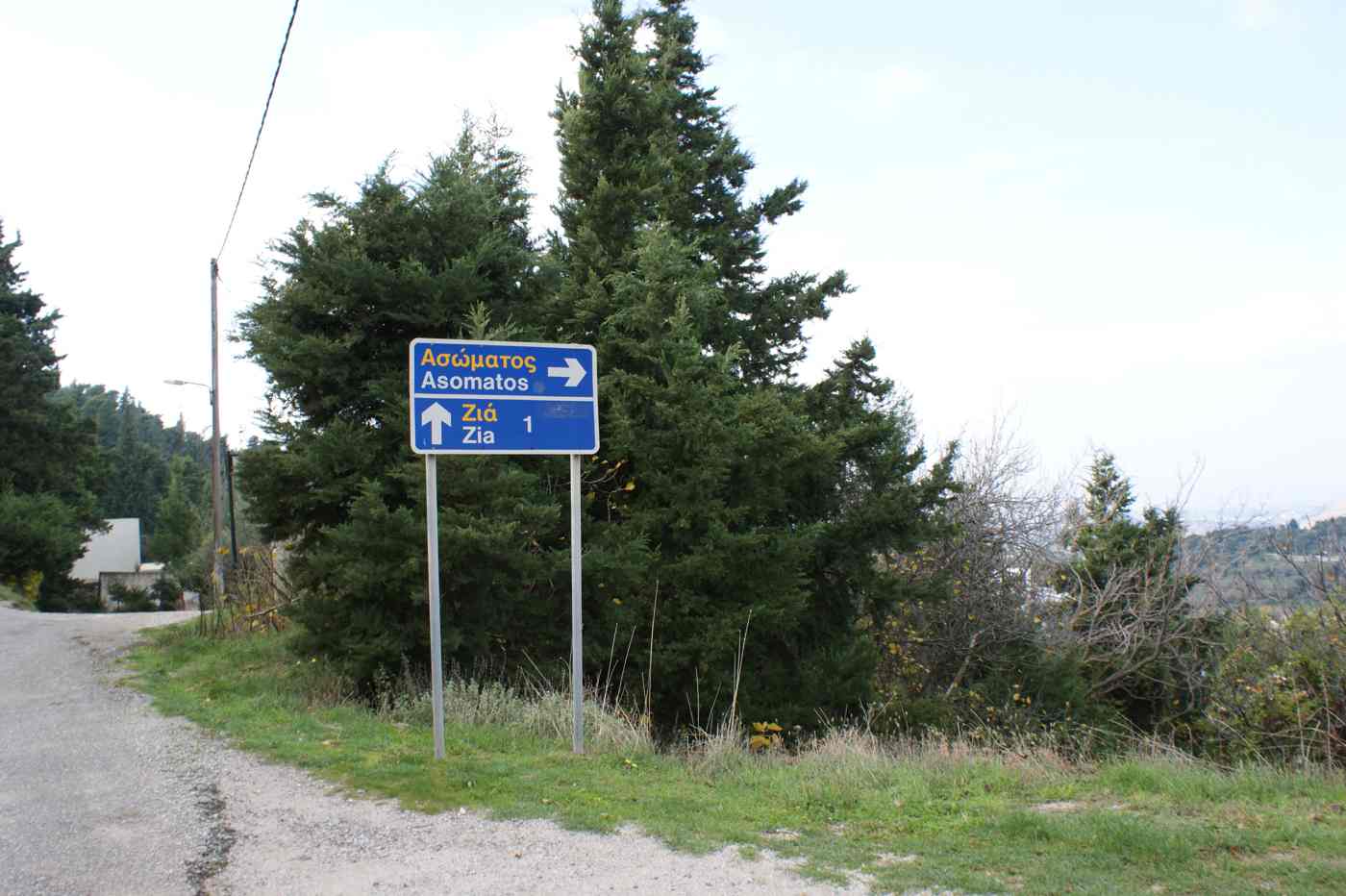
Zia sits high on the green slopes of Mt Dikeos about 15 km southwest of Kos Town, the island’s best-known mountain village. A car-free cobbled lane climbs through the middle, past the church of Agia Panagia. Tavernas and shops line it, selling honey, herbs, soap and crafts. Plane trees and spring water keep the village cool through the summer, a contrast with the coast below. The setting faces west over the island toward the Aegean and the Turkish coast, which makes it the prime sunset spot on Kos. Drive up from the coast road in about half an hour, or join a late-afternoon bus.
Park below the village, since the lane itself is closed to cars, then climb on foot into the heart of Zia.
Sunset is the reason most visitors climb to Zia. The village turns busy in the last hour of daylight as tour buses arrive and the terraces above the lane fill for the view. From the top of the village, the sun drops over the ridges of Kos and the sea toward the Turkish coast. The light spreads across the whole west of the island. Arrive early to claim a taverna table or a spot on the viewpoint before the crowd builds. The air cools quickly once the sun goes, so carry a light layer even in high summer. Stay for dinner after the colour fades, when the buses leave and the lane quietens.
Drive the mountain road back down to the coast in the dark.
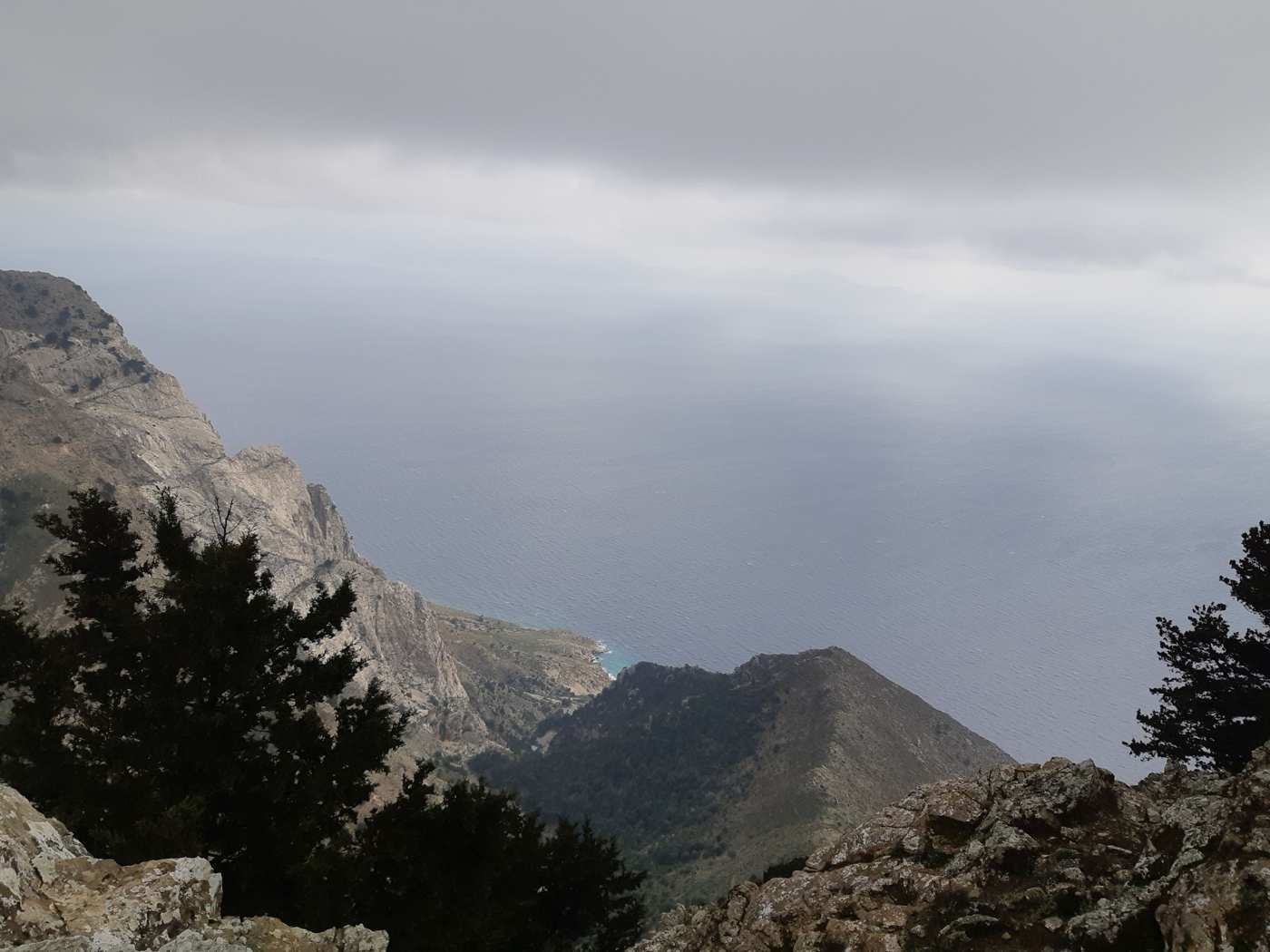
Zia works as more than a sunset stop for active travellers. Marked paths climb from the village toward the summit of Mt Dikeos, the island’s highest point at about 846 m. The route opens wide views over Kos and the neighbouring islands. The full climb takes about three hours return and rewards early starters before the midday heat. Below the peak lie the ruins of old Palio Pyli, an abandoned settlement on a rocky crag. A Byzantine and Knights-era castle and restored chapels survive there. Combine a morning walk with an afternoon in the village and the evening sunset for a full mountain day. Wear proper shoes and carry water, since the upper paths are rocky and exposed.
This mountain option trades the beaches for cool air, forest and the widest views on Kos.
The choice between the Kefalos bay and Zia shapes the mood of day three. Beach lovers take the southwest sand, while walkers and sunset seekers climb the mountain. A longer stay of five to seven days fits both, one day on the coast and another up high. Combine Zia with nearby Pyli in the same valley for springs, plane trees and the second castle ruin. Families with young children often prefer the shallow bay, since the mountain paths demand steadier legs. Drivers watch the light on the way down, because the mountain road twists in the dark. Either version closes the core three days of a Kos itinerary.
It sets up the volcano boats, Kalymnos and Bodrum that a week on the island adds next.
What fills days four and five on Kos with a Nisyros volcano boat and Therma beach?
Day four crosses to Nisyros for its Stefanos crater; day five relaxes at Therma, a hot-spring beach east of Kos Town where warm sulphur water meets the Aegean in a rock-walled cove.
Nisyros sits about an hour by day boat from Kardamena on the south coast of Kos. The volcano dominates the trip, a caldera roughly 4 kilometres wide holding its main craters. Boats dock at Mandraki, the whitewashed capital wrapped under a Byzantine monastery on the cliff. A short bus ride drops visitors at the caldera floor, where the Stefanos crater opens about 300 metres across and 30 metres deep. Yellow sulphur crusts hiss around fumaroles, and the ground stays warm underfoot. Pumice and grey obsidian litter the crater floor, clear evidence of the island’s past eruptions. Booking a Nisyros day trip from Kos handles the ferry, the transfer and free time in Mandraki.
Lunch in Nikia or Emporios, two rim villages, extends the day for independent travellers.
Therma lies about 12 kilometres east of Kos Town, past Agios Fokas, at the end of a rough coastal track. Hot sulphur springs surface at the shore, where locals have piled stones into a natural pool that traps the warm water against the sea. The temperature hovers around 40 degrees where the spring emerges, cooling fast as Aegean waves wash in. Bathers shuffle between hot and cold, a routine that eases tired legs after days of walking ancient sites. The beach itself is dark pebble, backed by low cliffs and a single seasonal canteen. Morning visits beat the afternoon crowd, and water shoes help on the sharp stones.
A car or scooter reaches Therma easily; the bus stops short, leaving a walk down. Sunset paints the Turkish coast opposite before the track turns dark.
Days four and five pair a high-energy excursion with a slow recovery. The Nisyros boat fills a full day, leaving Kardamena mid-morning and returning late afternoon. Therma then asks little beyond a short drive and a warm soak, so the two balance well. Travellers based in Kos Town reach both without moving hotels, since Kardamena sits about 27 kilometres southwest and Therma about 12 kilometres east. A rental car covers the split directions in comfort. Those relying on buses find Kardamena served by regular KTEL lines, while Therma needs a taxi or scooter for the final stretch. Packing swimwear, sturdy shoes and water suits both days.
Booking the volcano boat a day ahead in peak season secures a seat and a set departure time. Both stops photograph well in the softer evening light.
Families with young children can skip the caldera walk, where heat and sulphur fumes tire small legs. A Pserimos beach boat or a Kalymnos crossing offers a gentler day-four swap. Active travellers add the climb from Emporios to the Nisyros crater rim, a two-hour round on marked paths. Therma suits every age, though the sharp pebbles reward water shoes and the current runs strong past the pool wall. Photographers favour Therma near sunset, when the springs steam against the darkening sea. Both days reward an early start, beating the heat on Nisyros and the afternoon swell at Therma. A picnic packed in Kos Town covers Nisyros, where Mandraki tavernas fill fast when a boat lands.
Scooter riders check the Therma track, which turns to loose gravel near the shore.
How does a day on Kalymnos from Mastichari work?
Mastichari on the north coast of Kos runs the shortest ferry to Kalymnos, a roughly 30-minute hop to Pothia harbour. The island rewards visitors with sponge-diving heritage, the Vathys fjord valley and Myrties beach opposite Telendos islet.
Mastichari sits about 24 kilometres from Kos Town on the flat north coast near the airport. Passenger ferries cross to Pothia in roughly half an hour, running four to six times daily in the warm months. Pothia, the Kalymnos capital, climbs in tiers of ochre and blue houses around a working harbour. Sponge diving built the town, and shops still sell natural sponges alongside the fishing fleet. The Nautical and Folklore Museum traces the trade, including the hard-hat suits divers once wore. A waterfront lined with tavernas serves the day’s catch a short walk from the ferry ramp. The Church of Christ of Jerusalem, with its silver-clad interior, anchors the town centre two streets back from the quay.
Buses and taxis wait at the ramp for the inland villages.
Kalymnos rewards a rental scooter or a local bus beyond Pothia. The Vathys valley cuts inland to the northeast, a green fjord of citrus groves walled by grey rock, ending at the tiny port of Rina. Myrties and Massouri line the west coast, terraced resorts facing the pyramid silhouette of Telendos islet across a narrow strait. A five-minute boat shuttles from Myrties to Telendos, a car-free rock ringed by tavernas and quiet coves. Emporios caps the north road, a low-key bay for a swim and a late lunch. Rock climbers know Kalymnos worldwide for its limestone cliffs, and bolted routes rise straight above Massouri.
A single day covers Pothia and one coast; picking Vathys or Myrties keeps the pace relaxed. The last ferry back to Mastichari leaves in the early evening.
Mastichari doubles as a beach base beyond the ferry. A long sandy bay stretches west of the harbour, shallow and calm, popular with windsurfers when the meltemi blows. The village keeps a compact centre of tavernas and rooms a short walk from the ferry ramp. Drivers park near the quay, since the crossing runs long enough to leave a car on Kos. Ferry tickets sell at the harbour kiosk and online, and the schedule thins outside the summer season. Timing matters, because a late return means a scramble for the final boat. Combining Mastichari with the north beaches of Tigaki and Marmari fills any half-day left over.
The airport sits about 5 kilometres south, so this corner suits arrival or departure days too. Salt pans behind Tigaki draw flamingos in spring, a short drive east.
Families favour Mastichari for the shallow bay and the calm Telendos shuttle over the volcano trek. Kalymnos suits a slower day, trading big sights for harbour life and one scenic coast. Active travellers ride a scooter the length of the west coast, then swim below Massouri. Climbers pack harnesses and target the bolted crags, though a single day barely samples the routes. Food lovers linger in Pothia over sponge-fishing tavernas and Kalymnian honey pastries. The crossing suits any weather short of a strong meltemi, which can cancel the smaller boats. Pairing Kalymnos with Pserimos, a tiny island on the same route, adds a swim stop for chartered day boats.
Checking the return schedule before leaving Pothia keeps the evening ferry within reach. Rooms in Pothia allow an overnight for a deeper visit.
What does the Pyli castle and inland Kos reveal?
Pyli sits in the island’s centre below Mount Dikeos, pairing a ruined Byzantine castle above old Pyli with springs, chapels and the Charmyleion tomb. Inland Kos trades beaches for mountain villages, vineyards and quiet hiking.
Old Pyli clings to a rocky spur about 3 kilometres above the modern village, reached by a winding lane. A Byzantine fortress crowns the ridge, its broken walls and cisterns dating from the medieval defence against pirates. Stone chapels shelter under the crag, including Panagia ton Kastrianon with faded frescoes on its vault. The climb takes about 20 minutes on foot from the trailhead, passing collapsed houses of the abandoned settlement. Views open north over the plain to the sea and south toward the Dikeos range. A spring near the base feeds a shaded fountain called Pigi, where plane trees mark a rest stop.
Wild oregano and thyme scent the slope, and goats graze the terraces below the ruined gate. The Charmyleion, an ancient chamber tomb, sits below in modern Pyli.
Inland Kos climbs from the coastal plain into the foothills of Mount Dikeos. A morning drive often starts at the Asklepion outside Kos Town, then follows the ridge road west toward Zia. Zia sits about 300 metres up the slope, a village of stone lanes, craft stalls and tavernas facing the sunset. The Dikeos summit trail leaves from nearby Zia, a steep three-hour round to the 846-metre peak and the chapel of Christos. Asfendiou, Lagoudi and Evangelistria form a cluster of quiet hamlets along the same contour. Terraced vineyards and olive groves stripe the hillside between them. The air cools noticeably above the coast, and the villages keep water fountains fed by mountain springs at every square.
Local honey, thyme and hilopites pasta fill the village shops for takeaway.
Antimachia lies in the island’s waist near the airport, guarding a Venetian castle on a low ridge. The fortress kept the Knights of St John, and its gate still shows the carved coat of arms above the arch. Twin chapels stand inside the walls, which frame views across the central plain to both coasts. A traditional windmill nearby grinds grain on demonstration days, a restored survivor of the island’s dozens. Kardamena lies about 5 kilometres south for a beach stop after the castle. The central plateau grows the island’s wine, and small estates near Asfendiou pour local reds and whites.
Combining Antimachia, Pyli and Zia fills one unhurried inland loop by car, each stop a short drive from the next. Buses reach Zia and Pyli, but a car links the scattered sites best.
History travellers favour inland Kos for the Byzantine castle, the Charmyleion tomb and the Antimachia fortress. Hikers target the Dikeos summit from Zia, a demanding climb rewarded by a coast-to-coast panorama. Families prefer Zia in the late afternoon, where the sunset, craft stalls and easy tavernas suit all ages. Wine lovers tour the central estates and taste the island’s whites near Asfendiou. Drivers cover the full loop in a day, though Pyli castle alone justifies a slower morning on foot. Cyclists find the inland gradients steep, so this cluster favours a car or scooter over the flat-coast bike routes. Packing sturdy shoes and water suits the castle scramble and the summit trail.
Sunset from Zia caps the inland day before the descent to the coast.


How does a Bodrum day in Turkey fit a Kos itinerary?
Bodrum lies about 20 kilometres across the strait, a daily catamaran running roughly an hour from Kos Town. The Turkish resort pairs a Crusader castle, the Mausoleum site and a bazaar, needing a passport for the crossing.
Bodrum sits on the Turkish mainland opposite the southeast tip of Kos across a narrow strait. Passenger catamarans leave Kos Town harbour once or twice daily in summer, crossing in about an hour. A valid passport clears the two customs posts, and most nationalities enter Turkey visa-free or on an e-visa. Travellers check their own entry rules before booking, since terms vary by nationality. The boat lands at Bodrum’s central harbour below the castle, steps from the old town. Return sailings leave in the late afternoon, framing a full day ashore. Booking ahead in peak season secures a seat, because the catamaran fills on calm mornings.
Leaving a rental car in Kos Town avoids the cross-border paperwork a vehicle add. Ferry tickets sell at the harbour agencies and online in advance.
Bodrum Castle guards the harbour, a limestone fortress the Knights of St John raised over the medieval town. Its towers hold the Museum of Underwater Archaeology, displaying ancient shipwreck cargoes recovered from the Aegean seabed. The Mausoleum at Halikarnassos lies a short walk uphill, one of the Seven Wonders of the ancient world now reduced to foundations and scattered marble. A restored ancient theatre climbs the slope above the town, still cut into the hillside. The bazaar threads the streets behind the marina, selling leather, textiles, spices and Turkish delight. Whitewashed houses and bougainvillea line the two bays that the castle divides.
A waterfront of cafes and fish restaurants rings the harbour, busiest in the evening before the last boat. Lunch of mezze and grilled fish suits a break between the castle and bazaar.
A Bodrum day runs long, so an early catamaran leaves the most time ashore. The castle and museum fill a morning, and the Mausoleum site adds an hour uphill. Afternoon suits the bazaar, a hammam or a swim at a nearby beach club. Turkey keeps a time zone matching Greece in summer, so no clock change complicates the return. Carrying euros and Turkish lira covers both, though cards work in the larger shops. The crossing suits calm weather; a strong meltemi can delay or cancel the smaller boats. Travellers keep the passport handy for the two customs checks on each leg.
Building the trip for a settled forecast avoids a wasted fare, and the return boat reaches Kos by evening. Guided crossings bundle the ferry, a walking tour and the museum entry.
Culture travellers favour Bodrum for the Crusader castle, the underwater museum and the Mausoleum foundations. Shoppers work the bazaar for leather, spices and textiles at prices below the Kos resorts. Families weigh the long day and border checks, since small children tire on the double crossing. Active visitors add a swim at a beach club or a boat tour of the Bodrum bays. History fans pair the Halikarnassos site with the theatre for a half-day of ancient ruins. The day suits settled weather and a valid passport, ruling it out for travellers without one. Independent visitors roam freely once ashore, while a guided crossing handles the customs and a walking tour.
Timing the return boat carefully keeps the evening arrival on Kos secure. Passport-free day trips to nearby Greek islands suit anyone skipping Turkey.
How does transport work day-by-day, and how do family and active variants differ on Kos?
Kos rewards a hire car or scooter for the day trips and inland villages, while flat-coast cycling and buses cover the town and north beaches. Families slow the pace; active travellers add hikes, boat tours and climbs.
Kos Town spreads on a flat grid, so a bicycle covers the agora, the castle and the Plane Tree of Hippocrates with ease. Rental bikes line the harbour, and a marked cycle path runs west to Lambi and Tigaki. A hire car unlocks the southwest, the inland villages and the ferry ports for the day boats. Scooters suit couples touring Zia, Pyli and the beaches without a big car. The KTEL bus network links Kos Town with Kardamena, Kefalos, Mastichari and Tigaki on set routes. Taxis fill the gaps to Therma and Old Pyli, where buses stop short of the sites. Matching the transport to each day keeps the plan efficient across the long, narrow island.
A local bus links the airport to Kos Town and the main resorts.
Day one needs no wheels beyond a rented bike, since the town sites and the Asklepion sit within a short ride. Day two follows the flat cycle path to Tigaki and the Alyki salt lagoon, an easy pedal each way. Day three splits by choice, a car to Kefalos bay in the southwest or a scooter up to Zia. Day four drives to Kardamena for the Nisyros boat, then parks for the crossing. Day five reaches Therma by car or taxi after the volcano day. A Kalymnos or Bodrum day starts at Mastichari or Kos Town harbour, leaving the car behind.
Renting for the middle days only trims cost, since the town and north coast run on bike and bus. Booking a car in advance for July and August secures the lower rate.
Families slow the whole itinerary, trading the volcano trek and the Bodrum crossing for calmer days. The shallow, sandy bays of Tigaki, Marmari and Mastichari suit young swimmers on the flat north coast. A Pserimos or Kalymnos boat gives a short sea day without the caldera climb or a border check. Kos Town works on foot and by bike, with the castle, agora and Plane Tree in one easy loop. The flat cycle paths let older children ride safely beside the coast. Zia at sunset entertains all ages with craft stalls and relaxed tavernas.
Cutting the seven-day plan to four or five stops keeps toddlers rested, since heat and long boat days tire small children fast on the exposed decks. Beachfront rooms in Tigaki cut the daily driving for a family base.
Active travellers pack the itinerary with hikes, climbs and boat tours across the same week. The Dikeos summit trail from Zia climbs to 846 metres, a demanding half-day with a coast-to-coast view. Kalymnos draws climbers to its bolted limestone crags above Massouri for a full day on the rock. The Nisyros caldera adds a walk to the crater rim from Emporios, steep in the midday heat. Cyclists ride the flat north coast to Tigaki, Marmari and Mastichari, stacking beach stops along the path. Windsurfers rig at Mastichari and Marmari when the meltemi builds through the afternoon.
Filling seven days this way blends the ancient sites with two summit trails, one climbing crag and a run of long swims across the island. A sea-kayak or dive outing off Kefalos rounds out the active week.
Frequently Asked Questions
How days are enough for a Kos itinerary?
Three days cover the essentials of Kos, and five to seven days unlock the day trips and the quieter corners. A three-day plan fits Kos Town, the Asklepion, the north beaches at Tigaki and Marmari, and one choice between Kefalos bay and the mountain village of Zia. That pace suits a first visit or a stopover, keeping travel short and the sights close to town. Five days add depth, folding in a Nisyros volcano boat, the Therma hot-spring beach and the inland castles at Pyli and Antimachia. Seven days stretch the plan to a Kalymnos crossing from Mastichari and a Bodrum day in Turkey, with rest days between the boats.
Kos measures about 40 kilometres long, so distances stay short and even a full week rarely feels rushed. Beach-focused travellers can slow any plan, while active visitors pack more hikes and boat tours into the same span. Matching the length to the day trips wanted sets the right number of nights.
What a first-timer prioritise on Kos?
First-timers prioritise Kos Town, the Asklepion and one classic beach day before adding any excursions. Kos Town packs the ancient agora, the Roman Casa Romana, the odeon and the Knights’ Castle of Nerantzia around the harbour, all walkable in a morning. The Plane Tree of Hippocrates stands by the port, where tradition says the father of medicine taught. The Asklepion, a terraced healing sanctuary about 4 kilometres southwest, ranks as the island’s signature ancient site and pairs naturally with the town. A beach day follows, with the flat north coast at Tigaki and Marmari reached easily by bike or bus. Zia rewards a first sunset from Mount Dikeos, its craft lanes and tavernas facing west.
With extra time, a Nisyros volcano boat makes the standout day trip. Renting a bike for the town and a car for one inland loop covers the priorities. This core leaves the volcano, Kalymnos and Bodrum for a longer or a repeat visit.
Can you follow a Kos itinerary without a car?
A Kos itinerary works without a car, though buses and bikes replace a car’s flexibility. Kos Town runs entirely on foot and by rented bicycle, with a flat cycle path reaching Lambi, Tigaki and the Alyki salt lagoon along the north coast. The KTEL bus network links the capital with Kardamena, Kefalos, Mastichari, Tigaki and Antimachia on set routes through the day. The Asklepion sits about 4 kilometres out, reached by a short bike ride, a taxi or the seasonal tourist train. Day boats leave from harbours the buses serve, so Nisyros from Kardamena, Kalymnos from Mastichari and Bodrum from Kos Town all stay reachable.
Two sites need a taxi for the final stretch, including Therma beach and Old Pyli castle above the village. Scooter rental bridges the gaps for confident riders without a full car. Building the plan around the bus timetable and the flat cycle paths keeps a car-free week practical across the long island.
Which day trips from Kos are worth adding?
Nisyros ranks as the standout day trip from Kos, a volcanic island reached by boat from Kardamena. Its caldera holds the Stefanos crater, a hissing bowl of yellow sulphur about 300 metres across, above the whitewashed capital of Mandraki. Kalymnos follows, the shortest crossing at roughly half an hour from Mastichari, known for sponge diving, the Vathys fjord valley and world-class rock climbing above Massouri. Bodrum in Turkey adds an international day, a catamaran from Kos Town landing below a Crusader castle beside the Mausoleum of Halikarnassos. Pserimos offers a shorter, gentler sea day, a tiny island with a long sandy beach on chartered day boats.
Each trip needs a settled forecast, since a strong meltemi can cancel the smaller ferries. Bodrum requires a valid passport for the two customs checks. Picking one or two across a five to seven day stay balances the boats with rest days and keeps the pace comfortable across the week.
What are the rainy-day options on a Kos itinerary?
Rainy days on Kos shift to indoor sites, most clustered in Kos Town. The Archaeological Museum on Eleftherias Square holds Hellenistic and Roman sculpture, including a statue said to depict Hippocrates and a mosaic floor. The Casa Romana, a restored Roman villa, shelters mosaics and courtyards under cover. The Knights’ Castle of Nerantzia rewards a walk between showers, its towers guarding the harbour entrance. Cafes and tavernas along the waterfront and the Italian-era market hall pass a wet afternoon over Koan wine and local dishes. Inland, a winery near Asfendiou offers tastings under a roof. The odeon and agora ruins suit a break in the weather rather than steady rain.
A hammam or spa fills a cooler day, and the covered market sells honey, herbs and sponges. Kos sees dry, hot summers, so rain mostly falls in the shoulder seasons. Saving the town’s indoor sites for a grey day keeps the beach and boat plans for the sun.
Which town makes the best base on Kos?
Kos Town makes the best all-round base, sitting at the northeast tip beside the port, the ancient sites and the Bodrum catamaran. Its flat grid suits cycling, and buses fan out to every resort and ferry harbour. Tigaki and Marmari suit a beach-first stay, with shallow sandy bays a short bus ride from town. Kardamena bases a lively, family resort on the south coast, closest to the Nisyros boat. Kefalos and Kamari anchor the quieter southwest, near the Agios Stefanos basilica and Kastri islet. Mastichari suits travellers eyeing the Kalymnos crossing and a calm north-coast beach. Zia bases a rare mountain stay for sunsets and hiking, though it sits far from the sea.
First visits favour Kos Town for the mix of sights, transport links and nightlife. Longer or repeat stays can split nights between the capital and a southwest or north-coast beach for variety across the week. Airport transfers run shortest from the central resorts near Antimachia.
How many cycling days fit a Kos itinerary?
Kos suits two to three cycling days, thanks to a flat capital and a coastal path along the north shore. The island earns its cycling name from the level grid of Kos Town, where rental bikes cover the agora, the castle and the Plane Tree with ease. A marked path runs west to Lambi, then on toward Tigaki and the Alyki salt lagoon, an easy ride each way. Marmari and Mastichari extend the north-coast route for stronger riders chasing more distance. The Asklepion sits a short, gentle climb from town, a natural half-day loop by bike. Inland roads to Zia and Pyli turn steep, so those days favour a car or scooter over pedals.
Beginners keep to the flat town and lagoon paths, while active cyclists ride the full north coast in a day. Two relaxed cycling days plus the town riding blend easily into a five to seven day plan without a hire car.