
Marmari Beach, located on the north coast of Kos, offers a long stretch of fine pale sand and shallow waters that gently slope into the sea. It’s a perfect destination for families seeking a relaxed beach atmosphere. Plan the whole trip with Greece Tours.
This beach is not just about sunbathing; it\u2019s a hub for windsurfing and kitesurfing, thanks to the meltemi winds. Behind the sands, dunes and the Alyki lagoon, home to flamingos, create a unique landscape.
What makes Marmari Beach ideal for families visiting Kos?
Marmari Beach offers a family-friendly environment with its shallow, gently shelving waters and wide sandy stretches. Families can enjoy safe swimming and beach games in a relaxed setting.
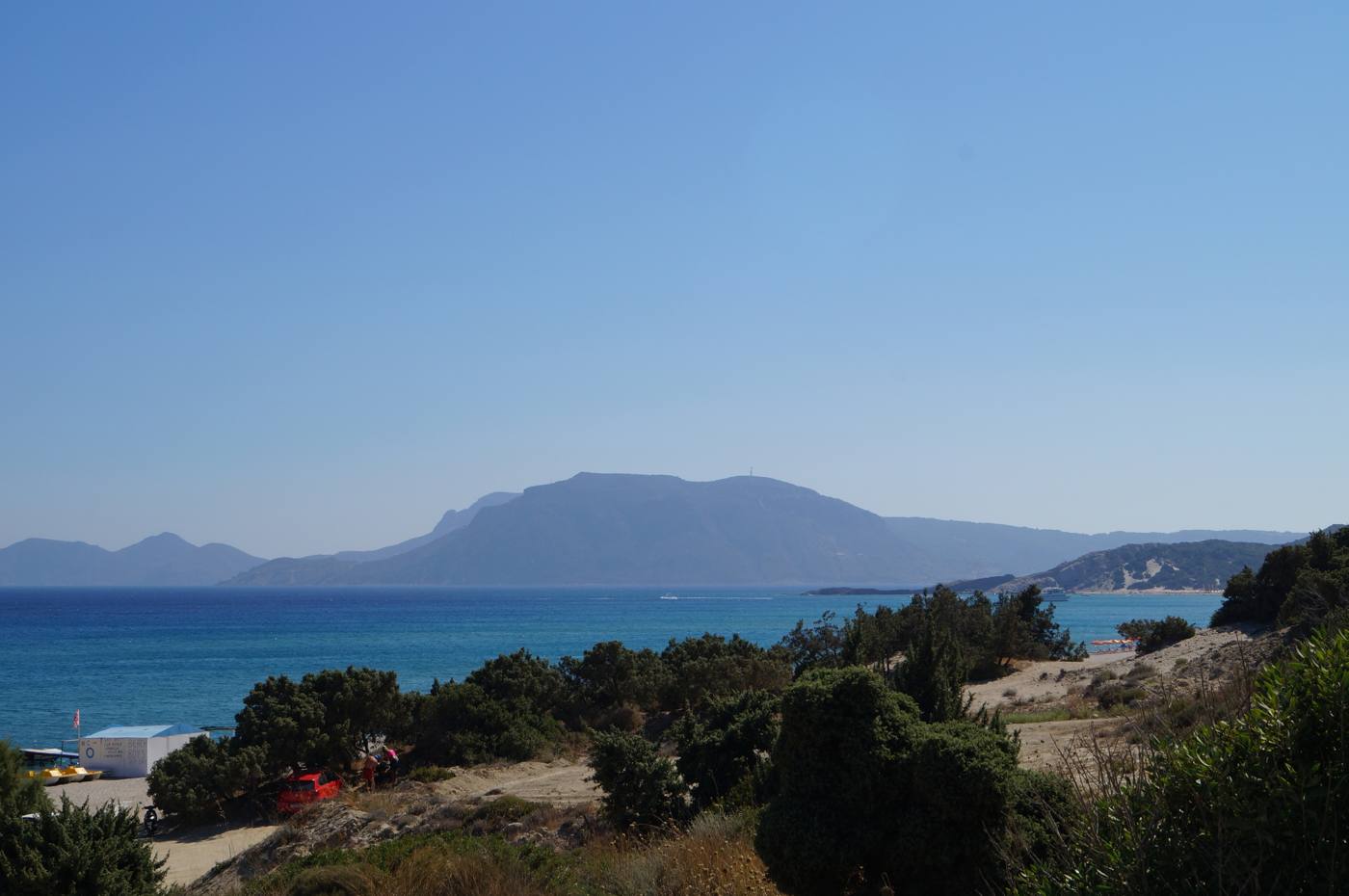
Marmari Beach stretches for about 3 kilometres along the north coast of Kos. Fine pale sand meets water that stays shallow far offshore. The beach sits about 14 kilometres west of Kos Town, a short drive along the coast road. Children wade safely because the seabed slopes down at a gentle gradient. Parents watch from wide sand that spreads back toward low dunes. The open ground gives room for beach games without crowding neighbouring groups. Marmari faces north across the Aegean toward Pserimos and Kalymnos. The pale sand reflects heat yet stays walkable in bare feet through the morning. Families settle early and stay through the afternoon without moving spots.
The long shoreline absorbs summer visitors, so the beach rarely feels packed near the water.
Sunbeds and straw umbrellas line the front sand in tidy rows. Rental rates cover a pair of loungers with a shade between them. Beachfront tavernas open onto the sand and serve lunch through the afternoon. Cold water, ice cream and grilled plates reach families without a walk to the village. Showers and changing points sit behind the main swimming zone. A lifeguard watches the central stretch during peak summer hours. The gentle entry and marked area suit toddlers testing the water. Toilets stand near the taverna cluster at the road end of the beach. The flat approach from the car park lets parents wheel buggies onto firm sand.
Cold showers rinse salt and grit off children after each swim. Marmari keeps the practical needs of a family day within steps of the towels.
Marmari village rises just behind the beach on gently sloping ground. Self-catering apartments stand within a five-minute walk of the sand. Kitchen corners let families prepare breakfast and store food for the beach. Family hotels nearer the shore add pools, cots and children’s menus. The short distance means parents carry beach gear rather than drive it. A midday nap indoors fits easily between morning and afternoon swims. Studios above the tavernas put dinner and bed under one roof. The compact layout keeps young children close to both the beach and the room. Booking near the front sand cuts the daily walk to a minute.
For a full breakdown of districts and stays, read our guide on where to stay in Kos before you choose a base.
The Alyki salt-pan lagoon lies directly behind Marmari and Tigaki beaches. Shallow brackish water fills the flat basin through winter and spring. Flamingos wade the margins on long pink legs from autumn into early summer. Herons stalk the reed edges while ducks paddle the open water. A raised track skirts the lagoon and links the two north-coast beaches. Families walk the flat path with a buggy and spot birds from the bank. The lagoon dries to white salt crust as the summer heat builds. Binoculars turn a short stroll into a birdwatching outing for older children. The mix of dunes, sand and wetland packs three habitats into one visit.
Low dunes rise behind the sand and anchor the coastal grasses. Marmari pairs a safe swim with a wildlife walk inside a single flat kilometre.
Why is Marmari Beach popular with windsurfing and kitesurfing enthusiasts?
Marmari Beach is a top spot for windsurfing and kitesurfing due to the consistent meltemi winds. These winds create ideal conditions for both sports, attracting enthusiasts from around the world.
The north coast of Kos catches the meltemi, the dry summer wind of the Aegean. This wind blows from the north and northwest through July and August. Marmari faces straight into the meltemi, so the breeze reaches the shore clean. Steady side-onshore wind carries surfers out and pushes them back to the beach. Morning air stays lighter, then the wind builds through the middle of the day. Afternoon gusts turn the bay into a working ground for sailboards and kites. The open fetch toward Kalymnos gives the wind room to gather strength. Flat water near the sand suits beginners before the chop builds offshore. Marmari earns its name among wind chasers through this reliable daily rhythm.
The same wind that cools sunbathers powers the boards past the swimming zone.
Windsurf and kitesurf centres set up at the western end of Marmari beach. Instructors run beginner courses on rigs sized for first-time sailors. Rental racks hold boards, sails and harnesses for qualified visitors. Kite lessons start on land with the bar before the water stage begins. Storage lockers and rinse tanks sit beside the launch area on the sand. Radio-linked coaches follow students from a support boat during early sessions. The centres split the beach so kites and swimmers keep clear water between them. Uphaul boards and wide floaters help children and teenagers find balance. Wetsuits and buoyancy aids come with the course fee at the desk. The desk logs the wind strength and forecast each morning.
Marmari lets a family member learn to surf while the rest keep to the shallows nearby.
The wide sandy expanse at Marmari gives riders room to rig and launch. Long open beach lets kiters lay out lines without crossing sunbathers. The bay stays free of rocks across the main sailing corridor offshore. Surfers reach across the wind and return to the same patch of sand. Space between launch lanes cuts the risk of tangled lines in strong gusts. The shallow shelf lets learners stand and reset after each fall. Boards skim past the buoys that mark the edge of the swimming area. A clear horizon toward Pserimos gives riders a bearing on longer reaches. Marmari holds informal wind sessions when the meltemi peaks in high summer.
The generous shoreline keeps beginners, freeriders and swimmers in their own zones through the day.
Tigaki beach sits just west of Marmari along the same north-coast strip. A flat coastal path links the two beaches past the shared Alyki lagoon. Riders often shift between the two bays as the wind angle changes. Tigaki offers its own sailing schools and a longer run of shallow water. The short hop lets visitors compare conditions before committing to a spot. Both beaches read the meltemi the same way through the summer months. Cyclists cover the gap in under fifteen minutes on the level road. Our guide on Tigaki beach maps the sister shore and its facilities in detail. Kos Town lies a short drive east for cultural sites after a windy morning.
Marmari and Tigaki together form the island’s main north-coast wind and family zone.
How can visitors explore the Alyki lagoon near Marmari Beach?
Visitors can explore the Alyki lagoon by taking a leisurely walk or cycling around its perimeter. The lagoon, shared with Tigaki, is a haven for birdwatchers, offering sightings of flamingos and herons.
The Alyki lagoon spreads across the flat land behind Marmari and Tigaki. Winter rain and sea seepage fill the shallow basin with brackish water. Flamingos gather here from autumn, feeding on brine shrimp in the shallows. Herons, avocets and black-winged stilts work the muddy margins. A gravel track rings the lagoon and stays level the whole way round. Walkers follow the bank from Marmari and reach open birdwatching points within minutes. The water mirrors the sky and the ridge of Mount Dikeos to the south. Salt crusts the shore as summer dries the basin to a pale pan. Early light brings the birds closest to the path along the eastern edge.
The lagoon rewards a slow circuit on foot with steady sightings across the water.
Cycling suits the lagoon circuit because the north coast lies flat and open. Rental shops in Marmari and Tigaki hand out bikes by the day. The coastal lane runs level from the sand past the lagoon to the next village. Riders of every age manage the route without a single steep climb. A morning loop pairs the wetland with a swim at either end of the path. Wide verges keep cyclists clear of the light village traffic. The hard track around the lagoon carries hybrid tyres without trouble. Helmets and locks come with the day rental at the shops. Cyclists reach quiet viewpoints that walkers skip on a short visit.
Kos ranks among the most bike-friendly Greek islands for this level ground. The flat coast turns the lagoon into an easy half-day ride from Marmari.
The lagoon frames long views across water, salt flats and distant hills. Blue shallows meet golden sand where the wetland runs toward the beach. Mount Dikeos rises behind the plain and catches the last evening light. Photographers work the eastern bank at sunrise as the flamingos feed. The still surface doubles the sky and the wading birds at first light. Reeds and low scrub edge the water and shelter smaller songbirds. A tripod steadies long lenses aimed across the open basin toward the flocks. The contrast of white salt and pink birds reads sharply through a zoom. Calm mornings hold the reflections before the meltemi ruffles the surface.
Golden light deepens the colour of the salt flats at dusk. The lagoon gives a photographer a full palette within a short walk of Marmari.
Tigaki village sits at the western end of the lagoon walk from Marmari. The path delivers walkers straight into its line of tavernas and shops. A meal or coffee in Tigaki caps a morning of birdwatching on the flats. The two villages share the wetland yet keep their own beachfronts and centres. Visitors cross from one to the other on foot, by bike or by short drive. The lagoon acts as the green hinge between the two north-coast resorts. Buses on the coast road connect both villages back to Kos Town. Day-trippers fold the lagoon, Tigaki and Marmari into one loop without a car. The flat ground keeps the whole circuit within reach of families.
Marmari anchors the eastern end of this shared north-coast walking and cycling belt.
What dining options are available at Marmari Beach?
Marmari Beach offers a selection of beachfront tavernas serving traditional Greek cuisine and fresh seafood. These establishments provide convenient dining options for beachgoers looking to enjoy a meal without leaving the sand.
Beachfront tavernas line the sand at the eastern road end of Marmari. Tables sit under bamboo shades a step from the loungers. Kitchens serve lunch through the afternoon and dinner into the evening. Diners cross from a towel to a table without leaving the beach. Grilled fish, Greek salad and chilled drinks reach the sand at midday. The taverna row keeps a full beach day free of any drive for food. Waiters carry plates to shaded tables facing the water and Pserimos. The sea breeze cools the terrace even at the height of the afternoon. Prices track the standard beach-taverna range across the north coast. Kitchen staff clear and reset the tables through the afternoon rush.
Marmari folds eating, swimming and sunbathing into one uninterrupted stretch of sand and shade.
The tavernas plate classic Kos cooking built on the island’s produce. Grilled octopus, fried calamari and whole fish head the seafood side. Greek salad, tzatziki and stuffed vine leaves fill the meze plates. Slow-roast lamb and pork souvlaki cover the grill for larger appetites. Cooks lean on tomatoes, olive oil and herbs grown across the island plain. Local cheese and honey from Zia turn up in starters and desserts. Bread arrives warm with olives before the main plates reach the table. Portions match a full beach lunch rather than a light snack. Fresh catch changes with the daily boats from the north-coast harbours. Watermelon closes the meal as the standard summer sweet on the coast.
Marmari’s kitchens keep the menu rooted in Dodecanese ingredients through the season.
The tavernas widen the menu with dishes that travel well with tourists. Pasta, grilled chicken and chips sit beside the Greek plates for children. Pizza appears on the longer menus at the busier taverna terraces. This range keeps mixed groups fed without a second stop for fussy eaters. Staff switch between Greek, English and German across the tables. Picture menus and clear labels help visitors order across the language gap. Vegetarian plates cover grilled vegetables, cheese pies and bean stews. Gluten-free swaps reach the table on request at the main kitchens. High chairs and shaded corners settle younger diners at lunch. The mix lets families balance island cooking with familiar comfort food.
Marmari feeds a broad crowd while keeping its Greek core on every menu.
Tigaki extends the choice with a longer restaurant strip a short hop west. Cafes, bakeries and full tavernas fill its seafront and main lane. A flat cycle or a ten-minute drive links the two dining scenes. Evening tables in Tigaki draw diners after a Marmari beach day. The village adds ice-cream parlours and bars for a later start. Visitors alternate between the two fronts across a week’s stay. Both belong to the same north-coast run of family-friendly kitchens. Waterside terraces in Tigaki face the same north horizon as Marmari. The lagoon path even lets walkers reach Tigaki dinner on foot. Kos Town, further east, adds harbour dining under the castle walls.
Late diners linger as the seafront lights come on. Marmari sits within easy reach of every north-coast eating option on the island.
How accessible is Marmari Beach from Kos Town?
Marmari Beach is easily accessible from Kos Town, located about 14 km to the west. Visitors can reach the beach by car, bus, or bicycle, making it a convenient day-trip destination.
Marmari Beach sits about 14 kilometres west of Kos Town along the coast. A car covers the distance in roughly 20 minutes on the main road. The route runs flat and straight through Lambi and past the north-coast turns. Signposts mark the Marmari exit off the road toward Tigaki and Mastichari. A free sand-and-gravel car park sits behind the main beach entrance. Drivers reach the loungers within a two-minute walk of the parking area. The short hop makes Marmari a simple morning departure from the capital. Rental cars from Kos Town airport reach the beach without a motorway. Traffic stays light outside the peak August fortnight on this stretch.
Motorbikes and scooters cover the same route in similar time. Marmari rewards an early start with a full parking row and open sand.
Public buses link Kos Town with Marmari across the summer timetable. The KTEL service runs along the north coast through Tigaki toward Mastichari. A single ride reaches Marmari in about 30 minutes with village stops. Fares stay low and suit visitors without a rental car. The bus stop sits on the main road a short walk above the beach. Return services run through the afternoon and early evening in high season. Riders check the posted timetable at the Kos Town station before setting out. The route doubles as a cheap tour of the north-coast villages. Drivers of the service call the Marmari stop by name on request. Buggies and beach bags travel easily in the low-floor coaches.
Marmari stays within reach of car-free travellers through this direct coastal line.
Cycling from Kos Town to Marmari suits riders who want the flat coast. The island’s level north plain carries a bike the whole way without climbs. A marked cycle path shadows the coast road for much of the route. The ride covers 14 kilometres in about an hour at a steady pace. Rental shops across Kos Town fit bikes with baskets and child seats. The lane passes Lambi beach and the salt flats on the approach. Riders break at Tigaki for water before the last stretch to Marmari. Sea views open on the right for most of the coastal leg. Kos earns its cycling name on exactly this kind of level ground.
Marmari makes a natural turning point for a half-day ride from the capital.
Marmari works as a base for reaching the rest of the island. The north coast puts Tigaki, Mastichari and the lagoon within a short drive. Kos Town and its ancient sites lie 14 kilometres east along the shore. The airport near Antimachia sits about 20 kilometres southwest across the plain. Kefalos bay and the southwest beaches open up on a longer day trip. Boats from the north harbours reach Kalymnos and Pserimos within the hour. A car or bike from Marmari unlocks the whole 40-kilometre island. Our overview of the island in our guide on Kos sets out every region and route. The flat road network keeps driving times short across the north.
Marmari trades a quiet beach base for quick access to the wider island.
What activities can visitors enjoy near Marmari Beach?
Visitors can enjoy a range of activities near Marmari Beach, including water sports, cycling, and exploring the Alyki lagoon. The beach’s location provides easy access to nearby attractions and scenic landscapes.
Marmari packs water sports into the bay beyond the swimming zone. Windsurfing and kitesurfing lead the list on the meltemi-fed north coast. Stand-up paddleboards suit the calmer morning water near the sand. Pedal boats and canoes wait for hire at the beachfront desks. The shallow shelf lets beginners test each craft close to shore. Instructors size gear to children and adults across the sports. Snorkelling turns up small fish over the sandy shallows near the rocks. Banana-boat rides pull children across the bay behind a small launch. Jet-ski hire runs from a marked lane at the western end. The clear water and steady bottom keep the sports low-risk for families.
Marmari turns a beach day into a full menu of things to do on the water.
Cycling opens the north coast beyond the sand at Marmari. The flat lane runs east to Tigaki and west toward Mastichari. Riders loop the Alyki lagoon on the level track behind the beach. Birdwatching folds neatly into the ride at the wetland viewpoints. Rental bikes carry child seats for family circuits on the coast road. A morning loop covers beach, lagoon and village without a climb. Walkers share the flat paths for shorter strolls from the towels. The open plain gives long views toward Mount Dikeos on the ride. Sunrise rides catch the flamingos before the day heats up. The hard-packed track suits hybrid tyres the whole way round.
Water and shade wait at the taverna row after the circuit. Marmari sends cyclists and walkers into the same flat, bird-rich hinterland.
Day boats leave the north coast for the islet of Pserimos offshore. The small island lies between Kos and Kalymnos in open water. A crossing reaches Pserimos in under an hour from the nearby harbours. The islet holds one sandy bay backed by waterfront tavernas. Swimmers find clear shallow water off a wide arc of pale sand. Walkers cross the tiny village to quieter coves within minutes. Day-trippers eat fresh fish at the waterfront before the return leg. The trip pairs a Marmari base with a taste of a car-free islet. Boats run through the summer season on a fixed departure pattern. Kalymnos lies close for travellers who want a second island stop.
Marmari opens the door to Pserimos as an easy add-on to the beach.
Tigaki extends the day west with its beach, lagoon edge and village lanes. A short cycle or drive links Marmari to its sister resort. The two beaches share the salt flats and their flamingo flocks. Kos Town lies east with its castle, agora and plane tree of Hippocrates. Zia climbs the mountain south for sunset views over the plain. Therma’s hot-spring beach bubbles warm water into the sea east of the capital. The island rewards a car with monuments, villages and beaches in every direction. Our guide on things to do in Kos lays out the full range of outings. Boats, bikes and buses knit these sights into a Marmari-based week.
Ferries from Mastichari reach Kalymnos in about half an hour. Marmari sits central to the island’s north-coast and inland attractions.
What is the best time of day to visit Marmari Beach?
The best time to visit Marmari Beach depends on the activities you plan to enjoy. Calm mornings are ideal for families, while afternoons are perfect for windsurfing and kitesurfing enthusiasts.
Marmari changes character across the hours of a summer day. Mornings open calm as the meltemi rests before midday. Flat water and gentle waves suit families with small children at this hour. The shallow entry stays glassy for early swims and sandcastles. Fewer visitors hold the sand before the beach fills toward noon. Cooler air makes the walk from the car park easy at first light. Sunbeds sit open for early arrivals along the front row. The lagoon behind the beach draws birdwatchers in the same quiet window. Soft light warms the pale sand without the midday glare. Parents settle a base spot before the wind and heat arrive. Gulls patrol the shallows before the day-trippers arrive.
Marmari rewards early families with the stillest water of the whole day.
The meltemi builds through the middle of the day at Marmari. Afternoon wind turns the bay over to windsurfers and kitesurfers. Boards and kites fill the water beyond the swimming buoys. Spectators watch the sails cut across the bay from the taverna terraces. The breeze cools sunbathers even as the sun peaks overhead. Stronger gusts push the chop offshore while the shallows stay workable. Surf schools run their busiest lessons in this windy window. Families with toddlers often break for lunch as the wind rises. Kite lines fan out across the western launch lane while flags on the taverna roofs stiffen. The bay reads its liveliest through the mid-afternoon. Music rarely carries far over the steady wind here.
Marmari hands the afternoon to the wind crowd and the shaded diners.
Evenings settle Marmari into a calm, golden close. The wind drops as the sun sinks toward the western headland. The beach faces north, yet the low light gilds the sand and lagoon. Swimmers return to flat water for a last dip before dinner. The taverna row fills as diners take tables facing the sea. Grilled fish and cold wine meet the fading light on the terraces. Cooler air draws families back for an evening stroll on the sand. The lagoon behind the beach turns pink as the flamingos settle. Bats and swifts work the dusk over the dunes. Boats return to the north harbours across the darkening bay. Families gather driftwood and shells along the tideline.
Marmari trades its windy afternoon for a quiet, warm-lit evening on the shore.
Planning a Marmari day means reading the daily wind cycle. Families claim the calm morning water and the front-row shade. Surfers target the windy afternoon for the strongest reaches. Diners take the golden evening on the taverna terraces. A full day at Marmari can cover all three windows in turn. Early arrival secures parking and a good spot on the sand. Sunscreen and water matter through the exposed midday hours. The lagoon walk fits the cool ends of the day best. Shade grows scarce by noon on the busiest August days. Our guide on Kos beaches ranks the island’s shores for wind, sand and calm. A flexible plan keeps every family member busy from dawn to dusk.
Marmari suits a whole-day plan built around its shifting conditions.
What wildlife can visitors expect to see at the Alyki lagoon?
Visitors to the Alyki lagoon can expect to see a variety of bird species, including flamingos and herons. The lagoon’s unique ecosystem provides a habitat for these birds, making it a popular spot for birdwatching.
The Alyki lagoon behind Marmari draws birds to its shallow water. Flamingos stand out as the headline residents from autumn to early summer. The pink flocks wade the margins and filter brine shrimp from the mud. Grey herons stalk the reed edges on the hunt for small fish. Little egrets pick along the waterline in bright white plumage. The birds feed close to the ringing path at first and last light. Salt-tolerant plants fringe the basin and shelter the smaller species. The open water gives clear sightlines across the feeding flocks. Avocets sweep the shallows with their upturned bills. The flamingos number in the dozens during the peak passage.
Walkers from Marmari reach the best viewing banks within minutes. The lagoon turns a short stroll into a reliable birdwatching stop.
The lagoon mixes seawater and winter rain into a brackish basin. This blend feeds the brine shrimp that draw the flamingos in. The salt-pan bed traps minerals as the summer sun dries the water. Salt crust whitens the shore while shallow pools linger at the centre. The wetland ranks among the island’s key bird habitats on the north coast. Its position on the migration corridor brings passing flocks each season. The basin fills again with the first autumn rains after the dry months. Reeds and glasswort ring the water and hold insects for the birds. The habitat links directly to the Tigaki flats to the west. The cycle of flood and dry-out shapes the whole food chain here.
Marmari’s lagoon works as a living salt-marsh through the year.
The lagoon holds more than its headline flamingos and herons. Mallards and teal paddle the deeper pools through the cooler months. Black-winged stilts pick the shallows on thin red legs. Sandpipers and plovers work the mud at the water’s edge. Kingfishers dart the channels where fresh water enters the basin. The mix rewards patient watchers with a long species list. Early morning brings the birds closest before the heat and wind rise. Late afternoon offers a second active window as the light softens. Still air on those edges keeps the water calm for clear views. Cormorants perch on the salt-pan markers between dives. Winter swells the flocks as northern migrants drop in.
Herons roost in the tamarisk trees behind the water. Marmari’s lagoon repays a dawn or dusk visit over a midday one.
Walkers explore the lagoon on the level track that rings the basin. The flat path suits families and carries a buggy without trouble. Bikes cover the circuit faster and reach the quieter western banks. Guided birdwatching walks read the flocks and name the species. Guides point out roosts and feeding zones that a first visit misses. Binoculars turn the distant pink line into a clear flamingo flock. The route ties Marmari to Tigaki along the wetland’s edge. Benches and shade points break the loop at the main viewpoints. A spotting scope steadies the long view across the flats. The path stays firm underfoot from spring through autumn.
The circuit stays open and free at every hour of the day. Marmari puts a full wetland walk within reach of the beach towels.
What accommodation options are available near Marmari Beach?
Near Marmari Beach, visitors can find a range of accommodation options, from self-catering apartments to family-friendly hotels. These options provide convenient access to the beach and its surrounding attractions.
Marmari village holds a spread of stays within reach of the beach. Self-catering apartments suit families who want their own kitchen. Studios and one-bedroom units cover couples and small groups. Kitchen corners let guests cook breakfast and store beach supplies. Balconies face the sea or the plain toward Mount Dikeos. The village sits close enough for a five-minute walk to the sand. Apartment blocks cluster on the gentle slope behind the front road. Weekly rates drop below the hotel range for longer stays. Parking sits beside most units for guests with rental cars. Pools and gardens back several of the apartment complexes. Air conditioning and Wi-Fi come standard across the newer blocks.
Shaded terraces catch the sea breeze through the evening hours. Marmari’s apartments give independent travellers a flexible north-coast base.
Family hotels stand nearer the front sand at Marmari. Pools, poolside bars and children’s clubs fill the larger complexes. Half-board and all-inclusive plans cover meals for busy families. On-site restaurants save an evening walk after a long beach day. Cots, high chairs and kids’ menus ease travel with young children. The hotels put the beach within a short, flat walk of the lobby. Evening entertainment runs on the terraces through the summer season. Larger resorts add tennis courts and spa rooms to the grounds. Shuttle links reach Kos Town and the airport for guests. Sea-view rooms overlook the bay toward Pserimos and Kalymnos. Reception desks book boat trips and car hire on request.
Front-desk clerks speak Greek, English and German with guests. Marmari’s hotels bundle beach access with full family facilities.
The short distance from bed to beach shapes a Marmari stay. Guests return for a midday rest between morning and afternoon swims. A quick change before dinner fits without a drive. Young children nap indoors while the sand waits a minute away. The compact village keeps rooms, tavernas and beach in one cluster. Late arrivals still reach the water within a walk of the door. The flat ground eases the trip for buggies and older guests. Beach gear travels by hand rather than by car each morning. Balcony breakfasts overlook the same bay as the loungers. Evening strolls loop from the room to the shore and back. Guests carry towels down and back without a second thought.
Marmari’s tight layout turns proximity into the core of its appeal.
A Marmari base opens the rest of Kos with short drives. Tigaki, Mastichari and the lagoon lie within kilometres. Kos Town and its monuments sit 14 kilometres east along the coast. The airport near Antimachia lies about 20 kilometres southwest. Kefalos and the southwest beaches fill a longer day trip. Boats from the north harbours reach Kalymnos and Pserimos. Buses on the coast road link the village to the capital. A rental car turns the base into a launchpad for the island. Zia’s mountain sunset sits a half-hour climb inland. Cyclists ride the level coast to the neighbouring resorts. The flat network keeps every drive short from the north coast.
Boat desks near the harbour book the Pserimos crossing. Marmari trades a quiet beach for quick reach across the whole island.
How does the islet of Pserimos enhance the Marmari Beach experience?
The islet of Pserimos, located offshore from Marmari Beach, offers visitors a chance to explore quiet beaches and a charming village. Accessible by boat, it adds a unique dimension to the Marmari Beach experience.
Pserimos lies offshore from the north coast between Kos and Kalymnos. The small islet rises in low hills above the sea. Day boats reach it in under an hour from the nearby harbours. The main bay opens a wide arc of pale sand below the village. Clear shallow water fronts the beach for easy swimming. The islet holds one small settlement around the harbour. A tiny resident community lives on Pserimos year-round. Cars stay rare, so the island moves at a walking pace. The crossing from the Kos side runs through the summer season. Fishing boats and small ferries share the short route across. The open channel gives clear views back to the Kos plain.
Marmari sits close to the harbours that serve this quiet islet.
The main beach on Pserimos ranks among the calmest in the area. Soft pale sand slopes into water that stays shallow far out. The bay faces the crossing, so boats anchor off the sand. Swimmers wade the clear shallows without rocks underfoot. The islet’s size keeps every cove within a short walk. Quieter beaches sit over the low ridge from the main bay. Walkers reach them on rough tracks in under half an hour. The lack of roads holds the noise down across the shore. Sun loungers line only the central stretch by the village. Goats graze the dry hills above the northern coves. The water shifts from pale green to deep blue offshore.
Shade stays scarce beyond the central taverna stretch. Pserimos trades scale for a slow, near-empty shoreline.
The village on Pserimos wraps around the harbour in a tight cluster. Whitewashed houses climb the slope behind the waterfront. Family tavernas line the sand and serve the day-boat crowd. Fresh fish, grilled meat and salads fill the lunch menus. Cooks work the catch that the local boats bring in. Tables sit a step from the water under bamboo shades. The pace stays slow as the island holds few permanent residents. A church and small shops complete the centre. Cats doze in the lanes between the harbour houses. A small chapel crowns the ridge above the bay. Bright bougainvillea drapes the whitewashed walls along the harbour lanes. Guests linger over lunch before the afternoon boat back.
Pserimos keeps a plain, traditional feel across its single village.
A Pserimos trip widens a Marmari holiday beyond the north-coast sand. The islet offers a car-free contrast to the busier Kos beaches. Half a day covers the crossing, a swim and a taverna lunch. The route reads the same channel the wind crowd rides at Marmari. Boats fold Pserimos into a week based on the Kos north coast. The quiet bay resets a holiday between windier beach days. Kalymnos lies close for travellers who want a second island hop. The short sea leg adds a small adventure to a family stay. Snorkellers work the clear water off the northern rocks. The return leg lands back on Kos in good time.
Marmari’s harbours put this islet within an easy morning’s reach. Pserimos rounds out a Kos trip with a taste of the smaller Dodecanese.
Frequently Asked Questions
What is the best way to reach Marmari Beach from Kos Town?
Marmari Beach lies about 14 kilometres west of Kos Town along the coast road. A car covers the distance in roughly 20 minutes on a flat, straight route. Drivers follow the road toward Tigaki and Mastichari, then take the marked Marmari turn. A free gravel car park sits behind the main beach entrance. Public buses run the same north-coast line through the summer timetable. The KTEL service reaches Marmari in about 30 minutes with village stops on the way. Fares stay low and suit travellers without a rental car. Cyclists ride the 14 kilometres in about an hour on the level coast. A marked cycle path shadows the road past Lambi and the salt flats.
The flat ground makes the ride manageable for most ages. Rental cars from the airport reach the beach without a motorway leg. Each option lands within a short walk of the sand. Marmari works as a simple morning trip from the capital by car, bus or bike.
Are there any water sports available at Marmari Beach?
Marmari Beach ranks as a leading water-sports base on the north coast of Kos. Windsurfing and kitesurfing lead the list, powered by the steady meltemi wind. The wind builds through the middle of the day and turns the bay over to boards. Surf schools at the western end run lessons for first-timers and rent gear to qualified riders. Instructors size rigs to children and adults across the skill range. Stand-up paddleboards suit the calmer morning water near the sand. Pedal boats, canoes and banana-boat rides wait at the beachfront desks. The shallow shelf lets beginners test each craft close to shore. Snorkellers find small fish over the sandy bottom near the rocks.
Wetsuits and buoyancy aids come with the lessons at the desk. A support boat follows early kite lessons across the bay. Lockers hold valuables while riders take to the water. The wide beach keeps kites, swimmers and sailboards in separate zones. Marmari packs a full water-sports menu into one north-coast bay.
What wildlife can be observed at the Alyki lagoon near Marmari Beach?
The Alyki lagoon behind Marmari holds a rich cast of birds through the year. Flamingos stand out as the headline residents from autumn into early summer. The pink flocks wade the shallow margins and filter brine shrimp from the mud. Grey herons and little egrets stalk the reed edges for small fish. Black-winged stilts pick the shallows on thin red legs. Mallards and teal paddle the deeper pools in the cooler months. Sandpipers and plovers work the mud at the waterline. The brackish basin mixes seawater and winter rain into a salt marsh. This blend feeds the shrimp that draw the flamingos in. Early morning brings the birds closest to the ringing path.
Late afternoon offers a second active window as the light softens. Walkers and cyclists reach the best banks within minutes of Marmari. Grey wagtails flit along the water’s edge between the deeper pools. The lagoon turns a short outing into a reliable birdwatching stop on the north coast.
What dining options are available at Marmari Beach?
Marmari Beach lines its eastern road end with beachfront tavernas on the sand. Kitchens serve lunch through the afternoon and dinner into the evening. Diners cross from a lounger to a shaded table without leaving the beach. Grilled octopus, fried calamari and whole fish head the seafood menus. Greek salad, tzatziki and stuffed vine leaves fill the meze plates. Slow-roast lamb and pork souvlaki cover the grill for larger appetites. Cooks lean on tomatoes, olive oil and herbs grown across the island plain. Local cheese and honey from Zia turn up in starters and desserts. The tavernas widen the menu with pasta, chicken and chips for children. Staff switch between Greek, English and German across the tables.
Tigaki adds a longer restaurant strip a short cycle or drive west. Kos Town offers harbour dining under the castle further east. Ice-cream stalls serve the beach crowd through the afternoon. Marmari keeps a full beach day free of any drive for food.
What accommodation options are available near Marmari Beach?
Marmari offers stays that range from self-catering apartments to family hotels. Studios and one-bedroom units suit couples and small groups within a five-minute walk of the sand. Kitchen corners let guests cook breakfast and store beach supplies. Family hotels nearer the front add pools, children’s clubs and on-site restaurants. Half-board and all-inclusive plans cover meals for busy families. Cots, high chairs and kids’ menus ease travel with young children. The short distance from bed to beach shapes the Marmari day. Guests return for a midday rest between morning and afternoon swims. The flat ground eases the trip for buggies and older visitors. Parking sits beside most units for guests with rental cars.
Weekly apartment rates drop below the hotel range for longer stays. Sea-view rooms overlook the bay toward Pserimos and Kalymnos. The village keeps rooms, tavernas and beach in one tight cluster. Marmari’s stays give families a compact, beach-close base on the north coast of Kos.
How does the islet of Pserimos enhance the Marmari Beach experience?
The islet of Pserimos widens a Marmari holiday with a short sea trip. Day boats reach it in under an hour from the nearby north-coast harbours. The islet lies between Kos and Kalymnos and stays small and low-lying. Its main bay opens a wide arc of pale sand below the village. Clear shallow water fronts the beach for easy swimming without rocks. The harbour village holds family tavernas that serve fresh fish and grilled plates. Cars stay rare, so the island moves at a walking pace. A tiny resident community lives on Pserimos year-round. Quieter coves sit over the low ridge from the main bay. Walkers reach them on rough tracks in under half an hour.
A half-day covers the crossing, a swim and a taverna lunch. Boats run the route on a fixed pattern through the summer season. The trip pairs a busy beach base with a car-free islet. Marmari’s harbours put Pserimos within an easy morning’s reach.
What is the best time of day to visit Marmari Beach?
Marmari Beach shifts character across the hours of a summer day. Calm mornings suit families, with flat water and a gentle shallow entry. Fewer visitors hold the sand before the beach fills toward noon. The meltemi builds through the middle of the day and lifts the wind. Afternoon gusts turn the bay over to windsurfers and kitesurfers. Spectators watch the sails from the shaded taverna terraces. The breeze cools sunbathers even as the sun peaks overhead. Evenings settle the beach into a calm, warm-lit close. The wind drops as the sun sinks toward the western headland. Swimmers return to flat water for a last dip before dinner. The lagoon behind the beach turns pink as the flamingos settle.
Diners take tables facing the sea on the taverna row. Sunscreen and water matter through the exposed midday hours. An early start banks calm water, shade and open parking. Marmari rewards a plan built around its shifting daily conditions.