
Nature reserves to visit in Greece: top parks, wetlands & marine sanctuaries, plus when to go, what to pack, and rules for wildlife-safe hikes and boat trips. Plan the whole trip with Greece Tours.
If you’ve only done Greece as “beaches + tavernas,” we’re missing half the story. The Greece we fall in love with (and keep coming back to) also lives in high limestone peaks, wolf-tracked forests, quiet reedbeds full of herons, and coves where monk seals and sea turtles still have a fighting chance.
We’ve spent a good chunk of our summers island hopping and road-tripping, Crete and Knossos, Lefkada and Corfu, Messinia and Mystras, the Sporades, the Cyclades, and plenty of places in between. And one thing stays true: the best nature reserves to visit in Greece aren’t “one-size-fits-all.” Some are perfect for a quick boardwalk stroll, others demand early starts, sturdy boots, and a little humility.
Below, we’ll break down how Greece’s protected areas actually work, when to visit for wildlife and weather, and our favorite reserves, mainland, islands, wetlands, and marine parks, plus the practical planning details that save trips.
Key Takeaways
- The best nature reserves to visit in Greece span national parks, Natura 2000 sites, and marine protected areas, so check the designation to understand access, rules, and facilities.
- Plan your timing: spring delivers peak wildflowers and bird migration, summer favors marine parks with early-start hikes, and autumn brings cooler trails and revived wetlands.
- Match your travel style to the landscape—choose Olympus, Vikos–Aoös, Samaria, or Valia Kalda for big hikes, and pick Prespa, Dadia, Axios Delta, or Amvrakikos for birding and quiet nature days.
- Visit marine sanctuaries responsibly in places like Alonissos and Zakynthos by choosing compliant operators, keeping distance from wildlife, and following anchoring and speed restrictions.
- Pack for mixed terrain with grippy trail shoes, 1.5–2L+ of water, offline maps, and binoculars for wetlands, then prioritize dawn starts to beat heat and crowds.
- Protect what you came to see by staying on marked trails, skipping wildflowers and drones where restricted, respecting fire bans and closures, and practicing Leave No Trace in every reserve.
How Greece’s Protected Areas Work
Greece protects nature through a few overlapping systems, and understanding them makes travel easier (and more respectful). You’ll see different labels on maps and signs, National Park, Natura 2000, Marine Protected Area, and they don’t all mean the same thing.
National Parks Vs. Natura 2000 Sites Vs. Marine Protected Areas
National Parks are the most recognizable category for visitors. They usually have clearer visitor infrastructure, marked trails, info boards, sometimes visitor centers, and a strong identity (think Olympus or Vikos–Aoös). Rules can be stricter in “core zones,” looser in buffer areas.
Natura 2000 is the big umbrella network across the EU, and it’s the backbone of conservation in Greece. Greece’s Natura 2000 network includes 446 sites, covering roughly 28% of the land and about 20% of marine waters. Within that network are:
- Special Protection Areas (SPAs) under the Birds Directive (important for birdlife)
- Sites of Community Importance (SCIs) under the Habitats Directive (important habitats and species)
In practice, Natura 2000 doesn’t automatically mean “no people allowed.” Many sites include villages, farms, beaches, and working landscapes, with restrictions intended to keep habitats functioning.
Marine Protected Areas (MPAs) focus on sea habitats and species (seagrass meadows, reefs, monk seals, turtles). Some MPAs have “no-take” zones or limits on anchoring, fishing methods, speed, and approach distances to wildlife.
One more label you may hear locally: public forestry land (managed by the forestry service). That’s a different designation from Natura 2000 and can come with its own access rules, especially during fire season.
Rules, Permits, And Responsible Travel Basics
Rules vary by site, but the responsible baseline is pretty consistent:
- Stay on marked trails where they exist (especially in gorges and alpine zones). Trail braiding causes erosion fast on Greek limestone.
- Don’t pick wildflowers; this matters most in spring, when rare orchids and endemic plants are tempting.
- Keep a distance from wildlife, and never feed animals. In wetlands and marine parks, use binoculars instead of getting close.
- Drones: often restricted in protected areas (and near nesting cliffs, wetlands, or archaeological sites). If we plan to fly, we check both local rules and national aviation regulations.
- Camping and fires: wild camping is widely restricted, and open flames are a hard no in summer. Greece’s fire risk isn’t theoretical.
- Boats: in MPAs, anchoring may be restricted (to protect seagrass like Posidonia). Use mooring buoys where provided.
Permits aren’t commonly needed for normal hiking, but they can apply to specific activities (commercial filming, scientific research, certain boat operations, and sometimes guided access in sensitive marine zones). When in doubt, we check the park’s official pages or ask locally before we go.
When To Visit For Wildlife, Wildflowers, And Weather
Timing in Greece is everything. The same reserve can feel like two different countries depending on the month, wind, and heat. If we’re planning around nature, rather than just squeezing nature into a beach itinerary, these patterns help a lot.
Season-By-Season Highlights Across Mainland And Islands
Spring (March–May) is our favorite for “maximum Greece.” Hillsides go green, orchids appear, rivers still run, and hiking temperatures are friendly.
- Wildflowers peak from late March into May (varies by elevation). Crete’s gorges and the Peloponnese can be spectacular.
- Bird migration lights up wetlands (Axios Delta, Amvrakikos, Messolonghi lagoons).
- Mountain areas like Zagori and Pindus can still have snow at higher elevations in early spring, so we plan routes accordingly.
Summer (June–August) is for early starts, sea time, and choosing cooler microclimates.
- Best for marine reserves and boat days (Alonissos Marine Park, Zakynthos Marine Park).
- Mainland hiking is still possible, but we go dawn-to-noon, then stop. Olympus and Pindus can be manageable higher up, but heat and storms both happen.
- Fire risk increases sharply. Some forest roads and trails may close on extreme-risk days.
Autumn (September–November) is the “locals’ secret” season.
- The sea is still warm in September, but the trails are kinder.
- Raptor migration can be excellent in places like Dadia (Evros).
- Wetlands revive as rains return: birding improves.
Winter (December–February) is underrated if we pick the right places.
- Great for low-elevation wetlands and coastal walks (fewer people, dramatic skies).
- Mountain parks can be snowy, icy, or closed in parts. This is more for experienced hikers or those happy with lower trails and villages.
What To Pack For Trails, Wetlands, And Boat Days
A Greek nature trip usually mixes terrain, rocky paths one day, boardwalks the next, and a boat in between, so we pack modular.
For hiking trails (gorges/mountains):
- Trail shoes with real grip (Greek limestone can be slick)
- Sun hat + sunglasses (shade can be sparse)
- 1.5–2L water minimum in warm months (more in summer)
- A light layer, even in shoulder season (wind at altitude surprises people)
- Offline maps (signal drops fast in gorges)
For wetlands/birding:
- Binoculars (it’s the difference between “a dot” and “a pelican”)
- Neutral clothing (helps for photography)
- Insect repellent in warm months
- A small towel or sit pad, birding involves waiting
For marine days:
- Reef-safe sunscreen, snorkel mask (even casual swims become wildlife moments)
- Windbreaker for fast boats
- Dry bag for phone and documents
And a simple rule we keep: if we’re visiting protected areas in summer, we carry more water than we think we need. Greece is generous, but the sun isn’t.
Top Mainland Nature Reserves And National Parks
If we want “big nature” in Greece, peaks, deep canyons, old-growth forests, and that feeling of being far from the beach clubs, the mainland delivers.
Mount Olympus National Park
Mount Olympus isn’t just mythology: it’s one of Greece’s classic mountain experiences. The landscape changes fast as we climb: from pine and fir forests into open alpine terrain. The best-known route is up toward Mýtikas (the highest summit), but we don’t need to summit to enjoy Olympus.
What we love doing:
- Base ourselves around Litochoro and hike into the Enipeas Gorge for a half-day nature fix.
- For a bigger day, head up from Prionia toward the refuges (great atmosphere, and the views open up quickly).
Practical note: summit attempts require comfort with scrambling and weather changes. Even in summer, storms can build in the afternoon.
Vikos–Aoös National Park (Zagori)
Zagori is a region we return to when we want stone villages, bridges, and wild, vertical landscapes. The headline is Vikos Gorge, often listed among the deepest gorges relative to its width.
Don’t miss:
- Viewpoints near Monodendri and Oxya (big reward, minimal effort).
- The hike from Monodendri to Vikos village (or vice versa), if we want to drop into the gorge.
- The Voidomatis River area has unreal water color, especially in spring.
This is also a place where nature and culture are stitched together: traditional villages, old footpaths, and wild scenery all in one.
Pindus National Park (Valia Kalda)
Valia Kalda is what people mean when they say “wild Greece.” It’s part of the Pindus range and feels remote in a way that’s getting rare in Europe.
Highlights:
- Dense forests, high ridges, and a real sense of wilderness.
- Excellent chances to see signs of wildlife (not guaranteed sightings, but tracks and presence).
We plan Valia Kalda with extra care:
- Roads can be rough.
- The weather can turn quickly.
- Routes are less “tourist-managed” than those in Olympus or Zagori.
If we want a guided hike anywhere in Greece, this is one of the best candidates.
Prespa Lakes National Park
Prespa is a biodiversity heavyweight. The area is famous for birds, and it’s one of those places where we can feel conservation working in real time.
Why it stands out:
- It hosts over half of Greece’s bird, amphibian, and mammal species, plus 1,800+ plant species.
- It’s a prime area for migrants and iconic species like the Dalmatian pelican.
- The park includes dedicated birdwatching infrastructure such as observatories.
What we do in Prespa:
- Slow mornings with binoculars, this is not a “rush around” destination.
- Combine nature with the cultural landscape of lakeside villages and small chapels.
Dadias Forest National Park (Evros)
The Dadia (often written Dadia–Lefkimi–Soufli) is one of Europe’s best raptor-watching areas. If we’re into birds of prey, eagles, vultures, and the whole aerial drama, this place belongs on our list.
How to visit well:
- Start at the visitor center area and ask what’s being seen that week.
- Bring binoculars or a long lens.
It’s also a reminder that Greece’s “must-sees” aren’t only on islands. Thrace and Evros feel different, wilder, quieter, and incredibly rewarding.
Unmissable Wetlands, Lagoons, And Birding Reserves
Greek wetlands don’t always make the glossy travel brochures, which is exactly why we love them. They’re calmer than the famous beaches, full of life, and perfect when we want a slower day with a big nature payoff.
Axios–Loudias–Aliakmonas Delta National Park
Near Thessaloniki, this delta system is one of northern Greece’s top wetland complexes. It’s ideal for:
- Birdwatching during migration seasons
- Easy, low-impact walks (flat terrain)
- Photography, especially in soft morning light
We plan to go early, bring binoculars, and keep expectations open. Wetlands are about patient observation, not ticking off a checklist.
Messolonghi–Aitoliko Lagoons
The lagoons around Messolonghi have a distinct character: wide skies, shifting light, saltmarsh textures, and that quiet feeling of being in between land and sea.
Why it’s worth building into a route:
- It pairs perfectly with a road trip across western/central Greece.
- It’s an excellent place for birds, but also for landscape photography.
We also love the human side here; traditional lagoon livelihoods have shaped the area for generations, and that cultural layer makes the nature feel even richer.
Amvrakikos Gulf Wetlands
Amvrakikos is one of the most important wetland areas in Greece, and it’s a strong choice when we want biodiversity without mountain logistics.
What it’s great for:
- Birding (especially in spring and autumn)
- Quiet nature time away from peak crowds
A practical tip: choose one or two access points and commit to them rather than trying to “cover” everything. Wetlands reward stillness.
Top Island Nature Reserves And Wild Landscapes
Islands aren’t only about beaches. Some of the best nature reserves to visit in Greece are on islands, where mountains rise straight from the sea, and protected marine areas keep rare species alive.
Samaria Gorge And The White Mountains (Crete)
Crete is a universe of its own, and the White Mountains (Lefka Ori) are one of the wildest parts. Samaria Gorge is the classic hike: dramatic walls, changing vegetation, and a real sense of journey.
How we approach Samaria:
- Start early (crowds and heat build fast).
- Treat it like a long hike day, not a casual stroll.
- If we’re not up for the full crossing, we consider shorter gorge options in Crete, still stunning, often less busy.
Crete also has an enormous Natura footprint (dozens of protected sites), which makes sense once we see how many microclimates the island packs in.
Mount Ainos National Park (Kefalonia)
Kefalonia’s Mount Ainos is one of the most surprising island parks: a real mountain environment on an Ionian island.
What makes it special:
- Cooler air and forested slopes (a summer escape from the coast)
- Sweeping views when the weather is clear
We like pairing Ainos with coastal days, hiking in the morning, and swimming in the afternoon. That’s Greece at its best.
Alonissos Marine Park (Sporades)
This is a standout for marine lovers. Alonissos Marine Park is Greece’s first marine park and among the largest protected marine areas in Europe.
Why do we go:
- It’s famous for the Mediterranean monk seal (one of Europe’s most endangered marine mammals).
- The wider ecosystem includes dolphins and sea turtles.
- The park covers Alonissos plus multiple uninhabited islets, and conservation here feels active and real.
How to do it right:
- Choose boat operators who respect approach distances and speed limits.
- Don’t chase wildlife sightings. If we’re lucky, we’re lucky.
Nestos Delta And Coastal Lagoons (Thrace)
Nestos is often overlooked by travelers focused on islands, but it deserves a spot for anyone building a nature-forward itinerary in northern Greece.
What we like about it:
- Delta landscapes and coastal lagoons with strong birdlife
- A quieter vibe than the headline destinations
It also pairs nicely with other Thrace/Evros nature stops if we’re doing a road trip in that region.
Coastal And Marine Reserves Worth Building A Trip Around
If our dream Greece trip includes wildlife in the water, not just pretty swimming, these coastal and marine protected areas are worth planning around.
Zakynthos Marine Park And Sea Turtle Nesting Beaches
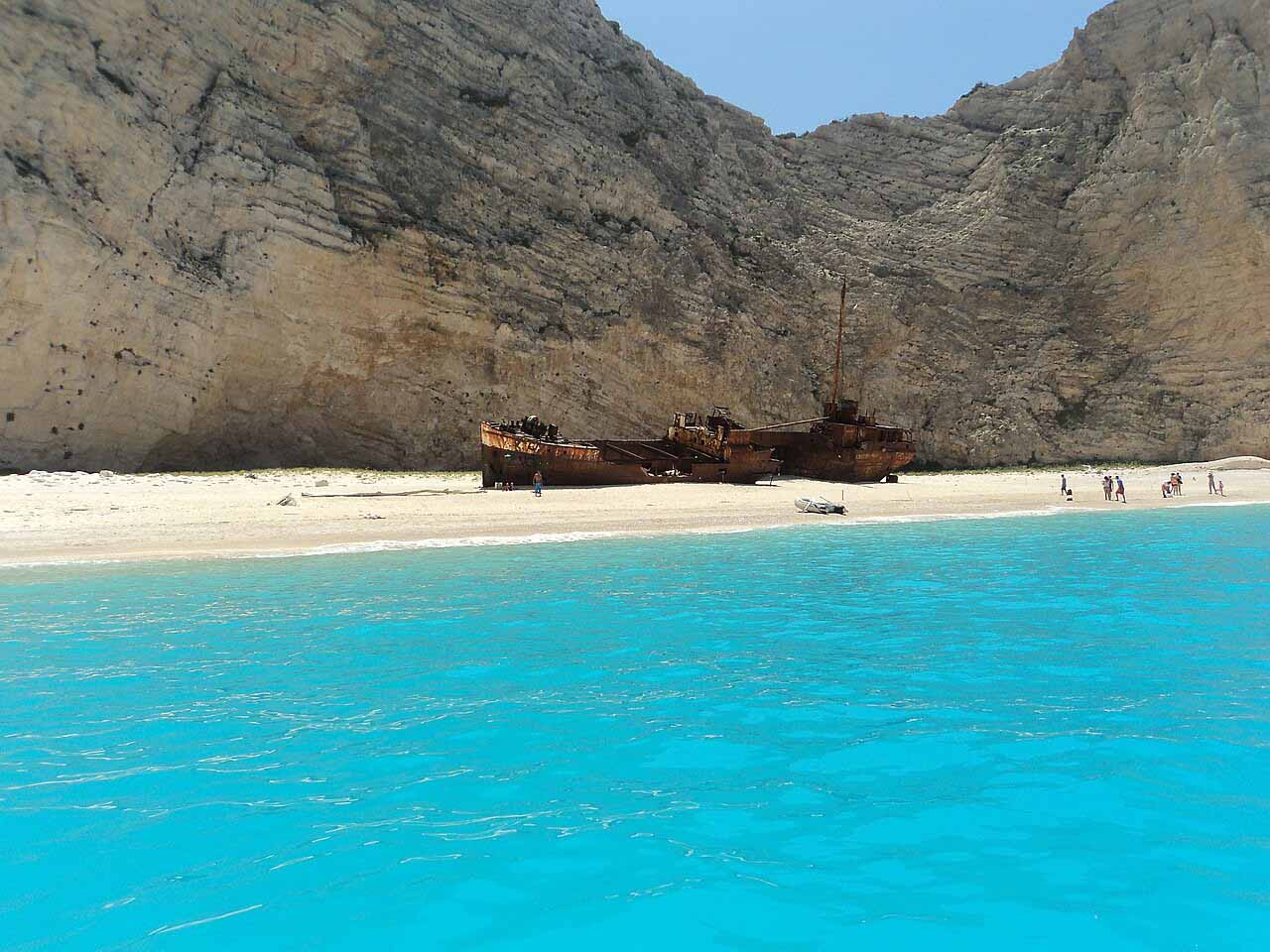
Laganas Bay on Zakynthos (Zante) is one of the best-known protected coastal areas in Greece because it supports nesting Caretta caretta loggerhead sea turtles.
How we visit responsibly:
- Respect beach zoning and signage during nesting season.
- Avoid lights at night near nesting areas.
- Choose turtle-spotting tours that follow strict rules (no crowding, no touching, no chasing).
Zakynthos can be busy in summer, but the protection measures matter, and as visitors, we’re part of whether they work.
Gyaros Marine Protected Area (Cyclades)
Gyaros is a strong example of a “nature-first” Cyclades experience, less about beach bars, more about protected sea.
Why it’s interesting:
- It’s within a Cycladic seascape, many people assume is fully developed.
- Protection here supports important marine habitats and species.
Because access can depend on regulations and sea conditions, we typically experience Gyaros via responsible operators and keep expectations flexible.
Sounion National Park And Attica’s Coastal Trails
If we’re based in Athens and want nature without a big drive, the Sounion/Attica coastal area is a gift.
What we love here:
- Coastal trails with big Aegean views
- Easy day-trip logistics from Athens
- A “mix day” where we can combine nature walking with nearby cultural stops
It’s also a great shoulder-season option when islands aren’t practical.
How To Choose The Right Reserve For Your Travel Style
With so many nature reserves to visit in Greece, the best plan is to match the landscape to how we actually like to travel. Here are reliable pairings we use when we’re planning for friends (and ourselves).
Best Picks For Easy Walks, Family Visits, And Viewpoints
If we want low-stress nature, short trails, boardwalks, viewpoints, and flexible timing:
- Vikos–Aoös (Zagori) for epic viewpoints near Monodendri/Oxya
- Axios Delta for flat wetland wandering and birding without intense hiking
- Sounion coastal trails for a simple Athens day trip with huge views
- Prespa Lakes for observatories and slow nature time
These are ideal when we’re traveling with kids, mixed fitness levels, or just craving a calmer pace.
Best Picks For Hiking, Canyons, And Mountain Refuges
If we’re building the trip around hiking days:
- Mount Olympus for classic refuge culture and big-mountain energy
- Samaria Gorge + White Mountains (Crete) for dramatic canyon scale
- Vikos Gorge for a satisfying full-day route in a legendary landscape
- Pindus / Valia Kalda for remote, wilderness-style trekking (best with experience or a guide)
Our rule: in Greece, hiking “difficulty” is often about heat and footing as much as distance. A modest trail at noon in July can feel brutal.
Best Picks For Birding, Photography, And Quiet Nature Time
For binoculars, long lenses, and the kind of quiet that makes a day feel longer:
- Dadia Forest (Evros) for raptors (bring optics)
- Prespa Lakes for iconic waterbirds like the Dalmatian pelican
- Messolonghi lagoons for minimalism, light, and birds
- Amvrakikos wetlands for a slower, biodiversity-rich day
If photography is our priority, we schedule dawn and late afternoon. Greek midday light is harsh, great for swimming, not always for feathers.
Logistics And Trip Planning
The dream is simple: we want the landscapes without the stress. A few logistics decisions, transport, where we sleep, and safety planning make a big difference.
Getting Around: Car, Public Transport, Ferries, And Local Tours
Car is the easiest way to reach many reserves, especially mainland parks and wetlands. Zagori villages, Valia Kalda access points, and some lake areas are much simpler with our own wheels.
Public transport can work for certain hubs:
- Athens to nearby coastal areas (like the Sounion region) with regional buses/tours
- Thessaloniki, as a base for northern Greece, though reaching deltas and remote trailheads, still often needs a taxi or tour
Ferries are part of the plan for island reserves, but we build in buffer time. Wind (meltemi) can affect schedules in the Aegean.
Local tours are worth it when:
- We’re visiting marine parks (better compliance and safety)
- We want interpretive birding (wetlands come alive with a good guide)
- We’re heading into remote mountain zones and want local route knowledge
Where To Stay: Gateway Towns, Mountain Villages, And Eco-Friendly Options
We usually choose lodging based on “first light access.” Nature is best early, so staying near the reserve beats commuting.
Smart base ideas:
- Litochoro for Olympus
- Zagori villages (Monodendri, Papingo area) for Vikos–Aoös
- Small lakeside villages for Prespa
- The Soufli area is a practical base for the Dadia/Evros region
- Chania or southern villages in Crete, depending on our gorge plans
For eco-friendly choices, we look for places that do the basics well: water-saving practices, local sourcing, proper waste handling, and honest guidance about trails and conditions. The “greenest” stay is often the one that helps us travel more slowly and drive less.
Trail Safety, Heat, Fire Risk, And Leave-No-Trace Practices
Greece is safe to explore, but nature has sharp edges, mostly heat, fire, and terrain.
Heat strategy (especially June–September):
- Start early, finish earlier
- Carry more water than we think we need
- Use electrolytes on long hikes
- Choose shaded routes or higher elevations when possible
Fire awareness:
- Check daily fire risk maps and local notices
- Avoid forest trails on extreme-risk days
- Never toss cigarettes, never light anything (even a “tiny” flame)
Trail basics we don’t skip:
- Tell someone our route (or at least our accommodation host)
- Download offline maps
- Bring a small first-aid kit (blisters happen)
- Respect closures; if a path is blocked, we turn back
Leave No Trace, Greek edition:
- Pack out all trash (including fruit peels, animals and ecology don’t need our snacks)
- Don’t stack stones or “decorate” nature
- Keep noise down in birding areas
This is how protected areas stay worth visiting, so the next summer (and the next) feels just as alive.
Conclusion
The best nature reserves to visit in Greece aren’t only the famous ones, and they’re not all “parks” in the way we expect. Greece’s wild places are a mosaic: EU-designated Natura 2000 wetlands, rugged national parks, and marine sanctuaries where rules exist for good reasons.
If we plan around seasons, pick reserves that match our travel style, and treat wildlife and habitats with real respect, Greece opens up differently. One day we’re watching pelicans lift off a lake at sunrise: the next we’re hiking under limestone walls: a week later we’re on a boat in protected waters, hoping for a glimpse of a monk seal.
That’s the version of Greece we keep returning to. And once we start traveling this way, it’s hard to go back.
Frequently Asked Questions
What are the best nature reserves to visit in Greece for first-timers?
For a strong mix of scenery and easy logistics, start with Mount Olympus National Park (mountain trails near Litochoro), Vikos–Aoös (Zagori viewpoints and gorge walks), Prespa Lakes (bird observatories), and Alonissos Marine Park (protected waters). These nature reserves to visit in Greece show mountains, wetlands, and marine life.
What’s the difference between a National Park, a Natura 2000 site, and a Marine Protected Area in Greece?
National Parks usually have clearer visitor infrastructure and defined rules (often stricter in core zones). Natura 2000 is the EU-wide network—446 Greek sites covering about 28% of land and 20% of marine waters—where people may still live and work with conservation limits. Marine Protected Areas focus on sea habitats and species, with boating and fishing restrictions.
When is the best time to visit nature reserves in Greece for wildlife and comfortable weather?
Spring (March–May) is ideal for wildflowers, orchids, flowing rivers, and migrating birds in wetlands like Axios Delta or Messolonghi. Autumn (September–November) brings cooler hiking and strong raptor migration in places like Dadia Forest. Summer is best for marine parks (Alonissos, Zakynthos), but plan early starts due to heat and fire risk.
Which nature reserves in Greece are best for birdwatching and photography?
Prespa National Park is famous for waterbirds like the Dalmatian pelican and has dedicated observatories. Dadia Forest National Park is one of Europe’s top raptor-watching areas, especially in autumn. For quieter, minimalist landscapes with great light, try Messolonghi–Aitoliko lagoons or Amvrakikos Gulf wetlands—bring binoculars and go at dawn or late afternoon.
Do I need permits to hike or visit protected areas in Greece?
Usually, no permit is needed for normal hiking and sightseeing in Greece’s protected areas. Permits may apply for commercial filming, scientific research, certain boat operations, and sometimes guided access in sensitive marine zones. Rules vary by site, so check official park guidance locally—especially for drones, camping, and boating in Marine Protected Areas.
How can I visit marine parks like Alonissos or Zakynthos responsibly without harming wildlife?
Choose licensed operators who follow approach distances, speed limits, and any no-take or no-anchoring rules (often protecting Posidonia seagrass). Never chase, feed, or touch wildlife—monk seals and sea turtles need space. On Zakynthos nesting beaches, respect zoning and signage, and avoid lights at night during nesting season.
Read more about Greece Tours:
- Food Markets To Visit In Greece: A City-By-City Guide For Hungry Travelers
- Famous Greek Architecture Explained: Styles, Structures, And Lasting Influence
- What Is The Best Greek Island For Over 50s? A Practical, Evidence-Based Review
- Exploring Greece By Public Transport: A Practical Guide For Independent Travelers
- Eco-Friendly Accommodations In Greece: Where To Stay Sustainably On The Mainland And Islands
- Cycling Routes In Greece: The Best Rides By Region, Season, And Skill Level
- Cultural Etiquette For Greece Visitors: A Practical Guide To Polite Travel
- Best Scenic Train Rides In Greece: Routes, Highlights, And Planning Tips
- Greece Escorted Tours: How To Choose The Right Itinerary For Your Trip
- Must-See Places In Athens: The Ultimate 2,000-Word Guide