
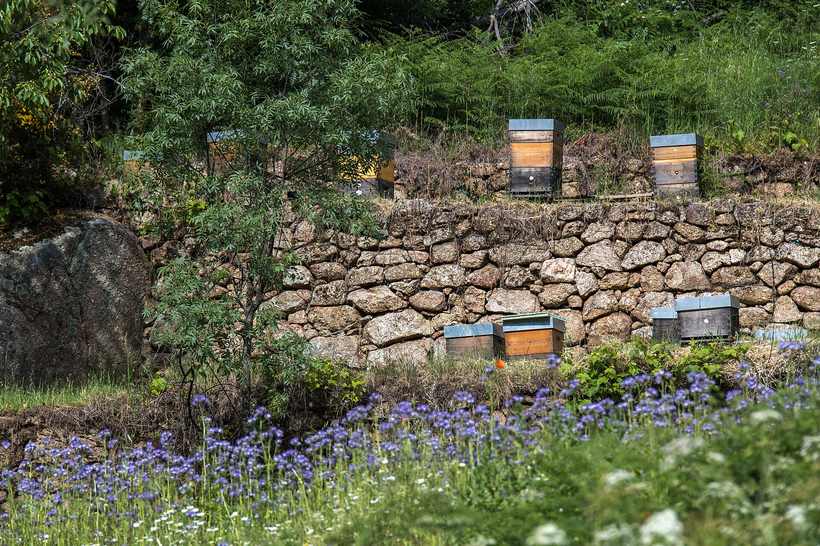
Honey is a traditional product of Zakynthos, made by bees that gather nectar from the wild herbs, flowers and trees of the hills. The island’s rich flora, its thyme, wild herbs, pine and orange blossom, gives its honey a fine aroma and flavour, and thyme honey is especially prized. Beekeeping is an old rural craft, carried on by small local producers with hives in the hills. The honey fills the island’s sweets, is drizzled over cheese and yogurt, and is sold at stalls and shops. Taste the sweetness of the island’s hills with My Greece Tours.
Honey ties the wild flora of the island to its table and its rural tradition. Bees gather from thyme, herbs and blossom, small producers keep the old craft of beekeeping, and the honey flavours the island’s sweets and food. It is a natural product of the hills. The sections below cover the island’s honey and flora, the beekeeping tradition, the honey in food, its reputed benefits, and where to buy it. Set the honey in its wider surroundings with our Zakynthos travel guide.
What is Zakynthos honey like?
Zakynthos honey is a fine, aromatic honey made by bees gathering from the island’s wild herbs, thyme, pine and blossom. Thyme honey is especially prized for its flavour and aroma. The rich island flora gives the honey its distinctive character and quality.
The honey of the island owes its quality to the rich and varied flora of its hills and countryside. Bees range over the wild thyme, herbs, flowers, pine trees and orange blossom that cover the island, gathering nectar that gives the honey a fine aroma and depth of flavour. Different sources give different honeys through the year, from the pale, fragrant blossom honeys to the darker, stronger pine and forest honeys. Above all, the island’s thyme honey is prized, as thyme honey is across Greece, for its rich taste and scent.
The greenness of the island, wetter and more wooded than the dry Aegean isles, supports an abundance of flowering plants, and this natural wealth is the foundation of its good honey.
Honey has long been valued on the island as a natural sweetener and food, part of the produce of the land alongside the wine and the olive oil. The quality of the local honey reflects the health and richness of the island’s natural environment, its hills and herbs. For the visitor, the island’s honey is a genuine local product, a taste of its wild flora, and one of the good things to seek out and take home. It sits among the natural riches of the island, from the herbs of the hills to the flowers that draw the bees, a sweet product of the same green landscape that lies behind the Zakynthos beaches and coves.
Thyme honey stands as the prized type of the island, drawn from the wild thyme that carpets the dry hillsides in early summer. The bees work the tiny purple flowers through June and July, and the resulting honey runs dark amber with a strong, aromatic taste. Pine honey forms a second major type, gathered where bees collect the sweet secretions on the island’s pine trees, giving a darker, less sweet and resinous result. Spring meadow honey, lighter and floral, comes from the wildflowers and clover of the greener months. Orange-blossom honey appears where citrus groves flower in the lowlands, pale and delicately scented.
The character of each jar shifts with the season, the site of the hives and the flowers in bloom at the time.
What is the beekeeping tradition on Zakynthos?
Beekeeping is an old rural tradition on Zakynthos, carried on by small producers who keep hives in the hills. The bees follow the flowering of the herbs and trees, and the honey is gathered and sold by these family producers.
Beekeeping is a traditional craft on the island, part of its rural life alongside the tending of vineyards and olive groves. Small local producers and families keep hives in the hills, the countryside and among the groves, where the bees can range over the wild flora. Some keepers move their hives through the seasons to follow the flowering of different plants and trees, seeking the thyme, the blossom or the pine in turn to make particular honeys. The craft is passed down and practised on a small, local scale, tied to the land and the seasons much as the other traditions of the island’s countryside.
The rows of hives are a familiar sight in the hills and rural corners of the island.
The beekeepers gather the honey through the year and sell it locally, direct or through shops and stalls. As a small-scale, traditional craft, island beekeeping produces honey of good quality, closely tied to the particular flora of the island. Buying honey direct from a local producer, where possible, gives the freshest and most authentic product, and supports the rural tradition. The beekeeping sits within the wider rural economy and traditions of the island, alongside the making of wine, olive oil and other produce, seen in the villages and countryside such as around the nature park at Askos Stone Park and the hill settlements of the interior.
It is one of the quiet, traditional livelihoods that shape the life of the island beyond tourism.
Traditional keepers site their hives with care, moving them to follow the flowering across the seasons. Spring finds the boxes among the wildflowers and citrus of the plain, while high summer draws them up to the thyme of the hot hillsides. The keeper reads the weather and the bloom, judging when a flow is strong and when the combs are ready to take. Extraction follows the old rhythm, the frames lifted, uncapped and spun to draw out the honey without harming the colony. Families pass the craft and the hives down through the generations, along with the knowledge of the best sites. The scale stays small, tied to the land rather than to any factory.
This close bond between keeper, bee and landscape gives island honey its distinct and traceable character.
How is honey used in the island’s food?
Honey is used across the island’s food, above all in its traditional sweets and pastries. It is drizzled over cheese, yogurt and fruit, used to sweeten dishes and drinks, and paired with the almonds and nuts of the island’s famous nougat and desserts.
Honey plays a rich part in the island’s food, especially its sweets. Many traditional Greek and island pastries and desserts are made with or soaked in honey, from syrup-drenched pastries to honey-and-nut confections. The island is known for its almond sweets and its nougat, in which honey and almonds combine, sold at roadside stalls and in the town. Honey is also drizzled simply over fresh cheese, thick yogurt or fruit, a classic and healthy island dessert or breakfast. It sweetens drinks and dishes, and it appears in home cooking across the island. The natural sweetness of the local honey, rich with the flavour of the island’s herbs and blossom, makes it a prized ingredient.
Beyond the sweets, honey belongs to the wider table of the island, alongside the olive oil, the cheese and the wine. It pairs naturally with the other local produce, and a spoonful of island honey over cheese or yogurt is one of the simple pleasures of the local Zakynthos food. For the visitor, trying the honey in the island’s sweets and desserts, or simply over yogurt at breakfast, is an easy and pleasant way to taste a genuine local product. The honey ties the island’s food to its natural landscape, the flavour of its hills and herbs carried through the bees to the table, a sweet thread running through the traditional cuisine of the island.
Honey threads through the whole span of the island’s cooking, savoury as well as sweet. Cooks drizzle it over fresh myzithra and other soft local cheeses for a simple, classic dish. It glazes roast meats and sweetens the syrups that soak festival pastries at Easter and Christmas. Loukoumades, the little fried dough balls, are dipped in honey and dusted with cinnamon and walnuts at fairs and family tables. Bakers fold it into breads and biscuits, and it sweetens the herb teas brewed from mountain sage and thyme. A breakfast of yoghurt, honey and walnuts opens the island day in the traditional style.
These uses tie the honey to the rituals of the table and the calendar, well beyond its role as a plain sweetener.
Does Zakynthos honey have health benefits?
Honey has long been valued on Zakynthos for its reputed health benefits as a natural food. Local thyme and herb honeys are traditionally taken for their goodness, though such honey is enjoyed above all for its fine natural flavour.
Honey has been valued as a healthful natural food since ancient times, in Greece and across the Mediterranean, and the island shares in this long tradition. Local people have taken honey, especially the prized thyme and herb honeys, for its reputed benefits, using it as a natural sweetener and remedy, to soothe a sore throat, sweeten a drink, or simply as a wholesome food. As a pure, natural product of the island’s wild flora, gathered by bees from herbs and blossom, the honey carries the goodness associated with such traditional foods. It is part of the natural, unprocessed diet of the island’s countryside, alongside the olive oil, the wild greens and the fresh produce of the land.
Honey is enjoyed above all for its fine flavour, yet its place in the traditional diet reflects the old regard for it as a natural and healthful food. The island’s greenness and rich flora give its honey a natural quality tied to its particular landscape. For the visitor, the island’s honey offers both a genuine taste of the place and a wholesome natural product to enjoy or take home.
It sits among the healthy, natural foods of the traditional island diet, the same simple, local produce, from honey to olive oil to fresh herbs and greens, that has long nourished the people of the island and now draws those who value good, natural food alongside the beaches and the sights.
Islanders have long trusted honey as a gentle remedy alongside its place at the table. A spoonful stirred into warm herb tea is the old comfort for a sore throat or a winter cold. Traditional healers paired it with lemon, herbs and raki in home cures passed down through families. Thyme honey in particular carries a reputation for its aromatic strength and its keeping qualities. Modern visitors value the honey as a natural, unprocessed food, free of the additives found in industrial products. The raw, small-batch character of the island’s honey means it reaches the jar close to the state the bees made it.
Enjoyed in moderation, it offers a wholesome taste of the island’s land and its old ways of eating.
Where can you buy honey on Zakynthos?
You can buy Zakynthos honey direct from local beekeepers, at roadside stalls, village shops, markets and food shops across the island. Buying from a small producer gives the freshest honey, often sold alongside other island produce such as olive oil and sweets.
The island’s honey is sold in many places, from roadside stalls in the countryside to shops in the villages and the town. Local beekeepers and small producers often sell their honey direct, at stalls by the road or from their homes, and buying this way gives the freshest and most authentic product, straight from the maker. Village shops, food shops and markets across the island also stock local honey, frequently alongside other island produce such as olive oil, wine, herbs and sweets. Roadside stalls in the hills and along the tourist routes sell honey together with nougat, almonds and other local goods, making it easy to find and to take home as a taste of the island.
Buying local honey supports the small producers and the rural tradition of beekeeping, and it gives the visitor a genuine product of the island. It is worth looking for honey from the island itself, ideally with a sense of its source, whether thyme, blossom or forest. A jar of island honey makes a fine gift or souvenir, keeping well and carrying the flavour of the island’s hills. Sold alongside the nougat, the almonds and the other produce of the land, the honey is part of the local food culture that a visitor meets in the shops, stalls and markets, from the villages of the interior to the towns and the resorts near the Volimes craft stalls and beyond.
The most rewarding honey comes straight from the producer, bought at the farm gate or a roadside stall in the hills. Village cooperatives, such as the women’s group at Kiliomeno, gather local honey alongside oil, wine and cheese for sale to passing travellers. Weekly village markets bring beekeepers together with their jars, and a buyer can often talk to the keeper about the type and the season. Shops in the town and the resorts stock island honey too, though the countryside sources feel closer to the tradition. A traveller should look for the flower type on the label, since thyme, pine and blossom honeys each taste distinct.
Buying direct keeps the money with the rural families who tend the hives.
Frequently Asked Questions
What kind of honey does Zakynthos produce?
Zakynthos produces several kinds of honey, reflecting the rich and varied flora of its green hills and countryside. The bees gather nectar from wild thyme, herbs, flowers, pine trees and orange blossom, giving a range of honeys through the year. Pale, fragrant blossom and flower honeys are made when the wildflowers and orange trees bloom, while darker, stronger pine and forest honeys come from the wooded hills. Above all, the island is known for its thyme honey, prized across Greece for its rich taste and aroma, gathered when the wild thyme of the hillsides flowers.
The greenness of the island, wetter and more wooded than the dry Aegean islands, supports an abundance of flowering plants and herbs, which is the foundation of its good honey. For the visitor, this means a choice of honeys to taste and buy, from the delicate blossom honeys to the robust thyme and pine, each carrying the flavour of the particular plants the bees have visited, and each a genuine natural product of the island landscape.
Is Zakynthos honey good to buy as a gift?
Zakynthos honey makes an excellent gift or souvenir to take home from the island, for several reasons. It is a genuine local product, made by small island beekeepers from the nectar of the island’s own wild herbs, thyme and blossom, so it carries a real taste of the place. Honey keeps very well without refrigeration, travels safely in a sealed jar, and does not spoil, making it a practical thing to carry home, unlike more perishable local foods. The island’s thyme and herb honeys in particular are of fine quality and well regarded, and a jar bought direct from a local producer or a village stall is both authentic and good value.
Honey is also often sold alongside the island’s other traditional produce, such as olive oil, wine, herbs, almonds and nougat, so it can be combined into a gift of local specialities. For anyone wanting to bring home a genuine, lasting and useful taste of the island, a jar of local honey, ideally with a sense of whether it is thyme, blossom or forest honey, is one of the best choices, capturing the flavour of the island’s hills to enjoy long after the holiday.
How does honey fit into Zakynthos food culture?
Honey holds a cherished place in the food culture of Zakynthos, woven into both its sweets and its everyday table. Its most prominent role is in the island’s traditional desserts and pastries: many Greek and island sweets are made with or soaked in honey, from syrup-drenched pastries to honey-and-nut confections, and the island is especially known for its almond sweets and nougat, in which honey and almonds combine. Beyond the sweets, honey is drizzled simply over fresh local cheese, thick yogurt or fruit, making a classic and healthy island dessert or breakfast, and it is used to sweeten drinks and dishes in home cooking.
It belongs to the wider traditional table alongside the olive oil, cheese, wild greens and wine, all products of the same land, and it reflects the island’s reliance on natural, local produce. Valued since ancient times as both food and natural remedy, honey ties the island’s cuisine directly to its natural landscape, the flavour of its herbs and blossom carried through the bees to the table. For the visitor, tasting the honey in the island’s sweets, or simply over yogurt, is an easy and pleasant way to connect with the genuine food traditions of the island.
How can you tell good Zakynthos honey?
Good Zakynthos honey shows its quality in its colour, aroma, texture and source rather than in any flashy label. Thyme honey runs a clear, deep amber and carries a strong herbal scent that fills the room when the jar is opened. Pine honey looks darker still, almost brown, with a resinous edge and a taste that leans less sweet. Raw, unprocessed honey may crystallise into a soft grainy set over time, a natural sign rather than a fault, and gentle warmth returns it to a runny state. A buyer should favour honey sold direct by the beekeeper or through a village cooperative, where the flower type and the season are known.
Labels that name the specific bloom, such as thyme or orange blossom, point to a producer proud of the source. The texture should feel dense and coat the spoon slowly, without the thin watery run of a blended product. Tasting before buying, where a stall allows it, remains the surest guide to a honey worth carrying home.