
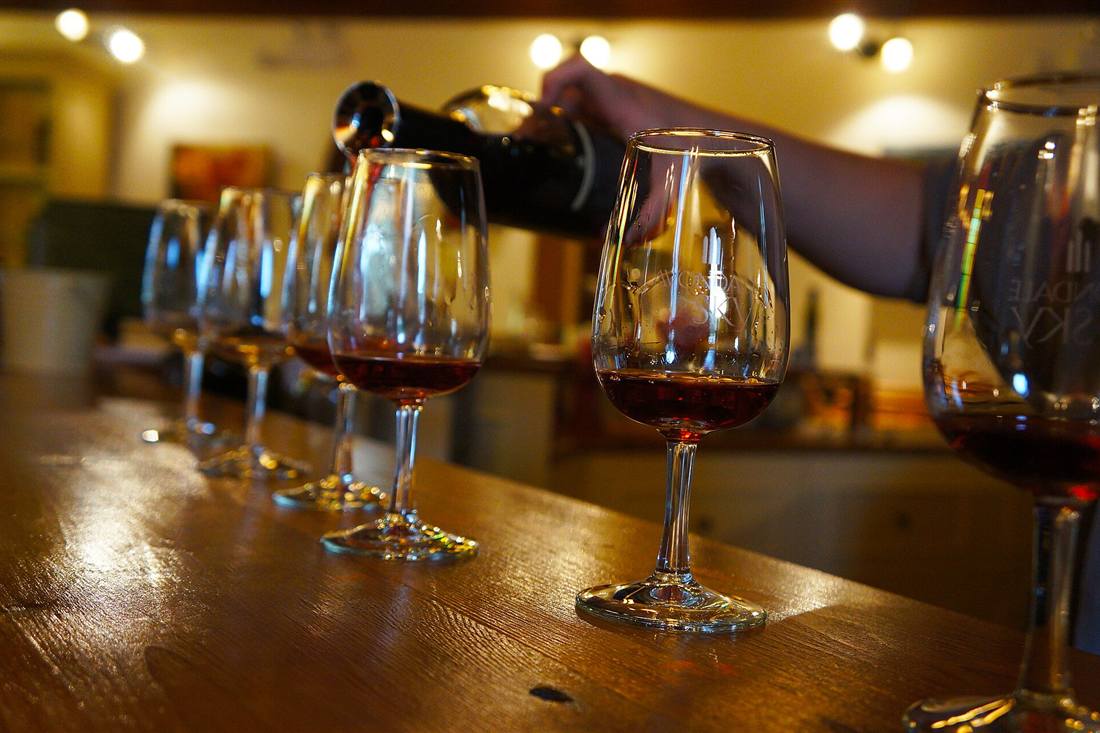
A Zakynthos food tour is a guided visit to a family-owned winery and a local producer, with six wines poured beside handmade bread, organic olive oil, cheeses with fig syrup and the island sweets. Plan the whole trip with Greece Tours.
This guide covers the Zakynthos food tour in full: the winery visit with the winemaker, the grapes and the Verdea, the olive oil tastings, the island tour that adds producer stops, what else you taste, the Venetian inheritance, how long it takes, what it costs, and how to book.
What Is a Zakynthos Food Tour and What Does It Include?
A Zakynthos food tour is a guided, small-group tasting experience visiting a family winery, an olive oil producer and local food stops, pairing wine, oil, cheese and traditional sweets with stories from the people who make them.
The set price on a Zakynthos food tour covers the wine, the food and the guide. A Zakynthos food tour is booked ahead for a fixed, agreed price per person. A licensed guide leads the group between stops, explaining the harvest calendar and why one hillside grows Verdea while another grows olives for pressing. Each stop allows time for questions and a walk through the working parts of the property.
For a longer day, a Zakynthos food tour pairs with the island sightseeing route. Transport between stops is included, since the roads run unfamiliar to a rental driver. A Zakynthos itinerary built around food covers ground a self-guided day misses, as the producers keep no public hours and host visitors only through arranged tastings.
A Zakynthos food tour runs to a family winery and a local producer. Every stop is chosen for what it produces, not for proximity to a car park, which separates a working tasting circuit from a scenic drive with a snack stop attached.
What Happens on the Vineyard and Winery Visit with the Local Winemaker?
A family-owned winery hosts the core stop, where the winemaker meets the group in person, walks them through the vineyard rows and the cellar, then pours six wines alongside handmade bread, organic olive oil, local cheeses with fig syrup, and breadsticks.
For a first day on the island, a Zakynthos food tour sets the ground for the rest of the trip. The winemaker leads the walk personally, pointing out the trellising method and the soil that runs from clay to a stonier ridge higher up the slope. Questions about yield or a difficult vintage get direct answers.
The dietary requirements are declared before a Zakynthos food tour is confirmed. The cellar stop follows the vines. Steel tanks sit next to older wood, and the winemaker explains why one wine ages in each. Six pours move from the lighter whites through to the reds, each introduced before it is poured. Handmade bread resets the palate between wines and returns beside the cheese course.
The price of a Zakynthos food tour covers the guide, the transfer and the tastings. Organic olive oil comes out for dipping alongside the bread, cheeses arrive paired with fig syrup against the salt, and breadsticks keep the table moving between pours. The setting is the working winery itself, not a function hall built for groups.
What Grapes and Wines Does a Zakynthos Food Tour Pour?
The tasting pours Verdea, the island’s signature white blend, alongside Avgoustiatis, a native red, and Robola, grown across the Ionian islands; the sequence moves from lighter whites to fuller reds, with Verdea’s aged versions poured toward the end.
The choice of Zakynthos food tour comes down to the route, the hour and the format. Verdea is the wine most closely tied to the island, a blend built from local white varieties including Skiadopoulo, Goustolidi and Pavlos. It carries a history of aging in barrel or glass demijohn for years, giving older bottlings a deeper colour and a nuttier character.
A Zakynthos food tour includes the hotel transfer either side of the visit. Avgoustiatis is the island’s native red grape, named for its August ripening, poured as a lighter-bodied red with soft tannins built for the table rather than long cellaring. Robola rounds out the whites with a crisper, more mineral profile than Verdea.
A Zakynthos food tour runs a half day or a full day across the villages. The tasting order is deliberate: younger, drier whites open the sequence, Robola sits in the middle, and the aged Verdea and Avgoustiatis close it so the heavier pours do not blunt the palate.
What Olive Oil Tastings Run on a Zakynthos Food Tour?
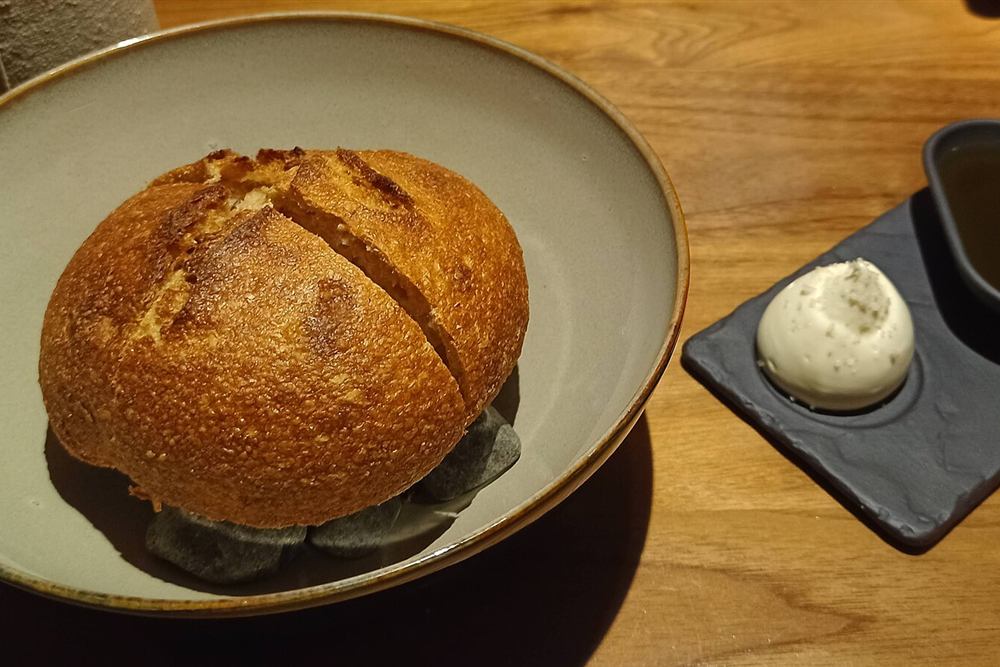
The tour includes an olive oil tasting at a working mill or a producer’s shop, where the pressing process is explained, early-harvest oil is tasted against the later pressing, and bread is served alongside the oil to carry its peppery finish.
A private Zakynthos food tour keeps the visit to one party. The tasting sets two oils side by side. Early-harvest oil, from olives picked while still green, comes through sharper and more bitter, with a peppery catch that signals high polyphenol content. The later-season pressing, from riper fruit, comes through rounder and milder.
The six wines poured by the winemaker are the set piece of a Zakynthos food tour. At the mill, the guide walks through how the olives move from tree to press — the washing, the crushing, the cold extraction that keeps the oil from heat damage. The producer explains why the harvest window runs into winter, well after supermarket fruit is pressed elsewhere.
The stops on a Zakynthos food tour take in the vineyard, the cellar and the mill. Bread is the tasting tool, torn and dipped, letting the oil’s texture and finish come through as it does at a home table. The stop is treated as a working comparison rather than a souvenir stand, and the producer’s own bottled oil is available to taste before any purchase.
What Island Tour Combines Sightseeing with Tastings?
A half-day island route pairs Zakynthos Town’s viewpoints and villages with a stop at a wine and olive producer, running past Bohali and the Venetian castle before ending with a tasting of local products at a working farm.
The afternoon slot on a Zakynthos food tour fills first in high season. The route climbs out of Zakynthos Town toward Bohali, the hill above the harbour where the Venetian castle stands behind its old fortress walls, giving a wide, unbroken look across the rooftops toward the sea. The guide covers the site’s Venetian-era history on the walk up.
Every Zakynthos food tour starts with the meeting point and the plan for the day. From Bohali, the route runs through inland villages, past olive groves and vineyard plots that thin out closer to the hills. The drive shows the terrain behind the food — terraced slopes, stone walls, small chapels.
Booking a Zakynthos food tour ahead secures the date and the place at the table. The tasting stop closes the route at an olive and wine producer, where the group sits down to local products rather than a packaged snack — bread, oil, cheese and a pour of the house wine, covering the island’s history and its table in one outing.
What Do You Taste on a Zakynthos Food Tour Beyond the Wine?
Beyond wine, the tasting table carries local cheeses including ladotyri, fig syrup, thyme honey, mandolato nougat, pastelli sesame bars, cured meats and fresh bread, building a full spread of the island’s traditional pantry rather than a single tasting item.
Families take a Zakynthos food tour for the seated tasting and the short walk. Ladotyri is the cheese most tied to the island’s name, its own translation meaning “oil cheese” for the way it is preserved in olive oil rather than brine. It is served thin, paired against fig syrup, its sweetness cutting the cheese’s sharp, salted edge.
A Zakynthos food tour carries water and shade through the summer months. Thyme honey comes from hives kept in the island’s hill country, where wild thyme covers the ground between the olive terraces. It is darker and more aromatic than a supermarket honey, served with bread or drizzled over the cheese course. Cured meats sit on the same plate.
A Zakynthos food tour ends with the sweets and a last glass of Verdea. Mandolato and pastelli close the tasting on the sweet side, both served in small pieces so the group can taste the sugar work without overwhelming the wine still in the glass. Bread runs through the tasting as the plain base that lets every other flavour stand out.
What Is Mandolato and Why Is It on the Tour?
Mandolato is the island’s almond and honey nougat, a soft white confection bound with egg white and set between edible wafer sheets, and it appears on the tasting table because it is one of the island’s most recognisable made-by-hand sweets.
A Zakynthos food tour runs to a family winery and a local producer. The nougat is built from honey, sugar and whole almonds, cooked slowly and beaten until the mixture turns pale and holds its shape when cut. The wafer paper on the outside keeps the sticky interior manageable to eat by hand.
The set price on a Zakynthos food tour covers the wine, the food and the guide. On the island, mandolato has a place at weddings, name-day celebrations and religious festivals, served alongside coffee rather than eaten as an everyday snack.
The winemaker on a Zakynthos food tour pours and explains each wine. On the tasting itself, mandolato is cut into small bars so it does not derail the wine tasting alongside it. The guide points out how the almond crunch and the floral note shift with the honey — thyme or wildflower — used in that batch.
How Did Venetian Rule Shape What You Eat on the Tour?
Centuries of Venetian rule left the island’s food with Italian-rooted dishes, borrowed words and sweets that still sit on the table today, and the tour’s guide explains that history at the stops where the influence is easiest to taste.
The price of a Zakynthos food tour covers the guide, the transfer and the tastings. Zakynthos spent centuries under Venetian administration, longer than almost anywhere else in Greece, and that period reshaped the island’s dialect, architecture and kitchen. Local dishes carry names with Italian roots, and techniques such as braising meat slowly in tomato and wine trace back to that exchange.
Planning a Zakynthos food tour ahead beats the scramble for a summer date. The castle at Bohali is the physical reminder of that rule; the food carries the quieter version. Sweets on the tasting table sit in a tradition Venetian trade routes helped spread between Italy and the Ionian islands, part of why mandolato has cousins in other former Venetian ports.
A Zakynthos food tour crosses the vineyard rows and the village lanes. A guide ties this history to the table rather than a separate lecture. Over a plate of cheese and cured meat, or a glass of Verdea, the origin of a word or a technique lands with the flavour still in the mouth.
How Long Does a Zakynthos Food Tour Take?
The tour runs as a half-day winery visit of roughly three to four hours, or a full-day island tour combining sightseeing with tastings that fills most of the daylight hours, with transfer time between stops built into both formats.
A Zakynthos food tour runs a half day or a full day across the villages. The half-day format centers on the family winery, with the vineyard walk, cellar tour and six-wine tasting filling the bulk of the time, rounded out to a morning or an afternoon that leaves room for a beach day.
A Zakynthos food tour is booked ahead for a fixed, agreed price per person. The full-day version adds the sightseeing route through Zakynthos Town, Bohali and the inland villages before or after the tasting stop. Pickup falls in the morning, with the group returning in the late afternoon or early evening.
For a longer day, a Zakynthos food tour pairs with the island sightseeing route. Transfer time is not incidental — the island’s producers sit on hill roads rather than near the coast, so a Zakynthos food tour builds in real driving time between the vineyard, the mill and the viewpoints.
How Big Are the Tasting Groups on the Tour?
Group sizes on the tour stay small by design, with a private option available for travellers who want the winemaker’s full attention, because a family-run property cannot host a large coach group inside its cellar and still hold a real conversation.
The stops on a Zakynthos food tour take in the vineyard, the cellar and the mill. A working winery has a fixed amount of cellar space and a limited number of chairs at the table, so a small group is a practical constraint, not just a stylistic choice; the winemaker addresses everyone directly rather than repeating explanations.
For a first day on the island, a Zakynthos food tour sets the ground for the rest of the trip. A private tour removes the group entirely, booking the winery visit or the island route for one travelling party alone, suiting a couple or a family who want to set their own pace and linger at whichever stop interests them.
The dietary requirements are declared before a Zakynthos food tour is confirmed. Size matters most at the winery stop, where the tasting happens around a single table rather than a bar service built for volume, and questions get real answers instead of a rehearsed line.
What Does a Zakynthos Food Tour Cost and What Is Included?
Pricing is set per person at the time of booking and covers the guide, the transfer between stops, and every tasting on the route — the wine, the olive oil, the cheese, the honey and the bread that accompanies it.
Booking a Zakynthos food tour ahead secures the date and the place at the table. The per-person rate reflects the full package, not a base fare with tastings billed separately at each stop. Once a spot is booked, the wine, the olive oil comparison, and the cheese, cured meat and sweets served along the way are all already paid for.
The choice of Zakynthos food tour comes down to the route, the hour and the format. Transport is included in the same figure: the guide arranges pickup, accompanies the group between stops, and handles the return at the end of the day, removing the need for a rental car between producers who sit apart on hill roads.
A Zakynthos food tour includes the hotel transfer either side of the visit. What is not included tends to be bottles bought for the road — wine, oil or mandolato taken home sits outside the tour price and is settled with the producer directly. A private booking is priced differently from a shared spot, confirmed at booking since it shifts with the season.
Does a Zakynthos Food Tour Cater to Dietary Requirements?
The tour accommodates vegetarian and vegan substitutions and takes gluten and nut declarations at booking, since mandolato and pastelli both contain nuts, and producers need advance notice to prepare alternatives; an alcohol-free version of the tasting is also available on request.
A Zakynthos food tour ends with the sweets and a last glass of Verdea. Vegetarian substitutions are the most straightforward request, since the table already leans on cheese, bread, honey and olive oil rather than meat. A vegan version removes the cheese and honey in favour of the bread, olive oil and fruit-based items.
A private Zakynthos food tour keeps the visit to one party. Nut declarations matter because of mandolato and pastelli, both built around whole almonds or sesame. A traveller with a nut allergy flags it before the day of the tour so the guide arranges a substitute sweet rather than a discovery at the table.
The six wines poured by the winemaker are the set piece of a Zakynthos food tour. Gluten-free requests follow the same pattern — bread runs through nearly every stop, so a gluten declaration at booking lets the guide check with each producer ahead of time. An alcohol-free version drops the six-wine sequence for the food-focused parts of the visit.
When Is the Best Time and Season for a Zakynthos Food Tour, and What Do You Wear?
The tour runs in morning and late-afternoon slots from April through November, with the grape harvest visible in the autumn and the olive harvest starting in November; closed shoes, a hat, sun protection and water suit the cellar floor, the mill and the outdoor walks.
The winemaker on a Zakynthos food tour pours and explains each wine. The morning slot avoids the day’s heat and suits a traveller who wants the afternoon free for the beach. The late-afternoon slot times the winery visit closer to sunset, softening the light for the vineyard walk and lining up with an early dinner afterward.
The afternoon slot on a Zakynthos food tour fills first in high season. Autumn brings the grape harvest into view at the winery, with pickers working the rows and the press house at its busiest. The olive harvest follows from November, when the mill shifts into its own busy season and fresh early-harvest oil becomes available at its sharpest stage.
Every Zakynthos food tour starts with the meeting point and the plan for the day. Closed shoes matter at both the cellar and the mill floor, where uneven stone or spilled liquid make open sandals a poor choice. A hat and sun protection cover the outdoor sections, and water is worth carrying between stops.
How Do You Book a Zakynthos Food Tour and Where Does It Fit in a Trip?
A Zakynthos food tour is booked ahead of the date to secure a spot, with the late-afternoon slot filling first in high season; dietary requirements and the pickup point are confirmed at booking, and a half-day tasting pairs naturally with a boat day scheduled on a separate date.
A Zakynthos food tour crosses the vineyard rows and the village lanes. Booking ahead matters most in the busier months, when a family winery can only host a limited number of groups in a single day and the late-afternoon slot — timed for the softer light and the dinner that follows — is the first to fill.
Families take a Zakynthos food tour for the seated tasting and the short walk. At the point of booking, dietary requirements go on record so producers have time to prepare a substitution, and the pickup point is confirmed against the traveller’s accommodation, avoiding any back-and-forth on the morning of the tour itself.
A Zakynthos food tour carries water and shade through the summer months. A half-day Zakynthos food and Zakynthos wine tasting leaves the rest of the day open, pairing naturally with a boat excursion or a beach day booked on a separate date. A short itinerary built around a boat trip to the Blue Caves, a Zakynthos off road buggy tour through the hill villages, and the winery visit keeps each outing on its own day so none of them feels rushed.
Frequently Asked Questions
What is included in a Zakynthos food tour?
The guide, the transfer, the walk through the vineyard and the cellar, six wines poured by the winemaker, and the plate that comes with them: handmade bread, organic olive oil, cheeses with fig syrup and breadsticks.
How long is a Zakynthos food tour?
The winery visit runs a half day with the transfer either side. The island tour that adds the olive and wine producer stops runs a full day across the villages and the viewpoints.
What wine do you taste on a Zakynthos food tour?
Verdea, the white blend the island is known for, leads the tasting. The Avgoustiatis red and the Robola grown across the Ionian islands follow, poured in order by the winemaker.