
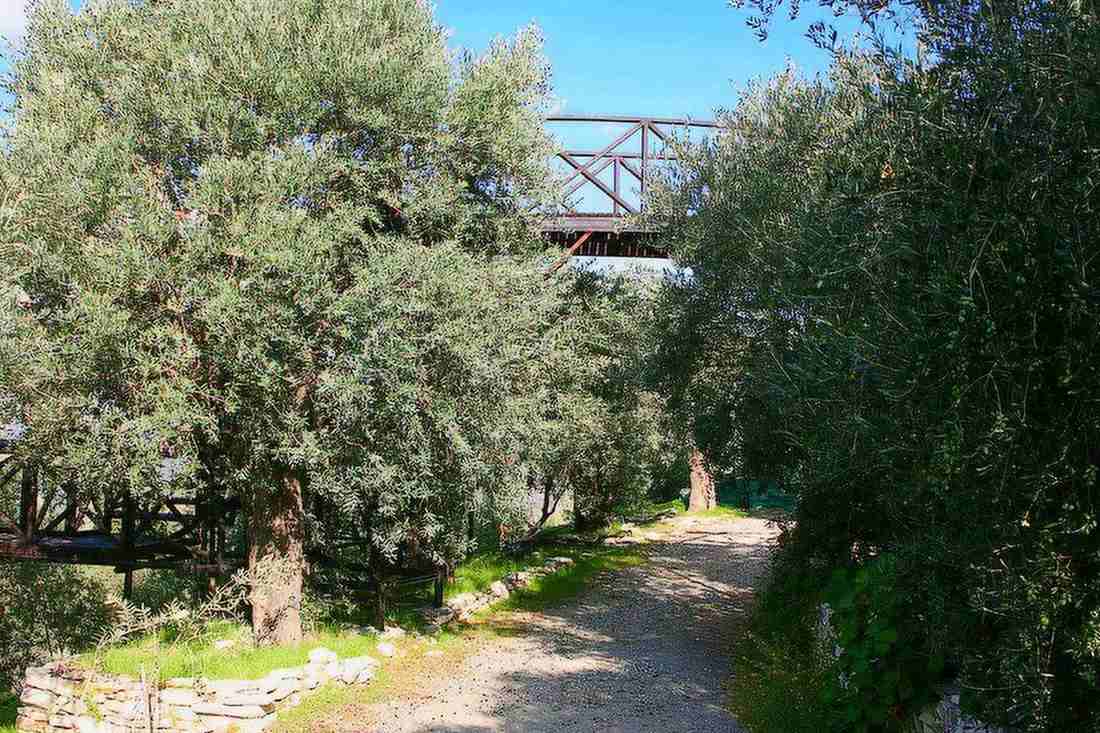
A Troodos olive oil tasting comes inside a village tour or a farm visit in the Troodos Mountains and their foothills. Find more trip ideas on Greece Tours.
Each section answers one question about a Troodos olive oil tasting: the tours, the olive farms, the local products, the pairings and the harvest.
What is a Troodos olive oil tasting?
Olive oil sampled on a day out in the mountains of Cyprus is a Troodos olive oil tasting. The GetYourGuide feed for this search holds no stand-alone tasting. The oil comes as one stop inside a longer day tour.
Wikipedia calls the Troodos the largest mountain range in Cyprus, set roughly in the centre of the island. Its top, Mount Olympus, stands at 1,952 m. The one gig that sells a Troodos olive oil tasting also lists Mount Olympus views.
Laneia appears in both gigs on this page. The village sits 26 km from Limassol on the main Limassol to Troodos road, at 575 m above sea level. GetYourGuide files the Limassol route under Laneia.
Wikipedia names plants of the genus Olea among the plants of the Troodos. That genus includes the olive, Olea europaea, which Wikipedia calls native to the Mediterranean region.
The GetYourGuide search for Troodos olive oil returns 20 gigs. Only one of them names olive oil in its text. A traveller who wants a Troodos olive oil tasting therefore books a day trip with a tasting stop.
Which Troodos tours include olive oil?
Troodos-Olympus: Olive Oil, Mountains & Laneia Village is the one gig whose text names olive oil. It runs 8 hours. Its abstract lists an olive oil tasting, Mount Olympus views and Laneia village.
This gig sits under Paphos on GetYourGuide. Pickup is available, English is the listed language, and free cancellation applies. Booking closes 10 hours before the start. The form takes 1 to 50 participants, aged 0 to 99. Four reviews rate it 5 stars.
The abstract promises the tasting, the views and the village. It names no farm or mill, so this page names none for the Troodos olive oil tasting either.
The second gig is From Limassol: Troodos Mountains & Villages Highlights Tour. GetYourGuide lists 9 hours, and 83 reviewers rate it 4.8 stars. Its abstract mentions mountain villages and Kykkos Monastery. It lists no Troodos olive oil tasting.
The operator page says Ascot Travel & Tours, a family-run company, runs this route. The stops come in a fixed order. Laneia opens the day, then Troodos Square, then Kykkos Monastery, founded in the 11th century according to the page. Next comes Throni tis Panagias, which the page calls the resting place of Archbishop Makarios III.
The food stops on that route are small. Visitors drink coffee at Troodos Square and browse stalls of local products. They eat lunch at a mountain restaurant, taste wine at a family winery and try local sweets in Omodos. A Troodos olive oil tasting is not on the list.
Both gigs have pickup. On the Limassol route, collecting all travellers takes about 40 minutes from first to last location. The vehicle is air-conditioned, and lunch is extra. Cancel 24 hours ahead for a full refund. The monastery asks for covered shoulders and legs down to the knees.
None of the other 19 gigs in the feed names olive oil, so none advertises a Troodos olive oil tasting. They sell different things. One adds a premium chocolate tasting and local wine. Another stops at Tzelefos Bridge and Chantara Waterfall. A third visits a family-owned farm, a rose factory and a winery.
Browse all Cyprus tours to compare those mountain days with other days out on the island.
Which olive farms near the Troodos offer a tasting?
Two places list a tasting: the family-run organic farm on the SanCy Tours route and Oleastro Olive Park at Anogyra. Terra Oliva near Pano Lefkara takes reservations and sells olive products, but its site names no tasting.
SanCy Tours sells private tours in Cyprus. Its organic olive farm page sets a tasting in the foothills of the Troodos Mountains. That makes it a Troodos olive oil tasting.
The tasting starts with pure natural oil. Next come oils infused with lemon, basil or garlic. The page also names tapenades, pastes, jams, marmalade, schnapps and handmade cosmetics.
The tour lasts between 4 and 4.5 hours. Pickup is at about 9:00 for the Troodos olive oil tasting. The host collects guests free of charge from hotels around Paralimni, Protaras and Agia Napa, and across the Larnaca district. The page plans no long hikes and asks for suitable shoes and a hat.
Oleastro Olive Park stands 3 km past the village of Anogyra, half way between Paphos and Limassol. Its site says the park looks to the Troodos peak in the north and over Episkopi Bay in the south. Wikipedia places Anogyra in the Limassol District, 7 km north of Avdimou.
Tickets to the park include a free olive tasting. Of the places above, only Oleastro pairs a Troodos olive oil tasting with a mill and a museum. The park opens six days a week, from 10 am to 6 pm. It closes on Saturdays, Christmas Day, New Year’s Day and Orthodox Easter Sunday.
Terra Oliva sits near Pano Lefkara. Wikipedia puts that village in the Larnaca District, on the southern slopes of the Troodos. The farm site gives drive times of 25 minutes from Larnaca, 35 minutes from Limassol and 40 minutes from Nicosia.
The site says a family created the farm and that it holds more than 7,000 olive trees. Its signature product is extra virgin olive oil. It also lists olive paste, traditional olive sweets, olive jam, souvenirs and olive wood handicrafts.
The site shows opening hours of 8 am to 10 pm every day and a line for reservations. Call first to ask whether a Troodos olive oil tasting runs on your day.
GetYourGuide lists a private 5.5-hour trip called Limassol: Shore Excursion to an Olive Farm, Lefkara & Limassol. Pickup is available. The short description promises fresh olive oil from ancient groves. It adds handmade lace from a UNESCO village and a medieval castle in a coastal city.
What does an olive farm visit show on a Troodos olive oil tasting?
A visit shows ancient trees, the pressing of the oil and a table of olive products. Oleastro adds a museum, a restaurant and a gift shop. The SanCy route adds a donkey farm.
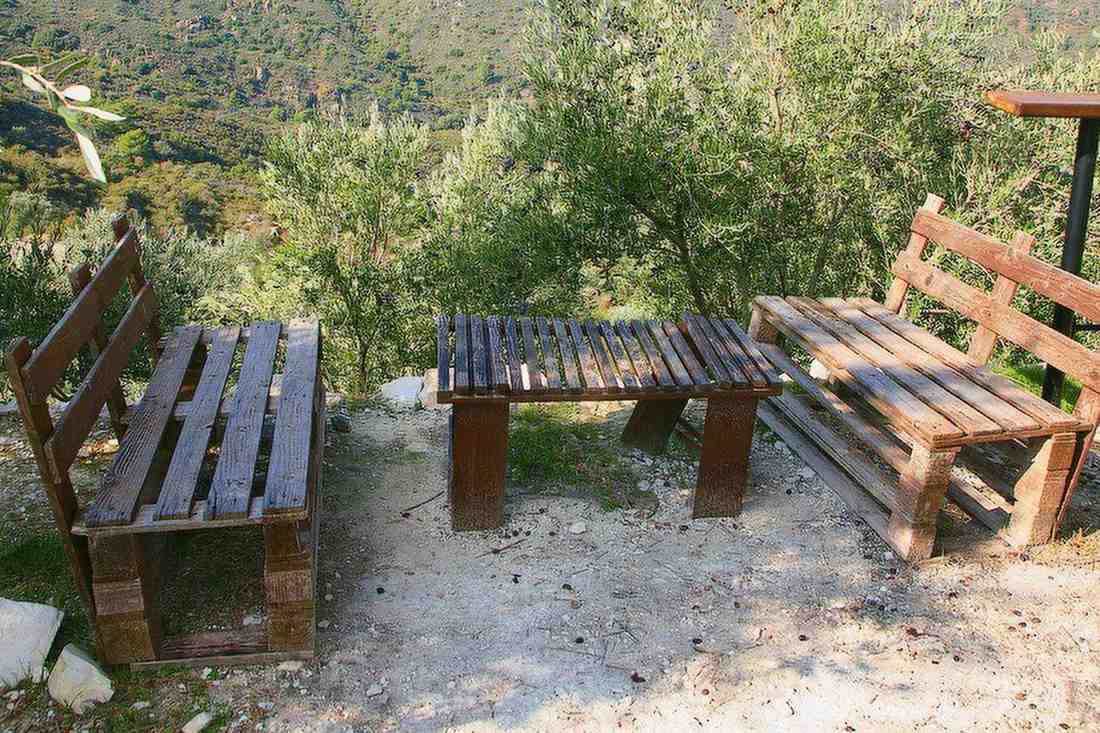
A Troodos olive oil tasting begins among the trees. SanCy Tours says its groves hold trees over a thousand years old. Terra Oliva says hundreds of its trees are 300 to 1,000 years old.
One Terra Oliva tree is over 1,000 years old, holds a special certificate and has protection from the Cyprus government.
A traveller’s post on Trip.com describes a 600-year-old tree at Oleastro. The post says the tree survived a fire and still bears olives. It adds that the owner led the tour. The entry covered the museum, a guided tour and a tasting with fresh bread.
The mill is the next stop on a Troodos olive oil tasting at Oleastro. The park presses with millstones in a cold process and calls this a first for Cyprus. Visitors watch the real extraction between mid-October and February. The site also lists ISO certificates for food safety, quality and the environment.
The museum and the outdoor park cover 60,000 years of olive history, as the site puts it. Oleastro lists these themes:
- extraction methods and farm work
- the olive tree in painting
- jobs linked to the olive tree
- the olive in the Mediterranean diet
- customs, history and mythology
A Troodos olive oil tasting at Oleastro sits inside a park with a restaurant, a video room and a playground. Oleastro also lists an olive bread demonstration in a traditional oven. It adds a quiz, a treasure hunt and an Olive Tree Day. Its gift shop specialises in olive products.
After the tasting, the SanCy route moves to a donkey farm under old olive trees. Guests meet and feed the donkeys. The farm offers soaps, creams and liqueurs made from donkey milk. The donkey farm gives a Troodos olive oil tasting a family-friendly second stop.
The SanCy host explains how olives are grown, harvested and turned into extra virgin oil. The guided session follows that talk. The tour is only for you and the people you book in. Your Troodos olive oil tasting has no other groups.
SanCy Tours also pairs a family-run organic farm near Lefkara with the lace village. Our Lefkara tour page covers that route.
Which Cyprus olive varieties and products do you taste?
The Cypriot local olive, Ladoelia, gives both table olives and oil, while Koroneiki gives oil only. A Troodos olive oil tasting also puts cracked olives, olive bread and farm products on the table. The plate holds more than plain oil.
The ARTOLIO project page puts Ladoelia first among Cypriot olive trees by popularity. It lists Kypriaki and Dopia as other names for the same tree. The page calls the fruit dual-use, for oil and for green or black table olives. Learn these names before a Troodos olive oil tasting.
Ask which tree fills the bottle at a Troodos olive oil tasting. The Olea DB catalogue lists Ladoelia as native to Cyprus and as double-purpose. It names Lythrodontas, Parsada and Solia as growing places. It also files the tree under the synonyms Local, Kutsurelia, Kurelia and Patrini.
A conference paper studied thirty-one clones of the Local or Ladoelia olive in Cyprus. Olea DB lists clone names such as Lefkara 1, Lefkara 2, Lagoudera and Kato Drys. The list also names Evrychou, Peristerona and Mazotos.
A paper titled The olive industry in Cyprus sorts the olives grown on the island by use. In its Olea DB entry, Koroneiki is an oil olive. Kalamata and Manzanilla de Sevilla are table olives, and Picual is double-purpose.
Olea DB gives Koroneiki a Cretan origin, yet the Cyprus paper lists it among the island’s olives. Oleastro says its organic oil comes strictly from Koroneiki olives.
The Cyprus government booklet Gastronomy in Cyprus describes Cypriot extra virgin oil as made from the local variety. It says the oil has a distinctly fine aroma. It adds that the fruit of the local variety is eaten as it is and also pressed for oil.
Table olives are as Cypriot as the oil on a Troodos olive oil tasting. The booklet calls them part of the daily diet. They come at breakfast, as a side dish, in salads and in dips. Black olives can be baked, and olives go into pastry too.
The booklet says cooks cut green olives slightly with special blades and set them in brine to remove bitterness. Black olives, once debittered, are kept in salted water, diluted vinegar, dry salt or olive oil.
Cracked green olives are called tsakistes. The booklet says cooks once partly crushed green olives at home with the sudden strike of a stone. The Kopiaste food blog calls tsakistes especially popular in Crete and Cyprus. It lists oil, lemon juice, garlic and coriander seeds among the seasonings.
The booklet says Cypriots use olive products in the diet, in religious rituals and for personal care. Olive wood has served for utility items and works of art. The name Elia, meaning olive, appears in areas throughout the island.
The Sancytours Lefkara tour page names olive-based cosmetics and handmade soaps beside the tasting. It says these products show other uses for the harvest. Olive bread belongs on the table as well, since Wikipedia lists olive breads among the foods that carry coriander.
How does a Troodos olive oil tasting pair with wine and local food?
A Troodos olive oil tasting sits well beside Cypriot food. Olive oil dresses salads, vegetables and pulses, and olives open the meze table. Wine joins in on the Troodos Mountain Food & Wine Tasting Tour, which stops at a family winery.
A Troodos olive oil tasting fits local food because Cypriots use the oil every day. Wikipedia says salad vegetables are chopped and dressed with lemon and olive oil. In summer the usual salad holds celery leaves, parsley, coriander, tomatoes and cucumbers.
The government booklet lists more uses for the oil beyond a Troodos olive oil tasting. They are appetizers, salads, a spread on bread, frying and marinating meat. It also names foods and sweets.
Meze starts with olives, so a Troodos olive oil tasting suits a meze lunch. Wikipedia says a meze meal begins with black and green olives, tahini, skordalia, humus, taramosalata and tzatziki. Fresh bread and a bowl of mixed salad come with them. Grilled halloumi arrives later.
Fasting days change the plate. Wikipedia says the Orthodox Church sets days when animal products are not eaten. Pulses dressed with olive oil and lemon take their place. On certain fasting days even olive oil is not allowed.
Wine sits at the same table as a Troodos olive oil tasting. The Kopiaste food blog serves tsakistes with crusty bread, olive oil and a glass of wine or ouzo. It places them on a meze table beside tzatziki, hummus, dolmades and feta.
The Troodos Mountain Food & Wine Tasting Tour covers the wine side. Its listing says you meet locals, discover traditional products and stop at a family winery. It runs 8.5 hours as a small group, with pickup from Nicosia, Larnaca, Limassol, Paphos, Ayia Napa or Protaras.
The listing summary does not name olive oil. Read the full listing for its stops before you plan a Troodos olive oil tasting around it. The widget shows free cancellation and a booking cut-off of 10 hours.
Read our Troodos wine tour page for the wineries and grapes behind the glass. Treat the oil stop and the wine stop as two parts of one mountain day.
When is the olive harvest in Cyprus?
Cypriot growers harvest olives from October to January. Handpicking of green table olives starts earlier, at the end of September, according to the Cyprus government booklet on gastronomy.
Plan a Troodos olive oil tasting around the mill calendar. A Paphos blog gives October to March as the months when the olive mills are open in Cyprus. Everyone who has olive trees takes the olives there to be pressed into oil.
Olives for oil wait longer on the tree. The same blog says the rest of the crop is left to go mainly black. That happens between November and March, depending on the olive variety. Black fruit holds the highest amount of oil, the blog states.
The Solea valley lies on the Troodos range. The Visit Solea website lists a mill there, open from November to February. The mill presses oil mechanically. It takes only fruit from trees in the mountain and semi-mountain villages of Solea, Pitsilia, Marathassa and Western Nicosia.
Pickers work by hand or with machines, the booklet states. The fruit travels to the mill in shallow plastic containers. The blog says olives normally reach the mill within a couple of days. That way they do not start to turn bitter.
How do you taste oil at a Troodos olive oil tasting?
Warm about 15 ml of oil in a covered glass held in your palm. Smell it slowly, then sip it while drawing in a little air. Clean your mouth with water and apple between oils.
These five steps come from the Portuguese producer Esporão. They suit a Troodos olive oil tasting at a table or at home. Pour the oil into a small coloured glass or a tea-cup. The glass hides the oil’s colour. Colour comes from the variety and the ripeness of the olive and is no quality mark.
Cover the glass with a saucer and hold it in your palm to heat the oil. A temperature of 28 degrees Celsius is ideal. The parts that carry smell and flavour are volatile and escape at that heat.
Move the oil slightly, lift the cover and breathe in slowly. Then take a small amount into your mouth so that it spreads through the mouth and down the throat. Draw in a little air at the same time to feel the aromas through the nose. Follow this order at every Troodos olive oil tasting: smell first, sip second.
Use two markers at a Troodos olive oil tasting. Wikipedia notes that a peppery or bitter taste points to higher polyphenol content. Under International Olive Council rules, extra virgin oil needs a fruity median above zero.
Between oils at a Troodos olive oil tasting, drink water and eat a piece of apple to clean the palate. The guide also tries oils on small pieces of neutral white bread. That route shows fewer features of the oil than the glass does.
What do travellers ask about a Troodos olive oil tasting?
Travellers ask five things. Does a bottle fit in hand luggage, and how do you pack it for the hold? How long does it keep, what does its colour show and how high do the groves climb?
These answers about a Troodos olive oil tasting come from named sources. The sources are Hermes Airports, one airline policy, a Paphos blog, Olivarte and the Cyprus government booklet. Ask your own airline about its liquid rules before you buy a bottle.
Can you carry olive oil from a Troodos olive oil tasting in hand luggage?
Air Europa’s liquids table marks olive oil as not allowed in the cabin. At Larnaka and Pafos airports, Hermes Airports requires liquids, aerosols and gels in one transparent resealable bag. The bag holds up to 1 litre, about 20 cm by 20 cm. Each passenger carries one bag and shows it at the checkpoint.
Can you pack olive oil in checked baggage?
Air Europa accepts bottled olive oil only as checked baggage. 5% of the bottle must stay empty. The bottle goes into two sealed waterproof bags, then into a labelled box marked Fragile. The passenger signs a disclaimer at check-in.
How long does a bottle of fresh olive oil keep?
A Paphos blog says freshly pressed oil is cloudy. It needs a dark, cool place for 1 to 2 months before use, while any bitterness fades. The blog rates oil left for 4 months or more as better still. The government booklet gives Cyprus oil a shelf life of at least 12 to 18 months under optimum storage.
What does the colour of olive oil show at a Troodos olive oil tasting?
Olive oil colour ranges from intense green to golden yellow. The Olivarte blog calls intense green more characteristic of herbaceous, bitter oils. It calls golden yellow more characteristic of sweeter, riper oils.
How high do olive groves climb near the Troodos Mountains?
The government booklet places olive-producing areas in Cyprus up to an altitude of about 700 m. Its main production zones lie in the lowlands and semi-mountainous areas of the Nicosia and Larnaca districts. Mount Olympus, the highest peak of the Troodos range, stands at 1,952 m.